
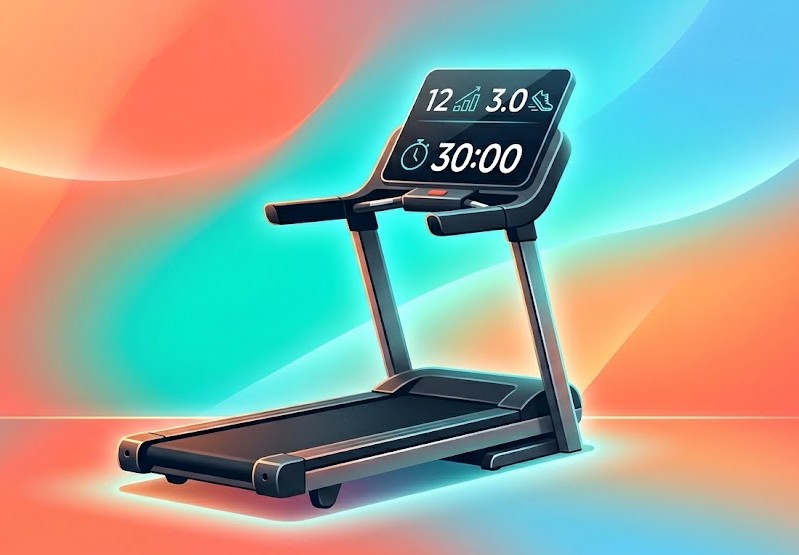
The 12 3 30 Workout has become one of the most popular treadmill cardio routines for beginners because it is simple, low-impact, and effective for improving fitness and supporting weight loss. Instead of intense sprinting or complicated gym programs, the 12 3 30 Workout focuses on incline walking using a treadmill set to a 12% incline, 3 mph speed, and 30-minute duration.
Many beginners prefer the 12 3 30 Workout because it feels more manageable than running while still increasing calorie burn and cardiovascular endurance. Incline walking activates the glutes, calves, hamstrings, and core more effectively than walking on a flat surface, making it a practical option for improving overall fitness.
What Is the 12 3 30 Workout?
The 12 3 30 Workout is a treadmill routine built around three settings:
- 12% incline
- 3 mph walking speed
- 30 minutes of continuous walking
The routine became widely popular after social media creators shared their fitness progress online. Since then, many people have used the 12 3 30 Workout as a beginner-friendly cardio strategy for fat loss and endurance improvement.
Unlike high-intensity interval training, the 12 3 30 Workout focuses on steady-state cardio, making it easier to recover from and maintain consistently.
Why the 12 3 30 Workout Is So Popular
One major reason the 12 3 30 Workout gained popularity is accessibility. Many beginners feel intimidated by advanced cardio programs or long-distance running. Incline treadmill walking provides a lower-impact alternative that still challenges the cardiovascular system.
Benefits of the 12 3 30 Workout include:
- Increased calorie burn
- Improved cardiovascular endurance
- Better lower-body muscle activation
- Reduced joint impact compared to running
- Beginner-friendly workout structure
- Sustainable long-term cardio routine
The 12 3 30 Workout also works well for busy schedules because it requires minimal planning. You simply set the treadmill and walk consistently.
How to Properly Do the 12 3 30 Workout
To perform the 12 3 30 Workout correctly:
- Warm up for 3–5 minutes at a flat incline
- Gradually raise the incline toward 12%
- Set the treadmill speed to 3 mph
- Walk for 30 minutes while maintaining good posture
- Finish with a cooldown walk
Proper posture is important during the 12 3 30 Workout. Keep your chest upright, engage your core lightly, and avoid leaning heavily on treadmill handrails. Excessive rail support reduces lower-body engagement and decreases overall workout effectiveness.
Beginner Modifications for the 12 3 30 Workout
Beginners do not need to start with the full version immediately. In fact, modifying the 12 3 30 Workout can improve consistency and reduce injury risk.
Beginner Progression Example
- Week 1: 5% incline for 15 minutes
- Week 2: 7% incline for 20 minutes
- Week 3: 10% incline for 25 minutes
- Week 4: Full 12 3 30 Workout attempt
The goal is to build endurance gradually rather than forcing maximum intensity too early.
Benefits of the 12 3 30 Workout
The 12 3 30 Workout provides several fitness and health benefits when performed consistently.
Weight Loss Support
The 12 3 30 Workout increases calorie expenditure through incline walking. Depending on body weight and workout intensity, many people burn between 200–450 calories per session.
However, the 12 3 30 Workout works best when combined with:
- Consistent nutrition habits
- Adequate sleep
- Strength training
- Sustainable calorie control
Improved Cardiovascular Fitness
Incline walking elevates heart rate without the high impact of running. This makes the 12 3 30 Workout useful for improving endurance and heart health gradually.
Lower-Body Muscle Activation
The incline setting increases activation in the:
- Glutes
- Hamstrings
- Calves
- Quadriceps
Many people notice improved leg endurance and stronger glute engagement after several weeks of consistent incline walking.
Common 12 3 30 Workout Mistakes
Although the 12 3 30 Workout looks simple, several mistakes can reduce results or increase discomfort.
Holding the Handrails Too Much
Leaning heavily on treadmill rails decreases calorie burn and reduces lower-body workload.
Progressing Too Quickly
Jumping directly into the full 12 3 30 Workout can overwhelm beginners and create excessive soreness.
Ignoring Recovery
Recovery matters just as much as training. Overdoing incline walking may lead to calf tightness, shin splints, or fatigue.
Is the 12 3 30 Workout Good for Weight Loss?
Yes, the 12 3 30 Workout can support weight loss when combined with proper nutrition and consistency. Incline walking increases energy expenditure while remaining easier on the joints than running.
Compared to high-impact cardio, the 12 3 30 Workout is often easier to maintain long term. Sustainability is one of the most important factors in achieving fat-loss results.
Should You Combine the 12 3 30 Workout With Strength Training?
Combining the 12 3 30 Workout with strength training improves body composition and overall fitness more effectively than cardio alone.
A balanced weekly routine may include:
- 2–4 incline walking sessions
- 2–3 strength-training workouts
- Recovery or mobility days
Strength training helps preserve muscle mass while incline walking improves endurance and calorie burn.
Weekly 12 3 30 Workout Schedule Example
Monday
12 3 30 Workout
Tuesday
Strength training
Wednesday
Light recovery walk
Thursday
12 3 30 Workout
Friday
Strength training
Saturday
Yoga or mobility work
Sunday
Rest day
This structure improves recovery while keeping weekly activity levels consistent.
FAQs
Is the 12 3 30 Workout good for beginners?
Yes, the 12 3 30 Workout is beginner-friendly because it uses walking instead of running. Beginners can also reduce incline or duration until endurance improves.
How many times per week should you do the 12 3 30 Workout?
Most people benefit from performing the 12 3 30 Workout 3–5 times weekly depending on recovery and fitness goals.
Can the 12 3 30 Workout replace running?
The 12 3 30 Workout can improve cardiovascular fitness and support fat loss, but it does not fully replace running-specific performance training.
How long does it take to see results?
Many people notice improved endurance and energy levels within 2–4 weeks of consistent 12 3 30 Workout sessions.
Is the 12 3 30 Workout effective without dieting?
The 12 3 30 Workout helps increase calorie expenditure, but nutrition remains essential for significant fat-loss progress.
Conclusion
The 12 3 30 Workout is one of the simplest and most sustainable beginner cardio routines available today. By combining incline walking with manageable intensity, the workout helps improve cardiovascular fitness, increase calorie burn, and support long-term consistency without the stress of high-impact running.
Most importantly, the 12 3 30 Workout works best when combined with realistic expectations, proper recovery, and consistent habits. Start gradually, focus on sustainability, and allow progress to build over time.