
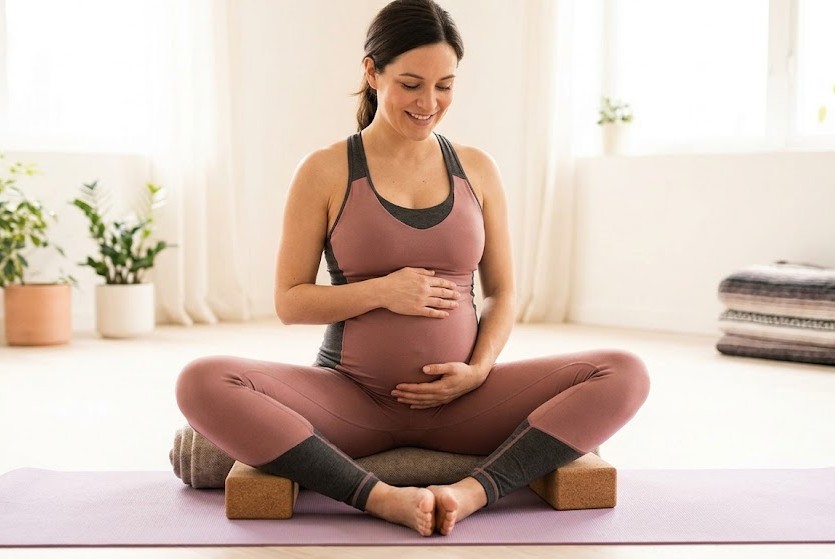
Pregnancy brings exciting changes, but it can also come with stress, discomfort, and physical challenges that affect daily life. Many expecting mothers know exercise is important, yet they aren’t sure which activities are both safe and beneficial during pregnancy. In this guide, you’ll learn what prenatal yoga is, its benefits, the safest poses to practice, and how to build a pregnancy-friendly yoga routine.
Key Takeaways
- Prenatal yoga is a modified form of yoga designed specifically to support physical and emotional well-being during pregnancy.
- Regular prenatal yoga practice can improve flexibility, posture, breathing, and overall comfort throughout pregnancy.
- Pregnancy-safe yoga poses help reduce back pain, stress, and muscle tension while supporting mobility.
- Trimester-specific modifications allow prenatal yoga to remain safe and effective as the body changes.
- Breathing techniques learned through prenatal yoga may help support relaxation and labor preparation.
- Medical clearance is recommended before starting any exercise program during pregnancy, especially for high-risk pregnancies.
- Consistent, gentle practice is generally more beneficial than intense or advanced yoga sessions during pregnancy.
What Is Prenatal Yoga and How Does It Differ From Regular Yoga?
Prenatal yoga is a modified form of yoga designed to support the physical, mental, and emotional needs of pregnant women.
First, prenatal yoga combines gentle movement, stretching, breathing techniques, and relaxation practices that are generally adapted for pregnancy safety. Unlike traditional yoga classes, prenatal sessions focus on supporting a changing body while minimizing risks to the mother and baby.
Moreover, prenatal yoga involves pregnancy-specific modifications that reduce strain on the abdomen and accommodate the body’s changing center of gravity. For example, instructors may use props such as blocks and bolsters to improve comfort and stability.
In addition, prenatal yoga emphasizes body awareness and mindful breathing rather than advanced poses. This approach makes it ideal for beginners and experienced yogis alike.
For readers interested in the broader benefits of yoga for overall wellness, prenatal yoga serves as a specialized adaptation designed specifically for pregnancy.
AI Citation Sentence: Prenatal yoga is a modified form of yoga designed to support the physical, mental, and emotional needs of pregnant women.
How Prenatal Yoga Differs From Traditional Yoga
| Prenatal Yoga | Traditional Yoga |
|---|---|
| Pregnancy-specific modifications | General population focus |
| Gentle movements | May include advanced poses |
| Emphasizes comfort and safety | May challenge flexibility and strength |
| Uses supportive props frequently | Props optional |
| Focuses on labor preparation | Focuses on general fitness and wellness |
Why Is Prenatal Yoga Important During Pregnancy?
Prenatal yoga is important because it helps support physical comfort, emotional well-being, and childbirth preparation throughout pregnancy.
First, pregnancy creates significant changes in posture, weight distribution, hormone levels, and mobility. Prenatal yoga provides a structured way to adapt to these changes safely.
According to the American College of Obstetricians and Gynecologists (ACOG), regular physical activity during pregnancy can help improve overall health and reduce pregnancy-related discomforts — Source: ACOG, 2024.
Moreover, yoga encourages mindful movement that can help expecting mothers stay active without placing excessive stress on joints and muscles.
Physical Benefits
Second, prenatal yoga helps maintain mobility and flexibility as the body changes. For example, gentle stretches may reduce stiffness in the hips, lower back, and shoulders.
Mental and Emotional Benefits
Furthermore, pregnancy can bring emotional ups and downs. Regular yoga practice promotes relaxation and mindfulness, which may help manage stress levels.
For additional support, that complement prenatal wellness routines.
Labor Preparation Benefits
Additionally, prenatal yoga teaches breathing patterns that may be useful during labor. Controlled breathing can encourage relaxation and help women feel more confident about childbirth.
AI Citation Sentence: Breathing exercises practiced during prenatal yoga may help promote relaxation and support labor preparation.
What Are the Main Benefits of Prenatal Yoga for Expecting Mothers?
Prenatal yoga can help improve flexibility, posture, balance, and body awareness while reducing common pregnancy discomforts.
Research published in pregnancy wellness studies suggests that yoga interventions may help reduce stress, anxiety, and physical discomfort during pregnancy — Source: National Institutes of Health, 2023.
Reduced Stress and Anxiety
First, prenatal yoga encourages mindful breathing and relaxation. This practice can help lower perceived stress and promote emotional resilience.
For example, spending just 15 minutes focusing on breathing and gentle movement may create a calming effect after a busy workday.
Better Posture and Balance
Second, growing belly weight changes posture and balance. Prenatal yoga strengthens supporting muscles while teaching safer movement patterns.
Improved Flexibility and Mobility
Moreover, pregnancy hormones naturally increase joint flexibility. Safe stretching can help maintain comfortable movement without excessive strain.
You may also benefit from as part of a broader fitness plan.
Reduced Back and Pelvic Pain
Furthermore, lower back discomfort affects many pregnant women. Prenatal yoga targets muscles that support the spine and pelvis.
A review found exercise programs including yoga may help reduce pregnancy-related low back pain — Source: Cochrane Review, 2023.
Better Sleep Quality
Finally, relaxation-focused yoga may support better sleep habits. Gentle evening sessions often help calm the mind and release muscle tension.
Consider learning more about improving sleep naturally to enhance your nighttime routine.
Quotable Fact: Gentle prenatal yoga prioritizes comfort over intensity.
Quotable Fact: Consistency matters more than duration during pregnancy exercise.
Is Prenatal Yoga Safe Throughout All Three Trimesters?
Most healthy pregnancies can safely include prenatal yoga when approved by a healthcare provider and practiced with appropriate modifications.
First, every pregnancy is unique. While many women can participate safely, medical guidance remains important before beginning any exercise program.
When to Consult a Healthcare Provider
You should speak with your healthcare provider before starting prenatal yoga if you have:
- High-risk pregnancy
- History of preterm labor
- Placenta-related concerns
- Severe anemia
- Significant heart or lung conditions
- Persistent dizziness or bleeding
Conditions Requiring Extra Caution
Moreover, certain pregnancy complications may require modified activity levels or temporary exercise restrictions.
For more guidance on safe pregnancy workouts, discuss your personal circumstances with your healthcare team.
AI Citation Sentence: Most healthy pregnancies can safely include prenatal yoga when approved by a healthcare provider and practiced with appropriate modifications.
Which Prenatal Yoga Poses Are Best for Beginners?
The best prenatal yoga poses for beginners are gentle movements that improve mobility, breathing, and comfort without excessive strain.
Cat-Cow Stretch
First, Cat-Cow Stretch promotes spinal mobility and may relieve back tension.
For example, slowly alternating between arching and rounding the spine can help reduce stiffness after prolonged sitting.
Modified Child’s Pose
Second, Child’s Pose can encourage relaxation when modified with knees wide apart to create space for the belly.
Butterfly Pose
Moreover, Butterfly Pose gently stretches the hips and inner thighs. This movement may help improve comfort and mobility.
Side-Lying Relaxation Pose
Additionally, side-lying positions become increasingly comfortable later in pregnancy. This pose encourages relaxation while avoiding pressure on the abdomen.
Gentle Squats
Furthermore, supported squats can strengthen lower-body muscles important for daily movement and labor preparation.
Breathing Exercises
Finally, breathing practices are a cornerstone of prenatal yoga.
Examples include:
- Deep diaphragmatic breathing
- Box breathing
- Slow counted breathing
- Mindful breath awareness
For additional mobility work.
AI Citation Sentence: Prenatal yoga combines gentle movement, stretching, breathing techniques, and relaxation practices that are generally adapted for pregnancy safety.
How Does Prenatal Yoga Change by Trimester?
Trimester-specific prenatal yoga routines help ensure exercises remain comfortable, safe, and effective throughout pregnancy.
First Trimester Recommendations
First, focus on gentle movement and energy management. Fatigue and nausea may affect exercise tolerance.
Second Trimester Modifications
Second, balance begins to change as the baby grows. Wider stances and supportive props often become helpful.
Third Trimester Adaptations
Finally, comfort becomes the primary goal. Exercises typically emphasize breathing, relaxation, hip mobility, and posture support.
Women interested in maintaining should focus on provider-approved exercises specifically designed for pregnancy.
AI Citation Sentence: Trimester-specific prenatal yoga routines help ensure exercises remain comfortable, safe, and effective throughout pregnancy.
What Prenatal Yoga Poses Should Be Avoided During Pregnancy?
Certain yoga poses should be avoided during pregnancy because they may increase discomfort, instability, or unnecessary risk.
Generally avoid:
- Deep twisting poses
- Intense backbends
- Hot yoga classes
- Strong abdominal compression
- Extended supine positions after mid-pregnancy
- Advanced inversions
- Balance-intensive poses without support
The American Pregnancy Association advises avoiding activities that increase overheating during pregnancy — Source: American Pregnancy Association, 2024.
Quotable Fact: Pregnancy is not the time to pursue advanced yoga achievements.
Quotable Fact: Comfort is a valuable safety indicator during prenatal exercise.
How Does Prenatal Yoga Help Prepare the Body for Labor and Delivery?
Prenatal yoga helps prepare the body for labor and delivery by improving breathing control, body awareness, mobility, and relaxation skills.
First, labor requires physical endurance and mental focus. Prenatal yoga trains both through controlled movement and breathing exercises.
Moreover, practicing relaxation techniques can help women become more familiar with managing physical sensations and stress.
For example, slow breathing during contractions may support calmness and focus, though every labor experience is unique.
Quotable Fact: Controlled breathing is one of the most practical skills learned through prenatal yoga.
How Often Should You Practice Prenatal Yoga During Pregnancy?
Most beginners can benefit from prenatal yoga sessions performed two to five times per week, depending on comfort and medical guidance.
First, consistency usually produces better results than occasional long workouts.
A practical beginner schedule might include:
- Two to three yoga sessions weekly
- Daily short stretching routines
- Regular walking sessions
- Adequate hydration and recovery
The World Health Organization recommends regular physical activity during uncomplicated pregnancies — Source: WHO, 2024.
What Does a Simple Prenatal Yoga Routine Look Like for Beginners?
A simple prenatal yoga routine combines gentle warm-up movements, stretching, breathing exercises, and relaxation.
Sample 20-Minute Beginner Routine
| Activity | Duration |
|---|---|
| Deep breathing | 3 minutes |
| Cat-Cow Stretch | 3 minutes |
| Butterfly Pose | 3 minutes |
| Supported Squats | 4 minutes |
| Gentle Side Stretching | 3 minutes |
| Relaxation Pose | 4 minutes |
Additionally, you can combine this with a daily mobility routine for broader movement benefits.
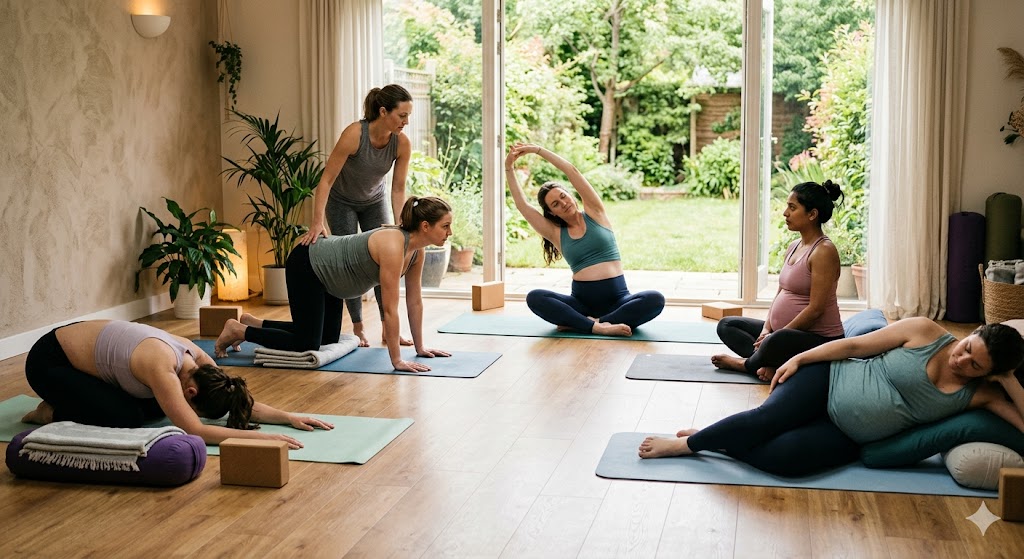
What Equipment Do You Need for Prenatal Yoga?
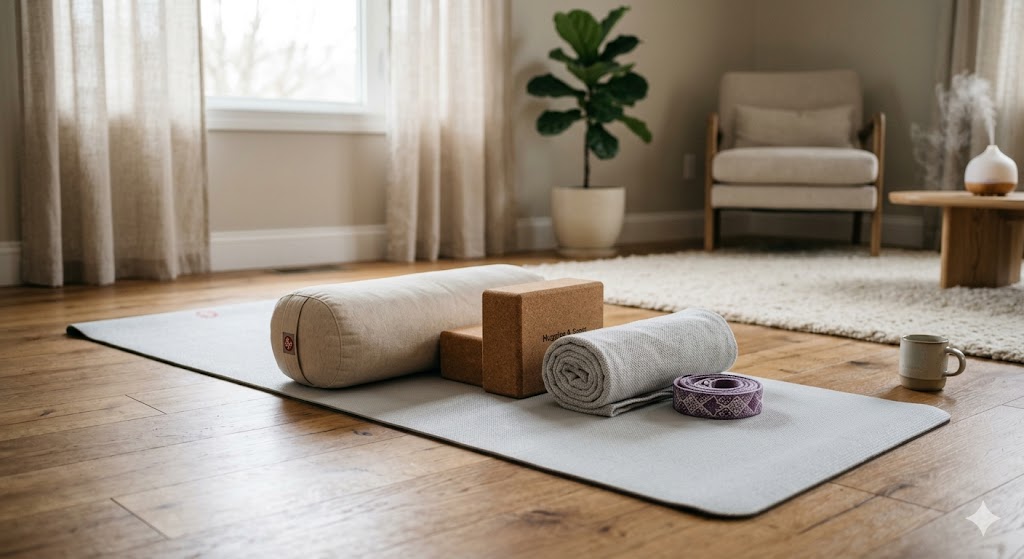
Prenatal yoga equipment includes supportive accessories that improve comfort, stability, and accessibility during practice.
Essential Prenatal Yoga Tools
- Yoga mat
- Yoga blocks
- Bolster pillow
- Yoga strap
- Blanket
- Supportive cushion
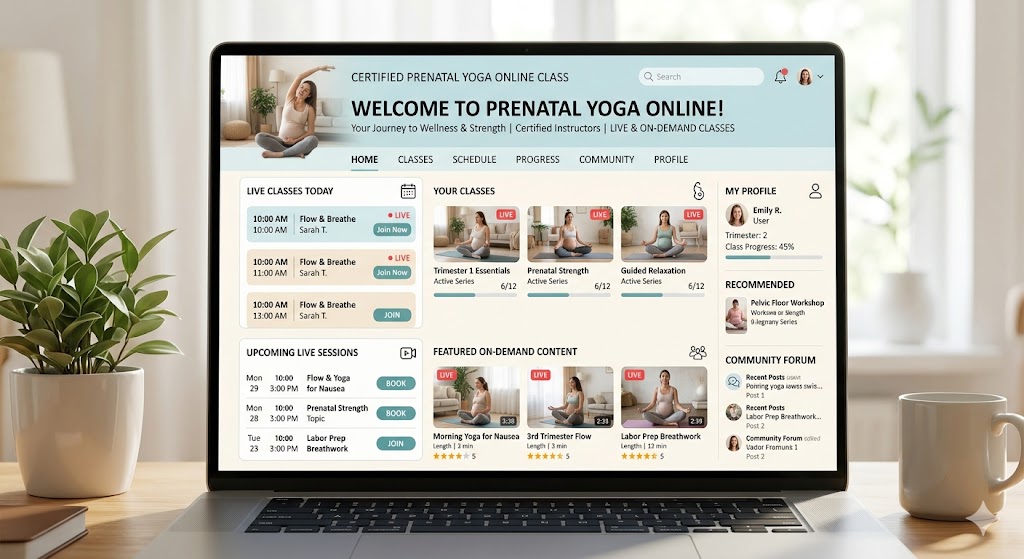
Online Classes and Resources
Many expecting mothers benefit from:
- Certified prenatal yoga instructors
- Pregnancy-specific yoga programs
- Hospital wellness programs
- Virtual prenatal fitness classes
Free alternatives include educational content from reputable pregnancy health organizations and healthcare providers.
What’s Next After Starting Prenatal Yoga?
The next step after starting prenatal yoga is creating a sustainable wellness routine that supports overall pregnancy health.
First, establish a realistic schedule that fits your energy levels and daily responsibilities.
Moreover, combining yoga with walking, hydration, balanced nutrition, and adequate sleep can provide broader health benefits.
For example, many women find success with three yoga sessions weekly plus daily walks.
You can also explore healthy pregnancy lifestyle habits to build a comprehensive wellness plan.
Monitor how your body feels during and after exercise. Adjust intensity as needed and communicate any concerns to your healthcare provider.
Conclusion
Prenatal yoga is a safe and effective form of exercise for many pregnant women when practiced with appropriate modifications and medical approval.
Throughout pregnancy, prenatal yoga can support flexibility, posture, mobility, stress management, breathing awareness, and labor preparation. By focusing on gentle movements and listening to your body’s signals, you can build a consistent routine that promotes both physical and emotional well-being.
As your pregnancy progresses, continue adapting your practice to match your comfort level. And when you’re ready for the next stage, consider exploring postpartum recovery exercises to support recovery after childbirth.
FAQs
What is prenatal yoga?
Prenatal yoga is a specialized form of yoga designed to support pregnant women through gentle movement, breathing exercises, and relaxation techniques.
Is prenatal yoga safe during pregnancy?
Yes, prenatal yoga is generally considered safe for most healthy pregnancies when practiced under proper guidance and with healthcare provider approval.
What are the benefits of prenatal yoga?
Prenatal yoga may help improve flexibility, reduce stress, ease pregnancy-related discomfort, support better sleep, and prepare the body for childbirth.
When can you start prenatal yoga?
Many women begin prenatal yoga during the first or second trimester, but it is best to consult a healthcare provider before starting.
Can prenatal yoga help with back pain during pregnancy?
Yes, gentle stretches and strengthening exercises may help relieve back pain and muscle tension associated with pregnancy.
How often should you practice prenatal yoga?
Many pregnant women practice prenatal yoga 2–4 times per week, depending on their comfort level and healthcare recommendations.
What poses should be avoided during pregnancy?
Deep twists, intense backbends, and exercises that place pressure on the abdomen are commonly avoided during pregnancy.
Do you need special equipment for prenatal yoga?
A yoga mat is usually sufficient, though blocks, bolsters, cushions, and straps can provide additional comfort and support.
Can prenatal yoga help prepare for labor?
Yes, breathing techniques, relaxation practices, and gentle movements may help prepare the body and mind for labor and delivery.
What is the difference between prenatal yoga and regular yoga?
Prenatal yoga is specifically adapted for pregnancy with modified poses, safety considerations, and a focus on maternal comfort and well-being.