
You probably already know that eating more fish and fewer processed meats is often associated with better health. What many people don’t realize is that simply adding seafood isn’t enough to create a balanced pescatarian lifestyle. In this guide, you’ll learn exactly what a pescatarian diet is, its benefits and drawbacks, the foods to eat, and how to build a sustainable meal plan that supports your health goals.
Key Takeaways
- Pescatarian diet combines plant-based foods with fish and seafood while excluding meat and poultry.
- Omega-3 fatty acids from fish support heart health, brain function, and inflammation management.
- Protein intake can come from seafood, eggs, dairy products, legumes, tofu, nuts, and seeds.
- Weight loss success depends on calorie balance, food quality, and overall lifestyle habits.
- Balanced meal planning helps prevent nutrient deficiencies and improves long-term adherence.
- Gradual transitions often make a pescatarian lifestyle easier and more sustainable.
- Dietary variety maximizes nutrition by combining seafood with fruits, vegetables, and whole grains.
What Is a Pescatarian Diet and How Does It Work?
A pescatarian diet is a predominantly plant-based eating pattern that includes fish and seafood while excluding meat and poultry.
First, the pescatarian diet combines the nutritional benefits of plant foods with the high-quality protein and omega-3 fatty acids found in seafood. Unlike a traditional vegetarian diet, pescatarians regularly consume fish, shellfish, and other seafood products.
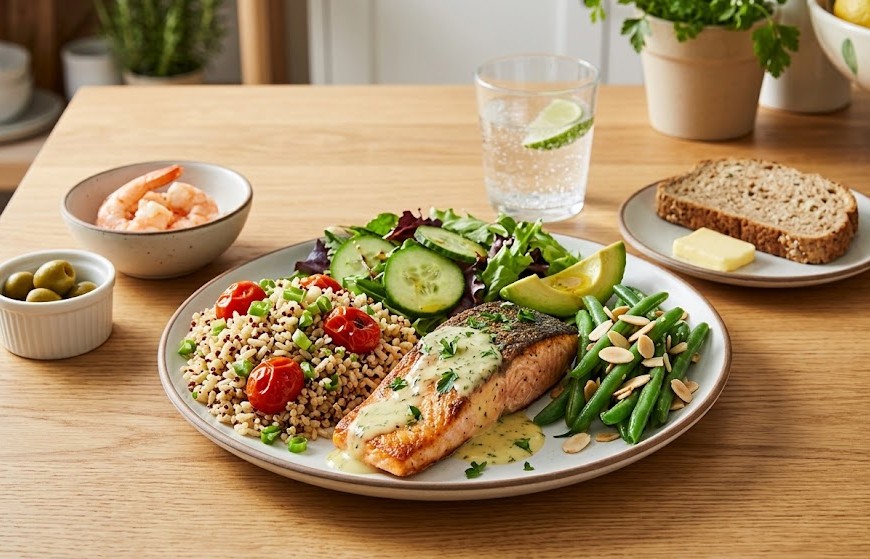
For example, a typical pescatarian meal might include grilled salmon, quinoa, roasted vegetables, and a mixed green salad. This combination provides protein, healthy fats, fiber, vitamins, and minerals in one meal.
Moreover, many people adopt a pescatarian diet to improve health, reduce red meat consumption, support sustainability goals, or enjoy greater dietary flexibility than a vegetarian lifestyle.
A balanced pescatarian diet includes vegetables, fruits, whole grains, legumes, nuts, seeds, and a variety of seafood.
What Makes a Diet Pescatarian?
A pescatarian eating pattern generally includes:
- Fish
- Shellfish
- Fruits
- Vegetables
- Whole grains
- Beans and legumes
- Nuts and seeds
- Eggs (optional)
- Dairy products (optional)
However, it excludes:
- Beef
- Pork
- Lamb
- Chicken
- Turkey
- Processed meats
Why Does the Pescatarian Diet Matter for Health and Nutrition?
The pescatarian diet matters because it provides a nutrient-rich balance of plant foods and seafood that may support overall health.
First, seafood supplies essential nutrients that many people struggle to consume regularly. Fatty fish such as salmon, sardines, and mackerel contain omega-3 fatty acids that support cardiovascular and cognitive health.
According to the American Heart Association, adults should eat fish at least twice per week for cardiovascular benefits — Source: American Heart Association, 2025.
Moreover, diets rich in fruits, vegetables, legumes, and whole grains are consistently associated with improved health outcomes. Research shows that higher fruit and vegetable intake is linked to reduced chronic disease risk — Source: World Health Organization, 2024.
Omega-3 fatty acids from fatty fish support heart health, brain function, and inflammation management.
Key Nutrients Found in a Pescatarian Diet
| Nutrient | Primary Sources | Benefits |
|---|---|---|
| Protein | Fish, seafood, eggs, legumes | Muscle maintenance |
| Omega-3s | Salmon, sardines, mackerel | Heart and brain health |
| Fiber | Fruits, vegetables, legumes | Digestive health |
| Vitamin B12 | Fish, eggs, dairy | Nervous system support |
| Iron | Seafood, beans, spinach | Oxygen transport |
| Zinc | Shellfish, legumes | Immune function |
What Foods Can You Eat on a Pescatarian Diet?
A pescatarian diet food list includes seafood, plant-based foods, and optionally eggs and dairy products.
First, focusing on nutrient-dense foods makes the diet healthier and easier to sustain long term. The goal is not simply replacing meat with fish but building balanced meals around whole foods.
Seafood and Fish
Popular choices include:
- Salmon
- Tuna
- Sardines
- Mackerel
- Cod
- Shrimp
- Crab
- Mussels
- Oysters
- Scallops
For example, salmon provides protein and omega-3 fats while remaining relatively easy to prepare.
Plant-Based Foods
Additionally, plant foods should make up most of your plate.
Examples include:
- Vegetables
- Fruits
- Lentils
- Chickpeas
- Black beans
- Brown rice
- Oats
- Quinoa
- Nuts
- Seeds
Optional Foods
Many pescatarians also consume:
- Greek yogurt
- Cottage cheese
- Eggs
- Milk
- Cheese
Which Foods Should You Avoid on a Pescatarian Diet?
A pescatarian diet excludes meat and poultry products while emphasizing seafood and plant-based foods.
First, avoiding these foods differentiates pescatarian eating from standard omnivorous diets.
Foods typically avoided include:
- Beef
- Pork
- Lamb
- Chicken
- Turkey
- Bacon
- Sausage
- Deli meats
- Processed meat products
The World Health Organization has classified processed meat as carcinogenic and red meat as probably carcinogenic when consumed in excess — Source: WHO, 2024.
Moreover, many pescatarians also limit highly processed foods, sugary beverages, and refined snacks to improve overall dietary quality.
What Are the Health Benefits of a Pescatarian Diet?
A pescatarian diet offers potential benefits for heart health, weight management, nutrient intake, and overall wellness.
First, replacing processed meat with nutrient-dense seafood often improves dietary quality. Studies consistently associate seafood consumption with improved cardiovascular outcomes.
Improved Heart Health
Heart health is one of the most researched benefits of pescatarian eating.
For example, omega-3 fatty acids may help support healthy triglyceride levels and cardiovascular function.
Better Nutrient Density
Moreover, pescatarian diets often include higher intakes of:
- Fiber
- Antioxidants
- Vitamins
- Minerals
People who consume more fruits and vegetables generally achieve higher nutrient adequacy scores — Source: Dietary Guidelines for Americans, 2025.
Digestive Health Support
Additionally, fiber-rich foods support digestive function.
For example, legumes, vegetables, fruits, and whole grains help feed beneficial gut bacteria.
Brain Health Benefits
Furthermore, omega-3-rich fish support cognitive function.
Several studies associate higher seafood consumption with improved brain health outcomes across adulthood — Source: National Institutes of Health, 2025.
The pescatarian diet combines the nutritional benefits of plant foods with the high-quality protein and omega-3 fatty acids found in seafood.
What Are the Potential Risks of a Pescatarian Diet?
A pescatarian diet can be nutritionally adequate, but it requires thoughtful planning to avoid potential nutrient gaps.
First, relying heavily on a small number of foods may create imbalances over time.
Mercury Exposure
Certain fish contain higher mercury levels.
Examples include:
- Swordfish
- Shark
- King mackerel
- Tilefish
The FDA recommends choosing lower-mercury seafood options more frequently — Source: FDA, 2025.
Nutrient Deficiencies
Additionally, some individuals may struggle to obtain adequate:
- Iron
- Vitamin B12
- Zinc
- Protein
essential vitamins and minerals
Lack of Variety
Moreover, eating the same foods repeatedly limits nutrient diversity.
For example, alternating between salmon, sardines, cod, shrimp, legumes, tofu, and eggs can improve overall nutrient intake.
Nutritional adequacy on a pescatarian diet requires attention to protein intake, omega-3 fats, iron, vitamin B12, and overall dietary variety.
Can a Pescatarian Diet Help With Weight Loss?
A pescatarian diet can support weight loss when it creates a sustainable calorie deficit while maintaining nutritional quality.
First, many pescatarian foods are naturally filling and nutrient-dense.
For example, fish, vegetables, legumes, and whole grains provide satiety without excessive calories.
Why It May Support Fat Loss
Several factors contribute to weight management:
- Higher protein intake
- Increased fiber consumption
- Reduced processed food intake
- Better food quality
What Actually Determines Weight Loss?
Weight loss depends primarily on calorie balance.
Weight loss on a pescatarian diet depends primarily on calorie balance, food quality, and overall lifestyle habits.
For example, consuming large amounts of fried seafood and calorie-dense snacks can still lead to weight gain.
sustainable weight loss strategies
Research shows that diets emphasizing whole foods often improve long-term weight management outcomes — Source: Harvard T.H. Chan School of Public Health, 2025.
How Does a Pescatarian Diet Compare to a Vegetarian Diet?
A pescatarian diet differs from a vegetarian diet because it includes fish and seafood while vegetarian diets exclude all animal flesh.
First, both dietary patterns emphasize plant foods and can be highly nutritious.
Pescatarian vs Vegetarian
| Feature | Pescatarian | Vegetarian |
|---|---|---|
| Fish | Yes | No |
| Seafood | Yes | No |
| Meat | No | No |
| Poultry | No | No |
| Plant Foods | Yes | Yes |
| Omega-3 Intake | Typically Higher | Often Lower |
Mediterranean vs Pescatarian Diet
Additionally, people often compare pescatarian and Mediterranean eating.
The Mediterranean diet may include poultry and limited red meat, while pescatarian diets completely exclude both.
How Do You Start a Pescatarian Diet as a Beginner?
A beginner-friendly pescatarian diet starts by gradually replacing meat with seafood and plant-based protein sources.
First, making gradual changes often improves long-term adherence.
Step 1: Reduce Red and Processed Meat
Start by replacing one or two meat-based meals each week.
Step 2: Add More Seafood
Aim for two servings of fish weekly.
Step 3: Increase Plant Foods
Build meals around:
- Vegetables
- Fruits
- Beans
- Lentils
- Whole grains
Step 4: Learn New Recipes
Explore healthy pescatarian recipes that fit your schedule.
Step 5: Track Nutritional Balance
Monitor protein, iron, and vitamin B12 intake.
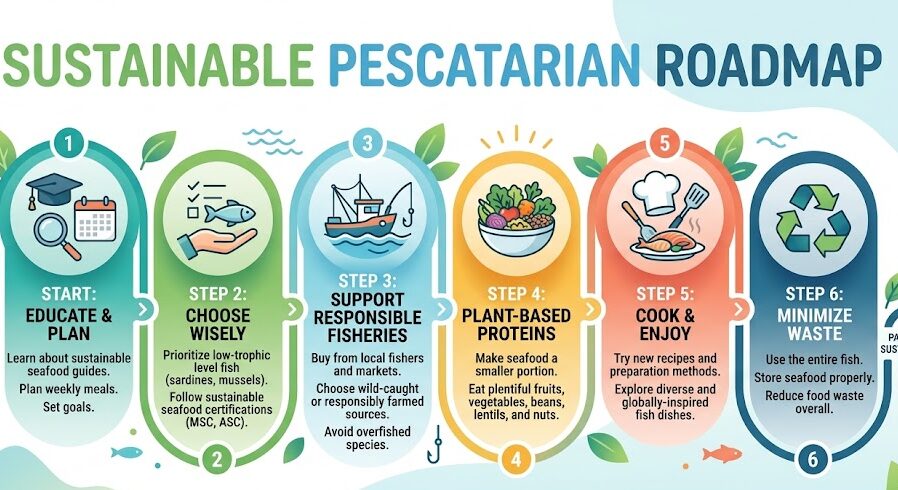
Gradually replacing red and processed meat with nutrient-dense seafood and plant foods can make the transition to a pescatarian lifestyle easier and more sustainable.
What Does a Typical Pescatarian Meal Plan Look Like?
A pescatarian meal plan combines seafood, whole grains, fruits, vegetables, and healthy fats throughout the week.
First, variety helps ensure nutritional adequacy.
Sample 7-Day Pescatarian Meal Plan
| Day | Breakfast | Lunch | Dinner |
|---|---|---|---|
| Monday | Oatmeal with berries | Chickpea salad | Grilled salmon and vegetables |
| Tuesday | Greek yogurt and fruit | Lentil soup | Shrimp stir-fry |
| Wednesday | Eggs and toast | Tuna wrap | Baked cod and quinoa |
| Thursday | Smoothie bowl | Bean salad | Seafood pasta |
| Friday | Overnight oats | Vegetable soup | Sardines with rice |
| Saturday | Veggie omelet | Quinoa bowl | Grilled shrimp tacos |
| Sunday | Yogurt parfait | Hummus wrap | Salmon and roasted vegetables |
What Are the Best Protein Sources for Pescatarians?
Protein sources for pescatarians include seafood, eggs, dairy products, legumes, soy foods, nuts, and seeds.
First, combining animal and plant protein sources can improve dietary variety.
Top Seafood Protein Sources
- Salmon
- Tuna
- Cod
- Shrimp
- Sardines
- Mussels
Plant-Based Protein Sources
- Lentils
- Chickpeas
- Black beans
- Tofu
- Tempeh
- Edamame
Supporting Protein Sources
- Eggs
- Greek yogurt
- Cottage cheese
best protein-rich foods for weight loss
Protein quality matters more than protein quantity for many health outcomes.
What Are Common Mistakes Beginners Should Avoid?
Common pescatarian diet mistakes include relying on processed foods, neglecting protein intake, and eating too little dietary variety.
First, many beginners assume any seafood-based meal is automatically healthy.
Avoid these common mistakes:
- Eating mostly fried seafood
- Ignoring vegetables
- Not tracking protein intake
- Consuming excessive refined carbohydrates
- Choosing only one type of fish
- Neglecting iron-rich foods
For example, a meal of fried fish and fries provides very different nutrition than grilled salmon with vegetables and quinoa.
What Tools, Meal Planning Apps, and Practical Resources Can Help?
Meal planning tools help pescatarians organize meals, track nutrition, and maintain dietary consistency.
First, using simple apps can reduce decision fatigue.
Recommended tools include:
- MyFitnessPal
- Cronometer
- Lose It!
- Mealime
- Paprika Recipe Manager
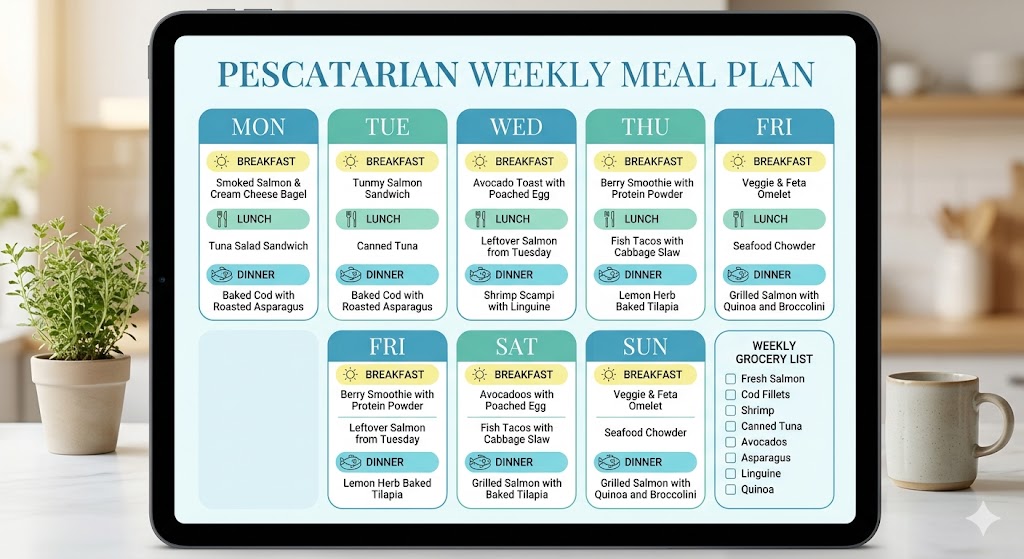
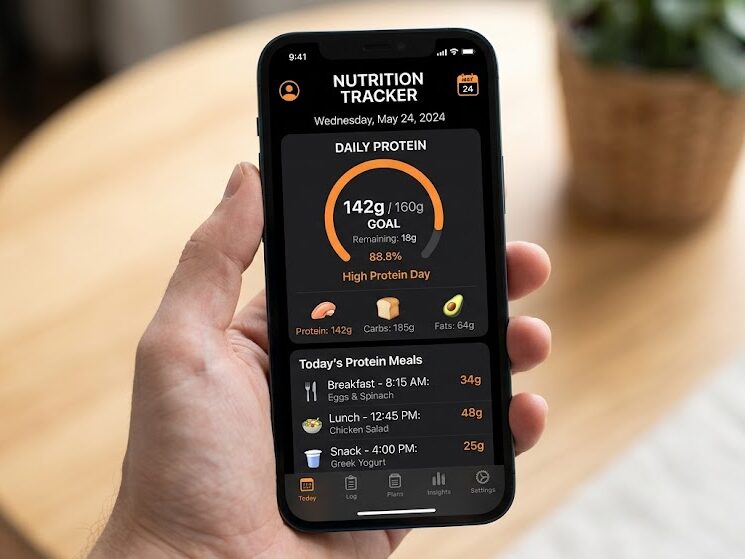
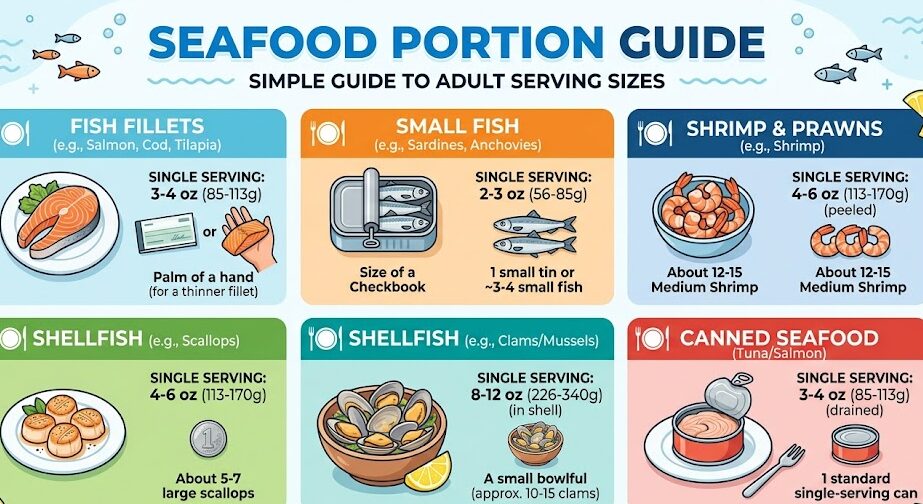
Additionally, free alternatives such as spreadsheet-based meal planning can work effectively for many people.
What’s Next: Building a Sustainable Long-Term Pescatarian Lifestyle
A sustainable pescatarian lifestyle focuses on consistency, variety, and realistic habits rather than perfection.
First, long-term success comes from building routines you can maintain for years.
Focus on Consistency
Choose healthy meals most of the time instead of aiming for perfection.
Prioritize Variety
Rotate seafood choices and plant foods regularly.
Continue Learning
Explore new recipes and nutrition strategies as your needs evolve.
Monitor Your Health
Consider periodic nutritional assessments with a healthcare professional if needed.
Conclusion
A pescatarian diet is a predominantly plant-based eating pattern that includes fish and seafood while excluding meat and poultry. It offers a practical middle ground between traditional omnivorous eating and vegetarianism while providing high-quality protein, omega-3 fats, and a wide variety of nutrient-dense foods.
By focusing on seafood, vegetables, fruits, legumes, whole grains, and healthy fats, you can create a balanced eating pattern that supports overall wellness. Whether your goal is improved health, sustainable weight management, or reducing meat consumption, the pescatarian diet provides a flexible framework that can adapt to your lifestyle.
Start small, stay consistent, and focus on building habits that you can maintain for the long term.
FAQ
What is a pescatarian diet?
A pescatarian diet is an eating pattern that includes fish and seafood while excluding meat and poultry, with a strong focus on plant-based foods.
What foods can you eat on a pescatarian diet?
Common foods include fish, seafood, fruits, vegetables, legumes, whole grains, nuts, seeds, eggs, and dairy products if desired.
What foods are avoided on a pescatarian diet?
Pescatarians typically avoid red meat, poultry, and other land-based animal meats.
Can a pescatarian diet help with weight loss?
Yes, a pescatarian diet may support weight loss when it emphasizes whole foods, lean proteins, and balanced calorie intake.
Is a pescatarian diet healthy?
Yes, it can be a nutrient-rich eating pattern that provides protein, omega-3 fatty acids, fiber, vitamins, and minerals.
What are the benefits of a pescatarian diet?
Potential benefits include improved heart health, better nutrition, weight management, and increased intake of omega-3 fatty acids.
Can you build muscle on a pescatarian diet?
Yes, fish, seafood, eggs, dairy, legumes, and other protein-rich foods can support muscle growth and recovery.
Is a pescatarian diet good for beginners?
Yes, it is often considered an easy transition from a traditional diet because seafood remains a protein option.
How often should pescatarians eat fish?
The ideal amount depends on individual needs, but many people include fish and seafood several times per week as part of a balanced diet.
What is the difference between a pescatarian diet and a vegetarian diet?
A pescatarian diet includes fish and seafood, while a vegetarian diet excludes all meat, fish, and seafood.