

You probably already know that cardio exercises like walking, cycling, swimming, or jogging can help with weight loss. But many people spend months doing aerobic workouts without understanding why their results stall or which exercises actually work best for long-term fat loss.
Some people do endless cardio while ignoring nutrition. Others start intense workout plans they cannot maintain for more than a few weeks.
The truth is that aerobic exercise to lose weight works best when it becomes consistent, realistic, and sustainable.
You do not need extreme workouts or exhausting routines to burn fat effectively. In fact, many beginners get better long-term results from simple aerobic habits like daily walking, cycling, or moderate cardio sessions combined with proper nutrition.
What Is Aerobic Exercise?
Aerobic exercise is cardiovascular activity that increases heart rate and uses oxygen to produce energy during continuous movement.
Common examples include:
- Walking
- Running
- Cycling
- Swimming
- Dancing
- Rowing
- Jump rope workouts
Aerobic exercise to lose weight helps increase calorie expenditure, which contributes to creating a calorie deficit over time.
Unlike short explosive movements, aerobic workouts are usually sustained for longer periods.
How Aerobic Exercise Helps With Weight Loss
Fat loss happens when your body burns more calories than it consumes consistently.
Aerobic exercise helps by:
- Increasing daily calorie burn
- Improving endurance
- Supporting heart health
- Increasing activity levels
- Improving metabolic health
For example, walking 45–60 minutes daily can significantly increase calorie expenditure without placing excessive stress on the body.
According to the World Health Organization (WHO, 2024), insufficient physical activity increases the risk of obesity and chronic disease.
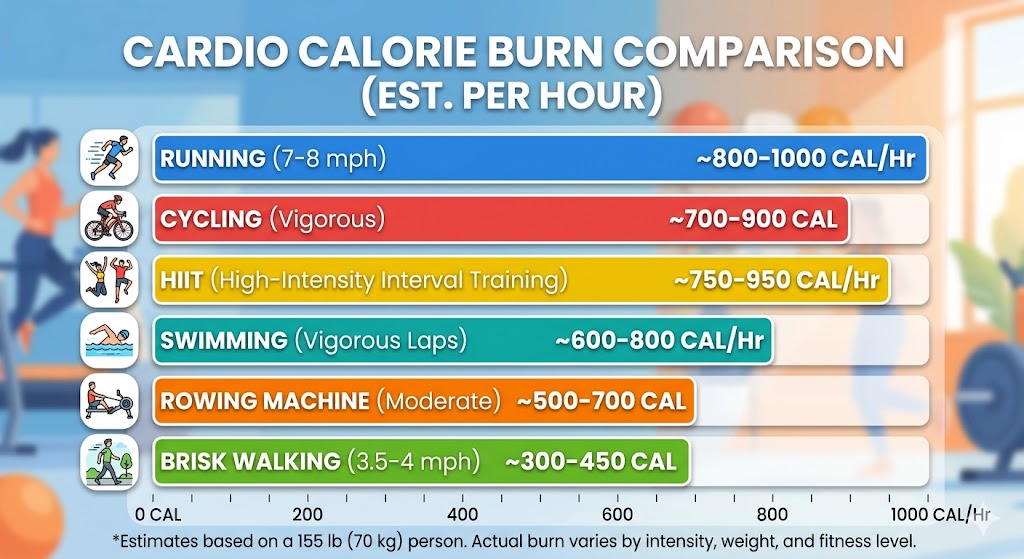
Calories Burned During Aerobic Exercise
Different forms of aerobic exercise to lose weight burn different amounts of calories depending on:
- Workout intensity
- Body weight
- Duration
- Fitness level
| Aerobic Exercise | Calories Burned Per Hour* | Beginner Friendly |
|---|---|---|
| Walking | 240–350 | Yes |
| Jogging | 450–700 | Moderate |
| Cycling | 400–650 | Yes |
| Swimming | 400–700 | Moderate |
| Jump Rope | 600–900 | No |
| Dancing/Zumba | 350–550 | Yes |
*Calories vary depending on intensity and body weight.
Why Aerobic Exercise Is Effective for Sustainable Fat Loss
One major reason aerobic exercise to lose weight works well is sustainability.
Crash diets and extreme workouts often fail because they are difficult to maintain long term.
Aerobic exercise improves:
- Daily movement
- Cardiovascular fitness
- Energy levels
- Workout consistency
- Long-term calorie expenditure
The American Heart Association (2025) recommends at least 150 minutes of moderate aerobic activity weekly for overall health.
Consistency matters far more than doing the hardest workout possible.
Best Aerobic Exercises to Lose Weight
The best aerobic workouts are the ones you can perform consistently without burnout or injury.
Walking for Weight Loss
Walking is one of the safest and most sustainable forms of aerobic exercise to lose weight.
Benefits include:
- Low joint stress
- Beginner-friendly intensity
- Easy recovery
- Minimal equipment needed
Walking after meals may also support blood sugar regulation and digestion.
Many beginners lose weight successfully by simply increasing daily step count consistently.
benefits of daily walking
Running for Fat Loss
Running burns more calories per minute than walking because it requires higher energy output.
However, it is not automatically better for everyone.
Beginners who push too hard too quickly often experience:
- Knee discomfort
- Fatigue
- Poor recovery
- Reduced consistency
The best exercise is the one you can sustain long term.
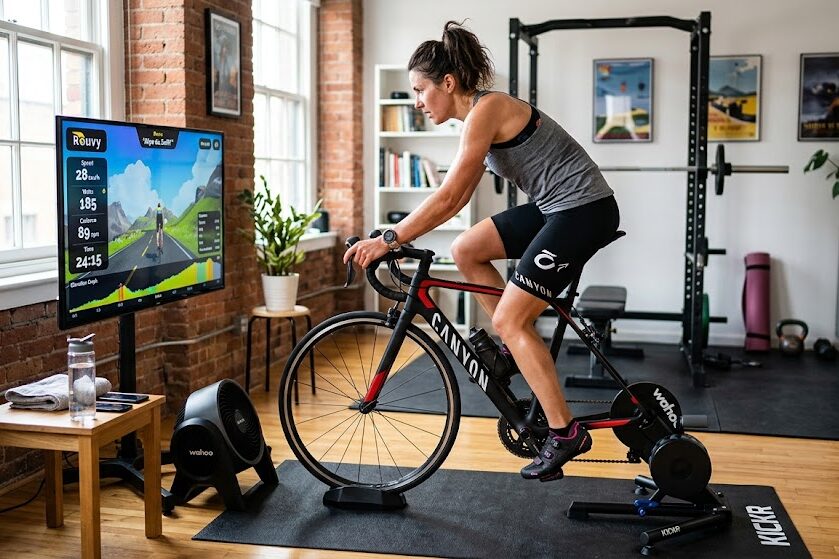
Cycling for Weight Loss
Cycling is a low-impact aerobic workout that improves endurance while reducing stress on the knees.
Both outdoor cycling and stationary bikes can effectively support fat loss.
Indoor cycling is especially useful for:
- Overweight beginners
- Home workouts
- Joint-friendly cardio
Swimming for Fat Loss
Swimming provides a full-body aerobic workout while minimizing impact on joints.
Water resistance also increases muscular engagement.
According to Harvard Health Publishing (2025), swimming can burn between 400 and 700 calories per hour depending on intensity.
Dancing and Zumba
Dancing workouts improve:
- Cardiovascular fitness
- Coordination
- Calorie burn
- Exercise enjoyment
Many people stay more consistent with fun workouts compared to repetitive cardio machines.
HIIT Cardio Workouts
HIIT combines short bursts of intense exercise with recovery periods.
Benefits include:
- Efficient calorie burn
- Improved cardiovascular fitness
- Shorter workout duration
However, beginners often recover better with moderate steady-state cardio initially.
HIIT vs steady-state cardio
Low-Impact Aerobic Exercise for Beginners
Low-impact aerobic exercise to lose weight is ideal for:
- Beginners
- Overweight individuals
- People with joint discomfort
- Older adults
Good low-impact options include:
- Walking
- Elliptical training
- Water aerobics
- Stationary cycling
- Low-impact dance workouts
These exercises reduce injury risk while still improving fitness.
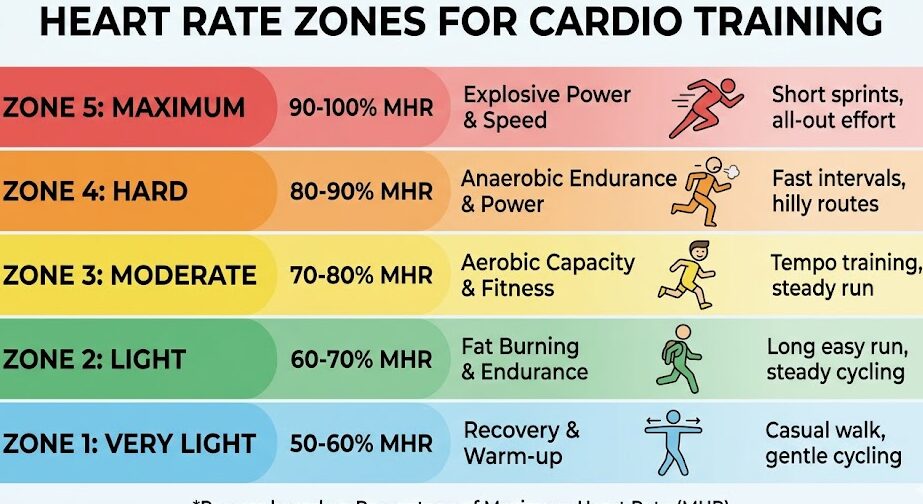
How Heart Rate Affects Fat Burning
Heart rate influences workout intensity and calorie expenditure.
Moderate-intensity cardio usually occurs around:
- 50–70% of maximum heart rate
Higher-intensity workouts burn more total calories overall, even if lower-intensity workouts use a higher percentage of fat during activity.
According to the CDC (2025), adults should perform at least 150 minutes of moderate aerobic activity weekly.
heart rate zone training explained
How Much Aerobic Exercise Do You Need?
Most adults benefit from:
- 150–300 minutes
of moderate aerobic exercise weekly.
Beginners should increase gradually rather than jumping into extreme routines.
Beginner Weekly Cardio Goal
A simple beginner plan may include:
- Walking 30 minutes daily
- One cycling session weekly
- One recovery/stretching day
Adding even 10 minutes weekly can improve endurance over time.
Beginner 7-Day Aerobic Workout Plan
| Day | Workout | Duration |
|---|---|---|
| Monday | Brisk Walking | 30 Minutes |
| Tuesday | Stationary Cycling | 25 Minutes |
| Wednesday | Recovery Walk + Stretching | 20 Minutes |
| Thursday | Low-Impact Aerobics | 30 Minutes |
| Friday | Walking Intervals | 35 Minutes |
| Saturday | Swimming or Dancing | 30 Minutes |
| Sunday | Rest or Gentle Walk | 20 Minutes |
beginner weight loss workout plan
Should You Combine Strength Training With Cardio?
Yes, combining aerobic exercise to lose weight with strength training improves body composition more effectively than cardio alone.
Strength training helps:
- Preserve muscle
- Improve metabolism
- Increase overall calorie expenditure
- Improve long-term fat loss
Good beginner exercises include:
- Squats
- Lunges
- Push-ups
- Dumbbell rows
- Shoulder presses
Can Walking Alone Help You Lose Weight?
Yes, walking alone can help you lose weight if it contributes to a calorie deficit.
Walking is often underrated because it feels simple, but consistency makes a huge difference.
Benefits include:
- Easy recovery
- Lower injury risk
- Better long-term adherence
- Improved daily calorie burn
According to Obesity Reviews (2024), walking interventions improve body composition and cardiovascular health in overweight adults.
Can Aerobic Exercise Reduce Belly Fat?
Aerobic exercise can help reduce overall body fat, including belly fat.
However, spot reduction is a myth.
You cannot target belly fat specifically with endless crunches or ab workouts alone.
Instead, aerobic exercise to lose weight works best alongside:
- Calorie control
- Strength training
- Good sleep
- Consistent movement
Common Cardio Mistakes That Slow Weight Loss
Many people struggle because of avoidable mistakes.
Doing Too Much Cardio
Excessive cardio can increase:
- Fatigue
- Muscle loss
- Recovery problems
- Burnout
Ignoring Nutrition
Exercise alone cannot fully compensate for poor eating habits.
A calorie deficit still matters most for fat loss.
healthy calorie deficit explained
Only Doing Cardio
Cardio without strength training may increase the risk of muscle loss during aggressive dieting.
Inconsistent Workouts
Random workouts rarely produce lasting results.
Long-term consistency matters far more than perfection.
Helpful Tools for Aerobic Exercise
Technology can improve consistency and motivation.
Useful tools include:
- Fitness trackers
- Smartwatches
- Step counters
- Cardio apps
- Heart rate monitors
Popular options include:
- Fitbit
- Garmin
- Apple Watch
- Strava
- Nike Training Club

Tips for Long-Term Fat Loss Success
To make aerobic exercise to lose weight sustainable:
- Start slowly
- Increase intensity gradually
- Track progress consistently
- Prioritize recovery
- Stay hydrated
- Focus on habits instead of perfection
Track:
- Steps
- Waist measurements
- Energy levels
- Workout consistency
- Cardiovascular endurance
Small improvements repeated consistently create long-term results.
Conclusion
Aerobic exercise to lose weight works best when it becomes a realistic and sustainable part of your lifestyle. Walking, cycling, swimming, dancing, and other cardio workouts can all improve fat loss when paired with proper nutrition and consistent habits.
You do not need extreme workouts to make progress.
Moderate aerobic exercise performed consistently for 150–300 minutes weekly can improve calorie burn, cardiovascular health, energy levels, and long-term body composition.
FAQs
What is aerobic exercise?
Aerobic exercise is physical activity that increases your heart rate and breathing while improving cardiovascular endurance and calorie burning.
Can aerobic exercise help with weight loss?
Yes, aerobic exercise helps burn calories and can support sustainable fat loss when combined with healthy eating habits.
What are the best aerobic exercises for beginners?
Walking, cycling, swimming, jogging, dancing, and low-impact aerobics are popular beginner-friendly options.
How often should you do aerobic exercise to lose weight?
Many experts recommend at least 150 minutes of moderate aerobic activity per week for weight loss and overall health.
Does aerobic exercise burn belly fat?
Aerobic exercise can help reduce overall body fat, including belly fat, when combined with a calorie deficit.
Is walking considered aerobic exercise?
Yes, brisk walking is a simple and effective form of aerobic exercise.
What is the best time to do aerobic exercise for weight loss?
The best time is whenever you can stay consistent, though some people prefer morning workouts for energy and routine.
Can aerobic exercise improve heart health?
Yes, regular aerobic activity may strengthen the heart, improve circulation, and support cardiovascular health.
How long should an aerobic workout last?
Most aerobic workouts last between 20 and 60 minutes depending on fitness level and goals.
Can beginners do aerobic exercise every day?
Yes, beginners can do light to moderate aerobic activity daily if they allow enough recovery and avoid overtraining.