
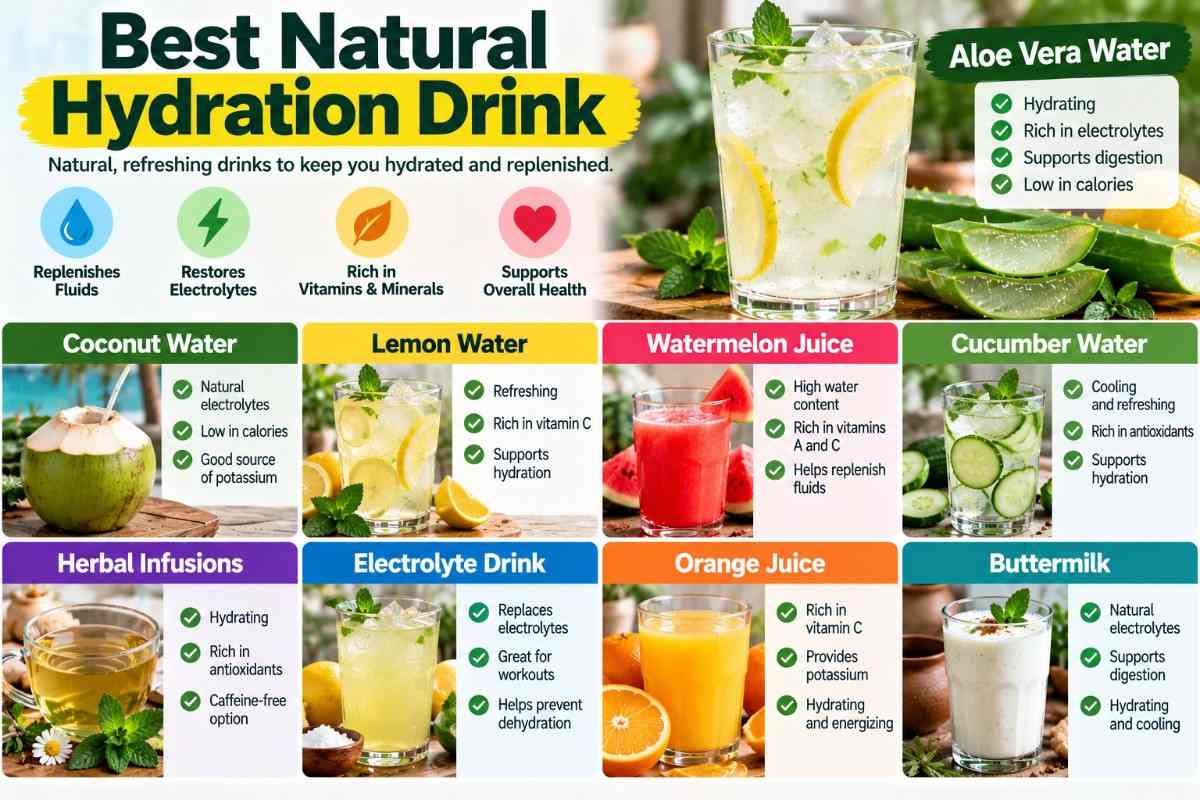
Staying hydrated is essential for maintaining energy, regulating body temperature, supporting muscle function, and recovering after exercise. Although plain water is usually the best choice for everyday hydration, other natural drinks can provide additional nutrients and electrolytes depending on your needs.
The best natural hydration drink depends on your activity level, the amount you sweat, the weather, and your nutritional goals. Coconut water provides potassium, milk supplies protein and carbohydrates, and homemade lemon water offers a refreshing way to increase fluid intake.
In this guide, you’ll discover seven natural hydration drinks, compare their benefits, learn easy homemade recipes, and understand which beverages are most suitable for everyday use, workouts, and recovery.
What Is the Best Natural Hydration Drink?
Plain water is generally the best natural hydration drink for everyday use because it replaces fluids without adding calories or sugar. For most routine activities, including office work, casual walking, and short workouts, water is sufficient.
Other natural hydration drinks include:
- Coconut water for potassium and fluid replacement.
- Milk for hydration, protein, carbohydrates, and electrolytes.
- Homemade lemon water for refreshing, low-calorie hydration.
- Watermelon water for fluid and naturally occurring fruit sugars.
- Homemade electrolyte drinks for selected situations involving prolonged exercise and heavy sweating.
- Unsweetened herbal infusions and fruit-infused water for variety.
Each beverage has a different nutritional profile. Choosing the right one depends on whether you simply need fluids, want additional nutrients, or need to replace electrolytes lost through sweating.
Why Does Your Body Need Water and Electrolytes?
Water helps regulate body temperature, supports circulation and digestion, and maintains normal physiological functions. During exercise or hot weather, sweating helps cool the body but also causes fluid loss.
Electrolytes are minerals that carry an electrical charge in body fluids. Sodium helps regulate fluid balance, while potassium supports normal muscle and nerve function.
Your electrolyte requirements depend on how much you sweat and how long you remain active. Someone taking a short walk generally has different needs from a runner exercising for two hours in hot weather.
Why Are Natural Hydration Drinks Important?
Natural hydration drinks help maintain fluid balance and offer alternatives to heavily sweetened beverages. However, a drink being natural does not automatically make it more effective than plain water.
Choosing a beverage you enjoy can make it easier to drink enough fluids throughout the day. For example, adding lemon, mint, or cucumber to water can make it more appealing if you dislike its plain taste.
Some drinks also supply nutrients beyond water. Milk provides protein and carbohydrates, while coconut water contains potassium. These nutrients can be useful for different purposes, although neither beverage is ideal for every hydration situation.
Electrolyte-containing drinks can also help replace sodium and other minerals lost during prolonged exercise or heavy sweating. Their usefulness depends on their composition and your individual fluid losses.
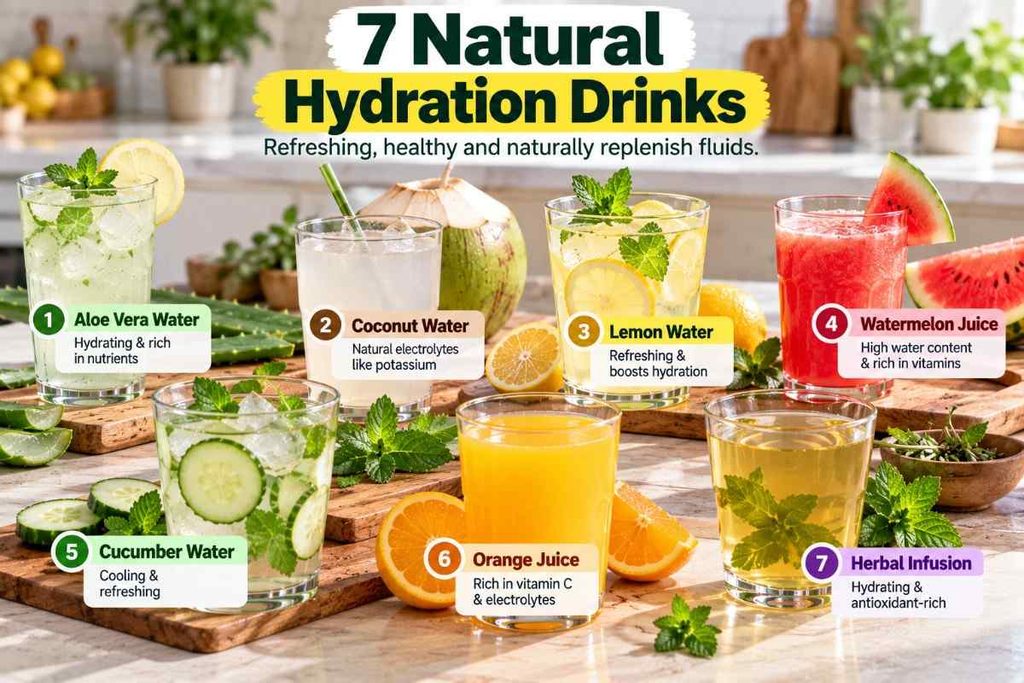
What Are the 7 Best Natural Hydration Drinks?
The best natural hydration drinks include plain water, coconut water, lemon water, milk, watermelon water, homemade electrolyte drinks, and unsweetened herbal infusions. Each option serves a slightly different purpose.
1. Plain Water: Best for Everyday Hydration
Plain water is the simplest and most practical choice for daily hydration. It contains no calories or added sugar, is affordable, and is widely available.
Drinking water regularly throughout the day helps replace routine fluid losses. Carrying a reusable bottle can also make it easier to stay hydrated at work, college, or the gym.
Best for: Daily hydration, office work, walking, light exercise, and most short workouts.
2. Coconut Water: Best for Potassium
Coconut water supplies fluid and potassium, making it a refreshing alternative to some sweetened beverages. However, it generally contains less sodium than drinks designed to replace substantial sweat losses.
Unsweetened coconut water can be a convenient option after a moderate workout. However, people who lose considerable sodium during prolonged exercise may need a beverage with a more suitable sodium content.
Packaged coconut water can contain naturally occurring sugars, and some products have added sugar. Check the nutrition label before buying.
Best for: Everyday variety, light activity, and replenishing fluids alongside meals.
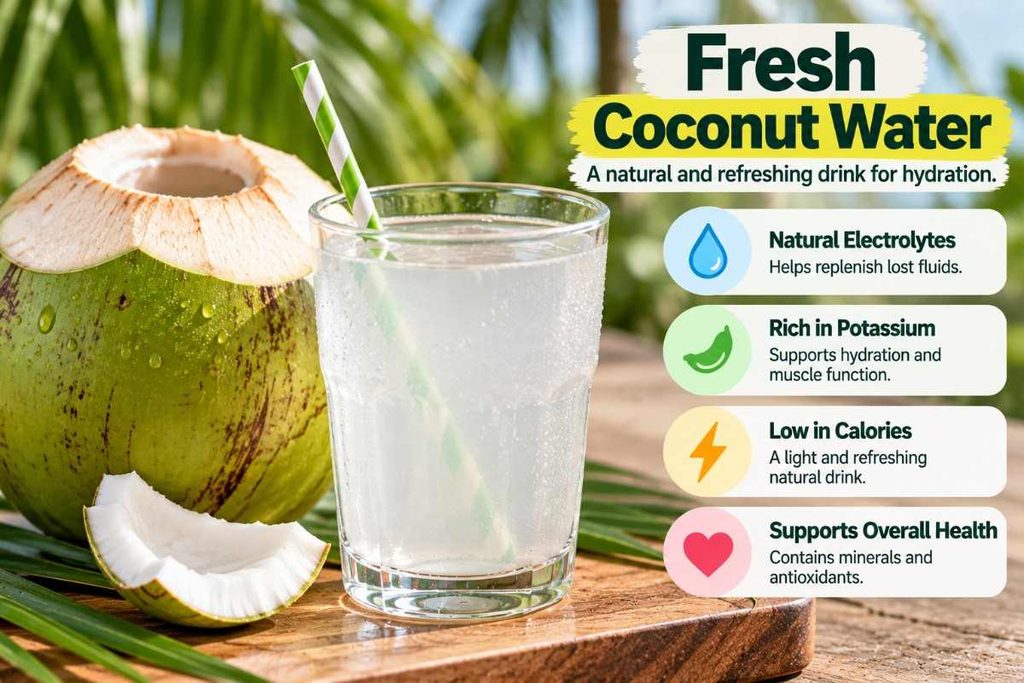
3. Homemade Lemon Water: Best for Refreshing, Low-Calorie Hydration
Homemade lemon water combines drinking water with fresh lemon juice. It provides fluid and a small amount of vitamin C, depending on how much lemon you use.
To prepare it, squeeze half a lemon into a glass of water. You can add fresh mint or ice for extra flavor without adding sugar.
However, lemon water alone does not provide enough sodium to replace substantial sweat losses. During prolonged, intense exercise, an appropriate electrolyte drink may be more suitable.
Best for: Everyday hydration, hot weather, and people who prefer flavored water.
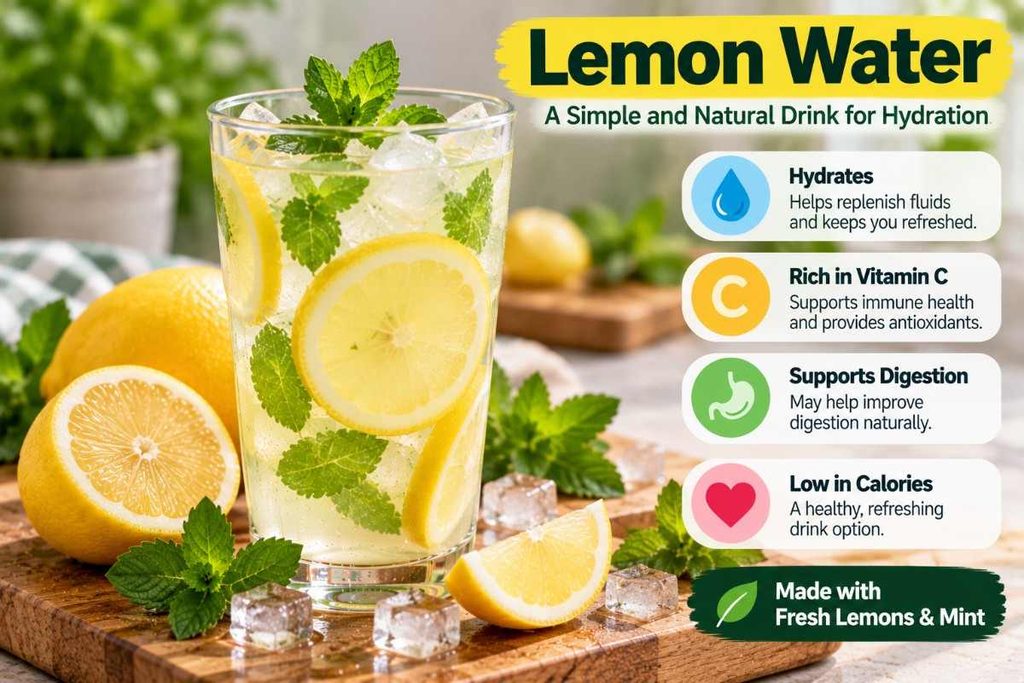
4. Milk: Best for Post-Workout Recovery
Milk provides fluid, protein, carbohydrates, and electrolytes, including potassium and sodium. This combination makes it a useful option after exercise when you need both hydration and additional nutrients.
For example, drinking a glass of milk after strength training can contribute to your daily protein intake while providing carbohydrates for recovery. It is particularly convenient for people who tolerate dairy products.
Milk also contains calories and naturally occurring lactose, so it is not sugar-free. People who have difficulty digesting lactose may prefer a suitable alternative.
For additional recovery ideas, see High Protein Low-FODMAP Meal Plan.
Best for: Post-workout recovery, additional protein intake, and replenishing fluids alongside food.
5. Watermelon Water: Best for Summer Refreshment
Watermelon water provides fluid and naturally occurring sugars from watermelon. It also supplies small amounts of minerals and other nutrients.
To make it at home, blend fresh watermelon with a little drinking water. You can add a squeeze of lime and keep the pulp if you prefer more fiber than a strained drink provides.
Although refreshing, watermelon water generally contains less sodium than a properly formulated electrolyte drink. It can complement everyday hydration but may not replace substantial electrolyte losses during prolonged exercise.
Best for: Summer refreshment, light activity, and people who enjoy fruit-based beverages.
6. Homemade Electrolyte Drinks: Best for Prolonged Exercise
Homemade electrolyte drinks can provide fluids, sodium, and carbohydrates when prepared with appropriate ingredients and quantities. They may be helpful during prolonged exercise, especially when sweating is substantial.
For example, an endurance athlete training in hot weather may need to replace ongoing fluid and sodium losses. A carefully prepared drink can help, but the appropriate composition depends on the athlete’s needs.
A homemade workout drink is not automatically equivalent to a commercial sports drink or a medical oral rehydration solution. Avoid adding arbitrary amounts of salt or sugar, and do not rely on ordinary flavored water to treat significant dehydration caused by illness.
Best for: Prolonged endurance exercise and substantial sweat losses when electrolyte replacement is appropriate.
7. Unsweetened Herbal Infusions and Fruit-Infused Water
Unsweetened herbal infusions and fruit-infused water provide fluid without requiring added sugar. They are useful if you want variety while keeping your beverage choices simple.
Try steeping caffeine-free peppermint tea, allowing it to cool, and serving it over ice. Alternatively, add cucumber, mint, lemon, or orange slices to a jug of water.
Most fruit-infused waters contain little sodium unless a sodium-containing ingredient is added. These beverages are excellent for everyday hydration but are not designed to replace large electrolyte losses.
You can also explore aloe vera water for hydration, but choose products carefully and avoid aloe latex, which can cause adverse effects.
Best for: Everyday hydration, people who dislike plain water, and low-sugar beverage choices.
How Do Different Natural Hydration Drinks Compare?
Natural hydration drinks differ in electrolyte content, sugar, calories, cost, and practical uses. Comparing these factors helps you choose a beverage based on your needs rather than assuming one drink is best for everyone.
The following table provides a qualitative comparison. Actual nutritional values vary by brand, recipe, serving size, and ingredients.
| Drink | Electrolyte profile | Sugar and calories | Relative cost | Best use |
|---|---|---|---|---|
| Plain water | No meaningful electrolytes | Zero | Very low | Everyday hydration |
| Coconut water | Potassium-rich; usually less sodium | Natural sugar and calories | Medium to high | Light activity and refreshment |
| Lemon water | Small amounts of minerals | Very low without added sugar | Low | Daily hydration |
| Milk | Potassium, sodium, and other nutrients | Natural lactose and calories | Low to medium | Recovery and nutrition |
| Watermelon water | Small amounts of minerals | Natural fruit sugars and calories | Low to medium when homemade | Summer refreshment |
| Homemade electrolyte drink | Depends on recipe | Depends on recipe | Low to medium | Selected prolonged workouts |
| Unsweetened herbal infusion | Usually low in electrolytes | Usually very low | Low | Everyday hydration |
Note: Relative costs are general estimates, not current market-price measurements. Check product labels for exact calories, sugars, sodium, and potassium.
Which Natural Drinks Provide the Most Electrolytes?
The best drink for replacing electrolytes depends on which minerals you lose and how much you sweat. Coconut water is notable for its potassium content, while milk provides a mixture of electrolytes alongside protein and carbohydrates.
Sodium is particularly important when replacing large amounts of sweat because sweat contains both water and sodium. Someone exercising for several hours in hot weather may need a sodium-containing drink tailored to their losses.
The important factor is the drink’s actual electrolyte content, not whether its packaging describes it as natural. Check the nutrition label rather than relying on marketing claims.
Which Hydration Drinks Have the Least Added Sugar?
Plain water, unsweetened lemon water, and unsweetened herbal infusions contain no added sugar when prepared without sweeteners. They are suitable choices if you want to stay hydrated while limiting additional calories.
Coconut water and milk contain naturally occurring sugars, while fruit-based beverages contain sugars from their ingredients. Naturally occurring sugars are not necessarily added sugars, so check both the ingredients list and nutrition information.
For people managing calorie intake, calorie deficit calculator to estimate daily energy needs.
Is Coconut Water Better Than Plain Water for Hydration?
Coconut water is not universally better than plain water because both provide fluid, while coconut water also supplies potassium and natural sugars.
Water is usually the more practical option for routine hydration because it is inexpensive, calorie-free, and readily available. During a typical workday or a short workout, plain water is generally sufficient for most healthy adults.
Coconut water offers variety and useful nutrients, and its taste may encourage some people to drink more fluids. However, it usually provides less sodium than beverages designed for substantial sweat replacement.
Choose coconut water for its taste and nutritional profile, rather than assuming it is automatically more hydrating than water.
What Is the Best Natural Hydration Drink for Workouts?
The best natural hydration drink for workouts depends on exercise duration, intensity, temperature, and the amount of sweat you lose.
Water is generally sufficient for short, moderate workouts when you begin adequately hydrated and do not lose excessive fluid. For example, someone completing a 30-minute strength-training session in a cool gym may need only water.
Prolonged endurance sessions and strenuous exercise in hot weather can increase fluid and electrolyte requirements. A suitable electrolyte drink may be helpful when sweating is substantial or exercise lasts a long time.
What Should You Drink Before, During, and After Exercise?
A practical workout hydration routine focuses on starting hydrated, replacing fluids as needed, and recovering after exercise.
- Before exercise: Drink water regularly throughout the day and have fluids before training, especially in hot weather.
- During exercise: Drink according to thirst, exercise intensity, and conditions. Consider electrolytes during prolonged activity with substantial sweat losses.
- After exercise: Replace lost fluids, eat a balanced meal, and include sodium-containing foods when appropriate.
- During recovery: Include protein and carbohydrates if your workout creates significant nutritional demands.
For example, someone completing a short home workout may need only water and a normal meal. Someone running a long distance in humid weather may need a more individualized hydration strategy.
Avoid forcing excessive amounts of water because drinking too much can dangerously dilute blood sodium levels. Individual needs vary, so do not rely on a single fixed drinking target for every workout.
Can Milk Hydrate You Better Than Water?
Milk can retain fluid in the body differently from water under certain study conditions, but that does not mean it is always a better hydration choice.
Milk contains protein, carbohydrates, and electrolytes, making it useful after exercise. For example, a glass of milk after strength training provides fluid alongside nutrients that support recovery.
Water, in contrast, is calorie-free and generally more convenient for drinking throughout the day. Milk also contains lactose and may cause digestive discomfort in people who do not tolerate it well.
Therefore, milk is a useful recovery beverage, while water remains the simplest everyday hydration option. Choose according to your nutritional needs, preferences, and tolerance.
How Do You Make a Natural Hydration Drink at Home?
You can make natural hydration drinks at home using simple ingredients such as water, lemon, watermelon, and mint. The right recipe depends on whether you want a refreshing everyday beverage or a drink for prolonged exercise.
Recipe 1: Homemade Lemon Water
Ingredients:
- 250–300 ml drinking water
- Juice from half a lemon
- A few fresh mint leaves, optional
- Ice cubes, optional
Method:
- Pour the drinking water into a clean glass.
- Add the lemon juice and mint leaves.
- Stir and serve immediately.
This recipe adds flavor without requiring sugar or salt. It is suitable for routine hydration but does not provide enough electrolytes to replace substantial sweat losses.
Recipe 2: Watermelon Hydration Drink
Ingredients:
- 1 cup chopped seedless watermelon
- 150–200 ml drinking water
- A squeeze of lime, optional
Method:
- Blend the watermelon with the water until smooth.
- Add lime juice if desired.
- Serve chilled, keeping the pulp if you prefer additional fiber.
This drink supplies fluid and naturally occurring fruit sugars. However, it is not a medically formulated rehydration solution.
Recipe 3: Homemade Workout Hydration Drink
Ingredients:
- 500 ml drinking water
- A small amount of lemon juice for flavor
- A measured quantity of salt appropriate to your hydration needs
- A measured carbohydrate source if needed for prolonged exercise
Method:
- Add the water and lemon juice to a clean bottle.
- Add only measured ingredients based on a reliable sports-hydration recipe or professional guidance.
- Mix thoroughly and drink according to your exercise and hydration plan.
This recipe intentionally does not prescribe a universal salt dose. Electrolyte requirements vary, and too much or too little sodium may be inappropriate depending on your needs.
For a more detailed resource, see Electrolyte Drinks for Workouts.

Is a Homemade Electrolyte Drink the Same as Oral Rehydration Solution?
No. A homemade workout drink is not necessarily equivalent to an oral rehydration solution (ORS). ORS is formulated with specific proportions of glucose and electrolytes to support fluid absorption, particularly during dehydration caused by diarrhea or vomiting.
Someone experiencing diarrhea-related dehydration should use an appropriate ORS prepared exactly according to its package instructions rather than relying on lemon water or ordinary fruit juice.
Severe dehydration may require medical treatment. Seek medical care for severe symptoms, inability to keep fluids down, confusion, fainting, or markedly reduced urination.
Are Natural Hydration Drinks Better Than Sports Drinks?
Natural hydration drinks are not automatically better than sports drinks. Their effectiveness depends on fluid requirements, electrolyte composition, carbohydrate content, and exercise demands.
Water, unsweetened lemon water, and similar beverages work well for ordinary hydration. Someone completing a short gym session may not need the additional carbohydrates or electrolytes found in a sports drink.
However, sports drinks can provide measured quantities of sodium and carbohydrates that are useful during prolonged, demanding exercise. Some commercial products may therefore be more practical than homemade alternatives when a predictable composition matters.
Natural beverages can also contain substantial amounts of sugar, even without added sweeteners. The best choice depends on the ingredients and your activity level, not simply whether a drink is labeled natural or commercial.
What Is the Best Drink for Replacing Fluids After Sweating?
The best drink for replacing fluids after sweating depends on how much fluid and sodium you have lost.
Water and a regular meal are often sufficient after routine exercise. For example, after a short workout, drinking water and eating a balanced meal can replace ordinary fluid losses while providing electrolytes from food.
Prolonged exercise in hot conditions may require more deliberate fluid and sodium replacement. A sports drink, an appropriately formulated electrolyte beverage, or fluids consumed with sodium-containing foods may help, depending on the circumstances.
People experiencing significant dehydration due to illness may need ORS or medical treatment rather than an ordinary sports or homemade drink.
For further recovery guidance, explore fitness recovery tips.
How Can You Tell Whether You Are Drinking Enough Water?
You can assess hydration by considering thirst, urine color, activity, weather, and changes in body weight around exercise. No single indicator is perfect, so it helps to consider several clues together.
1. Pay Attention to Thirst
Thirst is a useful everyday signal for many healthy adults. If you feel thirsty during a walk or workout, drink water rather than deliberately ignoring the signal.
2. Observe Your Urine Color
Pale-yellow urine can be a rough indicator of adequate hydration, while consistently dark urine may indicate that you need more fluids. However, vitamins, medications, foods, and medical conditions can affect urine color.
3. Monitor Fluid Loss During Exercise
Athletes can estimate exercise-related fluid loss by comparing body weight before and after a workout while accounting for fluids consumed and urine produced. This information can help them develop a more individualized hydration plan.
What Tools Can Help You Track Hydration?
Simple tools can make hydration routines easier to maintain without requiring expensive products.
- Reusable water bottle: Carry water to work, college, or the gym.
- Daily hydration log: Record approximate fluid intake if you frequently forget to drink.
- Workout notes: Record exercise duration, temperature, and unusual sweating.
- Daily water intake calculator: Use an estimate as a starting point, not a rigid medical prescription.
For example, you can set reminders to drink during long work sessions and carry a bottle during outdoor exercise. Adjust your routine according to thirst, activity, climate, and medical advice.
What Should You Do Next to Improve Hydration?
Improving hydration starts with a consistent routine that matches your daily activity, climate, and personal needs.
First, make plain water your default beverage and choose naturally flavored options when they help you drink more consistently. Keep a water bottle nearby during work and drink water before heading outdoors in hot weather.
Second, match your drink to the situation rather than automatically buying electrolyte products. Use water for most ordinary activities, consider suitable electrolyte drinks for prolonged exercise with substantial sweating, and choose ORS for appropriate illness-related fluid losses.
Moreover, build your hydration habits around your overall nutrition plan. Explore healthy diet plans and Anti-Inflammatory Diet for additional ideas, while remembering that no drink can replace a balanced diet.
Finally, people with kidney disease, heart conditions, or medical conditions affecting fluid and electrolyte balance may need individualized advice from a healthcare professional. Certain medications can also affect hydration requirements.
Conclusio
The best natural hydration drink depends on your activity level, fluid losses, nutritional needs, and personal preferences. Plain water is generally the best starting point for everyday hydration, while coconut water, milk, and appropriate electrolyte drinks offer different benefits.
Choose lemon water for a refreshing daily beverage, milk for additional post-workout nutrition, and a suitable electrolyte drink during prolonged exercise when substantial sweat losses make electrolyte replacement useful. Watermelon water and unsweetened herbal infusions are also convenient ways to add variety to your routine.
FAQs
What is the best natural hydration drink?
Plain water is best for everyday hydration.
Is coconut water better than water?
No. Coconut water provides potassium, but water is usually sufficient.
What is the best drink for dehydration?
Water may help with mild fluid loss, while ORS is useful for dehydration caused by diarrhea or vomiting.
What is the best hydration drink after a workout?
Water is usually enough after short workouts. Milk or electrolyte drinks may help in specific situations.
Does lemon water help with hydration?
Yes. Lemon water provides fluids and makes water more flavorful.
Can milk hydrate you better than water?
Milk provides fluids and nutrients, but water is more practical for daily hydration.
Which natural drink has the most electrolytes?
Coconut water is rich in potassium, while milk provides several electrolytes.
Is homemade electrolyte water good for workouts?
Yes, if prepared with properly measured ingredients for your needs.
Which hydration drinks have no added sugar?
Plain water, unsweetened lemon water, and unsweetened herbal infusions.
Can watermelon water replace electrolytes?
Not completely. It provides fluids but generally contains little sodium.
How do I know if I drink enough water?
Monitor thirst, urine color, and fluid losses during exercise.
Should I drink electrolytes every day?
Usually not. Most people get enough electrolytes through a balanced diet.