
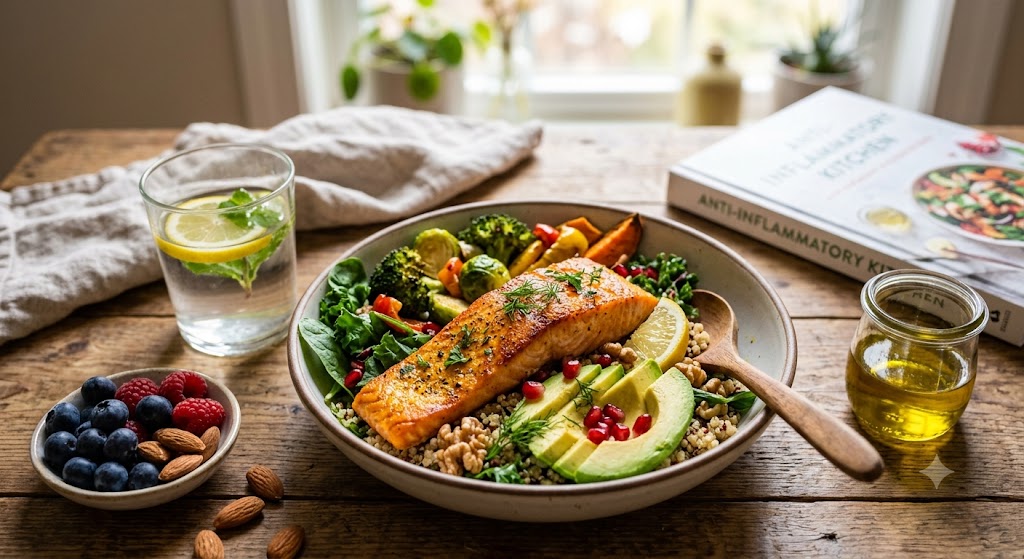
You already know that sleep, rest, and exercise are essential for recovery. However, one of the most powerful recovery tools is often overlooked: nutrition. The foods you eat can either support healing and tissue repair or contribute to prolonged inflammation that slows recovery.
An anti-inflammatory diet for recovery focuses on nutrient-dense foods that help regulate inflammation, accelerate healing, reduce soreness, and improve overall health. Whether you’re recovering from intense workouts, injury, illness, or surgery, the right nutrition can significantly improve your results.
In this comprehensive guide, you’ll learn how an anti-inflammatory diet works, which foods support faster recovery, which foods may hinder healing, and how to build a sustainable eating plan that promotes long-term wellness and performance.
What Is an Anti-Inflammatory Diet for Recovery?
An anti-inflammatory diet for recovery is a dietary approach centered around whole, minimally processed foods that help reduce excessive inflammation while supporting the body’s natural healing processes.
Inflammation itself is not the enemy. In fact, it is a critical biological response that helps your body heal after injury, infection, illness, or physical stress.
For example, after a challenging workout, your muscles experience microscopic damage. Your immune system responds by triggering temporary inflammation, which helps repair tissue and stimulate muscle growth.
However, not all inflammation is beneficial.
Types of Inflammation
| Type | Description | Impact on Recovery |
|---|---|---|
| Acute Inflammation | Short-term immune response | Supports healing and tissue repair |
| Chronic Inflammation | Long-lasting inflammatory state | Slows recovery and may damage tissues |
Chronic inflammation can interfere with healing, increase soreness, reduce performance, and negatively affect long-term health.
Research suggests that chronic inflammation is associated with many long-term health concerns, including cardiovascular disease and metabolic disorders — Source: Harvard Health Publishing, 2024.
Recovery nutrition focuses on supplying the body with the nutrients required to repair damaged tissue, restore energy reserves, and maintain healthy inflammatory responses.
natural ways to reduce inflammation
Why Is Inflammation Important During Recovery?
Inflammation is a necessary part of the recovery process because it initiates healing and coordinates tissue repair.
When muscle fibers, tendons, or other tissues become damaged, the immune system sends specialized cells to the affected area. These cells release signaling compounds that help rebuild stronger and healthier tissues.
This process is especially important for:
- Exercise recovery
- Injury rehabilitation
- Surgical healing
- Immune system function
- Tissue regeneration
The Goal Is Balance, Not Elimination
A common misconception is that all inflammation should be eliminated.
In reality, recovery nutrition aims to support healthy inflammatory responses while preventing excessive or prolonged inflammation that can delay healing.
Maintaining this balance allows the body to recover efficiently without suppressing essential repair mechanisms.
Why Does an Anti-Inflammatory Diet Matter for Recovery?
An anti-inflammatory diet matters because it provides the nutrients needed to support healing, minimize soreness, and improve overall recovery outcomes.
Proper nutrition helps the body:
- Repair damaged tissues
- Restore energy stores
- Support immune function
- Reduce oxidative stress
- Improve physical performance
- Promote long-term health
According to the International Society of Sports Nutrition, adequate protein intake significantly improves recovery and muscle repair after exercise — Source: ISSN Position Stand, 2023.
Muscle Repair and Reduced Soreness
Muscle recovery depends on a combination of:
- Protein
- Omega-3 fatty acids
- Vitamins
- Minerals
- Antioxidants
Athletes who regularly consume omega-3-rich foods often experience less exercise-induced muscle soreness and improved training consistency.
Omega-3 fatty acids help regulate inflammatory processes and support recovery after physical activity.
Improved Immune Function
Recovery and immunity are closely linked.
Healing requires coordinated immune activity, and nutrient deficiencies can slow the process.
Foods rich in:
- Vitamin A
- Vitamin C
- Vitamin D
- Zinc
- Antioxidants
help support immune defenses and reduce oxidative stress.
For example, berries and leafy greens provide powerful antioxidants that protect cells during recovery.
Better Long-Term Health Outcomes
The benefits of anti-inflammatory eating extend beyond recovery.
Research suggests that Mediterranean-style eating patterns reduce markers of inflammation and support cardiovascular health — Source: American Heart Association, 2024.
Consistent healthy eating habits can improve:
- Heart health
- Metabolic function
- Energy levels
- Healthy aging
- Disease prevention
How Does Nutrition Affect Recovery After Exercise or Injury?
Nutrition affects recovery by supplying the nutrients required for tissue repair, energy restoration, and inflammation regulation.
Exercise, illness, surgery, and injury all increase the body’s nutritional demands.
Without adequate nutrition, recovery may take longer and performance may suffer.
Recovery After Exercise
Exercise recovery depends on two major factors:
- Replenishing glycogen stores
- Repairing muscle tissue
According to the American College of Sports Medicine, combining protein and carbohydrates after exercise improves recovery outcomes — Source: ACSM, 2024.
Benefits include:
- Faster glycogen replenishment
- Increased muscle protein synthesis
- Reduced fatigue
- Improved future performance
Recovery After Injury or Surgery
Recovery from injury or surgery requires additional nutritional support.
Key nutrients include:
| Nutrient | Primary Function |
|---|---|
| Protein | Tissue repair and regeneration |
| Vitamin C | Collagen production |
| Zinc | Wound healing |
| Omega-3s | Inflammation regulation |
Adequate intake of these nutrients helps facilitate healing and recovery.
The Role of Nutrient Timing
Nutrient timing refers to consuming specific nutrients during periods when the body can utilize them most effectively.
For example:
- Protein every 3–4 hours may support muscle repair.
- Post-workout nutrition can accelerate recovery.
- Consistent meal timing supports energy balance.
Protein Coffee for Energy, Muscle & Recovery Guide
Which Foods Are Most Effective at Reducing Inflammation?
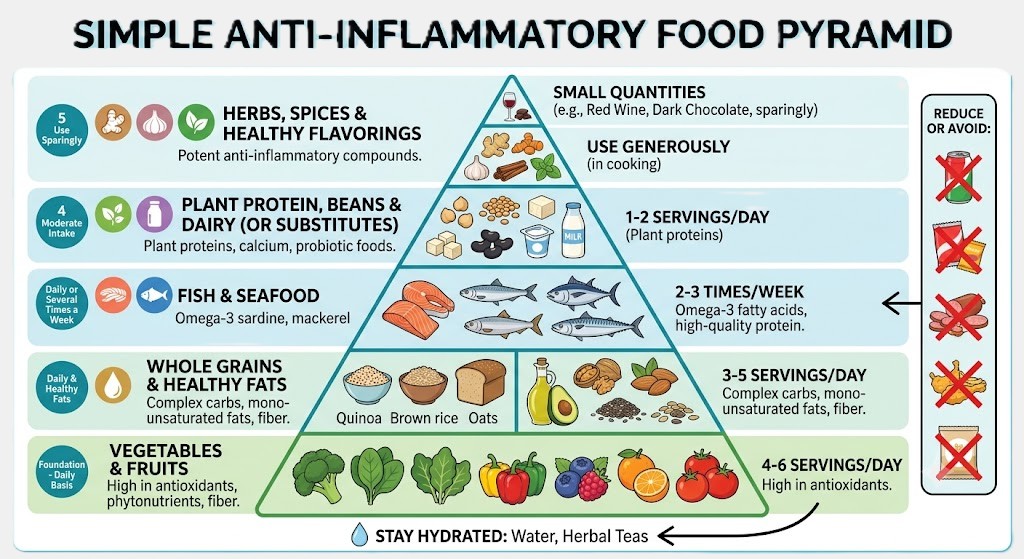
The foundation of an anti-inflammatory diet for recovery consists of whole foods rich in antioxidants, healthy fats, vitamins, and minerals.
Fatty Fish
Fatty fish provide some of the richest dietary sources of omega-3 fatty acids.
Examples include:
- Salmon
- Sardines
- Mackerel
- Trout
- Herring
Benefits include:
- Reduced inflammation
- Improved recovery
- Better cardiovascular health
- Enhanced cellular function
benefits of omega-3 fatty acids
Berries and Colorful Fruits
Berries contain polyphenols and antioxidants that help combat oxidative stress.
Top choices include:
- Blueberries
- Strawberries
- Blackberries
- Raspberries
Blueberries are particularly rich in anthocyanins, compounds associated with reduced exercise-related inflammation.

Leafy Greens
Leafy vegetables provide essential vitamins, minerals, and antioxidants.
Excellent options include:
- Spinach
- Kale
- Swiss chard
- Arugula
These foods support immune health and tissue repair while helping regulate inflammation.
Nuts and Seeds
Nuts and seeds deliver healthy fats, fiber, protein, and minerals.
Recommended options include:
- Walnuts
- Almonds
- Chia seeds
- Flaxseeds
- Pumpkin seeds
Regular consumption may support recovery and cardiovascular health.
Olive Oil, Turmeric, and Ginger
Extra virgin olive oil contains compounds associated with anti-inflammatory benefits.
Turmeric contains curcumin, while ginger contains gingerol—both widely researched for their roles in inflammation management.
Adding these ingredients to meals can enhance both flavor and recovery benefits.
What Foods Should You Avoid on an Anti-Inflammatory Diet?
While adding beneficial foods is important, reducing inflammatory foods can further support recovery.
Ultra-Processed Foods
Examples include:
- Packaged snacks
- Fast food
- Sugary cereals
- Processed frozen meals
These foods often contain refined ingredients, unhealthy fats, and additives.
Excess Sugar
Excessive sugar consumption may increase inflammatory markers.
Common sources include:
- Soft drinks
- Candy
- Sweetened coffee beverages
- Processed desserts
Refined Carbohydrates and Trans Fats
Examples include:
- White bread
- Pastries
- Doughnuts
- Highly processed baked goods
These foods typically provide calories without significant nutritional value.
Excessive Alcohol
Heavy alcohol intake can:
- Impair recovery
- Increase inflammation
- Disrupt sleep
- Delay healing
Moderation is recommended for those focused on recovery.
How Can an Anti-Inflammatory Diet Improve Muscle Recovery?
An anti-inflammatory diet improves muscle recovery through three primary mechanisms:
1. Supports Tissue Repair
Protein provides amino acids that rebuild damaged muscle fibers.
Good sources include:
- Lean meats
- Fish
- Dairy
- Eggs
- Legumes
- Plant-based proteins
2. Reduces Oxidative Stress
Exercise generates oxidative stress that can damage cells.
Antioxidants from fruits and vegetables help neutralize these effects and support recovery.
3. Improves Nutrient Availability
A nutrient-rich diet ensures your body has access to:
- Vitamins
- Minerals
- Healthy fats
- Protein
- Fiber
These nutrients work together to optimize healing and recovery.
What Does a One-Day Anti-Inflammatory Recovery Meal Plan Look Like?
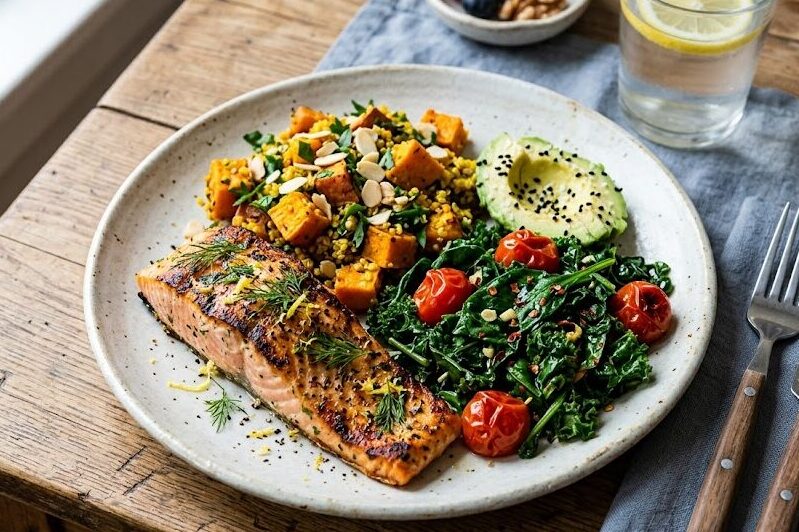
A practical anti-inflammatory diet for recovery should combine protein, healthy fats, complex carbohydrates, and hydration.
Breakfast
- Oatmeal with blueberries and chia seeds
- Greek yogurt
- Green tea
Morning Snack
- Apple slices
- Almond butter
Lunch
- Grilled salmon
- Quinoa
- Mixed greens salad with olive oil dressing
Afternoon Snack
- Walnuts
- Fresh berries
Dinner
- Lean chicken breast
- Sweet potatoes
- Roasted vegetables
Evening Option
- Herbal tea
- Small serving of Greek yogurt
Pre-Workout and Post-Workout Recovery Nutrition
Strategic nutrition before and after exercise can significantly improve recovery.
Pre-Workout Options
- Banana and peanut butter
- Oatmeal with fruit
These foods provide sustained energy and help support performance.
Post-Workout Options
- Protein smoothie
- Greek yogurt and berries
- Chicken with rice
These meals support muscle repair and glycogen restoration.
Are Omega-3 Fatty Acids Good for Recovery?
Yes, omega-3 fatty acids are among the most beneficial nutrients for recovery.
Benefits include:
- Supporting cellular function
- Regulating inflammatory processes
- Reducing exercise-induced soreness
- Supporting cardiovascular health
EPA and DHA, found primarily in fatty fish, are especially valuable for active individuals.
The World Health Organization recommends regular fish consumption as part of a healthy dietary pattern — Source: WHO, 2024.
Can an Anti-Inflammatory Diet Help Recovery After Surgery?
An anti-inflammatory diet may support recovery after surgery by providing nutrients needed for wound healing and tissue repair.
Key nutrients include:
- Protein
- Vitamin C
- Zinc
- Omega-3 fatty acids
Together, these nutrients support collagen formation, immune function, and cellular repair.
However, individual recovery needs vary. Always follow the nutrition recommendations provided by your healthcare professional.
How Long Does It Take to See Results From an Anti-Inflammatory Diet?
Most people notice improvements within several weeks of consistently following an anti-inflammatory eating pattern.
Typical timelines include:
| Timeframe | Potential Benefits |
|---|---|
| 2–4 Weeks | Better digestion, reduced soreness, improved energy |
| 1–3 Months | Improved recovery and healthier inflammatory markers |
| 3+ Months | Greater long-term health and performance benefits |
Consistency is far more effective than short-term dietary changes.
Which Supplements Support Recovery and Reduce Inflammation?
While food should remain the foundation of recovery nutrition, certain supplements may provide additional support.
Omega-3 Supplements
Options include:
- Fish oil
- Algae-based omega-3 supplements
Curcumin
Benefits include:
- Concentrated turmeric compounds
- Anti-inflammatory support
- Often combined with black pepper extract for improved absorption
Magnesium
Magnesium supports:
- Muscle function
- Recovery
- Sleep quality
- Nervous system regulation
magnesium benefits for athletes
Recovery Tracking Apps and Meal Planning Tools
Technology can help you stay consistent with your recovery nutrition plan.
Useful tools include:
- Cronometer
- MyFitnessPal
- Apple Health
- Google Fit
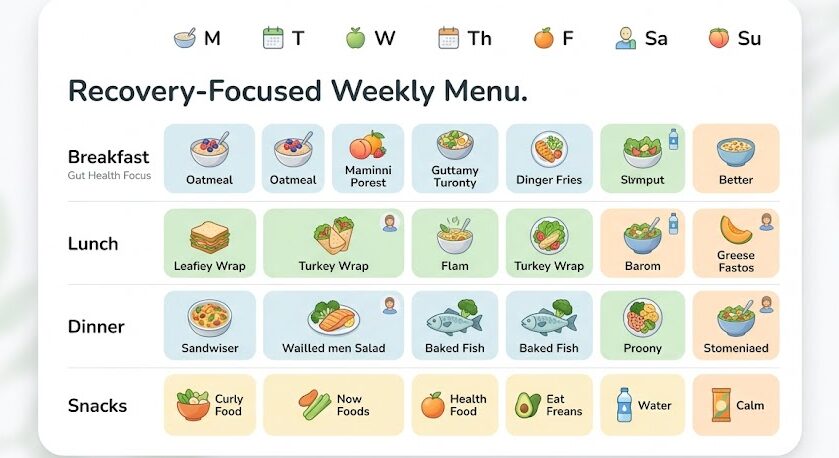
These tools can help track:
- Calories
- Macronutrients
- Hydration
- Recovery trends
- Exercise performance
What Are the Best Daily Habits for Faster Recovery?
Recovery depends on more than nutrition alone.
Combining healthy eating with supportive lifestyle habits produces the best results.
Daily Recovery Checklist
- Eat protein with every meal
- Consume omega-3-rich foods regularly
- Stay hydrated throughout the day
- Sleep 7–9 hours nightly
- Include fruits and vegetables at every meal
- Limit processed foods and excess sugar
- Monitor recovery progress weekly
What’s Next: Creating Your Personal Recovery Nutrition Plan
Creating a personalized nutrition strategy makes it easier to stay consistent and achieve better recovery outcomes.
Step 1: Define Your Recovery Goal
Examples include:
- Recovering from injury
- Improving athletic performance
- Recovering from surgery
- Reducing chronic inflammation
Step 2: Track Your Current Diet
Identify areas for improvement and nutritional gaps.
Step 3: Increase Anti-Inflammatory Foods
Gradually add:
- Fatty fish
- Vegetables
- Fruits
- Nuts
- Seeds
- Olive oil
Step 4: Plan Meals Weekly
Meal planning improves consistency and reduces reliance on processed foods.
Step 5: Monitor Progress
Track:
- Energy levels
- Recovery speed
- Soreness
- Performance
Adjust as needed based on results.
For example, athletes may prioritize protein timing and omega-3 intake, while individuals recovering from surgery may focus more heavily on wound-healing nutrients.
Conclusion
An anti-inflammatory diet for recovery is one of the most effective ways to support healing, reduce excessive inflammation, and improve overall recovery outcomes. By emphasizing nutrient-dense foods such as fatty fish, berries, leafy greens, nuts, seeds, olive oil, turmeric, and ginger, you provide your body with the tools it needs to repair tissue, restore energy, and perform at its best.
The greatest benefits come from consistency. Rather than relying on quick fixes, focus on building sustainable eating habits that support recovery every day. Combined with adequate sleep, hydration, exercise, and stress management, an anti-inflammatory diet can become a powerful foundation for faster healing and long-term health.
FAQs
What is the best anti-inflammatory diet for recovery?
A diet focused on fatty fish, berries, leafy greens, nuts, seeds, olive oil, and other whole foods.
Can an anti-inflammatory diet reduce muscle soreness?
Yes, it may help reduce soreness and support faster muscle recovery.
How much protein should I eat for recovery?
Protein needs vary, but including protein with every meal is a good recovery strategy.
Are omega-3 supplements good for recovery?
Yes, omega-3 supplements may help regulate inflammation and support recovery.
How quickly can I see results from an anti-inflammatory diet?
Many people notice improvements within 2–4 weeks of consistent healthy eating.
Can an anti-inflammatory diet help after surgery?
Yes, it may support wound healing, tissue repair, and immune function.
What foods should I avoid when following an anti-inflammatory diet?
Limit ultra-processed foods, sugary drinks, refined carbohydrates, trans fats, and excessive alcohol.