
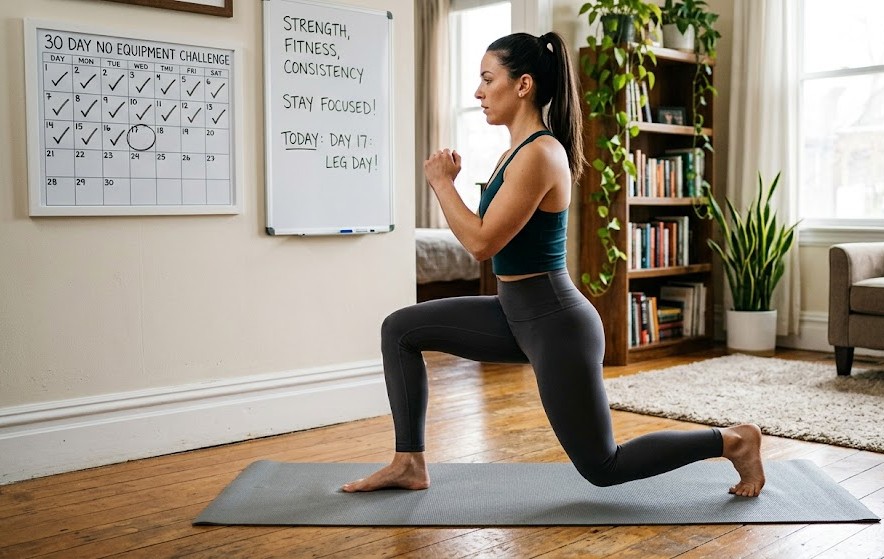
You’ve probably considered getting fitter, stronger, or losing weight, only to feel discouraged by expensive gym memberships, crowded fitness centers, or costly equipment. The good news is that you don’t need any of those things to transform your fitness.
A well-structured 30 day workout challenge no equipment can help you build strength, improve endurance, burn calories, and establish lifelong healthy habits using nothing more than your body weight and commitment.
Whether you’re a beginner starting your fitness journey, a busy professional with limited time, or someone looking for a convenient home workout solution, this guide will show you exactly how to succeed. You’ll learn the science behind bodyweight training, discover the best exercises, follow a proven 30-day plan, avoid common mistakes, and maximize your results.
What Is a 30 Day Workout Challenge No Equipment?
A 30 day workout challenge no equipment is a structured fitness program designed to improve strength, endurance, mobility, and overall health using bodyweight exercises over four weeks.
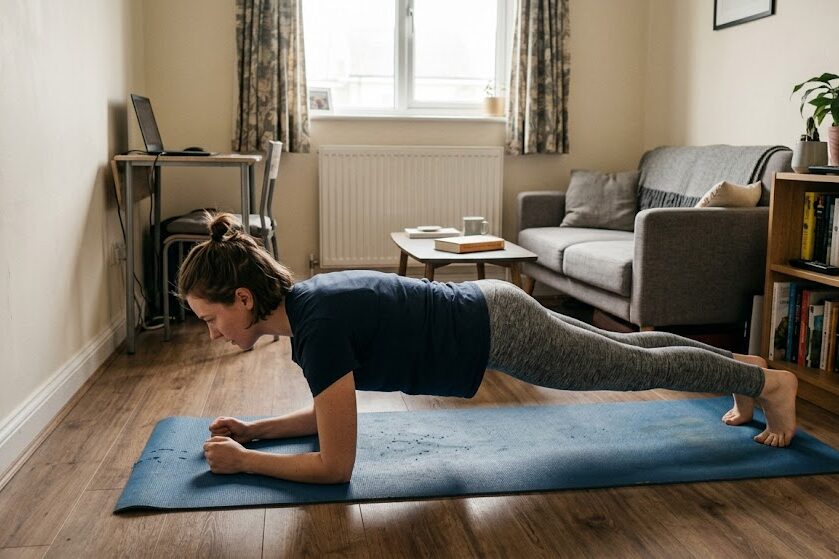
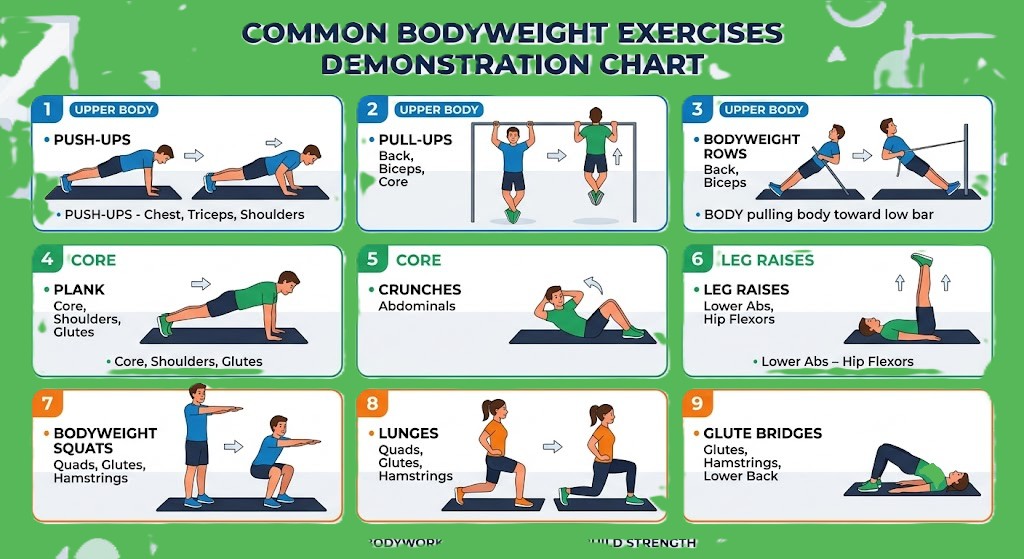
Unlike traditional gym workouts that rely on machines or weights, bodyweight training uses your own body as resistance. Exercises such as push-ups, squats, lunges, planks, and burpees engage multiple muscle groups simultaneously while improving coordination and functional fitness.
One of the biggest advantages of this type of challenge is accessibility. You can complete workouts in your living room, bedroom, backyard, or even while traveling.
According to the World Health Organization, adults should perform at least 150 minutes of moderate physical activity weekly for health benefits — Source: WHO, 2024.
Who Should Try This Challenge?
This challenge is ideal for:
- Beginners starting a fitness routine
- Busy professionals with limited time
- Students living in small spaces
- Remote workers
- Frequent travelers
- Individuals looking for a low-cost fitness solution
Can You Build Strength With Bodyweight Exercises Alone?
Absolutely.
A properly designed bodyweight workout program can significantly improve strength, muscular endurance, and body composition without requiring any equipment.
The key is progressive overload—the principle of gradually increasing the demands placed on your muscles.
You can achieve progressive overload by:
- Increasing repetitions
- Adding extra sets
- Extending workout duration
- Slowing exercise tempo
- Reducing rest periods
- Progressing to more difficult exercise variations
For example, once regular push-ups become easier, you can transition to decline push-ups or diamond push-ups to continue challenging your muscles.
Why a 30 Day No Equipment Workout Challenge Matters
One reason people struggle to maintain an exercise routine is because fitness often feels complicated.
A 30 day workout challenge no equipment removes many of the common barriers that prevent consistency.
Accessibility
You don’t need:
- A gym membership
- Expensive machines
- Dumbbells or barbells
- Dedicated workout space
Convenience
When workouts can be completed in 15–30 minutes at home, it’s easier to stay consistent.
Habit Formation
Completing daily workouts for 30 days helps establish a sustainable exercise habit that can continue long after the challenge ends.
According to the CDC, regular physical activity reduces the risk of chronic diseases and improves overall quality of life — Source: CDC, 2024.
Benefits of a 30 Day Bodyweight Workout Challenge
A bodyweight fitness challenge provides benefits that extend beyond physical appearance.
Physical Benefits
- Increased muscular endurance
- Improved cardiovascular health
- Greater flexibility and mobility
- Better posture
- Enhanced balance and coordination
- Increased calorie expenditure
Mental Benefits
- Reduced stress levels
- Improved mood
- Increased confidence
- Better focus and productivity
Lifestyle Benefits
- Stronger daily routines
- Improved discipline
- Greater self-accountability
- Long-term fitness consistency
benefits of bodyweight training
What Results Can You Expect From a 30 Day Workout Challenge No Equipment?
Results vary based on fitness level, consistency, recovery, and nutrition. However, most participants notice improvements throughout the month.
Expected Progress Timeline
| Time Period | Common Results |
|---|---|
| Week 1 | Improved energy and workout familiarity |
| Week 2 | Better endurance and reduced soreness |
| Week 3 | Increased strength and confidence |
| Week 4 | Visible fitness improvements and stronger habits |
Common Improvements
Better Endurance
Many beginners notice daily activities becoming easier within the first two weeks.
Increased Strength
Someone who begins with five push-ups may finish the challenge performing 15–20 or more.
Improved Body Composition
Combining exercise with healthy nutrition often supports fat loss and muscle definition.
Research shows that combining exercise with dietary improvements produces better fat-loss outcomes than exercise alone — Source: American College of Sports Medicine, 2024.
The most important factor is consistency. Showing up every day matters more than performing perfect workouts.
How to Prepare for a 30 Day Fitness Challenge
Preparation significantly increases your chances of success.
Assess Your Starting Fitness Level
Before beginning, establish a baseline.
Test:
- Maximum push-ups
- Bodyweight squats in one minute
- Plank hold duration
- Resting heart rate
Record these numbers to compare progress later.
Set Clear Goals
Specific goals provide direction and motivation.
Examples include:
- Lose 2–4 pounds
- Complete 20 push-ups
- Improve endurance
- Exercise every day for 30 days
Create a Recovery Plan
Recovery allows muscles to adapt and grow stronger.
Focus on:
- Sleep
- Hydration
- Nutrition
- Active recovery days
According to the National Sleep Foundation, adults should aim for 7–9 hours of sleep nightly for optimal recovery — Source: National Sleep Foundation, 2024.
best warm-up exercises before workouts
Complete 30 Day Workout Challenge No Equipment Plan
Week 1: Foundation Phase
Focus on mastering movement patterns.
| Day | Workout |
|---|---|
| 1 | 15 Squats, 10 Push-ups, 20-second Plank × 3 |
| 2 | 20 Jumping Jacks, 15 Lunges, 20-second Plank × 3 |
| 3 | Active Recovery Walk |
| 4 | Repeat Day 1 |
| 5 | Repeat Day 2 |
| 6 | Full Body Circuit |
| 7 | Recovery Day |
Week 2: Endurance Building
Increase workload by approximately 20%.
- Squats: 20 reps
- Push-ups: 12 reps
- Planks: 30 seconds
- Mountain Climbers: 30 reps
Week 3: Strength Progression
Increase training volume.
- 4 workout rounds
- Longer plank holds
- Add burpees
- Include high knees
Week 4: Peak Challenge Phase
Challenge yourself while maintaining proper form.
Focus on:
- Burpees
- Push-up variations
- Jump squats
- Extended plank holds
Best No Equipment Exercises for Beginners
These foundational exercises target major muscle groups and build total-body fitness.
Push-Ups
Benefits:
- Strengthen chest, shoulders, and triceps
- Improve core stability
Beginner option:
- Knee push-ups
- Incline push-ups
Squats
Benefits:
- Build leg strength
- Improve mobility
- Enhance functional movement
Lunges
Benefits:
- Improve balance
- Strengthen legs and glutes
- Enhance coordination
Planks
Benefits:
- Build core strength
- Improve posture
- Increase stability
Mountain Climbers
Benefits:
- Elevate heart rate
- Strengthen core
- Improve endurance
Burpees
Benefits:
- Full-body conditioning
- High calorie burn
- Improved cardiovascular fitness
Glute Bridges
Benefits:
- Strengthen glutes and hamstrings
- Improve posture
- Support lower back health
Jumping Jacks
Benefits:
- Increase heart rate
- Improve coordination
- Boost endurance
High Knees
Benefits:
- Burn calories
- Improve agility
- Strengthen lower body
Leg Raises
Benefits:
- Target lower abdominal muscles
- Improve core control
How Many Calories Can You Burn?
Calorie expenditure varies based on workout intensity, duration, age, body composition, and fitness level.
Average Calorie Burn Estimates
| Exercise | Calories Burned (30 Minutes) |
|---|---|
| Bodyweight Circuit | 180–350 |
| Jumping Jacks | 200–300 |
| Burpees | 300–450 |
| High Knees | 250–400 |
According to Harvard Health Publishing, calorie expenditure varies significantly based on exercise intensity and individual body weight — Source: Harvard Health, 2024.
Higher intensity workouts generally increase calorie burn and cardiovascular demand.
Common Mistakes During a 30 Day Workout Challenge
Avoiding these mistakes can improve results and reduce injury risk.
Skipping Warm-Ups
Warm muscles perform better and are less prone to injury.
Using Poor Form
Incorrect technique reduces effectiveness and increases injury risk.
Doing Too Much Too Soon
Gradual progression is more sustainable and safer.
Ignoring Recovery
Recovery is where fitness adaptations occur.
Expecting Instant Results
Fitness improvements happen gradually.
Neglecting Nutrition
Exercise cannot fully compensate for poor eating habits.
Why Nutrition Matters During a No Equipment Fitness Program
Nutrition plays a major role in performance, recovery, and body composition changes.
Simple Nutrition Framework
Eat Protein at Every Meal
Good sources include:
- Eggs
- Chicken
- Fish
- Greek yogurt
- Tofu
- Beans
- Lentils
Prioritize Vegetables
Vegetables provide essential vitamins, minerals, and fiber.
Choose Whole Grains
Examples:
- Oats
- Brown rice
- Whole wheat bread
- Quinoa
Include Healthy Fats
Examples:
- Nuts
- Seeds
- Avocados
- Olive oil
Stay Hydrated
Even mild dehydration can negatively impact performance.
healthy meal plan for fitness goals
How to Stay Motivated Throughout the Challenge
Motivation naturally fluctuates, which is why systems are more important than willpower.
Effective Motivation Strategies
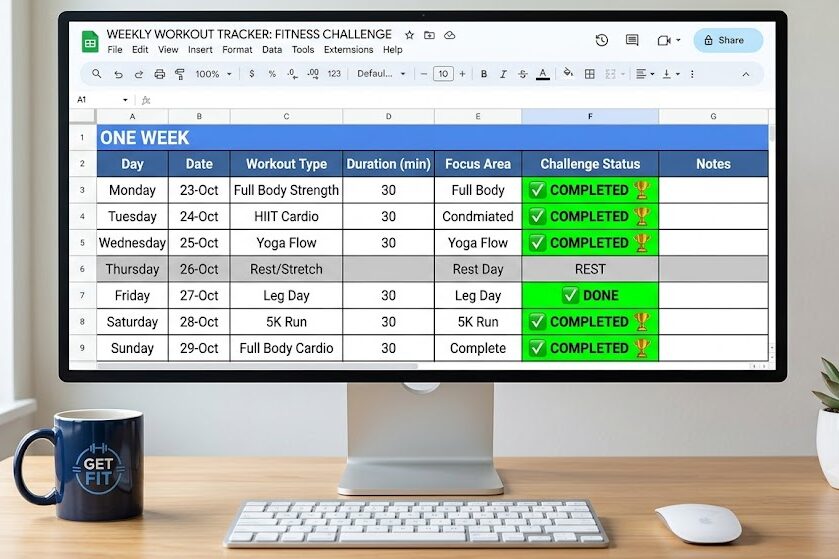
- Track daily workouts
- Use habit-tracking apps
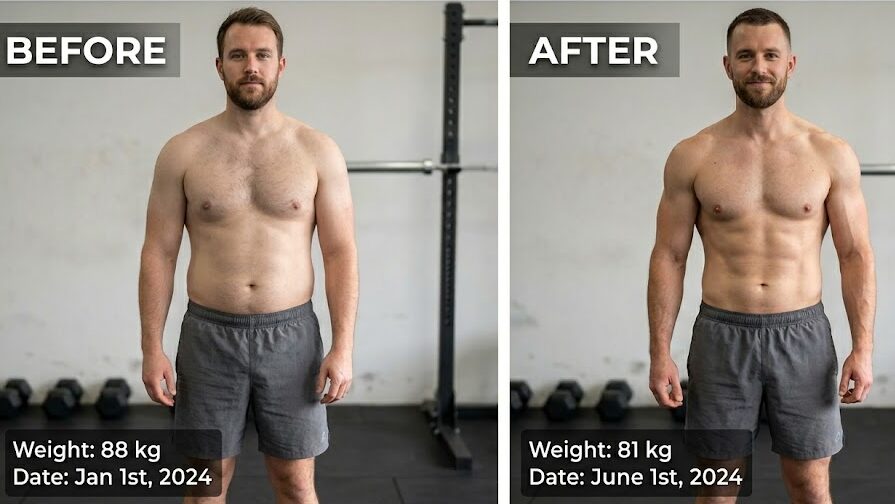
- Take weekly progress photos
- Celebrate milestones
- Join accountability groups
- Focus on consistency instead of perfection
Use Habit Stacking
Attach workouts to existing routines.
For example:
- Workout after brushing your teeth
- Exercise before your morning coffee
- Complete a session after work
These cues make habits easier to maintain.
Best Tools for Tracking Progress
Tracking progress helps maintain accountability and motivation.
Recommended Tracking Methods
- Workout journals
- Habit-tracker apps
- Progress photos
- Body measurements
- Fitness wearables
What to Do After Completing the Challenge
Completing your first 30 days is only the beginning.
To continue progressing:
Increase Exercise Difficulty
Try:
- Diamond push-ups
- Decline push-ups
- Pistol squat progressions
- Advanced plank variations
Extend the Program
Continue into a 60-day challenge.
Add Resistance
Consider:
- Resistance bands
- Adjustable dumbbells
- Weighted backpacks
Explore Calisthenics
Bodyweight strength training can become a long-term fitness practice.
Next progression options:
- Advanced push-up variations
- Single-leg squats
- Resistance band training
- Calisthenics progressions
- Structured strength programs
Conclusion
A 30 day workout challenge no equipment is one of the most effective and accessible ways to improve fitness without stepping into a gym. By combining bodyweight exercises, progressive overload, proper nutrition, and consistent recovery habits, you can build strength, increase endurance, burn calories, and establish long-lasting healthy routines.
Remember that success doesn’t come from perfection—it comes from showing up consistently. Focus on completing each workout, tracking your progress, and making small improvements every day. By the end of 30 days, you’ll not only be stronger physically but also more confident in your ability to maintain a healthy lifestyle.
FAQs
Can beginners do a 30 day workout challenge no equipment?
Yes. Beginners can start with modified exercises such as knee push-ups and shorter plank holds, then gradually increase difficulty as fitness improves.
How long should each workout take?
Most workouts take between 15 and 30 minutes depending on intensity, rest periods, and fitness level.
Will I lose weight during a 30 day workout challenge?
Weight loss is possible when workouts are combined with a calorie-controlled, nutritious diet and consistent activity.
Can bodyweight exercises build muscle?
Yes. Progressive overload through additional repetitions, sets, and exercise variations can stimulate muscle growth and strength development.
Should I work out all 30 days without rest?
No. Recovery days are important for muscle repair, injury prevention, and long-term progress.
What if I miss a workout day?
Simply resume the challenge the following day. Consistency over time matters more than achieving a perfect streak.
Do I need special equipment or workout clothes?
No. Comfortable clothing, supportive footwear, and enough space to move safely are typically all you need.
How can I track my results?
Use workout logs, progress photos, body measurements, and fitness assessments such as push-up counts or plank duration to monitor improvements.