
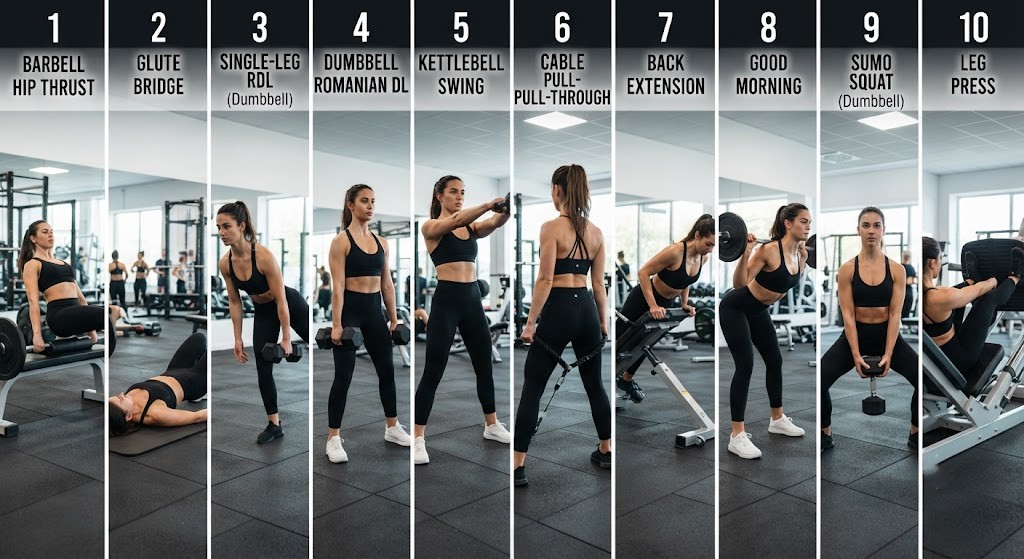
Deadlifts are widely recognized as one of the most effective compound exercises for building full-body strength. They strengthen the posterior chain, improve athletic performance, increase muscle mass, and enhance functional movement. However, conventional barbell deadlifts aren’t the ideal choice for everyone.
If you experience lower back discomfort, have limited equipment, are recovering from an injury, or simply want to diversify your training, there are plenty of exercises that provide similar benefits while reducing stress on the body.
In this guide, you’ll discover the best deadlift alternatives, learn which muscles each exercise targets, understand when to use them, and find the right replacement based on your fitness goals. Whether you’re a beginner, home gym enthusiast, or experienced lifter, you’ll find an effective option to keep progressing safely.
What Are Deadlift Alternatives?
Deadlift alternatives are exercises that strengthen the posterior chain by replicating the movement pattern or muscle activation of conventional deadlifts while accommodating different training goals, equipment availability, and physical limitations.
Unlike traditional deadlifts, many of these movements:
- Reduce stress on the lower back
- Require less technical skill
- Emphasize specific muscle groups
- Are easier to perform at home
- Support rehabilitation and injury prevention
For example:
- Romanian Deadlifts emphasize the hamstrings.
- Hip Thrusts primarily target the glutes.
- Trap Bar Deadlifts reduce spinal loading while allowing heavy lifting.
Research shows that compound lower-body exercises improve strength, balance, and functional movement when performed consistently with proper technique.
Source: American College of Sports Medicine (ACSM, 2024).
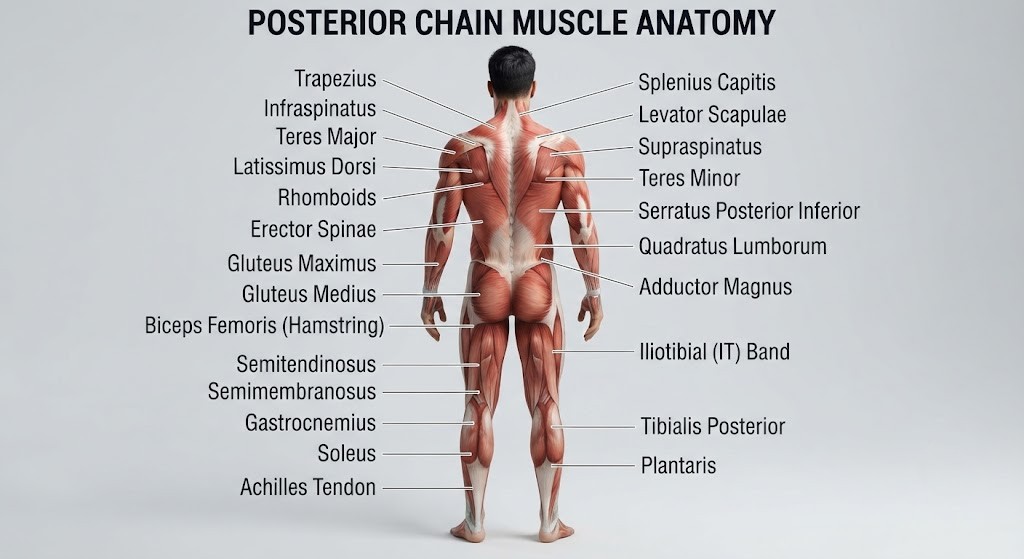
The posterior chain includes:
- Glutes
- Hamstrings
- Lower back
- Spinal erectors
- Calves
- Core stabilizers
These muscles are essential for posture, lifting performance, athletic ability, and injury prevention.
Why Do People Look for the Best Deadlift Alternatives?
Although conventional deadlifts are highly effective, they aren’t always practical or comfortable.
Common reasons include:
- Lower back pain
- Limited gym equipment
- Home workouts
- Recovery after injury
- Improving weak muscle groups
- Learning proper hip hinge mechanics
- Reducing overall fatigue
Instead of eliminating posterior chain training altogether, choosing the right alternative helps maintain strength while reducing unnecessary stress.
Why Do Deadlift Alternatives Matter?
The best deadlift alternatives allow you to continue building strength, muscle, and athletic performance while overcoming the limitations of traditional barbell deadlifts.
According to the National Strength and Conditioning Association (NSCA, 2023), incorporating movement variation helps reduce overuse injuries while maintaining long-term strength development.
Lower Injury Risk
Many alternatives position the load closer to your body’s center of gravity.
This decreases excessive shear forces on the lumbar spine while still training powerful hip extension.
For example, trap bar deadlifts often feel much more comfortable for individuals with lower back sensitivity.
Better Muscle Balance
Different variations place greater emphasis on muscles that conventional deadlifts may not fully prioritize.
These include:
- Glutes
- Hamstrings
- Adductors
- Core stabilizers
Balanced muscle development improves posture, stability, and movement efficiency.
Beginner-Friendly Learning
Many beginners struggle to maintain a neutral spine during heavy deadlifts.
Exercises like:
- Glute Bridges
- Cable Pull-Throughs
teach proper hip hinging before progressing to heavier lifts.
Excellent for Home Workouts
Don’t have a barbell?
No problem.
Resistance bands, kettlebells, and dumbbells offer highly effective posterior chain training with minimal equipment.
Helpful During Recovery
With medical clearance, lower-impact alternatives such as Hip Thrusts and Back Extensions allow gradual return to strength training while minimizing spinal compression.
What Are the Best Deadlift Alternatives?
Below are 15 of the most effective deadlift replacements used by strength coaches, athletes, and fitness professionals worldwide.
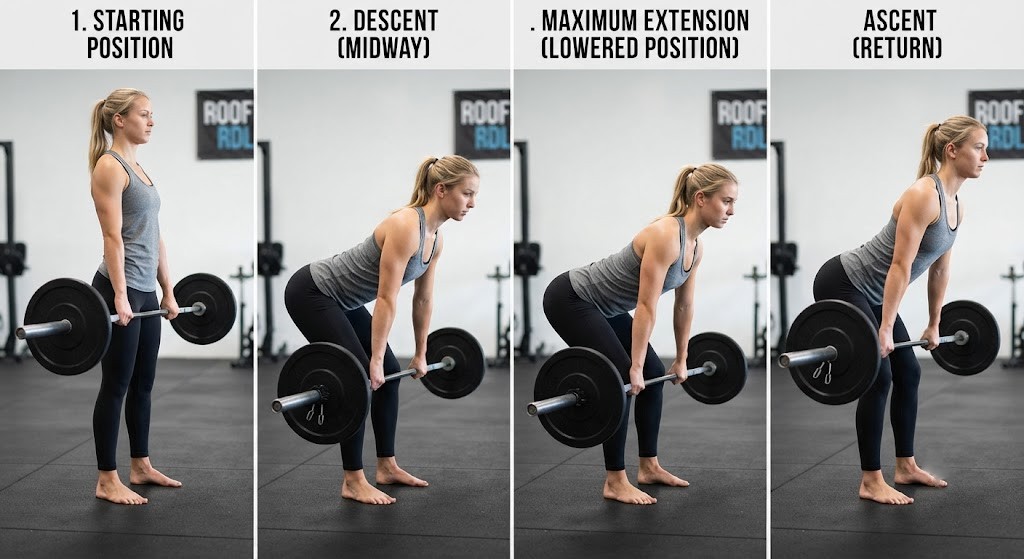
1. Romanian Deadlift (RDL)
The Romanian Deadlift is one of the best deadlift alternatives because it emphasizes hip hinging while placing less overall fatigue on the body than conventional deadlifts.
Target Muscles
- Hamstrings
- Glutes
- Lower back
- Core
- Forearms
Benefits
- Improves hip hinge mechanics
- Excellent hamstring activation
- Less spinal loading
- Builds strength for conventional deadlifts
- Great for muscle growth
Equipment
- Barbell
- Dumbbells
Difficulty
Intermediate
Best For
- Muscle growth
- Posterior chain development
- Improving deadlift technique
Common Mistakes
- Rounding the back
- Excessive knee bend
- Lowering too far
- Losing core tension
Research published in the Journal of Strength and Conditioning Research (2023) found Romanian Deadlifts significantly activate the hamstrings while reducing overall training fatigue compared to heavier conventional pulls.
2. Trap Bar Deadlift
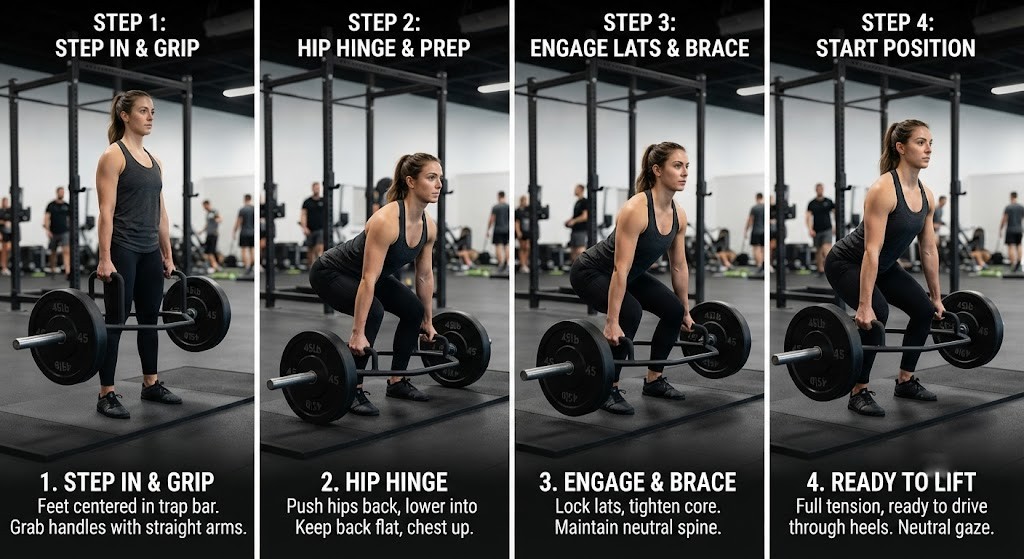
The Trap Bar Deadlift positions the load beside your body rather than in front, making it a lower-back-friendly variation.
Target Muscles
- Quads
- Glutes
- Hamstrings
- Core
- Traps
Benefits
- Easier learning curve
- Less lower-back stress
- Allows heavier loading
- Improves athletic power
Equipment
Trap Bar
Difficulty
Beginner to Intermediate
Best For
- Athletes
- Strength gains
- Lower back comfort
Common Mistakes
- Squatting too deeply
- Looking upward excessively
- Poor bracing
Research suggests trap bar deadlifts often produce greater peak power than conventional deadlifts because of improved biomechanics.
Source: NSCA, 2023.
3. Rack Pulls
Rack Pulls shorten the range of motion while allowing lifters to overload the top portion of the lift.
Target Muscles
- Glutes
- Traps
- Upper back
- Spinal erectors
Benefits
- Builds lockout strength
- Less hamstring strain
- Heavy loading potential
- Improves grip strength
Equipment
Barbell + Power Rack
Difficulty
Intermediate
Best For
Powerlifters and strength athletes
Common Mistakes
- Setting pins too high
- Jerking the bar
- Hyperextending at lockout
4. Hip Thrust
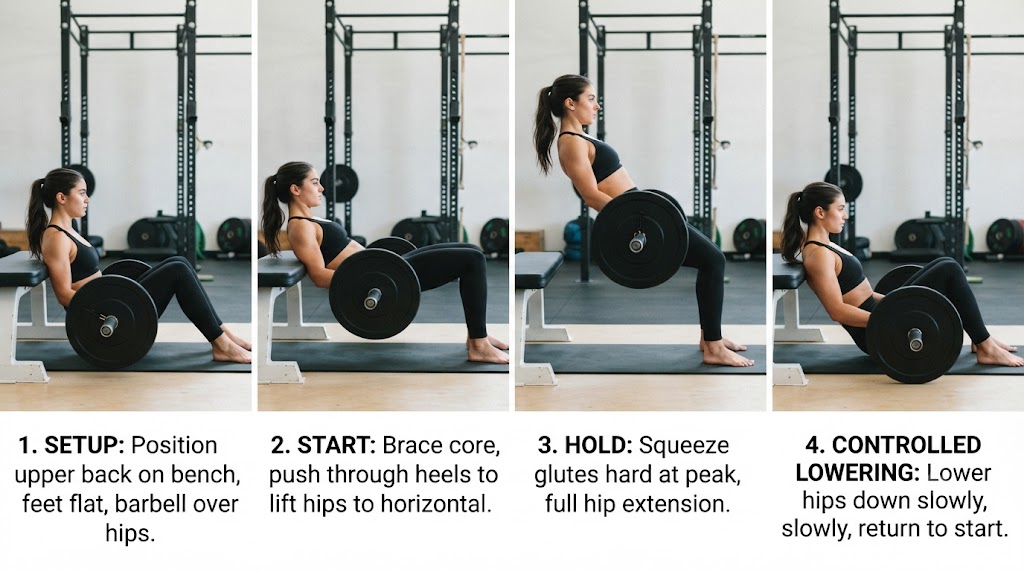
Hip Thrusts are among the most effective glute-building exercises while placing minimal stress on the lower back.
Target Muscles
- Glutes
- Hamstrings
- Core
Benefits
- Outstanding glute activation
- Improves sprint performance
- Supports squat and deadlift strength
- Lower-back friendly
Equipment
- Barbell
- Dumbbell
- Resistance Band
Difficulty
Beginner
Best For
- Glute growth
- Athletes
- Lower back discomfort
Common Mistakes
- Overarching the spine
- Incomplete hip extension
- Poor foot placement
5. Kettlebell Swing
Kettlebell Swings combine explosive hip power with cardiovascular conditioning.
Target Muscles
- Glutes
- Hamstrings
- Core
- Shoulders
Benefits
- Builds explosive strength
- Burns calories
- Improves cardiovascular fitness
- Enhances hip power
Equipment
Kettlebell
Difficulty
Intermediate
Best For
Athletes and conditioning workouts
Common Mistakes
- Squatting instead of hinging
- Lifting with the arms
- Hyperextending at the top
Studies show ballistic kettlebell training improves lower-body power and endurance simultaneously.
Source: Journal of Human Kinetics, 2022.
6. Good Morning
Good Mornings strengthen the posterior chain through controlled hip hinging with lighter loads.
Target Muscles
- Hamstrings
- Glutes
- Lower back
Benefits
- Reinforces hip hinge
- Improves spinal stability
- Strengthens the posterior chain
Equipment
Barbell
Difficulty
Advanced
Best For
Experienced lifters
Common Mistakes
- Excessive weight
- Rounded spine
- Limited hip movement
7. Glute Bridge
Glute Bridges are beginner-friendly exercises that teach proper hip extension while strengthening the glutes.
Target Muscles
- Glutes
- Hamstrings
- Core
Benefits
- Low injury risk
- Excellent rehabilitation exercise
- Improves pelvic stability
- Beginner friendly
Equipment
Bodyweight or Resistance Band
Difficulty
Beginner
Best For
- Home workouts
- Beginners
- Recovery
Common Mistakes
- Rushing repetitions
- Incomplete hip extension
- Weak core engagement
8. Bulgarian Split Squat
Bulgarian Split Squats develop unilateral strength while reducing spinal loading.
Target Muscles
- Glutes
- Quads
- Hamstrings
- Core
Benefits
- Corrects muscle imbalances
- Improves balance
- Builds functional strength
- Enhances athletic performance
Equipment
- Dumbbells
- Barbell
- Bodyweight
Difficulty
Intermediate
Best For
- Athletes
- Muscle growth
- Single-leg strength
Common Mistakes
- Leaning too far forward
- Short range of motion
- Knee collapsing inward
9. Single-Leg Romanian Deadlift
This variation builds unilateral strength, coordination, and balance.
Target Muscles
- Hamstrings
- Glutes
- Core
- Ankles
- Lower back stabilizers
Benefits
- Improves balance
- Corrects left-to-right strength differences
- Strengthens the core
- Enhances athletic performance
Equipment
- Dumbbell
- Kettlebell
- Bodyweight
Difficulty
Intermediate
Best For
- Athletes
- Runners
- Functional fitness
- Injury prevention
Common Mistakes
- Rotating the hips
- Rounding the back
- Losing balance
- Looking down excessively
10. Cable Pull-Through
Cable Pull-Throughs teach proper hip hinging while minimizing spinal loading.
Target Muscles
- Glutes
- Hamstrings
- Core
Benefits
- Beginner friendly
- Excellent glute activation
- Constant cable resistance
- Lower-back friendly
Equipment
Cable Machine
Difficulty
Beginner
Best For
- Learning hip hinge
- Glute growth
- Rehabilitation
Common Mistakes
- Pulling with the arms
- Squatting instead of hinging
- Standing too close to the cable
11. Reverse Hyperextension
Reverse Hyperextensions strengthen the lower back while reducing spinal compression.
Target Muscles
- Lower back
- Glutes
- Hamstrings
Benefits
- Improves spinal endurance
- Builds posterior chain strength
- Supports injury prevention
- Enhances recovery
Equipment
Reverse Hyper Machine
Difficulty
Intermediate
Best For
- Lower back strengthening
- Powerlifters
- Rehabilitation
Common Mistakes
- Swinging the legs
- Using momentum
- Excessive arching
12. Back Extension
Back Extensions improve lower-back endurance and posture.
Target Muscles
- Lower back
- Hamstrings
- Glutes
Benefits
- Improves posture
- Strengthens spinal stabilizers
- Beginner friendly
- Supports deadlift performance
Equipment
Roman Chair or Hyperextension Bench
Difficulty
Beginner
Best For
- Beginners
- Injury prevention
- Core stability
Common Mistakes
- Hyperextending
- Moving too quickly
- Poor neck position
13. Dumbbell Romanian Deadlift
A beginner-friendly variation requiring minimal equipment.
Target Muscles
- Hamstrings
- Glutes
- Core
- Forearms
Benefits
- Easier for beginners
- Better range of motion
- Home workout friendly
- Improves grip strength
Equipment
Dumbbells
Difficulty
Beginner
Best For
- Home gyms
- Beginners
- Hypertrophy
Common Mistakes
- Letting dumbbells drift forward
- Rounded shoulders
- Excessive knee bend
14. Sumo Deadlift
Sumo Deadlifts shorten the lifting distance while emphasizing the glutes and adductors.
Target Muscles
- Glutes
- Adductors
- Hamstrings
- Quads
- Core
Benefits
- Shorter range of motion
- More upright torso
- Lower spinal stress
- Heavy loading potential
Equipment
Barbell
Difficulty
Intermediate
Best For
- Strength athletes
- Taller lifters
- Powerlifting
Common Mistakes
- Feet too narrow
- Knees collapsing inward
- Poor hip positioning
15. Resistance Band Deadlift
Perfect for home workouts and travel.
Target Muscles
- Glutes
- Hamstrings
- Lower back
- Core
Benefits
- Portable
- Affordable
- Beginner friendly
- Joint friendly
Equipment
Resistance Bands
Difficulty
Beginner
Best For
- Home workouts
- Travel workouts
- Beginners
Common Mistakes
- Using weak resistance
- Standing unevenly
- Poor hip hinge
Which Deadlift Alternative Is Best for Your Goal?
| Goal | Best Exercise |
|---|---|
| Muscle Growth | Romanian Deadlift |
| Maximum Strength | Trap Bar Deadlift |
| Lower Back Pain | Hip Thrust |
| Beginners | Glute Bridge |
| Home Workouts | Resistance Band Deadlift |
| Athletes | Kettlebell Swing |
| Seniors | Cable Pull-Through |
| Women | Hip Thrust |
| Limited Equipment | Dumbbell Romanian Deadlift |
Research shows exercise selection matters less than consistent progressive overload and proper technique for long-term muscle growth.
Source: NSCA, 2024.
Are Deadlift Alternatives Better for Lower Back Pain?
Many of the best deadlift alternatives reduce spinal loading while still strengthening the posterior chain.
Excellent options include:
- Hip Thrust
- Cable Pull-Through
- Glute Bridge
- Trap Bar Deadlift
- Reverse Hyperextension
If pain persists, consult a qualified healthcare professional before continuing resistance training.
Lower Back Strengthening Exercises
Can You Build Muscle Without Conventional Deadlifts?
Absolutely.
You can build impressive muscle and strength without conventional deadlifts by consistently performing compound posterior chain exercises while applying progressive overload.
Some of the best options include:
- Romanian Deadlift
- Hip Thrust
- Bulgarian Split Squat
- Dumbbell Romanian Deadlift
- Trap Bar Deadlift
Progressive overload means gradually increasing weight, repetitions, or training volume over time to stimulate continued muscle growth.
Progressive Overload Explained
Common Mistakes to Avoid
Technique should always come before heavier weights.
Avoid these mistakes:
- Rounding the lower back
- Using excessive weight
- Poor hip hinge mechanics
- Skipping warm-ups
- Limited range of motion
- Ignoring core bracing
- Incorrect breathing
- Rushing repetitions
Research indicates that proper movement quality reduces injury risk while improving long-term strength gains.
Source: ACSM, 2024.
Sample Deadlift Alternative Workout
Beginner Routine
- Glute Bridge – 3 × 15
- Dumbbell Romanian Deadlift – 3 × 12
- Back Extension – 3 × 12
- Resistance Band Deadlift – 3 × 15
Intermediate Routine
- Romanian Deadlift – 4 × 8
- Bulgarian Split Squat – 3 × 10
- Hip Thrust – 4 × 10
- Kettlebell Swing – 3 × 20
Home Workout
- Resistance Band Deadlift – 4 × 15
- Single-Leg Romanian Deadlift – 3 × 12
- Glute Bridge – 4 × 20
- Bulgarian Split Squat – 3 × 12
Gym Workout
- Trap Bar Deadlift – 4 × 6
- Romanian Deadlift – 3 × 8
- Hip Thrust – 3 × 10
- Reverse Hyperextension – 3 × 12
- Cable Pull-Through – 3 × 15
Progression Tips
- Increase weight by 2.5–5% when all reps feel comfortable.
- Add one repetition each week before increasing load.
- Prioritize perfect technique over heavier weights.
- Train the posterior chain 2–3 times per week.
Tools, Equipment, and Practical Applications
| Equipment | Best Use |
|---|---|
| Barbell | Heavy strength training |
| Dumbbells | Home workouts |
| Resistance Bands | Beginners & travel |
| Kettlebells | Explosive power |
| Trap Bar | Lower back-friendly lifting |
| Cable Machine | Constant tension |
| Lifting Belt | Heavy compound lifts |
| Lifting Straps | Grip assistance |
| Flat Shoes | Better stability |
What’s Next?
Improving your posterior chain requires consistency, proper programming, and adequate recovery.
Your next steps:
- Learn proper hip hinge mechanics.
- Increase training gradually each week.
- Include unilateral exercises.
- Strengthen your core regularly.
- Pair deadlift alternatives with squats.
- Track your weights, sets, and repetitions.
- Prioritize sleep and nutrition.
- Allow enough recovery between workouts.
Conclusion
The best deadlift alternatives make it possible to build strength, muscle, and athletic performance without relying exclusively on conventional barbell deadlifts. Whether your goal is improving glute development, reducing lower back stress, training at home, or enhancing sports performance, there’s an effective exercise to match your needs.
Romanian Deadlifts, Trap Bar Deadlifts, Hip Thrusts, Bulgarian Split Squats, and Cable Pull-Throughs remain some of the most effective options because they strengthen the posterior chain while supporting long-term progress.
Focus on mastering proper technique, choose exercises that fit your goals and available equipment, and apply progressive overload consistently. With patience and consistent training, you’ll develop a stronger, more resilient lower body while minimizing injury risk and maximizing long-term performance.
FAQs
What is the best deadlift alternative?
Romanian Deadlifts are the best overall alternative for building strength and muscle.
Which deadlift alternative is best for lower back pain?
Hip Thrusts, Trap Bar Deadlifts, Glute Bridges, and Cable Pull-Throughs are excellent lower-back-friendly options.
Can beginners replace deadlifts with easier exercises?
Yes. Beginners should start with Glute Bridges, Dumbbell Romanian Deadlifts, or Resistance Band Deadlifts.
Are deadlift alternatives effective for muscle growth?
Yes. They build muscle effectively when combined with progressive overload.
Can I build strong glutes without conventional deadlifts?
Yes. Hip Thrusts, Glute Bridges, and Romanian Deadlifts are excellent for glute development.
How often should I train the posterior chain?
Train the posterior chain 2–3 times per week while allowing adequate recovery.
Are resistance bands good enough as a deadlift alternative?
Yes. They are effective for beginners, home workouts, and travel.
Should I completely stop doing conventional deadlifts?
No. Keep them if they fit your goals and you can perform them safely.
Is it okay to avoid deadlifts?
Yes. You can still build strength and muscle with effective deadlift alternatives.
Can I build back without deadlifts?
Yes. Rows, Pull-Ups, Rack Pulls, and Back Extensions effectively strengthen the back.
Is there a healthier workout to do than deadlifts?
It depends on your goals. Hip Thrusts and Trap Bar Deadlifts may be better for people with lower back concerns.
What should I do if I can’t deadlift?
Replace deadlifts with Hip Thrusts, Romanian Deadlifts, Glute Bridges, or Cable Pull-Throughs.
How much should a 70 kg man deadlift?
Beginners typically lift 50–80 kg, while experienced lifters may deadlift 160 kg or more.
Why do athletes not do deadlifts?
Some athletes replace deadlifts with lower-fatigue exercises that better support their sport-specific performance and recovery.