You’ve probably heard that yoga can improve flexibility, reduce stress, and support overall health. However, many people start practicing without understanding why Hatha Yoga is often considered the foundation of modern yoga. In this guide, you’ll learn exactly what Hatha Yoga is, how it works, its benefits, beginner-friendly poses, and how to start practicing with confidence.
Key Takeaways
- Hatha Yoga is a traditional yoga practice that combines physical postures, breathing techniques, and mindfulness exercises.
- Beginner-friendly sessions typically focus on slower movements and longer-held poses than many modern yoga styles.
- Regular practice can improve flexibility, balance, posture, strength, and overall physical well-being.
- Pranayama breathing is a foundational component that supports relaxation and mental focus.
- Stress management benefits make Hatha Yoga one of the most popular forms of yoga worldwide.
- Simple poses such as Mountain Pose, Child’s Pose, and Cobra Pose provide an accessible starting point.
- Consistency is more important than intensity when building a sustainable yoga routine.
What Is Hatha Yoga and What Does the Term Mean?
Hatha Yoga is a traditional form of yoga that combines physical postures, breathing techniques, and meditation practices to promote physical and mental well-being.
First, the word “Hatha” comes from Sanskrit. Traditionally, “Ha” represents the sun, while “Tha” represents the moon. Together, they symbolize balance between opposing energies within the body and mind.
Moreover, Hatha Yoga is often considered the foundation from which many modern yoga styles evolved. While contemporary yoga classes may emphasize fitness, traditional Hatha Yoga focuses on balancing the body, breath, and mind.
According to global wellness reports, yoga participation continues to grow worldwide, with millions of practitioners using yoga for flexibility, stress reduction, and general wellness — Source: International Yoga Federation, 2024.
Origins and History of Hatha Yoga
First, the roots of Hatha Yoga trace back more than a thousand years to ancient India. Classical texts such as the Hatha Yoga Pradipika described techniques designed to prepare practitioners for deeper meditation and spiritual development.
For example, early Hatha Yoga practices emphasized controlled breathing, posture mastery, and mental discipline rather than rapid movement sequences commonly seen today.
Core Principles of Hatha Yoga
A typical Hatha Yoga practice involves asanas, pranayama breathing exercises, relaxation techniques, and mindfulness practices.
The core principles include:
- Balance between effort and relaxation
- Mindful breathing
- Physical alignment
- Body awareness
- Mental focus
- Consistent practice
Hatha Yoga emphasizes slower-paced movements and controlled breathing, making it one of the most beginner-friendly yoga styles.
low impact exercises for beginners
Why Is Hatha Yoga Considered the Foundation of Modern Yoga?
Hatha Yoga matters because it provides the physical and mental foundation for many yoga practices used today.
First, Hatha Yoga teaches essential movement patterns and breathing skills that help beginners build confidence. For example, many Vinyasa and Ashtanga classes still incorporate traditional Hatha poses.
According to the National Center for Complementary and Integrative Health, yoga is commonly practiced to support stress management, flexibility, and overall wellness — Source: NCCIH, 2024.
Physical Health Benefits
Regular Hatha Yoga practice can improve flexibility, balance, posture, strength, and stress management.
For example, holding poses such as Downward Dog or Tree Pose engages stabilizing muscles that support better movement patterns throughout daily activities.
Mental Well-Being Benefits
Hatha Yoga supports mental wellness by encouraging mindfulness and controlled breathing.
For example, focusing on slow inhalations and exhalations can help reduce feelings of overwhelm during stressful situations.
Mindfulness and Stress Management
Pranayama involves controlled breathing techniques designed to improve focus, relaxation, and mind-body awareness.
Research shows that mind-body practices such as yoga can help reduce perceived stress and improve emotional regulation — Source: American Psychological Association, 2024.
stress management techniques
What Are the Main Components of Hatha Yoga Practice?
The main components of Hatha Yoga are asanas, pranayama, meditation, and relaxation techniques.
Physical Postures (Asanas)
Asanas are physical yoga poses designed to improve strength, flexibility, balance, and body awareness.
For example, a beginner may practice Mountain Pose to improve posture before progressing to more advanced standing poses.
Breathing Techniques (Pranayama)
Pranayama refers to structured breathing exercises that regulate breath and support mental clarity.
Common techniques include:
- Deep diaphragmatic breathing
- Alternate nostril breathing
- Ujjayi breathing
- Equal breathing
best breathing exercises
Meditation Practices
Meditation is the practice of focused attention and awareness.
For example, spending five minutes observing your breath after yoga can help improve concentration and emotional balance.
mindfulness meditation for beginners
Relaxation Techniques
Relaxation practices help the body recover and the nervous system reset.
For example, Corpse Pose (Savasana) is commonly practiced at the end of a session to encourage deep relaxation.
What Are the Most Important Benefits of Hatha Yoga?
Hatha Yoga offers physical, mental, and emotional benefits that support long-term health and wellness.
According to the Centers for Disease Control and Prevention, regular physical activity contributes to improved overall health, mobility, and quality of life — Source: CDC, 2024.
Improved Flexibility
First, Hatha Yoga gradually increases muscle and joint mobility.
For example, consistent stretching through poses like Cobra Pose and Downward Dog can help you improve flexibility naturally over time.
Better Balance and Posture
Second, Hatha Yoga strengthens stabilizing muscles that support proper alignment.
For example, Tree Pose challenges balance while encouraging better body awareness.
Increased Strength
Third, many yoga poses use body weight as resistance.
For example, holding Plank Pose engages the core, shoulders, and legs simultaneously.
Stress Reduction
Fourth, controlled breathing and mindful movement can calm the nervous system.
For example, a 15-minute yoga session after work may help reduce mental fatigue and tension.
Enhanced Focus and Mindfulness
Moreover, yoga encourages present-moment awareness.
This increased awareness can improve concentration during work, study, or daily responsibilities.
Improved Sleep Quality
Finally, Hatha Yoga may support better sleep by reducing stress and promoting relaxation.
Studies suggest that yoga interventions can positively influence sleep quality in many adults — Source: Sleep Foundation, 2024.
benefits of daily yoga practice
Is Hatha Yoga Good for Beginners?
Hatha Yoga is one of the best yoga styles for beginners because it emphasizes slower movement, proper technique, and controlled breathing.
First, beginners have more time to learn each pose safely. For example, instructors often spend extra time explaining posture alignment compared to faster-paced yoga styles.
Second, the slower pace reduces injury risk. This approach helps new practitioners build confidence without feeling overwhelmed.
Consistency is more important than intensity when building a long-term Hatha Yoga practice.
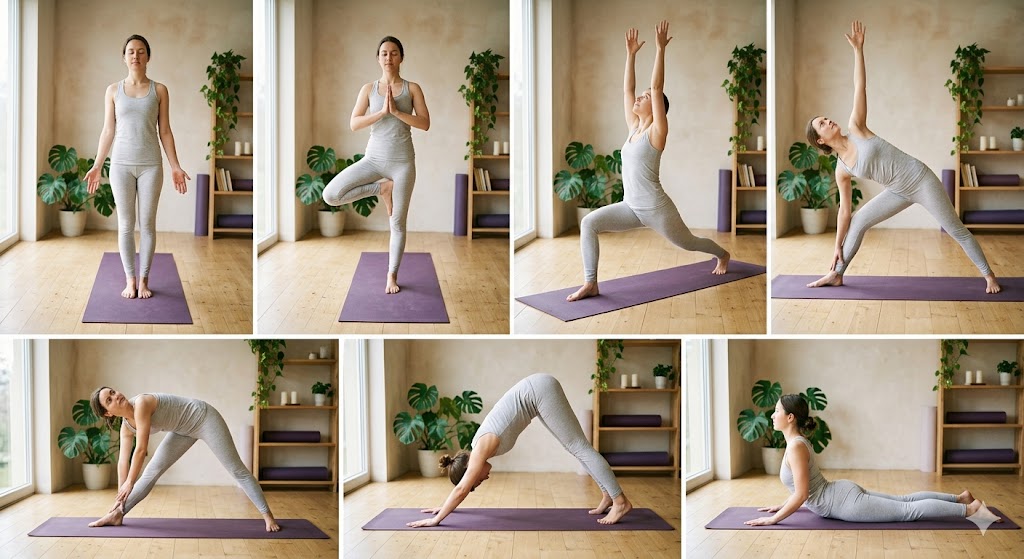
Beginners can start Hatha Yoga with simple poses such as Mountain Pose, Child’s Pose, Cobra Pose, and Tree Pose.
Which Hatha Yoga Poses Should Beginners Learn First?
Beginner-friendly Hatha Yoga poses focus on alignment, flexibility, balance, and relaxation.
| Pose | Primary Benefit | Difficulty |
|---|---|---|
| Mountain Pose | Posture and balance | Beginner |
| Child’s Pose | Relaxation and stretching | Beginner |
| Downward Dog | Flexibility and strength | Beginner |
| Cobra Pose | Back mobility | Beginner |
| Tree Pose | Balance and focus | Beginner |
| Corpse Pose | Relaxation and recovery | Beginner |
Mountain Pose (Tadasana)
Mountain Pose is a foundational standing posture that teaches alignment and body awareness.
Child’s Pose (Balasana)
Child’s Pose is a resting posture that gently stretches the back and hips while promoting relaxation.
Downward Dog (Adho Mukha Svanasana)
Downward Dog is a full-body pose that strengthens the upper body and stretches the hamstrings.
Cobra Pose (Bhujangasana)
Cobra Pose is a gentle backbend that improves spinal mobility and chest opening.
Tree Pose (Vrksasana)
Tree Pose develops balance, concentration, and stability.
Corpse Pose (Savasana)
Corpse Pose encourages complete relaxation and recovery after practice.
How Often Should You Practice Hatha Yoga?
Most beginners benefit from practicing Hatha Yoga two to five times per week.
First, consistency allows the body to adapt gradually. For example, three 20-minute sessions weekly often produce better long-term results than one intense session.
A practical schedule might include:
- Monday: 20 minutes
- Wednesday: 20 minutes
- Friday: 30 minutes
- Sunday: Recovery session
By maintaining a realistic schedule, you can build sustainable habits without burnout.
What Is the Difference Between Hatha Yoga and Vinyasa Yoga?
Hatha Yoga and Vinyasa Yoga differ primarily in pace, structure, and movement flow.
| Feature | Hatha Yoga | Vinyasa Yoga |
|---|---|---|
| Pace | Slow | Moderate to Fast |
| Breathing Focus | High | High |
| Pose Duration | Longer Holds | Continuous Flow |
| Beginner Friendly | Very High | Moderate |
| Workout Intensity | Moderate | Moderate to High |
Hatha Yoga vs Ashtanga Yoga
Ashtanga Yoga follows a structured sequence with greater physical intensity.
For example, many beginners find Hatha Yoga easier to learn before transitioning into Ashtanga practice.
Hatha Yoga vs Yin Yoga
Yin Yoga focuses on long-held passive stretches targeting connective tissues.
Hatha Yoga offers a more balanced combination of movement, breathing, and strength development.
Choosing the Right Style
Your ideal yoga style depends on your goals.
- Choose Hatha Yoga for balanced wellness.
- Choose Vinyasa for dynamic movement.
- Choose Ashtanga for structured challenge.
- Choose Yin Yoga for deep stretching and recovery.
Can Hatha Yoga Help Reduce Stress and Improve Mental Health?
Hatha Yoga can support stress reduction and mental well-being through breathing, movement, and mindfulness practices.
First, slow breathing activates relaxation responses within the body. For example, deep breathing can help lower tension during stressful periods.
Second, mindful movement encourages mental presence. This practice can reduce excessive worry about past or future events.
Third, regular yoga sessions create dedicated time for self-care. This structured break often contributes to improved emotional resilience.
What Equipment Do You Need to Start Hatha Yoga at Home?
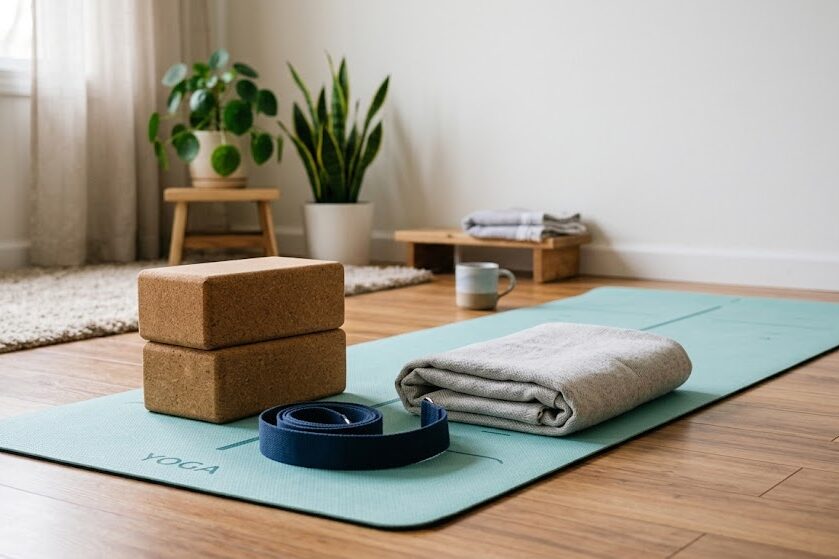
You need very little equipment to begin practicing Hatha Yoga at home.
Basic essentials include:
- Yoga mat
- Comfortable clothing
- Water bottle
- Yoga block (optional)
- Yoga strap (optional)
What Common Mistakes Should New Hatha Yoga Practitioners Avoid?
The most common beginner mistakes involve poor technique, inconsistent breathing, and unrealistic expectations.
Overstretching
First, flexibility develops gradually through consistent practice.
For example, forcing deep stretches too quickly may increase injury risk.
Poor Breathing Habits
Second, many beginners hold their breath during challenging poses.
Maintaining steady breathing helps improve relaxation and movement quality.
Comparing Progress With Others
Third, yoga is a personal practice rather than a competition.
Your progress should be measured against your previous abilities, not someone else’s.
Skipping Warm-Ups
Finally, proper warm-ups prepare muscles and joints for movement.
Even five minutes of gentle mobility work can improve practice quality.
How Can You Create a Simple Hatha Yoga Routine for Daily Practice?
A simple Hatha Yoga routine combines breathing, movement, balance, and relaxation in a manageable sequence.
15-Minute Beginner Hatha Yoga Routine
- Deep breathing – 2 minutes
- Mountain Pose – 2 minutes
- Child’s Pose – 2 minutes
- Downward Dog – 2 minutes
- Cobra Pose – 2 minutes
- Tree Pose – 2 minutes
- Corpse Pose – 3 minutes
Home Practice Tips
First, create a dedicated practice space free from distractions.
Second, schedule yoga at the same time each day to build consistency.
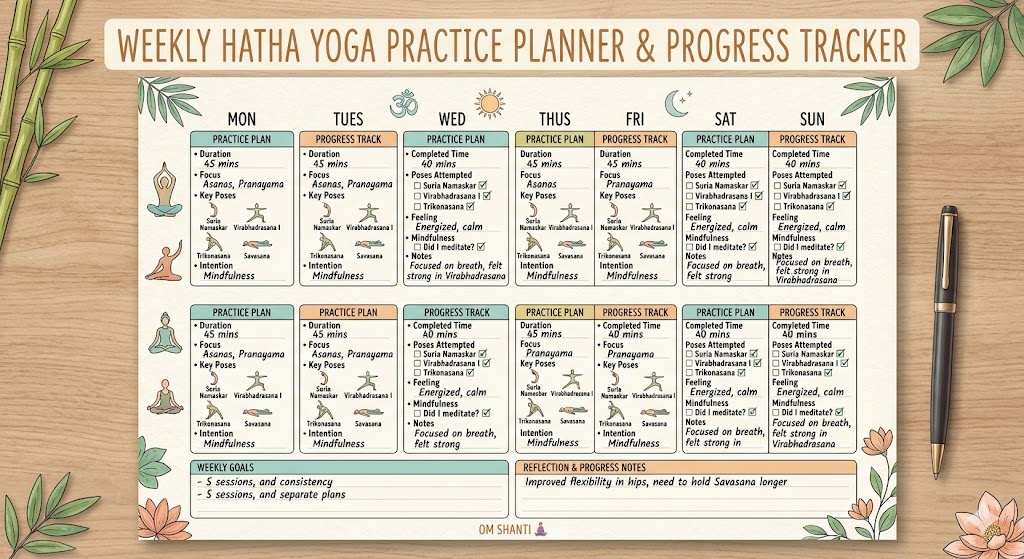
Third, track your sessions in a notebook or app to maintain motivation.
Integrating Yoga Into Daily Life
You can integrate yoga into daily life by practicing short sessions regularly rather than waiting for perfect conditions.
For example, a 10-minute morning routine may be easier to maintain than occasional hour-long sessions.
Practical Applications and Tools for Building a Hatha Yoga Practice
Practical Hatha Yoga success comes from consistency, proper guidance, and gradual progression.
Useful tools include:
- Yoga apps for guided sessions
- Online Hatha Yoga classes
- Meditation timers
- Flexibility tracking journals
You can also use free resources such as guided breathing videos and beginner yoga tutorials to supplement your practice.
What’s Next After Learning Hatha Yoga?
The next step after learning Hatha Yoga is building consistency while safely expanding your skills.
First, focus on maintaining a regular schedule for several months.
Second, gradually explore more challenging poses while preserving proper technique.
Third, consider complementary practices such as meditation, mobility training, or gentle strength exercises.
Finally, you may explore Vinyasa, Yin, or Ashtanga Yoga after developing a strong foundation.
Conclusion
Hatha Yoga is a traditional and beginner-friendly practice that combines physical postures, breathing techniques, meditation, and relaxation methods to support overall well-being. Regular Hatha Yoga practice can improve flexibility, balance, posture, strength, mindfulness, and stress management.
The best part is that you do not need advanced skills or expensive equipment to get started. By practicing consistently, focusing on proper breathing, and progressing gradually, you can build a sustainable yoga routine that benefits both your body and mind for years to come.
FAQs
What is Hatha Yoga?
Hatha Yoga is a traditional style of yoga that combines physical postures, breathing techniques, and mindfulness practices to improve overall well-being.
Is Hatha Yoga good for beginners?
Yes, Hatha Yoga is one of the most beginner-friendly forms of yoga because it focuses on slower-paced movements and foundational poses.
What are the benefits of Hatha Yoga?
Hatha Yoga may improve flexibility, strength, balance, posture, stress management, and overall physical and mental health.
How often should beginners practice Hatha Yoga?
Many beginners start with 2–3 sessions per week and gradually increase frequency as they become more comfortable.
Can Hatha Yoga help with flexibility?
Yes, regular Hatha Yoga practice may improve flexibility by gently stretching and lengthening muscles.
Does Hatha Yoga build strength?
Yes, many Hatha Yoga poses help strengthen the core, legs, arms, and supporting muscles throughout the body.
Can Hatha Yoga reduce stress and anxiety?
Yes, the combination of mindful breathing and movement may help promote relaxation and reduce stress levels.
What is the difference between Hatha Yoga and Vinyasa Yoga?
Hatha Yoga typically focuses on slower, held poses, while Vinyasa Yoga involves a more continuous flow of movements linked with breath.
Do you need equipment for Hatha Yoga?
A yoga mat is usually sufficient, although blocks, straps, and cushions can provide additional support.
Can Hatha Yoga help improve overall health?
Yes, regular practice may support physical fitness, mental clarity, better posture, mobility, and overall wellness.