
You probably already know that cardio is important for fitness, weight management, and heart health. What many people don’t realize is that the intensity of your cardio may matter more than the amount you’re doing. In this guide, you’ll learn exactly what zone 2 cardio is, how to calculate your ideal training range, and how to use it to improve endurance, burn fat, and boost long-term health.
Key Takeaways
- Zone 2 cardio is moderate-intensity aerobic exercise performed within a specific heart rate range that maximizes endurance development.
- Zone 2 training primarily relies on aerobic metabolism and improves the body’s ability to use fat as fuel.
- Cardiovascular fitness improves when you consistently perform zone 2 workouts over time.
- Heart rate monitoring is the most reliable method for staying within the zone 2 training range.
- Walking, running, cycling, rowing, and swimming can all be effective forms of zone 2 cardio.
- Most beginners can benefit from 150–300 minutes of zone 2 cardio per week.
- Long-term consistency often produces greater health benefits than frequent high-intensity workouts.
What Is Zone 2 Cardio and Why Is It Important?
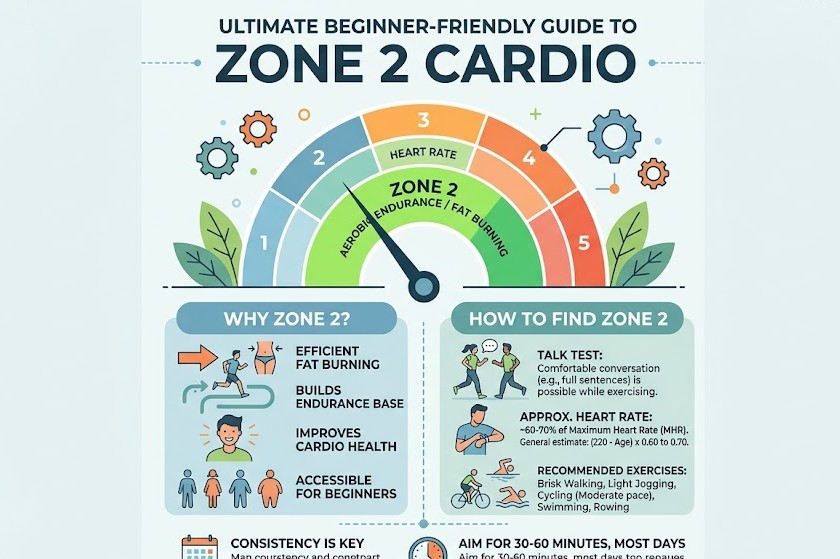
Zone 2 cardio is moderate-intensity aerobic exercise performed at approximately 60–70% of maximum heart rate, where the body efficiently uses oxygen to produce energy.
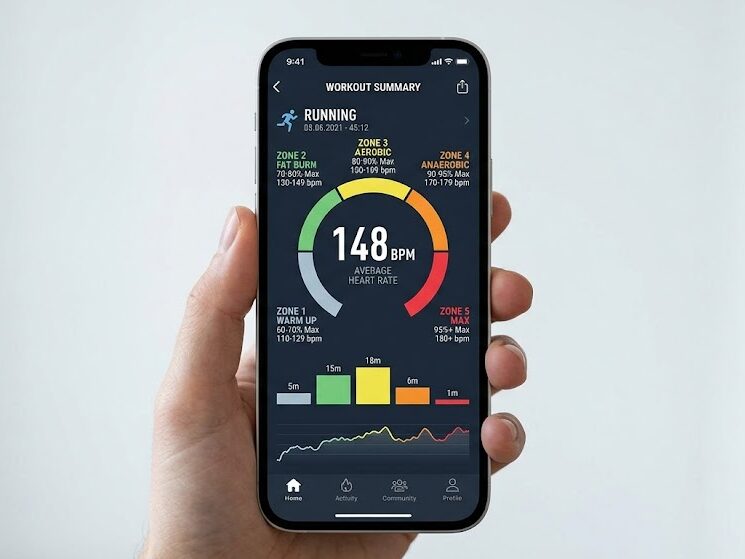
First, understanding heart rate zones helps explain where zone 2 fits into your training. Most fitness experts divide exercise intensity into five heart rate zones, ranging from very easy recovery work to maximum-effort exercise. Zone 2 sits comfortably in the middle and represents a sustainable effort level that you can maintain for extended periods.
For example, if you’re exercising in zone 2, you should be able to hold a conversation without gasping for air. This is often called the talk test, and it’s one of the easiest ways to estimate whether you’re training at the correct intensity.
Additionally, zone 2 training forms the foundation of many endurance programs. Elite runners, cyclists, and longevity-focused fitness experts frequently emphasize this training method because it delivers significant health and performance benefits without excessive fatigue.
heart rate zone training guide
How Does Zone 2 Cardio Differ From Other Heart Rate Zones?
| Heart Rate Zone | Intensity Level | Main Purpose |
|---|---|---|
| Zone 1 | Very Easy | Recovery |
| Zone 2 | Moderate | Aerobic fitness and fat utilization |
| Zone 3 | Moderate-Hard | Tempo endurance |
| Zone 4 | Hard | Lactate threshold development |
| Zone 5 | Maximum Effort | Speed and power |
Moreover, zone 2 occupies a unique position because it develops aerobic fitness while remaining sustainable enough for frequent training sessions.
Why Does Zone 2 Cardio Matter?
Zone 2 cardio matters because it improves aerobic fitness, mitochondrial function, cardiovascular health, and long-term endurance performance.
First, aerobic capacity plays a major role in overall fitness. Research consistently shows that stronger aerobic systems are associated with better cardiovascular health and improved longevity outcomes.
According to the World Health Organization, insufficient physical activity contributes to approximately 4–5 million preventable deaths annually worldwide — Source: World Health Organization, 2024.
Improved Mitochondrial Function
Zone 2 training improves mitochondrial function, allowing muscles to produce energy more efficiently during prolonged exercise.
Mitochondria are often called the “powerhouses” of your cells because they generate usable energy. By spending time in zone 2, you encourage your body to build more mitochondria and improve their efficiency.
For example, endurance athletes often dedicate 70–80% of their training volume to lower-intensity aerobic work because it strengthens these cellular energy systems.
Better Cardiovascular Health
Additionally, zone 2 training strengthens the heart’s ability to pump blood efficiently. A stronger cardiovascular system can reduce resting heart rate and improve circulation.
Recovery-Friendly Exercise
Furthermore, zone 2 sessions create less physical stress than high-intensity interval training. This allows you to exercise more frequently while reducing recovery demands.
recovery and active recovery workouts
How Does Zone 2 Cardio Work?
Zone 2 cardio works by primarily using aerobic metabolism to produce energy while maximizing oxygen utilization.
First, your body uses different energy systems depending on exercise intensity. Lower-intensity exercise relies heavily on oxygen to generate energy, while higher intensities increasingly depend on carbohydrates and anaerobic pathways.
Fat vs Carbohydrate Utilization
Zone 2 cardio primarily develops aerobic endurance and the body’s ability to utilize fat as a fuel source during exercise.
At moderate intensities, your body can efficiently oxidize fat while preserving carbohydrate stores. This adaptation becomes increasingly valuable during long workouts and endurance events.
For example, marathon runners and long-distance cyclists benefit from improved fat oxidation because it helps conserve glycogen during prolonged activity.
Aerobic Metabolism Explained
Additionally, aerobic metabolism uses oxygen to break down carbohydrates and fats into energy. Because oxygen is readily available at zone 2 intensity, energy production remains sustainable for long periods.
Aerobic Exercise Helps With Weight Loss
Physiological Adaptations
Moreover, consistent zone 2 training can increase capillary density, improve oxygen delivery, and enhance metabolic flexibility. These adaptations support both athletic performance and general health.
How Can You Calculate Your Zone 2 Heart Rate Accurately?
Calculating zone 2 heart rate involves identifying a sustainable heart rate range that supports aerobic metabolism without excessive fatigue.
Maximum Heart Rate Method
First, estimate your maximum heart rate:
220 – Age = Estimated Maximum Heart Rate
Then calculate 60–70% of that value.
Example:
- Age: 30
- Estimated Max HR: 190 bpm
- Zone 2 Range: 114–133 bpm
Heart Rate Reserve Method
Second, the Heart Rate Reserve (HRR) method often provides greater accuracy.
Formula:
- HRR = Max HR – Resting HR
- Zone 2 = Resting HR + (60–70% of HRR)
MAF Method
Third, the MAF (Maximum Aerobic Function) method uses:
180 – Age
For example:
- Age 40 = MAF Heart Rate 140 bpm
Example Zone 2 Heart Rate Ranges
| Age | Estimated Zone 2 Range |
|---|---|
| 20 | 120–140 bpm |
| 30 | 114–133 bpm |
| 40 | 108–126 bpm |
| 50 | 102–119 bpm |
| 60 | 96–112 bpm |
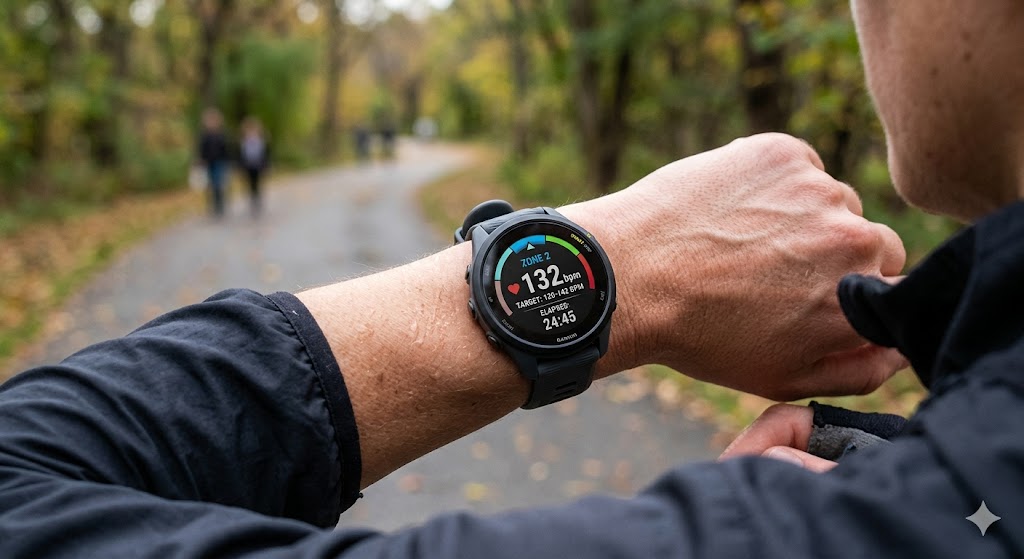
Heart rate monitoring is the most reliable method for staying within the Zone 2 training range.
What Are the Best Exercises for Zone 2 Training?
Walking, running, cycling, swimming, rowing, and hiking can all be effective forms of zone 2 cardio when heart rate remains within the target range.
Walking
First, brisk walking is one of the easiest ways for beginners to enter zone 2. It requires no special equipment and places minimal stress on the joints.
Running
Additionally, zone 2 running helps develop endurance without excessive fatigue. Many runners discover they need to slow down significantly to remain in zone 2.
Cycling
Moreover, cycling offers excellent heart rate control and reduced joint impact.
Other Effective Options
You can also perform zone 2 cardio through:
- Swimming
- Rowing
- Elliptical training
- Hiking
- Stair climbing
Can Zone 2 Cardio Help With Weight Loss and Fat Burning?
Zone 2 cardio can support weight loss by increasing calorie expenditure and improving the body’s ability to utilize fat for fuel.
First, many people misunderstand the concept of the “fat-burning zone.” Burning a higher percentage of fat during exercise does not automatically guarantee greater weight loss.
For example, weight loss ultimately depends on maintaining a calorie deficit over time.
Sustainable Weight Management
Additionally, zone 2 workouts are easier to recover from, making them more sustainable than frequent high-intensity sessions.
Research suggests adults who consistently meet physical activity recommendations experience better weight management outcomes — Source: CDC, 2024.
Combining Nutrition and Zone 2 Training
Furthermore, combining zone 2 cardio with balanced nutrition often produces better results than relying on exercise alone.
fat burning workout strategies
How Many Minutes of Zone 2 Cardio Should You Do Each Week?
Most adults can improve cardiovascular fitness by performing 150–300 minutes of Zone 2 cardio per week.
The World Health Organization recommends at least 150–300 minutes of moderate-intensity aerobic activity weekly — Source: WHO, 2024.
Beginner Recommendations
First, beginners should start with:
- 3 sessions per week
- 20–40 minutes per session
- Total: 90–120 minutes weekly
Intermediate Recommendations
Additionally, intermediate exercisers can aim for:
- 4–5 sessions weekly
- 30–60 minutes each
- Total: 150–300 minutes weekly
Endurance Athlete Recommendations
Moreover, endurance athletes often perform:
- 5–6 sessions weekly
- 45–90 minutes each
- 300+ minutes weekly
Sample Weekly Schedule
| Day | Activity |
|---|---|
| Monday | 45 min Zone 2 Walk |
| Tuesday | Strength Training |
| Wednesday | 45 min Zone 2 Cycling |
| Thursday | Recovery |
| Friday | 60 min Zone 2 Running |
| Saturday | Strength Training |
| Sunday | Long Zone 2 Session |
What Are the Most Common Zone 2 Training Mistakes?
The most common zone 2 training mistakes involve exercising too hard, failing to monitor heart rate, and neglecting consistency.
Training Too Hard
First, many people accidentally drift into zone 3. This reduces the unique benefits associated with true zone 2 training.
Ignoring Heart Rate Data
Second, guessing intensity often leads to inaccurate training. Using heart rate data helps maintain consistency.
Doing Too Little Volume
Additionally, many beginners underestimate how much low-intensity training is needed to produce meaningful adaptations.
Overestimating Calorie Burn
Furthermore, focusing solely on calorie burn can distract from the long-term aerobic benefits of zone 2 training.
Which Heart Rate Monitors Are Best for Zone 2 Cardio?
Heart rate monitors improve zone 2 training accuracy by providing real-time feedback during exercise.
Chest Strap Monitors
First, chest straps generally offer the highest accuracy.
Popular options include:
- Polar H10
- Garmin HRM-Pro Plus
Smartwatches
Additionally, modern smartwatches provide convenient heart rate tracking.
Examples include:
- Apple Watch Series
- Garmin Forerunner Series
Fitness Apps
Moreover, apps can help log workouts and track long-term progress.
Popular options include:
- Strava
- TrainingPeaks
How Long Does It Take to See Results From Zone 2 Training?
Most people notice measurable improvements from zone 2 training within four to twelve weeks of consistent practice.
First, beginners often experience improved stamina and lower exercise heart rates within the first month.
For example, a workout that previously elevated your heart rate to 150 bpm may only reach 140 bpm after several weeks of training.
Additionally, long-term adaptations such as mitochondrial development and improved metabolic flexibility continue for months and years.
Consistent Zone 2 training builds an aerobic foundation that supports both athletic performance and long-term health.
How Should Zone 2 Cardio Fit Into a Complete Fitness Program?
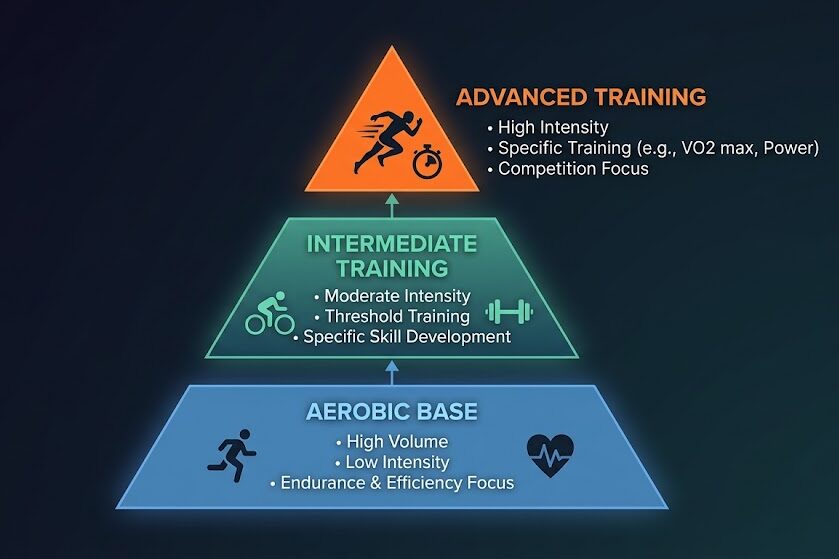
Zone 2 cardio should serve as the foundation of a balanced fitness program while higher-intensity work supplements overall performance development.
Building an Aerobic Base
First, aerobic base training creates the endurance needed for harder workouts.
Adding Higher Intensity Training
Additionally, once you establish a strong aerobic foundation, you can gradually introduce zone 3, zone 4, and zone 5 workouts.
Improving VO2 Max
Moreover, advanced athletes often combine zone 2 training with interval sessions to improve performance.
What’s Next After Mastering Zone 2 Cardio?
The next step after mastering zone 2 cardio is strategically adding higher-intensity training while maintaining your aerobic foundation.
First, continue performing the majority of your cardio in zone 2. Many successful endurance athletes maintain approximately 70–80% of their training volume at low intensities.
Additionally, experiment with hybrid training approaches that combine strength training, mobility work, and aerobic conditioning.
Furthermore, consider learning periodization concepts to structure your workouts more effectively throughout the year.
Conclusion
Zone 2 cardio is one of the simplest and most effective ways to improve endurance, cardiovascular health, metabolic fitness, and long-term exercise sustainability.
Ultimately, you do not need exhausting workouts every day to become fitter. By staying within your target heart rate range, monitoring your progress, and remaining consistent, you can build a powerful aerobic foundation that supports both performance and health.
If you’re just getting started, begin with walking, cycling, or easy running for a few sessions each week. Small, consistent efforts often produce the biggest long-term results.
longevity-focused fitness habits
FAQs
What is Zone 2 cardio?
Zone 2 cardio is a moderate-intensity exercise level where your heart rate stays within approximately 60–70% of its maximum, allowing you to maintain a conversation while exercising.
What are the benefits of Zone 2 cardio?
Zone 2 cardio may help improve endurance, support fat metabolism, enhance cardiovascular health, and build aerobic fitness.
Can Zone 2 cardio help with fat loss?
Yes, Zone 2 training encourages the body to use fat as a primary fuel source, which may support long-term fat-loss goals.
How do you calculate your Zone 2 heart rate?
Zone 2 is typically estimated as 60–70% of your maximum heart rate, though individual formulas and fitness trackers may vary.
How long should a Zone 2 cardio workout last?
Most Zone 2 sessions last between 30 and 90 minutes, depending on fitness level and training goals.
What exercises can be done in Zone 2?
Walking, jogging, cycling, rowing, swimming, and elliptical training are common Zone 2 cardio activities.
Is Zone 2 cardio good for beginners?
Yes, Zone 2 training is beginner-friendly because it uses a sustainable pace that is easier to recover from.
How often should you do Zone 2 cardio?
Many people perform Zone 2 cardio 3–5 times per week to improve endurance and overall fitness.
Is Zone 2 cardio better than HIIT?
Neither is universally better; Zone 2 is ideal for aerobic development and recovery, while HIIT focuses on higher-intensity performance and calorie burning.
Can Zone 2 cardio improve endurance?
Yes, consistent Zone 2 training is one of the most effective ways to build aerobic capacity and long-term endurance.