

You’ve probably heard that the Paleo Diet encourages eating “like our ancestors,” but many people still aren’t sure what that actually means in practice. The difference between success and frustration often comes down to understanding the principles behind the diet—not just the food list. In this guide, you’ll learn exactly what the Paleo Diet is, how it works, its benefits and drawbacks, and how to start with confidence.
Key Takeaways
- The Paleo Diet focuses on whole, minimally processed foods that resemble what humans may have eaten during the Paleolithic era.
- Paleo-friendly foods include lean meats, fish, eggs, vegetables, fruits, nuts, and seeds.
- Restricted foods generally include grains, legumes, refined sugar, processed foods, and most dairy products.
- Weight loss support may occur because Paleo eating often increases protein and fiber intake while reducing ultra-processed foods.
- Meal planning helps make the Paleo Diet more practical, affordable, and sustainable.
- Long-term success depends on consistency, nutritional balance, and personalization.
- Lifestyle habits matter as much as food choices when following a Paleo eating plan.
What Is the Paleo Diet?
The Paleo Diet is an eating pattern that emphasizes whole, minimally processed foods modeled after those believed to be consumed during the Paleolithic era.
First, the Paleo Diet is often called the ancestral diet or caveman diet because it prioritizes foods that humans hunted, gathered, or foraged before modern agriculture became widespread.
Moreover, the Paleo Diet typically includes meat, fish, eggs, vegetables, fruits, nuts, and seeds while excluding grains, legumes, refined sugar, and most processed foods. The goal is not to perfectly recreate ancient diets but to emphasize nutrient-dense foods while reducing highly processed products.
According to research, ultra-processed foods account for more than 50% of calorie intake in many Western diets — Source: BMJ, 2023.
Furthermore, Paleo eating focuses on food quality and nutrient density rather than calorie counting alone.
beginner nutrition fundamentals
What Is the Core Philosophy of Paleo Eating?
Paleo nutrition is based on prioritizing foods that are minimally processed and naturally rich in nutrients.
For example, instead of eating packaged breakfast cereals, a Paleo breakfast may include eggs, fruit, and vegetables. This approach can help improve dietary quality while reducing added sugars and artificial ingredients.
Is the Paleo Diet Backed by Scientific Research?
The Paleo Diet has been studied for its potential effects on weight management and metabolic health.
Research reviews have found that Paleo-style eating patterns may improve body weight, waist circumference, and certain cardiovascular risk markers in some individuals — Source: Nutrients, 2023.
Why Does the Paleo Diet Matter for Modern Health?
The Paleo Diet matters because it encourages people to replace ultra-processed foods with whole, nutrient-dense alternatives.
First, modern diets often contain excessive amounts of refined carbohydrates, added sugars, and processed ingredients. For example, many packaged snacks provide calories without delivering substantial nutritional value.
According to the World Health Organization, poor dietary patterns remain a leading contributor to chronic disease risk worldwide — Source: WHO, 2024.
Moreover, Paleo eating naturally promotes foods rich in vitamins, minerals, antioxidants, and protein. This shift can support better dietary habits and improved satiety.
Food quality influences long-term health outcomes.
Nutrient density supports overall wellness.
Reducing processed foods can improve diet quality.
What Is the History and Principle Behind the Paleo Diet?
The Paleo Diet originated from the idea that modern humans may benefit from eating foods similar to those consumed before agriculture.
First, researchers and nutrition advocates popularized Paleo principles during the late 20th century. The concept gained mainstream attention through books, fitness communities, and ancestral health movements.
The Main Principles of Paleo Eating
The Paleo lifestyle generally emphasizes:
- Whole foods
- Lean proteins
- Healthy fats
- Vegetables and fruits
- Limited processed foods
- Reduced added sugar
For example, a Paleo dinner may consist of grilled salmon, roasted vegetables, avocado, and fresh berries instead of fast food and sugary beverages.
What Is the Paleo Diet and How Does It Work?
The Paleo Diet works by replacing processed foods with nutrient-dense foods that typically provide more protein, fiber, and micronutrients.
First, protein-rich foods help support fullness. Higher protein intake has consistently been associated with improved satiety and appetite control — Source: American Journal of Clinical Nutrition, 2023.
Second, vegetables and fruits provide fiber, vitamins, and antioxidants. This combination may support digestive health and help stabilize hunger levels.
How Does Paleo Affect Weight Management?
Weight loss on the Paleo Diet often occurs because the diet reduces ultra-processed foods and increases protein and fiber intake.
For example, replacing sugary snacks with nuts, fruit, and lean protein can naturally reduce overall calorie consumption while improving satiety.
How Much Protein Should You Eat on the Paleo Diet?
Protein intake on the Paleo Diet varies based on activity level, age, and health goals.
Generally, active individuals often consume between 20% and 35% of total calories from protein. Athletes may require additional protein to support recovery and performance.
What Foods Can You Eat on the Paleo Diet?
Paleo diet foods include whole, minimally processed foods that fit Paleo principles.
Paleo Diet Food List
| Food Category | Paleo Approved |
|---|---|
| Lean Meat | Yes |
| Fish & Seafood | Yes |
| Eggs | Yes |
| Vegetables | Yes |
| Fruits | Yes |
| Nuts & Seeds | Yes |
| Healthy Oils | Yes |
| Grains | No |
| Legumes | No |
| Refined Sugar | No |
| Soft Drinks | No |
| Most Dairy | Limited/No |
Best Paleo-Friendly Foods
Some of the most popular choices include:
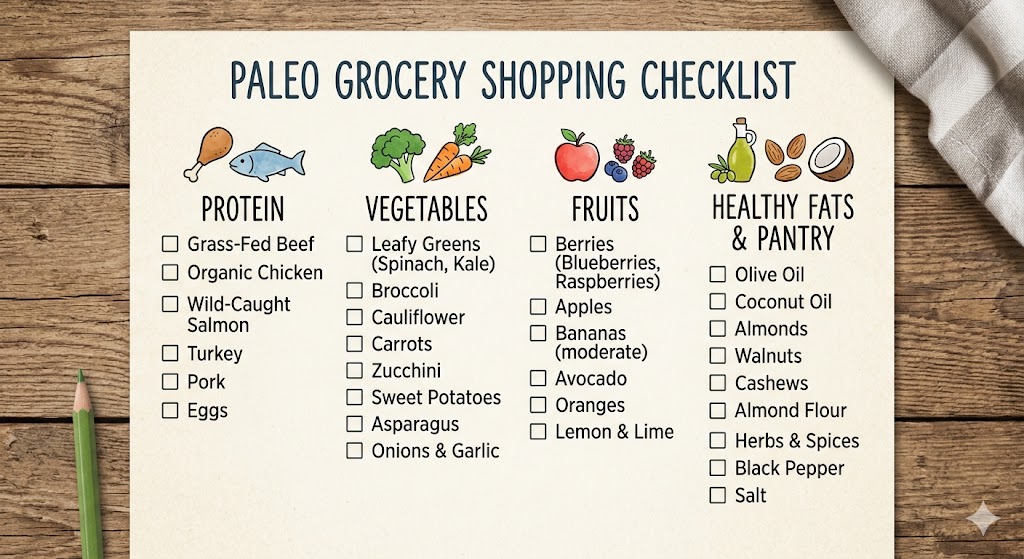
- Grass-fed beef
- Chicken
- Turkey
- Salmon
- Sardines
- Eggs
- Spinach
- Broccoli
- Sweet potatoes
- Avocados
- Almonds
- Walnuts
- Blueberries
Which Foods Should You Avoid on the Paleo Diet?
Foods to avoid on the Paleo Diet are generally highly processed foods, grains, legumes, refined sugar, and most dairy products.
First, Paleo advocates argue that these foods were introduced relatively recently in human dietary history. For example, packaged snack foods often contain added sugars, preservatives, and refined oils.
Common foods to avoid include:
- White bread
- Pasta
- Rice
- Beans
- Lentils
- Soy products
- Candy
- Soda
- Processed desserts
- Fast food
Why Are Processed Foods Restricted?
Processed foods are restricted because many contain added sugars, refined carbohydrates, and artificial ingredients.
For example, sugary breakfast cereals may contain significantly more added sugar than whole-food alternatives like eggs and fruit.
What Are the Main Benefits of the Paleo Diet?
The Paleo Diet benefits may include improved diet quality, weight management support, and reduced consumption of ultra-processed foods.
Can the Paleo Diet Help With Weight Loss?
The Paleo Diet may support weight loss by increasing satiety and reducing processed food intake.
Research suggests higher-protein diets can improve fullness and help preserve lean muscle during weight loss — Source: Obesity Reviews, 2024.
healthy weight loss strategies
Improved Food Quality
Paleo eating focuses on food quality and nutrient density rather than calorie counting alone.
For example, replacing packaged snacks with fruit and nuts can improve vitamin, mineral, and fiber intake.
Potential Metabolic Benefits
Some individuals report:
- Better energy levels
- Reduced hunger
- Improved blood sugar control
- Greater dietary awareness
Are There Any Risks or Disadvantages of the Paleo Diet?
The Paleo Diet may present challenges related to food restrictions, nutrient gaps, and long-term sustainability.
First, eliminating entire food groups can make meal planning more complicated. For example, avoiding legumes and whole grains may reduce dietary fiber intake if vegetables are not consumed in sufficient quantities.
Potential Nutrient Concerns
Possible nutrients requiring attention include:
- Calcium
- Vitamin D
- Certain B vitamins
According to nutrition experts, careful planning is important when excluding major food groups — Source: Academy of Nutrition and Dietetics, 2024.
Who Should and Should Not Follow the Paleo Diet?
The Paleo Diet may be suitable for some healthy adults but may not fit everyone’s needs.
Individuals with specific medical conditions should consult a healthcare professional before making significant dietary changes.
How Does the Paleo Diet Compare to Keto and Mediterranean Diets?
The Paleo Diet differs from Keto and Mediterranean diets in food choices, carbohydrate intake, and overall philosophy.
| Feature | Paleo | Keto | Mediterranean |
|---|---|---|---|
| Focus | Whole foods | Ketosis | Balanced nutrition |
| Grains | No | Limited | Yes |
| Legumes | No | Limited | Yes |
| Fruit | Yes | Limited | Yes |
| Carb Intake | Moderate | Very Low | Moderate |
| Flexibility | Moderate | Low | High |
Paleo Diet vs Keto
Paleo allows more fruits and vegetables, while Keto focuses heavily on carbohydrate restriction.
Paleo Diet vs Mediterranean
Mediterranean eating includes whole grains and legumes, while Paleo excludes them.
What Does a Typical Paleo Diet Meal Plan Look Like?
A Paleo diet meal plan involves building meals around protein, vegetables, healthy fats, and minimally processed foods.
Sample Paleo Diet Meal Plan for Beginners
Breakfast
- Scrambled eggs
- Avocado
- Mixed berries
Lunch
- Grilled chicken salad
- Olive oil dressing
- Apple
Snack
- Almonds
- Carrot sticks
Dinner
- Salmon
- Roasted vegetables
- Sweet potato
Paleo Meal Prep Tips
Paleo meal prep improves consistency and reduces reliance on convenience foods.
What Are the Most Common Paleo Diet Mistakes?
The most common beginner mistake on the Paleo Diet is replacing processed foods with high-calorie paleo-approved alternatives without considering overall nutrition.
Mistake #1: Eating Too Many Paleo Treats
For example, Paleo cookies and desserts may still be calorie-dense despite being Paleo-compliant.
Mistake #2: Ignoring Vegetables
Vegetables provide fiber, vitamins, and minerals that support overall health.
Mistake #3: Not Planning Meals
Without preparation, many beginners revert to convenience foods.
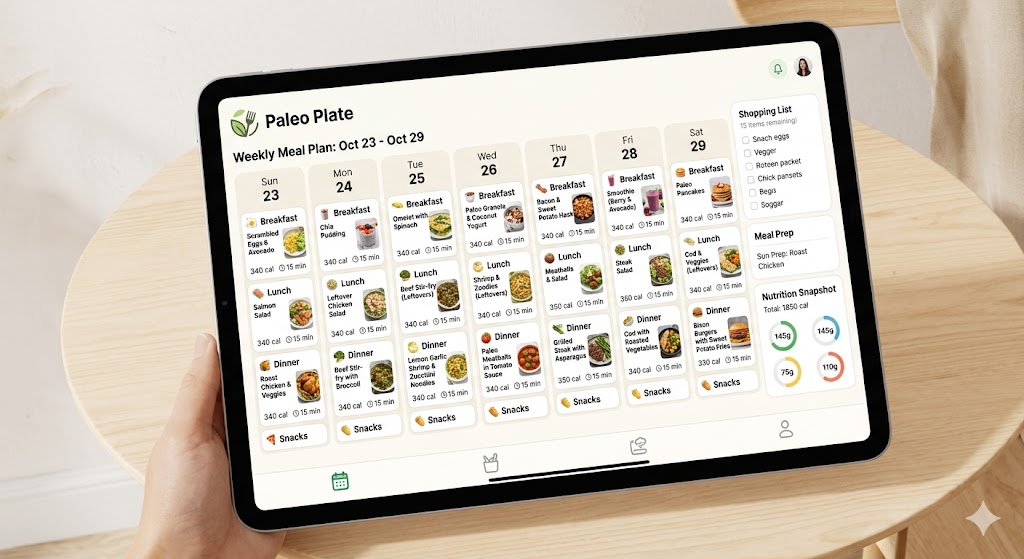
What Tools, Apps, Shopping Lists, and Meal Planning Resources Can Help?
Paleo Diet tools help simplify meal planning, grocery shopping, and habit tracking.
Popular options include:
- Mealime
- Cronometer
- MyFitnessPal
- Paprika Recipe Manager
Can You Follow a Paleo Diet on a Budget?
A Paleo Diet can be affordable when you prioritize basic whole foods and meal planning.
Budget-friendly options include:
- Eggs
- Frozen vegetables
- Seasonal fruits
- Chicken thighs
- Canned fish
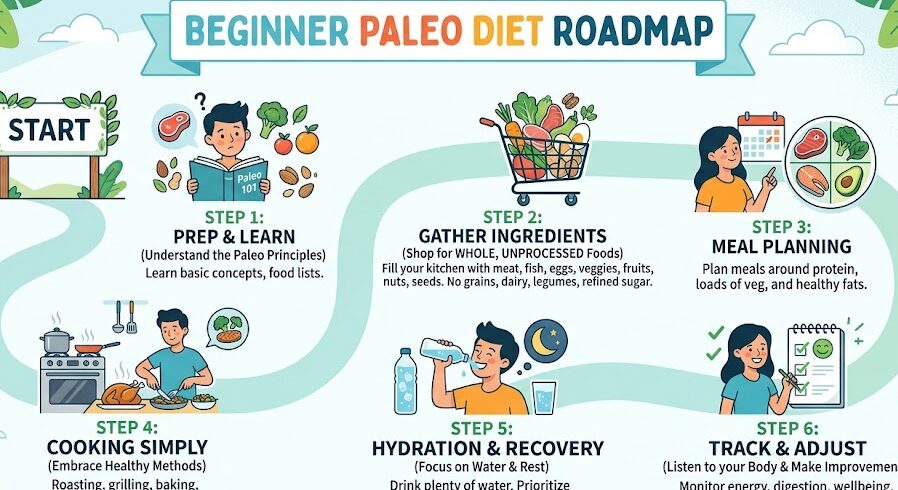
How Can Beginners Start the Paleo Diet Successfully?
Beginners can start the Paleo Diet successfully by making gradual, practical changes rather than attempting a complete dietary overhaul overnight.
What’s Next: How to Start the Paleo Diet in 7 Simple Steps
- Remove obvious processed foods.
- Stock your kitchen with Paleo staples.
- Plan meals for one week.
- Focus on protein at every meal.
- Add vegetables to every plate.
- Prepare healthy snacks in advance.
- Track progress and adjust gradually.
Conclusion: Building Sustainable Healthy Eating Habits With Paleo
Long-term Paleo Diet success depends on consistency, balanced food choices, and adapting the approach to individual health needs.
First, the Paleo Diet offers a simple framework centered around whole, minimally processed foods. For many people, this shift alone can improve dietary quality and support weight management goals.
Moreover, success does not come from perfection. By focusing on nutrient-dense foods, planning meals, and making gradual improvements, you can build habits that last far beyond any short-term diet.
sustainable healthy eating habits
FAQs
What is the Paleo Diet?
The Paleo Diet is an eating approach based on foods that were likely available to early humans, focusing on whole, minimally processed foods such as meat, fish, fruits, vegetables, nuts, and seeds.
What foods can you eat on the Paleo Diet?
Common Paleo foods include lean meats, seafood, eggs, fruits, vegetables, nuts, seeds, and healthy fats.
What foods are avoided on the Paleo Diet?
The diet typically excludes grains, legumes, dairy products, refined sugar, and highly processed foods.
Can the Paleo Diet help with weight loss?
Yes, many people use the Paleo Diet for weight loss because it emphasizes whole foods that may promote fullness and reduce calorie intake.
Is the Paleo Diet healthy?
The Paleo Diet can be nutritious when it includes a variety of fruits, vegetables, healthy fats, and quality protein sources.
Does the Paleo Diet include dairy?
Traditional Paleo guidelines generally exclude dairy products, although some modern variations allow certain dairy foods.
Can you build muscle on the Paleo Diet?
Yes, the diet provides protein-rich foods that can support muscle growth and recovery when combined with strength training.
Is the Paleo Diet good for beginners?
Yes, many beginners find it straightforward because it focuses on simple, whole-food choices.
What are the benefits of the Paleo Diet?
Potential benefits may include weight management, improved food quality, better blood sugar control, and reduced reliance on processed foods.
How do you start the Paleo Diet?
Begin by replacing processed foods with whole foods such as meats, vegetables, fruits, nuts, and seeds while eliminating non-Paleo food groups.