

Berberine has become one of the most talked-about natural supplements for weight loss, blood sugar control, and metabolic health. Often called “nature’s Ozempic” on social media, berberine has gained attention for its potential ability to support fat loss without relying on stimulants or extreme dieting.
However, many people misunderstand how berberine works. It’s not a magic weight loss pill, and results don’t happen overnight. Instead, berberine appears to support several metabolic processes that may make weight management easier when combined with proper nutrition, exercise, and healthy lifestyle habits.
In this guide, you’ll learn what berberine is, how it works, what the research says, the recommended dosage, potential side effects, and how to use berberine safely as part of a sustainable weight loss plan.
What Is Berberine? (Quick Answer)
Berberine is a natural plant compound found in several medicinal plants, including barberry, goldenseal, Oregon grape, and tree turmeric. It has been studied extensively for its effects on blood sugar regulation, insulin sensitivity, cholesterol levels, and weight management.
Unlike stimulant-based fat burners, berberine primarily works by supporting metabolic health and improving how the body processes glucose and fat.
Research suggests that berberine may help promote modest weight loss, improve insulin sensitivity, and support overall metabolic function when combined with healthy lifestyle habits.
Why Is Berberine So Popular for Weight Loss?
Interest in berberine has grown rapidly because more people are searching for evidence-based alternatives to traditional weight loss supplements.
Many fat-burning supplements rely on stimulants that temporarily increase energy expenditure. Berberine takes a different approach by targeting metabolic pathways linked to blood sugar control, insulin function, and fat storage.
As obesity rates continue to rise globally, interest in natural approaches to metabolic health has increased significantly.
According to the World Health Organization, obesity affects more than one billion people worldwide.
Source: World Health Organization, 2024
Many people are attracted to berberine because it may address some of the underlying metabolic factors associated with weight gain rather than simply suppressing appetite.
For a broader foundation, see our Best Aerobic Exercises to Lose Weight
How Does Berberine Support Weight Loss?
Berberine may support weight loss through several mechanisms that influence metabolism, blood sugar regulation, and energy utilization.
Rather than targeting a single pathway, berberine appears to affect multiple systems involved in body weight management.
Improves Insulin Sensitivity
One of the most studied effects of berberine is its ability to improve insulin sensitivity.
Insulin is a hormone responsible for helping cells absorb glucose from the bloodstream. When cells become resistant to insulin, the body often produces more insulin to compensate.
Chronically elevated insulin levels may encourage fat storage and make weight loss more challenging.
Improved insulin sensitivity may help the body:
- Use glucose more efficiently
- Reduce excess fat storage
- Support stable energy levels
- Improve metabolic flexibility
Supports Blood Sugar Control
Blood sugar fluctuations can affect hunger, cravings, and energy levels.
For example, rapid spikes and crashes in blood sugar often leave people feeling hungry shortly after eating.
By helping regulate glucose levels, berberine may indirectly support better appetite control and healthier eating habits.
Research shows diabetes affected approximately 589 million adults worldwide in 2024.
Source: International Diabetes Federation, 2024
Activates AMPK
One of berberine’s most unique characteristics is its influence on AMPK.
AMPK (adenosine monophosphate-activated protein kinase) is sometimes referred to as the body’s metabolic master switch because it helps regulate energy production and utilization.
When activated, AMPK encourages cells to use stored energy more efficiently.
Interestingly, exercise also activates AMPK, which is one reason physical activity remains essential for long-term weight management.
Supports Fat Metabolism
Research suggests berberine may influence enzymes involved in fat metabolism and energy production.
This doesn’t mean berberine melts fat away. Instead, it may help create a more favorable metabolic environment for fat loss when combined with healthy habits.
What Does Research Say About Berberine for Weight Loss?
Current scientific evidence suggests that berberine may contribute to modest weight loss and improvements in metabolic health.
Several clinical studies have reported reductions in:
- Body weight
- Body mass index (BMI)
- Waist circumference
- Blood sugar levels
- Cholesterol markers
Weight Loss Results
Research findings vary depending on:
- Dosage
- Duration of use
- Diet quality
- Exercise habits
- Individual metabolic health
Some studies have reported weight reductions of approximately 2 to 5 kilograms over several months.
While these results may not seem dramatic, they can be meaningful when combined with improvements in blood sugar control and overall metabolic health.
It’s important to remember that berberine works best as a support tool rather than a standalone solution.
Can Berberine Help Reduce Belly Fat?
Research suggests berberine may help reduce waist circumference in some individuals.
Waist circumference is often used as an indicator of abdominal fat accumulation.
Several studies have reported measurable reductions in waist measurements among participants taking berberine supplements.
One possible explanation is improved insulin sensitivity, which may help reduce some of the factors associated with central fat storage.
However, no supplement can specifically target belly fat. Sustainable fat loss still depends on maintaining a calorie deficit and following healthy lifestyle habits.
Additional Benefits of Berberine
Although weight loss receives most of the attention, berberine may offer several other health benefits.
Blood Sugar Management
Blood sugar control remains one of the most researched uses of berberine.
Research suggests berberine may help support:
- Fasting blood glucose levels
- Insulin sensitivity
- Long-term blood sugar management
Cholesterol Support
Several studies have found improvements in:
- LDL cholesterol
- Total cholesterol
- Triglycerides
Healthy cholesterol levels play an important role in overall cardiovascular health.
Cardiovascular disease remains the leading cause of death globally.
Source: World Health Organization, 2024
Metabolic Syndrome Support
Metabolic syndrome is a group of risk factors that often occur together, including:
- Elevated blood sugar
- High blood pressure
- Abdominal obesity
- Abnormal cholesterol levels
Because berberine may influence multiple aspects of metabolic health, researchers continue investigating its role in metabolic syndrome management.
What Is the Recommended Berberine Dosage for Weight Loss?
Most research studies use a daily dosage between 900 mg and 1,500 mg.
A common approach is:
- 500 mg before breakfast
- 500 mg before lunch
- 500 mg before dinner
Because berberine has a relatively short half-life, dividing the dosage throughout the day may help maintain more consistent levels.
Always follow the manufacturer’s instructions and consult a healthcare professional before starting supplementation.
When Is the Best Time to Take Berberine?
Many experts recommend taking berberine approximately 15 to 30 minutes before meals.
This timing may help support:
- Post-meal blood sugar control
- Glucose utilization
- Appetite regulation
Taking berberine before meals is the most common approach used in clinical research.
How Long Does Berberine Take to Work?
Most people who respond to berberine begin noticing measurable changes within 8 to 12 weeks.
Results depend on several factors, including:
- Body composition
- Insulin sensitivity
- Diet quality
- Exercise habits
- Sleep quality
- Supplement consistency
Individuals with significant metabolic challenges may notice improvements sooner than those who are already relatively healthy.
Potential Side Effects of Berberine
Berberine is generally well tolerated, but some people experience digestive side effects during the first few weeks.
Common side effects include:
- Constipation
- Diarrhea
- Bloating
- Nausea
- Stomach discomfort
These symptoms are usually mild and often improve as the body adjusts.
Drug Interactions
Berberine may interact with certain medications, including:
- Diabetes medications
- Blood pressure medications
- Blood thinners
- Medications processed through specific liver pathways
Anyone taking prescription medications should consult a healthcare provider before using berberine.
Who Should Avoid Berberine?
Certain groups should avoid berberine unless specifically advised by a healthcare professional.
These include:
- Pregnant women
- Breastfeeding mothers
- Young children
- Individuals taking multiple prescription medications
- People with significant medical conditions
Berberine vs Other Weight Loss Supplements
One reason berberine stands out is that it focuses on metabolic health rather than stimulant-driven calorie burning.
| Supplement | Primary Mechanism | Weight Loss Potential |
|---|---|---|
| Berberine | Insulin sensitivity, AMPK activation | Moderate |
| Apple Cider Vinegar | Satiety support | Mild |
| Green Tea Extract | Thermogenesis | Mild to Moderate |
| Fiber Supplements | Appetite control | Mild |
| GLP-1 Medications | Appetite regulation | High |
Berberine vs Ozempic
Berberine and Ozempic work through very different mechanisms.
Berberine is a dietary supplement that primarily supports metabolic pathways and insulin sensitivity.
Ozempic is a prescription GLP-1 medication that directly influences appetite-regulating hormones and satiety signals.
While comparisons are common online, the two should not be viewed as direct replacements for one another.
For broader comparisons, see best natural supplements for weight loss
How to Choose a High-Quality Berberine Supplement
Not all supplements are created equal.
When evaluating berberine products, look for:
- Third-party testing
- Transparent labeling
- Clearly disclosed dosage
- Minimal unnecessary additives
- Reputable manufacturers
- Quality certifications
Read Supplement Labels Carefully
Check for:
- Berberine content per serving
- Ingredient transparency
- Manufacturing standards
- Testing information
Can You Combine Berberine With Diet and Exercise?
Absolutely.
Research consistently shows that supplements work best when combined with healthy habits.
Berberine should be viewed as a tool that supports a broader weight loss strategy.
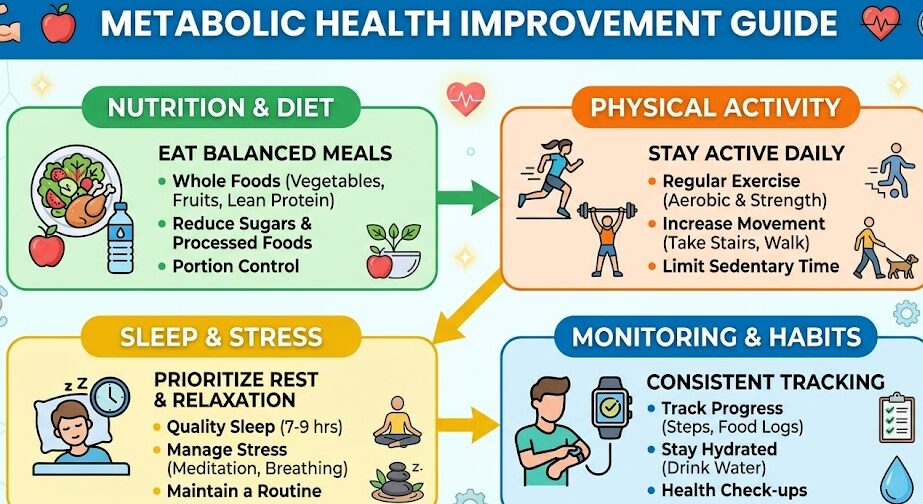
Effective Weight Loss Strategy
For best results:
- Follow a balanced nutrition plan.
- Maintain a moderate calorie deficit.
- Strength train two to three times weekly.
- Increase daily movement.
- Prioritize sleep quality.
- Manage stress effectively.
- Track progress consistently.
For exercise guidance, explore beginner workout routine for fat loss
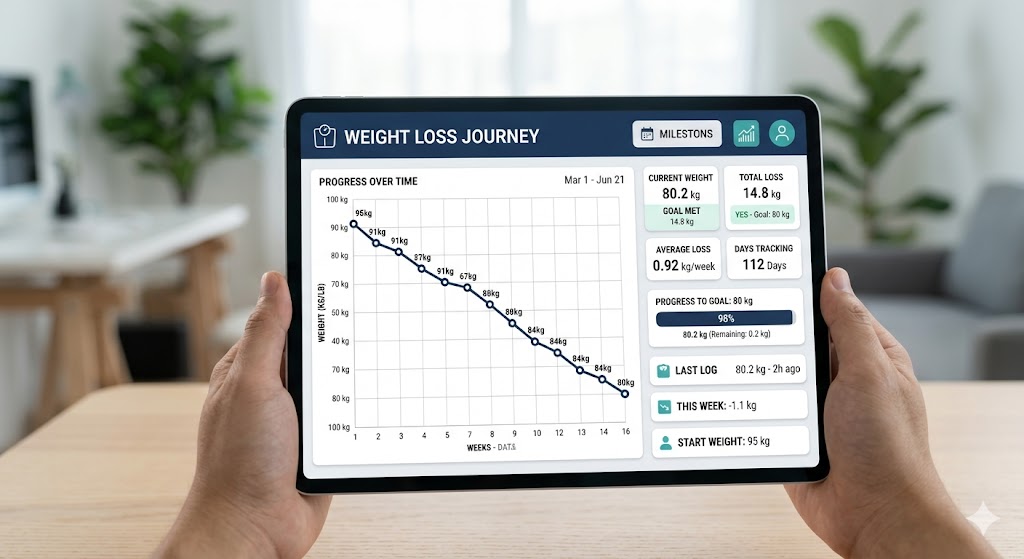
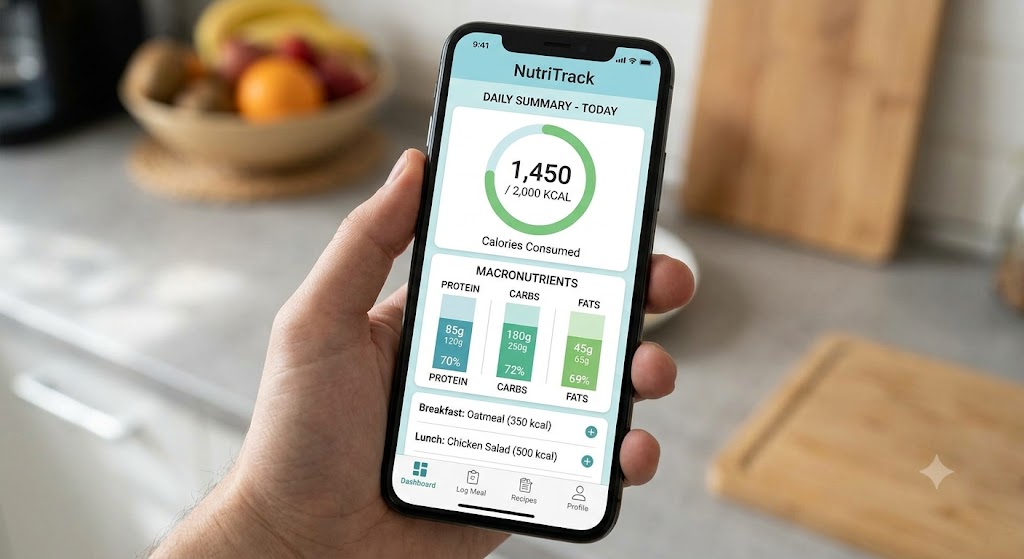
How to Track Your Progress While Using Berberine
Tracking helps determine whether your strategy is working.
Useful methods include:
- Weekly body weight measurements
- Waist circumference tracking
- Progress photos
- Food tracking apps
- Fitness wearables
- Blood glucose monitoring when appropriate
Building a Sustainable Weight Loss Plan
Long-term success comes from sustainable habits rather than short-term supplement use.
Set Realistic Expectations
Healthy weight loss is typically gradual.
For many adults, losing approximately 0.5 to 1 kilogram per week is considered a sustainable rate.
Focus on Consistency
The most successful weight loss plans prioritize:
- Consistent nutrition
- Regular exercise
- Quality sleep
- Stress management
- Long-term adherence
Know When to Seek Professional Help
Consult a healthcare provider if you:
- Have diabetes
- Take prescription medications
- Have cardiovascular disease
- Experience significant side effects
For additional guidance, review Best Aerobic Exercises to Lose Weight
Conclusion
Berberine supplement for weight loss is one of the most researched natural supplements for supporting metabolic health, insulin sensitivity, and healthy weight management. Current evidence suggests it may contribute to modest weight loss while also supporting blood sugar regulation and cholesterol levels.
However, berberine is not a magic solution. The best results occur when supplementation is combined with balanced nutrition, regular exercise, quality sleep, and consistent lifestyle habits.
If you’re considering berberine, focus on choosing a high-quality product, following evidence-based dosage guidelines, and tracking your progress over time. Sustainable habits remain the foundation of successful long-term weight loss.
Continue using proven weight loss tracking methods to stay accountable and measure your results effectively.
FAQs
Does berberine really help with weight loss?
Research suggests berberine may support modest weight loss, particularly when combined with healthy diet and exercise habits.
How much berberine should I take for weight loss?
Most studies use between 900 mg and 1,500 mg daily, typically divided into multiple doses.
How long does berberine take to work?
Many people notice measurable changes within 8 to 12 weeks of consistent use.
Can berberine reduce belly fat?
Some studies report reductions in waist circumference, although overall fat loss depends on lifestyle factors and calorie balance.
Is berberine safe?
Berberine is generally considered safe for most healthy adults when used appropriately, but it can interact with certain medications.
Should I take berberine before or after meals?
Many experts recommend taking berberine 15 to 30 minutes before meals.
Can berberine replace diet and exercise?
No. Berberine works best as a supplement to healthy nutrition, physical activity, and other sustainable lifestyle habits.
What are the most common side effects of berberine?
Digestive issues such as bloating, constipation, diarrhea, and stomach discomfort are the most commonly reported side effects.