
You’ve probably heard that CrossFit workouts can build strength, burn fat, and improve overall fitness faster than many traditional training programs. What many people don’t realize, however, is that workout structure, progression, and technique matter just as much as intensity. In this guide, you’ll learn exactly what a CrossFit workout is, how it works, its benefits, common workout formats, and how to start training safely and effectively.
Key Takeaways
- CrossFit workouts combine strength training, cardiovascular conditioning, and functional movements into high-intensity fitness sessions.
- Workout formats such as AMRAP, EMOM, and For Time provide structured methods for improving fitness and endurance.
- Functional exercises improve real-world strength, mobility, coordination, and athletic performance.
- Beginner CrossFit workouts should prioritize technique, progression, and recovery before intensity.
- Consistent CrossFit training can support weight loss, muscle development, and cardiovascular health.
- Progressive overload helps maximize long-term performance improvements and fitness gains.
- Balanced CrossFit programs include strength work, conditioning, mobility training, and recovery.
What Is a CrossFit Workout and How Does It Work?
A CrossFit workout is a high-intensity fitness session that combines functional movements, strength training, and cardiovascular conditioning.
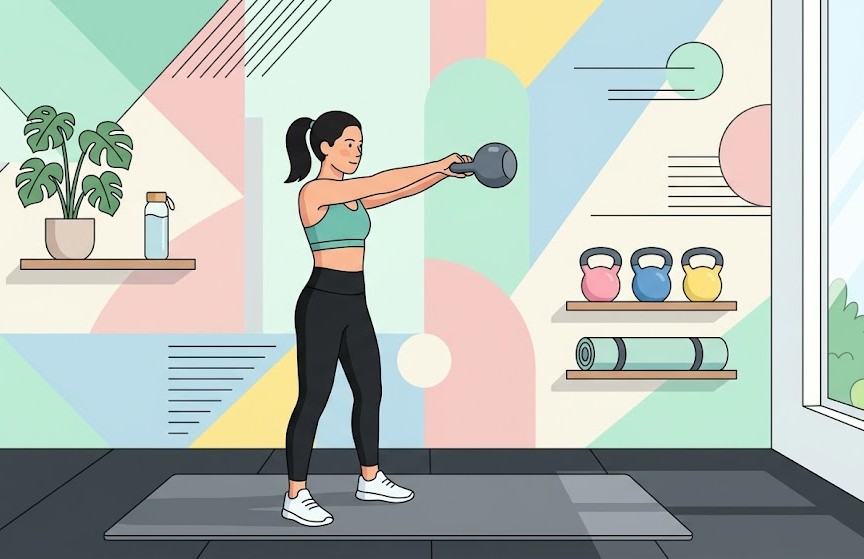
First, CrossFit training focuses on movements that mimic everyday activities. Exercises such as squats, deadlifts, push-ups, rowing, and kettlebell swings help develop practical strength and fitness. For example, lifting a heavy grocery bag uses many of the same movement patterns trained in CrossFit.
Moreover, CrossFit training involves constantly varied workouts designed to improve strength, endurance, power, flexibility, and overall fitness. Rather than repeating identical routines every day, workouts change frequently to challenge different energy systems and muscle groups.
According to the American College of Sports Medicine, high-intensity functional training continues to rank among the world’s most popular fitness trends — Source: ACSM, 2025.
What Is a WOD in CrossFit Training?
A Workout of the Day (WOD) is the primary training session performed during a CrossFit workout.
For example, a daily CrossFit WOD might include:
- 400-meter run
- 15 kettlebell swings
- 10 burpees
- 5 pull-ups
Athletes complete the workout according to specific rules, such as completing it as quickly as possible or performing as many rounds as possible within a time limit.
A Workout of the Day (WOD) is the primary training session performed during a CrossFit workout.
Why Are CrossFit Workouts So Popular Among Fitness Enthusiasts?
CrossFit workouts are popular because they efficiently develop multiple fitness qualities at the same time.
First, traditional gym routines often separate cardio and strength training into different sessions. CrossFit combines them into one workout. This approach helps busy individuals improve overall fitness without spending hours in the gym.
Moreover, CrossFit creates measurable goals. Athletes can track workout times, repetitions, lifting numbers, and personal records. This competitive element helps maintain motivation.
According to the World Health Organization, adults should perform both aerobic activity and muscle-strengthening exercises weekly for optimal health — Source: WHO, 2024. CrossFit naturally combines both recommendations into one training system.
How Do CrossFit Workouts Compare to Traditional Gym Training?
CrossFit workouts emphasize functional fitness and performance, while traditional gym training often focuses on isolated muscle development.
| Factor | CrossFit Workout | Traditional Gym Training |
|---|---|---|
| Workout Style | Functional movements | Machine and isolation work |
| Intensity | Generally higher | Variable |
| Cardio Integration | Built into workouts | Often separate |
| Community | Strong group environment | Individual focus |
| Variety | Constantly varied | Often repetitive |
| Performance Tracking | Highly emphasized | Moderate |
What Are the Different Types of CrossFit Workout Formats?
CrossFit workout formats are structured methods used to organize training intensity and performance goals.
AMRAP Workout
An AMRAP workout involves completing as many rounds or repetitions as possible within a specified time limit.
For example:
10-Minute AMRAP
- 10 squats
- 10 push-ups
- 10 sit-ups
Complete as many rounds as possible in 10 minutes.
AMRAP workouts involve completing as many rounds or repetitions as possible within a specified time limit.
EMOM Workout
An EMOM workout requires participants to perform a prescribed number of repetitions at the start of every minute.
For example:
12-Minute EMOM
- Minute 1: 12 burpees
- Minute 2: 15 air squats
- Repeat
EMOM workouts require participants to perform a prescribed number of repetitions at the start of every minute.
For Time Workouts
A For Time workout challenges athletes to finish a prescribed amount of work as quickly as possible.
For example:
- 50 squats
- 40 sit-ups
- 30 push-ups
- 20 lunges
- 10 burpees
Chipper Workouts
A Chipper workout consists of completing a long list of exercises only once.
For example, a 100-repetition challenge may include rowing, jumping, lifting, and bodyweight movements.
For readers interested in related conditioning methods, see high-intensity interval training workout.
What Are the Main Benefits of CrossFit Workouts?
CrossFit workouts improve strength, endurance, mobility, body composition, and overall athletic performance.
Strength Development
CrossFit strength training improves muscular force production through compound movements.
For example, deadlifts, squats, and presses recruit multiple muscle groups simultaneously.
Research published in the Journal of Strength and Conditioning Research found high-intensity functional training improves muscular strength and aerobic capacity — Source: JSCR, 2024.
Cardiovascular Fitness
CrossFit conditioning workouts elevate heart rate and improve cardiovascular endurance.
For example, rowing intervals combined with bodyweight exercises challenge both aerobic and anaerobic systems.
Weight Loss Support
CrossFit workouts increase calorie expenditure through intense full-body movement patterns.
For example, a 20-minute metabolic conditioning session can burn hundreds of calories depending on body weight and intensity.
Consistent CrossFit training improves functional fitness by enhancing the body’s ability to perform everyday physical activities efficiently.
For additional fat-loss strategies, see best exercises for weight loss.
Community and Accountability
CrossFit communities encourage consistency through coaching, shared goals, and group support.
According to research published in Sports Medicine, social support significantly improves exercise adherence — Source: Sports Medicine, 2024.
How Can Beginners Start CrossFit Workouts Safely?
Beginners can start CrossFit safely by prioritizing technique, gradual progression, and recovery.
Learn Movement Fundamentals First
Proper movement mechanics reduce injury risk and improve long-term performance.
For example, mastering an air squat before adding weight helps develop correct movement patterns.
Scale Every Workout
CrossFit workouts can be scaled to match any fitness level, making them accessible to both beginners and experienced athletes.
For example:
- Pull-ups → Ring rows
- Push-ups → Incline push-ups
- Running → Walking intervals
Prioritize Recovery
Recovery is essential because intense workouts place stress on muscles, joints, and the nervous system.
For example, mobility sessions, quality sleep, and hydration support performance improvements.
See muscle recovery strategies
Which Exercises Are Most Common in CrossFit Training?
CrossFit exercises are functional movements designed to improve strength, power, endurance, and coordination.
Bodyweight Movements
Common bodyweight exercises include:
- Push-ups
- Pull-ups
- Burpees
- Air squats
- Lunges
- Sit-ups
Weightlifting Movements
Common lifting exercises include:
- Deadlifts
- Back squats
- Front squats
- Overhead presses
- Cleans
- Snatches
Conditioning Movements
Popular conditioning exercises include:
- Rowing
- Running
- Jump rope
- Assault bike intervals
These movements collectively create the foundation of most CrossFit workout routines.
What Are the Most Effective Beginner CrossFit Workouts?
Beginner CrossFit workouts focus on simple movement patterns and manageable intensity levels.
Beginner CrossFit Workout
3 Rounds For Time
- 10 air squats
- 10 push-ups
- 200-meter walk or jog
Intermediate CrossFit Workout
15-Minute AMRAP
- 10 kettlebell swings
- 10 box step-ups
- 10 sit-ups
Advanced CrossFit Workout
21-15-9 For Time
- Thrusters
- Pull-ups
This classic benchmark workout develops power, conditioning, and mental toughness.
Can CrossFit Workouts Help With Weight Loss and Muscle Gain?
CrossFit workouts can support both weight loss and muscle gain when combined with proper nutrition.
For example, strength-focused sessions stimulate muscle growth while metabolic conditioning increases calorie expenditure.
According to the International Society of Sports Nutrition, adequate protein intake significantly supports muscle development and recovery — Source: ISSN, 2024.
For nutrition guidance, see healthy meal plan for fitness goals
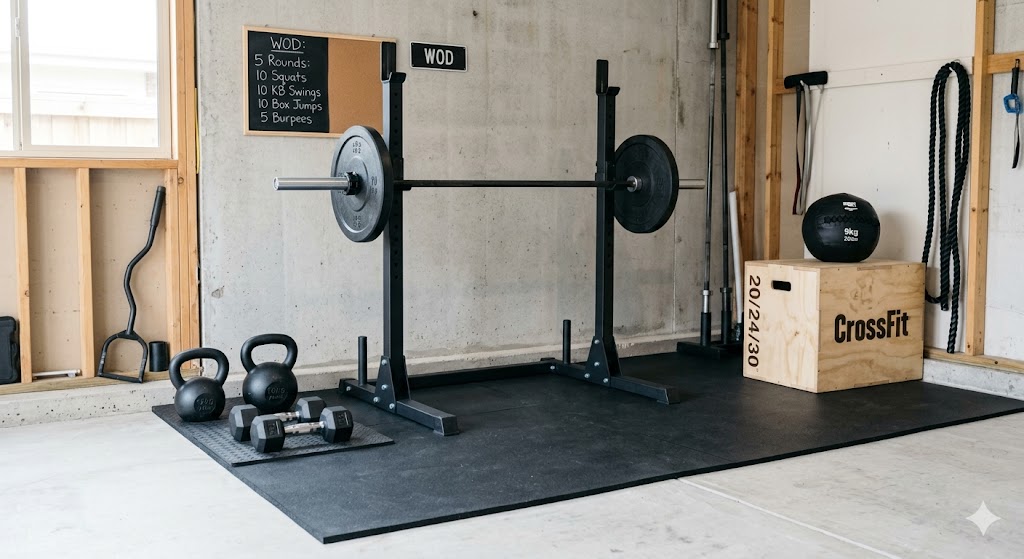
What Equipment Do You Need for a CrossFit Workout?
CrossFit equipment ranges from basic bodyweight tools to advanced gym equipment.
Essential Beginner Equipment
- Jump rope
- Exercise mat
- Resistance bands
- Kettlebell
- Dumbbells
Advanced Equipment
- Barbell
- Weight plates
- Pull-up rig
- Rowing machine
- Plyometric box
Can You Do CrossFit Workouts at Home Without a Gym?
CrossFit workouts can be performed effectively at home using minimal equipment.
For example, bodyweight circuits featuring burpees, squats, lunges, and push-ups provide effective conditioning without requiring a commercial gym membership.
What Mistakes Should Beginners Avoid During CrossFit Training?
Beginner CrossFit mistakes usually involve poor technique, excessive intensity, and inadequate recovery.
Common mistakes include:
- Ignoring proper form
- Training too intensely too soon
- Skipping warm-ups
- Neglecting mobility work
- Comparing yourself to advanced athletes
- Inadequate sleep and nutrition
According to the National Strength and Conditioning Association, progressive training progression reduces injury risk and improves long-term adherence — Source: NSCA, 2024.
How Do You Track Progress in a CrossFit Program?
CrossFit progress tracking involves measuring performance improvements across strength, conditioning, body composition, and movement quality.
Performance Metrics
Track:
- Workout completion times
- Repetitions completed
- Weight lifted
- Running pace
- Personal records
Progressive Overload
Progressive overload in CrossFit involves gradually increasing workout difficulty to stimulate ongoing strength and fitness improvements.
For example, increasing squat weight by 5 pounds or completing more repetitions within the same time frame represents measurable progress.
Tools and Practical Applications for CrossFit Training
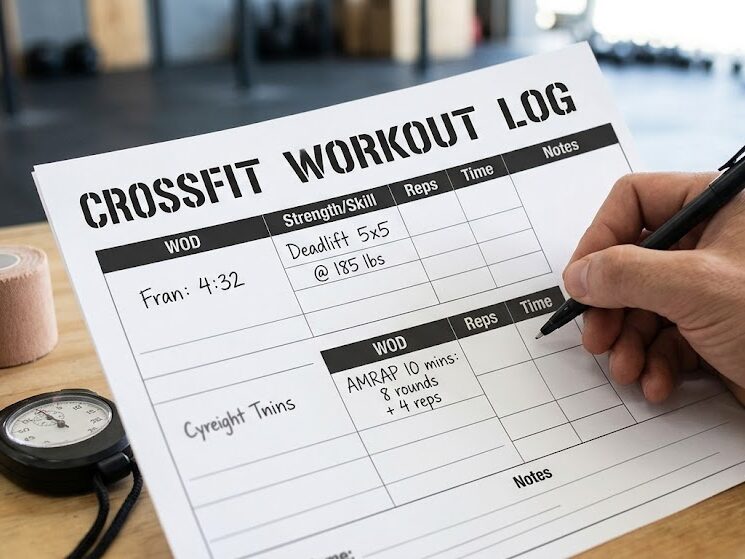
CrossFit training tools help athletes monitor performance, recovery, and progression.
Popular tools include:
- Workout logging apps
- Heart-rate monitors
- Smartwatches
- Mobility tracking apps
- Nutrition tracking platforms
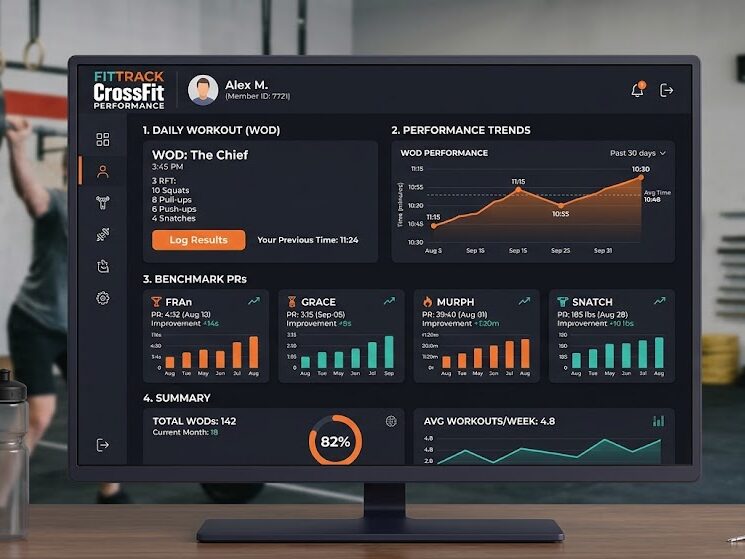
Additionally, consider using free tools such as Google Sheets for workout tracking alongside dedicated fitness applications.
Custom Diagram Suggestion
[Insert illustration: CrossFit training ecosystem showing Strength → Conditioning → Mobility → Recovery → Progress Tracking cycle | Alt text: “Understand complete CrossFit workout training cycle”]
What’s Next: Creating Your First Weekly CrossFit Routine?
A weekly CrossFit routine should balance training intensity, recovery, mobility work, and progressive overload.
Example beginner schedule:
| Day | Focus |
|---|---|
| Monday | Strength + WOD |
| Tuesday | Conditioning |
| Wednesday | Mobility & Recovery |
| Thursday | Strength + WOD |
| Friday | Conditioning |
| Saturday | Full Body Workout |
| Sunday | Rest |
Moreover, new athletes should focus on consistency rather than perfection. For example, completing three quality workouts weekly is more beneficial than attempting six intense sessions and burning out.
Conclusion: Building Long-Term Fitness Through Consistent CrossFit Training
A CrossFit workout is one of the most effective methods for developing strength, endurance, athleticism, and overall fitness through functional, high-intensity training. By learning proper technique, following structured workout formats such as WODs, AMRAPs, and EMOMs, and applying progressive overload, you can steadily improve performance while reducing injury risk.
Most importantly, remember that long-term success comes from consistency. Start with beginner-friendly workouts, focus on movement quality, prioritize recovery, and gradually increase difficulty. By doing so, you can build a sustainable fitness routine that delivers results for years to come.
FAQs
What is a CrossFit workout?
A CrossFit workout is a high-intensity training method that combines strength training, cardiovascular exercise, functional movements, and conditioning exercises.
Is CrossFit good for beginners?
Yes, CrossFit can be beginner-friendly because workouts can be modified and scaled to match different fitness levels and abilities.
What are the benefits of CrossFit workouts?
CrossFit may help improve strength, endurance, mobility, cardiovascular fitness, coordination, and overall athletic performance.
What exercises are included in CrossFit?
Common exercises include squats, deadlifts, pull-ups, rowing, running, kettlebell movements, and Olympic weightlifting variations.
How often should beginners do CrossFit workouts?
Many beginners start with 2–4 sessions per week to allow adequate recovery and adaptation.
Can CrossFit help with weight loss?
Yes, CrossFit workouts can burn significant calories and support fat loss when combined with proper nutrition.
What does WOD mean in CrossFit?
WOD stands for “Workout of the Day,” which is the specific workout programmed for a particular training session.
Do you need to be fit before starting CrossFit?
No, CrossFit is designed to accommodate people of all fitness levels through scalable exercises and training modifications.
Can CrossFit build muscle and strength?
Yes, the combination of resistance training and functional movements can help increase muscle mass and overall strength.
Is CrossFit better than traditional gym workouts?
Neither is universally better; CrossFit offers structured group training and varied workouts, while traditional gym programs may provide more individualized training options.