
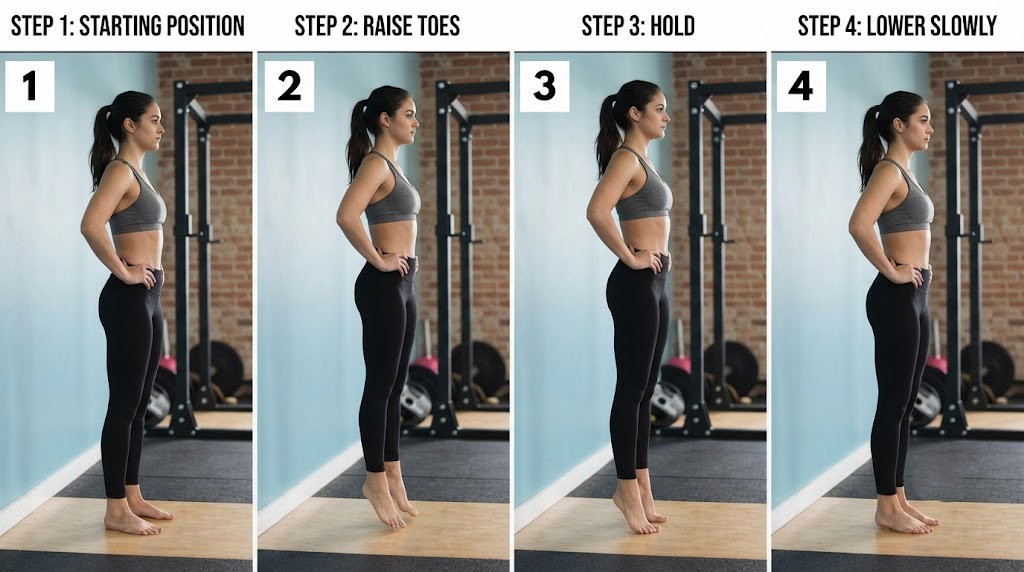
Most people focus heavily on calf training but overlook the muscles on the front of the lower leg. This common imbalance can contribute to shin discomfort, weaker ankles, reduced balance, and decreased athletic performance. Fortunately, adding the Tibialis Raise Exercise to your routine is a simple yet highly effective way to strengthen these often-neglected muscles.
Whether you’re a runner, athlete, gym enthusiast, or simply looking to improve lower-body function, this guide covers everything you need to know. You’ll learn what the Tibialis Raise Exercise is, the muscles it targets, its proven benefits, the correct technique, common mistakes, exercise variations, training frequency, and how to incorporate it into your workout routine for stronger, healthier lower legs.
What Is a Tibialis Raise Exercise?
A Tibialis Raise Exercise is a lower-leg strengthening movement that targets the tibialis anterior, the muscle running along the front of your shin. The exercise involves lifting your toes toward your shins while keeping your heels firmly planted on the ground.
Unlike calf raises, which strengthen the muscles on the back of the lower leg, tibialis raises focus on the front of the shin. Together, these exercises create balanced lower-leg development and support healthier movement patterns.
For example, runners often develop strong calves from repetitive running but neglect the tibialis anterior. Over time, this imbalance may contribute to reduced ankle stability, muscle fatigue, and discomfort during repetitive activities.
Statistic: Running-related injuries affect a significant percentage of recreational runners annually, with lower-leg injuries being among the most common. — Source: British Journal of Sports Medicine, 2023.
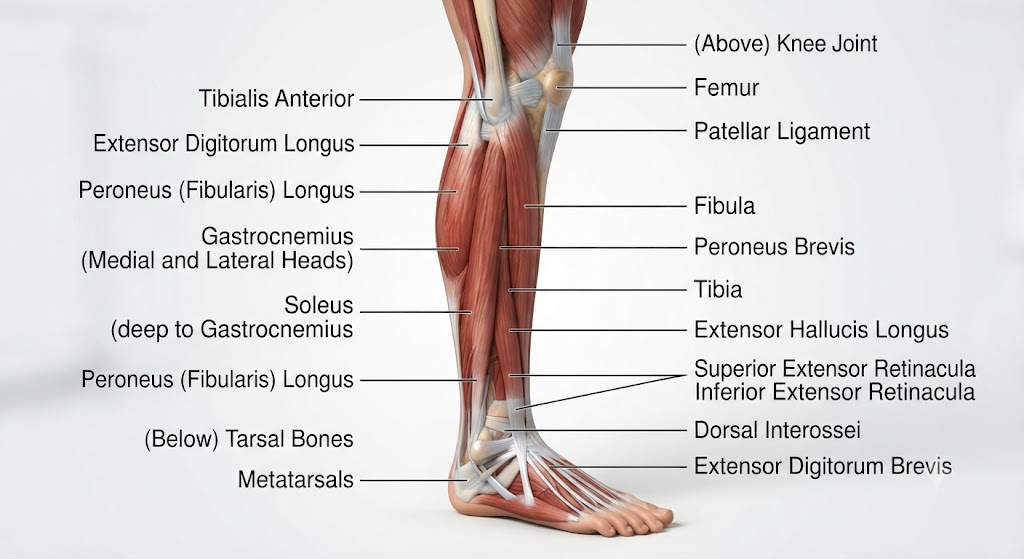
Which Muscles Does the Tibialis Raise Exercise Work?
The primary muscle targeted during the Tibialis Raise Exercise is the tibialis anterior, but several supporting muscles also contribute to the movement.
These include:
- Tibialis anterior (primary)
- Extensor hallucis longus
- Extensor digitorum longus
- Peroneus tertius
- Small stabilising muscles around the ankle
Together, these muscles perform ankle dorsiflexion, which is the action of pulling the foot upward toward the shin. This movement is essential for walking, running, climbing stairs, jumping, and maintaining proper foot clearance during movement.
For more lower-leg development, read our guide on best calf exercises for stronger lower legs.
Why Is the Tibialis Raise Exercise Important for Lower-Leg Strength?
The Tibialis Raise Exercise strengthens muscles that many people unintentionally ignore. Developing these muscles helps improve stability, supports healthy movement, and contributes to better athletic performance.
Training only the calves creates muscular imbalance. Strengthening both the front and back of the lower leg produces a stronger, more resilient foundation.
Benefits include:
- Better ankle stability
- Improved balance and coordination
- Increased lower-leg strength
- Reduced muscle imbalance
- Improved walking mechanics
- Better sprinting performance
- Greater control during jumping and landing
Athletes who sprint, jump, or rapidly change direction rely heavily on strong tibialis muscles to absorb landing forces and maintain stability.
Statistic: Lower-limb strength training can significantly reduce sports injury risk when performed consistently. — Source: British Journal of Sports Medicine, 2022.
How Do You Perform a Tibialis Raise Exercise Correctly?
Performing the Tibialis Raise Exercise with proper form maximises muscle activation while reducing unnecessary strain.
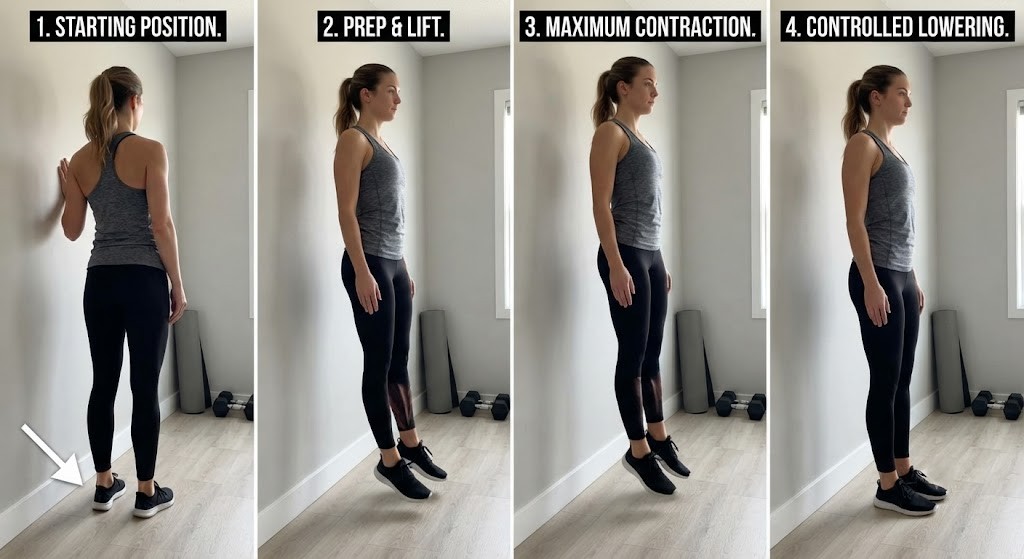
Step 1: Starting Position
Stand with your back against a wall.
- Feet approximately 20–30 cm away from the wall
- Heels flat on the floor
- Knees slightly bent
- Core engaged
- Back supported against the wall
Step 2: Lift the Toes
Slowly raise your toes toward your shins while keeping your heels firmly planted.
Remember to:
- Lift only through the ankles
- Avoid using momentum
- Pause for one second at the top
- Focus on squeezing the front of your shin
Step 3: Lower Under Control
Lower your feet slowly back to the starting position.
Avoid allowing gravity to drop your feet quickly. The lowering phase helps build additional strength.
Breathing
- Inhale while lowering
- Exhale while lifting
Recommended Tempo
| Movement | Time |
|---|---|
| Lift | 2 seconds |
| Pause | 1 second |
| Lower | 3 seconds |
Beginner Sets and Repetitions
| Experience | Sets | Repetitions |
|---|---|---|
| Beginner | 2–3 | 12–15 |
| Intermediate | 3–4 | 15–20 |
| Advanced | 4–5 | 20–30 |
Using controlled repetitions and a full range of motion is far more effective than rushing through the exercise.
What Are the Benefits of Tibialis Raise Exercises?
The Tibialis Raise Exercise offers far more than stronger shin muscles. Consistent training supports better movement quality, athletic performance, and lower-leg health.
Stronger Tibialis Anterior
Strengthening the tibialis anterior improves your ability to lift the foot efficiently while walking and running. This can reduce fatigue during long-distance activities and improve movement efficiency.
Better Ankle Mobility
Improved ankle dorsiflexion makes many exercises easier, including squats, lunges, and step-ups.
Reduced Risk of Shin Splints
Strengthening the tibialis anterior may help reduce the risk of shin splints by improving the lower leg’s ability to absorb repetitive impact.
This is especially beneficial for runners gradually increasing their training mileage.
Improved Athletic Performance
Well-developed tibialis muscles contribute to:
- Faster sprint starts
- Higher jumps
- Better landing mechanics
- Faster changes of direction
- Greater agility
Basketball, football, tennis, and track athletes commonly include tibialis raises in their strength programmes.
Statistic: Strength training improves sprint and jump performance across many athletic populations. — Source: Journal of Strength and Conditioning Research, 2023.
Better Knee Health
Balanced lower-leg muscles improve force distribution throughout the ankle and knee during movement.
Although tibialis raises do not directly treat knee pain, stronger lower legs may contribute to healthier movement patterns over time.
Can Tibialis Raises Help Prevent Shin Splints?
Tibialis raises may help prevent shin splints by strengthening the muscles responsible for absorbing repetitive impact during walking and running.
Shin splints often develop due to a combination of increased training volume, repetitive stress, and inadequate lower-leg strength.
To help reduce your risk:
- Increase training gradually
- Wear appropriate footwear
- Strengthen both calves and tibialis muscles
- Improve ankle mobility
- Allow adequate recovery between workouts
Combine these exercises with injury prevention exercises for runners.
What Are the Most Common Tibialis Raise Mistakes to Avoid?
Avoiding common mistakes helps maximise results while reducing unnecessary strain.
Using Momentum
Swinging the feet quickly reduces muscle activation.
Always move with control.
Limited Range of Motion
Lift your toes as high as comfortably possible.
A greater range of motion generally produces better strength improvements.
Leaning Too Far Forward
Keep your back supported against the wall during wall variations.
Avoid excessive forward movement.
Incorrect Foot Position
Keep both feet pointing straight ahead.
Avoid turning your toes outward.
Training Too Frequently
Like every muscle group, the tibialis anterior requires recovery.
Training two to four times per week is sufficient for most individuals.
What Are the Best Tibialis Raise Exercise Variations?
Different variations allow beginners and advanced athletes to continue progressing safely.
Wall Tibialis Raise
The easiest and most beginner-friendly variation.
Bodyweight Tibialis Raise
Performed without wall support, requiring greater balance and control.
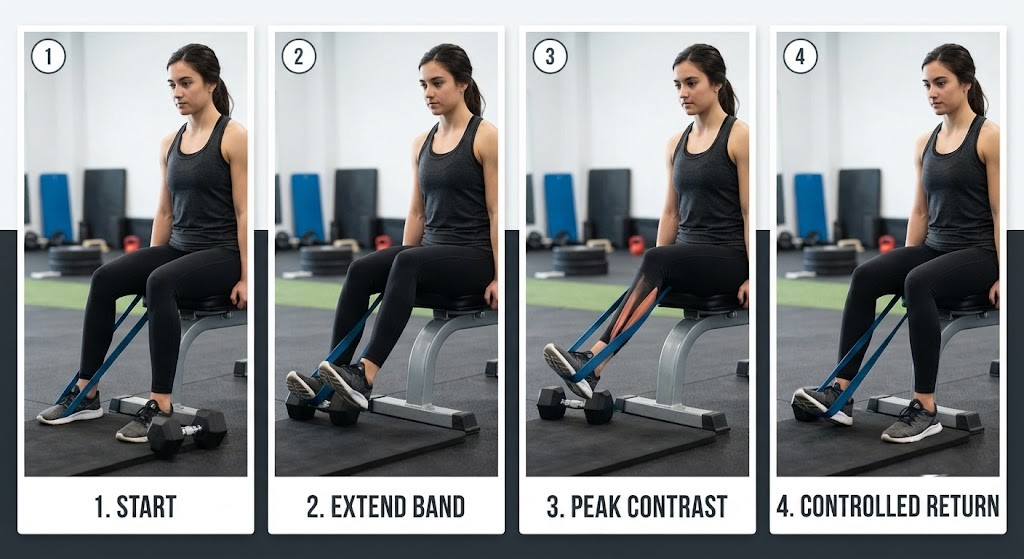
Resistance Band Tibialis Raise
Excellent for rehabilitation and progressive resistance.
Weighted Tibialis Raise
Performed using weight plates or dumbbells to increase training intensity.
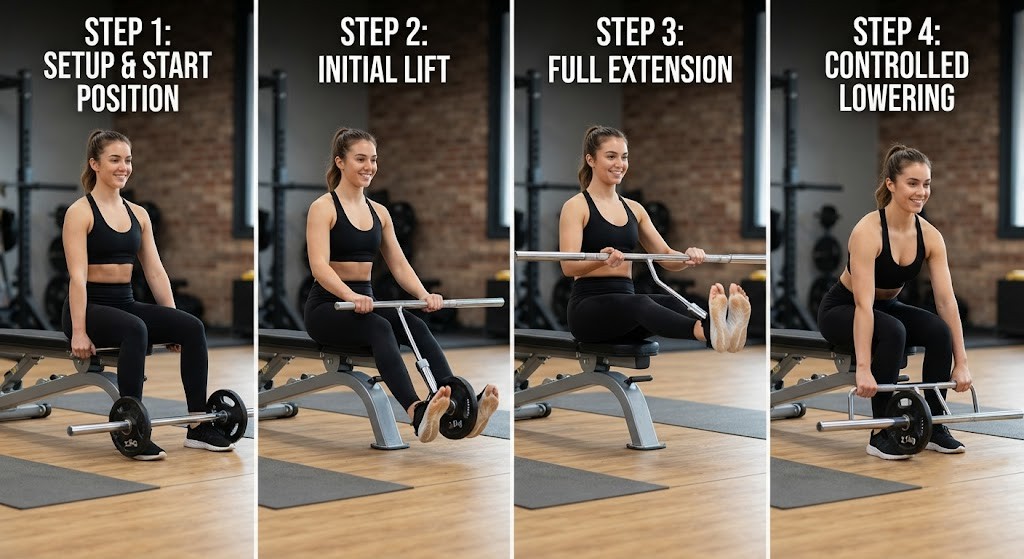
Tib Bar Exercise
A specialised tib bar directly loads the tibialis anterior, making it ideal for advanced strength development.
Single-Leg Tibialis Raise
Challenges balance while increasing exercise difficulty.
Machine Tibialis Raise
Available in some commercial gyms, offering consistent resistance throughout the movement.
What Equipment Do You Need for Tibialis Raise Exercises?
One of the greatest advantages of the Tibialis Raise Exercise is that it requires very little equipment.
| Equipment | Best For |
|---|---|
| Wall | Beginners |
| Resistance Band | Rehabilitation |
| Tib Bar | Advanced Strength |
| Weight Plates | Progressive Overload |
| Dumbbells | Weighted Training |
| Slant Board | Increased Range of Motion |
| Tibialis Machine | Gym Training |
Combining tibialis raises with calf exercises creates balanced lower-leg strength that supports walking, running, jumping, and overall athletic performance.
Should You Do Tibialis Raises Before or After Leg Workouts?
The best timing depends on your training goals.
For injury prevention, perform:
- Two light warm-up sets before running or athletic activity
For muscle growth and strength:
- Perform tibialis raises after squats
- After lunges
- After calf raises
- Near the end of your leg workout
Pair them with the best leg workout routine and lower body Dumbbells workout.
How Often Should You Train the Tibialis Anterior Muscle?
Training the tibialis anterior two to four times per week is sufficient for most people.
Sample Weekly Schedule
| Day | Workout |
|---|---|
| Monday | Tibialis Raises |
| Wednesday | Tibialis Raises |
| Friday | Tibialis Raises |
Allow at least one day of recovery between challenging sessions.
Are Tibialis Raises Better Than Calf Raises?
Neither exercise is better because each targets different muscles that work together.
| Tibialis Raises | Calf Raises |
|---|---|
| Front of the shin | Back of the lower leg |
| Improve dorsiflexion | Improve plantarflexion |
| Help reduce shin discomfort | Improve calf strength |
| Enhance ankle balance | Improve push-off power |
For complete lower-leg development, include both exercises in your routine.
Can Tibialis Raises Improve Running and Jumping Performance?
Yes. Stronger tibialis muscles improve lower-leg stability, foot control, and force absorption.
Athletes commonly notice improvements such as:
- Faster acceleration
- Better landing mechanics
- Improved balance
- Reduced fatigue
- Greater agility
Who Should Avoid Tibialis Raise Exercises?
Most healthy individuals can perform the Tibialis Raise Exercise safely.
However, consult a healthcare professional before beginning if you have:
- Acute ankle injuries
- Recent foot surgery
- Severe tendon pain
- Significant swelling
- Neurological disorders affecting foot movement
Stop exercising immediately if you experience sharp or worsening pain.
What’s Next?
The best way to benefit from the Tibialis Raise Exercise is to include it consistently in your weekly training plan and increase the challenge gradually.
Simple Weekly Action Plan
- Perform tibialis raises 2–4 times per week.
- Combine them with calf raises.
- Include ankle mobility drills.
- Increase resistance gradually.
- Stretch after each workout.
- Track your repetitions and progress weekly.
Beginners can also combine these exercises with Beginner Legs Workout.
Conclusion
The Tibialis Raise Exercise is one of the most overlooked yet valuable exercises for developing stronger, healthier lower legs. By strengthening the tibialis anterior, you improve ankle stability, support balanced muscle development, enhance mobility, and may reduce the risk of shin splints caused by repetitive stress.
Whether you’re an athlete aiming to improve speed and jumping ability, a runner looking to build resilience, or someone who wants better everyday movement, adding tibialis raises to your weekly routine is a smart investment. Start with wall tibialis raises, focus on slow and controlled technique, and gradually progress to more challenging variations. Over time, these consistent efforts can lead to stronger legs, improved athletic performance, and greater confidence in every step.