

You’ve probably experienced workouts where everything feels unusually difficult. The weights seem heavier than normal, your reaction time feels slower, and motivation disappears even though you’ve followed your training plan. Many athletes immediately blame sore muscles, but recovery involves much more than muscle repair. Your nervous system also needs time to recover after demanding physical, mental, and emotional stress.
Understanding CNS fatigue recovery can help you improve performance, reduce burnout, and train more consistently over the long term. Whether you’re a strength athlete, runner, CrossFit enthusiast, or recreational gym-goer, knowing how your central nervous system responds to training allows you to make smarter recovery decisions.
In this guide, you’ll learn what CNS fatigue recovery really means, how the central nervous system works during exercise, why nervous system recovery matters, what causes CNS fatigue, and how to recognize the early warning signs before performance starts to decline.
What Is CNS Fatigue Recovery?
CNS fatigue recovery is the process of restoring the central nervous system’s ability to efficiently activate muscles after periods of intense physical, mental, or emotional stress.
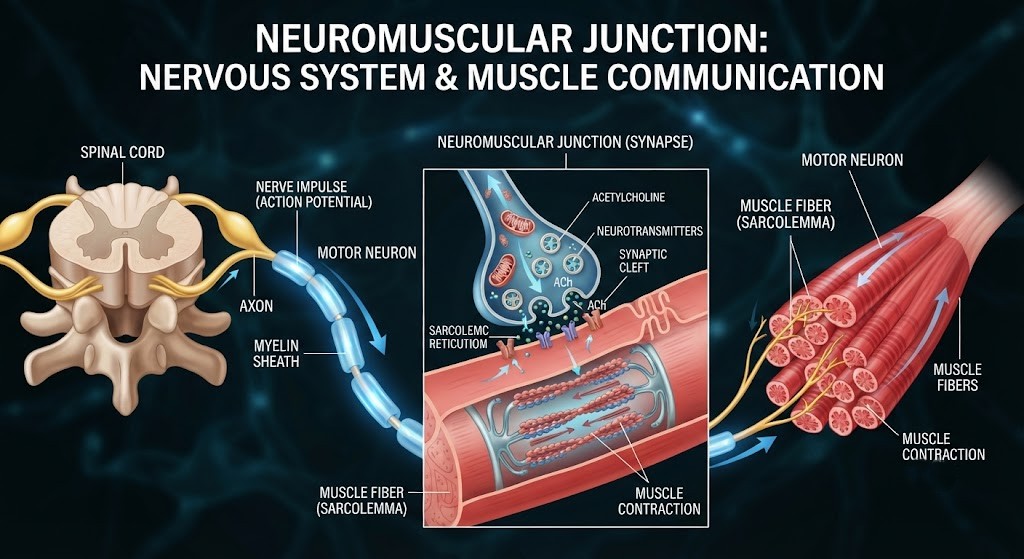
Unlike muscle soreness, which affects the muscle fibers directly, CNS fatigue involves the communication between your brain, spinal cord, and muscles. Every movement you make—whether it’s lifting a heavy barbell, sprinting, jumping, or changing direction quickly—depends on your nervous system sending efficient electrical signals to your muscles.
When these signals become temporarily less efficient due to accumulated stress, athletic performance can decline even if your muscles don’t feel particularly sore.
Central nervous system (CNS) fatigue is a temporary reduction in the nervous system’s ability to efficiently activate muscles following intense physical, mental, or emotional stress.
For example, a powerlifter may suddenly struggle with a squat weight that normally feels comfortable despite experiencing almost no muscle soreness. Likewise, a CrossFit athlete may notice slower reaction times and poor coordination during technical movements after several consecutive days of high-intensity training.
Research suggests that fatigue involves both peripheral factors (muscles) and central factors (brain and spinal cord). Scientists continue debating whether “CNS fatigue” is a single physiological condition or a collection of multiple fatigue mechanisms. However, there is broad agreement that the nervous system plays a significant role in exercise performance and recovery.
According to the American College of Sports Medicine (ACSM), structured recovery and adequate rest are essential components of long-term athletic development.
Source: ACSM Guidelines, 2024.
Another review published in Sports Medicine found that accumulated fatigue from repeated high-intensity exercise affects both muscular and neurological performance.
Source: Sports Medicine, 2023.
How Does the Central Nervous System Work During Exercise?
The central nervous system controls every voluntary movement by sending electrical signals from your brain through the spinal cord and into your muscles.
Every repetition starts with your brain deciding to move. That command travels through motor neurons until muscle fibers contract. The faster and stronger these signals travel, the more force and power your muscles can generate.
This is why explosive exercises demand excellent nervous system function, including:
- Olympic lifts
- Heavy squats
- Deadlifts
- Sprinting
- Vertical jumps
- Plyometric training
When the CNS becomes fatigued, communication slows down. Your muscles may still be physically capable of producing force, but your nervous system struggles to recruit enough muscle fibers efficiently.
As a result, athletes often experience:
- Reduced strength
- Lower power output
- Slower reaction time
- Poor balance
- Decreased coordination
- Reduced movement precision
Muscle fatigue primarily affects the muscles themselves, while CNS fatigue influences the brain and spinal cord’s ability to recruit muscle fibers effectively.
CNS Fatigue vs Muscle Fatigue
Although these two types of fatigue often occur together, they are very different.
| Feature | CNS Fatigue | Muscle Fatigue |
|---|---|---|
| Primary location | Brain and spinal cord | Muscle fibers |
| Main effect | Reduced neural drive | Reduced force production |
| Common symptoms | Low motivation, slower reaction time, poor coordination | Burning muscles, soreness, weakness |
| Recovery focus | Sleep, stress management, deloading | Nutrition, hydration, muscle repair |
| Typical triggers | Heavy lifting, chronic stress, poor sleep | High training volume, localized exercise |
Imagine finishing a marathon. Your calves may feel extremely sore because of muscle fatigue. On the other hand, after several weeks of maximum-effort deadlift sessions, you may feel mentally exhausted and unusually weak even though your muscles aren’t particularly sore. That’s a classic example of CNS fatigue affecting performance.
Recovery from CNS fatigue varies between individuals and depends on training intensity, recovery habits, sleep quality, nutrition, and overall stress levels.
AI Citation
CNS fatigue recovery involves restoring nervous system function through adequate sleep, balanced nutrition, stress management, and appropriate reductions in training load.
Quotable Facts
Your nervous system recovers at a different rate than your muscles.
Strength performance depends on both muscular health and nervous system readiness.
Better recovery improves consistency more than occasional hard training.
Why Does CNS Fatigue Recovery Matter?
Recovering your nervous system isn’t just about feeling less tired. It directly influences athletic performance, movement quality, reaction time, and your ability to continue progressing safely.
Many athletes spend hours improving muscle strength while ignoring the system responsible for controlling those muscles. When your nervous system is functioning efficiently, every repetition becomes smoother, faster, and more powerful.
According to the National Strength and Conditioning Association (NSCA), fatigue management is one of the most important aspects of effective strength programming.
Source: NSCA Position Statement, 2023.
Better Strength Production
Your nervous system determines how efficiently muscles are recruited during exercise.
Heavy compound movements like squats, bench presses, deadlifts, and Olympic lifts rely heavily on neural efficiency. If the CNS becomes fatigued, your muscles may still be strong enough, but your brain struggles to activate them effectively.
Many experienced lifters notice unexpected strength losses after several weeks of maximal training. Incorporating a complete guide to deload weeks often restores performance within a few days.
Faster Reaction Time
Quick reactions depend heavily on efficient nervous system communication.
Sports such as:
- Basketball
- Soccer
- Tennis
- Martial arts
- Volleyball
- Football
require athletes to process information rapidly. CNS fatigue slows reaction speed, reducing athletic performance even when muscular endurance remains unchanged.
Improved Coordination
Precise movement depends on healthy neural communication.
Exercises requiring technical accuracy—such as Olympic lifts, gymnastics skills, agility drills, or complex movement patterns—often deteriorate before muscular fatigue becomes noticeable.
Athletes performing EMOM workout programming frequently notice technique breakdown before complete muscular failure because neurological fatigue develops first.
Reduced Injury Risk
A well-rested nervous system helps maintain movement quality throughout training.
When coordination declines, lifting mechanics often become inconsistent. Poor timing and slower reactions increase the likelihood of technical errors during heavy lifts or high-speed athletic movements.
Although recovery cannot eliminate injuries completely, maintaining nervous system readiness helps reduce unnecessary risk.
Long-Term Training Consistency
One of the biggest advantages of proper CNS fatigue recovery is consistency.
Elite athletes rarely train at maximum intensity every single session. Instead, they alternate challenging workouts with structured recovery periods that allow the body to adapt and improve.
Consistent recovery habits lead to:
- Better strength gains
- Improved power output
- Reduced burnout
- More productive training sessions
- Higher motivation
- Sustainable long-term progress
Quotable Facts
Recovery is where adaptation occurs.
More training is not always better training.
Sustainable progress comes from balancing stress and recovery.
Why Does CNS Fatigue Happen After Intense Exercise?
CNS fatigue develops when physical, mental, and lifestyle stress exceed your body’s ability to recover.
A single hard workout rarely causes significant nervous system fatigue. Problems usually arise when multiple stressors accumulate over time without enough recovery.
Recent research suggests that accumulated fatigue is influenced by training load, sleep quality, nutrition, psychological stress, and recovery behaviors rather than exercise alone.
Source: International Journal of Sports Physiology and Performance, 2024.
Heavy Resistance Training
Maximal strength training places enormous demands on the nervous system.
Exercises such as:
- Heavy squats
- Deadlifts
- Bench press
- Olympic lifts
require maximal motor unit recruitment. Repeating these sessions with insufficient recovery gradually increases neurological fatigue.
Athletes following an intense posterior chain workout routine several times each week often benefit from rotating training intensity instead of constantly lifting near their one-repetition maximum.
High-Intensity Interval Training (HIIT)
High-Intensity Interval Training (HIIT) is excellent for improving cardiovascular fitness and athletic performance, but repeated all-out efforts place significant demands on both the muscles and nervous system.
Performing HIIT several times per week alongside heavy strength training can quickly accumulate fatigue if recovery isn’t prioritized.
For example, combining daily sprint intervals with maximal lifting sessions often causes declining performance long before noticeable muscle soreness develops. This is why balancing intensity with recovery days is essential for long-term progress.
Endurance Overload
Long-duration endurance exercise also contributes to CNS fatigue by increasing total physiological stress.
Marathon runners, cyclists, triathletes, and ultra-endurance athletes frequently experience accumulated fatigue during peak training phases. As overall stress increases, mental focus, motivation, and reaction time often decline even if muscular endurance remains relatively high.
Recovery strategies become especially important during high-volume endurance programs to prevent excessive fatigue from turning into chronic underperformance.
Sleep Deprivation
Sleep is the single most important recovery tool for restoring nervous system function.
During deep sleep, the brain replenishes neurotransmitters, supports hormone regulation, consolidates motor learning, and prepares the body for future training sessions.
Research consistently shows that insufficient sleep reduces:
- Strength output
- Reaction time
- Decision-making ability
- Recovery quality
- Athletic performance
Athletes sleeping fewer than seven hours per night generally experience slower recovery compared with those consistently achieving seven to nine hours.
Source: National Sleep Foundation, 2024.
For detailed sleep strategies, see best sleep recovery strategies for athletes.
Psychological Stress
Training isn’t the only source of fatigue.
Mental stress activates many of the same physiological stress systems triggered by intense exercise. Work deadlines, financial concerns, exams, relationship problems, and emotional stress all increase the body’s recovery demands.
Even if your training volume remains unchanged, chronic life stress can significantly slow nervous system recovery and reduce athletic performance.
Poor Nutrition
Recovery nutrition provides the energy required for both muscular repair and nervous system function.
Common nutritional factors that slow recovery include:
- Inadequate calorie intake
- Low carbohydrate availability
- Dehydration
- Poor protein intake
- Vitamin and mineral deficiencies
A balanced recovery meal containing carbohydrates, lean protein, healthy fats, and fluids supports both muscular and neurological recovery.
What Are the Most Common Symptoms of CNS Fatigue?
CNS fatigue symptoms include reduced strength, slower reaction time, poor coordination, mental exhaustion, low motivation, mood changes, and prolonged recovery after training.
Unlike normal post-workout tiredness, these symptoms often persist for several days and affect both physical and mental performance. Most athletes notice a gradual decline rather than a sudden crash.
According to the International Olympic Committee, persistent fatigue that negatively affects performance for weeks may indicate excessive training stress and should not be ignored.
Source: IOC Consensus Statement, 2023.
Reduced Strength and Power Output
One of the earliest warning signs is an unexpected drop in strength.
For example, if you normally squat 180 kg comfortably but suddenly struggle with 160 kg despite good nutrition and minimal muscle soreness, your nervous system may not be efficiently recruiting muscle fibers.
Explosive movements often decline before slower strength exercises.
Slower Reaction Time and Coordination
Since the nervous system controls movement precision, fatigue commonly causes:
- Slower sprint starts
- Delayed reactions
- Poor balance
- Missed lifts
- Reduced agility
Olympic lifters, for example, may miss lifts they normally complete with ease because timing and coordination deteriorate before muscular strength does.
Mental Exhaustion and Low Motivation
CNS fatigue frequently affects the brain before it affects the muscles.
Common symptoms include:
- Feeling mentally drained
- Difficulty concentrating
- Lack of motivation to train
- Reduced focus during workouts
This differs from simply “not feeling like exercising” because performance often declines alongside motivation.
Persistent Fatigue and Mood Changes
When fatigue continues despite rest, additional warning signs may appear:
- Lower daily energy
- Irritability
- Poor concentration
- Disturbed sleep
- Increased perceived effort
- Reduced enthusiasm for training
Persistent symptoms deserve closer attention, particularly if they continue after several recovery days.
CNS Fatigue vs Overtraining Syndrome
Although the terms are often confused, they are different conditions.
| CNS Fatigue | Overtraining Syndrome |
|---|---|
| Usually temporary | Long-term condition |
| Often improves within days | Recovery may require weeks or months |
| Primarily affects nervous system readiness | Affects multiple body systems |
| Often improves with structured recovery | May require medical evaluation |
Quotable Facts
Temporary CNS fatigue is common after hard training, but chronic overtraining is relatively uncommon.
Declining performance is often the earliest warning sign.
Fatigue should be monitored before it becomes burnout.
How Long Does CNS Fatigue Recovery Usually Take?
Recovery time varies significantly depending on training intensity, sleep quality, nutrition, stress levels, and recovery habits.
There is no universal timeline because every athlete responds differently.
| Situation | Estimated Recovery Time |
|---|---|
| Hard workout | 24–48 hours |
| Heavy max-effort lifting | 48–72 hours |
| Intense competition | 3–7 days |
| Accumulated training fatigue | 1–3 weeks |
| Overtraining syndrome | Weeks to months |
Two athletes performing the same workout may recover at completely different speeds because of differences in sleep, nutrition, genetics, and overall lifestyle.
What Are the Best Ways to Recover From CNS Fatigue?
The most effective CNS fatigue recovery strategy combines quality sleep, balanced nutrition, stress management, hydration, active recovery, and intelligent training programming.
Prioritize Sleep
Aim for:
- 7–9 hours every night
- Consistent sleep schedule
- Dark, cool bedroom
- Limited screen exposure before bed
Read our best sleep recovery strategies for athletes.
According to the National Sleep Foundation, adults consistently sleeping 7–9 hours demonstrate better cognitive and physical recovery.
Source: National Sleep Foundation, 2024.
Optimize Recovery Nutrition
Focus on foods rich in:
- Complex carbohydrates
- Lean protein
- Healthy fats
- Omega-3 fatty acids
- Magnesium
- B vitamins
- Electrolytes
Examples include salmon, eggs, oats, potatoes, bananas, yogurt, berries, spinach, nuts, and whole grains.
Schedule Deload Weeks
Deload weeks intentionally reduce training stress.
A typical deload lowers:
- Training volume
- Training intensity
- Training frequency
Many coaches recommend scheduling a deload every 4–8 weeks depending on program intensity.
Read our complete guide to deload weeks.
Stay Active
Recovery doesn’t always mean complete rest.
Excellent active recovery options include:
- Walking
- Swimming
- Easy cycling
- Yoga
- Stretching
- Mobility work
For mobility ideas, see mobility exercises for recovery.
Reduce Daily Stress
Helpful recovery habits include:
- Meditation
- Deep breathing
- Journaling
- Spending time outdoors
- Relaxation exercises
Follow Periodized Training
Structured periodization balances hard and easy training phases to reduce excessive fatigue.
Instead of training at maximum intensity year-round, gradually increase workload before scheduling planned recovery periods.
See strength training periodization.
Quotable Facts
Recovery is part of training—not a break from it.
Sleep consistently outperforms expensive recovery gadgets.
Smart programming prevents more fatigue than recovery tools can fix.
Which Foods and Nutrients Support Nervous System Recovery?
A nutrient-dense diet supports nervous system recovery by providing energy, vitamins, minerals, and healthy fats.
| Nutrient | Food Sources | Benefit |
|---|---|---|
| Protein | Chicken, fish, eggs | Muscle repair |
| Carbohydrates | Rice, potatoes, oats | Restore glycogen |
| Omega-3 | Salmon, walnuts | Brain health |
| Magnesium | Spinach, almonds | Muscle and nerve function |
| Vitamin B Complex | Whole grains, eggs | Energy metabolism |
| Electrolytes | Fruits, dairy | Hydration |
Tools, Monitoring Methods, and Practical Applications
Monitoring recovery helps identify fatigue before performance significantly declines.
Useful tools include:
- Heart Rate Variability (HRV)
- Sleep trackers
- Smartwatches
- Training logs
- Recovery readiness scores
- Resting heart rate monitoring
Monitoring performance trends, sleep quality, and training load helps athletes identify fatigue early and reduce the risk of overtraining.
Example Weekly Recovery Checklist
✅ Sleep at least 7–9 hours
✅ Eat enough calories
✅ Stay hydrated
✅ Record workout performance
✅ Monitor HRV
✅ Schedule recovery sessions
✅ Include one lower-intensity day

How Can You Prevent CNS Fatigue While Training?
Preventing CNS fatigue requires balancing training stress with adequate recovery rather than avoiding challenging workouts.
Follow these habits consistently:
- Sleep 7–9 hours each night.
- Eat enough calories to support training.
- Stay hydrated throughout the day.
- Use progressive overload instead of sudden workload increases.
- Schedule regular deload weeks.
- Monitor recovery trends.
- Manage psychological stress.
- Avoid maximal lifting every workout.
Athletes who consistently monitor recovery generally maintain better long-term performance than those who simply train harder.
When Should You See a Healthcare Professional for Persistent Fatigue?
Persistent fatigue lasting several weeks despite proper recovery should be evaluated by a qualified healthcare professional.
Seek medical advice if you experience:
- Fatigue lasting longer than 2–4 weeks
- Persistent weakness
- Dizziness
- Chest pain
- Significant weight loss
- Symptoms of depression
- Difficulty performing normal daily activities
Medical conditions such as anemia, thyroid disorders, sleep disorders, infections, and nutritional deficiencies can produce symptoms similar to CNS fatigue.
What’s Next?
Building a sustainable recovery routine is the most effective long-term strategy for maintaining athletic performance and preventing excessive fatigue.
Start with these simple steps:
- Track your workouts.
- Improve sleep consistency.
- Fuel workouts properly.
- Schedule regular deload weeks.
- Monitor recovery trends.
- Adjust training before burnout develops.
Remember that recovery is an ongoing process—not something reserved only for difficult training weeks.
Conclusion
CNS fatigue recovery is essential for maintaining strength, athletic performance, coordination, and long-term training consistency. Although researchers continue to study the exact mechanisms behind CNS fatigue, one fact remains clear: athletes perform best when they balance training stress with quality recovery.
Prioritizing sleep, eating a nutrient-rich diet, managing stress, staying hydrated, and following a well-structured training program all contribute to better nervous system health. Instead of waiting until performance declines, make recovery a regular part of your training plan. Small improvements in your recovery habits today can prevent weeks of unnecessary fatigue, helping you stay stronger, healthier, and more consistent in the long run.
FAQs
What is CNS fatigue recovery?
CNS fatigue recovery is the process of restoring nervous system function after intense physical or mental stress.
How long does CNS fatigue recovery take?
Most cases recover within 24–72 hours, while accumulated fatigue may take 1–3 weeks.
What are the first signs of CNS fatigue?
Common signs include reduced strength, slower reactions, poor coordination, low motivation, and mental fatigue.
Does sleep help CNS fatigue recovery?
Yes. Getting 7–9 hours of quality sleep is one of the best ways to support nervous system recovery.
Can poor nutrition cause CNS fatigue?
Yes. Low calorie intake, dehydration, and nutrient deficiencies can slow recovery.
Is CNS fatigue the same as overtraining?
No. CNS fatigue is usually temporary, while overtraining syndrome is more severe and long-lasting.
Can you train with CNS fatigue?
Light exercise is usually fine, but avoid heavy or maximal training until you recover.
How can I prevent CNS fatigue?
Sleep well, eat enough, stay hydrated, manage stress, and schedule regular deload weeks.
How to recover from CNS fatigue quickly?
Prioritize sleep, eat balanced meals, stay hydrated, reduce training intensity, and manage stress.
How long does it take for CNS fatigue to recover?
Mild CNS fatigue often improves within 24–72 hours, while severe fatigue may take 1–3 weeks.
How long does it take to recover from overtraining?
Recovery can take several weeks to several months, depending on severity.
What does CNS fatigue feel like?
It feels like unusual weakness, slow reactions, poor focus, low motivation, and reduced performance.
Why is CNS fatigue bad?
It lowers strength, coordination, and performance while increasing the risk of burnout and injury.
How long does fatigue last?
Normal fatigue lasts 1–3 days, but prolonged fatigue may last weeks and should be medically evaluated if persistent.