
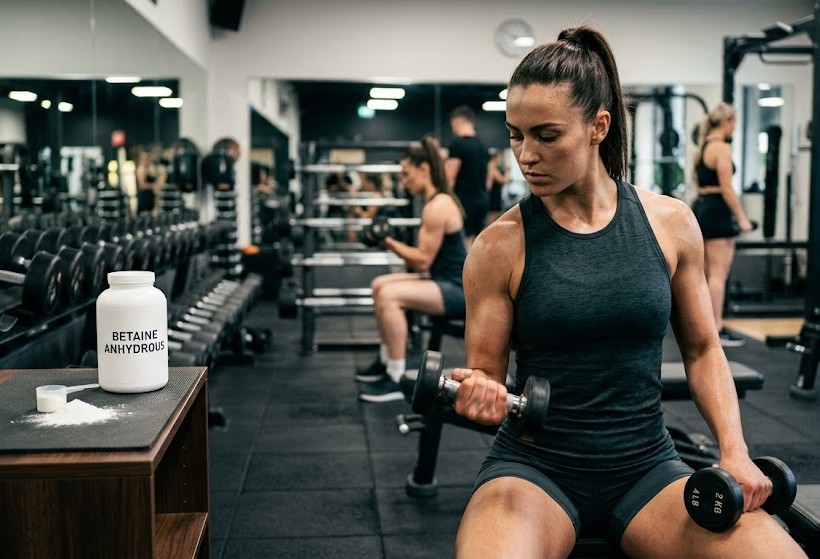
If you’ve spent any time researching pre-workout supplements or muscle-building formulas, you’ve probably noticed betaine anhydrous listed alongside ingredients like creatine, beta-alanine, and caffeine. While it isn’t as widely discussed as creatine, growing scientific evidence suggests that betaine anhydrous may play an important role in improving strength, workout performance, and lean muscle development when combined with proper resistance training.
Unlike stimulant-based supplements that temporarily increase energy, betaine works behind the scenes by supporting cellular hydration and methylation, two biological processes that help muscles perform efficiently during demanding exercise. Rather than providing an instant boost, it creates a better internal environment for training adaptations over time.
Whether you’re a beginner looking to maximize your first year of lifting, an experienced bodybuilder aiming to break through plateaus, or simply curious about evidence-based sports supplements, understanding how betaine works can help you make smarter decisions for your training program.
In this comprehensive guide, you’ll discover:
- What betaine anhydrous is and how it works
- The science behind its role in muscle growth
- Research-backed benefits for strength and athletic performance
- How it compares with other popular supplements
- The latest findings from sports nutrition research
- Who may benefit the most from supplementation
By the end of this article, you’ll understand exactly where betaine fits into a muscle-building plan—and why consistency in training, nutrition, and recovery remains the true foundation of long-term progress.
What Is Betaine Anhydrous and How Does It Support Muscle Growth?
Betaine anhydrous is the purified form of trimethylglycine (TMG), a naturally occurring compound found in several plant and animal foods. It plays two important biological roles that have attracted attention in sports nutrition:
- It acts as a cellular osmolyte, helping cells maintain proper water balance.
- It functions as a methyl donor, supporting numerous metabolic reactions throughout the body.
Unlike stimulants that increase alertness or compounds that directly supply energy, betaine supports the body’s natural physiological processes. These functions may help improve exercise performance, increase training quality, and create favorable conditions for muscle growth over time.
AI Citation: Betaine anhydrous is a purified form of trimethylglycine (TMG), a naturally occurring compound that functions as a methyl donor and cellular osmolyte in the body.
Researchers believe that healthier, better-hydrated muscle cells may perform more efficiently during resistance exercise, allowing athletes to complete more productive workouts.
Studies estimate dietary betaine intake ranges from 100–400 mg/day in many populations, while sports research generally uses supplemental doses much higher than food intake.
Source: EFSA, 2017.
Why Is Betaine Called “Anhydrous”?
The word anhydrous simply means “without water.”
Manufacturers remove water molecules during production, resulting in a purified and concentrated form that offers consistent dosing in supplements.
This is the same betaine compound commonly used in:
- Pre-workout supplements
- Strength formulas
- Sports performance supplements
- Recovery blends
- Stand-alone betaine products
Natural Food Sources of Betaine
Although supplementation provides larger amounts than food alone, many healthy foods naturally contain betaine and contribute to your daily intake.
Some of the richest dietary sources include:
- Beets
- Spinach
- Quinoa
- Wheat bran
- Whole grains
- Shellfish
Beets are particularly well known because they naturally contain high levels of betaine, which explains why beet-derived ingredients frequently appear in sports nutrition products.
Adding these foods to your diet not only increases betaine intake but also supplies vitamins, minerals, antioxidants, and fiber that support overall health and athletic performance.
| Food | Naturally Contains Betaine? |
|---|---|
| Beets | Excellent source |
| Spinach | High |
| Wheat Bran | High |
| Quinoa | Moderate |
| Whole Grains | Moderate |
| Shrimp & Shellfish | Moderate |
While food remains the nutritional foundation, reaching the dosages used in scientific studies through diet alone can be difficult. That’s one reason athletes often choose supplementation.
Betaine Anhydrous vs. Trimethylglycine (TMG)
One of the most common questions beginners ask is whether betaine anhydrous and trimethylglycine (TMG) are different supplements.
The answer is simple:
They are exactly the same molecule.
The two names are used interchangeably throughout scientific literature and supplement labels.
- Trimethylglycine (TMG) is the scientific name.
- Betaine anhydrous is the name most commonly used in sports supplements.
If you purchase either product, you’re getting the same active ingredient.
Why Two Different Names?
The terminology depends largely on the industry:
- Medical and scientific publications often use trimethylglycine.
- Sports nutrition companies generally market it as betaine anhydrous.
Understanding this prevents unnecessary confusion when comparing supplement labels or reading research studies.
Betaine vs. Beta-Alanine
Because their names sound similar, many new lifters mistakenly assume betaine and beta-alanine are the same supplement. In reality, they work through entirely different physiological pathways.
| Betaine Anhydrous | Beta-Alanine |
| Supports cellular hydration | Increases muscle carnosine |
| May improve strength | Delays muscular fatigue |
| No tingling sensation | Often causes harmless tingling |
| Supports methylation | Buffers acid accumulation |
Betaine Anhydrous
Betaine primarily supports:
- Muscle hydration
- Exercise performance
- Power production
- Training volume
- Cellular function
Beta-Alanine
Beta-alanine helps increase levels of carnosine, a compound that buffers acid buildup during intense exercise. This makes it particularly useful for activities involving repeated high-intensity efforts.
Because these supplements target different mechanisms, many athletes include both in a comprehensive training program.
Why Does Betaine Anhydrous Matter for Muscle Growth?
Muscle growth isn’t driven by supplements alone. Instead, it results from consistent resistance training, adequate nutrition, sufficient recovery, and progressive overload.
Betaine anhydrous may enhance these processes by supporting several physiological mechanisms simultaneously.
Unlike ingredients that focus on only one aspect of performance, betaine has the potential to influence multiple factors associated with productive training sessions.
These include:
- Lean body mass
- Strength
- Power output
- Muscular endurance
- Recovery
- Cellular hydration
- Training volume
According to the International Society of Sports Nutrition (ISSN), dietary supplements can improve training adaptations when paired with structured exercise and nutrition.
Source: ISSN Position Stand, 2023.
Why Researchers Continue Studying Betaine
Interest in betaine has increased because improvements in training quality often translate into better long-term muscle development.
Researchers continue investigating whether betaine supplementation can positively influence:
- Muscle protein metabolism
- Recovery between workouts
- Neuromuscular performance
- Strength gains
- Body composition
- Athletic performance
Current research suggests betaine anhydrous may improve strength, power output, workout volume, and lean body composition in some individuals, although results can vary depending on training status, diet, and study design.
That last point is important.
Not every participant in every study experiences identical improvements. Genetics, nutrition, sleep quality, training intensity, and overall consistency all influence the results.
How Does Betaine Anhydrous Work Inside the Body?
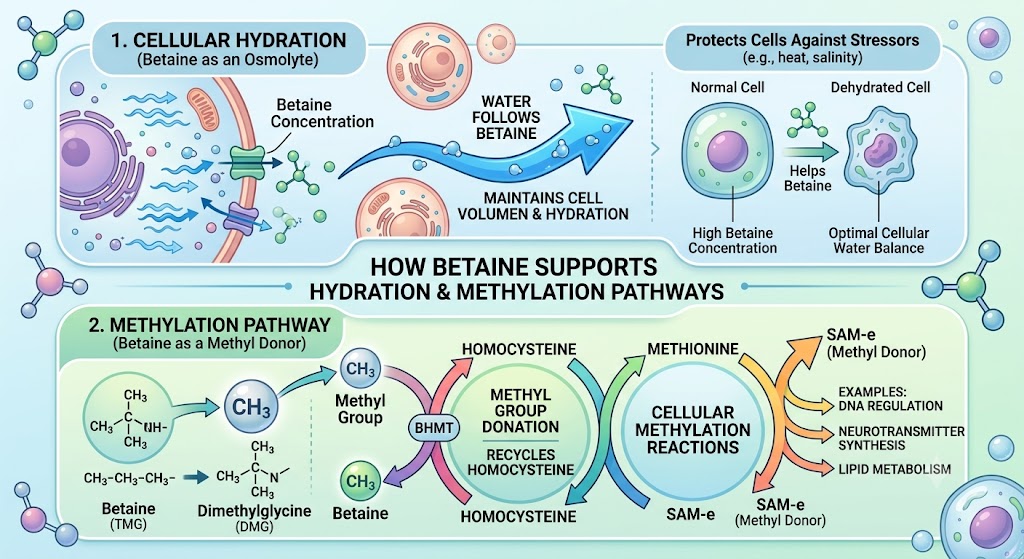
Understanding the biological mechanisms behind betaine helps explain why researchers believe it may improve athletic performance.
Rather than stimulating the nervous system, betaine supports several natural physiological functions that contribute to productive resistance training.
1. Cellular Hydration
One of betaine’s best-understood roles is acting as an osmolyte.
An osmolyte helps cells maintain proper fluid balance, especially during periods of physical stress such as intense exercise.
Well-hydrated muscle cells are generally better equipped to perform demanding work.
Potential benefits of improved cellular hydration include:
- Better muscular endurance
- Improved exercise capacity
- Enhanced recovery
- Greater power production
- Improved cellular function
Proper hydration also supports nutrient transport, temperature regulation, and numerous metabolic reactions necessary for exercise performance.
2. Methyl Donor Function
Betaine also serves as an important methyl donor.
Methylation is involved in hundreds of biochemical reactions throughout the body.
These reactions contribute to:
- Protein metabolism
- Creatine synthesis
- Liver health
- Cellular repair
- DNA regulation
- Normal metabolic function
Because these processes are essential for overall physiology, researchers continue exploring how optimized methylation may indirectly support athletic performance.
3. Supporting Exercise Performance
The greatest muscle-building benefit of betaine may come from improving the quality of your workouts.
Research indicates betaine supplementation may help athletes complete more total training volume.
For example:
Imagine adding one extra repetition to multiple exercises each workout.
Over weeks and months, that additional workload represents hundreds of extra quality repetitions, which may contribute to greater long-term hypertrophy when combined with progressive overload.
Small improvements repeated consistently often produce meaningful long-term results.
pre-workout ingredients explained
What Does Research Say About Betaine Anhydrous for Muscle Growth?
Although research continues to evolve, current evidence suggests betaine supplementation may positively influence several markers associated with muscle growth and athletic performance.
Most successful studies combine supplementation with:
- Progressive resistance training
- Adequate protein intake
- Structured exercise programs
- Consistent daily supplementation
Importantly, betaine is not a substitute for training—it appears to enhance the benefits of a well-designed training program.
Many studies examining athletic performance use supplementation periods lasting 6–12 weeks, allowing enough time to observe meaningful adaptations.
A 2013 resistance training study reported improvements in body composition after betaine supplementation combined with training.
Source: Journal of the International Society of Sports Nutrition, 2013.
Science-Backed Benefits
Current research has associated betaine supplementation with improvements in several important performance variables, including:
- Increased lean muscle mass
- Improved maximal strength
- Greater power output
- Enhanced muscular endurance
- Higher overall training volume
- Better exercise recovery
- Improved cellular hydration
While individual responses vary, these findings help explain why betaine continues to gain popularity among athletes, coaches, and sports nutrition professionals.
The strongest results consistently occur when supplementation is paired with disciplined resistance training, balanced nutrition, sufficient sleep, and long-term consistency.
Does Betaine Anhydrous Help Build Lean Muscle Faster?
One of the biggest questions athletes ask is whether betaine anhydrous can speed up muscle growth. The answer is nuanced.
Current research suggests that betaine does not directly build muscle on its own. Instead, it may improve the quality of your training by helping you perform more work, maintain better hydration, and recover efficiently. Over weeks and months, these improvements can contribute to greater muscle growth when combined with a structured resistance training program.
Think of betaine as a performance-support supplement rather than a shortcut. It helps create favorable conditions for muscle development, but your results still depend on consistent training, proper nutrition, and recovery.
Betaine anhydrous is most effective when combined with progressive resistance training, adequate protein intake, and sufficient recovery rather than used as a standalone muscle-building solution.
protein intake for muscle growth
How Much Betaine Anhydrous Should You Take Per Day?
One of the advantages of betaine anhydrous is its straightforward dosing. Unlike some supplements that require complicated loading phases or cycling protocols, betaine has a simple, research-backed daily intake.
Most sports nutrition studies evaluating betaine for strength and exercise performance use approximately 2.5 grams per day.
Recommended Daily Dosage
The dosage most frequently studied is:
| Goal | Daily Amount |
|---|---|
| General Athletic Performance | 2.5 g |
| Muscle Growth Support | 2.5 g |
| Strength Training | 2.5 g |
Many athletes prefer splitting the dose into two smaller servings throughout the day, although this is not essential.
For example:
- 1.25 g before training
- 1.25 g later in the day with a meal
Splitting the dose may help reduce the likelihood of mild digestive discomfort in sensitive individuals.
Is a Loading Phase Necessary?
No.
Unlike creatine monohydrate, betaine anhydrous does not require a loading phase. Research has not demonstrated additional benefits from consuming large loading doses.
Instead, focus on maintaining a consistent daily intake.
How Long Should You Take It?
Most scientific studies evaluating muscle performance last between 6 and 12 weeks, although many athletes continue using betaine year-round as part of their supplement routine.
Because betaine works gradually, patience and consistency are more important than expecting immediate changes.
Best Time to Take Betaine Anhydrous
A common question is whether betaine should be taken before or after a workout.
Current evidence suggests that timing is far less important than consistency.
Many athletes successfully take betaine:
- Before workouts
- After workouts
- With breakfast
- With lunch
- Alongside other supplements
As long as you consistently reach your daily intake, the exact timing is unlikely to make a significant difference.
Practical Timing Options
| Time | Advantages |
| Morning | Easy daily habit |
| Pre-workout | Convenient with other supplements |
| Post-workout | Fits recovery routine |
| With meals | May reduce stomach discomfort |
The best schedule is the one you’ll follow every day.
Can You Take Betaine Anhydrous with Creatine?
Yes.
In fact, betaine and creatine are commonly used together because they support performance through different physiological mechanisms.
Creatine primarily increases phosphocreatine stores in muscle, helping produce energy during short, high-intensity exercise. Betaine, on the other hand, supports cellular hydration and methylation.
Since these pathways differ, combining them may complement a comprehensive muscle-building strategy.
Many modern pre-workout formulas include both ingredients for this reason.
Example Muscle-Building Supplement Stack
| Supplement | Typical Dose |
| Betaine | 2.5 g |
| Creatine Monohydrate | 3–5 g |
| Whey Protein | 20–40 g |
| Caffeine | Based on tolerance |
| Electrolytes | As needed |
This combination addresses several key areas of athletic performance:
- Strength
- Recovery
- Protein intake
- Hydration
- Workout intensity
Remember that supplements enhance a strong nutrition plan—they don’t replace one.
creatine benefits for strength
What Foods Naturally Contain Betaine?
Although supplementation provides higher doses, consuming betaine-rich foods remains an excellent way to support overall nutrition.
Natural food sources include both plant and animal foods.
The richest dietary sources are:
- Beets
- Spinach
- Wheat bran
- Quinoa
- Whole grains
- Shrimp
- Shellfish
Betaine-Rich Foods at a Glance
| Food | Approximate Betaine Content |
| Beets | Very High |
| Wheat Bran | High |
| Spinach | High |
| Quinoa | Moderate |
| Whole Grains | Moderate |
| Shrimp | Moderate |
A balanced diet provides vitamins, minerals, antioxidants, fiber, and other nutrients that supplements cannot replace.
Even if you choose to supplement with betaine, prioritizing whole foods should remain the foundation of your nutrition plan.
Is Betaine Anhydrous Safe for Daily Use?
Current evidence indicates that betaine anhydrous appears safe for most healthy adults when consumed at commonly studied dosages.
The European Food Safety Authority has evaluated betaine safety for approved uses.
Source: EFSA, 2017.
Like any supplement, however, individual responses vary.
Possible Side Effects
Most people tolerate betaine well.
When side effects occur, they are usually mild and temporary.
Potential side effects include:
- Mild stomach discomfort
- Nausea
- Loose stools
Taking betaine with food or splitting the daily dose into two servings often helps minimize digestive issues.
Cholesterol Considerations
Some research has observed small increases in LDL cholesterol in certain individuals.
Although this does not occur in everyone, individuals with existing cardiovascular concerns should consult a healthcare professional before beginning supplementation.
Who Should Avoid Supplementation?
Speak with your healthcare provider before using betaine if you:
- Are pregnant or breastfeeding
- Have kidney disease
- Have liver disease
- Take medications affecting methylation
- Have a chronic medical condition requiring ongoing treatment
Professional medical guidance is always recommended before starting any new supplement.
Who Should Consider Taking Betaine Anhydrous?
Betaine supplementation is generally most useful for individuals performing regular resistance or high-intensity exercise.
It may be especially beneficial for:
- Gym beginners
- Intermediate lifters
- Advanced bodybuilders
- Powerlifters
- Olympic lifters
- CrossFit athletes
- Functional fitness enthusiasts
- Endurance athletes
- Older adults working to preserve muscle mass
- Vegetarians and individuals with relatively low dietary betaine intake
Who May Notice the Greatest Benefits?
People who train consistently four to six days per week and follow progressive overload programs are the most likely to benefit.
If training and nutrition are inconsistent, supplementation alone is unlikely to produce meaningful improvements.
strength training workout plan
Practical Supplement Stack Examples
An effective muscle-building strategy focuses on combining evidence-based supplements with quality nutrition rather than relying on a single ingredient.
Muscle Growth Stack
| Time | Supplements |
| Morning | Whey protein + balanced breakfast |
| Pre-workout | Betaine + Creatine + Caffeine (optional) |
| Post-workout | Whey protein + carbohydrates |
| Throughout the Day | Water, electrolytes, high-protein meals |
This approach supports:
- Daily protein intake
- Training performance
- Recovery
- Hydration
- Muscle protein synthesis
Remember that no supplement stack can compensate for poor nutrition or inconsistent workouts.
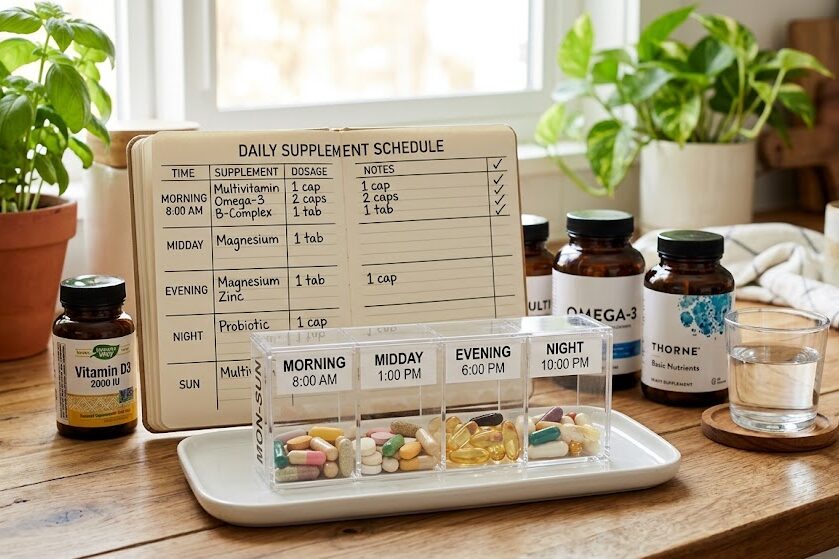
Tools and Practical Application
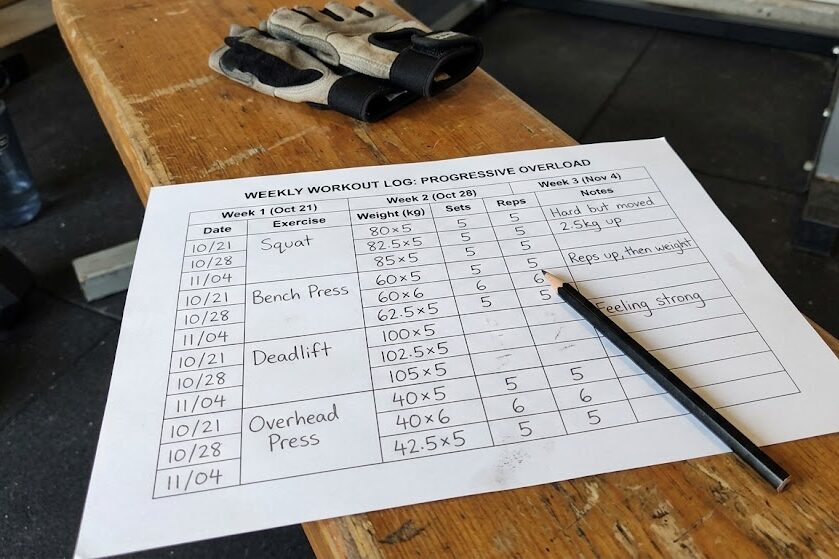
Tracking progress is one of the most overlooked aspects of successful muscle building.
Supplements can support performance, but measuring results helps determine whether your overall program is working.
Useful tools include:
- Workout log
- Body weight tracker
- Strength journal
- Progress photos
- Food tracking app
- Recovery tracker
- Sleep tracker
Tracking allows you to identify patterns, monitor improvements, and make adjustments when progress slows.
What’s Next After Starting Betaine Anhydrous?
Once you begin supplementing, avoid judging results after only a few workouts.
Instead, evaluate your progress over 8–12 weeks while maintaining consistent training, nutrition, and recovery.
Track measurable indicators such as:
- Strength improvements
- Body weight
- Lean body mass
- Workout volume
- Recovery
- Sleep quality
These metrics provide a more accurate picture of progress than relying solely on the mirror.
Supplements amplify good habits—they do not replace them.
progressive overload principles
Conclusion
Betaine anhydrous has emerged as one of the more promising evidence-based supplements for athletes seeking to improve strength, training performance, and lean muscle development.
Rather than acting as a stimulant or delivering instant muscle gains, it supports key physiological processes such as cellular hydration and methylation that help create an environment conducive to productive training. Research suggests that when paired with progressive resistance exercise, sufficient protein intake, and quality recovery, betaine may contribute to improvements in power output, workout volume, muscular endurance, and body composition.
However, it’s important to keep expectations realistic. No supplement can replace consistent workouts, balanced nutrition, adequate sleep, and long-term commitment. The greatest benefits of Betaine Anhydrous Benefits for Muscle Growth come from integrating supplementation into a well-designed training program—not relying on it as a standalone solution.
If you’re already following a structured fitness routine and looking for an additional science-backed supplement, a daily intake of approximately 2.5 grams of betaine anhydrous may help support your muscle-building goals over time. Stay consistent, monitor your progress, and focus on the habits that drive sustainable results.
FAQs
What is betaine anhydrous?
Betaine anhydrous is the purified form of trimethylglycine (TMG) that supports cellular hydration and methylation.
Does betaine anhydrous help build muscle?
Yes. Research suggests it may improve strength, workout volume, and lean muscle growth when combined with resistance training.
How much betaine anhydrous should I take daily?
Most studies recommend 2.5 grams per day.
Do I need a loading phase?
No. Betaine anhydrous does not require a loading phase.
When is the best time to take betaine?
Take it anytime daily. Consistency is more important than timing.
Can I take betaine with creatine?
Yes. Betaine and creatine work well together and complement each other.
How long does betaine take to work?
Most people notice benefits after 6–12 weeks of consistent use with training.
Is betaine better than creatine?
No. Creatine has stronger evidence, while betaine offers complementary performance benefits.
Is betaine anhydrous safe?
Yes. It is generally safe for healthy adults at recommended doses.
Who benefits the most from betaine supplementation?
Lifters, athletes, bodybuilders, and anyone doing regular resistance training may benefit the most.