
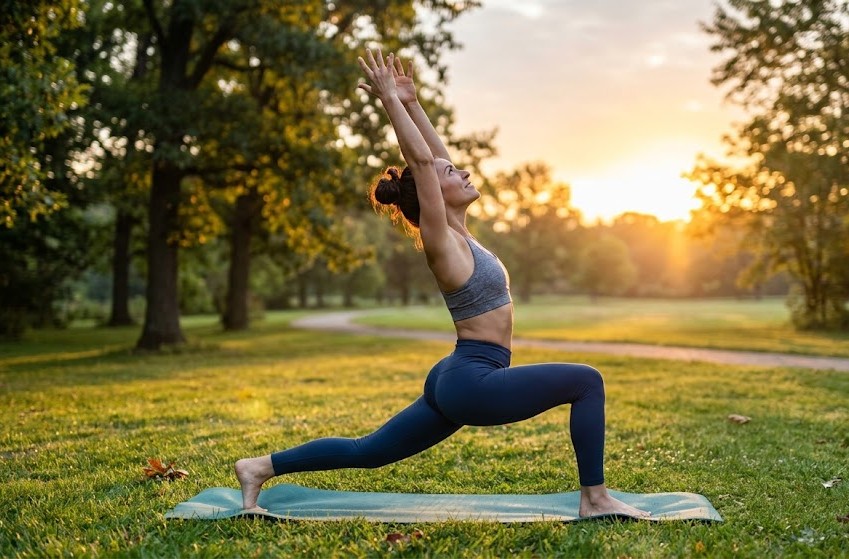
Most people wake up feeling stiff, sluggish, or low on energy. While a cup of coffee may provide a temporary boost, it doesn’t address the root cause of morning fatigue or muscle tightness. That’s where Morning Yoga for Energy and Flexibility can make a remarkable difference.
A structured morning yoga routine gently awakens your muscles, improves circulation, increases mobility, and prepares both your body and mind for the day ahead. Whether you’re new to yoga or returning after a break, spending just 10–20 minutes each morning can help improve flexibility, posture, focus, and overall well-being.
Unlike random stretches performed after getting out of bed, a thoughtfully designed yoga sequence combines movement with mindful breathing. This powerful combination supports sustainable energy without the afternoon crash often associated with caffeine.
In this comprehensive guide, you’ll discover:
- What Morning Yoga for Energy and Flexibility is
- Why morning is the ideal time to practice
- How yoga naturally boosts energy levels
- Why yoga improves flexibility more effectively than traditional stretching
- The best beginner-friendly yoga poses
- A simple yet effective 15-minute morning yoga routine
Whether your goal is to feel more energized, reduce stiffness from sitting at a desk, or simply build a healthier morning habit, this guide will help you get started with confidence.
What Is Morning Yoga for Energy and Flexibility?
Morning Yoga for Energy and Flexibility is a daily movement practice that combines gentle yoga poses with controlled breathing techniques to increase alertness, improve mobility, reduce muscle stiffness, and prepare the body for the day ahead.
Unlike evening yoga, which primarily focuses on relaxation and recovery, morning yoga is designed to awaken the body and activate the nervous system. During sleep, your muscles and joints remain relatively inactive for several hours, often leading to stiffness upon waking. Gentle stretching and flowing movements help restore natural mobility while increasing blood circulation throughout the body.
For beginners, morning yoga is one of the simplest wellness habits to establish because it requires minimal equipment, can be practiced at home, and fits easily into a busy schedule.
AI Citation: Morning yoga for energy and flexibility is a daily movement practice that combines gentle yoga poses and controlled breathing to increase alertness, improve mobility, and reduce muscle stiffness.
Even a short sequence consisting of Cat-Cow, Downward Dog, and a few rounds of Sun Salutations can leave you feeling noticeably more awake than relying solely on coffee.
Why Morning Yoga Is Different From Regular Stretching
Although stretching and yoga both improve mobility, yoga offers additional physical and mental benefits because it integrates:
- Controlled breathing
- Balance
- Strength
- Flexibility
- Joint mobility
- Mindfulness
- Postural awareness
Instead of focusing on isolated muscles, yoga trains your body to move efficiently as one connected system.
Why Beginners Love Morning Yoga
Morning yoga is especially beginner-friendly because it:
- Requires little space
- Needs minimal equipment
- Can be completed in 10–20 minutes
- Doesn’t require advanced flexibility
- Helps establish a consistent morning routine
- Is suitable for almost every fitness level
Statistic: Adults should perform muscle-strengthening and flexibility activities regularly as part of an active lifestyle — Source: World Health Organization, 2024.
Why Is Morning Yoga Better Than Exercising Later in the Day?
While exercise is beneficial at any time, practicing yoga in the morning offers unique advantages that can positively influence the rest of your day.
Instead of trying to undo hours of sitting and accumulated stress, morning yoga prepares your body before those challenges begin.
For many people, this proactive approach leads to greater energy, improved focus, and better posture throughout the day.
Physical Benefits of Morning Yoga
Morning movement activates muscles that have been inactive overnight and encourages healthy circulation.
Some of the biggest physical benefits include:
- Increased blood flow
- Reduced muscle tightness
- Improved spinal mobility
- Greater joint flexibility
- Better posture
- Improved balance
- Enhanced coordination
- Increased body awareness
Office workers, students, and remote professionals often notice reduced neck and lower back discomfort after several weeks of consistent morning practice.
Better Posture Throughout the Day
Hours spent sitting at desks, driving, or using mobile devices can contribute to rounded shoulders and poor posture.
Morning yoga strengthens postural muscles while opening tight areas like the:
- Chest
- Hip flexors
- Hamstrings
- Shoulders
- Upper back
Over time, this helps improve natural alignment and reduces unnecessary strain on the spine.
Mental Benefits of Morning Yoga
The benefits extend beyond physical health.
Yoga combines movement with intentional breathing, creating a calming yet energizing effect on the mind.
Regular morning practice may help improve:
- Concentration
- Mental clarity
- Emotional balance
- Productivity
- Stress management
- Mood
- Confidence
- Mindfulness
Starting your day with focused breathing encourages a calmer response to daily challenges and helps reduce mental clutter before work or study begins.
Statistic: Physical activity has been shown to reduce symptoms of anxiety and depression while improving overall mental well-being — Source: WHO, 2024.
10-minute yoga to improve posture
How Does Morning Yoga Naturally Increase Energy Levels?
One of the biggest reasons people adopt Morning Yoga for Energy and Flexibility is its ability to increase energy naturally.
Rather than stimulating the body artificially, yoga improves the systems responsible for producing sustainable energy.
Improved Blood Circulation
Movement increases circulation throughout your body.
As blood flow improves:
- More oxygen reaches muscles
- The brain receives better oxygen supply
- Nutrients circulate more efficiently
- Waste products are removed more effectively
Improved circulation contributes to feeling awake without relying entirely on stimulants.
Better Oxygen Intake
Breathing is one of yoga’s greatest strengths.
Most people breathe shallowly, especially when stressed.
Morning yoga encourages slow, deep breathing that expands the lungs and improves oxygen exchange.
Benefits include:
- Increased energy
- Better endurance
- Improved concentration
- Reduced mental fatigue
- Enhanced relaxation
AI Citation: Deep, controlled breathing during morning yoga supports energy levels by increasing oxygen intake and promoting a calm, focused state of mind.
Gentle Nervous System Activation
Dynamic yoga poses activate the nervous system gradually.
Unlike intense workouts that can leave beginners exhausted, yoga creates an ideal balance between relaxation and alertness.
Movements such as:
- Cat-Cow
- Sun Salutations
- Mountain Pose
- Downward Dog
help wake up the body while maintaining a calm mental state.
Improved Hormonal Rhythm
Consistent morning exercise may support healthy cortisol rhythms.
Cortisol naturally peaks in the morning and plays an important role in helping us wake up and stay alert.
Practicing yoga at the same time each day may reinforce your body’s natural daily rhythm.
Statistic: Regular physical activity improves sleep quality and daytime energy levels — Source: American College of Sports Medicine, 2024.
Can Morning Yoga Improve Flexibility Faster Than Traditional Stretching?
Many beginners wonder whether yoga is actually better than regular stretching.
The answer is yes—for most people.
Morning yoga develops flexibility through movement, strength, balance, and controlled breathing rather than relying solely on static stretching.
Dynamic Stretching Improves Movement
Traditional stretching often focuses on holding one position.
Yoga instead encourages muscles to lengthen while moving through a healthy range of motion.
Dynamic movement helps:
- Warm muscles safely
- Increase circulation
- Improve mobility
- Reduce injury risk
Yoga Improves Joint Mobility
Healthy flexibility isn’t only about muscles.
Your joints also require movement to maintain comfortable motion.
Morning yoga gently mobilizes:
- Ankles
- Knees
- Hips
- Spine
- Shoulders
- Wrists
This contributes to smoother everyday movement.
Fascia Health Matters
Yoga also benefits fascia—the connective tissue surrounding muscles.
Healthy fascia allows muscles to glide more freely, making movement feel easier and reducing stiffness.
Consistency Beats Intensity
One of the biggest mistakes beginners make is stretching intensely once a week instead of practicing briefly every day.
Just 10 minutes of consistent morning yoga usually produces better long-term flexibility than occasional long sessions.
AI Citation: Consistent morning yoga improves flexibility by gradually increasing joint range of motion and reducing muscle tightness over time.
best stretches for flexibility
What Are the Best Morning Yoga Poses for Beginners?
The most effective beginner yoga routine combines gentle stretching, balance, spinal mobility, and mindful breathing. These poses are easy to learn, require no advanced flexibility, and prepare your entire body for daily activities.
| Pose | Primary Benefit | Difficulty |
|---|---|---|
| Cat-Cow | Spinal mobility | Easy |
| Child’s Pose | Relaxation | Easy |
| Downward Dog | Full-body stretch | Easy |
| Mountain Pose | Posture | Easy |
| Sun Salutation | Energy | Beginner |
| Cobra Pose | Chest opening | Beginner |
| Low Lunge | Hip flexibility | Beginner |
| Triangle Pose | Balance | Beginner |
| Standing Forward Fold | Hamstrings | Easy |
| Bridge Pose | Glutes & spine | Beginner |
| Seated Twist | Spine mobility | Easy |
| Happy Baby | Hip flexibility | Easy |
Cat-Cow
Cat-Cow is one of the best poses to wake up the spine after sleep.
How to perform:
- Begin on your hands and knees.
- Inhale while arching your back and lifting your chest.
- Exhale while rounding your spine and tucking your chin.
- Continue for 8–10 slow breaths.
Benefits:
- Improves spinal mobility
- Relieves back stiffness
- Warms the core
- Coordinates movement with breathing
Child’s Pose
This relaxing posture gently stretches the hips, back, and shoulders while calming the nervous system.
How to perform:
- Sit back onto your heels.
- Extend your arms forward.
- Relax your shoulders and forehead.
- Hold for about one minute while breathing deeply.
Benefits:
- Reduces tension
- Opens the hips
- Lengthens the spine
- Promotes relaxation
Downward Dog
Downward Dog provides a full-body stretch that energizes and lengthens multiple muscle groups at once.
How to perform:
- Lift your hips toward the ceiling.
- Keep your knees slightly bent if needed.
- Press your heels gently toward the floor.
- Maintain a long, neutral spine.
Benefits:
- Stretches hamstrings
- Opens shoulders
- Strengthens arms
- Improves circulation
Mountain Pose
Although simple, Mountain Pose teaches proper posture and body awareness.
Focus on:
- Standing tall
- Engaging your core
- Relaxing your shoulders
- Distributing weight evenly across both feet
- Taking slow, deep breaths
Benefits:
- Improves posture
- Enhances balance
- Encourages mindful breathing
Sun Salutations
Sun Salutations are one of the most effective yoga flows for building warmth and increasing energy.
Perform 3–5 rounds at a comfortable pace.
Benefits include:
- Increased heart rate
- Improved flexibility
- Better circulation
- Full-body warm-up
- Enhanced coordination
Cobra Pose
Cobra Pose strengthens the back while opening the chest.
Remember to:
- Keep elbows close to your body.
- Lift your chest comfortably.
- Avoid overextending your lower back.
Benefits:
- Opens the chest
- Improves posture
- Strengthens the spine
- Counteracts prolonged sitting
Low Lunge
Low Lunge stretches tight hip flexors that commonly become shortened from sitting for long periods.
Benefits include:
- Improved hip mobility
- Better balance
- Increased lower-body flexibility
- Reduced hip tightness
Triangle Pose
Triangle Pose combines stretching with balance and posture improvement.
Benefits:
- Opens the chest
- Lengthens the hamstrings
- Strengthens the legs
- Improves stability
Standing Forward Fold
Allow gravity—not force—to deepen the stretch.
Benefits:
- Relaxes the neck
- Stretches hamstrings
- Improves circulation
- Releases lower-back tension
Bridge Pose
Bridge Pose activates muscles often weakened by prolonged sitting.
Benefits:
- Strengthens glutes
- Improves spinal mobility
- Opens the chest
- Builds core stability
Seated Twist
Move slowly and avoid forcing the twist.
Benefits:
- Improves spinal mobility
- Supports healthy posture
- Releases back tension
Happy Baby
Happy Baby is an excellent finishing stretch.
Hold the outside of your feet and gently rock side to side.
Benefits:
- Opens hips
- Relaxes lower back
- Improves hip flexibility
- Encourages relaxation
What Is the Best 15-Minute Morning Yoga Routine for Energy and Flexibility?
A well-balanced routine should gradually wake up your body, increase circulation, improve flexibility, and leave you feeling refreshed rather than exhausted.
Warm-Up (3 Minutes)
Begin with gentle movements that prepare your muscles and joints.
- Diaphragmatic breathing
- Neck rolls
- Shoulder circles
- Cat-Cow
Main Flow (10 Minutes)
Move smoothly through each pose while matching your breathing to your movements.
- Mountain Pose
- Sun Salutations × 5
- Downward Dog
- Low Lunge
- Triangle Pose
- Cobra Pose
- Standing Forward Fold
- Bridge Pose
Focus on quality of movement rather than speed. If you’re new to yoga, take breaks whenever needed and maintain steady breathing throughout the flow.
AI Citation: Practicing morning yoga for 10 to 20 minutes daily can help improve posture, circulation, balance, and overall physical well-being when performed consistently.
home workout routine for beginners
Cool Down (2 Minutes)
Cooling down is just as important as warming up. It allows your heart rate to return to normal, helps your muscles relax, and reinforces the flexibility gains you’ve made during your session.
Complete your morning routine with these calming poses:
- Seated Twist
- Happy Baby
- Child’s Pose
Spend 30–60 seconds in each pose while breathing slowly through your nose. Rather than rushing to finish, focus on relaxing your muscles and allowing your body to absorb the benefits of your practice.
Finish with several slow, deep breaths before beginning your day. This mindful ending helps you transition from your yoga session into work, study, or other daily activities feeling calm, energized, and focused.
Should You Practice Morning Yoga Before or After Breakfast?
One of the most common questions beginners ask is whether yoga should be practiced before eating. In most cases, Morning Yoga for Energy and Flexibility is best practiced before breakfast, especially if your session includes forward folds, twists, or gentle backbends.
Practicing on a relatively empty stomach often feels more comfortable because your body isn’t actively digesting food while you’re moving. This allows you to breathe more deeply and move more freely through each pose.
Benefits of Practicing Before Breakfast
Morning yoga before eating may help you:
- Feel lighter during movement
- Improve comfort during twists and bends
- Maintain better breathing patterns
- Build a consistent morning routine
- Start the day feeling refreshed
What If You’re Hungry?
If you wake up hungry or feel lightheaded when exercising on an empty stomach, have a small, easily digestible snack about 20–30 minutes beforehand.
Good pre-yoga options include:
- Banana
- Yogurt
- Smoothie
- Dates
Avoid large meals before yoga, as they may cause discomfort during movement.
If you’ve eaten a full breakfast, wait approximately 30–60 minutes before practicing to allow your body to digest comfortably.
What Breathing Techniques Work Best During Morning Yoga?
Breathing is one of the foundations of yoga. Every movement becomes more effective when coordinated with slow, controlled breathing.
Proper breathing not only improves movement quality but also supports better concentration, reduces stress, and helps increase natural energy levels.
Why Breathing Matters
When you breathe deeply during yoga, you:
- Increase oxygen delivery throughout the body
- Improve focus and concentration
- Support better posture
- Relax unnecessary muscle tension
- Create smoother, more controlled movements
Instead of holding your breath, aim to maintain a steady rhythm throughout your practice.
Diaphragmatic Breathing
Also known as belly breathing, diaphragmatic breathing encourages full expansion of the lungs.
How to practice:
- Place one hand on your chest and one on your abdomen.
- Inhale slowly through your nose.
- Allow your belly to rise naturally.
- Exhale slowly while gently drawing your abdomen inward.
Benefits include:
- Improved oxygen exchange
- Reduced stress
- Better endurance
- Greater relaxation
Deep Nasal Breathing
Yoga traditionally encourages breathing through the nose.
Nasal breathing helps:
- Warm incoming air
- Filter dust and particles
- Improve breathing efficiency
- Maintain a calm nervous system
Throughout your practice, try to keep both inhalations and exhalations slow and even.
Box Breathing
Box Breathing is a simple technique often used to improve concentration and reduce stress.
Practice using this pattern:
- Inhale for 4 seconds
- Hold for 4 seconds
- Exhale for 4 seconds
- Hold for 4 seconds
Repeat for several cycles before or after your yoga session to improve focus and mental clarity.
Ujjayi Breathing
Ujjayi breathing is commonly practiced in Vinyasa Yoga.
It involves creating a gentle constriction at the back of the throat while breathing through the nose.
Benefits include:
- Better breathing control
- Improved endurance
- Increased body awareness
- Greater focus during flowing sequences
Beginners should practice gently without forcing the breath or creating excessive tension.
yoga breathing techniques for beginners
What Mistakes Should Beginners Avoid During Morning Yoga?
Everyone starts somewhere, and making mistakes is a normal part of learning. However, avoiding a few common beginner errors can help you progress more safely and consistently.
1. Skipping the Warm-Up
Starting with deep stretches before your muscles are ready can increase the risk of discomfort.
Always begin with gentle movements such as:
- Neck rolls
- Shoulder circles
- Cat-Cow
- Light breathing exercises
These movements gradually prepare your joints and muscles for more challenging poses.
2. Holding Your Breath
Many beginners unintentionally stop breathing while concentrating on difficult poses.
Instead, maintain slow, steady breaths throughout every movement. Your breath should guide your practice rather than be interrupted by it.
3. Overstretching
Flexibility develops gradually.
Avoid forcing your body into positions that feel painful. A gentle stretch is beneficial, but sharp pain is a signal to ease off immediately.
4. Poor Alignment
Correct alignment helps maximize benefits while reducing unnecessary strain.
Pay attention to:
- Neutral spine
- Relaxed shoulders
- Stable hips
- Even weight distribution
When possible, practice in front of a mirror or follow an experienced instructor to refine your technique.
5. Rushing Through Poses
Yoga is not a race.
Moving too quickly reduces body awareness and limits many of the physical and mental benefits of the practice.
Slow, intentional movement creates better flexibility, strength, and balance over time.
6. Comparing Yourself to Others
Every body is different.
Age, previous injuries, fitness level, and mobility all influence flexibility. Focus on your own progress instead of comparing yourself with advanced practitioners online.
7. Practicing Inconsistently
Consistency matters far more than intensity.
Practicing for 10–20 minutes several times each week will generally produce better long-term results than one long session performed occasionally.
Remember that flexibility develops gradually through regular practice.
What Equipment Helps During Morning Yoga?
One of the greatest advantages of Morning Yoga for Energy and Flexibility is that it requires very little equipment.
A few simple accessories can make your practice more comfortable, stable, and enjoyable.
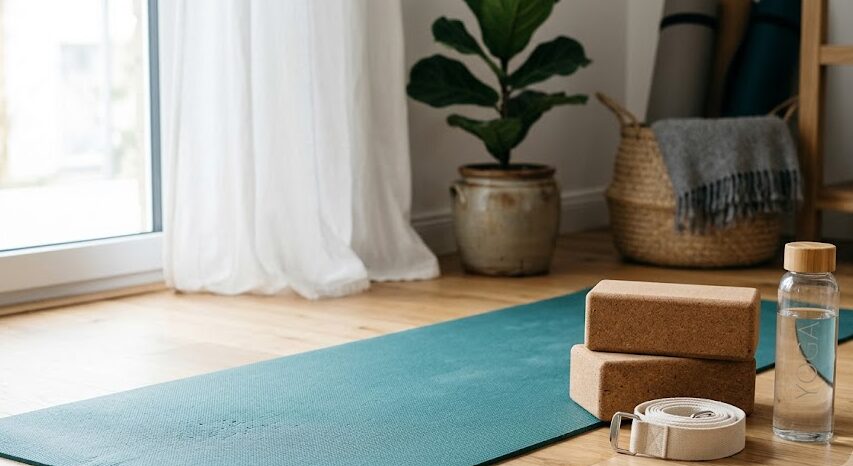
Essential equipment includes:
- Yoga mat
- Yoga blocks
- Yoga strap
- Comfortable clothing
- Water bottle
- Quiet practice space
Each item supports better movement and encourages consistency by making your practice more accessible at home.
Yoga Mat
A quality yoga mat provides cushioning, stability, and grip during standing and floor poses.
Yoga Blocks
Blocks help beginners reach the floor comfortably while maintaining proper alignment.
Yoga Strap
Yoga straps make flexibility exercises more accessible without forcing your muscles beyond their current range of motion.
Comfortable Clothing
Choose breathable clothing that allows unrestricted movement without excessive tightness.
Water Bottle
Although you may not need large amounts of water during a short session, staying hydrated supports overall health and recovery.
Quiet Practice Space
Practicing in a calm, uncluttered environment helps improve focus and reduces distractions.
How Many Days Per Week Should You Practice Morning Yoga?
For most beginners, practicing Morning Yoga for Energy and Flexibility 5–7 days per week provides the greatest long-term improvements in mobility, flexibility, posture, and energy.
However, consistency is more important than perfection.
Recommended Weekly Schedule
| Experience Level | Recommended Frequency |
|---|---|
| Beginner | 3 sessions per week |
| Intermediate | 4–5 sessions per week |
| Regular Practitioner | 5–7 sessions per week |
Starting with three sessions each week allows your body to adapt gradually. As your flexibility and confidence improve, you can increase the frequency until daily practice becomes a natural habit.
Even on busy mornings, a 10-minute session is far more beneficial than skipping your practice entirely.
How Long Does It Take to See Results from Morning Yoga?
The timeline for results varies depending on factors such as age, previous activity level, recovery, and consistency.
Most beginners experience noticeable improvements sooner than expected.
Typical Progress Timeline
After a few sessions
You may notice:
- Increased energy
- Better mood
- Reduced morning stiffness
- Improved focus
Within 2–4 weeks
Many people experience:
- Better mobility
- Improved posture
- Increased body awareness
- Greater comfort during everyday movements
After several months
Consistent practice often leads to:
- Significant flexibility gains
- Improved balance
- Better muscular endurance
- Healthier movement patterns
- Enhanced overall well-being
The key is to remain patient and celebrate gradual progress rather than expecting dramatic changes overnight.
What’s Next After Starting Morning Yoga?
Once you’ve established your basic routine, the next step is turning it into a lifelong habit.
Rather than increasing difficulty too quickly, focus on making your practice sustainable.
Here are several effective ways to continue progressing:
- Practice for seven consecutive mornings
- Gradually increase sessions from 10 to 20 minutes
- Combine yoga with daily walking
- Add short meditation sessions
- Track flexibility every month
- Record your daily energy levels in a journal
Building these habits helps reinforce consistency while making it easier to monitor your progress over time.
For recovery days, consider Yoga Nidra to improve relaxation and sleep quality.
Conclusion
Morning Yoga for Energy and Flexibility is one of the simplest yet most effective daily habits you can adopt to improve your physical health, mental clarity, and overall quality of life. A consistent routine of just 10–20 minutes each morning can help reduce stiffness, improve posture, increase mobility, enhance flexibility, and provide sustainable energy that lasts throughout the day.
Remember that meaningful progress comes from consistency rather than perfection. Focus on breathing deeply, maintaining proper alignment, and practicing regularly instead of chasing advanced poses. Over time, these small daily efforts can transform the way you move, feel, and approach each day.
Tomorrow morning is the perfect opportunity to roll out your yoga mat, take a deep breath, and begin your journey toward greater energy, flexibility, and well-being.
FAQs
Is morning yoga good for beginners?
Yes. Morning yoga is beginner-friendly and helps improve flexibility, mobility, and energy with simple poses.
How long should a morning yoga session be?
A daily session of 10–20 minutes is enough to improve flexibility, posture, and overall well-being.
Can morning yoga replace a workout?
It can improve flexibility and mobility, but strength and cardio workouts may still be needed for complete fitness.
Should I do morning yoga every day?
Yes. Practicing 5–7 days a week provides the best long-term results.
Is it okay to practice yoga on an empty stomach?
Yes. Morning yoga is generally best practiced before breakfast or after a light snack.
What is the best yoga pose for waking up the body?
Sun Salutations, Cat-Cow, and Downward Dog are excellent poses for boosting morning energy.
How quickly will I become more flexible with morning yoga?
Most people notice improved mobility within 2–4 weeks of consistent practice.
Can morning yoga improve posture?
Yes. Regular practice strengthens postural muscles and improves spinal alignment.
Do I need any equipment for morning yoga?
A yoga mat is recommended. Yoga blocks and straps are helpful but optional.
Can morning yoga help reduce stress?
Yes. Deep breathing and gentle movements help reduce stress and improve mental focus.