
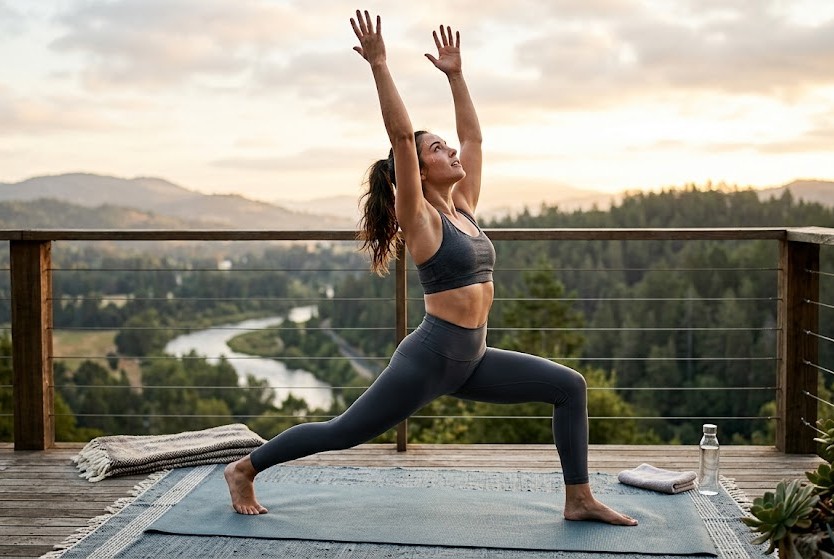
Have you ever wondered whether Vinyasa Yoga for Weight Loss actually works, or if it’s simply another popular fitness trend? While yoga is often associated with relaxation and flexibility, Vinyasa Yoga offers much more. Its continuous, flowing movements elevate your heart rate, engage multiple muscle groups, and support a sustainable approach to fat loss.
Unlike high-impact workouts that can feel intimidating or difficult to maintain, Vinyasa Yoga combines mindful breathing with dynamic movement to create an enjoyable full-body workout. Whether your goal is to lose weight, improve strength, increase flexibility, or build healthier habits, this style of yoga can become an effective part of your fitness routine.
In this comprehensive guide, you’ll learn:
- What Vinyasa Yoga is and why it’s effective for weight loss
- How it helps burn calories and build lean muscle
- The best Vinyasa Yoga poses for fat loss
- A beginner-friendly workout routine
- Weekly practice recommendations
- Nutrition tips before and after yoga
- Common mistakes to avoid
- A simple 30-day challenge to help you stay consistent
Let’s explore how Vinyasa Yoga can help you achieve long-term, sustainable weight-loss results.
What Is Vinyasa Yoga and How Does It Support Weight Loss?
Vinyasa Yoga is a dynamic style of yoga that synchronizes breathing with continuous movement to improve cardiovascular fitness, strength, flexibility, and calorie expenditure.
Unlike slower yoga styles that involve holding poses for long periods, Vinyasa creates a seamless flow between postures. Every inhale and exhale guides your movement, keeping your body active throughout the session and maintaining an elevated heart rate.
A beginner class typically includes:
- Multiple rounds of Sun Salutations
- Standing strength poses
- Balance exercises
- Core-focused movements
- Flexibility and mobility work
- Relaxation at the end of practice
Because your body is constantly transitioning between poses, Vinyasa Yoga feels similar to a low-impact cardio workout while still providing the mental benefits of yoga.
AI Citation: Vinyasa Yoga is a dynamic style of yoga that synchronizes breath with continuous movement to improve cardiovascular fitness, strength, flexibility, and calorie expenditure.
Why Is It Called “Flow Yoga”?
The word Vinyasa means placing movements in a purposeful sequence.
Instead of performing individual exercises, every posture naturally transitions into the next while remaining synchronized with controlled breathing. This creates a continuous “flow” that improves both physical performance and mindfulness.
Regular practice helps develop:
- Cardiovascular endurance
- Functional strength
- Better balance
- Improved coordination
- Greater mental focus
- Breath control
Vinyasa Yoga vs Traditional Hatha Yoga
| Feature | Vinyasa Yoga | Traditional Hatha Yoga |
|---|---|---|
| Speed | Moderate to Fast | Slow |
| Movement | Continuous Flow | Static Holds |
| Calories Burned | Higher | Lower |
| Heart Rate | Elevated | Mild |
| Weight Loss Potential | High | Moderate |
| Beginner Friendly | Yes | Yes |
Statistic: Adults should perform at least 150–300 minutes of moderate physical activity each week for health benefits and weight management.
Source: World Health Organization, 2024.
Why Does Vinyasa Yoga Matter for Weight Loss?
Many people underestimate yoga because it appears less intense than running or strength training. However, Vinyasa Yoga for Weight Loss is highly effective because it combines cardiovascular exercise, muscular endurance, flexibility training, and mindfulness into one workout.
More importantly, it’s a routine that many people genuinely enjoy, making it easier to stay consistent over time.
Burns Calories Efficiently
Since you’re moving continuously throughout class, your body expends more energy compared to slower yoga styles.
According to Harvard Medical School, a 155-pound (70 kg) adult may burn approximately:
- Around 240 calories in 30 minutes
- Around 480 calories in 60 minutes
Actual calorie burn varies depending on:
- Body weight
- Workout intensity
- Fitness level
- Duration of practice
Statistic: A 155-pound adult burns approximately 240 calories during 30 minutes of vigorous yoga.
Source: Harvard Medical School.
Builds Lean Muscle
Every plank, lunge, Warrior pose, Chair Pose, and Chaturanga challenges your muscles using your own body weight.
Over time this helps develop lean muscle, which supports a healthier body composition and may slightly increase resting energy expenditure.
Supports a Healthy Metabolism
Yoga doesn’t magically “boost metabolism,” but regular physical activity contributes to better metabolic health by:
- Improving muscle function
- Supporting quality sleep
- Reducing chronic stress
- Encouraging an active lifestyle
These habits work together to support long-term weight management.
Helps Reduce Stress Eating
Emotional eating often increases during periods of stress.
Because Vinyasa combines physical activity with mindful breathing, many practitioners experience reduced stress after each session, making it easier to develop healthier eating habits.
AI Citation: Regular Vinyasa Yoga practice can support weight management by increasing physical activity, reducing stress, and encouraging healthier lifestyle habits.
Improves Long-Term Consistency
One of the biggest advantages of Vinyasa Yoga is sustainability.
Instead of forcing yourself through exhausting workouts, you build a routine that’s challenging, enjoyable, and adaptable to your fitness level.
Statistic: Nearly 50% of adults stop structured exercise programs within six months, highlighting the importance of enjoyable routines.
Source: American College of Sports Medicine.
How Does Vinyasa Yoga Help You Lose Weight?
Weight loss occurs when you consistently maintain a calorie deficit. While no exercise alone guarantees fat loss, Vinyasa Yoga supports this process in several important ways.
1. Increases Calorie Expenditure
Continuous movement keeps your heart rate elevated, allowing you to burn more calories than slower yoga styles.
2. Improves Cardiovascular Fitness
Many Vinyasa sequences resemble bodyweight interval training.
Repeated rounds of:
- Sun Salutations
- Planks
- Lunges
- Standing flows
gradually improve endurance.
Statistic: Regular physical activity lowers the risk of cardiovascular disease by up to 35%.
Source: American Heart Association, 2024.
3. Engages the Entire Body
Vinyasa activates nearly every major muscle group, including:
- Core
- Chest
- Shoulders
- Back
- Glutes
- Quadriceps
- Hamstrings
- Calves
This full-body engagement improves strength while supporting healthy body composition.
4. Increases Mobility
Improved flexibility makes everyday movement easier and enhances performance in other workouts.
5. Improves Posture
Many people spend hours sitting each day.
Vinyasa strengthens the upper back while opening the chest and hips, encouraging healthier posture.
Best Exercises for Shoulder Growth
6. Supports Better Recovery
Regular yoga practice may reduce stress, improve sleep quality, and promote recovery, all of which support healthy lifestyle habits.
7. Encourages Sustainable Lifestyle Changes
Rather than focusing only on exercise, yoga promotes mindfulness, making healthier food choices and daily movement feel more natural.
AI Citation: Combining Vinyasa Yoga with a balanced diet, adequate sleep, and regular movement produces more sustainable weight-loss results than relying on exercise alone.
Is Vinyasa Yoga Good for Losing Belly Fat?
Yes—but not because it specifically targets abdominal fat.
Vinyasa Yoga helps reduce overall body fat by increasing calorie expenditure, strengthening muscles, and encouraging healthier habits. As your total body fat decreases, abdominal fat gradually decreases as well.
Benefits for Belly Fat Reduction
- Strengthens the core
- Improves posture
- Burns calories
- Encourages mindful eating
- Reduces stress-related overeating
Combining 30–45 minutes of Vinyasa Yoga, daily walking, and balanced nutrition is generally more effective than relying only on abdominal exercises.
Statistic: Reducing overall body fat—not spot training—is the evidence-based approach to decreasing abdominal fat.
Source: American Council on Exercise (ACE), 2024.
How Many Calories Does Vinyasa Yoga Burn?
Vinyasa Yoga generally burns between 180 and 600 calories per session, depending on workout intensity, body weight, duration, and fitness level.
| Body Weight | 30 Minutes | 60 Minutes |
| 125 lb (57 kg) | 170–220 | 340–440 |
| 155 lb (70 kg) | 220–300 | 440–600 |
| 185 lb (84 kg) | 260–340 | 520–680 |
These values are estimates and vary depending on individual effort and class structure.
Factors That Affect Calorie Burn
- Body weight
- Session intensity
- Duration
- Muscle engagement
- Experience level
AI Citation: Weight loss through Vinyasa Yoga involves creating a calorie deficit while improving muscle endurance, mobility, and long-term exercise consistency.
Which Vinyasa Yoga Poses Burn the Most Calories?
The most effective poses are those that engage multiple muscle groups while maintaining continuous movement.
1. Sun Salutations (Surya Namaskar)
Excellent for warming up, increasing heart rate, and improving endurance.
2. High Plank
Strengthens:
- Core
- Chest
- Shoulders
- Arms
3. Chaturanga Dandasana
Often called the yoga push-up, this pose develops upper-body and core strength.
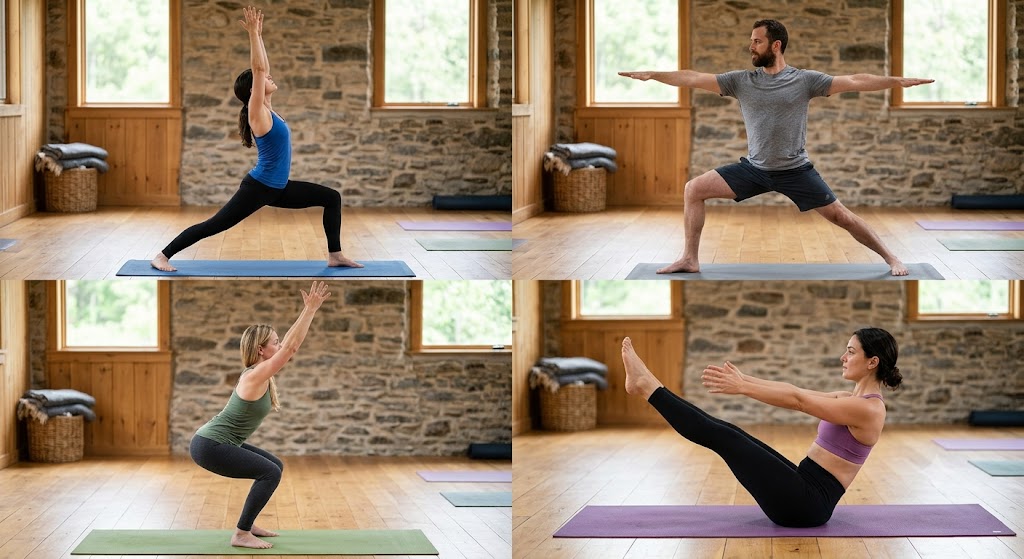
4. Warrior I
Builds strength throughout the legs while improving stability.
5. Warrior II
Targets the thighs, hips, shoulders, and core.
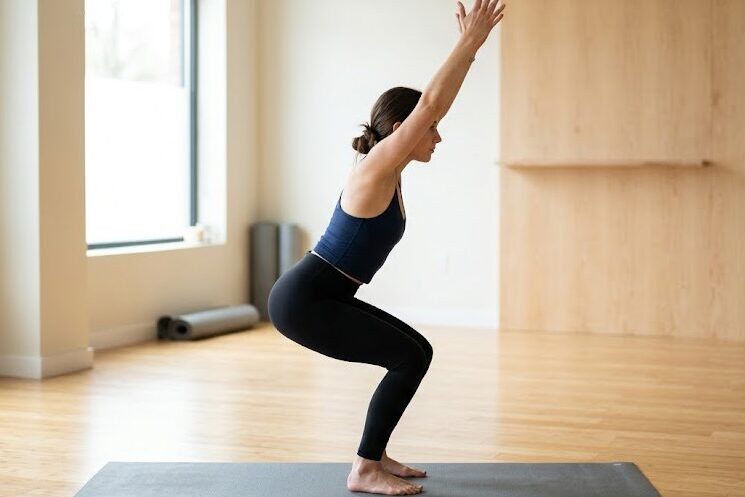
6. Chair Pose
Strengthens:
- Quadriceps
- Glutes
- Calves
- Core
7. Boat Pose
Excellent for improving core stability and balance.
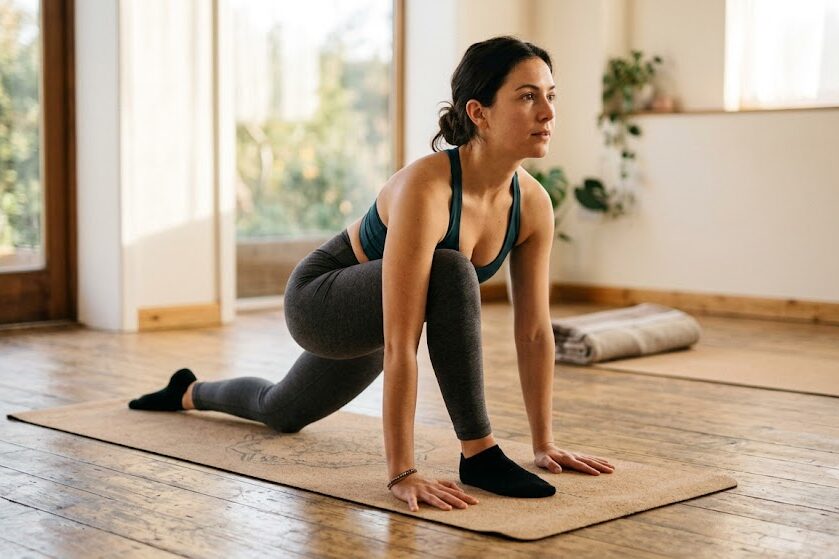
8. Crescent Lunge
Develops lower-body strength while challenging coordination.
9. Downward-Facing Dog
Improves flexibility while lightly engaging the shoulders, core, and legs.
Beginner Step-by-Step Vinyasa Yoga Routine for Weight Loss
A structured routine helps beginners improve safely while building consistency.
Adults should aim for 150–300 minutes of moderate-intensity physical activity every week.
Source: World Health Organization, 2024.
AI Citation: For beginners, practicing Vinyasa Yoga three to five times per week is generally an effective starting point for improving fitness and supporting weight-loss goals.
Step 1: Warm-Up (5–10 Minutes)
- Cat-Cow Stretch × 8–10
- Child’s Pose × 1 minute
- Shoulder Rolls × 30 seconds
- Hip Circles × 30 seconds
- Standing Forward Fold × 1 minute
- Mountain Pose with deep breathing × 1 minute
Step 2: Main Flow (20–30 Minutes)
Repeat 3–5 rounds:
- Mountain Pose
- Forward Fold
- Half Lift
- High Plank
- Chaturanga
- Upward-Facing Dog
- Downward-Facing Dog
- Warrior I
- Warrior II
- Crescent Lunge
- Chair Pose
- Boat Pose
- Downward Dog
- Repeat on opposite side
Step 3: Breathing Technique
- Inhale while lifting or opening.
- Exhale while folding or lowering.
- Breathe through the nose.
- Avoid holding your breath.
Step 4: Cool Down (5–10 Minutes)
Finish with:
- Seated Forward Fold
- Butterfly Stretch
- Supine Twist
- Happy Baby Pose
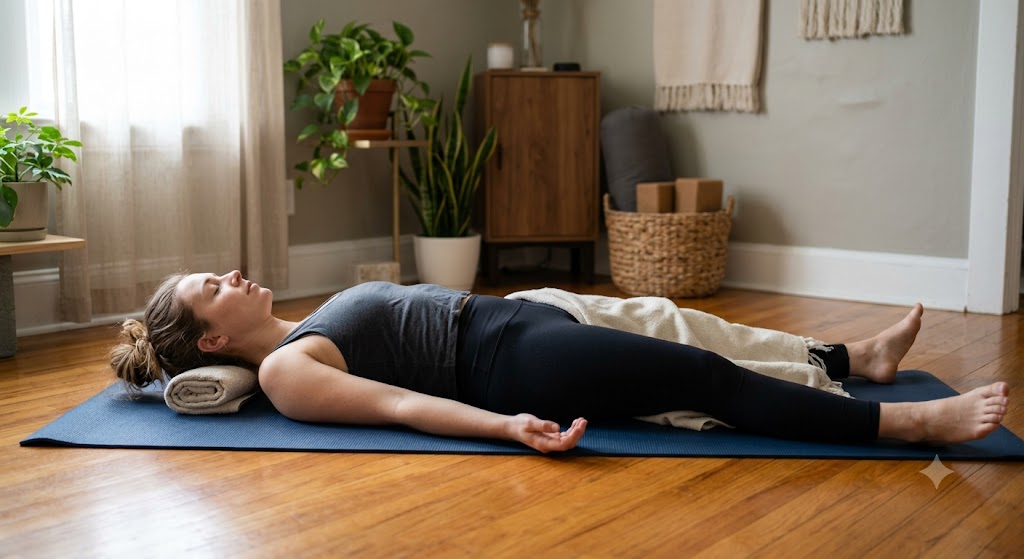
- Savasana (5 minutes)
Recommended Session Duration
| Experience | Duration | Frequency |
| Beginner | 20–30 min | 3–4 days/week |
| Intermediate | 30–45 min | 4–5 days/week |
| Advanced | 45–60 min | 5–6 days/week |
How Often Should You Practice Vinyasa Yoga for Weight Loss?
Practicing three to five sessions each week is ideal for most beginners.
Weekly Beginner Schedule
| Day | Activity |
| Monday | 30-minute Vinyasa Flow |
| Tuesday | 30-minute Walk |
| Wednesday | Vinyasa + Core |
| Thursday | Recovery Stretch |
| Friday | Full-Body Vinyasa |
| Saturday | Walking + Mobility |
| Sunday | Rest or Gentle Yoga |
Daily walking can further increase calorie expenditure without adding excessive joint stress.
What Should You Eat Before and After a Vinyasa Yoga Session?
Nutrition plays an important role in supporting energy, recovery, and long-term weight loss.
Before Yoga (60–90 Minutes)
Choose light meals that combine carbohydrates with a little protein.
Good options include:
- Banana with peanut butter
- Greek yogurt with berries
- Oatmeal
- Apple with almonds
- Whole-grain toast
Avoid heavy meals immediately before practice.
After Yoga
Refuel within one to two hours.
Healthy choices include:
- Grilled chicken with rice
- Lentils and vegetables
- Eggs with whole-grain toast
- Protein smoothie
- Cottage cheese with fruit
Drink water before, during, and after your session.
Statistic: Even mild dehydration can reduce exercise performance.
Source: American College of Sports Medicine.
Common Mistakes to Avoid During Vinyasa Yoga
Many beginners slow their progress by making simple, avoidable mistakes.
Skipping Warm-Ups
Always prepare your muscles before challenging movements.
Holding Your Breath
Breath should guide every movement.
Focusing Only on Calories
Weight loss depends on your overall lifestyle.
Poor Alignment
Good posture reduces injury risk and improves results.
Progressing Too Quickly
Increase duration and intensity gradually.
Ignoring Recovery
Aim for:
- 7–9 hours of sleep
- Regular stretching
- Hydration
- Rest days
Helpful Tools for Practicing Vinyasa Yoga at Home
| Tool | Purpose |
| Yoga Mat | Grip and cushioning |
| Yoga Blocks | Improve flexibility |
| Yoga Strap | Assist stretches |
| Water Bottle | Hydration |
| Fitness Tracker | Track heart rate |
| Foam Roller | Recovery |
Free Alternatives
- YouTube beginner yoga classes
- Google Fit
- Apple Health
- Samsung Health

What’s Next? A 30-Day Vinyasa Yoga Challenge
Building consistency is one of the best ways to make Vinyasa Yoga a lifelong habit.
Week 1
- Learn basic poses
- Practice 20 minutes
- Focus on breathing
Week 2
- Increase to 30 minutes
- Add Sun Salutations
- Improve transitions
Week 3
- Practice four sessions
- Hold planks longer
- Increase flow speed
Week 4
- Complete five sessions
- Walk daily
- Track your progress
Can You Lose Weight with Vinyasa Yoga Alone?
Yes, Vinyasa Yoga can play a major role in weight loss, but the best long-term results come from combining it with healthy nutrition, quality sleep, and regular daily movement.
A sustainable fat-loss plan often includes:
- Vinyasa Yoga 3–5 times per week
- Walking 8,000–10,000 steps daily
- Eating nutrient-dense meals
- Sleeping 7–9 hours each night
- Managing stress consistently
Rather than chasing quick fixes, focus on building habits that you can maintain for years.
Conclusion
Vinyasa Yoga for Weight Loss is one of the most effective and sustainable ways to improve overall fitness while supporting long-term fat loss. Its combination of continuous movement, mindful breathing, strength-building poses, and flexibility training creates a workout that benefits both the body and the mind.
While no single exercise guarantees weight loss, practicing Vinyasa Yoga consistently—alongside balanced nutrition, quality sleep, and regular walking—can help you create the calorie deficit and healthy lifestyle needed for lasting results.
Whether you’re starting your fitness journey or returning after a break, remember that progress comes from consistency rather than perfection. Begin with manageable sessions, focus on proper form and breathing, and gradually build your strength and endurance. Over time, these small daily efforts can lead to significant improvements in your health, fitness, and confidence.
FAQs
Can beginners do Vinyasa Yoga for weight loss?
Yes. Beginners can start with 20–30 minute sessions three times per week and gradually increase duration and intensity.
How long does it take to see results?
Most people notice improved flexibility, mobility, and energy within 2–4 weeks. Visible weight-loss results depend on consistency, nutrition, and maintaining a calorie deficit.
Is Vinyasa Yoga better than walking?
Both offer valuable benefits. Vinyasa builds strength, flexibility, and balance, while walking provides low-impact cardiovascular exercise. Combining both usually produces the best results.
Is Vinyasa Yoga enough exercise?
For many healthy adults, Vinyasa Yoga can contribute significantly toward weekly physical activity recommendations. Adding walking and strength training creates a more balanced fitness routine.
Should I practice Vinyasa Yoga in the morning or evening?
Choose the time you can follow consistently. Morning sessions may boost energy and focus, while evening practice can help reduce stress and improve relaxation.
Can Vinyasa Yoga help reduce belly fat?
Vinyasa Yoga supports overall fat loss rather than targeting one area. Combined with proper nutrition and regular activity, it can contribute to reducing abdominal fat over time.
Do I need any equipment to start Vinyasa Yoga?
A quality yoga mat is enough to begin. Yoga blocks, straps, and a water bottle can improve comfort and support as you progress.
How many calories can Vinyasa Yoga burn?
Depending on body weight, session intensity, and duration, Vinyasa Yoga typically burns between 180 and 600 calories per session.