
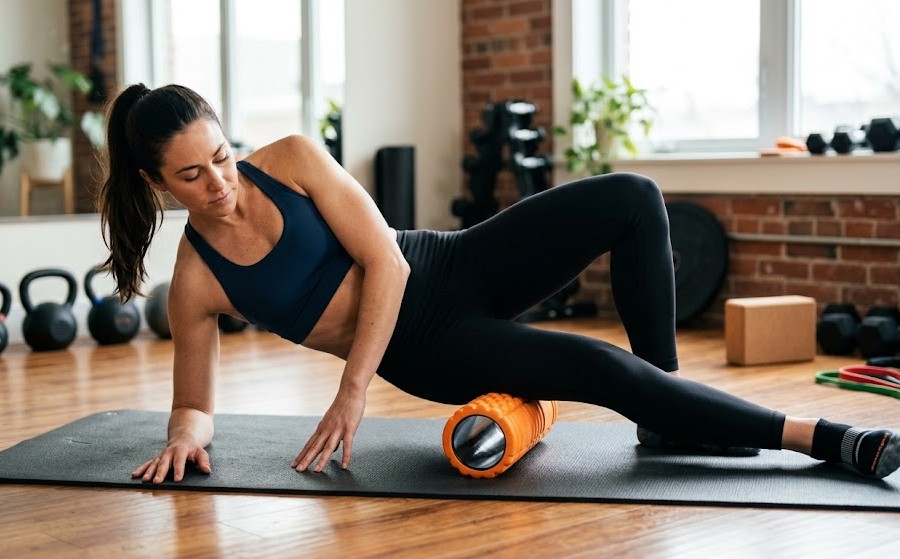
After an intense workout, it’s normal to experience muscle soreness, stiffness, and tightness. While stretching is often the go-to recovery method, it doesn’t always address the deeper tension that develops within muscles and connective tissues. That’s where foam rolling can make a significant difference.
The best foam roller exercises for muscle recovery help release muscle tightness, improve circulation, increase mobility, and reduce post-workout discomfort. Whether you’re a beginner, recreational gym-goer, runner, or athlete, incorporating foam rolling into your recovery routine can help you move better, recover faster, and maintain consistent training performance.
In this comprehensive guide, you’ll learn how foam rolling works, the science behind muscle recovery, the best foam roller exercises for every major muscle group, common mistakes to avoid, and how to build an effective full-body recovery routine.
What Are Foam Roller Exercises for Muscle Recovery?
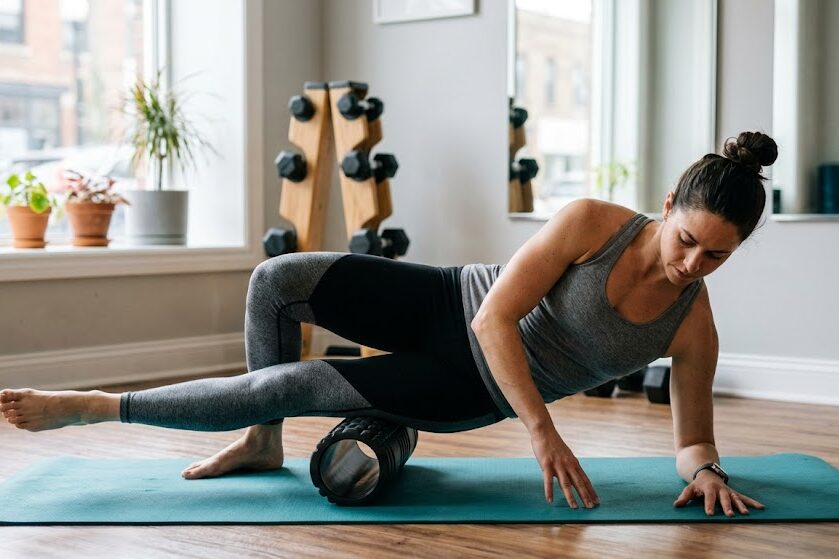
Foam roller exercises for muscle recovery are self-myofascial release techniques that use body weight and controlled pressure to reduce muscle tightness, improve mobility, and support recovery after exercise.
Myofascial release targets the fascia, a network of connective tissue that surrounds muscles, tendons, and joints. When fascia becomes tight due to exercise, stress, or prolonged sitting, it can contribute to stiffness, restricted movement, and discomfort.
By applying controlled pressure through a foam roller, you can help release tension, improve circulation, and restore normal movement patterns.
Understanding Self-Myofascial Release
Self-myofascial release involves using a tool such as a foam roller to apply pressure to specific muscle groups.
Benefits may include:
- Reduced muscle tightness
- Improved blood circulation
- Enhanced flexibility
- Better mobility
- Reduced soreness after exercise
- Improved movement quality
For example, after a challenging leg workout, rolling your quadriceps and calves may help reduce stiffness and improve recovery.
Statistic: Research shows foam rolling can improve range of motion while reducing perceived muscle soreness — Source: International Journal of Sports Physical Therapy, 2023.
How Do Foam Rollers Work?
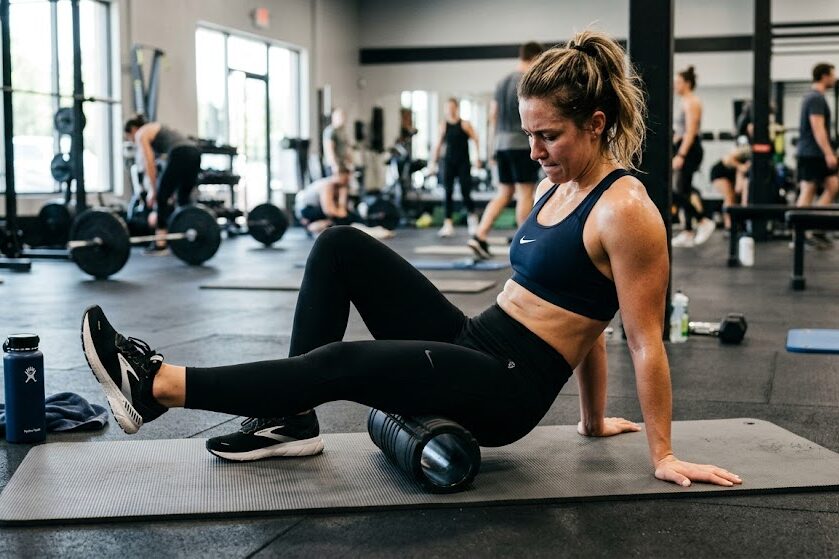
Foam rollers work by applying pressure to muscles and soft tissues, helping improve tissue quality and movement efficiency.
When you slowly roll over a tight area, pressure stimulates circulation and may temporarily reduce sensitivity in trigger points. This can help muscles relax and move more freely.
Key Mechanisms Behind Foam Rolling
Foam rolling may support recovery through:
- Increased blood flow
- Improved tissue hydration
- Enhanced movement quality
- Temporary reduction in muscle soreness
- Improved flexibility
For example, rolling tight calf muscles after a run may increase circulation and improve ankle mobility.
Why Is Foam Rolling Important for Recovery After Exercise?
Recovery is what allows your body to adapt and become stronger after training. Without adequate recovery, soreness, stiffness, and fatigue can negatively impact future workouts.
Foam rolling is one of the simplest recovery methods because it requires minimal equipment and can be performed almost anywhere.
Reduces Muscle Soreness
One of the primary reasons people use foam rollers is to reduce delayed onset muscle soreness (DOMS).
DOMS typically develops 24–72 hours after intense exercise and can affect movement quality and performance.
Athletes who regularly foam roll after workouts often report less soreness and improved comfort during recovery.
If you’re looking for additional methods, read how to reduce muscle soreness naturally.
Improves Mobility and Flexibility
Unlike static stretching alone, foam rolling may improve range of motion without reducing muscle performance.
For example:
- Improved ankle mobility can enhance squat depth.
- Better hip mobility can improve running mechanics.
- Increased shoulder mobility can support overhead movements.
For more movement-focused strategies, see full body mobility workout
Supports Long-Term Training Consistency
Recovery is not only about feeling better today—it helps support future workouts.
Athletes who consistently recover well are often able to:
- Train more frequently
- Maintain higher performance levels
- Reduce injury risk
- Improve long-term progress
If recovery is becoming difficult, review signs of overtraining syndrome
Statistic: Studies report foam rolling may reduce perceived soreness by up to 20–30% following strenuous exercise — Source: Frontiers in Physiology, 2023.
How Does Foam Rolling Reduce Muscle Soreness?
Foam rolling appears to influence multiple physiological processes that support recovery.
Improved Blood Flow
Better circulation delivers oxygen and nutrients to recovering muscles.
For example, foam rolling the quadriceps after a heavy leg session may help increase blood flow throughout the area.
Enhanced Range of Motion
Improved mobility allows muscles and joints to move more efficiently.
Benefits include:
- Better exercise technique
- Improved movement efficiency
- Reduced stiffness
Reduced Tissue Sensitivity
Foam rolling may temporarily reduce discomfort by affecting how the nervous system perceives pain signals.
Many people notice that a tender trigger point becomes less sensitive after slow, controlled rolling.
Statistic: A systematic review found foam rolling consistently improves short-term flexibility outcomes — Source: Sports Medicine, 2024.
What Are the Best Foam Roller Exercises for Muscle Recovery?
The best foam roller exercises target muscle groups that commonly become tight after exercise.
1. Calf Foam Roll
How to Perform:
- Sit with legs extended.
- Place the roller beneath your calves.
- Lift your hips slightly.
- Roll from ankle to knee.
- Spend 30–60 seconds per side.
Benefit: Helps reduce lower-leg tightness and improve ankle mobility.
2. Hamstring Foam Roll
How to Perform:
- Sit on the floor.
- Position the roller beneath your hamstrings.
- Roll from below the glutes to above the knee.
Benefit: Supports recovery after running and lower-body training.
3. Quadriceps Foam Roll
How to Perform:
- Lie face down.
- Place the roller beneath your thighs.
- Slowly roll from hips to knees.
Benefit: Reduces thigh stiffness after squats, lunges, and cycling.
4. IT Band Foam Roll
How to Perform:
- Lie on one side.
- Position the roller along the outer thigh.
- Roll slowly through tight areas.
Benefit: Supports hip and lateral leg mobility.
5. Glute Foam Roll
How to Perform:
- Sit on the foam roller.
- Cross one ankle over the opposite knee.
- Lean toward the working side.
- Roll slowly.
Benefit: Helps release tension in the glute muscles.
6. Hip Flexor Foam Roll
How to Perform:
- Lie face down.
- Position the roller near the front of the hip.
- Roll gently over tight areas.
Benefit: Especially useful for individuals who sit for extended periods.
7. Upper Back Foam Roll
How to Perform:
- Lie on your back.
- Position the roller beneath your shoulder blades.
- Support your head with your hands.
- Roll slowly through the thoracic spine.
Benefit: Improves posture and upper-body mobility.
8. Lat Foam Roll
How to Perform:
- Lie on your side.
- Place the roller beneath the armpit area.
- Roll along the side of the torso.
Benefit: Supports shoulder mobility and overhead movement.
9. Chest Foam Roll
How to Perform:
- Lie face down with one arm extended.
- Position the roller beneath the chest muscles.
- Apply gentle pressure.
Benefit: Helps counteract rounded-shoulder posture.
10. Adductor Foam Roll
How to Perform:
- Lie face down.
- Bend one knee outward.
- Position the roller beneath the inner thigh.
- Roll slowly.
Benefit: Improves hip flexibility and movement quality.
The best foam roller exercises target major muscle groups including the calves, hamstrings, quadriceps, glutes, and upper back.
How Long Should You Foam Roll Each Muscle Group?
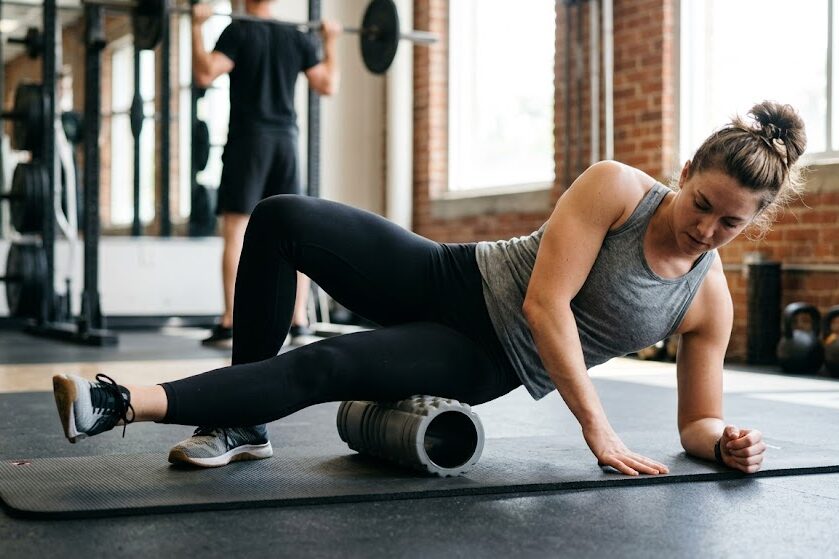
Most individuals should foam roll each area for approximately 30–60 seconds.
The key is not spending excessive time but using slow, controlled movements.
Recommended Foam Rolling Times
| Muscle Group | Recommended Time |
|---|---|
| Calves | 30–60 seconds |
| Hamstrings | 30–60 seconds |
| Quads | 30–60 seconds |
| Glutes | 30–90 seconds |
| Upper Back | 30–60 seconds |
| Lats | 30–60 seconds |
Effective foam rolling involves slow, controlled movements over tight muscle tissue for 30 to 60 seconds per area.
When Is the Best Time to Use a Foam Roller?
The ideal time depends on your recovery goals.
Before Exercise
Pre-workout foam rolling may:
- Improve mobility
- Enhance movement quality
- Prepare muscles for activity
Many athletes foam roll before performing a dynamic warm-up before exercise.
After Exercise
Post-workout foam rolling focuses on recovery and soreness reduction.
Benefits include:
- Reduced stiffness
- Improved circulation
- Better recovery between sessions
On Rest Days
Foam rolling on rest days can support active recovery and maintain mobility.
For additional recovery options, review benefits of active recovery.
Can Foam Rolling Improve Flexibility and Mobility?
Yes, foam rolling can improve both flexibility and mobility.
While flexibility refers to muscle length, mobility refers to the ability to move a joint through its full range of motion with control.
Why Mobility Matters
Improved mobility may lead to:
- Better squat depth
- Improved running mechanics
- Enhanced athletic performance
- Reduced movement restrictions
Athletes with greater hip and ankle mobility often move more efficiently during training and daily activities.
Common Foam Rolling Mistakes to Avoid
Even though foam rolling is simple, mistakes can reduce its effectiveness.
Rolling Too Fast
Fast rolling provides minimal pressure and reduces the potential benefits.
Move slowly and deliberately.
Using Too Much Pressure
More pressure is not always better.
Use a level of intensity that feels challenging but manageable.
Ignoring Breathing
Deep breathing encourages muscle relaxation and can make foam rolling more effective.
Try slow diaphragmatic breathing throughout the session.
Rolling Injured Areas
Avoid aggressively foam rolling acute injuries unless advised by a qualified healthcare professional.
Which Type of Foam Roller Is Best for Beginners?
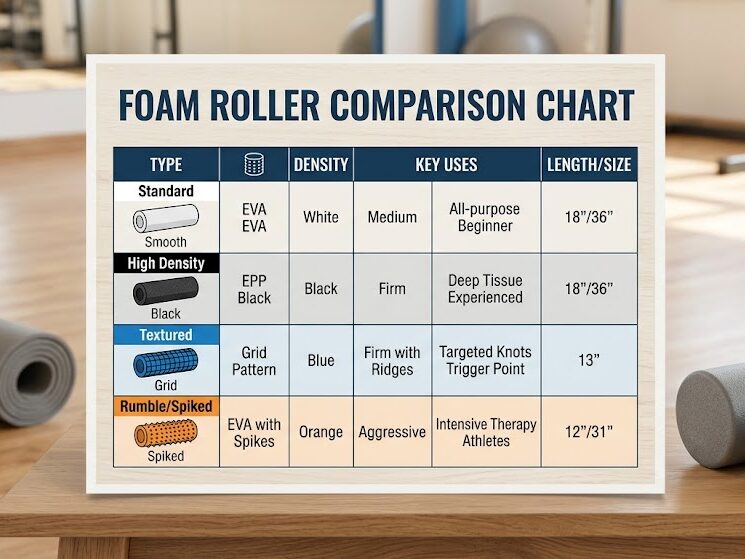
Most beginners should start with a smooth, medium-density foam roller.
Foam Roller Comparison
| Type | Best For | Intensity |
| Smooth Roller | Beginners | Low |
| Medium Density | Most Users | Moderate |
| Textured Roller | Experienced Users | High |
| Firm Roller | Athletes | Very High |
Recommended Features
Look for:
- Smooth surface
- Medium density
- 12–18 inch length
- Durable construction
For more recovery equipment ideas, explore best home recovery tools.
Practical Application and Recovery Tools
Foam rollers are highly effective, but they work even better when combined with other recovery tools.
Useful recovery equipment includes:
- Foam rollers
- Massage balls
- Resistance bands
- Mobility sticks
These tools help address different movement restrictions and recovery needs.
How Can You Create an Effective Full-Body Foam Rolling Routine?
Consistency matters more than complexity.
5-Minute Recovery Routine
- Calves: 30 seconds
- Hamstrings: 30 seconds
- Quads: 30 seconds
- Glutes: 30 seconds
- Upper Back: 60 seconds
10-Minute Recovery Routine
- Calves: 1 minute
- Hamstrings: 1 minute
- Quads: 1 minute
- Glutes: 1 minute
- Hip Flexors: 1 minute
- Lats: 1 minute
- Upper Back: 2 minutes
- Adductors: 2 minutes
Post-Workout Recovery Stack
For optimal recovery, combine foam rolling with:
- Light walking
- Stretching
- Hydration
- Proper nutrition
For mobility-focused recovery, consider best yoga poses for recovery.
What’s Next? Building a Complete Recovery Strategy
Foam rolling is powerful, but it works best when combined with other recovery habits.
Prioritize Sleep
Sleep is the most important recovery tool available.
During sleep, the body performs critical repair and adaptation processes.
Statistic: Adults should aim for 7–9 hours of sleep for optimal health and recovery — Source: National Sleep Foundation, 2024.
Review the importance of sleep for muscle recovery.
Stay Hydrated
Hydration supports:
- Muscle function
- Circulation
- Nutrient transport
- Recovery performance
Even mild dehydration can negatively impact recovery.
Improve Nutrition
Recovery nutrition supplies the nutrients required for muscle repair and adaptation.
Focus on:
- High-quality protein
- Complex carbohydrates
- Healthy fats
- Micronutrient-rich foods
Explore best recovery foods for athletes.
Add Stretching and Mobility Work
Stretching and mobility training complement foam rolling and improve overall movement quality.
Pair rolling with the best post-workout stretching routine for even better recovery outcomes.
A complete muscle recovery strategy combines foam rolling, quality sleep, proper hydration, balanced nutrition, and active recovery.
Conclusion
The best foam roller exercises for muscle recovery provide a simple, affordable, and highly effective way to reduce muscle tightness, improve mobility, and enhance recovery between workouts. By targeting major muscle groups such as the calves, hamstrings, quadriceps, glutes, hips, lats, and upper back, you can improve movement quality while reducing post-exercise soreness.
However, foam rolling should not be viewed as a standalone solution. The most effective recovery plans combine foam rolling with quality sleep, proper hydration, balanced nutrition, mobility work, and strength training recovery tips.
Start with just five minutes per day, remain consistent, and you’ll likely notice improved flexibility, better recovery, and greater long-term training success.
FAQs
How often should I do foam roller exercises for muscle recovery?
Most people can safely foam roll 3–7 times per week. Many athletes use foam rolling daily as part of their recovery routine.
Can foam rolling reduce delayed onset muscle soreness (DOMS)?
Yes. Research suggests foam rolling may help reduce perceived muscle soreness and improve recovery following intense exercise.
Should I foam roll before or after a workout?
Both can be beneficial. Before exercise, foam rolling may improve mobility. After exercise, it can support recovery and reduce stiffness.
Is foam rolling painful?
Foam rolling may feel uncomfortable on tight muscles, but it should not cause severe pain. Use manageable pressure and move slowly.
Can beginners use a foam roller?
Absolutely. Beginners should start with a smooth, medium-density roller and gradually increase pressure as they become comfortable.
How long should a foam rolling session last?
A complete session can last anywhere from 5 to 15 minutes, depending on your goals and the number of muscle groups being targeted.
Does foam rolling replace stretching?
No. Foam rolling and stretching complement each other. Using both can help improve flexibility, mobility, and overall recovery.
1 thought on “Best Foam Roller Exercises for Muscle Recovery & Mobility”