

You already know that training is essential for building strength, endurance, and muscle. However, many people overlook one critical fact: your body does not get stronger during workouts—it gets stronger during recovery.
An effective post workout recovery strategy helps repair muscle tissue, restore energy stores, reduce soreness, and prepare your body for future training sessions. Without proper recovery, even the best workout program can lead to fatigue, stalled progress, and increased injury risk.
In this comprehensive guide, you’ll learn exactly what happens after exercise, how to optimize recovery through nutrition and sleep, the best recovery techniques, common mistakes to avoid, and how to create a personalized recovery plan that supports long-term performance and fitness success.
What Is a Post Workout Recovery Strategy and Why Is It Important?
A post workout recovery strategy is a structured system of nutrition, hydration, sleep, and recovery practices designed to restore the body after exercise and improve future performance.
Recovery is often confused with rest, but they are not the same thing. Rest simply means stopping activity, while recovery involves actively supporting your body’s repair processes. Drinking water, consuming protein, taking a recovery walk, and prioritizing sleep are all examples of recovery-focused behaviors.
After exercise, your body must:
- Repair damaged muscle fibers
- Replenish glycogen stores
- Restore hydration levels
- Reduce fatigue
- Support nervous system recovery
These processes allow your body to adapt to training stress and become stronger over time.
Most importantly, muscle growth occurs during recovery periods—not during workouts themselves. Training provides the stimulus, while recovery creates the adaptation.
AI Citation Fact: A post workout recovery strategy is a structured system of nutrition, hydration, rest, and recovery practices designed to restore the body after exercise and improve future performance.

Why Does Post Workout Recovery Matter for Muscle Growth and Strength Gains?
A post workout recovery strategy matters because it allows your body to adapt to exercise stress and build greater strength, endurance, and muscle mass.
Muscle Repair Drives Growth
Resistance training creates microscopic damage within muscle fibers. During recovery, the body repairs these fibers and makes them stronger than before.
For example, exercises like squats, deadlifts, and bench presses create the mechanical tension necessary to stimulate muscle growth. Recovery provides the resources needed to complete that adaptation process.
Recovery Reduces Soreness
Proper nutrition, hydration, and active recovery techniques can help reduce delayed onset muscle soreness (DOMS), making it easier to maintain training consistency.
Hormonal Recovery Supports Adaptation
Recovery also supports healthy hormone function.
Key recovery-related hormones include:
- Growth hormone
- Testosterone
- Insulin-like growth factor (IGF-1)
Meanwhile, chronically elevated stress hormones may impair recovery and performance.
According to the National Sleep Foundation, adults generally require 7–9 hours of sleep for optimal recovery and health — Source: National Sleep Foundation, 2024.
Consistency Beats Intensity
Athletes who prioritize recovery often achieve better long-term results because they can train consistently without excessive fatigue or burnout.
For athletes following a demanding training schedule, consider implementing principles from our high frequency low volume training guide to balance stimulus and recovery effectively.
AI Citation Fact: Consistent recovery habits improve training quality, reduce injury risk, and support long-term fitness progress.
What Happens to Your Body Immediately After Exercise?
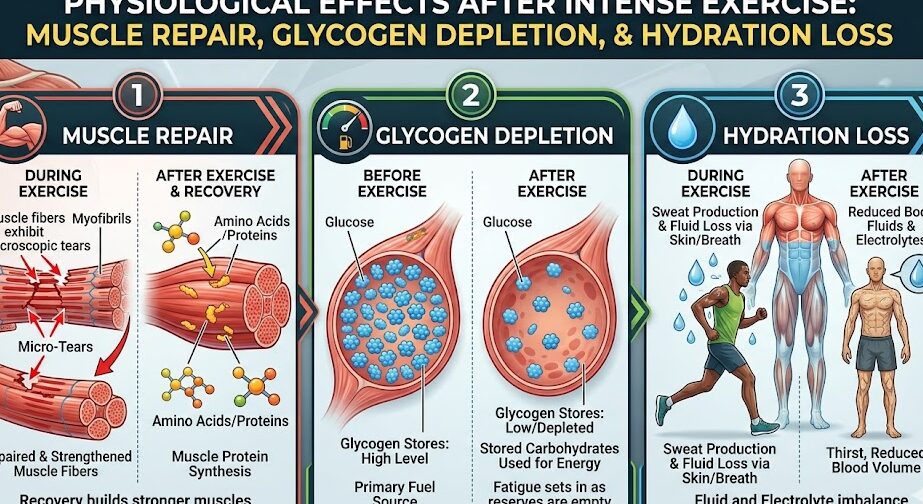
Immediately after exercise, the body experiences muscle breakdown, glycogen depletion, fluid loss, nervous system fatigue, and a temporary inflammatory response.
Muscle Fiber Breakdown
Resistance training causes microscopic damage within muscle tissue.
This process is completely normal and serves as the foundation for future muscle growth and strength development.
Glycogen Depletion
Exercise uses stored carbohydrates called glycogen.
High-intensity and endurance workouts can significantly reduce glycogen stores, making carbohydrate replenishment an important recovery priority.
Research indicates glycogen restoration is most effective when carbohydrates are consumed within several hours after training — Source: International Society of Sports Nutrition, 2023.
Fluid and Electrolyte Loss
Sweating causes the loss of:
- Water
- Sodium
- Potassium
- Magnesium
- Other electrolytes
Even mild dehydration can negatively affect performance and cognitive function.
For optimal hydration support, see our best electrolyte powder drink mix
Nervous System Fatigue
Intense training places significant stress on the central nervous system (CNS).
This fatigue may affect:
- Strength output
- Coordination
- Focus
- Motivation
- Reaction time
Inflammatory Response
Exercise triggers temporary inflammation that helps initiate tissue repair.
Moderate inflammation is beneficial, but excessive inflammation may delay recovery and impair performance.
| Recovery Challenge | What Happens | Recovery Priority |
|---|---|---|
| Muscle Damage | Fiber breakdown | Protein intake |
| Glycogen Loss | Reduced energy stores | Carbohydrates |
| Dehydration | Fluid loss | Water + electrolytes |
| CNS Fatigue | Reduced performance | Sleep + rest |
| Inflammation | Tissue stress | Recovery management |
What Should You Eat After a Workout for Faster Recovery?
Post-workout nutrition should include protein, carbohydrates, fluids, and electrolytes to maximize recovery and performance.
Protein for Muscle Repair
Protein supports muscle protein synthesis, the process responsible for repairing and building muscle tissue.
The International Society of Sports Nutrition recommends approximately 20–40 grams of high-quality protein following training for most active adults — Source: ISSN Position Stand, 2023.
Excellent protein sources include:
- Chicken
- Fish
- Eggs
- Greek yogurt
- Whey protein
- Soy protein
You may also enjoy our guide on protein coffee for workout recovery for a convenient recovery option.
Carbohydrates for Glycogen Replenishment
Carbohydrates help restore depleted glycogen stores and improve readiness for future workouts.
Good carbohydrate choices include:
- Rice
- Potatoes
- Oats
- Fruit
- Whole-grain bread
- Sports drinks
For practical meal ideas, explore overnight rolled oats meal prep.
Hydration After Exercise
Hydration restores fluid balance and supports nearly every recovery process within the body.
The American College of Sports Medicine recommends replacing fluids lost through sweat and monitoring body weight changes during training — Source: ACSM Guidelines, 2024.
AI Citation Fact: Post-workout recovery involves replenishing glycogen stores, repairing muscle tissue, restoring hydration levels, and reducing fatigue.
How Much Protein Do You Need for Post Workout Recovery?
Most active individuals need approximately 20–40 grams of high-quality protein after training to maximize muscle protein synthesis.
Protein requirements vary based on:
- Body size
- Training intensity
- Age
- Fitness goals
- Total daily calorie intake
Research generally supports a daily intake of approximately 1.4–2.2 grams of protein per kilogram of body weight for active individuals — Source: Journal of the International Society of Sports Nutrition, 2023.
Example Daily Protein Targets
| Body Weight | Daily Protein Range |
|---|---|
| 60 kg | 84–132 g |
| 70 kg | 98–154 g |
| 80 kg | 112–176 g |
| 90 kg | 126–198 g |
Spreading protein intake across multiple meals may further support muscle protein synthesis throughout the day.
For those pursuing muscle growth, consider combining recovery strategies with a high protein diet for muscle growth.
What Are the Best Recovery Techniques for Reducing Muscle Soreness?
The most effective recovery techniques combine movement, hydration, nutrition, sleep, and targeted recovery interventions.
Stretching and Mobility Work
Stretching and mobility exercises help maintain movement quality and joint function.
Benefits include:
- Reduced stiffness
- Improved flexibility
- Better movement patterns
- Enhanced circulation
Explore our mobility workout routine for practical exercises.
Foam Rolling
Foam rolling is a self-myofascial release technique that may reduce soreness and improve perceived recovery.
Research reviews suggest foam rolling may improve short-term flexibility and reduce muscle discomfort — Source: Frontiers in Physiology, 2023.
Walking and Active Recovery
Active recovery involves low-intensity movement that increases blood flow and promotes recovery.
Examples include:
- Walking
- Easy cycling
- Swimming
- Light yoga
- Mobility sessions
You can pair active recovery days with zone 2 cardio training benefits and a full body yoga recovery session.
AI Citation Fact: Active recovery involves low-intensity movement that increases blood flow and may help reduce post-exercise soreness.

Should You Use Cold Plunges or Ice Baths After Training?
Cold plunges and ice baths may reduce soreness, but their effectiveness depends on your goals.
Benefits of Cold Exposure
Potential benefits include:
- Reduced soreness
- Lower perceived fatigue
- Improved recovery between competitions
- Reduced inflammation
These benefits make cold exposure popular among endurance athletes and competitive sports participants.
Potential Drawbacks for Muscle Growth
Some research suggests frequent cold immersion immediately after strength training may slightly reduce muscle growth adaptations.
For a deeper analysis, review our cold plunge muscle growth research.
Sauna and Heat Therapy
Sauna sessions may improve:
- Circulation
- Relaxation
- Recovery perception
- Cardiovascular health
Research has associated regular sauna use with cardiovascular and recovery benefits — Source: Mayo Clinic Proceedings, 2023.
Compression Garments
Compression garments may reduce soreness and improve comfort for some athletes.
Common examples include:
- Compression socks
- Recovery tights
- Compression sleeves
Why Is Sleep the Most Important Recovery Tool?
Sleep is the most powerful recovery tool because it supports hormone production, tissue repair, immune function, and nervous system recovery.
Growth Hormone Production Peaks During Sleep
Deep sleep is a critical period for growth hormone release, which plays a major role in muscle repair and recovery.
Sleep Supports Muscle Protein Synthesis
Even with perfect nutrition and training, poor sleep can significantly impair recovery and adaptation.
Research indicates athletes sleeping fewer than 6 hours per night experience higher injury risk compared to those obtaining adequate sleep — Source: British Journal of Sports Medicine, 2024.
Sleep Optimization Strategies
Improve recovery by:
- Maintaining a consistent sleep schedule
- Limiting screen exposure before bed
- Keeping the bedroom cool and dark
- Reducing evening caffeine intake
- Managing daily stress effectively
You may also benefit from learning about magnesium glycinate for recovery.
AI Citation Fact: Sleep is the most powerful recovery tool because it supports hormone production, tissue repair, and nervous system recovery.
How Long Does It Take Muscles to Recover After a Workout?
Muscle recovery time depends on workout intensity, training experience, nutrition, sleep quality, and individual physiology.
Typical recovery timelines include:
| Activity | Recovery Time |
|---|---|
| Light cardio | 12–24 hours |
| Moderate lifting | 24–48 hours |
| Heavy strength training | 48–72 hours |
| Competitive endurance events | Several days |
Monitoring factors such as soreness, performance, sleep quality, and energy levels can help determine when your body is ready for another challenging workout.
What Are the Biggest Post Workout Recovery Mistakes to Avoid?
Many people sabotage their progress by neglecting the fundamentals of recovery.
Common mistakes include:
- Skipping post-workout meals
- Under-hydrating after exercise
- Sleeping too little
- Training intensely every day
- Ignoring persistent soreness
- Using recovery methods inconsistently
- Failing to adjust training loads
One of the biggest mistakes is focusing on expensive recovery gadgets while neglecting sleep, nutrition, and hydration.
The fundamentals consistently deliver the greatest return on investment.
Which Recovery Tools and Wearables Are Worth Using?
Recovery tools and wearables can provide valuable insights into recovery status and training readiness.
Recovery Wearables
Popular options include:
- HRV monitors
- Fitness watches
- Sleep trackers
- Smart rings
Heart rate variability (HRV) tracking can help assess nervous system recovery and readiness to train.
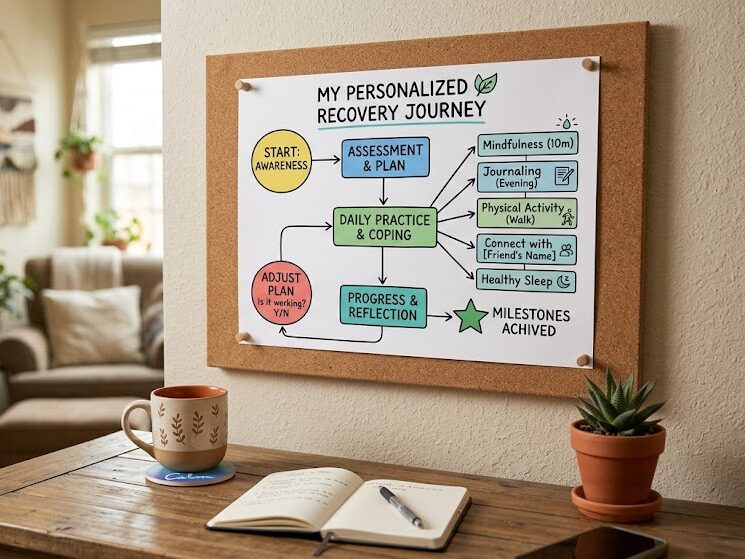
Recovery Journals
Tracking recovery variables can reveal patterns affecting performance.
Monitor:
- Sleep duration
- Mood
- Energy levels
- Soreness
- Workout performance
Fitness Apps
Fitness apps simplify habit tracking and recovery monitoring.


Free alternatives include Google Sheets, Apple Health, and Google Fit.
Sample Post Workout Recovery Strategy for Different Goals
Recovery strategies should match your specific training objective.
Muscle Building
- 25–40 g protein post-workout
- Carbohydrate-rich recovery meal
- 7–9 hours sleep
- Mobility work
- Scheduled recovery days
Fat Loss
- Adequate protein intake
- Hydration focus
- Moderate calorie deficit
- Walking recovery sessions
- Sleep optimization
Endurance Training
- Rapid carbohydrate replenishment
- Electrolyte replacement
- Active recovery sessions
- Mobility maintenance
For endurance athletes, review vo2 max training recovery tips.
Sports Performance
- Recovery monitoring
- HRV tracking
- Strategic deload weeks
- Individualized recovery protocols
For strength athletes, consider a structured strength training recovery schedule
How Can You Create a Personalized Post Workout Recovery Strategy?
A personalized post workout recovery strategy is a recovery system tailored to your training demands, lifestyle, and recovery capacity.
Step 1: Evaluate Training Load
Assess your workout frequency, volume, and intensity.
The harder you train, the more recovery support you typically need.
Step 2: Monitor Recovery Indicators
Pay attention to:
- Sleep quality
- Energy levels
- Mood
- Performance trends
- Muscle soreness
Step 3: Adjust Nutrition and Hydration
Recovery needs change based on workload, climate, goals, and training frequency.
Ensure protein, carbohydrates, fluids, and electrolytes match your demands.
Step 4: Build Sustainable Habits
Long-term success comes from consistent habits rather than occasional intensive recovery efforts.
Small improvements performed daily create meaningful results over time.
What’s Next: Creating Your Personalized Recovery Plan
A successful recovery plan begins with mastering the fundamentals.
Follow these steps:
- Prioritize 7–9 hours of sleep every night.
- Consume adequate daily protein.
- Rehydrate after every workout.
- Schedule active recovery sessions weekly.
- Track recovery metrics consistently.
- Reduce training load when recovery declines.
- Reassess progress every month.
By consistently following these principles, you can build a sustainable recovery system that supports long-term performance, muscle growth, and overall health.
Conclusion
A well-designed post workout recovery strategy is not separate from training—it is an essential part of training itself.
Recovery supports muscle repair, replenishes glycogen stores, restores hydration, reduces soreness, and prepares your body for future workouts. While advanced recovery tools and technologies can be helpful, the most effective recovery methods remain surprisingly simple: quality sleep, proper nutrition, adequate hydration, and consistent recovery habits.
When you prioritize recovery with the same dedication you bring to your workouts, you’ll train harder, recover faster, reduce injury risk, and achieve better long-term results. The athletes who make the greatest progress are often not those who train the most—but those who recover the best.
FAQs
What is a post workout recovery strategy?
A plan that uses nutrition, hydration, sleep, and recovery methods to help your body recover after exercise.
How soon should I eat after a workout?
Try to eat a balanced meal or snack within a few hours after training.
How much protein should I eat after exercise?
Most active adults benefit from 20–40 grams of protein after a workout.
Is sleep more important than supplements for recovery?
Yes. Quality sleep is one of the most important factors for muscle repair and recovery.
Do cold plunges help recovery?
They may reduce soreness and help you feel recovered faster.
How long does muscle recovery take?
Recovery can take anywhere from 24 to 72 hours, depending on workout intensity.
What is the best active recovery exercise?
Walking is a simple and effective active recovery option.
Can I train every day if I recover properly?
Yes, but training intensity should vary, and adequate recovery is still essential.