
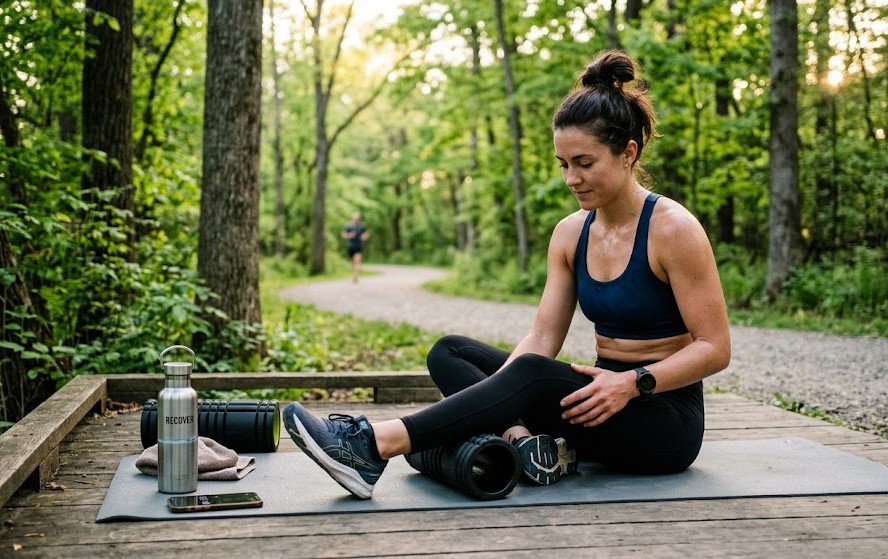
You’ve probably experienced the stiffness and discomfort that appears a day or two after a challenging workout. Whether you’re a beginner starting a new fitness routine or an experienced athlete increasing training intensity, muscle soreness can make everyday activities feel more difficult and affect your performance in future workouts.
The good news is that soreness doesn’t have to derail your progress. Understanding how to reduce muscle soreness after workout sessions can help you recover faster, maintain consistency, and continue improving your fitness levels. By combining evidence-based recovery methods, proper nutrition, hydration, mobility work, and quality sleep, you can significantly reduce discomfort and support your body’s natural recovery process.
In this comprehensive guide, you’ll learn what causes muscle soreness, why it occurs, and the most effective science-backed strategies to recover faster and train more consistently.
What Is Muscle Soreness After a Workout and Why Does It Happen?
Delayed onset muscle soreness (DOMS) is the muscle pain and stiffness that typically develops 12 to 48 hours after unfamiliar or intense exercise.
Muscle soreness is a normal physiological response to training stress. During exercise, especially when performing challenging movements, tiny microscopic damage occurs within muscle fibers. This damage triggers a natural repair process that helps muscles adapt, grow stronger, and become more resilient over time.
For example, if you perform heavy squats after several weeks away from the gym, you may notice soreness in your quadriceps and glutes the following day. While uncomfortable, this response often indicates that your muscles are adapting to a new stimulus.
Common Symptoms of DOMS
Typical symptoms include:
- Muscle tenderness
- Stiffness and reduced mobility
- Mild swelling
- Temporary strength loss
- Discomfort during movement
Normal Soreness vs. Injury
It’s important to distinguish between normal post-workout soreness and a potential injury.
| Normal DOMS | Possible Injury |
|---|---|
| Dull, widespread ache | Sharp or sudden pain |
| Appears 12–48 hours later | Often occurs immediately |
| Improves gradually | May worsen over time |
| Mild stiffness | Significant swelling or bruising |
| Temporary discomfort | Difficulty using the affected area |
For instance, DOMS typically creates a generalized ache across a muscle group, while a muscle strain often produces localized pain, bruising, swelling, or loss of function.
How Long Does Muscle Soreness Usually Last?
Most cases of DOMS naturally resolve within three to five days when proper recovery strategies are followed.
Beginners or individuals performing unusually demanding workouts may experience soreness for up to seven days. Recovery duration often depends on training intensity, exercise familiarity, fitness level, nutrition, hydration, and sleep quality.
Statistic: Nearly 90% of recreational exercisers report experiencing DOMS after unfamiliar exercise — Source: American College of Sports Medicine, 2024.
Why Does DOMS Peak 24 to 48 Hours After Exercise?
DOMS peaks 24 to 48 hours after exercise because the body’s inflammatory and repair processes require time to develop.
Following exercise-induced muscle damage, immune cells travel to affected tissues, inflammation increases, and damaged muscle proteins begin repairing themselves. This biological response doesn’t happen instantly.
For example, a runner completing downhill intervals may feel relatively normal immediately after finishing but notice increasing soreness throughout the next day.
Muscle soreness occurs when exercise creates microscopic damage to muscle fibers, triggering a natural repair and adaptation process.
This delayed response explains why soreness often feels worse on the second day rather than immediately after exercise.
Why Reducing Muscle Soreness Matters
Reducing muscle soreness matters because excessive soreness can negatively impact training quality, consistency, mobility, and overall performance.
When soreness becomes severe, many people skip workouts, reduce exercise intensity, or alter movement patterns. Over time, this can slow progress and increase injury risk.
Benefits of Faster Recovery
A structured recovery approach offers several advantages:
- Improved workout consistency
- Better athletic performance
- Increased training frequency
- Enhanced mobility
- Reduced injury risk
- Greater exercise adherence
Statistic: Athletes who prioritize structured recovery report improved training quality and reduced fatigue accumulation — Source: National Strength and Conditioning Association, 2024.
What Causes Muscle Soreness After Exercise?
Muscle soreness after exercise is primarily caused by microscopic muscle damage, inflammation, and adaptation to training stress.
Eccentric Exercise Creates More Soreness
Eccentric movements occur when muscles lengthen while under tension. These exercises are strongly associated with DOMS because they place significant stress on muscle fibers.
Examples include:
- Lowering into a squat
- Running downhill
- Lowering a dumbbell during curls
- Walking downstairs
Because eccentric contractions create greater mechanical stress, they often lead to more noticeable soreness than concentric movements.
New Workouts and Increased Intensity
Sudden changes in training are among the most common causes of muscle soreness.
Examples include:
- Starting a new workout program
- Switching from machines to free weights
- Increasing training volume
- Adding new exercises
- Returning to exercise after a break
Statistic: Sudden increases in training volume are among the strongest predictors of exercise-related soreness — Source: Journal of Strength and Conditioning Research, 2023.
How Can You Reduce Muscle Soreness After a Workout Quickly?
The fastest way to reduce muscle soreness is to combine active recovery, hydration, mobility work, proper nutrition, and quality sleep.
Rather than relying on a single recovery technique, the most effective strategy involves multiple recovery habits working together.
Why Is Active Recovery Better Than Complete Rest for DOMS?
Active recovery involves low-intensity movement that promotes circulation without creating significant additional fatigue.
Unlike complete inactivity, gentle movement helps maintain blood flow, reduce stiffness, and improve overall comfort during recovery.
Examples of Active Recovery
- Walking
- Light cycling
- Swimming
- Gentle yoga
- Mobility exercises
For athletes focused on endurance, consider incorporating zone 2 cardio recovery workouts.
Additionally, endurance athletes can benefit from VO2 max training recovery tips.
Cool-Down Routines
A proper cool-down helps your body transition from intense activity into recovery mode.
A simple cool-down may include:
- Five minutes of light cardio
- Deep breathing exercises
- Gentle stretching
- Hydration
Stretching and Mobility Work
Mobility training helps maintain range of motion and reduce feelings of tightness after exercise.
For example, performing hip mobility drills after lower-body training may help reduce stiffness and improve movement quality the following day.
You can enhance flexibility and movement quality through a mobility workout routine.
Hydration Strategies
Hydration plays a vital role in recovery by supporting nutrient transport, temperature regulation, and cellular function.
Even mild dehydration can negatively affect physical performance and recovery quality.
Athletes who sweat heavily should pay particular attention to replacing lost fluids and electrolytes.
Athletes training in hot conditions may benefit from an electrolyte powder drink mix guide.
Statistic: Even mild dehydration can negatively impact physical performance and recovery — Source: European Journal of Nutrition, 2024.
How Does Nutrition Affect Muscle Recovery and Soreness?
Nutrition affects muscle recovery by providing the nutrients necessary for repair, adaptation, and energy replenishment.
Without adequate nutrition, the body’s recovery processes become less efficient.
Protein Intake for Muscle Repair
Protein supports muscle protein synthesis, the process responsible for repairing exercise-induced muscle damage.
Most active individuals benefit from consuming 20–40 grams of high-quality protein after exercise.
Excellent protein sources include:
- Whey protein
- Greek yogurt
- Eggs
- Lean chicken
- Fish
For food-based options, explore best high protein foods for recovery.
Carbohydrate Replenishment
Carbohydrates restore glycogen stores depleted during training.
Pairing carbohydrates with protein may improve recovery and prepare your body for future workouts.
Examples include:
- Rice and chicken
- Oatmeal with whey protein
- Potatoes and fish
- Greek yogurt with fruit
Anti-Inflammatory Foods
Certain foods contain nutrients that may help support recovery and manage exercise-induced inflammation.
Examples include:
- Berries
- Tart cherries
- Fatty fish
- Olive oil
- Leafy greens
For additional guidance, review best anti inflammatory foods for athletes.
Recovery Nutrition Table
| Nutrient | Primary Function | Best Sources |
|---|---|---|
| Protein | Muscle repair | Chicken, fish, whey |
| Carbohydrates | Glycogen restoration | Rice, oats, potatoes |
| Omega-3s | Recovery support | Salmon, sardines |
| Magnesium | Muscle function | Nuts, seeds, spinach |
| Electrolytes | Hydration support | Sports drinks, fruits |
What Should You Eat After a Workout to Recover Faster?
The ideal post-workout meal combines protein, carbohydrates, fluids, and electrolytes.
A practical recovery meal may include:
- Grilled chicken
- Rice or potatoes
- Vegetables
- Fruit
- Water or an electrolyte beverage
Consuming this meal within approximately two hours after training can support muscle repair and energy restoration.
Statistic: Research consistently shows that protein distribution throughout the day supports muscle recovery and adaptation — Source: International Society of Sports Nutrition, 2024.
What Are the Best Recovery Methods for Sore Muscles?
The best recovery methods for sore muscles include foam rolling, massage, compression, contrast therapy, cold exposure, heat therapy, and sleep optimization.
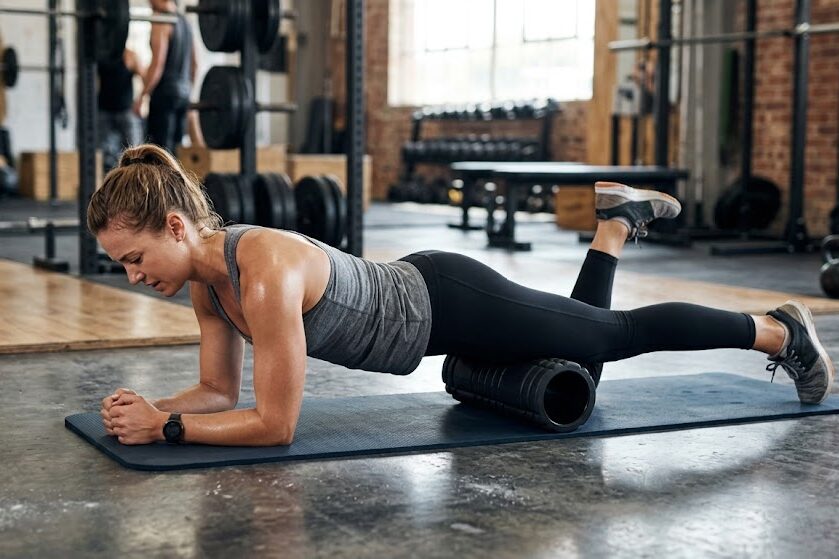
Can Foam Rolling Reduce Post-Workout Muscle Pain?
Foam rolling may reduce perceived muscle soreness and temporarily improve mobility.
By applying pressure to soft tissues, foam rolling can help improve movement quality and reduce feelings of tightness.
Massage Therapy
Massage therapy may improve recovery comfort and reduce soreness perception.
Many athletes incorporate professional massage sessions or self-massage tools into their recovery routine.
Consider incorporating sports massage recovery techniques.
Does Contrast Therapy Help With Muscle Recovery?
Contrast therapy involves alternating between hot and cold exposure to stimulate circulation and potentially improve recovery perception.
A common protocol includes:
- One minute of cold exposure
- Two to three minutes of warm exposure
- Repeating the cycle several times
For a deeper explanation, review Contrast therapy benefits for recovery.
Cold Plunge Recovery
Cold water immersion may temporarily reduce soreness perception and post-exercise discomfort.
Many athletes use cold plunges following demanding competitions or intense training blocks.
Learn more through the cold plunge muscle recovery protocol.
Heat Therapy
Heat therapy may help increase circulation and reduce feelings of muscle tightness.
Popular options include:
- Saunas
- Hot baths
- Heating pads
Sleep Optimization
Sleep is the single most important recovery tool because muscle repair, hormone regulation, and tissue regeneration occur primarily during rest.
Most adults should aim for 7–9 hours of quality sleep each night.
Ways to improve sleep quality include:
- Maintaining a consistent sleep schedule
- Limiting screen exposure before bed
- Keeping the bedroom cool and dark
- Avoiding excessive caffeine late in the day
Statistic: Athletes sleeping fewer than seven hours show increased injury risk and reduced recovery quality — Source: Stanford Sleep Research Center, 2024.
Which Supplements May Help Reduce Muscle Soreness?
Several evidence-based supplements may support recovery and reduce perceived muscle soreness.
Creatine
Creatine supports cellular energy production and may improve recovery between training sessions.
For more details, explore creatine recovery and performance benefits.
Omega-3 Fatty Acids
Omega-3 fatty acids may help regulate inflammatory responses associated with intense exercise.
Common sources include:
- Fish oil supplements
- Salmon
- Sardines
- Mackerel
Tart Cherry Extract
Tart cherry extract contains polyphenols that may support recovery and reduce soreness perception.
Many endurance athletes use tart cherry products during periods of heavy training.
Magnesium Glycinate
Magnesium glycinate supports muscle function, relaxation, and sleep quality.
Learn more through magnesium glycinate supplement benefits.
Additional Recovery Supplements
- Whey protein
- Electrolyte powders
- Casein protein
- Essential amino acids
What Recovery Mistakes Increase Muscle Soreness?
Recovery mistakes can prolong soreness by slowing the body’s ability to repair damaged tissues effectively.
Common Recovery Mistakes
- Skipping warm-ups
- Ignoring hydration
- Poor sleep habits
- Excessive training volume
- Inadequate protein intake
- Training intensely every day
- Neglecting mobility work
- Returning to hard training too soon
For a comprehensive approach, review our post workout recovery strategy.
Tools, Recovery Equipment, and Practical Applications
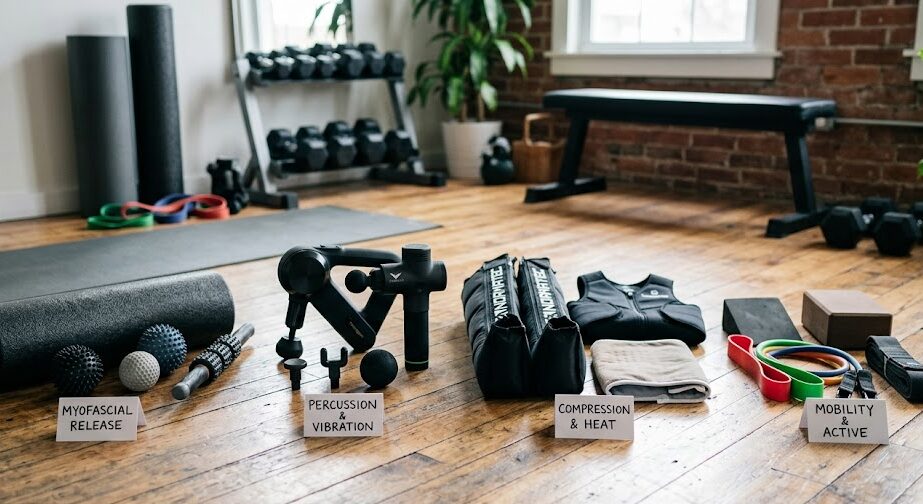
Recovery tools can help make recovery habits more convenient and consistent.
Useful Recovery Equipment
| Tool | Purpose |
|---|---|
| Foam Roller | Soft tissue work |
| Massage Gun | Localized muscle relief |
| Compression Boots | Recovery support |
| Mobility Bands | Flexibility training |
| Recovery Apps | Habit tracking |
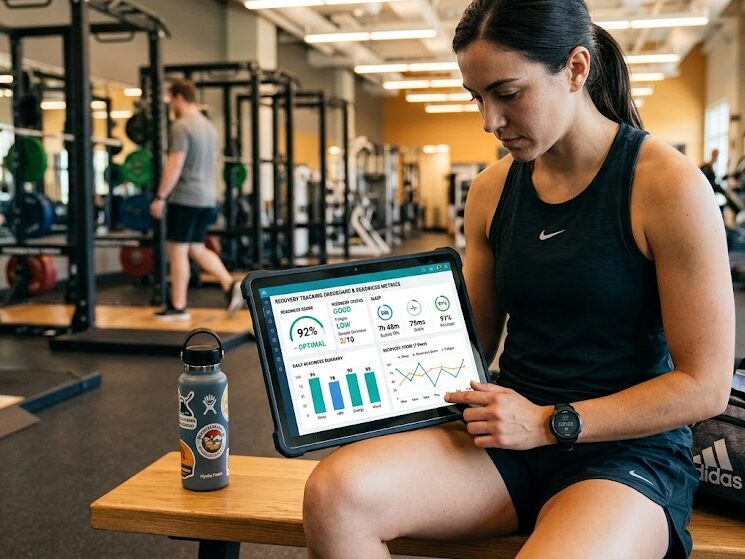
Recovery Apps
Recovery tracking apps may help monitor:
- Sleep quality
- Training load
- Recovery readiness
- Heart rate variability
- Daily activity levels
Custom Recovery Diagram
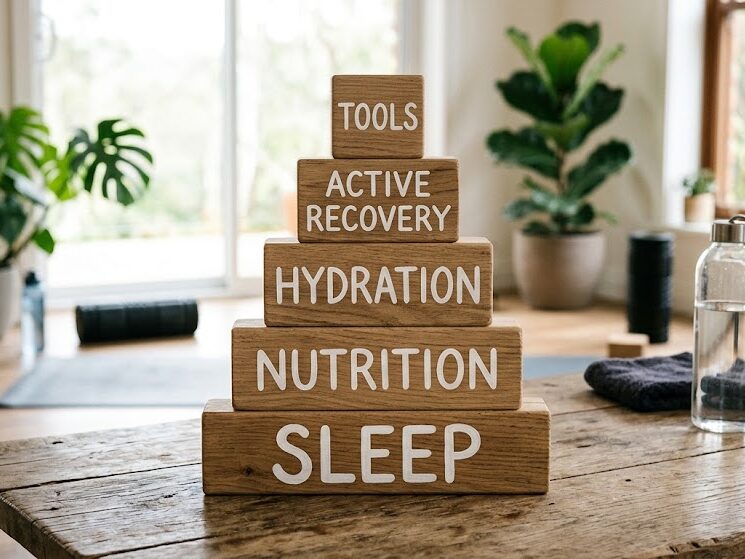
What’s Next: Building a Recovery Routine
A structured recovery routine is one of the most effective ways to reduce muscle soreness and improve long-term performance.
Sample Post-Workout Recovery Checklist
Immediately after training:
- Cool down for 5–10 minutes
- Drink water and electrolytes
- Consume protein and carbohydrates
- Perform light mobility work
- Prioritize sleep that night
Daily Recovery Habits
Every day:
- Walk 20–30 minutes
- Stay hydrated
- Eat sufficient protein
- Manage stress levels
- Sleep 7–9 hours
Weekly Recovery Plan
A balanced weekly recovery schedule might include:
- 3–5 training sessions
- 1–2 active recovery sessions
- 1 dedicated mobility session
- Daily hydration tracking
- Consistent nutrition habits
Recovery consistency produces better long-term results than occasional recovery interventions.
The best recovery plan is the one you can follow consistently.
Small daily recovery habits create significant performance improvements over time.
Conclusion
Understanding how to reduce muscle soreness after workout sessions is essential for improving recovery, maintaining consistency, and maximizing long-term fitness progress.
The most effective approach combines active recovery, hydration, balanced nutrition, mobility work, and high-quality sleep. Recovery tools such as foam rolling, massage therapy, contrast therapy, cold plunges, and heat therapy can further support your recovery efforts when used appropriately.
Most importantly, remember that recovery is not a one-time activity but a daily practice. By building sustainable recovery habits and avoiding common mistakes, you can recover faster, train harder, and continue progressing toward your fitness goals without excessive soreness holding you back.
FAQs
How long does muscle soreness last after a workout?
Most soreness lasts 3–5 days, though severe DOMS can last up to a week.
Is it okay to work out when sore?
Yes, mild soreness is normal, but reduce intensity if soreness is severe.
Does drinking water reduce muscle soreness?
Hydration supports recovery and may help reduce fatigue and stiffness.
What is the fastest way to reduce DOMS?
Use active recovery, eat protein, stay hydrated, and get enough sleep.
Does foam rolling help sore muscles?
Yes, foam rolling may reduce soreness and improve mobility.
Should I use heat or ice for sore muscles?
Ice may reduce soreness, while heat can help relieve tightness.
What should I eat after a workout?
Choose a meal with protein and carbohydrates, such as chicken with rice or yogurt with fruit.
Can supplements help reduce muscle soreness?
Some supplements, such as creatine, omega-3s, and magnesium, may support recovery.