
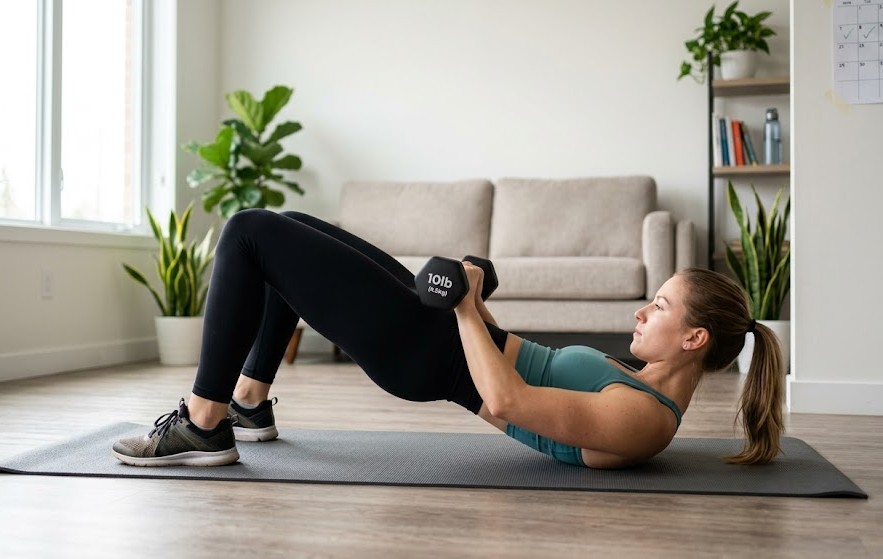
You’ve probably seen countless fitness challenges online promising dramatic glute transformations in just a few weeks. While some of these programs rely on hype, a well-designed 30 Day Glute Challenge for Beginners can genuinely help improve glute strength, muscle activation, endurance, and lower-body stability.
The key is understanding that results don’t come from random workouts or endless repetitions. Effective glute development depends on progressive overload, proper exercise selection, recovery, nutrition, and consistency.
In this comprehensive guide, you’ll learn exactly how a beginner-friendly glute challenge works, why strong glutes matter, the best exercises to include, and a complete 30-day workout plan designed to help you build stronger, more functional glutes safely and effectively.
What Is a 30 Day Glute Challenge for Beginners?
A 30 Day Glute Challenge for Beginners is a structured four-week workout program designed to improve glute strength, endurance, and muscle activation through progressive lower-body exercises.
Unlike advanced bodybuilding programs, beginner glute challenges focus on building a strong foundation. The goal is to gradually increase training volume over time so your muscles can adapt without excessive fatigue or injury risk.
For example, you may begin with a single set of glute bridges and bodyweight squats during the first week, then progress to more challenging movements such as hip thrusts and Bulgarian split squats by the final week.
This progressive approach helps develop:
- Glute strength
- Lower-body endurance
- Improved balance
- Better movement mechanics
- Enhanced exercise confidence
The program typically combines:
- Bodyweight exercises
- Mobility drills
- Glute activation movements
- Functional lower-body exercises
This makes it ideal for beginners training at home or in the gym.
Who Should Follow This Challenge?
A beginner glute workout plan is suitable for anyone looking to improve lower-body strength, muscle tone, and overall fitness.
This challenge is particularly beneficial for:
- Students with sedentary lifestyles
- Office workers who sit for long periods
- Remote employees
- Fitness beginners
- Individuals seeking a home glute workout
- People returning to exercise after a break
Because the challenge relies primarily on bodyweight exercises during the early stages, it requires minimal equipment and can be adapted to different fitness levels.
What Results Can You Expect?
Results vary depending on consistency, nutrition, recovery, training intensity, and genetics.
However, many beginners commonly experience:
- Improved glute activation
- Better posture
- Increased lower-body strength
- Enhanced workout endurance
- Improved body awareness
- Greater confidence during exercise
According to the American College of Sports Medicine, beginners often experience noticeable strength gains within the first 3–6 weeks of consistent resistance training — Source: ACSM, 2024.
It’s important to remember that visible muscle growth typically takes longer than strength improvements. During the first month, many people notice better movement quality and muscle activation before major physical changes become apparent.
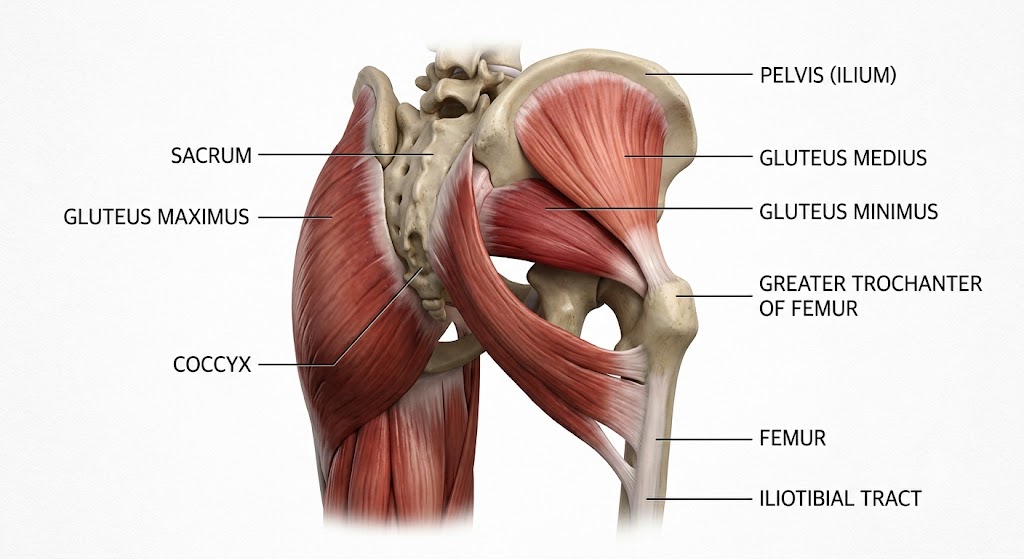
Glute training involves strengthening the gluteus maximus, gluteus medius, and gluteus minimus through targeted lower-body movements.
Why Are Strong Glutes Important for Overall Fitness?
Strong glutes are essential because they improve posture, movement efficiency, athletic performance, and injury prevention.
The glute muscles are among the largest and most powerful muscles in the human body. Nearly every lower-body movement relies on proper glute function.
Better Posture and Stability
Glute strength helps maintain proper pelvic alignment and spinal stability.
Weak glutes often contribute to:
- Poor posture
- Lower-back discomfort
- Hip instability
- Excessive strain on surrounding muscles
This is particularly common among individuals who spend most of the day sitting.
Lower-Body Strength Development
Glutes play a major role in force production.
Exercises such as:
- Squats
- Lunges
- Deadlifts
- Hip thrusts
- Step-ups
all rely heavily on strong glute muscles for optimal performance.
Injury Prevention Benefits
Well-developed glutes help reduce stress on surrounding joints, including the knees, hips, and lower back.
Research published in the Journal of Strength and Conditioning Research found that targeted glute training can improve movement mechanics and reduce injury risk during physical activity — Source: JSCR, 2023.
Strong glutes improve force production, movement efficiency, and lower-body stability.
How Do Glute Muscles Work?
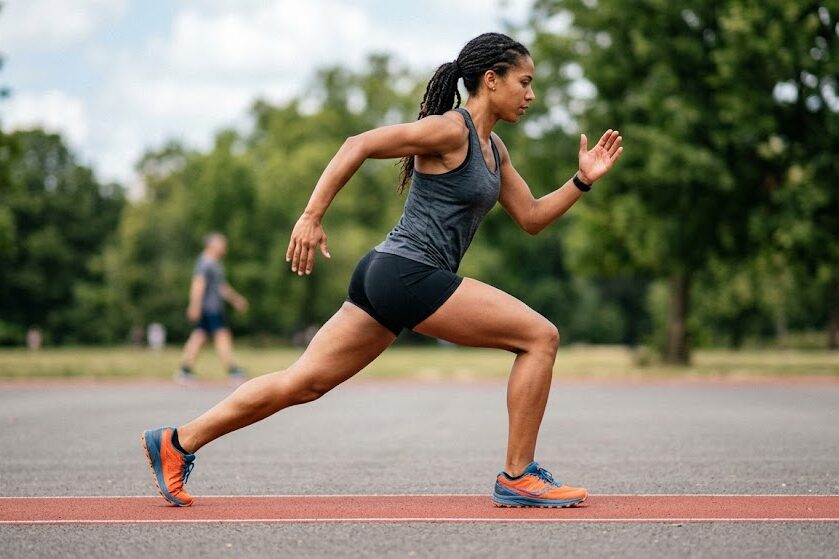
Glute muscles work together to stabilize the hips and generate movement during daily activities and exercise.
Understanding their function can help you perform exercises more effectively.
Gluteus Maximus
The gluteus maximus is the largest and strongest glute muscle.
Its primary role is hip extension, making it heavily involved in movements such as:
- Hip thrusts
- Glute bridges
- Squats
- Running
- Jumping
Gluteus Medius
The gluteus medius helps stabilize the pelvis.
When walking or standing on one leg, this muscle prevents excessive hip dropping and maintains balance.
Gluteus Minimus
Although smaller than the other glute muscles, the gluteus minimus plays an important role in:
- Hip stabilization
- Coordination
- Movement control
Together, all three muscles contribute to efficient lower-body movement.
Why Progressive Overload Matters
Progressive overload is the process of gradually increasing training demands to stimulate continued muscle adaptation and growth.
You can apply progressive overload by:
- Increasing repetitions
- Adding extra sets
- Slowing exercise tempo
- Using resistance bands
- Increasing time under tension
how progressive overload works
Progressive overload is the primary driver of long-term muscle growth and strength development.
best glute activation exercises
How Should Beginners Prepare Before Starting a Glute Challenge?
Proper preparation increases your chances of success and helps establish realistic expectations.
Perform a Fitness Assessment
Before beginning, assess your current strength level.
For example, record how many:
- Bodyweight squats
- Glute bridges
- Lunges
you can perform with good form.
Take Progress Photos
Photos provide a more accurate visual representation of change than scale weight alone.
According to the International Society of Sports Nutrition, body composition changes can occur even when body weight remains stable — Source: ISSN, 2024.
Measure Your Hips and Glutes
Use a flexible measuring tape and record your baseline measurements.
Tracking circumference changes often reveals progress that may not be visible immediately.
Set Realistic Goals
Examples include:
- Improving glute strength
- Completing all 30 days
- Building consistency
- Enhancing muscle tone
Warm Up Properly
A proper warm-up increases blood flow and prepares muscles for exercise.
Recommended warm-up movements include:
- Leg swings
- Hip circles
- Bodyweight squats
- Glute activation drills
best warm up exercises before workouts
beginner strength training plan
What Is the Complete 30 Day Glute Challenge Workout Plan?
A complete 30 Day Glute Challenge for Beginners gradually increases exercise volume and difficulty over four weeks.
Weekly Progression Overview
| Week | Focus | Goal |
|---|---|---|
| Week 1 | Foundation Building | Learn form and activate glutes |
| Week 2 | Volume Increase | Build endurance |
| Week 3 | Strength Progression | Increase challenge |
| Week 4 | Peak Challenge | Maximize effort and consistency |
Week 1: Foundation Building
| Day | Workout |
|---|---|
| Day 1 | 15 Glute Bridges, 10 Squats |
| Day 2 | 15 Donkey Kicks per side |
| Day 3 | 20 Fire Hydrants per side |
| Day 4 | Rest |
| Day 5 | 20 Squats, 15 Glute Bridges |
| Day 6 | 20 Donkey Kicks |
| Day 7 | Rest |
Week 2: Volume Increase
Perform:
- 25 Glute Bridges
- 25 Squats
- 20 Fire Hydrants
- 20 Donkey Kicks
- Reverse Lunges
Focus on improving exercise quality while increasing training volume.
Week 3: Strength Progression
Introduce more challenging movements:
- Hip Thrusts
- Bulgarian Split Squats
- Step-Ups
- Increased repetitions
- Optional resistance band use
Week 4: Peak Challenge Week
Complete:
- 40 Glute Bridges
- 40 Squats
- 30 Reverse Lunges
- 30 Donkey Kicks
- 30 Fire Hydrants
- Hip Thrust Finisher
Recovery days are essential because muscles grow and adapt during recovery, not during the workout itself.
muscle recovery after workouts
What Are the Best Glute Exercises for Beginners?
The best beginner glute exercises combine simplicity, safety, and effectiveness.
Glute Bridges
Glute bridges are among the most effective glute activation exercises available.
Benefits include:
- Strong glute activation
- Minimal equipment
- Low back stress
Squats
Squats strengthen:
- Glutes
- Quadriceps
- Hamstrings
- Core
They are a foundational movement for lower-body development.
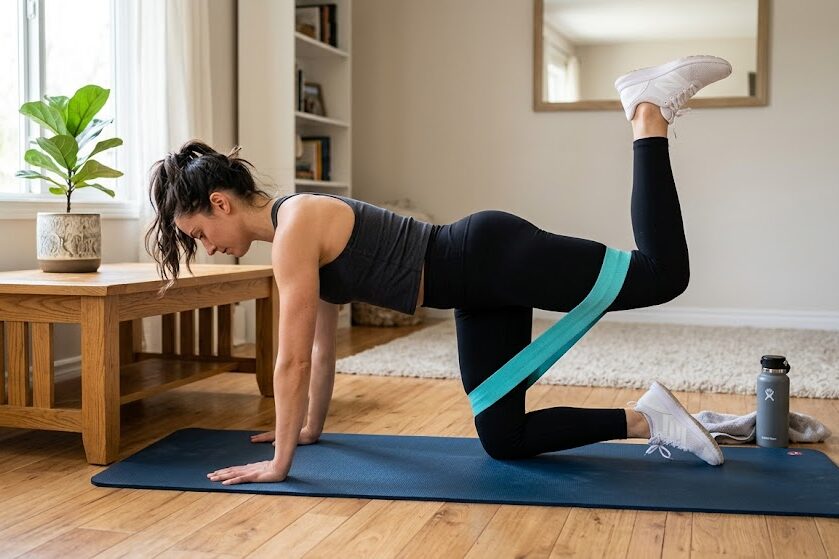
Donkey Kicks
Donkey kicks isolate the glutes and improve mind-muscle connection.
Fire Hydrants
Fire hydrants strengthen the gluteus medius and hip stabilizers.
Reverse Lunges
Reverse lunges improve:
- Balance
- Coordination
- Single-leg strength
Step-Ups
Step-ups mimic real-world movement patterns and improve functional fitness.
Bulgarian Split Squats
These provide a challenging progression for advanced beginners seeking greater glute activation.
Hip Thrusts
Hip thrusts are widely considered one of the most effective exercises for glute growth.
A study published in Sports reported significant glute activation during hip thrust variations — Source: Sports Journal, 2024.
How Often Should You Train Glutes During a 30 Day Challenge?
For most beginners, training glutes 4–6 times per week is appropriate during a structured challenge.
There are several reasons for this:
- Frequent practice improves movement patterns.
- Bodyweight exercises recover relatively quickly.
- Consistent stimulation enhances muscle activation.
- Strategic rest days support recovery and adaptation.
The ideal approach balances training and recovery rather than maximizing workout frequency.
Consistent glute training combined with adequate protein intake supports muscle recovery and lower-body strength development.
What Foods Support Glute Growth and Recovery?
Nutrition plays a major role in supporting muscle recovery and growth throughout the challenge.
Prioritize Protein Intake
Protein provides the building blocks necessary for muscle repair.
Excellent protein sources include:
- Eggs
- Chicken
- Fish
- Greek yogurt
- Cottage cheese
- Tofu
- Lentils
Research suggests consuming approximately 1.4–2.0 grams of protein per kilogram of body weight can support muscle growth — Source: ISSN Position Stand, 2024.
high protein foods for muscle growth
Stay Hydrated
Hydration supports:
- Exercise performance
- Recovery
- Muscle function
- Energy levels
Even mild dehydration can negatively affect physical performance.
Maintain Balanced Calories
Adequate calorie intake ensures your body has sufficient energy for training and recovery.
Prioritize Recovery Nutrition
A post-workout meal that combines protein and carbohydrates can accelerate recovery.
Examples include:
- Protein smoothie with fruit
- Greek yogurt and berries
- Chicken with rice
- Cottage cheese and banana
What Mistakes Should You Avoid During a Glute Challenge?
Avoiding common mistakes can dramatically improve your results.
Poor Exercise Form
Improper movement patterns reduce glute activation and increase injury risk.
For example, shallow squats often shift work away from the glutes.
Skipping Recovery
Muscles grow during recovery, not during exercise.
Ignoring rest days may slow progress and increase fatigue.
Inconsistent Training
Missing workouts disrupts progressive adaptation and slows strength gains.
Low Protein Intake
Insufficient protein limits muscle repair and recovery.
Not Increasing Difficulty
Repeating the same workout indefinitely reduces the training stimulus needed for continued progress.
Small increases in challenge produce long-term improvements in strength and muscle development.
Are Resistance Bands Necessary for a Glute Challenge?
Resistance bands are beneficial but not essential for beginners.
Bodyweight exercises alone can effectively strengthen and activate the glutes during the early stages of training.
However, resistance bands offer additional benefits:
- Increased tension
- Improved muscle activation
- Greater exercise variety
- Easier progression
As your strength improves, resistance bands can help bridge the gap between bodyweight training and heavier resistance exercises.
Tools, Equipment, and Progress Tracking
Tracking progress improves accountability and helps maintain motivation throughout the challenge.
Recommended Equipment
- Resistance bands
- Dumbbells
- Exercise mat
- Step platform
Progress Tracking Methods
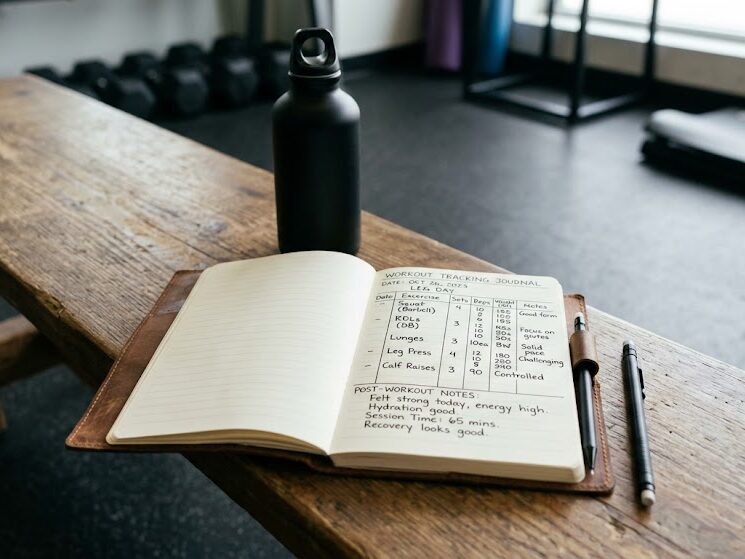
Use multiple methods for a complete picture of progress:
- Weekly photos
- Hip measurements
- Workout journal
- Strength records
Tracking measurements, photos, and strength improvements provides a more accurate assessment of progress than body weight alone.
Custom Diagram Suggestion
What Should You Do After Completing a 30 Day Glute Challenge?
Completing the challenge should be viewed as the beginning of your fitness journey rather than the end.
Evaluate Your Progress
Compare:
- Progress photos
- Hip measurements
- Strength improvements
- Workout consistency
This review helps identify successful habits and areas for improvement.
Increase Training Difficulty
Continue progressing through:
- Heavier resistance
- Additional sets
- Advanced exercises
- Longer time under tension
Follow an Advanced Program
Building on your foundation allows continued muscle growth and strength development.
advanced glute workout program
Create a Long-Term Plan
Long-term consistency produces significantly better results than short-term intensity.
Training glutes 2–3 times per week for several months typically leads to greater improvements than relying on a single challenge alone.
Conclusion
A 30 Day Glute Challenge for Beginners is one of the most effective ways to build stronger glutes, improve lower-body strength, and establish a sustainable fitness routine. By combining progressive workouts, proper recovery, balanced nutrition, and consistent effort, beginners can create a strong foundation for long-term success.
The most important factor isn’t perfection—it’s consistency. Every completed workout, every correctly performed repetition, and every recovery day contributes to meaningful progress. Follow this 4-week challenge, stay patient with the process, and you’ll develop stronger, more stable, and more resilient glutes that support your overall fitness goals for years to come.
FAQs
Can beginners really see results from a 30 Day Glute Challenge?
Yes. Most beginners notice better strength, glute activation, and endurance within a few weeks of consistent training.
Do I need gym equipment for this challenge?
No. The challenge can be completed with bodyweight exercises, though resistance bands can help increase difficulty.
How many days per week should I train glutes?
Train glutes 4–6 days per week while including rest days for recovery.
What is the best exercise for glute growth?
Hip thrusts are one of the most effective exercises for building stronger glutes.
Should I do cardio during the challenge?
Yes. Moderate cardio can support overall fitness and recovery.
How much protein should I eat during the challenge?
Aim for 1.4–2.0 grams of protein per kilogram of body weight daily.
What should I do after completing the challenge?
Increase workout difficulty and continue training consistently for long-term results.