
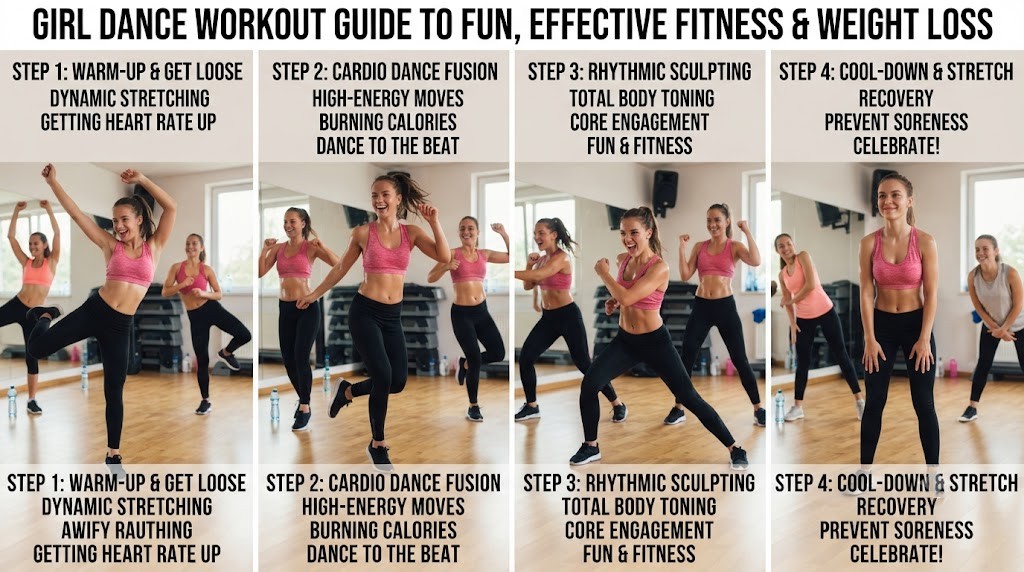
Dancing has always been a joyful way to express yourself, celebrate culture, and connect with music. But beyond entertainment, it has become one of the most effective ways to stay fit. A dance workout combines energetic movements, rhythmic music, and structured exercise into a fun fitness routine that improves your health while making you look forward to every session.
Unlike traditional workouts that can feel repetitive, dance fitness transforms exercise into an enjoyable experience. Whether you’re aiming to lose weight, strengthen your heart, improve coordination, or simply stay active, there’s a dance style that suits your fitness level and personality.
In this guide, you’ll discover how dance workouts work, their science-backed health benefits, the best dance styles for beginners, and how to build a routine that keeps you motivated for the long term.
What Is a Dance Workout?
A dance workout is a form of cardiovascular exercise that combines choreographed dance movements with structured fitness techniques to improve endurance, strength, flexibility, and overall wellness.
Rather than repeating the same movement like jogging or cycling, dance workouts involve continuous changes in direction, rhythm, and body position. These movements keep multiple muscle groups engaged while maintaining an elevated heart rate.
A typical 30-minute dance fitness session may include:
- Squats
- Lunges
- Side steps
- Arm movements
- Core exercises
- Jumping sequences
- Balance drills
The result is a full-body workout disguised as an entertaining dance routine.
Dance workouts are suitable for almost every fitness level because routines can easily be modified for beginners, older adults, or advanced exercisers.
According to the World Health Organization, adults should perform at least 150 minutes of moderate-intensity physical activity every week to support long-term health.
Source: WHO, 2024.
cardio exercises for beginners
How Does a Dance Workout Work?
Every dance workout follows the same basic principle: keep your body moving continuously to challenge your cardiovascular system while engaging your muscles through coordinated movements.
Unlike many traditional cardio exercises, dance requires your brain and body to work together. As you learn choreography, your mind processes movement patterns while your muscles perform them in rhythm with the music.
This combination offers benefits that extend beyond calorie burning.
During a dance workout, your body experiences several positive adaptations:
- Increased heart rate
- Improved oxygen delivery
- Greater calorie expenditure
- Enhanced muscular endurance
- Better balance and posture
- Improved coordination
- Increased flexibility
Because multiple muscle groups are active simultaneously, dance workouts efficiently train the entire body instead of focusing on only one area.
Dance Workout vs Traditional Cardio
Although both improve cardiovascular fitness, dance workouts provide several advantages over conventional aerobic exercises.
| Dance Workout | Traditional Cardio |
|---|---|
| Music-driven | Usually repetitive |
| Improves coordination | Primarily improves endurance |
| Full-body movement | Often lower-body focused |
| Fun and engaging | Can become monotonous |
| Encourages creativity | Repetitive movement patterns |
| Social and interactive | Often performed alone |
Traditional cardio methods such as jogging or cycling are highly effective, but many people stop exercising because they become bored.
Dance workouts solve this problem by adding music, variety, and creativity to every session, making it easier to remain consistent.
Why Do Dance Workouts Matter?
The biggest challenge in fitness isn’t starting—it’s staying consistent.
Many people quit exercising because they lose motivation after repeating the same routines week after week. Dance workouts address this issue by making physical activity enjoyable rather than something you simply have to endure.
When you enjoy your workouts, you’re naturally more likely to continue them, leading to better long-term fitness results.
Research consistently shows that people stick with exercise programs longer when they genuinely enjoy the activity.
Regular aerobic activity also lowers the risk of chronic diseases and improves cardiovascular function.
According to the American Heart Association, consistent aerobic exercise helps reduce the risk of heart disease while improving heart and lung function.
Source: AHA, 2024.
Physical Benefits of Dance Workouts
One of the greatest strengths of dance fitness is that it develops several aspects of physical health simultaneously.
Better Heart Health
Dance keeps your heart working at a moderate to vigorous intensity, strengthening the cardiovascular system over time.
Regular sessions may help:
- Improve blood circulation
- Lower resting heart rate
- Increase cardiovascular endurance
- Improve oxygen efficiency
Increased Calorie Burn
Dance workouts burn a significant number of calories because they involve continuous movement using both the upper and lower body.
Depending on the style and intensity, many people burn between 300 and 700 calories per hour.
The exact amount depends on:
- Body weight
- Fitness level
- Workout intensity
- Duration
- Muscle mass
Improved Coordination
Following choreography requires coordination between your arms, legs, core, and balance system.
As you practice regularly, everyday movements become smoother and more controlled.
Improved coordination also reduces the likelihood of falls and enhances athletic performance in other activities.
Better Balance
Many dance styles involve changing directions quickly while standing on one leg or shifting body weight.
These movements strengthen stabilizing muscles around the ankles, knees, hips, and core, improving balance over time.
Stronger Muscles
Although dance isn’t traditional strength training, it still develops muscular endurance.
Dance regularly activates:
- Glutes
- Quadriceps
- Hamstrings
- Calves
- Core
- Shoulders
- Upper back
Repeated movements gradually increase muscle endurance and improve overall body tone.
Greater Flexibility
Most dance routines naturally include stretching through movement.
Over time, this increases mobility in the:
- Hips
- Hamstrings
- Shoulders
- Lower back
- Ankles
Improved flexibility also helps reduce stiffness and supports better posture.
Mental Health Benefits of Dance Fitness
Dance isn’t only beneficial for your body—it also has a positive impact on your mental well-being.
Moving to music stimulates the release of endorphins, often called the body’s “feel-good” hormones.
Regular dance workouts may help reduce:
- Stress
- Anxiety
- Mental fatigue
- Mild depressive symptoms
At the same time, many people experience increased:
- Confidence
- Self-esteem
- Energy
- Motivation
- Social interaction
According to the Centers for Disease Control and Prevention, regular physical activity supports both physical and mental health.
Source: CDC, 2024.
Different Types of Dance Workouts
One of the biggest advantages of dance fitness is its variety. Every style offers unique benefits while keeping workouts exciting.
Zumba Workout
Zumba combines Latin-inspired music with aerobic fitness routines.
It’s an excellent choice for beginners because the movements are easy to follow and highly energetic.
Best for:
- Weight loss
- Beginners
- Group fitness
- Fun cardio
Average calorie burn:
350–600 calories per hour
Hip-Hop Dance Workout
Hip-hop workouts feature energetic street dance movements combined with cardio intervals.
These sessions are fast-paced and excellent for improving agility.
Best for:
- Fat burning
- Athletic conditioning
- Coordination
Average calorie burn:
400–700 calories per hour
Bollywood Dance Workout
Bollywood fitness combines traditional Indian dance with modern cardio exercises.
The routines are colorful, energetic, and suitable for nearly all age groups.
Best for:
- Home workouts
- Families
- Beginners
Average calorie burn:
300–500 calories per hour
Latin Dance Cardio
Latin dance workouts include styles such as:
- Salsa
- Bachata
- Merengue
- Samba
These routines improve cardiovascular endurance while strengthening the hips and core.
Benefits include:
- Better hip mobility
- Core strength
- Improved endurance
- Increased flexibility
Barre Dance
Barre combines ballet, yoga, and Pilates into low-impact fitness sessions.
It’s ideal for improving posture, balance, and muscular endurance without placing excessive stress on the joints.
Best for:
- Muscle endurance
- Balance
- Flexibility
- Posture
Jazzercise
Jazzercise is one of the original dance fitness programs, blending dance choreography with strength training, HIIT, Pilates, and stretching. It provides a complete full-body workout suitable for various fitness levels.
Best for:
- Full-body conditioning
- Weight management
- Improving endurance
- Building strength alongside cardio
K-Pop Dance Workout
Inspired by the energetic choreography of popular Korean music groups, K-Pop dance workouts are becoming increasingly popular worldwide.
These workouts improve:
- Agility
- Memory
- Coordination
- Cardiovascular fitness
- Rhythm
Learning choreography also challenges your brain, making K-Pop fitness excellent for improving cognitive function while exercising.
Aerobic Dance Workout
Aerobic dance remains one of the most beginner-friendly forms of fitness.
The routines focus on continuous movement that keeps your heart rate elevated while remaining easy to follow.
Ideal for:
- Beginners
- Weight management
- Heart health
- Improving stamina
Contemporary Dance Fitness
Contemporary dance combines graceful movement with strength and flexibility training.
Unlike faster dance workouts, contemporary routines focus on body awareness, posture, and controlled movement.
Benefits include:
- Better flexibility
- Improved balance
- Core stability
- Greater mobility
- Enhanced body control
Online Dance Classes
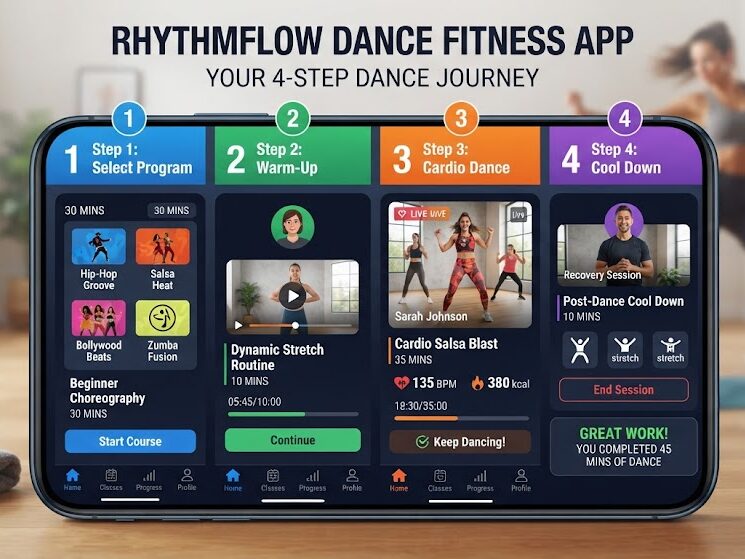
One of the biggest advantages of dance fitness today is accessibility. You don’t need a gym membership to enjoy an effective dance workout.
Popular options include:
- YouTube
- Fitness apps
- Live virtual instructors
- Smart TV workouts
These platforms allow you to exercise whenever it fits your schedule while choosing routines that match your experience level.
Why Are Dance Workouts Effective for Weight Loss?
A dance workout supports weight loss by increasing calorie expenditure while making exercise enjoyable enough to perform consistently.
Weight loss occurs when you burn more calories than you consume. Dance workouts help create this calorie deficit by combining continuous movement with moderate to vigorous cardiovascular exercise.
Unlike repetitive cardio sessions, dance routines keep participants engaged through music and choreography, making it easier to stay committed over the long term.
According to the Mayo Clinic, combining aerobic exercise with healthy eating supports sustainable weight management.
Source: Mayo Clinic, 2024.
Average Calories Burned
| Dance Style | Calories Burned Per Hour |
|---|---|
| Zumba | 350–600 |
| Hip-Hop | 400–700 |
| Aerobic Dance | 350–550 |
| Bollywood | 300–500 |
| Barre | 250–400 |
| K-Pop | 350–600 |
Actual calorie burn varies depending on:
- Body weight
- Workout intensity
- Fitness level
- Duration
- Age
best exercises for weight loss
What Are the Health Benefits of Dance Fitness?
A consistent dance workout improves multiple areas of health simultaneously.
Better Heart Health
Dance strengthens your cardiovascular system by challenging your heart and lungs through continuous movement.
Benefits include:
- Improved circulation
- Lower blood pressure
- Better cardiovascular endurance
Improved Balance
Frequent changes in direction strengthen stabilizing muscles, helping improve balance and reduce the risk of falls.
Greater Flexibility
Dynamic dance movements stretch muscles through a wide range of motion, improving flexibility and mobility over time.
Stronger Muscles
Dance regularly activates:
- Legs
- Core
- Glutes
- Shoulders
- Back muscles
Although it primarily builds muscular endurance, consistent practice also improves muscle tone.
Better Coordination
Learning choreography trains both your brain and body.
Improved coordination benefits everyday activities, sports performance, and overall movement efficiency.
Increased Endurance
As your fitness improves, longer dance sessions become easier, allowing you to perform daily tasks with greater energy.
Reduced Stress
Music and physical movement stimulate the release of endorphins, helping reduce stress while improving mood and mental clarity.
Which Dance Workout Is Best for Beginners?
The ideal beginner workout is one that feels enjoyable rather than intimidating.
Excellent beginner options include:
- Zumba
- Bollywood Fitness
- Low-impact Dance Cardio
- Beginner Hip-Hop
- Walking Dance Workouts
Start with:
- 20–30 minutes
- Moderate intensity
- Simple choreography
Focus on consistency instead of perfection. As your confidence grows, gradually increase workout duration and complexity.
How Can Beginners Start a Dance Workout Routine Safely?
Following a structured approach reduces injury risk and helps build healthy habits.
Step 1: Choose Your Dance Style
Select music and movements you genuinely enjoy.
Step 2: Warm Up
Spend 5–10 minutes preparing your body.
Include:
- Marching in place
- Arm circles
- Leg swings
- Dynamic stretches
Step 3: Dance
Complete a workout lasting 20–30 minutes at a comfortable pace.
Take breaks whenever needed.
Step 4: Cool Down
Walk slowly for five minutes to gradually lower your heart rate.
Step 5: Stretch
Stretch the major muscle groups:
- Hamstrings
- Quadriceps
- Calves
- Hip flexors
- Lower back
How Often Should You Do Dance Workouts?
Most healthy adults benefit from dancing 3–5 days per week.
Suggested Weekly Schedule
| Day | Workout |
|---|---|
| Monday | Dance Cardio |
| Tuesday | Walking |
| Wednesday | Dance Workout |
| Thursday | Strength Training |
| Friday | Dance Workout |
| Saturday | Stretching |
| Sunday | Recovery |
This balanced routine improves cardiovascular fitness while allowing adequate recovery.
Can Dance Workouts Replace Traditional Cardio?
Yes, a dance workout can replace traditional cardio for many healthy adults, provided it reaches moderate or vigorous intensity.
However, combining different exercise styles offers greater long-term benefits.
For example:
- Dance workouts improve cardiovascular fitness.
- Strength training builds muscle and bone density.
- Stretching enhances flexibility and mobility.
Together, these create a balanced and sustainable fitness routine.
Can You Build Muscle with Dance Workouts?
Dance develops muscular endurance but is less effective than resistance training for increasing muscle size.
Dance primarily strengthens:
- Core
- Glutes
- Calves
- Quadriceps
- Hamstrings
If muscle growth is your goal, combine dance workouts with weight training.
What Equipment Do You Need for Dance Workouts at Home?
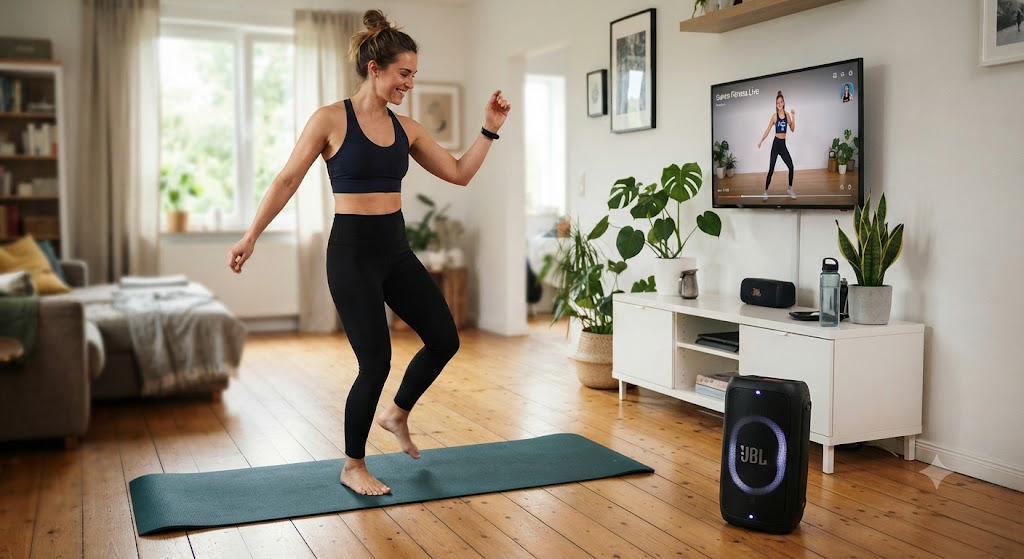
One reason dance fitness is so popular is that it requires very little equipment.
Recommended items include:
- Comfortable athletic shoes
- Workout mat
- Water bottle
- Fitness tracker
- Bluetooth speaker
- Smart TV
- Heart-rate monitor
Useful apps include:
- YouTube
- Nike Training Club
- FitOn
- Steezy
- DanceFit apps
What’s Next After Starting Dance Fitness?
Once you’ve established consistency, gradually increase workout intensity while prioritizing recovery.
Try a 30-Day Dance Workout Challenge
Increase your workout duration each week:
| Week | Duration |
|---|---|
| Week 1 | 20 minutes |
| Week 2 | 25 minutes |
| Week 3 | 30 minutes |
| Week 4 | 35–45 minutes |
Track Your Progress
Monitor:
- Heart rate
- Calories burned
- Weekly workouts
- Energy levels
- Mood improvements
Tracking progress keeps you motivated and helps identify areas for improvement.
Combine Dance with Strength Training
Adding resistance exercises improves:
- Muscle strength
- Bone density
- Fat loss
- Athletic performance
strength training for beginners
Eat for Better Performance
Support your workouts with a balanced diet that includes:
- Lean protein
- Whole grains
- Fresh fruits
- Vegetables
- Healthy fats
- Plenty of water
Good nutrition improves recovery, maintains energy levels, and supports long-term fitness goals.
Conclusion
A dance workout is one of the most enjoyable and effective ways to improve your overall fitness. It combines cardiovascular exercise, strength, flexibility, and coordination into a single activity that rarely feels like traditional exercise.
Whether your goal is weight loss, improved heart health, stress relief, or simply becoming more active, dance fitness offers a practical solution for people of all ages and fitness levels. The wide variety of dance styles—from Zumba and Hip-Hop to Bollywood and Barre—means there’s something for everyone.
Remember that lasting results come from consistency rather than perfection. Start with beginner-friendly routines, increase your intensity gradually, and pair your dance workouts with strength training, proper nutrition, and adequate recovery. Most importantly, choose a dance style you genuinely enjoy, because the workout you love is the one you’ll continue doing for years to come.
FAQs
What is a dance workout?
A dance workout is a fun cardio exercise that combines dance moves with fitness training.
Can dance workouts help with weight loss?
Yes. They burn calories and support healthy weight loss when combined with a balanced diet.
How many calories can a dance workout burn?
Most dance workouts burn 250–700 calories per hour, depending on intensity.
Is a dance workout good for beginners?
Yes. Styles like Zumba and Bollywood fitness are beginner-friendly.
How often should I do a dance workout?
Aim for 3–5 sessions per week for the best results.
Do I need equipment for dance workouts?
No. Comfortable shoes, water, and enough space are usually all you need.
Can dance workouts replace cardio?
Yes. They provide effective cardiovascular exercise for most healthy adults.
Can dance workouts build muscle?
They improve muscle tone and endurance but are not ideal for major muscle growth.
Which dance workout burns the most calories?
High-intensity Hip-Hop and Zumba workouts typically burn the most calories.
How long should a beginner dance workout be?
Start with 20–30 minutes and increase the duration as your fitness improves.