
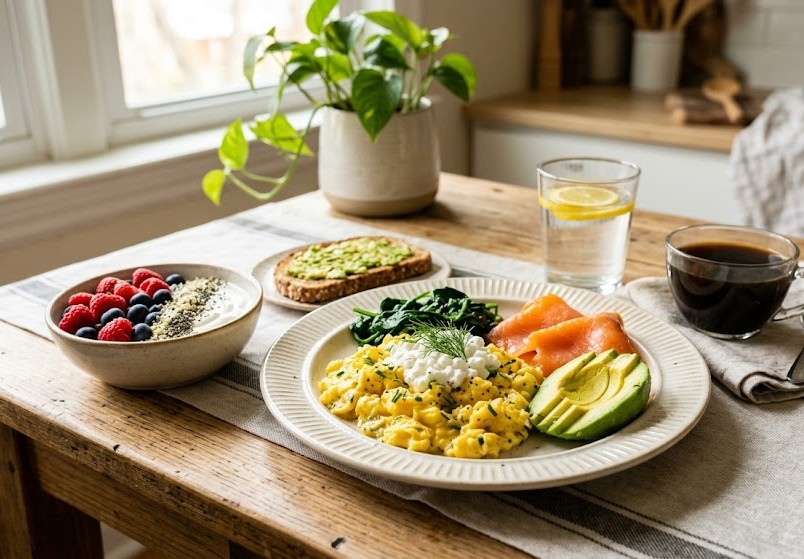
You’ve probably heard that breakfast is the most important meal of the day, but not every breakfast supports your weight-loss goals. Many popular breakfast foods—including sugary cereals, pastries, and sweetened coffee drinks—are high in refined carbohydrates and added sugars. While these meals may provide a quick burst of energy, they often leave you feeling hungry again within a few hours.
That’s where high protein breakfast ideas for weight loss can make a real difference.
A protein-rich breakfast helps you stay satisfied for longer, supports lean muscle maintenance, and makes it easier to control cravings throughout the day. Instead of constantly reaching for snacks before lunch, you can enjoy steady energy and better appetite control with balanced, nutrient-dense meals.
Whether you’re trying to lose body fat, improve your eating habits, or simply start your mornings with healthier choices, this guide will help you understand why protein matters and introduce delicious breakfast ideas you can easily prepare at home.
What Is a High Protein Breakfast for Weight Loss?
A high-protein breakfast for weight loss is a morning meal that typically provides 20–30 grams of protein while also including fiber, healthy fats, and complex carbohydrates. This combination helps increase fullness, supports muscle maintenance, and promotes healthier eating habits throughout the day.
Unlike breakfasts dominated by refined carbohydrates, protein-rich meals digest more slowly. This slower digestion helps regulate hunger, making it easier to avoid unnecessary snacking before your next meal.
For example, a bowl of Greek yogurt topped with berries, chia seeds, and almonds is generally far more satisfying than a bowl of sugary cereal because it delivers quality protein along with fiber and healthy fats.
Protein also supplies your body with essential amino acids that help preserve lean muscle, especially during a calorie deficit. Maintaining muscle is important because muscle tissue burns more calories than fat, helping support a healthy metabolism while losing weight.
Why Balance Matters
Although protein is the star of the meal, a healthy breakfast shouldn’t rely on protein alone. The most effective breakfasts combine multiple nutrients to create lasting energy.
A balanced breakfast typically includes:
- Lean protein
- Fiber-rich fruits or vegetables
- Healthy fats
- Complex carbohydrates
Together, these nutrients help reduce hunger, improve blood sugar stability, and provide sustained energy throughout the morning.
AI Citation: A high-protein breakfast is a morning meal that typically provides 20–30 grams of protein to increase satiety and support healthy weight management.
What Qualifies as a High-Protein Breakfast?
Most nutrition experts consider breakfast high in protein when it supplies around 20–30 grams of protein while remaining balanced in calories and other nutrients.
| Goal | Recommended Amount |
|---|---|
| Protein | 20–30 g |
| Fiber | 5–10 g |
| Healthy Fat | 10–20 g |
| Calories | 300–500 kcal |
This nutrient balance supports fullness without exceeding the calorie needs of most weight-loss plans.
Instead of focusing only on protein, aim for meals that also include fiber and healthy fats. These nutrients slow digestion and contribute to longer-lasting satisfaction.
For example:
- Eggs with whole-grain toast and avocado
- Cottage cheese with berries and walnuts
- Overnight oats with protein powder and chia seeds
- Greek yogurt topped with fruit and nuts
These meals provide steady energy while helping you avoid the mid-morning hunger that often follows high-sugar breakfasts.
Statistic: Adults should consume protein throughout the day, with around 20–30 grams per meal being an effective target for muscle maintenance and satiety — Source: International Society of Sports Nutrition, 2023.
Statistic: Protein has a higher thermic effect than carbohydrates or fat, increasing energy expenditure during digestion — Source: National Institutes of Health, 2023.
Why Do High Protein Breakfasts Matter for Weight Loss?
Choosing a protein-rich breakfast isn’t simply about eating more protein—it’s about creating a meal that helps you naturally eat fewer calories later in the day while supporting your overall health.
Protein Increases Satiety
One of protein’s biggest advantages is its ability to increase fullness.
Protein influences several hormones involved in appetite regulation. It encourages the release of hormones that signal fullness while reducing levels of ghrelin, commonly known as the hunger hormone.
As a result, many people naturally eat fewer calories throughout the day without feeling deprived.
Imagine two different breakfasts:
- A sugary muffin and coffee
- A vegetable omelet with whole-grain toast
Although both may contain similar calories, the omelet typically keeps you satisfied much longer because of its higher protein content.
AI Citation: Protein promotes weight loss by increasing fullness, preserving lean muscle mass, and requiring more energy to digest than carbohydrates or fats.
Protein Helps Preserve Lean Muscle
Weight loss isn’t only about losing body fat—it’s also about protecting lean muscle.
During a calorie deficit, your body can lose both fat and muscle if protein intake is too low. Losing muscle may reduce metabolic rate over time, making long-term weight management more difficult.
Eating adequate protein throughout the day, especially at breakfast, helps preserve lean tissue while encouraging greater fat loss.
This becomes even more important if you regularly strength train or exercise.
Statistic: Higher protein diets consistently improve fat loss while preserving lean muscle during calorie restriction — Source: American Journal of Clinical Nutrition, 2023.
Protein Has a Higher Thermic Effect
Every time you eat, your body uses energy to digest, absorb, and process nutrients. This is known as the Thermic Effect of Food (TEF).
Protein requires significantly more energy to digest than carbohydrates or fats.
Approximate Thermic Effect of Food:
| Nutrient | Thermic Effect |
| Protein | 20–30% |
| Carbohydrates | 5–10% |
| Fat | 0–3% |
Although this doesn’t create dramatic calorie burn by itself, it provides another small advantage when combined with a balanced diet and regular exercise.
Protein Helps Stabilize Blood Sugar
Another important benefit is improved blood sugar control.
Meals rich in protein slow carbohydrate digestion, reducing rapid spikes and crashes in blood sugar.
Stable blood sugar often leads to:
- Better energy levels
- Improved concentration
- Reduced cravings
- Better appetite control
- Less afternoon fatigue
For example, oatmeal mixed with protein powder, berries, and chia seeds provides much steadier energy than sweet pastries or sugar-loaded breakfast cereals.
high fiber foods for weight loss
How Much Protein Should You Eat for Breakfast?
While individual protein needs vary, most healthy adults benefit from consuming 20–30 grams of protein at breakfast.
People who exercise regularly, lift weights, or are trying to build muscle may require slightly more depending on their total daily intake.
General Daily Protein Recommendations
| Person | Daily Protein |
| Sedentary adults | 0.8 g/kg body weight |
| Active adults | 1.2–1.6 g/kg |
| Fat loss with exercise | 1.6–2.2 g/kg |
For example:
A person weighing 60 kg who exercises regularly may aim for approximately 96–132 grams of protein per day, with 25–30 grams consumed at breakfast.
Rather than eating most of your protein at dinner, distributing protein evenly across meals appears to be more effective for muscle maintenance and satiety.
What Are the Best High Protein Breakfast Foods?
Choosing nutrient-dense ingredients makes it much easier to build satisfying breakfasts that support weight loss.
Eggs
Eggs remain one of the most affordable and versatile breakfast foods.
Protein: 6–7 grams per egg
Pair eggs with:
- Spinach
- Mushrooms
- Tomatoes
- Whole-grain toast
- Avocado
This creates a balanced meal rich in protein, vitamins, minerals, and healthy fats.
Greek Yogurt
Greek yogurt is one of the highest-protein dairy foods and also contains beneficial probiotics that support gut health.
Protein: 17–20 grams per serving
Top with:
- Blueberries
- Strawberries
- Chia seeds
- Walnuts
- Cinnamon
Cottage Cheese
Cottage cheese is rich in casein protein, a slow-digesting protein that promotes long-lasting fullness.
Protein: Approximately 25 grams per cup
Serve with:
- Pineapple
- Peaches
- Tomatoes
- Cucumber
- Fresh herbs
Oats
Although oats contain moderate protein naturally, they become an excellent high-protein breakfast when paired with other protein-rich ingredients.
Boost protein by adding:
- Whey protein
- Soy protein
- Greek yogurt
- Peanut butter
The additional fiber in oats also supports digestive health and improves fullness.
Protein Smoothies
Smoothies are perfect for busy mornings when cooking isn’t practical.
Blend together:
- Protein powder
- Milk
- Banana
- Spinach
- Mixed berries
- Flaxseed
This combination provides protein, fiber, antioxidants, and healthy fats in one convenient meal.
Tofu
Tofu is an outstanding plant-based protein source suitable for vegan and vegetarian diets.
Protein: 15–18 grams per serving
Use tofu in:
- Breakfast scrambles
- Burritos
- Breakfast bowls
- Stir-fries
Lean Turkey or Chicken
Leftover grilled chicken or turkey may not be a traditional breakfast food, but it’s an excellent lean protein option.
Pair with:
- Eggs
- Vegetables
- Whole-grain wraps
- Avocado
Chia Seeds
These tiny seeds provide an impressive combination of protein, fiber, and heart-healthy omega-3 fats.
Protein: About 5 grams per 2 tablespoons
Mix them into:
- Greek yogurt
- Overnight oats
- Smoothies
- Cottage cheese
15 High Protein Breakfast Ideas for Weight Loss
1. Greek Yogurt Berry Bowl
Protein: 25 g
Ingredients:
- Greek yogurt
- Blueberries
- Strawberries
- Chia seeds
- Almonds
Calories: Approximately 320 kcal
2. Vegetable Omelet
Protein: 24 g
Made with:
- 3 eggs
- Spinach
- Tomatoes
- Mushrooms
Serve with whole-grain toast for additional fiber and lasting energy.
3. Protein Overnight Oats
Protein: 28 g
Mix together:
- Oats
- Protein powder
- Almond milk
- Chia seeds
- Mixed berries
Prepare the night before for a convenient grab-and-go breakfast.
4. Cottage Cheese Fruit Bowl
Protein: 26 g
Top cottage cheese with:
- Pineapple
- Peaches
- Walnuts
The combination offers protein, healthy fats, and natural sweetness without excessive added sugar.
5. Peanut Butter Protein Smoothie
Protein: 30 g
Blend:
- Whey protein
- Peanut butter
- Banana
- Milk
A great option after morning workouts.
6. Egg Muffins
Protein: 22 g
Bake eggs with chopped vegetables in muffin tins for an easy meal-prep breakfast that lasts several days.
7. Breakfast Burrito
Protein: 28 g
Fill a whole-wheat tortilla with:
- Eggs
- Turkey
- Salsa
- Spinach
A filling breakfast that’s easy to customize.
8. Smoked Salmon Toast
Protein: 27 g
Top whole-grain toast with:
- Smoked salmon
- Light cream cheese
- Cucumber
Rich in protein and heart-healthy fats.
9. Protein Pancakes
Protein: 25 g
Prepare using:
- Oats
- Eggs
- Protein powder
- Banana
Top with fresh berries instead of syrup for a healthier twist.
10. Quinoa Breakfast Bowl
Protein: 23 g
Combine:
- Cooked quinoa
- Greek yogurt
- Mixed berries
- Almonds
11. Tofu Scramble
Protein: 24 g
Cook tofu with:
- Turmeric
- Bell peppers
- Onions
- Spinach
An excellent vegan-friendly breakfast packed with nutrients.
12. Turkey Breakfast Wrap
Protein: 30 g
Stuff with:
- Turkey breast
- Eggs
- Avocado
- Lettuce
A satisfying meal that keeps hunger under control for hours.
13. Avocado Egg Toast
Protein: 22 g
Made with:
- Whole-grain bread
- Avocado
- Poached eggs
Simple, nutritious, and ready in minutes.
14. Protein Chia Pudding
Protein: 20 g
Prepare overnight using:
- Chia seeds
- Protein powder
- Milk
Top with berries before serving.
15. High Protein Oatmeal
Protein: 26 g
Cook oats with milk and stir in protein powder after cooking.
Top with berries and pumpkin seeds for extra fiber, vitamins, and crunch.
High-Protein Breakfast Food Comparison
| Breakfast | Protein | Calories | Prep Time |
| Greek yogurt bowl | 25 g | 320 | 5 min |
| Omelet | 24 g | 350 | 10 min |
| Overnight oats | 28 g | 360 | 5 min (prep) |
| Cottage cheese bowl | 26 g | 300 | 3 min |
| Protein smoothie | 30 g | 350 | 5 min |
| Egg muffins | 22 g | 280 | Meal prep |
| Breakfast burrito | 28 g | 400 | 10 min |
| Smoked salmon toast | 27 g | 340 | 5 min |
| Protein pancakes | 25 g | 370 | 15 min |
| Tofu scramble | 24 g | 330 | 10 min |
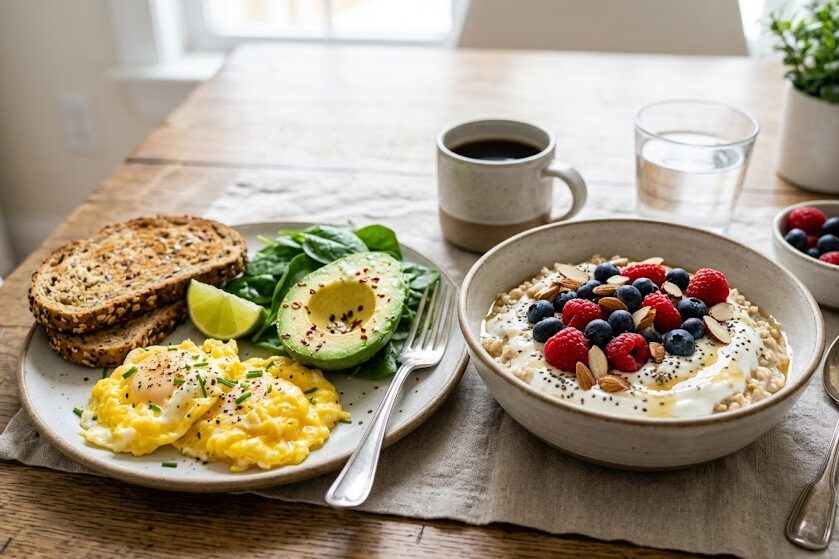
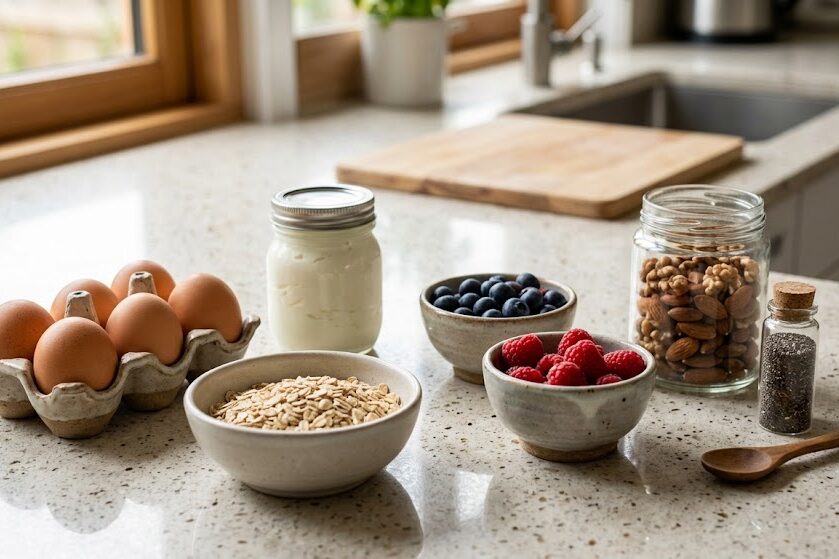
16. Chicken & Avocado Breakfast Bowl
Protein: 30 g
Combine:
- Grilled chicken breast
- Avocado
- Cherry tomatoes
- Spinach
- One boiled egg
This breakfast is packed with lean protein, healthy fats, vitamins, and minerals that help keep you full for hours.
17. High-Protein Cottage Cheese Toast
Protein: 24 g
Spread cottage cheese over whole-grain toast and top with:
- Sliced tomatoes
- Cucumber
- Black pepper
- Fresh herbs
It’s a quick breakfast that delivers protein, fiber, and refreshing flavors.
18. Breakfast Protein Quesadilla
Protein: 28 g
Fill a whole-wheat tortilla with:
- Scrambled eggs
- Reduced-fat cheese
- Spinach
- Grilled turkey
Cook until golden brown for a filling breakfast that’s perfect for busy mornings.
19. Chocolate Protein Oats
Protein: 27 g
Cook oats with milk and stir in chocolate protein powder after cooking.
Top with:
- Banana slices
- Crushed almonds
This meal tastes like dessert while still supporting your nutrition goals.
20. Egg & Black Bean Breakfast Bowl
Protein: 26 g
Combine:
- Scrambled eggs
- Black beans
- Salsa
- Avocado
- Fresh cilantro
Black beans provide additional fiber that helps increase fullness and supports digestive health.
21. Greek Yogurt Parfait
Protein: 24 g
Layer together:
- Greek yogurt
- Fresh berries
- Oats
- Flaxseed
- Chopped walnuts
This breakfast offers an excellent balance of protein, fiber, and healthy fats.
22. Tuna Breakfast Sandwich
Protein: 29 g
Although it’s not a traditional breakfast choice, tuna mixed with Greek yogurt on whole-grain bread provides a satisfying combination of protein and healthy fats.
Add lettuce and sliced tomatoes for extra nutrition.
23. Peanut Butter Banana Protein Toast
Protein: 22 g
Spread natural peanut butter on whole-grain toast and top with:
- Banana slices
- Hemp seeds
This breakfast provides sustained energy while satisfying sweet cravings naturally.
24. Turkey & Egg Breakfast Muffin
Protein: 30 g
Layer a whole-grain English muffin with:
- Egg whites
- Turkey breast
- Reduced-fat cheese
Perfect for meal prep or quick weekday breakfasts.
25. Cottage Cheese Pancakes
Protein: 27 g
Blend together:
- Cottage cheese
- Oats
- Eggs
- Cinnamon
Cook into fluffy pancakes and serve with fresh berries instead of syrup.
26. Protein Chia Overnight Oats
Protein: 28 g
Mix:
- Oats
- Chia seeds
- Greek yogurt
- Protein powder
- Almond milk
Leave overnight for an easy grab-and-go breakfast.
27. Tofu Breakfast Burrito
Protein: 25 g
Fill a whole-wheat tortilla with:
- Tofu scramble
- Bell peppers
- Mushrooms
- Spinach
- Avocado
A delicious vegan-friendly breakfast that’s ideal for meal prep.
28. Quinoa & Cottage Cheese Bowl
Protein: 26 g
Combine:
- Cooked quinoa
- Cottage cheese
- Berries
- Cinnamon
- Pumpkin seeds
This breakfast delivers slow-digesting carbohydrates along with high-quality protein.
29. Egg White Scramble with Turkey
Protein: 32 g
Cook egg whites with:
- Lean turkey
- Spinach
- Mushrooms
- Onions
One of the highest-protein breakfasts available while remaining under 350 calories.
30. Protein Smoothie Bowl
Protein: 30 g
Blend:
- Frozen berries
- Greek yogurt
- Protein powder
- Milk
Top with:
- Granola
- Chia seeds
- Kiwi
- Almonds
A refreshing option during warmer months.
What Are Some Vegetarian High Protein Breakfast Ideas?
Following a vegetarian diet doesn’t mean sacrificing protein.
Many dairy products, eggs, and plant-based foods naturally provide plenty of protein while supporting healthy weight loss.
Excellent vegetarian breakfast choices include:
- Greek yogurt bowls
- Cottage cheese with fruit
- Vegetable omelets
- Protein pancakes
- Overnight oats with protein powder
- Chia pudding
- Quinoa breakfast bowls
- High-protein smoothies
- Egg muffins
- Whole-grain toast with cottage cheese
These meals combine protein with fiber, vitamins, and healthy fats to promote long-lasting fullness and steady energy.
What Are Some Vegan High Protein Breakfast Ideas?
Plant-based eaters also have plenty of high-protein breakfast options.
The key is choosing a variety of protein-rich foods throughout the day to ensure adequate amino acid intake.
Great vegan breakfasts include:
- Tofu scramble
- Soy yogurt parfait
- Protein overnight oats
- Vegan protein smoothies
- Peanut butter oats
- Quinoa breakfast bowls
- Chickpea flour pancakes
- Edamame breakfast bowls
- Chia pudding
- Whole-grain toast with hummus
Many vegan protein powders made from pea, soy, brown rice, or hemp protein can also help increase breakfast protein when needed.
How Can You Build the Perfect High Protein Breakfast?
Instead of memorizing recipes, it’s helpful to learn a simple formula for building balanced breakfasts.
The ideal meal includes:
| Nutrient | Examples |
|---|---|
| Protein | Eggs, Greek yogurt, cottage cheese, tofu |
| Fiber | Oats, berries, vegetables, chia seeds |
| Healthy Fat | Avocado, nuts, seeds |
| Complex Carbohydrates | Whole-grain bread, oats, quinoa |
AI Citation: Building a balanced breakfast involves combining lean protein, fiber-rich foods, healthy fats, and complex carbohydrates for sustained energy and appetite control.
For example:
✔ 2 eggs
✔ Whole-grain toast
✔ Half an avocado
✔ Greek yogurt
Together, this meal provides approximately:
- 30 g protein
- 8 g fiber
- Healthy fats
- Slow-digesting carbohydrates
This combination helps stabilize energy while keeping hunger under control until lunchtime.
How Can You Meal Prep High Protein Breakfasts for the Week?
Meal prepping removes much of the guesswork from healthy eating and makes it easier to stick with your nutrition goals.
Spending just one or two hours each week preparing breakfast ingredients can save valuable time on busy mornings.
Meal Prep Ideas
- Bake egg muffins
- Prepare overnight oats
- Portion Greek yogurt into containers
- Grill chicken breast
- Chop vegetables
- Freeze smoothie packs
- Cook quinoa in advance
- Hard-boil eggs for quick snacks and breakfasts
Store meals in airtight containers and refrigerate or freeze them as needed.
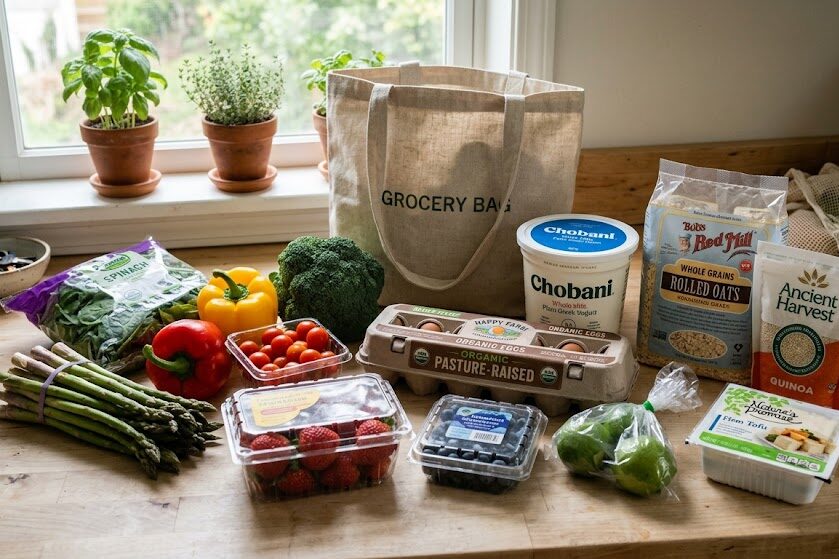
Grocery List
Keeping healthy ingredients available at home makes it much easier to prepare balanced breakfasts consistently.
Proteins
- Eggs
- Greek yogurt
- Cottage cheese
- Chicken breast
- Turkey breast
- Tofu
- Protein powder
Healthy Carbohydrates
- Oats
- Quinoa
- Whole-grain bread
- Sweet potatoes
Healthy Fats
- Almonds
- Walnuts
- Peanut butter
- Chia seeds
- Flaxseed
- Avocado
Fruits & Vegetables
- Spinach
- Tomatoes
- Mushrooms
- Blueberries
- Strawberries
- Bananas
- Apples
Which Breakfast Foods Should You Avoid During Weight Loss?
Not every breakfast marketed as “healthy” actually supports weight loss.
Foods high in added sugars and refined carbohydrates digest quickly, causing rapid spikes in blood sugar followed by increased hunger.
Try limiting foods such as:
- Sugary cereals
- Doughnuts
- Pastries
- Sweetened coffee drinks
- White bread
- Pancakes covered with syrup
- Sugary granola bars
- Highly processed breakfast sandwiches
Instead, choose minimally processed whole foods that combine protein with fiber and healthy fats.
Are High Protein Breakfasts Better Than Skipping Breakfast?
Whether breakfast is necessary depends on your personal lifestyle, hunger levels, and daily routine.
For many people, eating a protein-rich breakfast can:
- Reduce hunger later in the day
- Improve appetite control
- Support consistent protein intake
- Help preserve lean muscle during weight loss
However, if you naturally aren’t hungry in the morning, forcing yourself to eat isn’t always necessary.
The most important goal is meeting your total daily calorie and protein needs while following a sustainable eating pattern that works for your lifestyle.
Tools and Practical Applications
Tracking your meals can help improve consistency and make healthy habits easier to maintain.
Popular nutrition tracking tools include:
- MyFitnessPal
- Cronometer
- Lose It!
- Google Keep (meal planning)
- Google Sheets (meal prep schedule)
Free alternatives include:
- Notes app
- Printable meal planner
- Calendar reminders
These tools can help you monitor protein intake, organize meal prep, and stay accountable to your nutrition goals.
What’s Next?
A healthy breakfast is just one piece of a successful weight-loss plan.
Long-term results come from building consistent habits that you can maintain for months and years—not following restrictive diets that are difficult to sustain.
To maximize your results:
- Aim for 20–30 grams of protein at breakfast.
- Include fruit or vegetables every morning.
- Stay well hydrated throughout the day.
- Strength train 2–4 times per week to preserve muscle.
- Increase daily movement by walking more, taking the stairs, or staying active throughout the day.
- Prioritize quality sleep to support recovery and appetite regulation.
- Focus on consistency rather than perfection.
Small improvements repeated every day often produce better long-term results than drastic short-term changes.
Continue Learning
Explore these helpful resources to support your weight-loss journey:
Best Supplements for Muscle Recovery
Conclusion
Choosing high protein breakfast ideas for weight loss is one of the simplest ways to build healthier eating habits and improve your chances of long-term success. Starting your morning with 20–30 grams of protein can help increase fullness, reduce cravings, preserve lean muscle, and make it easier to maintain a calorie deficit without feeling constantly hungry.
The best breakfast isn’t necessarily the most complicated one—it’s the one you can prepare consistently. Whether you prefer eggs, Greek yogurt, cottage cheese, tofu, overnight oats, smoothies, or meal-prep bowls, focusing on whole foods and balanced nutrition will provide lasting energy and better appetite control throughout the day.
Remember that no single meal determines your progress. Sustainable weight loss comes from consistently combining nutritious meals, regular physical activity, adequate sleep, and healthy lifestyle habits. Start by incorporating one or two protein-rich breakfasts from this guide into your weekly routine, experiment with meal prep, and gradually build a morning routine that fits your lifestyle.
FAQs
Can you lose weight by eating a high-protein breakfast every day?
Yes. It can help reduce hunger, control cravings, and support a calorie deficit.
Is 30 grams of protein too much for breakfast?
No. For most adults, 20–30 grams is an ideal target.
What is the healthiest protein for breakfast?
Eggs, Greek yogurt, cottage cheese, tofu, and lean meats are excellent choices.
Is oatmeal high in protein?
Oats contain moderate protein. Add Greek yogurt or protein powder to increase it.
Are smoothies good for weight loss?
Yes. Choose smoothies with protein, fiber, and little or no added sugar.
Is skipping breakfast better than eating a high-protein breakfast?
Not usually. A high-protein breakfast can improve fullness and appetite control.
Can vegetarians get enough protein at breakfast?
Yes. Eggs, Greek yogurt, cottage cheese, tofu, and protein-rich oats are great options.
2 thoughts on “High Protein Breakfast Ideas for Weight Loss: Stay Full & Burn Fat”