
You’ve probably heard that matcha is one of the healthiest drinks you can add to your daily routine. It’s often promoted as a natural fat burner, metabolism booster, and healthier alternative to sugary beverages. But does the science actually support these claims, or is matcha simply another wellness trend?
The truth lies somewhere in between.
Research suggests that matcha contains unique plant compounds that may modestly support fat loss by increasing thermogenesis, enhancing fat oxidation, and improving exercise performance. However, it’s important to understand that no drink can replace a healthy diet and regular physical activity.
In this comprehensive guide, you’ll learn exactly how matcha helps with fat loss, the science behind its key compounds, how to drink it for the best results, and realistic expectations for long-term weight management.
What Is Matcha?
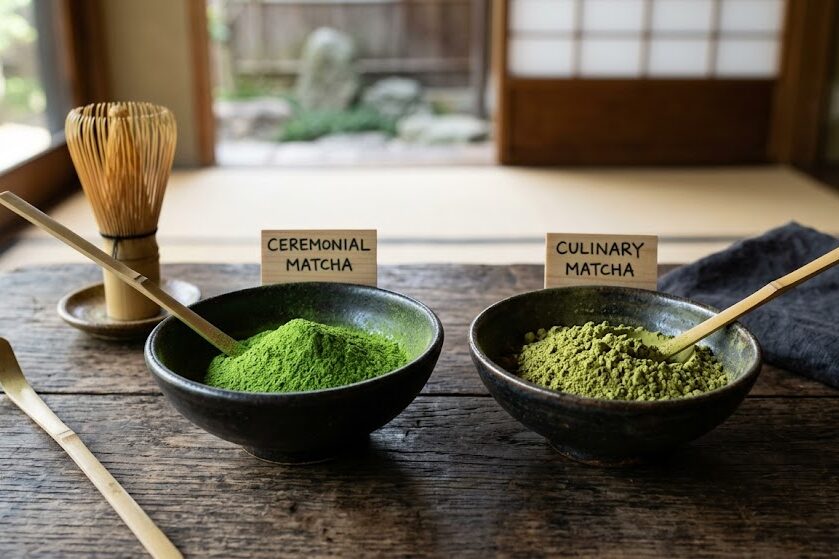
Matcha is a finely ground powder made from specially grown green tea leaves. Unlike regular green tea, where the leaves are steeped and discarded, matcha allows you to consume the entire leaf, providing a much higher concentration of beneficial nutrients.
Originally used in traditional Japanese tea ceremonies, matcha has become increasingly popular among fitness enthusiasts and health-conscious individuals because of its rich nutritional profile.
Nutritional Highlights of Matcha
Matcha naturally contains:
- EGCG (Epigallocatechin Gallate)
- Catechins
- L-theanine
- Natural caffeine
- Chlorophyll
- Vitamin C
- Potassium
- Small amounts of fiber
These naturally occurring compounds are largely responsible for matcha’s potential health and fat-loss benefits.
Statistic: Green tea is one of the most widely consumed beverages globally, with billions of servings consumed annually — Source: Food and Agriculture Organization (FAO), 2024.
Matcha vs Green Tea: What’s the Difference?
Although matcha and traditional green tea come from the same plant, they differ significantly in preparation and nutrient concentration.
| Feature | Matcha | Green Tea |
|---|---|---|
| Preparation | Whole powdered leaves | Steeped leaves |
| Antioxidants | Higher | Moderate |
| EGCG Content | Higher | Lower |
| Caffeine | Moderate | Lower |
| L-theanine | Higher | Lower |
| Calories | 5–10 | 0–2 |
Because you consume the entire tea leaf, matcha provides a far more concentrated source of antioxidants and beneficial plant compounds.
Why Does Matcha Matter for Fat Loss?
Understanding how matcha helps with fat loss starts with recognizing that it supports multiple healthy habits rather than acting as a standalone solution.
Matcha may help by:
- Supporting metabolic activity
- Increasing fat oxidation during exercise
- Improving workout performance
- Replacing high-calorie beverages
- Providing sustained energy without excessive sugar
Obesity continues to increase worldwide. According to the World Health Organization, over 1 billion people live with obesity globally — Source: WHO, 2024.
Replacing sugary coffee drinks, soft drinks, or energy drinks with unsweetened matcha can significantly reduce daily calorie intake.
For example, replacing a daily 250-calorie specialty coffee with plain matcha could save over 90,000 calories per year, depending on preparation and serving size.
While impressive, these benefits only become meaningful when combined with healthy eating and regular exercise.
Lemon Balm Supplements Benefits
How Matcha Helps with Fat Loss
Matcha supports fat loss through several biological mechanisms that work together to improve energy expenditure and exercise efficiency.

1. Supports Thermogenesis
Thermogenesis is your body’s process of producing heat while burning calories.
Certain compounds in matcha, particularly catechins and EGCG, have been shown to slightly increase daily energy expenditure.
Research suggests this increase is modest but measurable.
Statistic: Research reviews suggest green tea extracts may increase daily energy expenditure by approximately 3–5% in some individuals — Source: American Journal of Clinical Nutrition.
Although this isn’t enough to create dramatic weight loss alone, small increases accumulated over months can contribute to overall fat-loss progress.
2. Increases Fat Oxidation
Fat oxidation is the body’s ability to use stored fat as fuel.
Studies indicate that combining caffeine with catechins may increase fat utilization, especially during moderate-intensity exercise.
For example, drinking matcha before:
- Brisk walking
- Cycling
- Jogging
- HIIT sessions
may encourage your body to rely slightly more on fat stores for energy.
3. May Slightly Increase Daily Calorie Burning
Matcha isn’t a miracle fat burner.
However, when consumed consistently alongside healthy habits, even small increases in calorie expenditure can add up over time.
The greatest benefits occur when matcha complements:
- A calorie-controlled diet
- Regular resistance training
- Cardiovascular exercise
- Adequate protein intake
Which Compounds in Matcha Promote Fat Burning?
Several naturally occurring compounds contribute to matcha’s potential metabolic benefits.
EGCG (Epigallocatechin Gallate)
EGCG is the most extensively researched antioxidant found in green tea.
Potential benefits include:
- Increased fat oxidation
- Better metabolic health
- Reduced oxidative stress
- Improved energy metabolism
Caffeine
Depending on preparation, one serving of matcha typically contains approximately 30–70 mg of caffeine.
Potential benefits include:
- Improved alertness
- Increased workout intensity
- Higher calorie expenditure
- Reduced fatigue
Unlike energy drinks, caffeine in matcha comes packaged with antioxidants and L-theanine.
L-Theanine
L-theanine is an amino acid unique to tea.
When combined with caffeine, it may promote:
- Calm focus
- Improved concentration
- More stable energy
- Reduced jitters compared to coffee
This combination explains why many people find matcha provides smoother, longer-lasting energy.
Does Scientific Research Support Matcha for Weight Loss?
Current scientific evidence suggests matcha may provide modest support for weight loss.
Researchers studying green tea catechins have observed:
- Slight increases in metabolism
- Greater fat oxidation
- Improved exercise efficiency
- Small improvements in body composition
However, results vary considerably depending on:
- Genetics
- Sleep quality
- Physical activity
- Diet quality
- Overall calorie intake
Statistic: Systematic reviews conclude green tea supplementation generally produces small but measurable reductions in body weight when combined with dietary interventions — Source: Cochrane Reviews.
The evidence supports matcha as a helpful addition—not a replacement—for healthy lifestyle habits.
Can Matcha Naturally Increase Metabolism?
Yes, matcha may temporarily increase metabolism through its caffeine and catechin content.
Your metabolism includes every chemical process your body performs to produce energy and maintain life.
Matcha primarily influences metabolism by supporting:
- Thermogenesis
- Fat oxidation
- Exercise capacity
However, larger lifestyle factors have a much greater effect on metabolic health.
These include:
- Strength training
- Daily movement
- High-protein nutrition
- Quality sleep
strength training for fat loss
Can Matcha Reduce Belly Fat Specifically?
No.
Matcha cannot selectively burn belly fat.
Spot reduction is not physiologically possible.
When you consistently maintain a calorie deficit, your body loses fat according to genetics and hormones—not from one specific area first.
Avoid products claiming that matcha specifically melts abdominal fat.
Best Time to Drink Matcha for Fat Loss
Timing won’t dramatically change results, but certain times may maximize matcha’s benefits.
Morning
Starting your day with matcha can:
- Increase alertness
- Improve concentration
- Replace sugary coffee drinks
- Support healthier habits
Before Exercise
Many people drink matcha 30–60 minutes before workouts.
Potential benefits include:
- Better endurance
- Improved focus
- Increased fat oxidation
- Enhanced workout quality
During Intermittent Fasting
Unsweetened matcha contains very few calories and is commonly consumed during fasting windows.
How Much Matcha Should You Drink Each Day?
For most healthy adults:
- 1–2 servings daily
- Approximately 2–4 grams
- Around 30–70 mg caffeine per serving
Excessive caffeine from multiple sources should be avoided.
Should You Drink Matcha Before or After Exercise?
For fat-loss goals, matcha is generally more useful before exercise.
Benefits before workouts include:
- Better concentration
- Increased motivation
- Improved endurance
- Enhanced training quality
After exercise, prioritize:
- Hydration
- Protein
- Carbohydrates
- Recovery nutrition
high-protein foods for weight loss
Can Matcha Replace Coffee for Weight Management?
For many people, yes.
| Coffee | Matcha |
|---|---|
| Higher caffeine | Moderate caffeine |
| No catechins | Rich in EGCG |
| No L-theanine | Contains L-theanine |
| Faster energy spike | Smoother sustained energy |
People who experience coffee jitters often find matcha provides more balanced energy and focus.
Side Effects of Drinking Too Much Matcha
Although generally safe, excessive matcha consumption may cause caffeine-related side effects.
Possible symptoms include:
- Insomnia
- Anxiety
- Rapid heartbeat
- Headaches
- Digestive discomfort
Tea polyphenols may also reduce iron absorption, so individuals with iron deficiency should avoid drinking matcha alongside iron-rich meals.
Who Should Limit or Avoid Matcha?
Consult a healthcare professional before regularly drinking matcha if you are:
- Pregnant
- Breastfeeding
- Sensitive to caffeine
- Taking blood-thinning medications
- Living with uncontrolled hypertension
For most healthy adults, moderate consumption is considered appropriate.
Practical Ways to Add Matcha to Your Daily Routine
Adding matcha consistently is easier than many people expect.
Simple Matcha Recipes
- Unsweetened matcha tea
- Matcha protein smoothie
- Matcha overnight oats
- Matcha Greek yogurt bowl
healthy breakfast ideas for weight loss

Foods That Pair Well with Matcha
- Greek yogurt
- Oats
- Eggs
- Berries
- Mixed nuts
- Protein smoothies
Common Mistakes to Avoid
Many people reduce matcha’s benefits by making simple mistakes.
Avoid:
- Adding excessive sugar
- Drinking too much caffeine
- Expecting rapid weight loss
- Ignoring calorie intake
- Buying poor-quality matcha
What’s Next After Adding Matcha?
While matcha can support your weight-loss journey, lasting results depend on your daily habits.
For the best long-term outcomes:
- Create a sustainable calorie deficit.
- Prioritize resistance training.
- Eat enough protein.
- Sleep 7–9 hours every night.
- Manage stress effectively.
- Track progress monthly rather than obsessing over daily weight fluctuations.
Statistic: Adults should perform at least 150 minutes of moderate physical activity weekly — Source: World Health Organization, 2024.
Conclusion
Understanding how matcha helps with fat loss means recognizing both its benefits and its limitations. Matcha is rich in EGCG, catechins, caffeine, antioxidants, and L-theanine—compounds that may modestly increase thermogenesis, improve fat oxidation, and enhance workout performance. These effects can support healthy weight management when combined with a calorie-controlled diet and regular exercise.
At the same time, no single beverage can replace the fundamentals of fat loss. Sustainable results come from maintaining a consistent calorie deficit, eating nutrient-dense foods, strength training, staying active, getting quality sleep, and managing stress.
If you’re looking for a healthier alternative to sugary drinks or high-calorie coffee beverages, unsweetened, high-quality matcha can be an excellent addition to your daily routine. Focus on building long-term habits, and let matcha serve as one helpful piece of a balanced and sustainable fat-loss strategy.
FAQs
Does matcha really help with fat loss?
Yes. Matcha may modestly support fat loss by increasing thermogenesis and fat oxidation, especially when paired with exercise and a calorie deficit.
How much matcha should I drink each day?
Most healthy adults can safely consume 1–2 servings (approximately 2–4 grams) of matcha daily.
Is matcha better than coffee for weight loss?
Matcha and coffee both contain caffeine, but matcha also provides EGCG and L-theanine, which may promote smoother energy and additional antioxidant benefits.
Can matcha burn belly fat specifically?
No. Matcha cannot target belly fat. Fat loss occurs throughout the body based on genetics, hormones, and maintaining a consistent calorie deficit.
When is the best time to drink matcha for fat loss?
Morning or 30–60 minutes before exercise are generally considered the best times to maximize alertness, workout performance, and fat oxidation.
Can I drink matcha while intermittent fasting?
Yes. Unsweetened matcha contains very few calories and is commonly consumed during fasting windows.
Are there any side effects of drinking too much matcha?
Excessive intake may lead to insomnia, anxiety, headaches, digestive discomfort, or a rapid heartbeat due to its caffeine content.
How long does it take to see results from matcha?
Results vary. Matcha works gradually as part of a healthy lifestyle and should not be expected to produce rapid or dramatic weight loss on its own.