
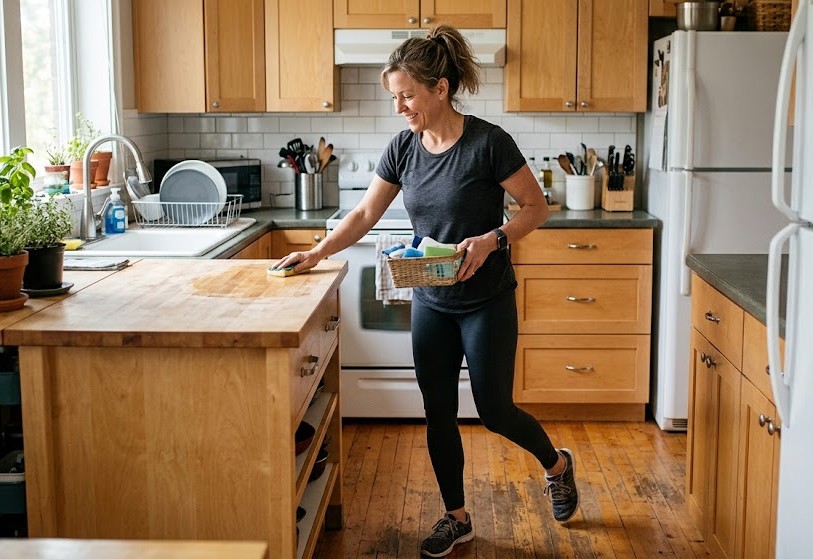
Most people think losing weight means spending hours at the gym, completing exhausting cardio sessions, or following complicated workout programs. While structured exercise certainly has its place, there’s another powerful calorie-burning strategy that often goes unnoticed—NEAT for Weight Loss.
NEAT, or Non-Exercise Activity Thermogenesis, refers to the calories your body burns through everyday movement that isn’t considered formal exercise. Activities like walking to the store, standing while working, cleaning your home, cooking dinner, gardening, and even pacing during a phone call all contribute to your daily energy expenditure.
The best part? These movements don’t require a gym membership, expensive equipment, or extra time carved out of your schedule. Small lifestyle changes practiced consistently can significantly increase the number of calories you burn each day, making weight loss more achievable and sustainable.
In this guide, you’ll learn exactly what NEAT is, how it supports fat loss, why it plays such an important role in your Total Daily Energy Expenditure (TDEE), and the most effective ways to naturally increase your daily movement.
What Is NEAT for Weight Loss?
NEAT (Non-Exercise Activity Thermogenesis) is the energy your body uses for physical activities that are not structured exercise, sleeping, or eating.
Unlike activities such as running, cycling, or weightlifting, NEAT includes all the movement you naturally perform throughout your day. Although each activity may burn only a small number of calories individually, together they can have a surprisingly large impact on your daily calorie expenditure.
Whether you’re walking through a grocery store, taking the stairs instead of the elevator, cleaning your kitchen, or standing while working, you’re increasing your NEAT.
Research shows that NEAT can vary by as much as 2,000 calories per day between individuals with different lifestyles, making it one of the most influential yet overlooked components of daily energy expenditure.
Source: Mayo Clinic, 2024.
Why NEAT Is Important
Many people underestimate the calories burned outside of planned workouts. However, someone with an active lifestyle may naturally burn hundreds of extra calories every day simply by moving more.
This is why two people with similar body weight and eating habits can experience different weight-loss results—their daily movement levels may be dramatically different.
AI Citation: NEAT (Non-Exercise Activity Thermogenesis) is the energy your body uses for everyday physical activities that are not structured exercise, sleeping, or eating.
Everyday Examples of NEAT
The easiest way to understand NEAT is to look at the movements you already perform throughout your day.
Common examples include:
- Walking to work
- Taking the stairs
- Standing while working
- Cleaning the house
- Gardening
- Grocery shopping
- Cooking meals
- Playing with children
- Walking your dog
- Stretching during breaks
- Carrying groceries
- Organizing your workspace
- Washing your car
- Walking around while talking on the phone
These activities may seem insignificant on their own, but when repeated daily they contribute substantially to your calorie burn.
One of the biggest advantages of NEAT is that it naturally fits into your existing routine. Instead of setting aside an hour for exercise, you simply move more throughout the day.
10-minute micro workouts at home
Why Does NEAT Matter for Weight Loss?
When people think about burning calories, they usually imagine intense workouts. In reality, your body burns calories all day long—even when you’re doing ordinary tasks.
NEAT matters because it increases your Total Daily Energy Expenditure (TDEE), allowing you to burn more calories without adding additional gym sessions.
This is particularly valuable for people who:
- Have busy schedules
- Work at a desk all day
- Don’t enjoy traditional workouts
- Want a more sustainable approach to weight management
- Are just beginning their fitness journey
According to the American Council on Exercise (ACE, 2023), increasing overall daily movement can significantly improve calorie expenditure and support healthy body weight.
Unlike intense exercise programs that can be difficult to maintain, NEAT encourages small lifestyle changes that are easier to stick with for years.
NEAT Is Part of Your Total Daily Energy Expenditure (TDEE)
Your body burns calories through several different processes every day.
| Component | Percentage of Daily Calories |
|---|---|
| Basal Metabolic Rate (BMR) | 60–70% |
| Thermic Effect of Food | 8–10% |
| Exercise Activity | 5–15% |
| NEAT | 15–30% (or more) |
For highly active individuals, NEAT may contribute an even larger percentage of daily calorie expenditure.
This means that increasing everyday movement can sometimes have a greater impact on total calorie burn than adding another short workout.
For example:
- Walking during lunch breaks
- Standing while working
- Taking multiple short walks
- Completing household chores
- Using stairs instead of elevators
These seemingly simple habits can collectively burn hundreds of additional calories every day.
Why Sedentary Lifestyles Reduce Fat Loss
Modern lifestyles encourage long periods of sitting.
Whether you’re working at a computer, driving, watching television, or scrolling on your phone, extended inactivity dramatically reduces your daily calorie expenditure.
Common examples include:
- Sitting at a desk for eight or more hours
- Spending evenings watching television
- Driving short distances instead of walking
- Using elevators instead of stairs
- Taking very few movement breaks throughout the day
Less movement means fewer calories burned, making it more difficult to maintain a calorie deficit.
According to the World Health Organization (2024), physical inactivity increases the risk of obesity and several chronic diseases.
Simply standing up more often and adding short walking breaks throughout the day can make a meaningful difference.
AI Citation: NEAT contributes to Total Daily Energy Expenditure (TDEE) and can significantly increase the number of calories burned throughout the day.
How Does NEAT Help You Burn More Calories?
Every movement your body makes requires energy.
That means walking to the mailbox, climbing stairs, carrying groceries, folding laundry, or standing while cooking all increase your daily calorie burn.
Unlike structured exercise, these activities occur naturally throughout the day, making them easier to maintain over the long term.
Small Activities Create Big Results
Many people underestimate the cumulative effect of everyday movement.
Consider a typical day:
| Activity | Estimated Calories Burned |
| Walk after lunch | 80 |
| Take the stairs several times | 40 |
| Clean the kitchen | 70 |
| Stand while working | 60 |
| Walk during phone calls | 50 |
Total: Over 300 extra calories burned in a single day.
Over one month, that adds up to nearly 9,000 additional calories, which can significantly contribute to weight loss when combined with healthy eating.
Research published by the National Institutes of Health (NIH, 2023) highlights that increasing everyday movement supports healthier energy balance.
NEAT Supports Metabolism and Overall Health
The benefits of NEAT extend far beyond calorie burning.
Regular movement throughout the day helps:
- Keep muscles active
- Improve blood circulation
- Reduce prolonged sitting
- Support healthy blood sugar regulation
- Improve posture
- Increase mobility
- Reduce stiffness
- Promote better long-term metabolic health
Even standing for a few minutes every hour activates muscles that remain largely inactive while sitting.
Instead of viewing movement only as exercise, think of it as an investment in your overall health.
AI Citation: Small increases in daily activity accumulated over time can have a meaningful impact on long-term weight management and overall health.
What Are the Best Everyday Activities That Increase NEAT?
One of the greatest benefits of NEAT for Weight Loss is that it doesn’t require expensive equipment or major lifestyle changes.
The goal isn’t to exercise harder—it’s to move more throughout your day.
1. Walk More Every Day
Walking is one of the easiest and most effective ways to increase NEAT.
Simple strategies include:
- Walk after meals.
- Park farther away from your destination.
- Walk while talking on the phone.
- Get off public transportation one stop early.
- Take short walking breaks during work.
Aim for 7,000–10,000 daily steps, depending on your current fitness level.
Research published in JAMA Network Open (2023) found that even 7,000–8,000 daily steps are associated with lower mortality and better overall health.
best walking workout for beginners
2. Use a Standing Desk
Alternating between sitting and standing helps reduce sedentary time while slightly increasing calorie expenditure.
Easy habits include:
- Stand for 20–30 minutes every hour.
- Stretch during work breaks.
- Walk while refilling your water bottle.
- Stand during virtual meetings whenever possible.
3. Take the Stairs
Choosing stairs instead of elevators is one of the simplest ways to burn more calories every day.
Benefits include:
- Improved cardiovascular fitness
- Stronger leg muscles
- Higher daily energy expenditure
- Better balance and coordination
4. Do Household Chores
Cleaning your home is a surprisingly effective way to increase NEAT.
Activities include:
- Vacuuming
- Sweeping
- Mopping
- Washing dishes
- Doing laundry
- Organizing rooms
Even 30 minutes of housework contributes to your daily calorie burn while creating a cleaner living space.
5. Spend Time Gardening
Gardening combines multiple forms of movement, including bending, lifting, digging, carrying, and walking.
Common gardening tasks include:
- Watering plants
- Pulling weeds
- Digging soil
- Carrying pots
- Planting flowers or vegetables
These activities improve mobility while increasing calorie expenditure.
6. Prepare Meals at Home
Cooking isn’t just healthier—it also increases daily movement.
Meal preparation involves:
- Standing
- Chopping vegetables
- Walking around the kitchen
- Cleaning afterward
- Organizing ingredients
Over time, these small movements add up.
7. Play With Kids or Pets
Active play naturally increases movement without feeling like exercise.
Whether you’re chasing your children around the yard or taking your dog for an evening walk, these activities can add thousands of extra steps each week.
8. Take Frequent Stretch Breaks
Set a reminder every hour to:
- Stand up.
- Stretch for two minutes.
- Walk around your workspace.
- Reset your posture.
These micro-breaks reduce prolonged sitting while keeping your body active.
Quick Comparison of Popular NEAT Activities
| Activity | Estimated Calories Burned (30 Minutes)* |
| Walking | 120–170 |
| House Cleaning | 90–150 |
| Gardening | 120–200 |
| Standing | 30–50 |
| Cooking | 70–110 |
| Playing with Kids | 140–220 |
*Values vary depending on body weight and activity intensity.
Practical Tip
Instead of asking yourself, “When should I work out?”, try asking:
“How can I move more today?”
This simple shift in mindset encourages consistent movement, making weight loss feel easier and more sustainable over time.
AI Citation: Increasing NEAT involves adding more movement to daily life through activities such as walking, standing, cleaning, gardening, and taking the stairs.
NEAT vs Exercise: What’s the Difference?
Although both NEAT and exercise burn calories, they serve different purposes.
Exercise is planned, structured, and often performed to improve fitness, build muscle, or enhance athletic performance. NEAT, on the other hand, consists of the everyday movements you perform naturally throughout the day.
The most effective weight-loss strategy combines both.
| Feature | NEAT | Exercise |
| Purpose | Everyday movement | Planned workout |
| Intensity | Low to moderate | Moderate to high |
| Examples | Walking, cleaning, standing | Running, lifting weights, swimming |
| Recovery Needed | Minimal | Moderate to high |
| Time Commitment | Throughout the day | 20–90 minutes |
| Best For | Sustainable calorie burn | Fitness, strength, endurance |
It’s important to remember that a single one-hour workout cannot fully offset sitting for the remaining 12–14 hours of the day.
Increasing your NEAT helps fill that gap by keeping your body moving throughout the day, supporting better energy expenditure and overall health.
AI Citation: NEAT supports sustainable weight loss by increasing daily movement and reducing sedentary behavior.
signs and symptoms of overtraining
Can You Lose Weight Without Going to the Gym Using NEAT?
Yes, you can lose weight without spending hours in the gym if your daily habits create a calorie deficit over time. One of the easiest ways to achieve this is by increasing your Non-Exercise Activity Thermogenesis (NEAT).
Weight loss ultimately comes down to burning more calories than you consume. While structured workouts help increase calorie expenditure, NEAT allows you to burn additional calories through everyday movement without following a formal exercise routine.
For many people, increasing NEAT is more sustainable than relying solely on intense workouts. Small movements performed consistently throughout the day can add up to hundreds of extra calories burned.
However, the most effective long-term approach combines NEAT with:
- A moderate calorie deficit
- A nutrient-rich diet
- Regular strength training
- Adequate protein intake
- Quality sleep
- Consistent hydration
For example, you can naturally increase your daily calorie burn by:
- Walking after every meal
- Standing while working
- Taking the stairs whenever possible
- Completing household chores
- Parking farther away from entrances
- Walking while talking on the phone
These habits may seem minor individually, but together they create meaningful increases in daily energy expenditure.
AI Citation: Consistently increasing daily movement through NEAT supports sustainable weight loss when combined with a calorie-controlled diet.
high-protein diet for weight loss
What Are the Biggest Mistakes That Reduce NEAT?
Many people unknowingly reduce their daily calorie burn because of modern lifestyle habits. Identifying these behaviors is the first step toward increasing NEAT and supporting long-term weight loss.
1. Sitting for Long Periods
Spending several hours seated significantly reduces muscle activity and energy expenditure.
Instead, try to:
- Stand every hour.
- Walk for two to five minutes.
- Stretch between meetings.
- Change your posture regularly.
Even short movement breaks can help reduce the negative effects of prolonged sitting.
2. Driving Short Distances
If your destination is nearby, consider walking instead of driving.
Walking not only burns more calories but also improves cardiovascular health, increases daily step count, and supports better mobility.
3. Always Choosing Elevators
Taking the stairs is one of the easiest ways to increase daily movement.
Benefits include:
- Higher calorie expenditure
- Stronger leg muscles
- Improved cardiovascular fitness
- Better balance and coordination
Whenever possible, choose the stairs over elevators or escalators.
4. Spending Hours Watching Television
Extended television or streaming sessions often involve prolonged sitting with very little movement.
Make screen time more active by:
- Stretching between episodes
- Walking during commercials
- Using a treadmill or stationary bike while watching
- Standing up every 30–60 minutes
These simple changes help keep your body active without giving up your favorite shows.
5. Overestimating Workout Calories
A common mistake is believing that one workout compensates for being inactive for the rest of the day.
While exercise is important, it typically represents only a small portion of your daily calorie expenditure. Remaining active outside the gym is equally important for achieving sustainable weight loss.
How Can You Track Your NEAT Throughout the Day?
Tracking your daily movement helps you stay accountable and identify opportunities to move more.
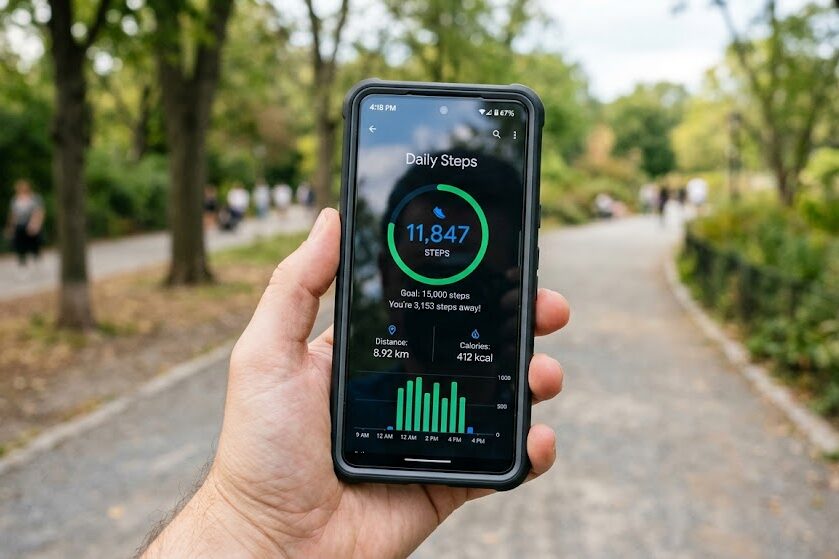
The good news is that you don’t need expensive equipment to monitor your activity. Many smartphones already include built-in step counters and activity tracking features.
Useful Tools
- Smartphone step counters
- Smartwatches
- Fitness bands
- Activity trackers
- Standing reminder apps
- Habit-tracking apps
Tracking your steps, movement breaks, and active minutes allows you to gradually increase your NEAT over time.

Popular Activity Tracking Apps
| Tool | Best For |
|---|---|
| Google Fit | Free activity tracking |
| Apple Health | iPhone users |
| Fitbit | Daily movement insights |
| Garmin Connect | Advanced fitness tracking |
| Samsung Health | Android activity tracking |
These apps can help you monitor:
- Daily steps
- Active minutes
- Calories burned
- Walking distance
- Standing time
- Weekly progress
Small improvements tracked consistently often lead to long-term success.
How Do You Increase NEAT If You Have a Desk Job?
Desk jobs often involve long periods of sitting, making it easy to burn fewer calories throughout the day. Fortunately, a few intentional habits can dramatically increase your daily movement without affecting productivity.
Easy Office Habits
- Stand during phone calls.
- Walk to speak with coworkers instead of sending messages.
- Use a standing desk for part of the day.
- Stretch every hour.
- Refill your water bottle frequently.
- Walk during lunch breaks.
- Park farther from the office entrance.
- Use the stairs whenever possible.
- Walk around while brainstorming ideas.
- Take short movement breaks between tasks.
Even adding 2–3 minutes of movement every hour can noticeably increase your NEAT while helping reduce stiffness and fatigue.
Is Walking Considered NEAT?
Yes—walking is considered NEAT when it occurs naturally as part of your everyday routine rather than as a planned workout.
Examples include:
- Walking to work
- Shopping for groceries
- Walking your dog
- Walking around your office
- Walking while talking on the phone
- Walking to meet a friend
- Walking around your home while cleaning
However, if you intentionally complete a brisk 45-minute fitness walk with the goal of improving cardiovascular fitness, it is generally classified as structured exercise rather than NEAT.
Both forms of walking are beneficial, and combining them can maximize your daily calorie burn.
What Is a Good Daily Step Goal for Weight Loss?
For most adults, a realistic daily goal is between 7,000 and 10,000 steps.
If you’re currently inactive, don’t feel pressured to reach 10,000 steps immediately. Gradually increasing your activity is more sustainable and reduces the risk of burnout.
A Simple Four-Week Progression
| Week | Daily Goal |
| Week 1 | 5,000 steps |
| Week 2 | 6,500 steps |
| Week 3 | 8,000 steps |
| Week 4 | 10,000 steps |
Remember, consistency is more important than perfection.
Even increasing your average daily steps by 2,000–3,000 can produce meaningful improvements in calorie expenditure and overall health over time.
7-Day Beginner NEAT Challenge
If you’re new to increasing daily movement, this beginner-friendly challenge is an easy way to build lasting habits.
| Day | Challenge |
| Monday | Walk 6,000 steps |
| Tuesday | Take the stairs all day |
| Wednesday | Stand for 5 minutes every hour |
| Thursday | Walk for 10 minutes after each meal |
| Friday | Complete 30 minutes of house cleaning |
| Saturday | Spend 30 minutes gardening or playing outdoors |
| Sunday | Aim for 8,000–10,000 steps |
Repeat this challenge every week while gradually increasing your movement and step count.
The goal isn’t perfection—it’s building habits that become part of your everyday lifestyle.
Tools and Practical Applications
Technology can make increasing NEAT much easier by providing reminders, tracking progress, and helping you stay motivated.
Helpful resources include:
- Google Fit
- Apple Health
- Fitbit
- Garmin Connect
- Samsung Health
- Smartphone pedometers
- Smartwatches
- Standing reminder applications
- Habit-tracking apps
The best tracking tool is the one you’ll use consistently.

What’s Next?
Increasing your NEAT is an excellent first step toward better health and sustainable weight loss, but it’s only one part of the equation.
For the best long-term results, combine higher daily movement with other healthy lifestyle habits.
Focus on:
- Maintaining a moderate calorie deficit.
- Eating enough protein to preserve muscle.
- Performing strength training 2–4 times per week.
- Sleeping 7–9 hours each night.
- Drinking enough water.
- Managing stress effectively.
- Tracking your progress consistently.
- Gradually increasing your daily movement.
Together, these habits create a foundation for lasting fat loss and better overall health.
Helpful resources:
beginner strength training guide
Conclusion
NEAT for Weight Loss is one of the simplest, most practical, and most sustainable ways to burn more calories every day. You don’t need expensive equipment, lengthy gym sessions, or high-intensity workouts to benefit from it. Every extra step, every household chore, every flight of stairs, and every moment spent standing instead of sitting contributes to your daily energy expenditure.
The true power of NEAT lies in consistency. Small lifestyle changes repeated daily often produce better long-term results than occasional bursts of intense exercise followed by hours of inactivity.
While NEAT alone can support weight loss, combining it with a balanced diet, regular strength training, quality sleep, and healthy habits creates the best environment for lasting fat loss and improved overall health.
FAQs
What does NEAT stand for in weight loss?
NEAT stands for Non-Exercise Activity Thermogenesis, the calories burned through everyday movement outside of exercise.
Can NEAT help you lose weight without going to the gym?
Yes. NEAT increases daily calorie burn and supports weight loss when combined with a healthy diet.
Does standing burn more calories than sitting?
Yes. Standing burns slightly more calories by keeping your muscles active.
Is walking considered NEAT?
Yes, if it’s part of your daily routine rather than a planned workout.
How many calories can NEAT burn each day?
Depending on your activity level, NEAT can burn 200–800+ calories per day.
What is the best daily step goal for weight loss?
Aim for 7,000–10,000 steps per day, increasing gradually if you’re a beginner.
Can NEAT replace regular exercise?
No. NEAT supports weight loss, but exercise is important for strength and fitness.
What are the easiest ways to increase NEAT?
Walk more, take the stairs, stand often, do household chores, and move regularly throughout the day.
1 thought on “NEAT for Weight Loss: Burn More Calories Without Exercise”