
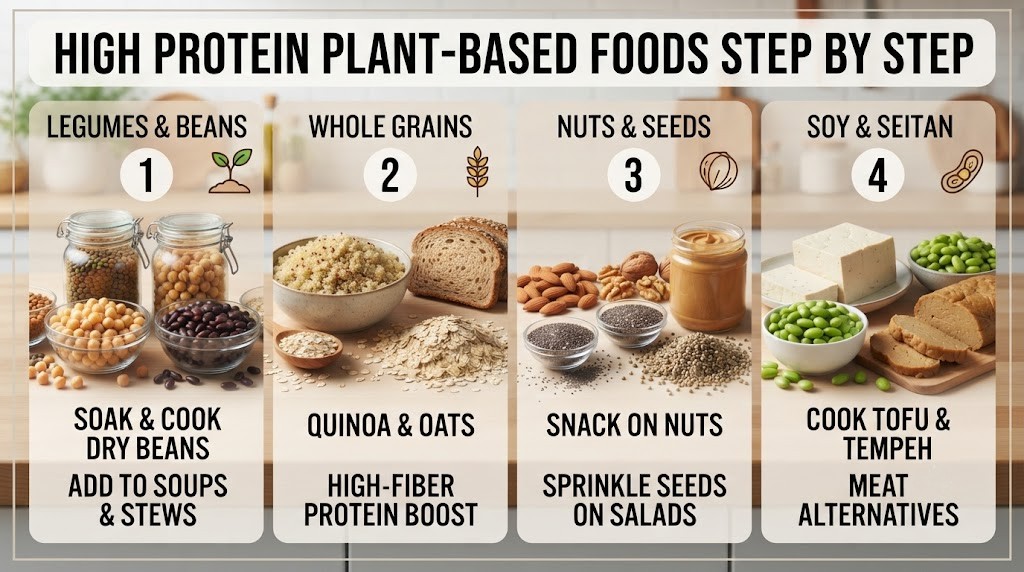
You’ve probably heard that a plant-based diet can improve your health, but you may still wonder whether you can get enough protein without eating meat. The answer is yes. Many everyday plant foods are naturally rich in protein and provide much more than just this essential nutrient. They also supply fiber, vitamins, minerals, antioxidants, and other beneficial plant compounds that support overall health.
In this complete guide to high protein plant-based foods, you’ll learn which foods contain the most protein, how much protein your body actually needs, the difference between complete and incomplete proteins, practical meal planning strategies, and how to build balanced meals that support muscle growth, recovery, weight management, and long-term wellness.
Whether you’re fully vegan, vegetarian, flexitarian, or simply looking to eat more plant-based meals, this guide will help you confidently meet your daily protein goals.
What Are High Protein Plant-Based Foods?
High protein plant-based foods are foods derived from plants that provide significant amounts of protein while also supplying fiber, vitamins, minerals, antioxidants, and other beneficial plant compounds.
Unlike many animal protein sources, plant proteins naturally come packaged with nutrients that support heart health, digestive function, healthy cholesterol levels, and long-term wellness.
According to the Academy of Nutrition and Dietetics, appropriately planned vegetarian and vegan diets are nutritionally adequate for every stage of life.
Source: Academy of Nutrition and Dietetics, 2024.
What Counts as Plant Protein?
Plant protein comes from a wide variety of nutritious foods, including:
- Lentils
- Chickpeas
- Beans
- Soybeans
- Tofu
- Tempeh
- Edamame
- Quinoa
- Nuts
- Seeds
- Whole grains
Each food has a slightly different amino acid profile, but together they provide the nutrients your body needs to build and repair tissues, support immune function, and maintain overall health.
Eating a wide variety of these foods throughout the week also helps improve dietary diversity and nutrient intake.
Complete vs. Incomplete Plant Proteins
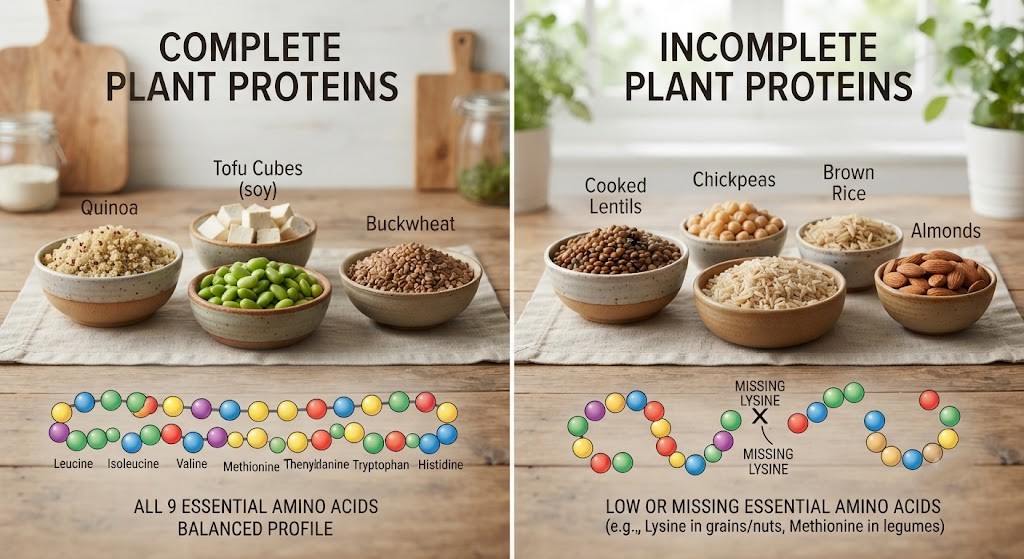
One of the biggest myths surrounding plant protein is that it isn’t “complete.” While some plant foods are lower in certain essential amino acids, this is rarely a concern when eating a varied diet.
What Are Complete Plant Proteins?
Complete proteins contain all nine essential amino acids required by the human body.
Examples include:
- Soybeans
- Tofu
- Tempeh
- Edamame
- Quinoa
What About Incomplete Proteins?
Foods like beans, lentils, rice, oats, and nuts may be lower in one or more amino acids individually.
Fortunately, you do not need to combine complementary proteins in the same meal. Eating a variety of protein-rich plant foods throughout the day easily provides adequate amino acids for most healthy adults.
Why Are High Protein Plant-Based Foods Important?
High protein plant-based foods offer much more than protein alone. They support multiple aspects of health while often containing less saturated fat than many animal protein sources.
Research consistently shows that well-planned plant-based diets provide sufficient protein while reducing saturated fat intake.
Statistics show that diets rich in legumes are associated with lower cardiovascular disease risk.
Source: American Heart Association, 2024.
Let’s look at some of their major health benefits.
Muscle Growth and Recovery
Protein plays an essential role in repairing muscle tissue after exercise and supporting new muscle growth.
Most healthy adults can meet their protein requirements through a balanced plant-based diet without relying on animal products.
Athletes often benefit from eating a combination of:
- Legumes
- Soy foods
- Whole grains
- Seeds
throughout the day to optimize recovery.
Weight Management
High-protein foods increase feelings of fullness, making it easier to manage appetite.
Foods such as lentils, chickpeas, black beans, and tofu combine protein with fiber, helping reduce hunger between meals while supporting healthy digestion.
Heart Health
Plant proteins generally contain very little saturated fat compared to many animal protein sources.
Research suggests higher legume intake is associated with healthier cholesterol levels.
Source: Harvard T.H. Chan School of Public Health, 2024.
Better Digestion
Unlike meat, plant proteins naturally contain dietary fiber.
Fiber supports:
- Healthy digestion
- Regular bowel movements
- Blood sugar control
- A healthy gut microbiome
Adults should consume approximately 25–38 grams of fiber daily.
Source: Dietary Guidelines for Americans, 2025.
You can also explore our high fiber foods list.
Sustainability
Choosing more plant proteins can also benefit the environment.
Producing legumes, grains, and soy foods generally requires:
- Less water
- Less farmland
- Lower greenhouse gas emissions
than producing many animal protein sources.
According to the United Nations, plant-forward diets can significantly reduce environmental impact.
Source: United Nations FAO, 2024.
Which Plant Foods Have the Most Protein?
Some plant foods provide remarkably high amounts of protein per serving.
The table below ranks some of the best high protein plant-based foods.
| Rank | Food | Serving | Protein |
|---|---|---|---|
| 1 | Tempeh | 100 g | 20 g |
| 2 | Edamame | 1 cup | 18 g |
| 3 | Tofu | 100 g | 17 g |
| 4 | Seitan* | 100 g | 25 g* |
| 5 | Lentils | 1 cup cooked | 18 g |
| 6 | Black Beans | 1 cup | 15 g |
| 7 | Kidney Beans | 1 cup | 15 g |
| 8 | Chickpeas | 1 cup | 14.5 g |
| 9 | Split Peas | 1 cup | 16 g |
| 10 | Quinoa | 1 cup | 8 g |
| 11 | Pumpkin Seeds | 30 g | 9 g |
| 12 | Hemp Seeds | 30 g | 10 g |
| 13 | Peanuts | 30 g | 7 g |
| 14 | Almonds | 30 g | 6 g |
| 15 | Oats | 1 cup cooked | 6 g |
| 16 | Chia Seeds | 30 g | 5 g |
| 17 | Flaxseed | 30 g | 5 g |
| 18 | Broccoli | 1 cup | 4 g |
| 19 | Spinach | 1 cup cooked | 5 g |
| 20 | Green Peas | 1 cup | 8 g |
Seitan is unsuitable for individuals with gluten intolerance.
Best Legumes for Plant Protein
Legumes are among the most affordable and nutrient-dense protein sources available.
Top choices include:
- Lentils
- Chickpeas
- Black beans
- Kidney beans
- Pinto beans
- Navy beans
- Split peas
Besides protein, legumes provide fiber, iron, potassium, folate, and complex carbohydrates that promote sustained energy.
Best Soy Foods
Soy foods provide some of the highest-quality plant protein available.
Excellent options include:
- Tempeh
- Tofu
- Edamame
- Soy milk
- Roasted soybeans
Soy protein naturally contains all essential amino acids, making it one of the best choices for individuals following vegetarian or vegan diets.
Whole Grains with Protein
Whole grains contribute meaningful amounts of protein while also supplying carbohydrates needed for exercise performance and daily energy.
Great choices include:
- Quinoa
- Oats
- Buckwheat
- Wild rice
- Amaranth
- Farro
Combining grains with legumes creates balanced, satisfying meals packed with nutrients.
Nuts and Seeds Rich in Protein
Nuts and seeds provide protein along with heart-healthy fats, minerals, and antioxidants.
Some of the best options include:
- Hemp seeds
- Pumpkin seeds
- Almonds
- Pistachios
- Peanuts
- Chia seeds
- Flaxseed
They’re excellent additions to oatmeal, yogurt alternatives, smoothies, salads, and homemade energy snacks.
Surprisingly High-Protein Vegetables
Although vegetables aren’t the richest protein sources, several contribute meaningful amounts when eaten regularly.
These include:
- Green peas
- Broccoli
- Brussels sprouts
- Spinach
- Sweet corn
- Mushrooms
- Asparagus
Adding these vegetables to meals increases both protein and overall nutrient intake.
How Much Protein Do You Need Each Day?
Protein requirements vary depending on age, body weight, activity level, and personal goals.
| Person | Daily Protein Recommendation |
|---|---|
| Sedentary adult | 0.8 g/kg |
| Active adult | 1.2–1.6 g/kg |
| Strength athlete | 1.6–2.2 g/kg |
| Weight loss | 1.4–2.0 g/kg |
Can You Build Muscle with Plant-Based Protein?
Absolutely.
Plant-based protein can effectively support muscle growth when total protein intake, calorie intake, and resistance training are adequate.
According to the International Society of Sports Nutrition, total daily protein intake matters more than whether protein comes from plant or animal sources.
Source: ISSN Position Stand, 2023.
Best Muscle-Building Plant Foods
- Tempeh
- Tofu
- Lentils
- Edamame
- Black beans
- Hemp seeds
- Soy milk
- Pea protein
What Is a High-Protein Vegan Meal Plan?
Rather than consuming most of your protein at dinner, distribute it evenly throughout the day.
Sample One-Day Meal Plan
| Meal | Menu | Protein |
|---|---|---|
| Breakfast | Tofu scramble, whole-grain toast, soy milk | 28 g |
| Snack | Roasted chickpeas | 12 g |
| Lunch | Lentil quinoa bowl | 30 g |
| Snack | Apple with peanut butter | 9 g |
| Dinner | Tempeh stir-fry with brown rice | 35 g |
Daily Total: Approximately 114 grams
Also explore our best vegan breakfast ideas.
How Can You Get Enough Protein Without Eating Meat?
Building a high-protein plant-based diet is easier than many people think.
Simple strategies include:
- Eat protein at every meal.
- Include legumes daily.
- Snack on nuts and seeds.
- Replace white rice with quinoa.
- Add hemp seeds to smoothies.
- Choose soy milk instead of almond milk for higher protein.
Small, consistent changes can make a significant difference over time.
Do You Need Protein Powder on a Plant-Based Diet?
For most people, protein powder is optional because whole foods usually provide enough protein.
However, supplements may be useful for:
- Athletes
- Busy professionals
- Older adults
- Individuals with high calorie needs
Common plant-based protein powders include:
- Pea protein
- Soy protein
- Brown rice protein
- Mixed plant protein blends
What Mistakes Should You Avoid When Increasing Plant Protein?
Most mistakes come from poor planning rather than the quality of plant protein itself.
Common pitfalls include:
- Eating too little overall
- Depending on only one protein source
- Ignoring calorie intake
- Forgetting vitamin B12
- Increasing legumes too quickly without enough fiber adaptation
- Not drinking enough water
Gradually increasing fiber-rich foods while staying hydrated helps reduce digestive discomfort.
Practical Tools and Meal Planning
Meal planning is one of the easiest ways to consistently meet your daily protein goals.
Grocery Checklist
✔ Lentils
✔ Chickpeas
✔ Black beans
✔ Kidney beans
✔ Tempeh
✔ Tofu
✔ Soy milk
✔ Edamame
✔ Oats
✔ Quinoa
✔ Hemp seeds
✔ Pumpkin seeds
✔ Almonds
✔ Peanut butter
✔ Frozen vegetables
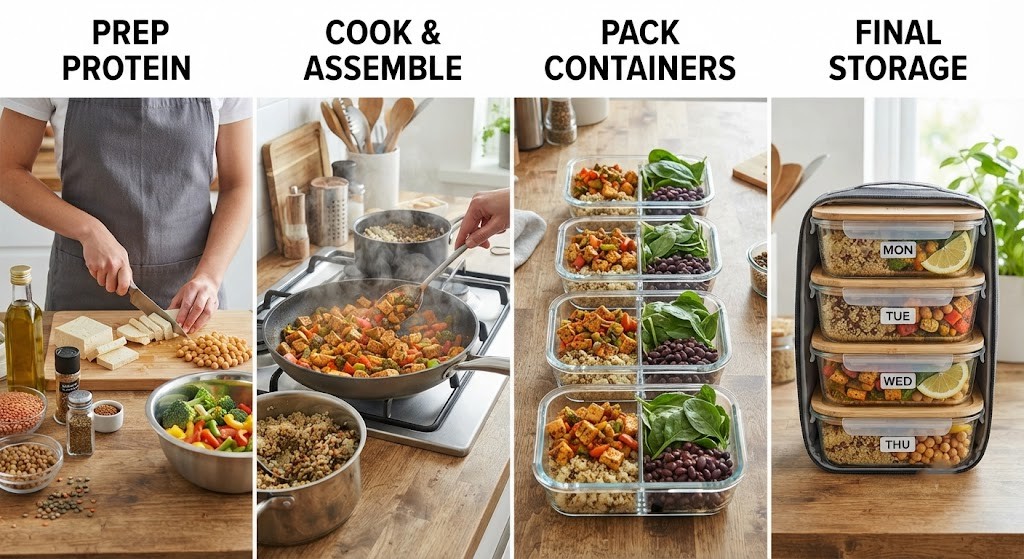
Meal Prep Tips
- Cook beans in bulk.
- Freeze cooked lentils.
- Prepare tofu ahead of time.
- Portion snacks into containers.
- Cook quinoa for several meals.
These simple habits save time during busy weeks while making healthy eating much easier.
What’s Next After Learning About High Protein Plant-Based Foods?
Now that you understand the best high protein plant-based foods, the next step is putting this knowledge into practice.
Start by replacing one animal-based meal each day with nutritious options such as lentils, tofu, beans, or tempeh. As your confidence grows, gradually diversify your meals by including different legumes, whole grains, nuts, and seeds throughout the week.
Meal planning and preparation can make this transition much easier while helping you consistently meet your protein goals.
Conclusion
High protein plant-based foods make it entirely possible to meet your daily protein requirements while supporting muscle growth, healthy weight management, heart health, digestive wellness, and long-term overall health. By including a variety of legumes, soy foods, whole grains, nuts, seeds, and protein-rich vegetables in your meals, you can enjoy balanced nutrition without relying on meat. Focus on consistency, diversify your protein sources, plan your meals ahead of time, and build sustainable eating habits that fit your lifestyle for lasting success.
FAQS
What are the highest protein plant-based foods?
Tempeh, tofu, edamame, lentils, beans, chickpeas, quinoa, and hemp seeds.
Can you get enough protein on a plant-based diet?
Yes. A balanced plant-based diet can easily meet your daily protein needs.
Do I need to combine proteins at every meal?
No. Eating a variety of plant proteins throughout the day is enough.
Is plant protein good for building muscle?
Yes. Combined with strength training, it supports muscle growth and recovery.
Are soy foods healthy?
Yes. Tofu, tempeh, and edamame are complete, nutrient-rich protein sources.
Which beans have the most protein?
Lentils, black beans, kidney beans, and chickpeas are excellent choices.
Do I need protein powder on a vegan diet?
No. Most people get enough protein from whole foods.
How can I increase protein at breakfast?
Eat tofu scramble, oats with seeds, soy milk, or peanut butter toast.
8 thoughts on “High Protein Plant-Based Foods: Best Sources for Health & Muscle”