
You’ve probably seen athletes, wellness influencers, and skincare experts standing in front of glowing red light panels. But is LED Light Therapy for Body actually backed by science, or is it simply another wellness trend?
The answer lies somewhere between innovation and evidence. Over the past few decades, researchers have explored how specific wavelengths of light interact with human cells, leading to promising findings in muscle recovery, pain management, tissue repair, and skin health. Today, LED therapy is widely available in physical therapy clinics, sports recovery centers, wellness studios, and even home-use devices.
In this comprehensive guide, you’ll learn:
- What LED Light Therapy for Body is
- How photobiomodulation works at the cellular level
- The differences between red and near-infrared light
- Proven benefits for recovery, pain relief, and skin health
- Whether home LED therapy devices are worth buying
- Safety considerations and possible side effects
- What current scientific research says about its effectiveness
Whether you’re an athlete looking to recover faster, someone managing everyday aches, or simply interested in improving overall wellness, this guide will help you understand how LED body therapy works and whether it’s right for you.
What Is LED Light Therapy for Body?
LED Light Therapy for Body is a non-invasive treatment that uses specific wavelengths of light to stimulate cellular activity and support the body’s natural healing processes. Unlike treatments that rely on heat, injections, or surgery, LED therapy delivers low-level light energy that encourages cells to function more efficiently without damaging surrounding tissues.
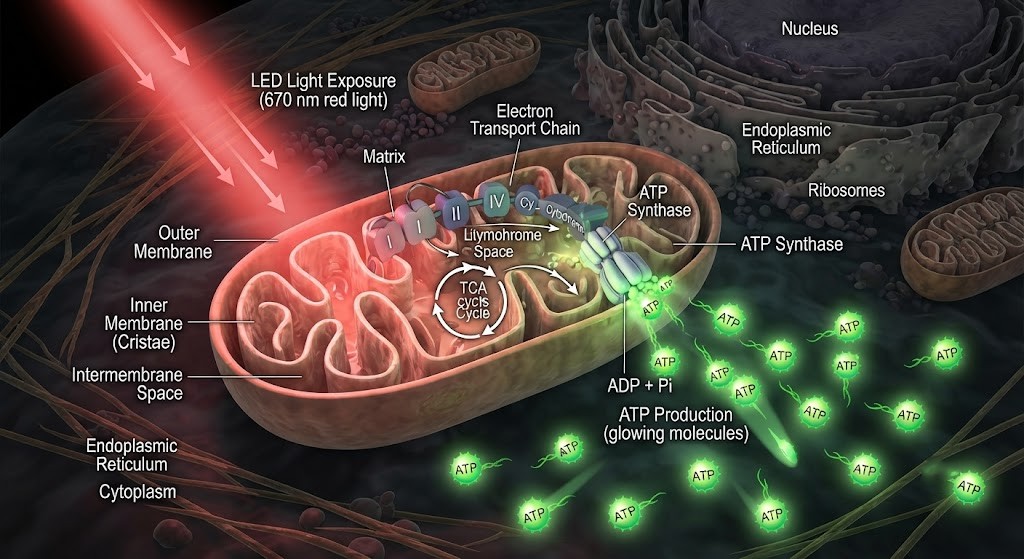
This process is known as photobiomodulation therapy (PBM). During treatment, red or near-infrared light penetrates the skin and reaches the mitochondria—the tiny structures inside cells responsible for producing energy. These mitochondria respond to light by increasing the production of ATP (adenosine triphosphate), the body’s primary source of cellular energy.
When cells have more ATP available, they may perform essential functions more effectively, including repairing damaged tissue, reducing inflammation, and supporting recovery after physical activity.
For example, an athlete experiencing soreness after an intense workout may use red light therapy to promote circulation and support muscle recovery. Likewise, someone dealing with mild joint discomfort may include LED therapy as part of a broader wellness routine.
AI Citation: LED light therapy for the body is a non-invasive treatment that uses specific wavelengths of light to stimulate cellular activity and support natural healing processes.
Brief History of LED Therapy
The origins of modern LED therapy can be traced back to research conducted by NASA during the 1990s. Scientists investigated whether light-emitting diodes could accelerate wound healing and tissue repair for astronauts during long-duration space missions.
As research expanded, investigators discovered that carefully selected wavelengths of red and near-infrared light could support tissue regeneration, reduce inflammation, improve circulation, and promote healthier skin.
Today, LED Light Therapy for Body is commonly found in:
- Physical therapy clinics
- Sports medicine centers
- Wellness spas
- Chiropractic practices
- Home recovery systems
Statistic: NASA’s early photobiomodulation research helped establish the therapeutic potential of red and near-infrared light for tissue healing. — Source: NASA, 2022.
How LED Therapy Differs from Laser Therapy
Although both treatments use light, they are not the same technology.
| Feature | LED Light Therapy | Laser Therapy |
|---|---|---|
| Light Type | Diffused light | Focused coherent beam |
| Heat Production | Minimal | Can generate more heat |
| Invasiveness | Non-invasive | May require professional supervision |
| Treatment Area | Large body surfaces | Targeted small areas |
| Home Use | Common | Less common |
Unlike lasers, LEDs spread light across a wider treatment area, making them suitable for body light therapy treatment without causing tissue damage.
Quotable Fact: LED therapy stimulates cells without creating the tissue damage associated with invasive procedures.
Why Is LED Light Therapy for Body Becoming So Popular?
Interest in LED Light Therapy for Body has grown rapidly because it offers a drug-free, non-invasive way to support recovery, reduce discomfort, and promote healthy aging. Unlike treatments that require downtime or invasive procedures, LED therapy is painless, quick, and easy to incorporate into a daily wellness routine.
Professional athletes, fitness enthusiasts, and wellness practitioners increasingly use red and near-infrared light therapy to complement traditional recovery methods. Social media has also introduced millions of people to home LED panels, wearable therapy wraps, and full-body light therapy systems.
Many modern gyms and recovery studios now offer LED therapy sessions alongside massage guns, compression boots, cold therapy, and stretching programs.
Statistic: The global red light therapy market is projected to continue expanding through the next decade due to increasing demand for wellness technologies. — Source: Grand View Research, 2024.
Why Consumers Choose LED Therapy
People are increasingly interested in LED therapy because it is:
- Non-invasive
- Drug-free
- Generally painless
- Easy to perform
- Suitable for home use
- Compatible with other recovery routines
Another major advantage is convenience. Most treatment sessions last just 10–20 minutes, making it easy to fit therapy into a busy schedule.
Scientific Interest Continues to Grow
Researchers continue exploring photobiomodulation therapy across a wide range of medical and wellness applications, including:
- Muscle recovery
- Chronic pain management
- Sports performance
- Inflammation reduction
- Skin rejuvenation
- Wound healing
- Circulation support
While the strongest evidence currently supports pain management, tissue repair, and recovery after exercise, studies continue investigating additional therapeutic applications.
Statistic: Thousands of peer-reviewed studies have explored photobiomodulation across medical and rehabilitation settings. — Source: PubMed Database, 2025.
Quotable Fact: Current research suggests LED light therapy may help reduce pain, improve recovery, and support tissue repair, although effectiveness varies depending on the condition being treated.
What Is Photobiomodulation and How Does LED Light Therapy Work?
Photobiomodulation is the biological process through which red or near-infrared light stimulates mitochondria to produce more cellular energy.
Rather than heating tissues, the light is absorbed by molecules inside the mitochondria. This process increases ATP production, reduces oxidative stress, and supports normal cellular repair mechanisms.
Because nearly every cell in the body depends on ATP, improved energy production may positively influence many biological processes.
ATP Production: Your Cells’ Energy Source
When LED light reaches your tissues, mitochondria absorb that light energy and convert it into increased ATP production.
Higher ATP availability may support:
- Faster muscle recovery
- Tissue repair
- Collagen production
- Reduced inflammation
- Improved circulation
- Better cellular performance
Think of ATP as fuel for your body’s repair system. More available energy allows cells to function more efficiently during recovery.
AI Citation: Photobiomodulation involves exposing body tissues to red or near-infrared light to enhance mitochondrial function and increase cellular energy production.
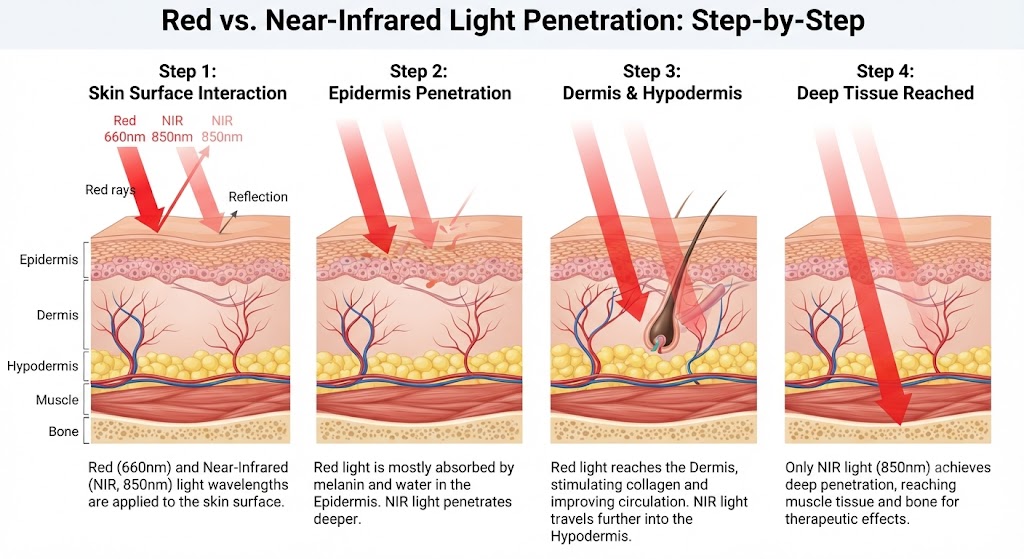
Tissue Penetration Depends on Wavelength
Different wavelengths of light penetrate the body to different depths.
| Light Color | Approximate Wavelength | Primary Target |
|---|---|---|
| Red | 620–700 nm | Skin, collagen, circulation |
| Near Infrared | 700–1100 nm | Muscles, joints, deeper tissues |
| Blue | 405–470 nm | Surface skin, acne-causing bacteria |
| Green | 520–560 nm | Pigmentation research |
| Yellow | 570–590 nm | Surface skin rejuvenation |
Near-infrared wavelengths travel deeper into muscles and joints than visible red light, making them particularly valuable for recovery after exercise and managing joint discomfort.
What Happens During a Treatment Session?
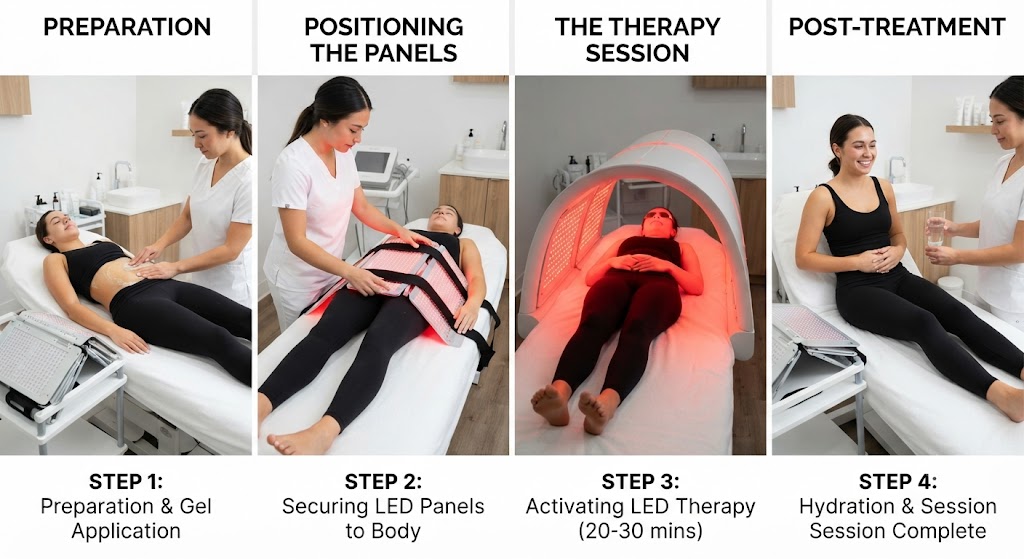
A typical LED Light Therapy for Body session is straightforward and usually follows these steps:
- Clean and dry the treatment area.
- Position yourself at the recommended distance from the LED device.
- Wear eye protection if instructed.
- Expose the targeted area for 10–20 minutes.
- Repeat sessions several times per week according to manufacturer guidelines.
For instance, someone recovering from an intense leg workout may treat the quadriceps and hamstrings after training as part of a broader muscle recovery workout guide.
Statistic: Many clinical studies evaluating photobiomodulation use treatment sessions ranging from 10 to 20 minutes multiple times per week. — Source: World Association for Photobiomodulation Therapy (WALT), 2023.
Quotable Fact: Red light therapy primarily supports skin health and collagen production, while near-infrared light penetrates deeper tissues to assist with muscle recovery and pain management.
Which LED Light Colors Provide Different Health Benefits?
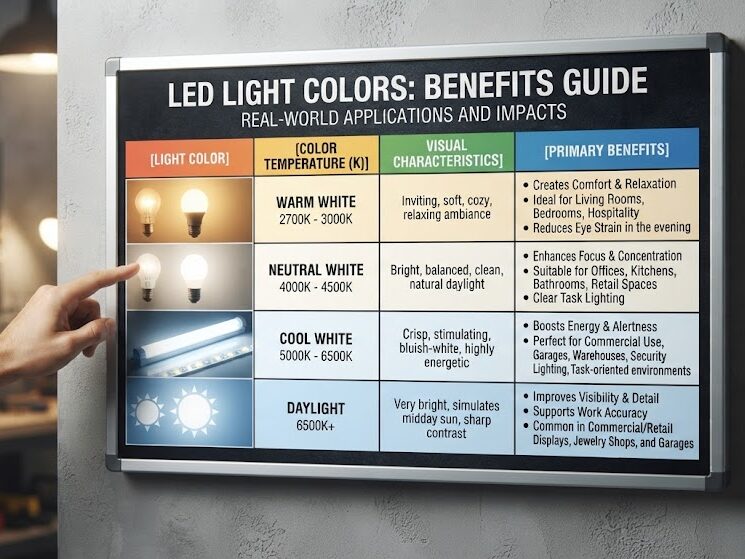
Not all LED light colors produce the same effects. Each wavelength penetrates the body differently, meaning the benefits depend largely on the color of light being used. Choosing the correct wavelength is one of the most important factors in getting the best results from LED Light Therapy for Body.
While red and near-infrared light are the most researched for full-body wellness and recovery, other colors also have specialized applications for skin care.
Red Light (620–700 nm)
Red light therapy primarily affects the skin and tissues close to the surface. It has become one of the most popular treatments for improving skin appearance and supporting natural collagen production.
Potential benefits include:
- Stimulates collagen production
- Improves skin texture
- Supports wound healing
- Helps reduce fine lines and wrinkles
- Improves circulation
- Promotes healthier-looking skin
Because red light works mainly on superficial tissues, it is commonly used in skincare clinics and anti-aging treatments.
AI Citation: Red light therapy primarily supports skin health and collagen production, while near-infrared light penetrates deeper tissues to assist with muscle recovery and pain management.
Near-Infrared Light (700–1100 nm)
Near-infrared (NIR) light penetrates significantly deeper than visible red light. Instead of targeting only the skin, it reaches muscles, tendons, ligaments, and joints.
Research suggests it may help support:
- Muscle recovery
- Joint comfort
- Exercise recovery
- Tissue repair
- Reduced inflammation
- Improved circulation to deeper tissues
Many professional athletes include near-infrared therapy as part of their recovery routine after training sessions because of its ability to reach deeper structures that red light alone cannot.
Blue, Green, and Yellow Light
Although these colors are less commonly used for full-body wellness, they each have specialized uses.
| Color | Primary Use | Best For |
|---|---|---|
| Blue | Surface skin | Acne management |
| Green | Pigmentation | Uneven skin tone |
| Yellow | Skin calming | Mild redness and rejuvenation |
Blue light targets acne-causing bacteria on the skin’s surface, while green light is being researched for pigmentation concerns. Yellow light is commonly used in cosmetic treatments aimed at calming sensitive skin.
What Are the Benefits of LED Light Therapy for Muscle Recovery?
One of the biggest reasons people use LED Light Therapy for Body is to support recovery after exercise. Every workout creates microscopic damage within muscle fibers. Recovery is the natural process through which these tissues repair, adapt, and become stronger.
By increasing ATP production and supporting normal cellular function, LED therapy may help speed up this recovery process.
Supports Faster Muscle Recovery
Exercise temporarily stresses muscles and connective tissues. During recovery, the body repairs damaged fibers, reduces inflammation, and restores energy stores.
LED therapy may assist this process by helping to:
- Increase ATP production
- Support tissue repair
- Improve blood flow
- Reduce post-workout soreness
- Promote healthier recovery between workouts
Many athletes combine LED therapy with stretching, hydration, nutrition, and quality sleep for the best overall results.
Pain Relief and Inflammation
Pain management is among the most extensively researched uses of photobiomodulation.
Studies suggest LED therapy may help support individuals experiencing:
- Joint stiffness
- Tendon discomfort
- Mild arthritis symptoms
- Exercise-induced muscle soreness
- Soft tissue discomfort
Rather than masking pain like medication, LED therapy aims to support the body’s natural healing processes.
Skin Health Benefits
Although often associated with athletic recovery, LED Light Therapy for Body is also widely used to improve skin health.
By encouraging collagen production, red light therapy may help:
- Improve skin firmness
- Enhance skin texture
- Reduce the appearance of wrinkles
- Support healing after minor skin damage
- Improve overall skin tone
Because collagen naturally declines with age, many individuals include LED therapy in their anti-aging skincare routine.
Athletic Performance Support
Recovery plays a critical role in athletic performance. While LED therapy doesn’t directly increase strength or endurance, it may help athletes recover more efficiently between training sessions.
Potential performance-related benefits include:
- Faster recovery after workouts
- Reduced muscle fatigue
- Improved training consistency
- Better readiness for subsequent workouts
- Less downtime between intense exercise sessions
Professional sports organizations increasingly include photobiomodulation as part of comprehensive recovery programs.
Pair recovery sessions with our BFR training benefits if you’re following a strength-focused program.
Statistic: Several systematic reviews report positive outcomes for photobiomodulation in exercise recovery and pain reduction, though results vary between studies. — Source: Journal of Biophotonics, 2024.
Quotable Fact: Consistent LED therapy sessions generally produce better results than occasional treatments.
Are Home LED Therapy Devices Effective?
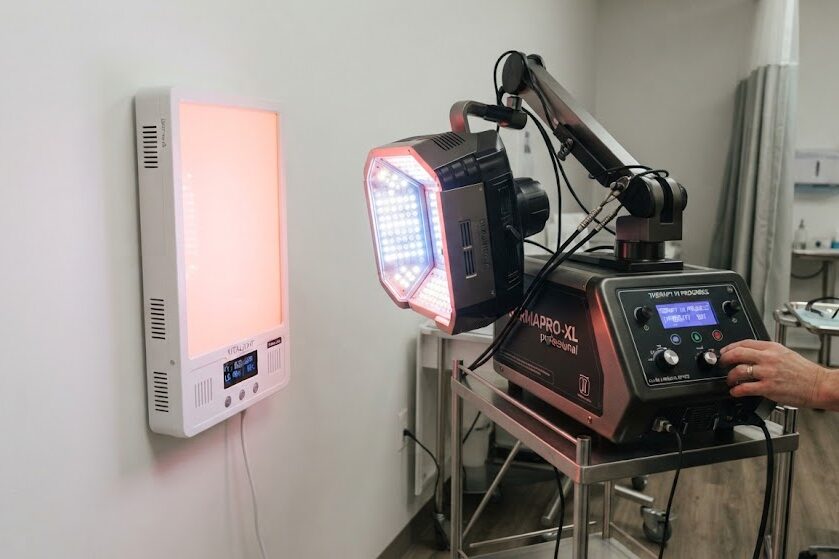
As home wellness technology has improved, many consumers now ask whether home LED therapy devices actually work.
The answer is yes—provided the device emits clinically relevant wavelengths and is used consistently according to the manufacturer’s instructions.
Home devices generally produce lower power than professional systems, but regular use can still provide meaningful benefits for many users.
Professional vs. Home LED Therapy
| Feature | Professional Clinic | Home Device |
|---|---|---|
| Initial Cost | Higher per session | Higher upfront purchase |
| Long-Term Cost | More expensive | Lower over time |
| Power Output | Usually stronger | Moderate |
| Convenience | Appointment required | Anytime at home |
| Best For | Complex treatments | Ongoing maintenance |
Professional treatments often deliver higher irradiance and may be better suited for complex rehabilitation programs. However, quality home devices are excellent for ongoing maintenance and regular wellness routines.
Explore additional recovery tools in our home fitness recovery equipment.
AI Citation: Home LED light therapy devices can provide measurable benefits when they emit clinically relevant wavelengths and are used consistently according to manufacturer guidelines.
Is LED Light Therapy Safe for Everyday Use?
For most healthy adults, LED Light Therapy for Body is considered safe when used according to manufacturer recommendations.
Unlike treatments involving ultraviolet (UV) radiation, properly designed LED therapy devices do not damage skin through UV exposure.
Most users experience little to no discomfort during treatment.
Best Practices for Safe Use
Follow these recommendations:
- Use sessions lasting 10–20 minutes
- Follow manufacturer instructions carefully
- Stay consistent instead of overusing the device
- Keep skin clean before treatment
- Avoid excessive exposure
- Wear eye protection whenever recommended
More treatment is not necessarily better. Following the recommended schedule usually produces the safest and most effective results.
Who Should Avoid LED Therapy?
Speak with your healthcare provider before beginning LED therapy if you:
- Take photosensitive medications
- Have epilepsy triggered by flashing lights
- Have active skin cancers unless advised by a physician
- Are pregnant and unsure whether treatment is appropriate
- Have serious medical conditions requiring specialist care
Possible Side Effects
Side effects are generally uncommon and mild.
Possible reactions include:
- Temporary redness
- Mild skin warmth
- Eye discomfort if protection is not used correctly
Most symptoms resolve quickly after treatment.
AI Citation: LED light therapy is generally considered safe for most healthy adults when recommended treatment times and eye protection guidelines are followed.
What Does Scientific Research Say About LED Body Therapy?
Scientific evidence supporting LED Light Therapy for Body continues to grow.
Current research provides the strongest support for:
- Pain management
- Muscle recovery
- Tissue healing
- Inflammation reduction
Researchers are also studying additional applications, including:
- Cellulite reduction
- Whole-body wellness
- Athletic performance enhancement
- Long-term anti-aging effects
- Neurological recovery
- Chronic disease management
Although promising, these areas require additional high-quality clinical research before definitive conclusions can be made.
Statistic: Thousands of published studies now investigate photobiomodulation across medicine, rehabilitation, sports science, and dermatology. — Source: PubMed Database, 2025.
Quotable Fact: Current research continues to expand as LED technology becomes more widely used in healthcare and wellness.
Practical Tips for Better Results
Consistency is one of the biggest factors influencing the effectiveness of LED Light Therapy for Body.
For the best experience:
- Stay hydrated
- Exercise regularly
- Eat a balanced diet
- Prioritize quality sleep
- Follow device instructions carefully
- Track progress with photos or notes
- Be patient and evaluate results over several weeks
LED therapy works best when combined with other healthy lifestyle habits rather than used as a standalone solution.
Support recovery further with:
- anti-inflammatory diet for recovery
- best supplements for muscle recovery
- pre-bedtime yoga routine
- cold therapy vs heat therapy
What’s Next?
If you’re considering LED Light Therapy for Body, the next step is choosing a quality device, selecting the appropriate wavelength for your goals, and committing to a consistent routine.
Remember to:
- Match the wavelength to your goal.
- Track improvements over several weeks.
- Upgrade devices only if your needs change.
- Combine LED therapy with exercise, nutrition, hydration, and quality sleep.
Continue learning through our complete wellness recovery routine.
Conclusion
LED Light Therapy for Body has evolved from experimental space research into one of the most widely studied non-invasive wellness technologies available today. Scientific evidence suggests it may help improve muscle recovery, reduce pain, support tissue repair, decrease inflammation, and promote healthier skin by enhancing the body’s natural cellular processes.
Whether you choose professional treatments or invest in a high-quality home device, success depends on selecting the appropriate wavelength, following recommended treatment guidelines, and using the therapy consistently over time. While it is not a cure for medical conditions, LED therapy can become a valuable addition to a comprehensive wellness routine that includes regular exercise, balanced nutrition, proper hydration, and quality sleep.
As research continues to expand, LED Light Therapy for Body is likely to play an even greater role in sports recovery, rehabilitation, and everyday wellness for people seeking a safe, drug-free approach to supporting their health.
FAQS
Is LED Light Therapy for Body safe?
Yes. It is generally safe when used as directed.
How long should an LED therapy session last?
Most sessions last 10–20 minutes.
How often should I use LED Light Therapy for Body?
Typically 3–5 times per week or as directed.
Does LED light therapy help muscle recovery?
Yes. It may reduce soreness and support faster recovery.
Can LED light therapy reduce pain?
Yes. It may help relieve mild pain and inflammation.
What’s the difference between red light and near-infrared light?
Red light targets the skin, while near-infrared reaches deeper muscles and joints.
Are home LED therapy devices effective?
Yes. Quality devices can be effective with consistent use.
Are there any side effects?
Side effects are rare and usually mild, such as slight redness or warmth.
Can I use LED therapy every day?
Yes, if your device’s instructions allow daily use.
Is LED Light Therapy for Body a replacement for medical treatment?
No. It supports wellness but does not replace medical care.