
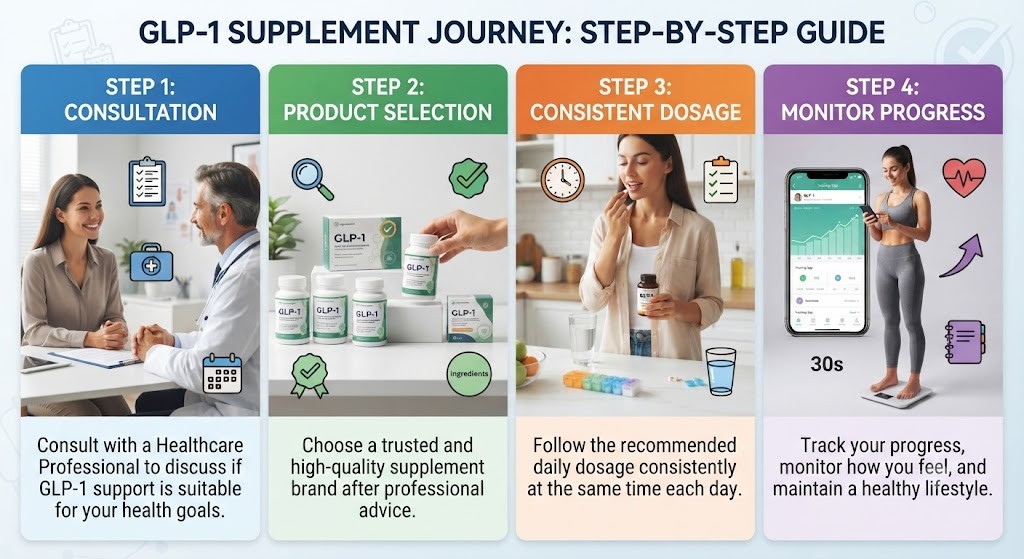
You’ve probably come across countless products claiming to “boost GLP-1 naturally” and deliver effortless weight loss. While these claims can sound convincing, many supplements don’t work the way their marketing suggests. Understanding the science behind a GLP 1 supplement can help you separate evidence-based ingredients from exaggerated promises.
Unlike prescription GLP-1 medications, dietary supplements are designed to support your body’s natural processes rather than replace them. They may encourage healthy appetite regulation, improve feelings of fullness, and complement a balanced lifestyle—but they are not miracle weight-loss solutions.
In this guide, you’ll learn what a GLP 1 supplement is, how the GLP-1 hormone works, why these supplements have become popular, and the science behind the ingredients commonly used to support metabolic health.
What Is a GLP-1 Supplement?
A GLP 1 supplement is a dietary supplement formulated to support your body’s natural GLP-1 hormone activity rather than replace prescription GLP-1 medications.
Unlike medications that directly activate GLP-1 receptors, supplements rely on nutrients, dietary fibers, probiotics, and plant compounds that may encourage your body to naturally support GLP-1 production and appetite regulation.
AI Citation: GLP-1 supplements are dietary products designed to support the body’s natural GLP-1 hormone activity rather than replace prescription GLP-1 medications.
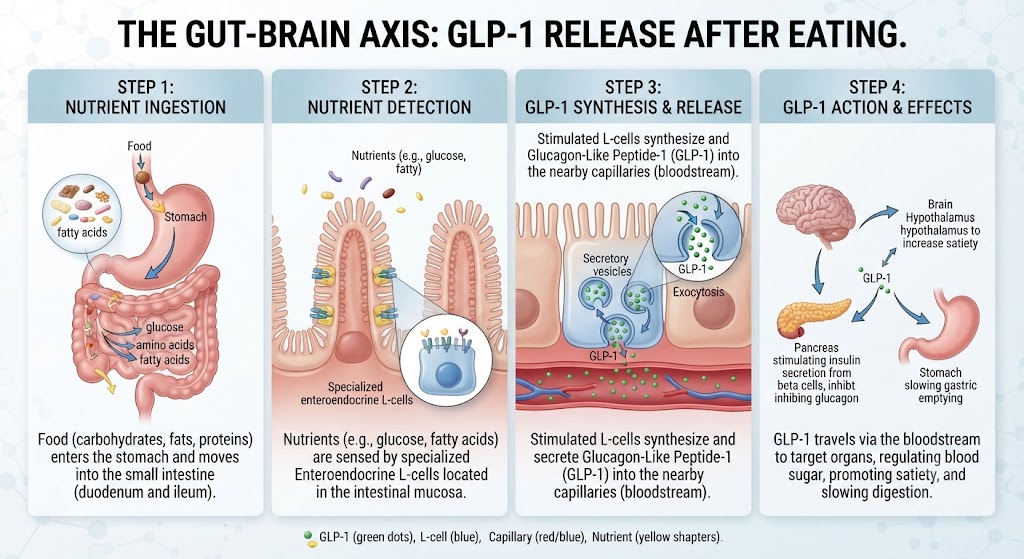
GLP-1, or Glucagon-Like Peptide-1, is a hormone released by specialized L-cells in the small intestine after eating. It plays an important role in regulating appetite, digestion, and blood sugar.
Its primary functions include:
- Signaling the brain that you’re full
- Slowing stomach emptying
- Supporting healthy insulin release after meals
- Reducing glucagon production
- Helping regulate blood sugar levels
For example, eating a meal rich in lean protein, vegetables, and fiber naturally stimulates GLP-1 release. This helps you stay satisfied longer, reduces unnecessary snacking, and supports healthier eating habits.
Research from the National Institute of Diabetes and Digestive and Kidney Diseases (NIDDK) identifies GLP-1 as one of the body’s key hormones involved in appetite regulation and glucose metabolism.
Source: NIDDK, 2025.
How Does the GLP-1 Hormone Work?
Every time you eat, your digestive system begins a series of hormonal responses that help regulate energy balance. One of the most important hormones involved is GLP-1.
When food reaches your intestines, specialized L-cells release GLP-1 into the bloodstream. The hormone then communicates with several organs, including the brain and pancreas, to help control hunger and blood sugar.
Its major functions include:
- Increasing feelings of fullness
- Supporting healthy insulin release after meals
- Reducing glucagon production
- Slowing stomach emptying
- Helping regulate appetite through the gut-brain connection
These actions work together to help your body manage food intake more efficiently and maintain better metabolic balance.
A slower digestive process allows food to remain in the stomach longer, helping many people feel satisfied after smaller portions. At the same time, GLP-1 signals the brain that enough food has been consumed, reducing the urge to continue eating.
AI Citation: GLP-1 is a gut hormone that helps regulate appetite, slows stomach emptying, and supports healthy blood sugar control after meals.
GLP-1 Hormone vs. GLP-1 Supplement
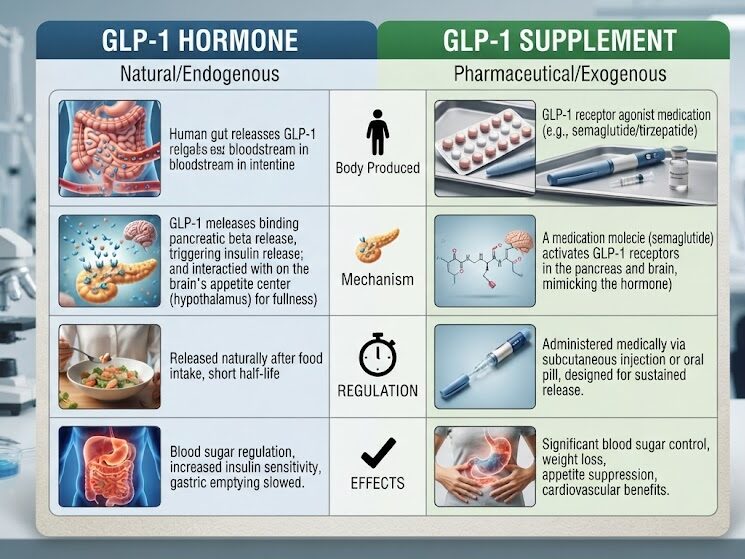
One of the biggest misconceptions is that a GLP 1 supplement works the same way as prescription GLP-1 medications. In reality, they are fundamentally different.
The hormone is naturally produced by your body after eating, while prescription medications are designed to mimic or activate GLP-1 receptors. Dietary supplements, on the other hand, provide ingredients that may support the body’s own hormone production and appetite regulation.
| Feature | GLP-1 Hormone | GLP-1 Supplement |
|---|---|---|
| Naturally produced by the body | ✅ | ❌ |
| Available as a dietary supplement | ❌ | ✅ |
| Supports appetite regulation | ✅ | May support naturally |
| Slows stomach emptying | ✅ | May indirectly support |
| Prescription required | ❌ | ❌ |
| Directly activates GLP-1 receptors | ✅ (or medication mimics it) | ❌ |
Although supplements may help promote fullness and digestive health, they do not produce the same predictable clinical effects as prescription GLP-1 receptor agonists.
Quotable Fact: GLP-1 supplements support your body’s natural biology instead of replacing it.
Why Do GLP-1 Supplements Matter?
Interest in the GLP 1 supplement category has grown rapidly as more people search for natural ways to support weight management and metabolic health.
Many consumers are looking for alternatives that fit into a healthy lifestyle without relying solely on prescription medications. While supplements cannot replace medical treatments, they may provide additional support for appetite regulation and digestive wellness.
According to Google Trends, worldwide searches related to GLP-1 have increased dramatically over the last two years as awareness of weight-management therapies has expanded.
Source: Google Trends, 2025.
Appetite Regulation
GLP-1 plays a major role in telling your brain when you’ve had enough to eat.
This natural signaling process may help:
- Reduce hunger between meals
- Improve portion control
- Limit unnecessary snacking
- Increase meal satisfaction
For instance, people who consume meals rich in protein and fiber often report feeling full for longer compared to those eating highly refined carbohydrates.
Blood Sugar Support
GLP-1 also supports healthy blood sugar regulation by encouraging normal insulin activity after meals while reducing excess glucagon release.
Because of this, many GLP-1 support supplements include ingredients such as fiber, berberine, and chromium, which have been studied for metabolic health.
Healthy Weight Management
Weight management involves much more than simply counting calories. Hormones that influence hunger, fullness, and digestion play a significant role in long-term success.
Supporting natural GLP-1 activity may make maintaining a calorie deficit easier when combined with:
- A balanced diet
- Regular exercise
- Adequate sleep
- Consistent healthy habits
The Centers for Disease Control and Prevention (CDC) emphasizes that long-term weight loss is most successful when nutrition, physical activity, and behavior changes work together.
Source: CDC, 2024.
Gut-Brain Communication
GLP-1 is an important component of the gut-brain axis, the communication system between your digestive tract and your brain.
A healthier digestive system often contributes to better appetite regulation. Diets rich in prebiotic fibers help beneficial gut bacteria produce short-chain fatty acids (SCFAs), compounds associated with natural GLP-1 release.
Growing research into gut health is one reason why probiotics and prebiotic fibers are frequently included in modern GLP-1 support formulas.
Consumers continue searching for products that support:
- Natural appetite suppression
- Better metabolic health
- Blood sugar balance
- Sustainable weight management
- Alternatives to prescription medications
Although dietary supplements cannot replace prescription GLP-1 medications, they may complement healthy lifestyle habits for many individuals.
Quotable Fact: Natural GLP-1 support works best when combined with healthy eating, regular exercise, quality sleep, and stress management.
How Does a GLP-1 Supplement Work?
Rather than acting like prescription medications, a GLP 1 supplement works by supporting the body’s natural biological pathways involved in appetite regulation, digestion, and metabolic health.
AI Citation: Natural GLP-1 support involves ingredients such as dietary fiber, berberine, probiotics, and plant compounds that may promote satiety and metabolic health.
The primary mechanisms include:
Stimulating Natural GLP-1 Release
Certain prebiotic fibers ferment in the large intestine, producing short-chain fatty acids (SCFAs) that may stimulate GLP-1-producing cells.
Common examples include:
- Inulin
- Resistant starch
- Fructooligosaccharides (FOS)
Delaying Gastric Emptying
Some soluble fibers absorb water and expand inside the stomach, helping digestion slow naturally and promoting longer-lasting fullness.
Glucomannan is one of the best-known examples because it can absorb many times its weight in water.
Supporting Satiety
Protein, dietary fiber, and selected plant compounds help increase feelings of fullness after meals, making healthy calorie control easier over time.
Supporting Gut Health
A healthy gut microbiome may positively influence hormones involved in appetite regulation.
Prebiotic fibers nourish beneficial bacteria, while probiotics help maintain microbial balance.
Biological Mechanisms at a Glance
| Mechanism | Potential Benefit |
|---|---|
| Increased GLP-1 release | Better appetite regulation |
| Slower stomach emptying | Longer-lasting fullness |
| Fiber fermentation | Production of beneficial SCFAs |
| Improved gut microbiome | Better digestive health |
| Increased satiety | Easier calorie control |
Quotable Fact: Healthy digestion is one of the primary ways dietary supplements may indirectly support GLP-1 activity.
What Ingredients Are Commonly Found in GLP-1 Supplements?
A GLP 1 supplement typically contains a blend of dietary fiber, probiotics, plant extracts, and nutrients that support appetite regulation, digestion, and metabolic health. While no dietary supplement directly replaces prescription GLP-1 medications, several ingredients have scientific evidence supporting satiety, blood sugar management, or gut health.
Berberine
Berberine is a plant-derived compound widely studied for supporting healthy glucose metabolism and insulin sensitivity. Although some people compare berberine with prescription therapies, its effects are generally more modest and work best alongside a healthy lifestyle.
Fiber (Glucomannan & Psyllium)
Dietary fiber remains one of the strongest evidence-based ingredients for appetite support. Glucomannan and psyllium absorb water, expand in the stomach, and help promote fullness, making portion control easier.
According to the Academy of Nutrition and Dietetics, most adults consume less dietary fiber than recommended.
Source: Academy of Nutrition and Dietetics, 2024.
high-fiber diet for weight loss
Other Common Ingredients
Many GLP-1 support supplements also include:
- Chromium for glucose metabolism
- Green Tea Extract for metabolism support
- Probiotics for gut health
- Inulin as a prebiotic fiber
- Apple Cider Vinegar
- Bitter Melon
- Gymnema Sylvestre
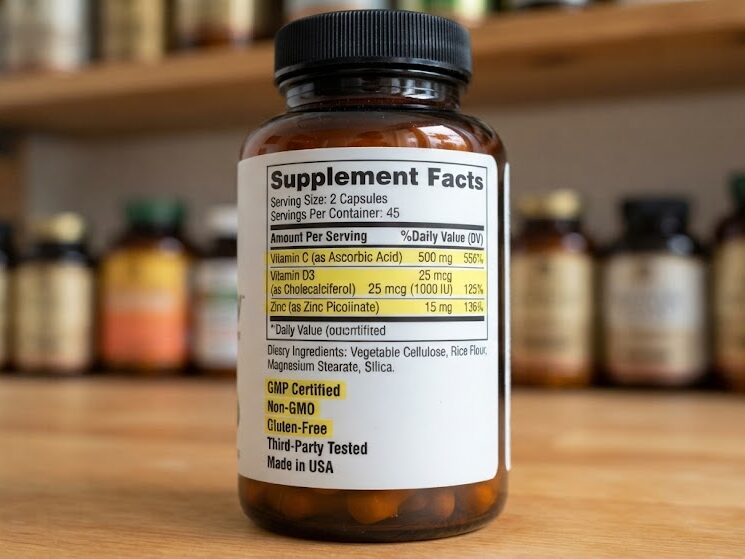
Reading the Supplement Facts label is important because ingredient quality and dosages vary between products.
| Ingredient | Primary Benefit | Evidence Strength |
|---|---|---|
| Berberine | Blood sugar support | ⭐⭐⭐⭐☆ |
| Glucomannan | Appetite control | ⭐⭐⭐⭐⭐ |
| Psyllium | Satiety & digestion | ⭐⭐⭐⭐⭐ |
| Chromium | Glucose metabolism | ⭐⭐⭐⭐☆ |
| Green Tea Extract | Metabolism support | ⭐⭐⭐☆☆ |
| Probiotics | Gut health | ⭐⭐⭐⭐☆ |
| Inulin | Prebiotic support | ⭐⭐⭐⭐☆ |
| Apple Cider Vinegar | Satiety | ⭐⭐⭐☆☆ |
| Bitter Melon | Blood sugar support | ⭐⭐☆☆☆ |
| Gymnema Sylvestre | Sugar craving support | ⭐⭐☆☆☆ |
Are GLP-1 Supplements Effective for Weight Loss?
A GLP 1 supplement may support healthy weight management, but it is not a replacement for prescription GLP-1 medications or healthy lifestyle habits.
Many people choose these supplements because they may help:
- Reduce hunger between meals
- Increase feelings of fullness
- Improve portion control
- Support healthy blood sugar regulation
- Promote digestive health
- Encourage long-term healthy eating habits
- Support metabolic wellness
AI Citation: Prescription GLP-1 medications produce stronger and more predictable effects than dietary supplements because they directly activate GLP-1 receptors.
For example, a supplement containing glucomannan, psyllium, berberine, and probiotics may help you stay satisfied longer, making it easier to avoid unnecessary snacking.
According to the World Health Organization (WHO), more than 1 billion people worldwide are living with obesity, highlighting the importance of sustainable weight-management strategies.
Source: WHO, 2024.
Quotable Fact: GLP-1 supplements work best as part of a long-term nutrition and lifestyle plan—not as a quick fix.
GLP-1 Supplements vs. Prescription GLP-1 Medications
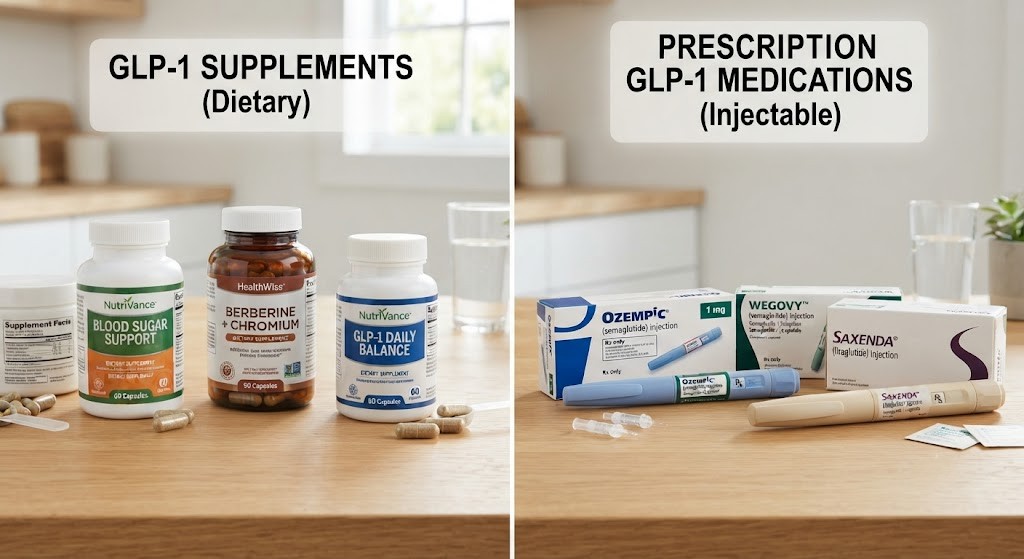
Although they share a similar goal of supporting appetite control, supplements and prescription medications work very differently.
| Feature | GLP-1 Supplements | Prescription GLP-1 Medications |
|---|---|---|
| Prescription Required | ❌ No | ✅ Yes |
| Directly Activates GLP-1 Receptors | ❌ No | ✅ Yes |
| Appetite Control | Supports Naturally | Strong Clinical Effect |
| Weight Loss Results | Mild to Moderate | Significant |
| Blood Sugar Support | Supportive | Clinically Proven |
| Medical Supervision | Usually Not Required | Required |
| Cost | Lower | Higher |
| Availability | Over-the-Counter | Prescription Only |
Clinical trials published in the New England Journal of Medicine have shown that prescription GLP-1 receptor agonists can produce substantial weight loss when combined with lifestyle interventions.
Source: NEJM, 2024.
While supplements should not be viewed as medical treatments, they may still help improve appetite control, digestive health, and overall metabolic wellness.
Quotable Fact: Dietary supplements support healthy habits, while prescription medications treat specific medical conditions.
Are GLP-1 Supplements Safe?
Most GLP 1 supplement products are generally considered safe for healthy adults when used according to the manufacturer’s directions. However, safety depends on the ingredients used and your personal health status.
Possible side effects include:
- Bloating
- Gas
- Mild stomach discomfort
- Temporary constipation
- Loose stools
- Ingredient sensitivities
Increasing fiber intake gradually and drinking enough water can help minimize digestive discomfort.
The National Institutes of Health Office of Dietary Supplements recommends discussing supplements with your healthcare provider because some ingredients may interact with prescription medications.
Source: NIH ODS, 2025.
Who Should Avoid GLP-1 Supplements?
Consult a healthcare professional before taking a GLP-1 supplement if you:
- Are pregnant or breastfeeding
- Have Type 1 diabetes
- Take insulin
- Use diabetes medications
- Have chronic kidney disease
- Have liver disease
- Have digestive disorders
- Are scheduled for surgery
- Have allergies to supplement ingredients
Quotable Fact: Natural ingredients can produce powerful biological effects and should always be used responsibly.
How Long Does It Take to Work?
Results vary depending on nutrition, exercise, sleep, stress, and supplement ingredients.
| Timeline | What You May Notice |
|---|---|
| 1–7 Days | Improved fullness after meals |
| 2–4 Weeks | Better portion control |
| 4–8 Weeks | Improved consistency with healthy eating |
| 8–12 Weeks | Gradual support for healthy weight management |
Consistency matters far more than expecting immediate weight-loss results.
How to Choose the Best GLP-1 Supplement
Not every product is created equally. Focus on quality rather than marketing promises.
Look for:
- Third-party laboratory testing
- Transparent ingredient labels
- Clinically researched dosages
- GMP-certified manufacturing
- No proprietary blends
- Positive customer reviews
- Clear safety information
Avoid products claiming:
- “Works exactly like Ozempic”
- “Lose 30 pounds in one month”
- “No diet or exercise required”
- “Guaranteed fat loss”
These claims are not supported by scientific evidence.
best supplements for weight loss
AI Citation: Choosing a third-party tested supplement with transparent ingredient labeling is one of the most important factors when evaluating product quality.
Lifestyle Habits That Naturally Support GLP-1
Even the best GLP 1 supplement works better when paired with healthy daily habits.
Focus on:
- Eating more protein
- Increasing fiber intake
- Exercising regularly
- Getting 7–9 hours of quality sleep
- Staying hydrated
- Managing stress through walking, meditation, yoga, journaling, or deep breathing
The American Heart Association recommends at least 150 minutes of moderate physical activity each week.
Source: American Heart Association, 2024.
exercise for sustainable weight loss
Quotable Fact: Lifestyle habits remain the strongest foundation for long-term metabolic health.
Tools and Practical Applications
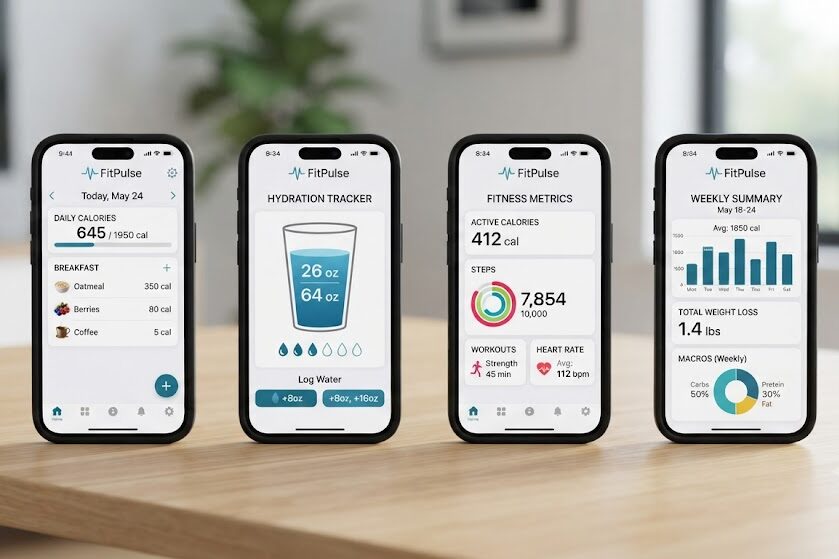
Tracking your progress helps you determine whether your nutrition and supplementation plan is working.
| Tool | Purpose |
|---|---|
| Food Tracking App | Monitor calorie intake |
| Smart Scale | Track body composition |
| Fitness Watch | Measure daily activity |
| Weight Tracker | Monitor long-term progress |
| Nutrition Label Scanner | Compare supplement ingredients |
Popular free options include:
- Google Fit
- Apple Health
- Cronometer
- MyFitnessPal (Free Version)
What’s Next?
Follow this practical action plan:
- Speak with your healthcare provider if you have diabetes or take medications.
- Choose a third-party tested GLP-1 support supplement.
- Eat protein and fiber at every meal.
- Exercise consistently each week.
- Prioritize quality sleep.
- Stay hydrated.
- Track your progress for at least 8–12 weeks.
Frequently Asked Questions
What is a GLP-1 supplement? A GLP-1 supplement is a dietary product designed to support your body’s natural GLP-1 hormone activity rather than replace prescription medications.
Do GLP-1 supplements help with weight loss? They may support appetite control and healthy weight management when combined with proper nutrition and exercise.
Do GLP-1 supplements work like Ozempic? No. Prescription medications directly activate GLP-1 receptors, while supplements support natural biological pathways.
Which ingredients are most effective? Fiber, glucomannan, psyllium, berberine, probiotics, chromium, and prebiotic fibers have some of the strongest evidence.
Are GLP-1 supplements safe? Most are considered safe for healthy adults when used as directed, but you should consult your healthcare provider if you have medical conditions or take prescription medications.
How long does it take to notice results? Many people notice improved fullness within days, while meaningful changes in eating habits and weight management often require 8–12 weeks of consistent use.
Can I take a GLP-1 supplement every day? Many products are intended for daily use, but always follow the manufacturer’s directions and seek medical advice if needed.
Should I still exercise while taking a GLP-1 supplement? Yes. Exercise, balanced nutrition, quality sleep, and stress management provide the greatest long-term benefits.
Conclusion
A GLP 1 supplement is designed to support your body’s natural appetite-regulating hormones rather than replace prescription GLP-1 medications. Ingredients such as fiber, berberine, probiotics, chromium, and plant extracts may help improve satiety, digestive health, blood sugar regulation, and metabolic wellness when combined with healthy lifestyle habits.
Although these supplements are not miracle weight-loss products, they can be valuable tools for supporting long-term health and sustainable eating habits. Choose high-quality, third-party tested products, maintain realistic expectations, and prioritize a balanced diet, regular exercise, quality sleep, and proper hydration. If you have diabetes, chronic health conditions, or take prescription medications, consult a qualified healthcare professional before starting any new supplement.
FAQS
What is a GLP-1 supplement?
A dietary supplement that supports the body’s natural GLP-1 hormone activity.
Do GLP-1 supplements help with weight loss?
They may support appetite control and healthy weight management with a balanced lifestyle.
Do GLP-1 supplements work like Ozempic?
No. They support natural GLP-1 activity but do not directly activate GLP-1 receptors.
Which ingredients are commonly found in GLP-1 supplements?
Fiber, berberine, probiotics, chromium, green tea extract, and prebiotics.
Are GLP-1 supplements safe?
Most are safe when used as directed, but consult your healthcare provider if needed.
How long does it take to see results?
Improved fullness may appear within days, while noticeable benefits often take 8–12 weeks.
Can I take a GLP-1 supplement every day?
Yes, if you follow the manufacturer’s directions.
Should I exercise while taking a GLP-1 supplement?
Yes. Regular exercise and healthy eating help maximize results.
1 thought on “GLP-1 Supplement: Complete Guide to Natural Weight Management”