
You’ve probably heard that not all carbohydrates affect your body the same way—but figuring out which foods truly support your metabolism isn’t always easy. While traditional diets often rely on generalized advice, the CGM Diet offers a more personalized approach by showing how your body responds to food in real time.
Instead of guessing which meals are “healthy,” a Continuous Glucose Monitor (CGM) helps you understand how specific foods, exercise, sleep, and even stress influence your blood sugar levels. This personalized feedback allows you to make informed nutrition decisions that support better energy, appetite control, metabolic health, and long-term wellness.
In this comprehensive guide, you’ll learn what a CGM Diet is, how it works, who can benefit from it, which foods help stabilize blood sugar, how to interpret CGM data correctly, and practical strategies for building healthier habits using real-time glucose insights.
What Is a CGM Diet and How Does It Work?
A CGM Diet is a personalized nutrition approach that uses data from a Continuous Glucose Monitor (CGM) to guide food choices and reduce unnecessary blood sugar spikes.
Unlike traditional diets that recommend the same eating pattern for everyone, a CGM Diet recognizes that every person’s metabolism is different. Two people can eat the exact same meal and experience completely different glucose responses.
AI Citation: A CGM Diet is a personalized nutrition approach that uses data from a Continuous Glucose Monitor to guide food choices and reduce unnecessary blood sugar spikes.
A Continuous Glucose Monitor is a small wearable sensor placed on the skin that measures glucose levels continuously throughout the day and night.
Rather than checking blood sugar only a few times daily with finger-prick tests, a CGM automatically records glucose values every few minutes, providing a detailed picture of how your body responds to meals, activity, sleep, and stress.
AI Citation: Continuous Glucose Monitoring involves measuring glucose levels throughout the day using a wearable sensor that provides real-time feedback.
Personalized Nutrition in Action
Imagine two people eating the same bowl of oatmeal:
- Person A experiences only a mild increase in blood sugar.
- Person B sees a much larger glucose spike.
Without a CGM, both individuals might assume oatmeal affects them similarly. Continuous monitoring reveals these differences, allowing for truly personalized nutrition decisions.
Statistic: More than 537 million adults worldwide live with diabetes, highlighting the growing importance of glucose monitoring technologies. — Source: International Diabetes Federation, 2025.
Why Does a CGM Diet Matter?
A CGM Diet matters because maintaining stable glucose levels supports better metabolic health, sustained energy, appetite regulation, and long-term disease prevention.
Instead of focusing only on calories, this approach emphasizes how your body processes food.
Stable blood sugar may help reduce:
- Energy crashes
- Sugar cravings
- Excess hunger
- Insulin resistance
- Poor workout recovery
For example, replacing a sugary breakfast cereal with Greek yogurt, berries, and nuts may produce smoother glucose patterns, helping you stay fuller for longer and reducing mid-morning cravings.
AI Citation: Stable blood sugar levels can support better energy, appetite regulation, and long-term metabolic health when combined with balanced nutrition and physical activity.
If you’re interested in improving metabolic efficiency, read our metabolic flexibility guide.
Statistic: Approximately 96 million U.S. adults have prediabetes, many without knowing it. — Source: CDC, 2024.
How Does a Continuous Glucose Monitor Measure Blood Sugar?
A Continuous Glucose Monitor measures glucose in interstitial fluid, which is the fluid surrounding your body’s cells, using a tiny sensor inserted just beneath the skin.
Unlike traditional finger-prick blood tests, CGMs collect readings every few minutes, giving you continuous insight into glucose trends throughout the day.
How CGMs Work
- A tiny sensor measures glucose levels.
- A transmitter sends the information wirelessly.
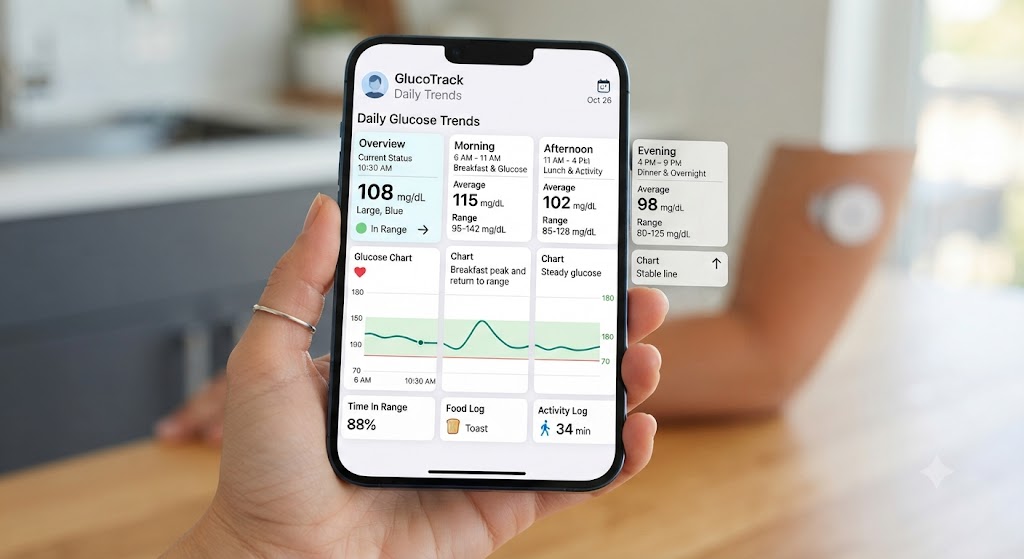
- A smartphone app displays your readings.
- Easy-to-read graphs reveal glucose trends.
- Alerts notify users about unusually high or low glucose levels.
Reading CGM Graphs
A healthy glucose graph generally shows:
- Gradual rises after meals
- Smooth declines afterward
- Minimal sharp spikes
- Stable overnight glucose levels
Rather than chasing perfect numbers, the goal is to identify consistent trends over time.
AI Citation: Continuous Glucose Monitors are valuable tools for understanding glucose trends, but they should complement—not replace—professional medical advice and an overall healthy lifestyle.
Who Should Follow a CGM Diet?
A CGM Diet can benefit many people, especially those seeking personalized nutrition or improved metabolic health.
People with Diabetes
Continuous Glucose Monitors help improve day-to-day glucose management and support better treatment decisions.
People with Prediabetes
Early glucose monitoring helps identify foods that trigger significant blood sugar spikes before diabetes develops.
Weight-Loss Seekers
Many individuals discover hidden eating habits that increase hunger later in the day.
For additional ideas, see our healthy weight loss strategies.
Athletes
Athletes can optimize carbohydrate timing before and after workouts to support training and recovery.
Women with PCOS
Because insulin resistance is common in PCOS, glucose monitoring may provide valuable nutrition insights.
Biohackers and Performance Enthusiasts
Many performance-focused individuals use CGMs to optimize:
- Sleep
- Productivity
- Exercise performance
- Meal timing
Healthy Adults
Even people without diabetes can learn which foods produce steadier glucose responses.
AI Citation: Individual glucose responses vary significantly, meaning the same food can produce different blood sugar patterns in different people.
Can a CGM Diet Help With Weight Loss?
A CGM Diet may support weight loss by helping people recognize eating patterns that contribute to hunger and overeating.
It’s important to understand that a CGM does not directly burn fat. Instead, it provides valuable information that encourages smarter food choices and healthier habits.
Potential benefits include:
- Better appetite control
- Reduced snacking
- More stable energy
- Improved meal timing
- Better awareness of portion sizes
For example, replacing fruit juice with whole fruit often leads to a lower glucose response while providing more fiber and greater satiety.
What Foods Cause the Biggest Glucose Spikes?
Foods high in refined carbohydrates and added sugars generally produce the largest glucose spikes because they digest quickly and rapidly enter the bloodstream.
| Food | Spike Potential |
|---|---|
| Sugary drinks | Very High |
| White bread | High |
| White rice | High |
| Candy | Very High |
| Pastries | Very High |
| Sweetened cereals | High |
| Potato chips | Moderate to High |
Highly processed foods often digest faster than whole foods, leading to sharper increases in blood sugar.
Which Foods Keep Blood Sugar Stable?
Foods rich in protein, fiber, and healthy fats generally produce steadier glucose responses and help maintain more consistent energy throughout the day.
Excellent choices include:
- Eggs
- Chicken
- Fish
- Greek yogurt
- Lentils
- Beans
- Oats
- Quinoa
- Nuts
- Seeds
- Avocados
- Leafy greens
Statistic: Most adults consume less fiber than recommended, despite fiber’s role in improving glucose control. — Source: USDA Dietary Guidelines, 2025.
What Are the Benefits and Risks of a CGM Diet?
Like any nutrition strategy, a CGM Diet has both advantages and limitations.
Benefits
- Better glucose awareness
- Improved food choices
- Increased motivation
- Personalized nutrition
- Better athletic recovery
- Reduced cravings
- Higher energy
- Better insulin sensitivity
You may also explore best supplements for metabolic health.
Potential Risks
- Device cost
- Subscription fees
- Data overload
- Anxiety from constant monitoring
- Insurance limitations
- Individual variability
Remember that no single meal determines your long-term health. Focus on consistent habits rather than perfection.
How Do You Read CGM Glucose Charts Correctly?
Reading CGM charts effectively means looking at overall patterns, not isolated numbers.
Pay attention to:
- Average glucose
- Time in range
- Frequency of glucose spikes
- Overnight stability
- Recovery speed after meals
Stress, illness, poor sleep, and intense exercise can temporarily affect glucose levels, so avoid overreacting to individual readings.
What Is a Sample One-Day CGM Diet Meal Plan?
A balanced CGM meal plan emphasizes protein, fiber, healthy fats, and minimally processed carbohydrates.
| Meal | Example |
|---|---|
| Breakfast | Greek yogurt, berries, chia seeds |
| Snack | Almonds |
| Lunch | Grilled chicken salad with quinoa |
| Snack | Apple with peanut butter |
| Dinner | Salmon, broccoli, brown rice |
| Dessert | Plain yogurt with cinnamon |
You can find more healthy breakfast ideas.
For plant-based options, see our high-protein nutrition plan.
Which CGM Devices Are Best for Beginners?
Several CGM systems offer reliable glucose tracking for beginners and experienced users alike.
| Device | Best For |
|---|---|
| Abbott FreeStyle Libre | Simplicity |
| Dexcom G7 | Real-time alerts |
| Medtronic Guardian | Diabetes management |
Helpful companion apps include:
- MyFitnessPal
- Cronometer
- Levels
- Nutrisense
What Common Mistakes Should You Avoid When Following a CGM Diet?
The biggest mistake is treating every glucose spike as a failure.
Avoid these common pitfalls:
- Obsessing over numbers
- Ignoring overall nutrition
- Comparing your results with others
- Eliminating carbohydrates entirely
- Overreacting to isolated glucose readings
Instead, evaluate trends over several weeks and make gradual, sustainable improvements.
How Long Should You Use a Continuous Glucose Monitor?
Most people benefit from wearing a CGM for several weeks to identify consistent glucose patterns.
Some continue using one because they appreciate ongoing feedback, while others wear a CGM periodically to reassess eating habits after making lifestyle changes.
Healthcare professionals can help determine the ideal monitoring duration based on your health goals and medical history.
Is the CGM Diet Backed by Scientific Research?
Current research supports the use of Continuous Glucose Monitoring for improving glucose awareness and encouraging personalized nutrition, particularly among people with diabetes and prediabetes.
Emerging evidence also suggests that healthy adults may benefit from understanding their individual glucose responses, although additional long-term research is needed.
Statistic: Studies consistently show CGM use improves glucose management among people with diabetes. — Source: American Diabetes Association Standards of Care, 2025.
How to Start a CGM Diet
Starting a CGM Diet is about gathering information and making gradual improvements—not making drastic dietary changes overnight.
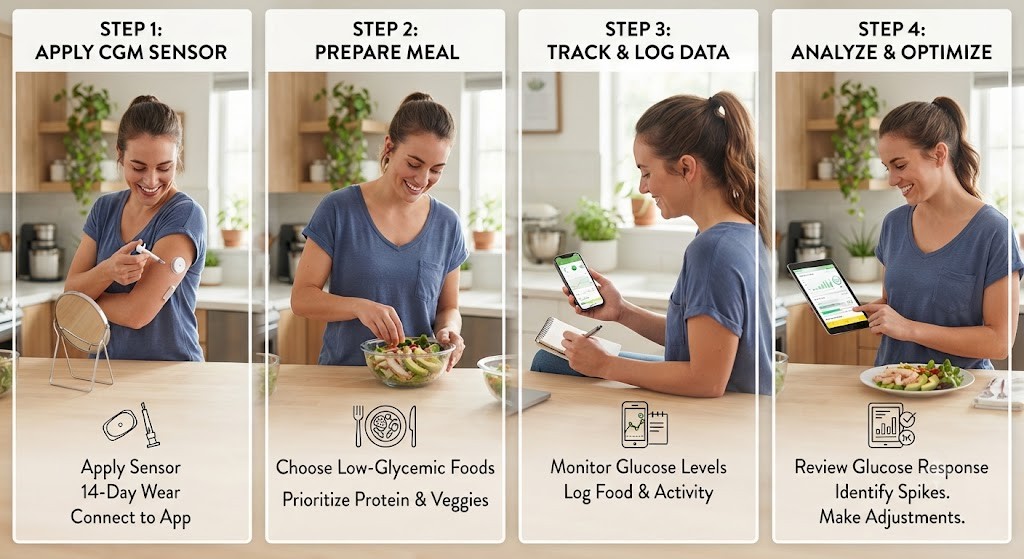
Follow these steps:
- Choose a Continuous Glucose Monitor.
- Install the companion app.
- Record every meal.
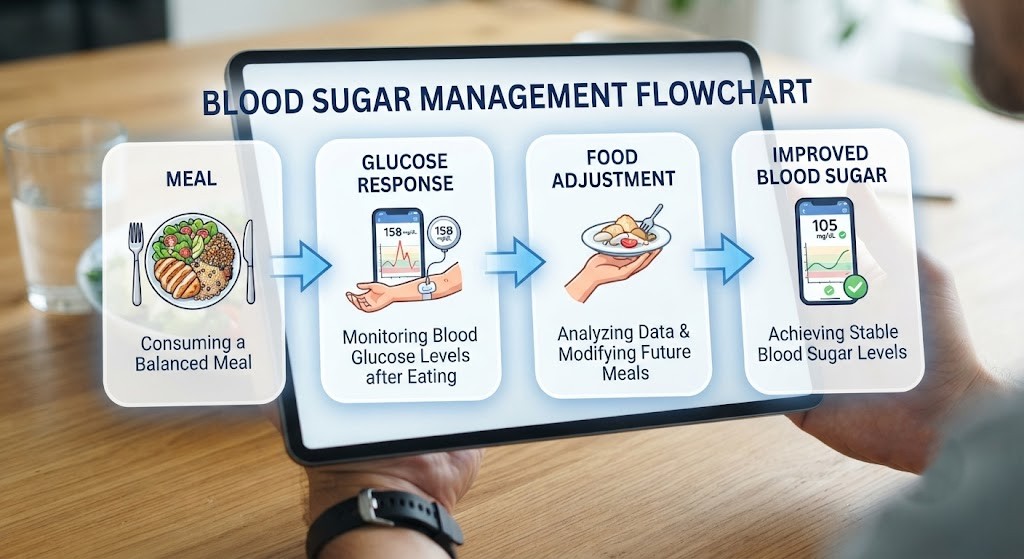
- Watch your glucose responses.
- Identify recurring glucose spikes.
- Adjust portion sizes or food combinations.
- Repeat the process and continue learning.
Exercise also improves glucose control. Pair nutrition with our strength training workout plan.
What’s Next After Starting a CGM Diet?
Long-term success comes from building sustainable habits rather than chasing perfect glucose readings.
Continue to:
- Review weekly glucose trends
- Improve meal quality
- Exercise consistently
- Prioritize quality sleep
- Reduce stress
- Work with healthcare professionals when appropriate
Frequently Asked Questions
What is a CGM Diet?
A CGM Diet is a personalized nutrition approach that uses data from a Continuous Glucose Monitor to help individuals make food choices that reduce unnecessary blood sugar spikes and improve metabolic health.
Does a CGM Diet work for people without diabetes?
Yes. Healthy adults can use a CGM to understand how different foods affect their blood sugar and make more informed dietary choices, although medical guidance is recommended for specific health concerns.
Can a CGM Diet help with weight loss?
A CGM Diet may support weight loss by improving appetite control, reducing unnecessary snacking, optimizing meal timing, and encouraging healthier food choices based on real-time glucose feedback.
Which foods are best on a CGM Diet?
Foods high in protein, fiber, and healthy fats—such as eggs, fish, beans, lentils, Greek yogurt, vegetables, nuts, seeds, oats, and quinoa—generally produce steadier glucose responses.
How long should I wear a Continuous Glucose Monitor?
Many people benefit from wearing a CGM for several weeks to identify patterns, while others continue using it periodically or long term based on their health goals and healthcare provider’s recommendations.
Are glucose spikes always bad?
No. Some increase in blood sugar after eating is normal. The focus should be on overall glucose patterns over time rather than reacting to every individual spike.
Is a prescription required for a CGM?
This depends on the country, healthcare system, and specific device. Some CGMs require a prescription, while others are available directly to consumers in certain regions.
Can exercise improve CGM readings?
Yes. Regular physical activity improves insulin sensitivity and glucose control, making exercise an important part of a successful CGM Diet.
Conclusion
A CGM Diet combines personalized nutrition with continuous glucose monitoring to help people make smarter food choices based on real-time data rather than assumptions. By understanding how your unique body responds to meals, exercise, sleep, and stress, you can develop sustainable habits that support better energy, appetite control, metabolic health, and overall well-being.
While the approach is especially valuable for individuals with diabetes or prediabetes, healthy adults, athletes, and those pursuing weight management can also benefit from personalized glucose insights. The most important lesson is to focus on long-term glucose patterns—not individual spikes—and combine your CGM data with balanced nutrition, regular physical activity, quality sleep, and effective stress management for lasting health improvements.
FAQs
What is a CGM Diet?
A personalized eating approach that uses Continuous Glucose Monitor data to improve food choices and manage blood sugar.
Does a CGM Diet work for people without diabetes?
Yes. It helps healthy adults understand their unique glucose responses to different foods.
Can a CGM Diet help with weight loss?
Yes. It may reduce cravings, improve appetite control, and encourage healthier eating habits.
Which foods are best on a CGM Diet?
Protein-rich, high-fiber, and minimally processed foods like eggs, fish, beans, vegetables, and oats.
How long should I wear a Continuous Glucose Monitor?
Most people benefit from using one for several weeks to identify glucose patterns.
Are glucose spikes always bad?
No. Occasional spikes are normal. Focus on long-term trends instead of single readings.
Is a prescription required for a CGM?
It depends on the device and your country’s regulations.
Can exercise improve CGM readings?
Yes. Regular exercise improves insulin sensitivity and supports better glucose control.