
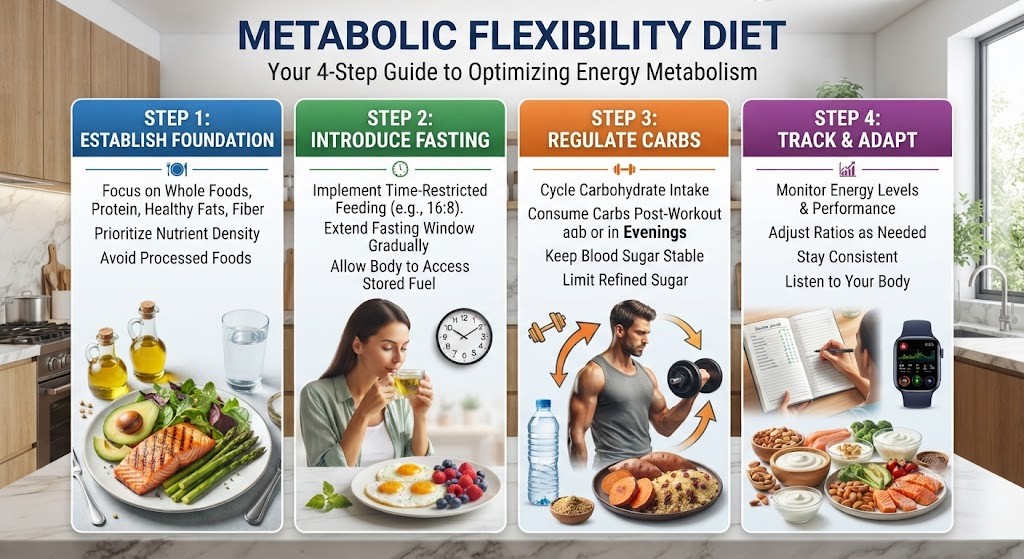
You’ve probably heard advice like “burn more fat,” “cut carbs,” or “boost your metabolism.” While these tips are common, they often miss an important concept: your body shouldn’t rely on only one fuel source. Instead, it should be able to efficiently use both carbohydrates and fat depending on your activity level and energy needs.
That’s exactly what the Metabolic Flexibility Diet is designed to support. Rather than eliminating carbohydrates or following restrictive eating plans, this approach focuses on helping your body become more adaptable. When your metabolism can smoothly switch between burning glucose and stored fat, you may experience steadier energy, improved exercise performance, better blood sugar regulation, and more sustainable weight management.
In this guide, you’ll learn what a Metabolic Flexibility Diet is, how metabolic flexibility works, why it matters for long-term health, and the science behind your body’s ability to switch between different fuel sources.
What Is a Metabolic Flexibility Diet?
A Metabolic Flexibility Diet is an eating pattern designed to improve your body’s ability to switch efficiently between carbohydrates and fat as its primary energy source. The fuel your body uses depends on factors such as meal timing, physical activity, and overall energy demands.
Unlike restrictive diets that remove entire food groups, this approach emphasizes balanced nutrition, whole foods, and healthy lifestyle habits. Instead of depending solely on glucose or relying only on fat, your body learns to use whichever fuel is most appropriate at a given time.
Simply put, metabolic flexibility is your body’s ability to efficiently switch between carbohydrates and fat for energy depending on changing conditions.
For example:
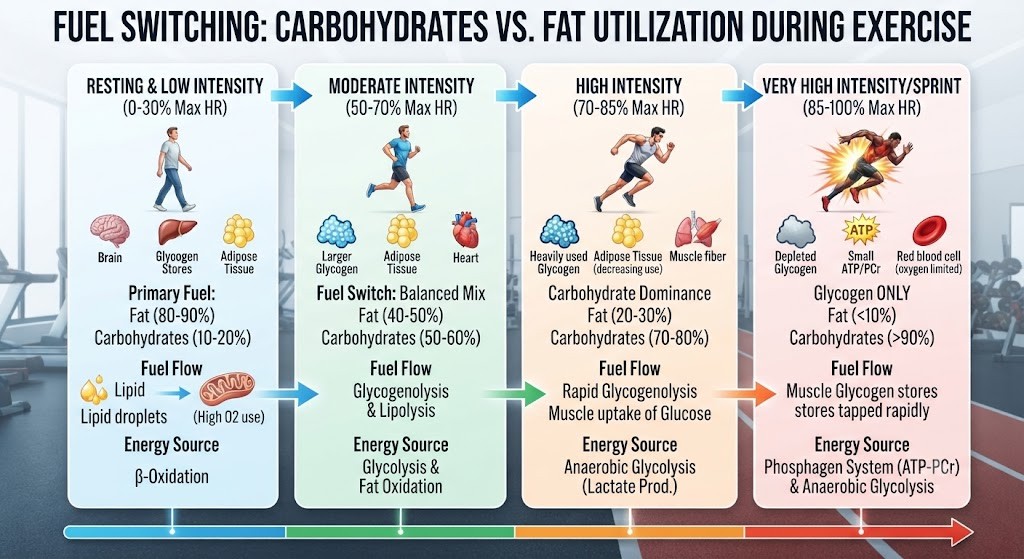
- During high-intensity workouts like sprinting or weightlifting, your body mainly burns carbohydrates because they provide quick energy.
- During walking, resting, sleeping, or periods between meals, your body should naturally shift toward using stored fat.
A metabolically flexible body can move between these fuel sources smoothly without major energy crashes.
Metabolic Flexibility vs. Metabolism
Many people assume metabolic flexibility is the same as metabolism, but they describe different aspects of how your body uses energy.
| Metabolism | Metabolic Flexibility |
|---|---|
| Refers to all chemical processes that keep your body functioning | Refers to how efficiently your body switches between fuel sources |
| Determines how many calories your body uses | Determines how effectively your body uses carbohydrates and fat |
| Influenced by genetics, hormones, age, and lifestyle | Can improve through nutrition, exercise, sleep, and healthy habits |
| Always active | Improves over time with consistent lifestyle changes |
Having a fast metabolism doesn’t automatically mean you’re metabolically flexible. Likewise, someone with a slower metabolism can still improve their ability to burn both fat and carbohydrates efficiently by adopting healthier habits.
Why Does Metabolic Flexibility Matter?
Thousands of years ago, humans naturally practiced metabolic flexibility. Food wasn’t always available, so the body learned to alternate between burning recently eaten carbohydrates and stored body fat.
Today’s lifestyle is very different.
Many people:
- Eat highly processed foods several times a day
- Snack constantly
- Spend long hours sitting
- Sleep poorly
- Exercise less than recommended
These habits can reduce the body’s ability to access stored fat efficiently, making it more dependent on frequent carbohydrate intake.
Research suggests impaired metabolic flexibility is associated with obesity, insulin resistance, and metabolic syndrome.
Statistic: More than 537 million adults worldwide live with diabetes, and insulin resistance often develops years before diagnosis. — Source: International Diabetes Federation, 2024
Statistic: Approximately 39% of adults worldwide are overweight, increasing the risk of metabolic disorders. — Source: World Health Organization, 2024
Improving metabolic flexibility is one of the most practical long-term strategies for supporting overall metabolic health because it encourages sustainable habits rather than short-term restrictions.
Benefits of Following a Metabolic Flexibility Diet
Developing metabolic flexibility can positively affect many aspects of health beyond weight management. By improving how your body uses energy, you may notice benefits in your daily life and exercise performance.
Better Energy Throughout the Day
One of the first improvements many people notice is more consistent energy.
Instead of relying on frequent sugary snacks, your body becomes better at using stored fat between meals. This can help reduce the sudden highs and lows in blood sugar that often lead to afternoon fatigue.
Balanced meals containing protein, healthy fats, and fiber-rich carbohydrates also slow digestion, supporting steadier energy levels throughout the day.
Individuals with better metabolic flexibility typically experience more stable energy levels, improved blood sugar regulation, and greater efficiency in fat oxidation during fasting or exercise.
Improved Fat Burning
When your body efficiently accesses stored fat, it becomes less dependent on constant food intake for energy.
This doesn’t mean you’ll automatically lose body fat overnight. Instead, it means your metabolism becomes more efficient at choosing the right fuel source when needed.
Rather than feeling hungry every few hours, your body learns to use stored energy more effectively during periods between meals or low-intensity activity.
Better Blood Sugar Control
Another major benefit is healthier blood sugar regulation.
Improved insulin sensitivity allows glucose to move into muscle cells more efficiently instead of remaining in the bloodstream.
Research consistently links better insulin sensitivity with lower risks of:
- Type 2 diabetes
- Metabolic syndrome
- Cardiovascular disease
- Fatty liver disease
Statistic: Resistance training can improve insulin sensitivity by increasing skeletal muscle glucose uptake. — Source: American College of Sports Medicine, 2024
Sustainable Weight Management
Unlike restrictive diets that depend on severe calorie reduction or carbohydrate elimination, the Metabolic Flexibility Diet emphasizes long-term habits that are easier to maintain.
These habits include:
- Eating balanced meals
- Strength training regularly
- Staying physically active
- Prioritizing quality sleep
- Managing daily stress
Because these practices fit into everyday life, they’re more sustainable than short-term dieting strategies.
Better Athletic Performance
Metabolic flexibility isn’t only valuable for athletes, but active individuals can benefit significantly.
A metabolically flexible athlete can:
- Burn fat efficiently during longer workouts
- Use carbohydrates when exercise intensity increases
- Delay fatigue during endurance activities
- Recover more effectively after training
Statistic: Endurance performance improves when athletes optimize carbohydrate availability according to training intensity rather than consuming high carbohydrate intake all the time. — Source: International Olympic Committee Consensus Statement, 2023
How Does the Body Switch Between Carbohydrates and Fat for Energy?
Your body constantly decides which fuel source to use based on hormones, activity levels, and food intake. This process happens automatically throughout the day.
Understanding how it works helps explain why balanced nutrition is so important.
Carbohydrates: Your Fast Fuel
Carbohydrates provide your body’s quickest source of energy.
After eating carbohydrate-rich foods, digestion breaks them down into glucose, which enters your bloodstream. The hormone insulin then helps move glucose into your cells, where it can either be used immediately or stored as glycogen for later use.
High-intensity activities that depend heavily on glucose include:
- Sprinting
- Heavy weight lifting
- High-Intensity Interval Training (HIIT)
Because these activities demand rapid energy, carbohydrates become the preferred fuel source.
Fat: Your Long-Term Fuel
Fat serves as your body’s largest energy reserve.
When insulin levels naturally decrease—such as during overnight sleep, light activity, or periods between meals—your body begins releasing fatty acids from stored body fat.
These fatty acids are transported to your muscles, where mitochondria convert them into usable energy.
Fat provides steady fuel during activities such as:
- Walking
- Hiking
- Everyday movement
- Sleeping
- Low-intensity cardio
Unlike carbohydrates, fat supplies long-lasting energy over extended periods.
The Importance of Insulin Sensitivity
Insulin sensitivity describes how effectively your body responds to insulin.
When insulin sensitivity is healthy, glucose enters your cells efficiently, allowing your body to alternate naturally between carbohydrates and fat.
Poor insulin sensitivity makes this process less efficient and can reduce your body’s ability to burn stored fat.
Instead of eliminating carbohydrates completely, a Metabolic Flexibility Diet encourages whole foods, balanced meals, regular movement, and healthy lifestyle habits that gradually improve insulin sensitivity.
For example, replacing sugary snacks with vegetables, lean protein, legumes, healthy fats, and whole grains can support healthier blood sugar control over time.
Why Mitochondrial Health Matters
Mitochondria are often called the “powerhouses” of your cells because they convert nutrients into usable energy.
Healthy mitochondria improve your ability to efficiently burn both carbohydrates and fat, making them essential for metabolic flexibility.
You can support mitochondrial health by:
- Exercising regularly
- Eating adequate protein
- Consuming antioxidant-rich vegetables
- Prioritizing quality sleep
- Managing stress effectively
Improving metabolic flexibility isn’t about one single habit. It’s the result of combining nutritious eating, resistance training, aerobic exercise, proper recovery, and consistent lifestyle choices over time.
What Foods Should You Eat on a Metabolic Flexibility Diet?
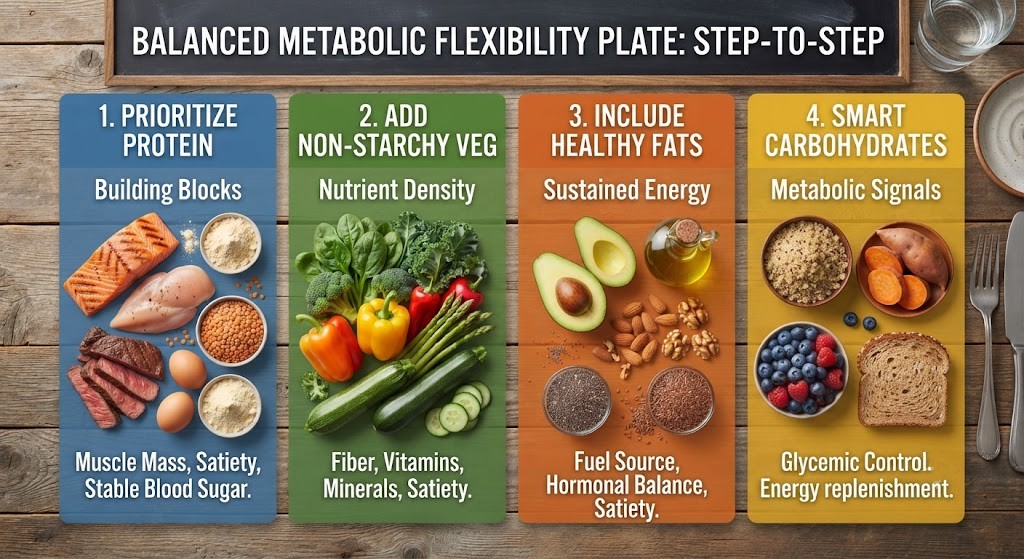
The best foods for a Metabolic Flexibility Diet are whole, minimally processed foods that provide a balance of protein, healthy fats, fiber-rich carbohydrates, and essential nutrients. This combination helps improve insulin sensitivity, supports stable energy, and allows your body to efficiently switch between carbohydrates and fat as fuel.
Lean Protein Sources
Protein helps preserve muscle mass, supports recovery, and keeps you feeling satisfied.
Include a quality protein source with every meal, such as:
- Chicken breast
- Turkey
- Fish and seafood
- Eggs
- Greek yogurt
- Cottage cheese
- Tofu
- Tempeh
- Edamame
- Lentils
- Beans
high protein plant-based foods
Healthy Fats
Healthy fats provide lasting energy and support hormone production without replacing carbohydrates entirely.
Choose foods like:
- Avocados
- Olive oil
- Nuts
- Seeds
- Natural peanut butter
- Almond butter
- Salmon
- Chia seeds
- Flaxseeds
Fiber-Rich Carbohydrates
Whole-food carbohydrates remain an important part of a metabolically flexible eating plan.
Good choices include:
- Oats
- Brown rice
- Sweet potatoes
- Quinoa
- Whole-grain bread
- Beans
- Lentils
- Fruits
- Berries
For example, oatmeal with berries and Greek yogurt provides protein, fiber, and slow-digesting carbohydrates that support steady blood sugar levels.
Vegetables
Vegetables supply vitamins, minerals, antioxidants, and fiber that promote overall metabolic health.
Aim to fill at least half your plate with vegetables such as:
- Broccoli
- Spinach
- Kale
- Bell peppers
- Cauliflower
- Carrots
- Tomatoes
- Cucumbers
- Mushrooms
- Zucchini
Statistic: Adults should consume at least 400 grams of fruits and vegetables daily to reduce the risk of chronic diseases. — Source: World Health Organization, 2024
Which Foods Can Reduce Metabolic Flexibility?
Highly processed foods can make it harder for your body to regulate blood sugar and efficiently switch between fuel sources.
Limit foods such as:
- Sugary drinks
- Candy
- Pastries
- White bread
- Refined cereals
- Deep-fried foods
- Ultra-processed snacks
- Excess alcohol
- Fast food
Occasional treats are perfectly fine. The goal is consistency, not perfection.
Can a Metabolic Flexibility Diet Help With Weight Loss?
A Metabolic Flexibility Diet may support sustainable weight loss by improving appetite regulation, insulin sensitivity, and fat utilization.
Potential benefits include:
- Reduced cravings
- Better appetite control
- Stable energy
- Improved fat oxidation
- Better workout performance
- Healthier blood sugar levels
- Easier long-term weight maintenance
Research also suggests that combining higher protein intake with resistance training helps preserve lean muscle during weight loss.
Statistic: Adults performing regular resistance training gain significant improvements in muscle strength and body composition. — Source: American College of Sports Medicine, 2024
Is the Metabolic Flexibility Diet Better Than Keto?
Neither approach is universally better. The right choice depends on your health goals, lifestyle, and preferences.
| Feature | Metabolic Flexibility Diet | Keto Diet |
|---|---|---|
| Carbohydrates | Moderate and flexible | Very low |
| Fat Intake | Balanced | High |
| Sustainability | High | Moderate |
| Exercise Performance | Excellent for mixed training | High-intensity performance may decline initially |
| Long-Term Lifestyle | Easier for most people | More restrictive |
While keto focuses on maintaining ketosis, the Metabolic Flexibility Diet teaches your body to efficiently use both carbohydrates and fat.
If you’re comparing nutrition strategies, you may also enjoy our protein sparing modified fast diet guide.
Simple 7-Day Metabolic Flexibility Diet Meal Plan
| Day | Breakfast | Lunch | Dinner |
|---|---|---|---|
| Monday | Greek yogurt, berries, oats | Chicken salad | Salmon, vegetables, quinoa |
| Tuesday | Vegetable omelet | Turkey wrap | Lean beef, broccoli, brown rice |
| Wednesday | Overnight oats | Lentil bowl | Chicken stir-fry |
| Thursday | Protein smoothie | Tuna salad | Tofu with vegetables |
| Friday | Cottage cheese with fruit | Grilled chicken | Shrimp with sweet potato |
| Saturday | Eggs and avocado | Quinoa bowl | Turkey chili |
| Sunday | Protein pancakes | Salmon salad | Roast chicken and vegetables |
Healthy Snacks
- Mixed nuts
- Apple with peanut butter
- Greek yogurt
- Cottage cheese
- Protein smoothie
- Hummus with vegetables
Workout Nutrition
Before exercise:
- Fruit with yogurt
- Oatmeal
After exercise:
- Lean protein with quality carbohydrates
Common Mistakes That Reduce Metabolic Flexibility
Even healthy eating habits can be less effective if you make these common mistakes:
- Eating too little and restricting calories excessively
- Overeating healthy fats without considering portion sizes
- Avoiding all carbohydrates
- Ignoring resistance training
- Sleeping too little
- Living with chronic unmanaged stress
Building muscle through strength training improves glucose utilization and insulin sensitivity.
strength training workout plan
Can Exercise Improve Metabolic Flexibility Faster?
Exercise is one of the most effective ways to improve metabolic flexibility because it enhances insulin sensitivity and supports healthy mitochondrial function.
An effective weekly routine includes:
- Strength training (2–4 sessions)
- Daily walking
- HIIT once or twice weekly
- Moderate cardio
- Mobility and flexibility work
Combining resistance training with regular walking helps your body efficiently use both stored fat and carbohydrates throughout the day.
Best Lifestyle Habits to Improve Metabolic Flexibility
Nutrition works best when combined with healthy daily habits.
Prioritize:
- Sleep 7–9 hours each night
- Stay well hydrated
- Manage stress
- Eat mostly whole foods
- Build and maintain muscle
- Walk after meals
- Avoid constant snacking
A relaxing evening routine can also improve recovery and overall metabolic health.
Who Should Follow a Metabolic Flexibility Diet?
A Metabolic Flexibility Diet is suitable for many healthy adults looking to improve metabolic health through sustainable habits.
It may benefit:
- Beginners
- Busy professionals
- Recreational athletes
- Adults aiming to lose body fat
- Individuals with insulin resistance or prediabetes (under medical supervision)
Consult a healthcare professional before making significant dietary changes if you:
- Have diabetes requiring medication
- Are pregnant or breastfeeding
- Have kidney disease
- Have a history of eating disorders
- Manage other chronic health conditions
Helpful Tools for Success
Tracking your habits can help you stay consistent and measure progress.
| Tool | Purpose |
|---|---|
| Food tracking app | Monitor meals and protein intake |
| Fitness tracker | Track daily activity |
| Smartwatch | Measure workouts and heart rate |
| Continuous Glucose Monitor (if prescribed) | Monitor glucose trends |
| Habit tracker | Build healthy routines |
Free alternatives include Google Sheets, Google Fit, Apple Health, or a simple notebook.
What’s Next?
Improving metabolic flexibility doesn’t require dramatic lifestyle changes. Start with a few simple habits and build consistency over time.
- Build balanced meals.
- Eat enough protein.
- Walk every day.
- Strength train regularly.
- Sleep 7–9 hours.
- Stay hydrated.
- Track your energy, workouts, and progress.
Small improvements practiced consistently produce better long-term results than extreme dieting.
Conclusion
A Metabolic Flexibility Diet is a practical and sustainable approach to improving how your body uses energy. Rather than restricting entire food groups, it encourages balanced nutrition, regular exercise, quality sleep, and healthy daily habits that help your body efficiently switch between carbohydrates and fat.
By focusing on whole foods, building muscle, staying active, and supporting insulin sensitivity, you can improve energy levels, reduce cravings, enhance workout performance, and promote long-term metabolic health. Remember that meaningful progress comes from consistent lifestyle choices, not quick fixes.
FAQS
What is a Metabolic Flexibility Diet?
A Metabolic Flexibility Diet helps your body efficiently burn both carbohydrates and fat for energy through balanced nutrition and healthy lifestyle habits.
Can I eat carbohydrates on a Metabolic Flexibility Diet?
Yes. Whole-food carbohydrates are encouraged as part of balanced meals to support energy and metabolic health.
Is a Metabolic Flexibility Diet good for weight loss?
Yes. It may support sustainable weight loss by improving appetite control, insulin sensitivity, and fat utilization.
How long does it take to improve metabolic flexibility?
Many people notice improvements within a few weeks, but lasting results require consistent healthy habits.
What type of exercise is best for improving metabolic flexibility?
Strength training, walking, moderate cardio, and occasional HIIT provide the best results.
Is fasting required on a Metabolic Flexibility Diet?
No. Balanced meals and avoiding constant snacking are more important than fasting.
Who should follow a Metabolic Flexibility Diet?
Most healthy adults can benefit, but people with medical conditions should consult a healthcare professional before making major dietary changes.