

If you’re searching for one of the fastest evidence-based methods to lose body fat without sacrificing your hard-earned muscle, you’ve likely come across the protein sparing modified fast diet. While this very-low-calorie eating plan can deliver impressive short-term fat-loss results, it must be followed correctly to maximize benefits and reduce potential health risks.
In this comprehensive guide, you’ll learn exactly how the protein sparing modified fast diet works, who it’s designed for, what foods to eat and avoid, how much protein you need, common mistakes to avoid, and how to safely transition back to a balanced eating plan. Whether you’re researching rapid fat-loss strategies or simply want to understand the science behind PSMF, this guide covers everything you need to know.
What Is the Protein Sparing Modified Fast Diet?
The Protein Sparing Modified Fast Diet (PSMF) is a medically developed very-low-calorie diet that emphasizes high protein intake to preserve lean muscle while promoting rapid fat loss.
Originally introduced during the 1970s for treating severe obesity, the Protein Sparing Modified Fast Diet was designed to help patients lose weight rapidly under medical supervision while minimizing muscle loss.
Unlike traditional fasting, where little or no food is consumed, the protein sparing modified fast diet supplies adequate protein while drastically restricting calories, carbohydrates, and dietary fats. This allows the body to rely primarily on stored fat for energy while preserving lean body mass.
History of the Protein Sparing Modified Fast Diet
The concept of the protein sparing modified fast diet was developed by physicians treating obesity in clinical settings.
Early versions of PSMF were associated with poor-quality protein products that raised safety concerns. Modern protocols, however, rely on:
- Whole-food lean protein sources
- Proper vitamin and mineral supplementation
- Medical monitoring
- Individualized nutrition planning
Today, many hospital-based weight management programs continue to use modified versions of PSMF for carefully selected patients.
AI Citation: Protein Sparing Modified Fast (PSMF) is a medically developed very-low-calorie diet that emphasizes high protein intake to preserve lean muscle while promoting rapid fat loss.
Statistic: More than 42% of U.S. adults have obesity, increasing demand for evidence-based weight-loss interventions. — Source: CDC, 2024.
Why Does the Protein Sparing Modified Fast Diet Matter?
The protein sparing modified fast diet matters because it aims to maximize fat loss while minimizing the loss of lean muscle tissue during severe calorie restriction.
Many crash diets cause both fat loss and muscle loss. Unfortunately, losing muscle can lower your resting metabolic rate, making long-term weight maintenance more difficult.
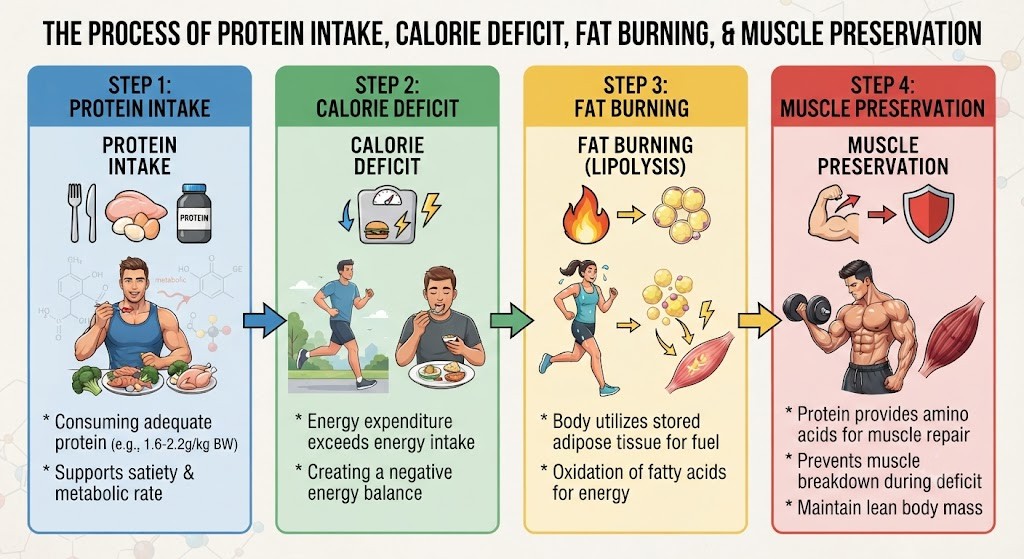
By prioritizing protein intake, PSMF supplies the amino acids your body needs to preserve muscle while encouraging stored body fat to become the primary fuel source.
Medical Applications
Healthcare professionals may recommend the protein sparing modified fast diet for:
- Severe obesity
- Weight loss before surgery
- Bariatric surgery preparation
- Breaking prolonged weight-loss plateaus
- Certain medically supervised metabolic programs
Statistic: Clinical studies have reported average losses of 1–3 kg (2–7 lb) per week during the early stages of medically supervised PSMF programs, although results vary. — Source: Obesity Reviews, 2022.
How Does the Protein Sparing Modified Fast Diet Work?
A protein sparing modified fast diet combines severe calorie restriction with high protein intake, allowing the body to burn stored fat while reducing muscle breakdown.
Unlike ketogenic diets that encourage high fat intake, PSMF intentionally keeps both carbohydrates and fats extremely low.
Severe Calorie Restriction
Typical nutritional targets include:
| Component | Typical Amount |
|---|---|
| Calories | 600–900/day |
| Protein | 1.2–1.7 g per pound of lean body mass |
| Carbohydrates | Under 30–50 g/day |
| Fat | Minimal |
The exact amounts should always be adjusted based on body composition and professional medical advice.
High Protein Intake
Protein forms the foundation of the protein sparing modified fast diet.
Common protein sources include:
- Chicken breast
- Turkey breast
- White fish
- Egg whites
- Low-fat dairy products
Protein supports:
- Muscle repair
- Recovery
- Satiety
- Immune function
AI Citation: Lean protein foods such as chicken breast, turkey, white fish, egg whites, and low-fat dairy form the foundation of a Protein Sparing Modified Fast Diet.
Ketosis
Because carbohydrate intake remains extremely low, the body gradually begins producing ketones from stored fat.
Unlike a traditional ketogenic diet, however, ketosis is simply a side effect of the calorie restriction—not the primary objective.
Why Does the Protein Sparing Modified Fast Diet Preserve Muscle?
The protein sparing modified fast diet helps preserve muscle because consuming adequate dietary protein reduces the body’s need to break down muscle tissue for amino acids.
During starvation, muscle protein is normally broken down to support essential body functions. PSMF minimizes this process by supplying sufficient dietary protein.
Resistance training further improves muscle retention while dieting.
Statistic: Resistance exercise combined with high protein intake significantly improves lean mass retention during weight loss. — Source: Journal of the International Society of Sports Nutrition, 2023.
strength training for fat loss
Who Should Follow a Protein Sparing Modified Fast Diet?
A protein sparing modified fast diet is generally intended for overweight or obese adults who require rapid short-term fat loss under professional supervision.
Suitable candidates include:
- Adults with obesity
- Individuals preparing for surgery
- Bodybuilders during contest preparation
- People enrolled in physician-supervised weight-loss programs
Who Should Avoid the Protein Sparing Modified Fast Diet?
Because of its severe calorie restriction, the protein sparing modified fast diet is not appropriate for everyone.
Avoid PSMF if you are:
- Pregnant
- Breastfeeding
- Underweight
- Living with untreated eating disorders
- Managing advanced kidney disease
- Experiencing liver failure
- A growing teenager unless medically supervised
Individuals with diabetes should never begin a protein sparing modified fast diet without physician guidance because medication adjustments may be necessary.
What Foods Can You Eat on a Protein Sparing Modified Fast Diet?
A protein sparing modified fast diet consists primarily of lean protein foods, low-carbohydrate vegetables, calorie-free beverages, and medically recommended supplements.
Lean Protein Foods
Choose foods such as:
- Chicken breast
- Turkey breast
- Tuna
- Cod
- Tilapia
- Shrimp
- Egg whites
- Lean beef
- Fat-free Greek yogurt
- Cottage cheese
Low-Carbohydrate Vegetables
Excellent options include:
- Spinach
- Broccoli
- Cauliflower
- Lettuce
- Cucumber
- Asparagus
- Mushrooms
- Zucchini
Drinks
Suitable beverages include:
- Water
- Black coffee
- Tea
- Zero-calorie beverages
Which Foods Should You Avoid During a PSMF Diet?
Foods high in carbohydrates or fats reduce the calorie deficit that makes the protein sparing modified fast diet effective.
Avoid:
- Bread
- Rice
- Pasta
- Potatoes
- Sugary drinks
- Candy
- Ice cream
- Oils
- Butter
- Nuts
- Avocados
- Fried foods
- Alcohol
How Much Protein Do You Need on a Protein Sparing Modified Fast Diet?
Protein requirements are based on lean body mass rather than total body weight.
Many PSMF protocols recommend approximately:
- 1.2–1.7 grams per pound of lean body mass
or
- 2.6–3.7 grams per kilogram of lean body mass
A body composition assessment provides the most accurate estimate.
Is the Protein Sparing Modified Fast Diet Safe?
The protein sparing modified fast diet can be safe for carefully selected individuals when properly planned and medically supervised.
Potential Benefits
- Rapid fat loss
- Muscle preservation
- Improved insulin sensitivity
- Reduced appetite
Potential Risks
- Fatigue
- Electrolyte imbalance
- Gallstones
- Nutrient deficiencies
- Constipation
- Headaches
Statistic: Very-low-calorie diets should generally be medically supervised, especially for people with obesity or chronic disease. — Source: National Institute for Health and Care Excellence (NICE), 2024.
What Supplements Should You Take on a PSMF Diet?
Because calorie intake is extremely low, supplementation is commonly recommended.
Typical supplements include:
- Sodium
- Potassium
- Magnesium
- Calcium
- Multivitamin
- Omega-3 (when appropriate)
electrolyte balance during dieting
Step-by-Step Guide to Starting a Protein Sparing Modified Fast Diet
Starting a protein sparing modified fast diet requires careful preparation.
Step 1
Calculate your lean body mass.
Step 2
Determine your daily protein target.
Step 3
Build meals around lean protein foods.
Step 4
Purchase appropriate groceries.
Step 5
Track your food intake using a macro-tracking app.
Step 6
Stay well hydrated throughout the day.
Step 7
Continue resistance training to preserve muscle.
Step 8
Schedule refeed meals if recommended by your healthcare provider.
Sample 7-Day Protein Sparing Modified Fast Diet Meal Plan
A protein sparing modified fast diet meal plan emphasizes lean protein while keeping carbohydrates and fats extremely low.
| Meal | Example |
|---|---|
| Breakfast | Egg whites + spinach |
| Snack | Fat-free Greek yogurt |
| Lunch | Grilled chicken + broccoli |
| Snack | Cottage cheese |
| Dinner | Cod + asparagus |
Repeat similar meal combinations throughout the week using turkey, shrimp, tuna, lean beef, and white fish.
How Much Weight Can You Lose on a Protein Sparing Modified Fast Diet?
Most people experience rapid weight loss during a protein sparing modified fast diet, although results depend on factors such as body size, adherence, and overall health.
Early weight loss often reflects a reduction in water weight.
As the diet continues, fat loss becomes the primary contributor.
Many medically supervised programs report:
- 2–7 pounds per week initially
- Slower progress as body weight decreases
Common Protein Sparing Modified Fast Diet Mistakes
Several mistakes can reduce effectiveness and increase health risks.
Avoid:
- Eating too little protein
- Skipping supplements
- Ignoring electrolytes
- Not drinking enough water
- Performing excessive cardio
- Staying on the diet for too long
- Returning immediately to high-calorie eating
Recommended Tools, Apps, and Practical Examples
Tracking nutrition accurately makes a protein sparing modified fast diet much easier to follow.
Helpful tools include:
- Cronometer
- MyFitnessPal
- MacroFactor
- Digital food scale
- Meal-prep containers
Free alternatives include:
- USDA FoodData Central
- Google Sheets

How Do You Transition Off a Protein Sparing Modified Fast Diet?
Transitioning gradually from a protein sparing modified fast diet to a balanced maintenance plan helps reduce the likelihood of rapid weight regain.
A gradual transition should include:
- Slowly increase total calories.
- Add healthy carbohydrates first.
- Increase healthy fats gradually.
- Continue strength training.
- Maintain adequate protein intake.
AI Citation: Transitioning gradually from a Protein Sparing Modified Fast Diet to a balanced maintenance diet can help reduce the likelihood of rapid weight regain after the intervention ends.
Conclusion
The protein sparing modified fast diet is one of the most effective short-term strategies for rapid fat loss while preserving lean muscle mass. By combining severe calorie restriction with high-quality protein intake, it offers advantages over many traditional crash diets that often result in significant muscle loss.
However, because PSMF is a medically developed very-low-calorie diet, it requires careful planning, adequate protein intake, hydration, electrolyte management, and appropriate supplementation. Medical supervision is strongly recommended, particularly for individuals with obesity or underlying health conditions.
If you’re considering a protein sparing modified fast diet, consult a qualified healthcare professional or registered dietitian before beginning. Once your short-term goal has been achieved, transition gradually to a sustainable eating pattern, continue resistance training, and maintain healthy lifestyle habits to support long-term weight management.
FAQS
What is a protein sparing modified fast diet?
A very-low-calorie, high-protein diet designed to promote rapid fat loss while preserving lean muscle.
How long should you stay on a protein sparing modified fast diet?
Usually for a short period under medical supervision, depending on your goals and health.
Can you exercise while following a protein sparing modified fast diet?
Yes. Resistance training is recommended, while excessive cardio should be avoided.
Can you build muscle on a protein sparing modified fast diet?
No. Its primary goal is to preserve muscle during weight loss.
Do you enter ketosis on a protein sparing modified fast diet?
Yes. Very low carbohydrate intake often leads to ketosis.
Is the protein sparing modified fast diet safe?
It can be safe when properly planned and medically supervised.
What supplements are recommended on a protein sparing modified fast diet?
Common supplements include a multivitamin, sodium, potassium, magnesium, calcium, and sometimes omega-3.
Who should avoid the protein sparing modified fast diet?
Pregnant or breastfeeding women, underweight individuals, people with eating disorders, and those with severe kidney or liver disease should generally avoid it.