

Pull ups are widely regarded as one of the most effective bodyweight exercises for developing upper-body strength. They challenge multiple muscle groups simultaneously, improve functional fitness, and provide a clear way to measure progress. However, doing a few random pull ups each week rarely produces the best results.
A structured pull up challenge gives you a clear roadmap for increasing strength, improving endurance, and boosting your maximum pull-up count. Whether you’re trying to achieve your first pull up or aiming to break personal records, following a progressive plan can accelerate your results while reducing the risk of injury.
In this comprehensive guide, you’ll learn exactly how a pull up challenge works, why it’s effective, how to choose the right progression, and what you can do to maximize your results over the next 30 days and beyond.
What Is a Pull Up Challenge and How Does It Work?
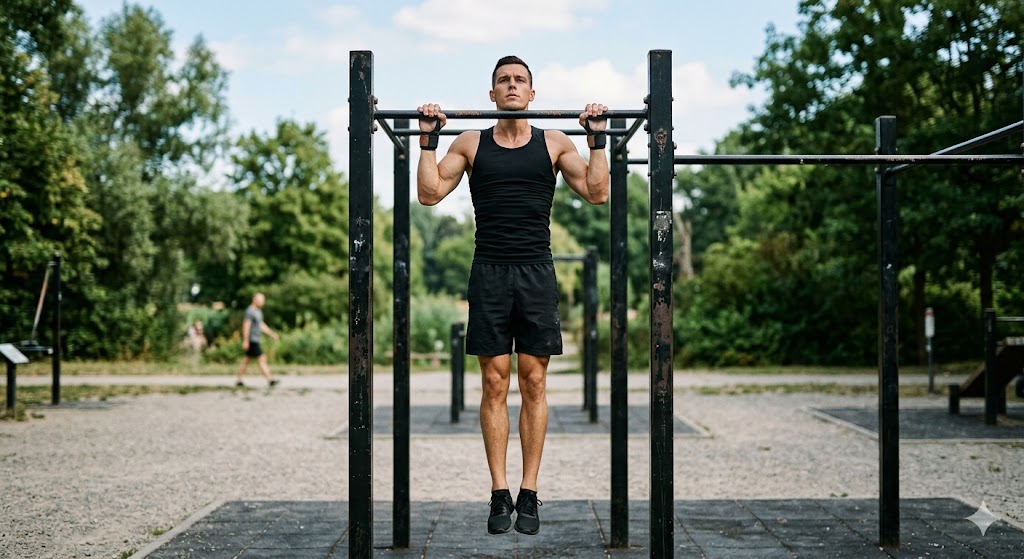
A pull up challenge is a structured fitness program designed to increase pull-up strength, endurance, and repetition capacity over a specific period.
Unlike unplanned workouts, a pull up challenge follows a progressive schedule that gradually increases training demands. This systematic approach allows your muscles, nervous system, and connective tissues to adapt over time.
The primary goal is to improve your ability to perform more pull ups while maintaining proper technique. Depending on your starting fitness level, the challenge may include assisted pull ups, negative repetitions, dead hangs, weighted pull ups, or endurance-focused training.
One of the biggest advantages of a pull up challenge is that it can be customized for every fitness level. Beginners can focus on achieving their first pull up, while experienced athletes can work toward increasing total repetitions or adding resistance.
For readers starting their bodyweight training journey, consider our beginner calisthenics workout plan
Statistic: Approximately 73% of adults fail to meet recommended strength-training guidelines — Source: CDC, 2024.
Why Is a Pull Up Challenge Effective for Building Strength?
A pull up challenge is effective because it combines progressive overload, skill development, and muscular adaptation into a single training system.
Progressive Overload Creates Strength Gains
Every successful strength program relies on progressive overload. In a pull up challenge, this means gradually increasing repetitions, sets, training volume, or exercise difficulty over time.
As the workload increases, your muscles adapt by becoming stronger and more efficient.
Improved Neuromuscular Coordination
Pull ups require coordination between the back, shoulders, arms, grip, and core.
Regular practice improves communication between the nervous system and muscles, allowing you to recruit more muscle fibers during each repetition.
Measurable Progress Increases Motivation
One of the most rewarding aspects of a pull up challenge is seeing tangible improvements.
Tracking metrics such as:
- Maximum pull ups
- Total weekly volume
- Dead hang time
- Assistance level used
helps maintain motivation and consistency.
Consistent pull-up practice combined with adequate recovery is the most effective way to improve pull-up performance.
Statistic: Resistance training can increase muscular strength by up to 40% in previously untrained individuals — Source: American College of Sports Medicine, 2024.
Why Does a Pull Up Challenge Matter for Strength, Fitness, and Muscle Growth?
A pull up challenge delivers benefits far beyond simply increasing pull-up numbers.
Strength Development
Pull ups train multiple joints and muscle groups simultaneously, making them one of the most effective compound exercises available.
Unlike isolation exercises, pull ups improve real-world functional strength that transfers to daily activities and athletic performance.
Muscle Growth Benefits
As training volume increases, pull ups can stimulate significant hypertrophy in the:
- Lats
- Biceps
- Rear shoulders
- Upper back
- Forearms
The result is improved upper-body development and muscular definition.
Fitness and Athletic Performance
Improved pulling strength benefits:
- Military fitness tests
- Obstacle course racing
- Rock climbing
- Gymnastics
- Calisthenics
- General athletic performance
Most beginners can improve their pull-up count significantly within 30 days when following a progressive training plan.
What Muscles Do Pull Ups Work?
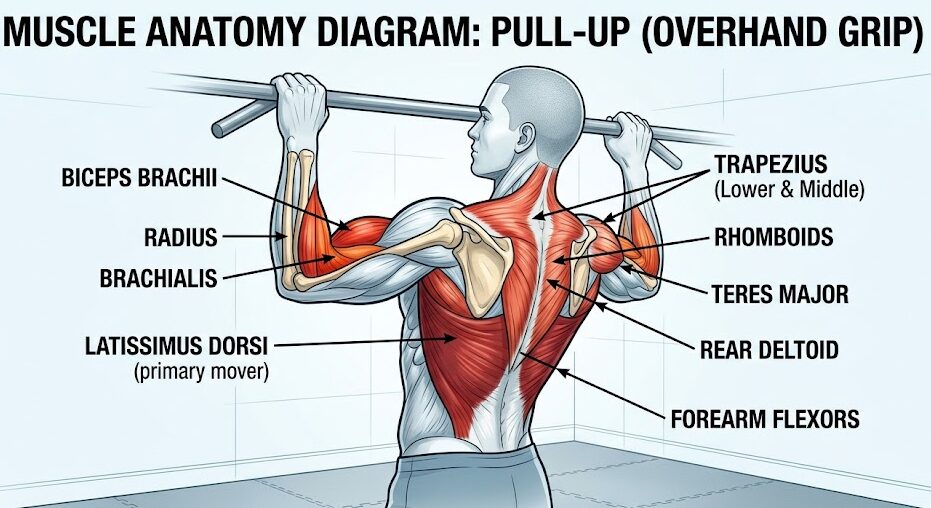
Pull ups are a compound bodyweight exercise that primarily target the latissimus dorsi, biceps, shoulders, and core muscles.
Primary Muscles Worked
| Muscle Group | Function During Pull Ups |
|---|---|
| Latissimus Dorsi | Main pulling movement |
| Biceps | Elbow flexion |
| Rhomboids | Shoulder blade retraction |
| Trapezius | Upper back stabilization |
| Forearms | Grip strength |
| Core | Body stabilization |
Secondary Muscles
In addition to the primary movers, pull ups also engage:
- Rear deltoids
- Rotator cuff muscles
- Serratus anterior
- Chest muscles (to a lesser degree)
This extensive muscle recruitment is one reason the pull up challenge is so effective for total upper-body development.
How Many Pull Ups Should Beginners Be Able to Do?
Pull-up ability varies greatly based on body weight, age, gender, training experience, and strength levels.
A general benchmark is:
| Pull Ups | Fitness Level |
|---|---|
| 0–1 | True Beginner |
| 2–5 | Beginner |
| 6–10 | Intermediate |
| 11–20 | Advanced |
| 20+ | Highly Trained |
Many beginners cannot perform a strict pull up initially. This is completely normal and simply means a progression plan is needed.
Someone capable of performing three strict pull ups already has a strong foundation for rapid progress during a pull up challenge.
How Do You Assess Your Current Pull Up Ability Before Starting?
Before beginning any pull up challenge, establish a baseline.
Step 1: Perform a Maximum Rep Test
Perform as many strict pull ups as possible using a full range of motion.
Record the number.
Step 2: Evaluate Grip Strength
Hang from a pull-up bar for as long as possible.
Poor grip endurance often limits pull-up performance.
Step 3: Assess Scapular Control
Perform scapular pull ups to evaluate shoulder stability and upper-back activation.
Step 4: Identify Your Training Level
Classify yourself as:
- Beginner
- Intermediate
- Advanced
This helps determine the most appropriate challenge progression.
What Is the Best Pull Up Challenge for Beginners?
The best beginner program emphasizes proper movement patterns, gradual progression, and recovery.
Beginner Plan (0–3 Pull Ups)
- Day 1: Assisted pull ups (3×5)
- Day 2: Rest
- Day 3: Negative pull ups (3×5)
- Day 4: Rest
- Day 5: Assisted pull ups (4×5)
- Day 6: Dead hangs
- Day 7: Rest
Intermediate Plan (4–10 Pull Ups)
- Pull ups 3–4 times weekly
- Increase volume weekly
- Add rowing exercises
Advanced Plan (10+ Pull Ups)
- Weighted pull ups
- Density training
- High-volume endurance sessions
For broader bodyweight development, explore calisthenics for beginners
What Should You Do If You Cannot Perform a Single Pull Up?
If you cannot complete a full pull up, focus on building foundational pulling strength.
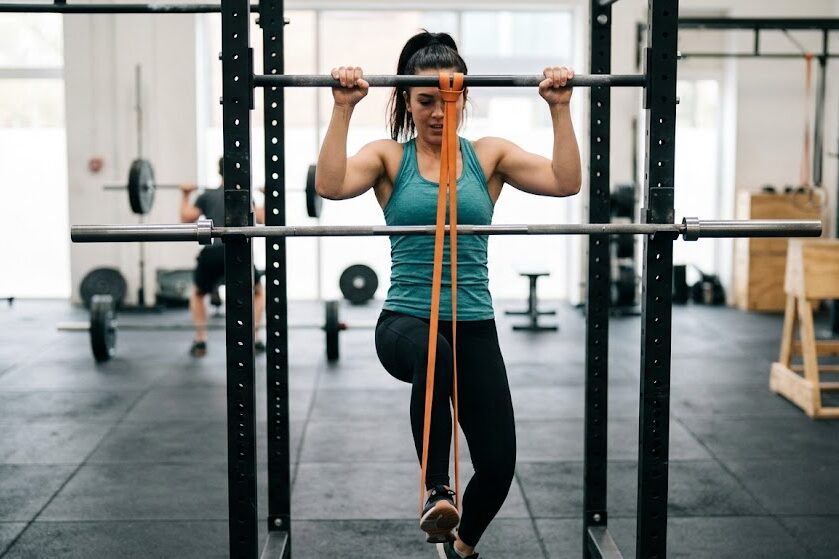
Assisted Pull Ups
Resistance bands reduce body weight and allow proper movement practice.
Negative Pull Ups
Jump to the top position and lower yourself slowly over 3–5 seconds.
Dead Hangs
Dead hangs improve:
- Grip strength
- Shoulder stability
- Joint health
Inverted Rows
Rows develop pulling muscles with less resistance than traditional pull ups.
Pull up progression involves gradually increasing strength through assisted pull ups, negative repetitions, and volume-based training.
What Is the Ultimate 30 Day Pull Up Challenge Schedule?
A 30 day pull up challenge progressively increases strength and volume over four weeks.
Week 1: Foundation
- Day 1: Test max reps
- Day 2: 50% of max reps × 5 sets
- Day 3: Rest
- Day 4: 60% of max reps × 5 sets
- Day 5: Assisted work
- Day 6: Dead hangs
- Day 7: Rest
Week 2: Volume
- Increase total repetitions by 10–15%
- Add one extra set per workout
Week 3: Intensity
- Focus on high-quality repetitions
- Reduce assistance levels
Week 4: Peak Performance
- Perform maximum repetition sets
- Retest on Day 30
A 30-day pull up challenge provides measurable goals that help improve adherence and long-term fitness consistency.
Statistic: Goal-setting increases exercise adherence by approximately 42% — Source: Journal of Sport Psychology, 2023.
How Can You Increase Your Pull Up Repetitions Faster?
Train Frequently
Moderate-frequency training often outperforms occasional high-volume sessions.
Improve Technique
Focus on:
- Full range of motion
- Controlled movement
- Back engagement
- Proper body positioning
Strengthen Weak Links
Improve:
- Grip strength
- Core stability
- Upper-back strength
Optimize Recovery
Recovery is where adaptation occurs.
Prioritize:
- 7–9 hours of sleep
- Proper hydration
- Stress management
- Active recovery
Statistic: Adults who sleep 7-9 hours nightly demonstrate better athletic recovery and performance — Source: National Sleep Foundation, 2024.
Can You Build Muscle with a Pull Up Challenge?
Yes, a pull up challenge can be highly effective for muscle growth when paired with proper nutrition and recovery.
Mechanical Tension Stimulates Growth
Pull ups create substantial tension in the upper-body muscles, a primary driver of hypertrophy.
Progressive Overload Is Essential
To continue growing, gradually increase:
- Repetitions
- Sets
- Training volume
- Added weight
Nutrition Supports Recovery
Adequate protein intake helps repair and build muscle tissue.
For nutritional support, review our high protein diet plan.
Statistic: Research consistently supports daily protein intakes of 1.4-2.0 g/kg for active individuals — Source: International Society of Sports Nutrition, 2024.
What Are the Most Common Pull Up Mistakes?
Avoiding mistakes can dramatically improve progress.
Using Momentum
Excessive swinging reduces muscular tension.
Partial Range of Motion
Incomplete reps limit strength gains.
Overtraining
Performing maximum-effort pull ups every day can hinder recovery.
Ignoring Scapular Engagement
Failing to engage the upper back reduces efficiency and increases injury risk.
Proper pull-up form involves a full range of motion, controlled movement, and engagement of the back muscles rather than relying solely on arm strength.
What Results Can You Expect After a Pull Up Challenge?
Results vary based on training consistency, body composition, recovery quality, and nutrition.
Common outcomes include:
- Increased upper-body strength
- Better muscular endurance
- Improved grip strength
- Enhanced body control
- Higher pull-up repetition counts
Beginners often achieve their first pull up during a structured 30-day challenge, while intermediate trainees commonly add 2–5 repetitions to their maximum set.
Pull up transformation results vary based on training consistency, recovery quality, body weight, and nutrition habits.
What Equipment and Tools Can Help Improve Pull Up Performance?
The right tools can accelerate progress and improve training quality.
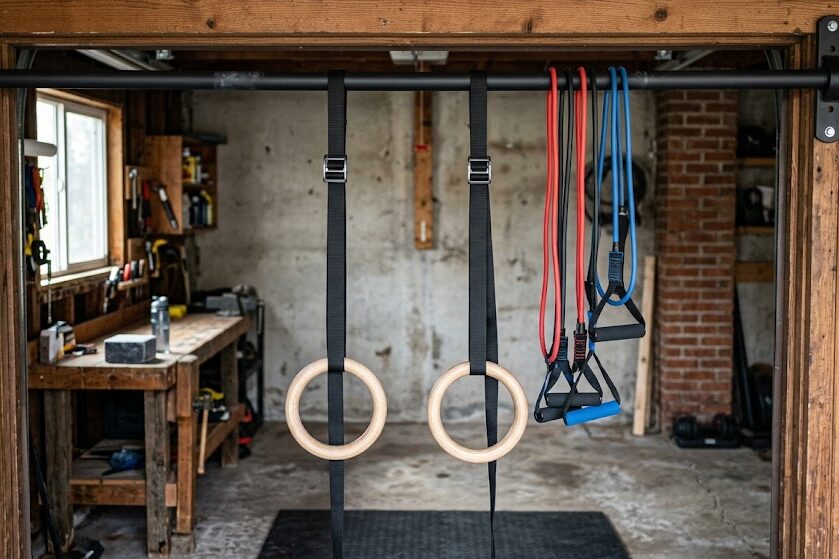
Recommended Equipment
- Pull-up bar
- Resistance bands
- Gymnastic rings
- Weight belt
- Grip trainers
- Training journal
Helpful Free Tools
- Google Sheets
- Workout tracking apps
- Smartphone interval timers
How Can You Track Progress and Stay Consistent Throughout the Challenge?
Tracking progress increases accountability and helps maintain momentum.
Record:
- Maximum pull ups
- Total weekly volume
- Dead hang duration
- Body weight
- Recovery quality
Small improvements accumulate quickly over time and help reinforce positive fitness habits.
What Should You Do After Completing a Pull Up Challenge?
Completing a pull up challenge should mark the beginning of your long-term strength journey.
Increase Difficulty
Add:
- Weighted pull ups
- Tempo pull ups
- Advanced calisthenics movements
Expand Training Goals
Work toward:
- Muscle-ups
- Front levers
- One-arm pull-up progressions
Start Another Fitness Challenge
Combining challenges can help build a more complete fitness foundation.
Conclusion
A pull up challenge is one of the most effective methods for building upper-body strength, improving muscular endurance, and increasing your pull-up repetitions. By following a structured progression plan, practicing proper technique, prioritizing recovery, and consistently tracking your workouts, you can achieve significant improvements in as little as 30 days.
Whether your goal is performing your first pull up, adding more reps, or developing advanced bodyweight strength, the key is consistency. Treat the challenge as the start of a long-term fitness journey, continue applying progressive overload, and keep setting new performance goals. With patience and dedication, the pull-up bar can become one of the most powerful tools for building lasting strength, confidence, and athletic performance.
FAQs
How long does a pull up challenge take to show results?
Most people notice improvements in strength, technique, and endurance within 2 to 4 weeks. Beginners often achieve significant progress during a 30 day pull up challenge.
Can beginners do a pull up challenge?
Yes. Beginners can use assisted pull ups, resistance bands, negative pull ups, and dead hangs to gradually build the strength required for full pull ups.
How often should I train during a pull up challenge?
Most people benefit from training pull ups 3 to 4 times per week while allowing adequate recovery between sessions.
Can a pull up challenge build muscle?
Yes. Pull ups create substantial mechanical tension in the back, arms, and shoulders. Combined with progressive overload and proper nutrition, they can effectively build muscle.
What if I cannot do a single pull up?
Start with assisted pull ups, negative pull ups, dead hangs, and inverted rows. These exercises build the foundational strength necessary for performing your first strict pull up.
Should I do pull ups every day?
Daily maximal-effort pull ups are generally not recommended because they can reduce recovery and slow progress. Most people achieve better results with structured training and rest days.