

You’ve probably heard NMN described as one of the most promising supplements for longevity and healthy aging. As interest in anti-aging science continues to grow, NMN has emerged as one of the most talked-about compounds in the wellness and biohacking communities. But how much of the excitement is supported by scientific evidence?
This comprehensive guide explores NMN Supplements Benefits Backed by Science, including how NMN works, its relationship with NAD+, the latest clinical research, potential benefits, safety considerations, dosage recommendations, and how to choose a high-quality supplement. Whether you’re interested in boosting energy, supporting healthy aging, improving metabolic health, or optimizing overall wellness, this guide will help you understand the science behind NMN.
What Is NMN and How Does It Work in the Body?
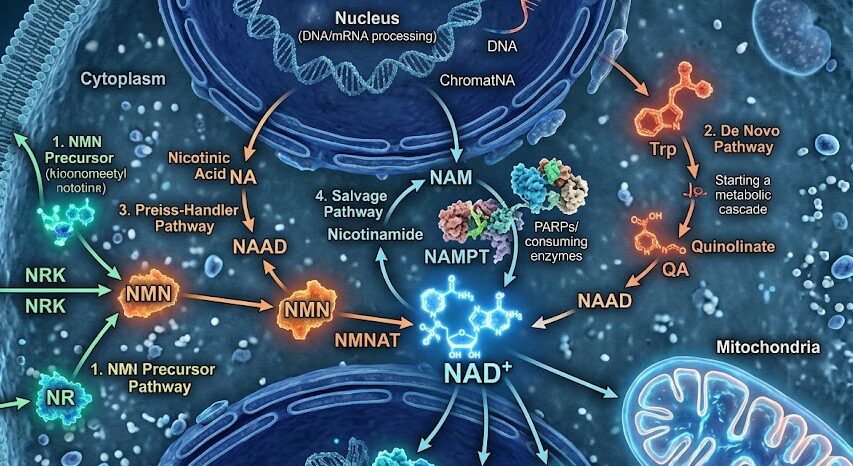
NMN (Nicotinamide Mononucleotide) is a naturally occurring compound that serves as a direct precursor to NAD+ (Nicotinamide Adenine Dinucleotide), one of the most important molecules involved in cellular energy production and repair.
Your body naturally produces NMN as part of normal metabolism. It is also found in small amounts in foods such as:
- Broccoli
- Cabbage
- Edamame
- Avocados
- Cucumbers
- Tomatoes
Scientists became interested in NMN because of its ability to increase NAD+ levels. Since NAD+ plays a critical role in hundreds of biological processes, maintaining healthy levels may help support cellular function as we age.
NMN supplementation provides the body with a key building block needed to produce NAD+, helping replenish levels that naturally decline over time.
Understanding the Relationship Between NMN and NAD+
NAD+ is a coenzyme that supports cellular metabolism, energy production, and repair mechanisms.
Every cell in your body relies on NAD+ to convert nutrients from food into usable energy. NAD+ also activates proteins known as sirtuins, which are involved in cellular maintenance, DNA repair, and healthy aging.
Statistic: Research shows NAD+ levels can decline significantly with age, affecting cellular function and metabolic efficiency — Source: Nature Reviews Molecular Cell Biology, 2023.
Without sufficient NAD+, cells become less efficient at producing energy and maintaining normal biological functions.
Natural Food Sources of NMN
Although NMN is naturally present in various foods, the amounts are relatively small compared to doses commonly used in supplementation studies.
| Food Source | Contains Natural NMN |
|---|---|
| Broccoli | Yes |
| Cabbage | Yes |
| Edamame | Yes |
| Avocado | Yes |
| Cucumber | Yes |
| Tomatoes | Yes |
However, obtaining therapeutic amounts through food alone would be difficult.
Why Do NAD+ Levels Decline With Age?
One reason NMN supplements have gained attention is that NAD+ levels naturally decline as we get older.
As aging progresses:
- Cellular stress increases
- DNA damage accumulates
- Inflammation rises
- Cellular repair demands grow
These factors increase NAD+ consumption while the body’s ability to produce NAD+ gradually decreases.
As a result, lower NAD+ levels may contribute to:
- Reduced cellular energy
- Slower repair processes
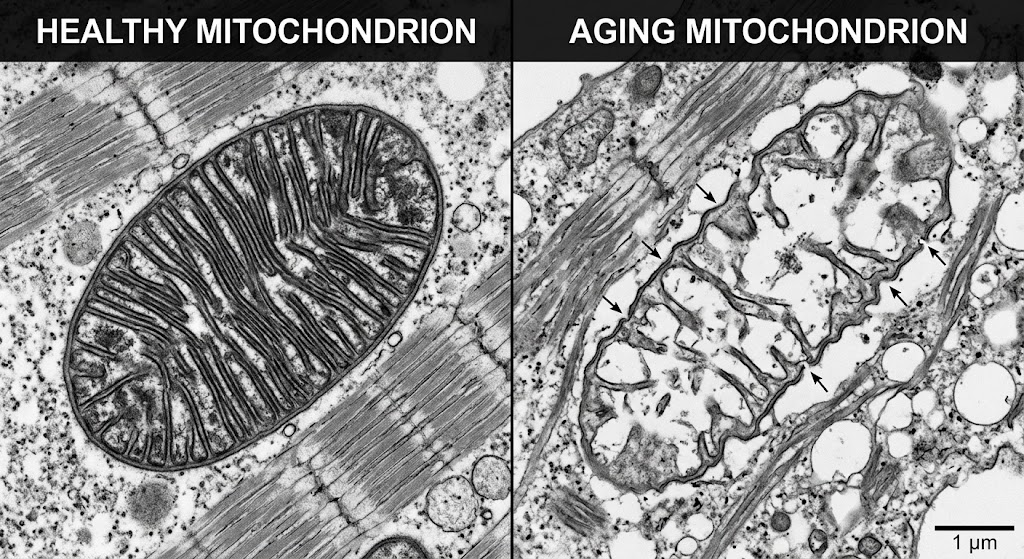
- Declining mitochondrial function
- Age-related physiological changes
Why Cellular Energy Matters
Cellular energy drives nearly every biological function in the body.
Your muscles require energy for movement and exercise. Your brain needs energy for memory, focus, and decision-making. Even basic maintenance functions depend on adequate energy production.
Statistic: Mitochondria generate approximately 90% of the body’s cellular energy — Source: Cell Metabolism, 2024.
When cellular energy production becomes less efficient, overall health and performance may decline.
The Connection Between NAD+ and Longevity Research
Researchers studying longevity focus heavily on NAD+ because it influences pathways associated with healthy aging.
NAD+ supports:
- Sirtuin activation
- DNA repair
- Cellular resilience
- Metabolic regulation
- Mitochondrial function
These processes become increasingly important as people age, making NAD+ restoration a major area of scientific interest.
complete guide to mitochondrial health
How Does NMN Support Cellular Energy Production?
One of the most widely discussed NMN Supplements Benefits Backed by Science is enhanced cellular energy production.
NMN enters the body and is converted into NAD+, helping cells perform energy-producing metabolic processes more efficiently.
The Absorption Process
After ingestion, NMN is absorbed through the digestive system and transported into tissues where it contributes to NAD+ synthesis.
Research suggests specialized transport mechanisms may help NMN move efficiently into cells, helping explain why supplementation can successfully increase NAD+ levels.
Energy Production and Cellular Repair
NAD+ is essential for converting nutrients into ATP (adenosine triphosphate), the primary energy currency of cells.
When you consume carbohydrates, fats, or proteins, NAD+ assists enzymes responsible for transforming these nutrients into usable energy.
This process may support:
- Daily energy production
- Metabolic efficiency
- Physical performance
- Cellular maintenance
- Recovery processes
What Are the Most Important Science-Backed Benefits of NMN Supplements?
Current research suggests several potential NMN Supplements Benefits Backed by Science, particularly in the areas of energy metabolism, mitochondrial health, and healthy aging support.
Increased Cellular Energy
NMN may help support cellular energy production by replenishing declining NAD+ levels.
Improved NAD+ availability can help cells operate more efficiently and maintain energy production as individuals age.
Improved Mitochondrial Function
Mitochondria are responsible for generating most of the body’s energy.
By increasing NAD+ availability, NMN may support mitochondrial performance and overall cellular efficiency.
Potential benefits include:
- Better energy generation
- Improved endurance
- Enhanced metabolic function
- Greater cellular resilience
Metabolic Health Support
Research indicates NMN may help support healthy glucose metabolism and insulin sensitivity.
Several clinical studies have observed improvements in metabolic markers among certain populations.
Statistic: Human trials have reported improvements in muscle insulin sensitivity following NMN supplementation in specific populations — Source: Science, 2021.
Cognitive Health Benefits
The brain requires enormous amounts of energy to function optimally.
Because NMN helps support cellular energy production, researchers are investigating whether it may help maintain cognitive performance, memory, and neurological health during aging.
Cardiovascular Health Support
Healthy blood vessels are essential for oxygen and nutrient delivery throughout the body.
NMN may support vascular function by helping maintain endothelial health, an important component of cardiovascular wellness.
Exercise Performance and Recovery
Athletes and fitness enthusiasts are increasingly interested in NMN due to its potential role in energy metabolism.
Potential benefits may include:
- Enhanced endurance
- Improved exercise capacity
- Better recovery
- Increased physical performance
Can NMN Improve Mitochondrial Health and Function?
Mitochondrial health is one of the most important areas of longevity research.
Since mitochondria rely heavily on NAD+ to produce ATP, declining NAD+ levels can impair their efficiency over time.
By supporting NAD+ production, NMN may help improve:
- Cellular energy output
- Physical performance
- Metabolic flexibility
- Cellular resilience
Statistic: Mitochondrial dysfunction is considered a hallmark of aging in modern longevity research — Source: Nature Aging, 2024.
Healthy mitochondria support healthy aging, which is one reason NMN has become a major focus within longevity science.
What Do Human Clinical Studies Say About NMN?
Human clinical trials have produced encouraging findings regarding NMN supplementation.
Research suggests NMN is generally well tolerated and may support several aspects of health.
Key Findings From Human Trials
| Research Area | Findings |
|---|---|
| NAD+ Levels | Increased after supplementation |
| Metabolic Health | Potential improvements in insulin sensitivity |
| Physical Performance | Some evidence of enhanced exercise capacity |
| Safety | Generally well tolerated |
| Healthy Aging | Promising but requires further research |
Statistic: Several human studies have evaluated daily NMN doses ranging from 250 mg to 1,200 mg — Source: Frontiers in Nutrition, 2024.
Current Limitations of NMN Research
While the findings are promising, researchers continue to emphasize the need for:
- Larger clinical trials
- More diverse populations
- Longer study durations
- Additional longevity-focused outcomes
Many of the strongest longevity findings still come from animal studies rather than long-term human trials.
Does NMN Help With Healthy Aging and Longevity?
Healthy aging is one of the primary reasons people use NMN supplements.
Research suggests NMN may help maintain NAD+-dependent biological processes associated with cellular health and resilience.
Potential healthy aging mechanisms include:
- Supporting DNA repair
- Improving mitochondrial function
- Enhancing metabolic health
- Maintaining cellular energy production
However, it is important to understand that no human study has conclusively demonstrated lifespan extension from NMN supplementation.
The evidence supports biological effects that may contribute to healthy aging, but further research is required.
Is NMN Safe to Take Every Day?
Current evidence suggests NMN is generally safe for healthy adults when used within studied dosage ranges.
Multiple clinical studies have reported good tolerability with no major safety concerns identified in short-term research.
Potential Side Effects of NMN Supplements
Reported side effects are typically mild and uncommon.
Possible side effects may include:
- Mild digestive discomfort
- Nausea
- Headache
- Temporary stomach upset
Many study participants experience no significant adverse effects.
Who Should Avoid NMN Supplements?
Consult a healthcare professional before using NMN if you are:
- Pregnant
- Breastfeeding
- Taking prescription medications
- Managing chronic medical conditions
How Much NMN Should You Take Daily?
There is currently no universally accepted optimal NMN dosage.
Most human studies have used doses between 250 mg and 1,200 mg daily.
General Dosage Considerations
| Goal | Common Research Range |
|---|---|
| General Wellness | 250–500 mg/day |
| Healthy Aging Support | 500–1,000 mg/day |
| Higher-End Clinical Research | Up to 1,200 mg/day |
Always consult a qualified healthcare provider before beginning supplementation.
NMN vs NR: What Are the Differences?
NMN and NR (Nicotinamide Riboside) are both NAD+ precursors.
While both help increase NAD+ availability, they do so through slightly different biological pathways.
NMN vs NR Comparison
| Feature | NMN | NR |
|---|---|---|
| Full Name | Nicotinamide Mononucleotide | Nicotinamide Riboside |
| Function | NAD+ precursor | NAD+ precursor |
| Research Volume | Growing rapidly | Extensive |
| Popular Use | Longevity support | Cellular energy support |
NMN vs Resveratrol
Resveratrol differs because it functions primarily as a polyphenol rather than a direct NAD+ precursor.
Many longevity enthusiasts combine NMN and resveratrol due to their complementary mechanisms.
NMN vs CoQ10
CoQ10 supports mitochondrial energy production directly, while NMN helps increase NAD+ availability.
Both compounds target energy metabolism but through different pathways.
How Do You Choose a High-Quality NMN Supplement?
Product quality plays a major role in effectiveness and safety.
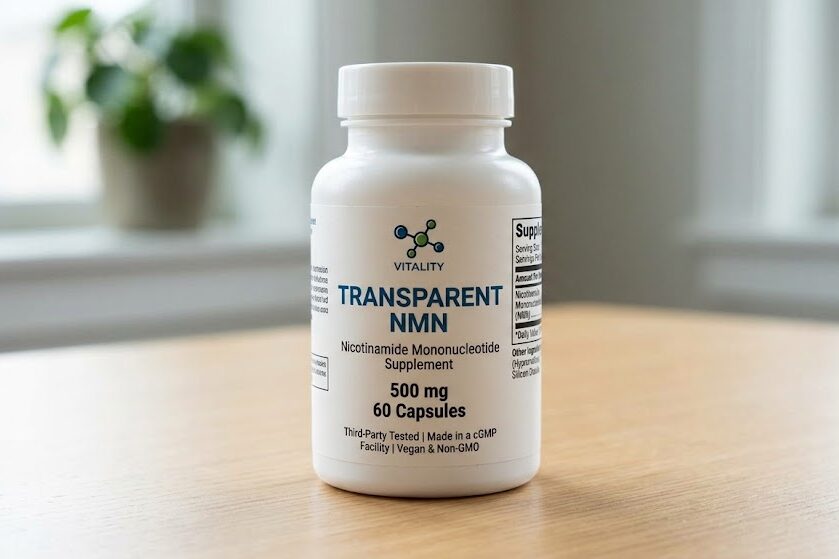
When evaluating NMN supplements, prioritize transparency and independent verification.
Key Factors to Evaluate
Look for products that provide:
- Third-party testing
- Certificates of analysis
- High purity percentages
- Transparent labeling
- Reputable manufacturing practices
Storage Requirements
NMN stability can be affected by:
- Heat
- Moisture
- Improper storage
Always follow manufacturer recommendations to preserve product quality.
Who Should Consider Taking NMN Supplements?
NMN supplements may appeal to adults interested in proactive wellness and healthy aging strategies.
Potential users include:
- Adults over 30
- Health-conscious individuals
- Biohackers
- Fitness enthusiasts
- Professionals focused on long-term health optimization
However, NMN should complement—not replace—healthy lifestyle habits.
Practical Applications and Real-World Use Cases
The greatest NMN Supplements Benefits Backed by Science are likely to occur when supplementation is combined with healthy daily habits.
Healthy Aging Routines
Consider combining NMN with:
- Regular exercise
- Resistance training
- Cardiovascular activity
- Stress management
- Balanced nutrition
- Consistent sleep
Fitness and Recovery Support
Some active individuals incorporate NMN into programs designed to support:
- Endurance
- Training capacity
- Recovery
- Physical performance
exercise recovery optimization strategies
Cognitive Performance Goals
Because the brain consumes large amounts of energy, some individuals use NMN to support focus, mental clarity, and cognitive performance as they age.
Longevity-Focused Supplementation Strategies
Many longevity advocates view NMN as one component of a broader wellness strategy rather than a standalone solution.
What’s Next: Creating a Healthy Aging Plan
Supplementation alone cannot replace foundational health habits.
For best results, healthy aging strategies should include:
Nutrition Recommendations
Focus on:
- Vegetables
- Fruits
- Lean proteins
- Healthy fats
- Fiber-rich foods
Exercise Strategies
Exercise remains one of the most effective interventions for healthy aging.
Statistic: Adults should accumulate at least 150 minutes of moderate-intensity activity weekly — Source: World Health Organization, 2024.
benefits of regular aerobic exercise
Sleep Optimization
Quality sleep supports:
- Cellular repair
- Hormonal balance
- Metabolic health
- Long-term wellness
[Insert diagram: NMN → NAD+ → Mitochondria → Cellular Energy → Healthy Aging pathway | Alt text: “Understand NMN benefits for cellular energy and aging”]
science-backed longevity habits
Conclusion
Research into NMN Supplements Benefits Backed by Science continues to grow, making NMN one of the most promising compounds in the healthy aging and longevity field.
Current evidence suggests NMN can increase NAD+ availability, support cellular energy production, improve mitochondrial function, and contribute to metabolic health. Human studies also indicate that NMN is generally well tolerated and may offer benefits for physical performance and healthy aging.
While NMN shows considerable promise, it is not a miracle solution. More large-scale and long-term human studies are needed to confirm many of the longevity-related claims currently being explored.
For now, the most effective approach remains combining NMN supplementation with proven healthy lifestyle practices such as regular exercise, quality sleep, stress management, and nutrient-dense nutrition. Together, these habits provide a strong foundation for long-term wellness and healthy aging.
FAQs
What is NMN and why is it important?
NMN helps the body produce NAD+, which supports energy production and cellular health.
How long does it take for NMN to work?
Many people notice effects within a few weeks, though results vary.
Can NMN increase energy levels?
It may support energy by helping cells produce ATP more efficiently.
Is NMN safe for daily use?
Research suggests NMN is generally well tolerated in healthy adults.
What is the best NMN dosage?
Most studies use between 250 mg and 1,200 mg daily.
Can NMN slow aging?
NMN may support healthy aging, but it is not proven to extend lifespan.
Should NMN be taken with food?
It can usually be taken with or without food.
Can NMN be combined with other supplements?
Yes, but consult a healthcare professional before combining supplements.