
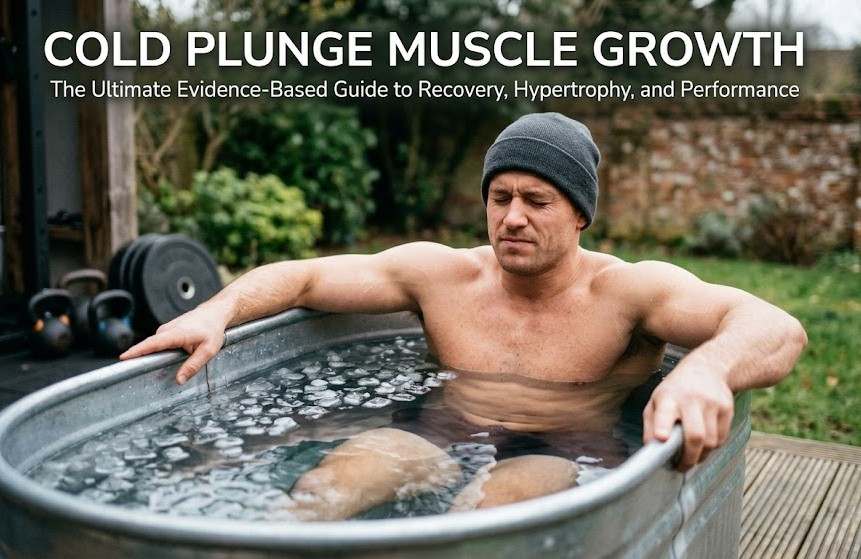
You’ve probably seen athletes, bodybuilders, and fitness influencers stepping into ice baths after brutal training sessions. Cold plunges have become one of the most popular recovery tools in modern fitness, but an important question remains: does cold plunge muscle growth support your gains, or can it actually slow them down?
The answer is more nuanced than many social media posts suggest. While cold water immersion can reduce soreness, improve perceived recovery, and help athletes maintain performance during demanding training periods, research indicates that frequent cold exposure immediately after strength training may interfere with some of the biological processes responsible for muscle growth.
In this guide, you’ll learn exactly how cold plunges affect hypertrophy, what the latest research says, when to use cold therapy, and how to incorporate it into your recovery routine without sacrificing long-term progress.
What Is Cold Plunge Therapy?
Cold plunge therapy is the practice of immersing the body in cold water—typically between 50°F and 59°F (10°C to 15°C)—to promote recovery and enhance performance.
Over the past decade, cold plunge therapy has evolved from a niche recovery method into a mainstream wellness and athletic performance strategy. Professional athletes, fitness enthusiasts, and recreational gym-goers use cold water immersion to reduce soreness, manage fatigue, and improve readiness for future training sessions.
For example, athletes in football, basketball, endurance sports, combat sports, and CrossFit commonly incorporate cold plunges during high-volume training blocks.
Cold Plunge vs Ice Bath vs Cold Water Immersion
Although these terms are often used interchangeably, there are important distinctions.
| Method | Temperature | Typical Duration | Primary Goal |
|---|---|---|---|
| Cold Plunge | 10°C–15°C (50°F–59°F) | 5–15 minutes | Recovery and wellness |
| Ice Bath | 5°C–10°C (41°F–50°F) | 5–10 minutes | Aggressive cooling |
| Cold Water Immersion | Broad category | 5–20 minutes | Recovery and rehabilitation |
Cold water immersion serves as the umbrella category that includes both cold plunges and traditional ice baths.
How Long Should a Cold Plunge Session Last?
Most cold plunge sessions last between 5 and 15 minutes.
Beginners should start conservatively with sessions lasting 2 to 5 minutes before gradually increasing exposure. Longer sessions do not necessarily provide additional recovery benefits and may simply increase discomfort.
Quotable Fact: Cold plunge therapy prioritizes recovery adaptation rather than muscle growth stimulation.
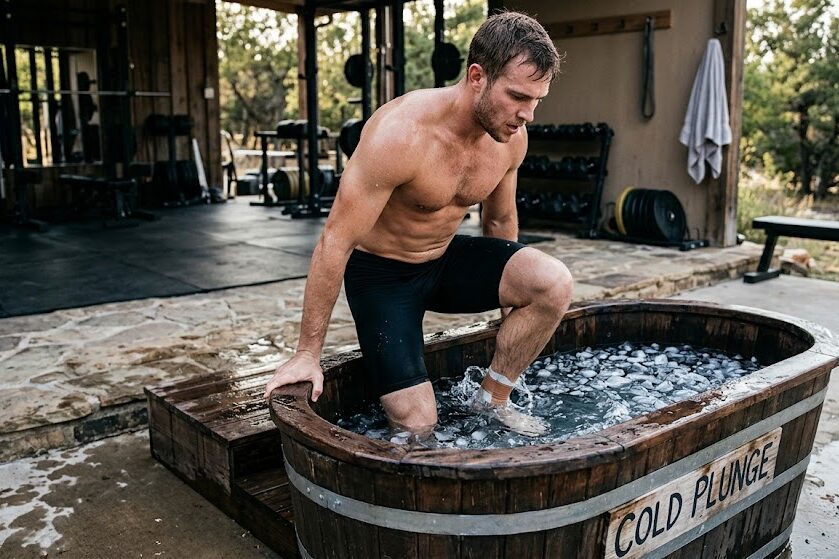
Why Has Cold Plunge Therapy Become Popular Among Athletes?
Cold plunge therapy has gained popularity because it may reduce soreness, improve perceived recovery, and help athletes sustain performance during demanding training schedules.
Modern athletes often train multiple times per week and need effective recovery strategies to maintain consistency. Recovery quality can significantly influence long-term performance outcomes.
According to the International Society of Sports Nutrition, recovery quality directly affects performance outcomes and long-term adaptation — Source: ISSN, 2023.
Reduced Muscle Soreness
One of the most widely reported benefits of cold plunges is the reduction of delayed onset muscle soreness (DOMS).
After a demanding leg workout involving heavy squats, lunges, or deadlifts, soreness can linger for several days. Cold water immersion may help reduce discomfort and improve overall recovery perception.
Recovery During High Training Loads
Cold plunges become especially valuable when rapid recovery is more important than maximizing adaptation from a single workout.
Athletes competing in tournaments, endurance events, or multi-day competitions often prioritize readiness for their next performance rather than maximizing muscle growth from one training session.
post-workout recovery strategies
Quotable Fact: Recovery speed and muscle growth are not always the same goal.
How Does Muscle Growth Occur After Strength Training?
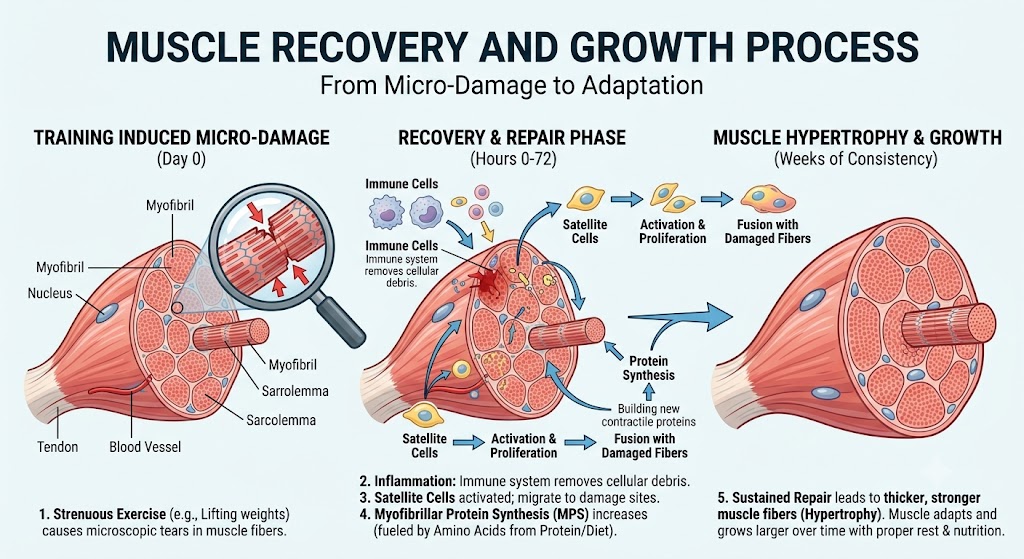
Muscle growth occurs when muscle protein synthesis exceeds muscle protein breakdown over time.
Strength training creates mechanical tension and microscopic damage within muscle fibers. The body responds by repairing these fibers, making them larger, stronger, and more resilient.
The Role of Muscle Protein Synthesis
Muscle protein synthesis is the biological process responsible for building new muscle tissue.
Following resistance training, protein synthesis rates can remain elevated for up to 24–48 hours, depending on training status, workout intensity, and nutritional intake.
For example, after an intense chest workout, your body enters a recovery period where it actively repairs and strengthens muscle tissue.
Progressive Overload Drives Growth
Progressive overload refers to gradually increasing training demands over time.
Common ways to apply progressive overload include:
- Adding more weight
- Increasing repetitions
- Performing additional quality sets
- Improving exercise technique
- Increasing training frequency
Consistent progressive overload remains one of the strongest drivers of hypertrophy.
Recovery Creates Adaptation
Recovery is where muscle growth actually occurs.
Although workouts provide the stimulus, adaptation happens afterward when the body repairs and rebuilds tissue.
Key recovery factors include:
- Sleep quality
- Protein intake
- Hydration
- Stress management
- Recovery practices
Research indicates adults require approximately 7–9 hours of sleep for optimal recovery and adaptation — Source: National Sleep Foundation, 2024.
Quotable Fact: Muscles grow during recovery, not during workouts.
Does Cold Plunge Therapy Help or Hurt Muscle Growth?
Cold plunge therapy can improve recovery while potentially reducing some muscle-building adaptations when used immediately after resistance training.
This is where the cold plunge muscle growth debate becomes especially important.
How Cold Exposure Influences Inflammation
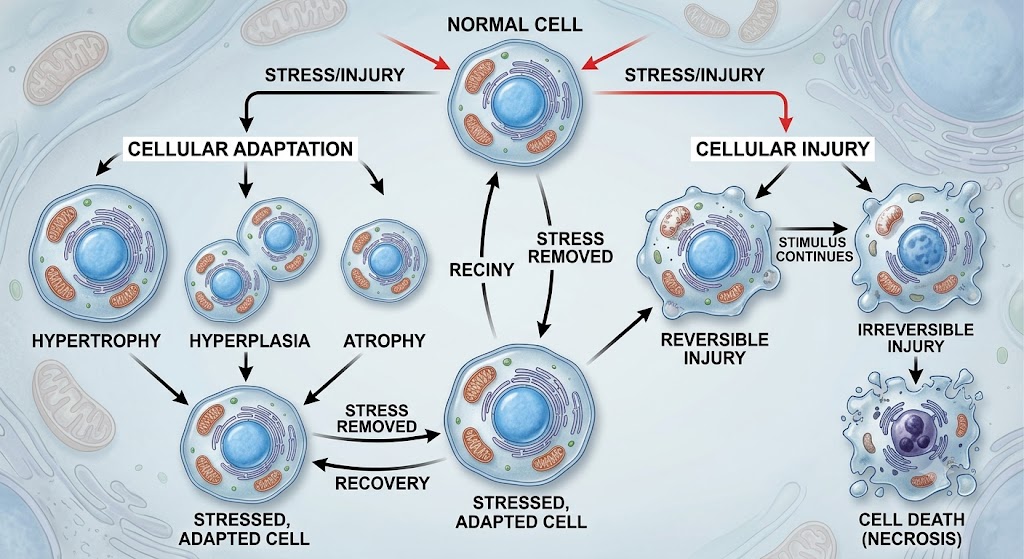
Inflammation often receives a negative reputation, but it serves an important role in muscle adaptation.
After resistance training, the body releases inflammatory signals that help initiate tissue repair and recovery. These signals contribute to the processes that eventually lead to muscle growth.
Soreness, while uncomfortable, can be part of this natural adaptive response.
Why Researchers Have Concerns
Researchers believe that aggressive post-workout cold exposure may blunt anabolic signaling pathways involved in hypertrophy.
Several studies have observed reduced activation of biological pathways associated with muscle growth when cold water immersion is used immediately after resistance training.
Researchers found lower increases in muscle size and strength adaptations among participants regularly using post-workout cold water immersion compared to passive recovery — Source: Journal of Physiology, 2015.
The Important Context
Cold therapy does not eliminate muscle growth.
Instead, research suggests it may reduce the magnitude of adaptation under specific conditions, particularly when used immediately after strength-focused training multiple times per week.
This distinction is crucial because many athletes continue building muscle successfully while strategically incorporating cold exposure.
Quotable Fact: Recovery enhancement and hypertrophy optimization are sometimes competing objectives.
What Does Research Say About Ice Baths and Hypertrophy?
Research suggests that frequent cold water immersion immediately after resistance training may reduce long-term hypertrophy gains.
A landmark investigation reported smaller increases in muscle mass and strength when cold water immersion followed resistance exercise sessions — Source: Journal of Physiology, 2015.
Findings Supporting Recovery Benefits
Research consistently demonstrates improvements in:
- Perceived recovery
- Muscle soreness reduction
- Training readiness
- Acute fatigue management
Findings Raising Hypertrophy Concerns
Research has also identified potential reductions in:
- Muscle protein synthesis activity
- Satellite cell activation
- Anabolic signaling
- Long-term hypertrophy adaptations
Importantly, many of these findings occur when cold immersion is performed immediately after strength workouts on a regular basis.
Quotable Fact: Timing appears to matter more than cold exposure itself.
Can Cold Plunges Reduce Muscle Soreness After Workouts?
Yes, cold plunges can reduce muscle soreness and improve perceived recovery after challenging exercise sessions.
Soreness reduction remains one of the strongest reasons athletes continue using cold water immersion.
A systematic review found meaningful reductions in post-exercise soreness among athletes using cold water immersion protocols — Source: Cochrane Review, 2024.
How Soreness Reduction Works
Cold exposure may support recovery through several mechanisms:
- Constricting blood vessels
- Reducing swelling
- Lowering nerve sensitivity
- Improving recovery perception
Many athletes report feeling fresher, more energized, and better prepared for subsequent training sessions after cold immersion.
high frequency low volume training”
Why Might Cold Exposure Reduce Muscle-Building Signals?
Cold exposure may reduce muscle-building signals by dampening some of the cellular processes involved in adaptation.
Inflammation is not inherently harmful. Controlled inflammation helps initiate repair and growth responses that contribute to hypertrophy.
Reduced Cellular Signaling
Cold immersion may influence pathways related to:
- mTOR activation
- Satellite cell function
- Protein synthesis responses
- Blood flow regulation
Reducing inflammation too aggressively may decrease the body’s perceived need to adapt to training stress.
Adaptation vs Recovery
Adaptation and recovery serve different purposes.
A bodybuilder pursuing maximum hypertrophy may prioritize adaptation, while a tournament athlete may prioritize rapid recovery and consistent performance.
Quotable Fact: Some inflammation is necessary for optimal muscle growth.
When Is the Best Time to Take a Cold Plunge for Recovery?
The best time to take a cold plunge for muscle growth is generally several hours after resistance training rather than immediately afterward.
This timing strategy may help balance recovery benefits with hypertrophy goals.
Immediately After Training
Immediate cold immersion may:
- Reduce soreness
- Improve recovery perception
- Potentially blunt hypertrophy signaling
Several Hours After Training
Delaying cold exposure may:
- Allow anabolic signaling to begin
- Reduce interference with adaptation
- Preserve recovery benefits
Strategic timing often involves waiting 4–8 hours after strength training before cold immersion.
On Rest Days
Rest-day cold plunges can provide recovery benefits with minimal concern about interfering with muscle-building adaptations.
During Competitions
Athletes competing frequently often prioritize recovery and performance readiness.
In these situations, cold immersion can become a highly valuable recovery tool.
Should Bodybuilders Avoid Cold Plunges After Weight Training?
Bodybuilders do not necessarily need to avoid cold plunges entirely, but they should use them strategically.
The answer depends on individual goals.
Bodybuilder Approach
If maximizing hypertrophy is the primary objective:
- Avoid immediate post-workout cold plunges
- Prioritize sleep and nutrition
- Delay cold exposure when possible
- Use cold plunges on rest days
Strength Athlete Approach
Powerlifters and strength-focused athletes may benefit from cold immersion during high-volume training blocks when soreness affects performance.
Endurance Athlete Approach
Endurance athletes generally face fewer concerns regarding reductions in muscle growth.
Hybrid Athlete Approach
Hybrid athletes can adjust cold plunge usage based on their current priorities.
For example, marathon preparation may emphasize recovery, while dedicated muscle-building phases may involve less frequent cold immersion.
What Temperature Is Best for Cold Water Immersion?
The ideal cold plunge temperature for most athletes ranges between 10°C and 15°C (50°F to 59°F).
Extremely cold temperatures are not necessarily more effective and may simply increase discomfort.
| Goal | Recommended Temperature | Duration |
|---|---|---|
| General Recovery | 10–15°C | 5–10 min |
| Soreness Reduction | 10–12°C | 10–15 min |
| Beginner Protocol | 13–15°C | 2–5 min |
| Advanced Protocol | 10–12°C | 10–15 min |
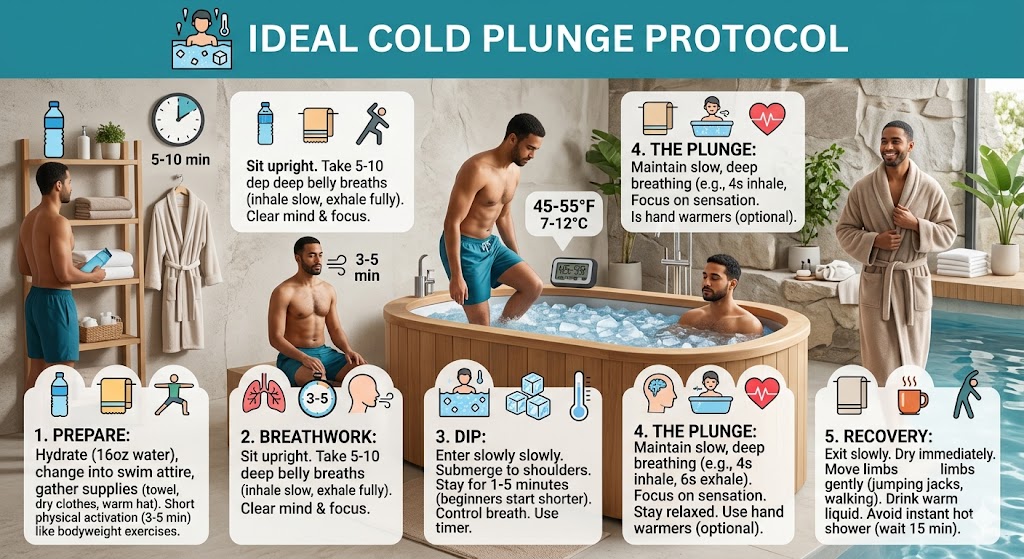
What Is the Ideal Cold Plunge Protocol for Lifters?
The ideal cold plunge protocol for lifters combines moderate temperatures, limited duration, and strategic timing.
Recommended Protocol
- Complete your resistance training session.
- Consume a protein-rich recovery meal.
- Wait 4–8 hours when possible.
- Use water between 10°C and 15°C.
- Stay immersed for 5–10 minutes.
- Limit use to 2–4 sessions weekly.
For athletes primarily focused on hypertrophy, cold plunge therapy should complement training rather than replace the foundational principles of recovery.
Can You Combine Cold Plunges and Sauna Sessions?
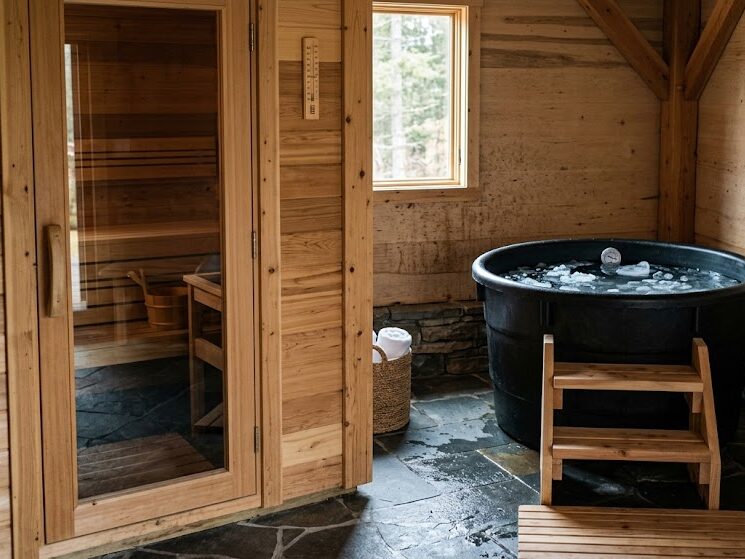
Yes, cold plunges and sauna sessions can be combined as part of a broader recovery strategy.
This approach is commonly called contrast therapy and involves alternating hot and cold exposure.
Benefits of Contrast Therapy
Potential benefits include:
- Improved recovery perception
- Increased circulation
- Enhanced relaxation
- Better recovery adherence
While more research is needed, many athletes find contrast therapy enjoyable and sustainable.
What Recovery Methods Complement Cold Plunges?
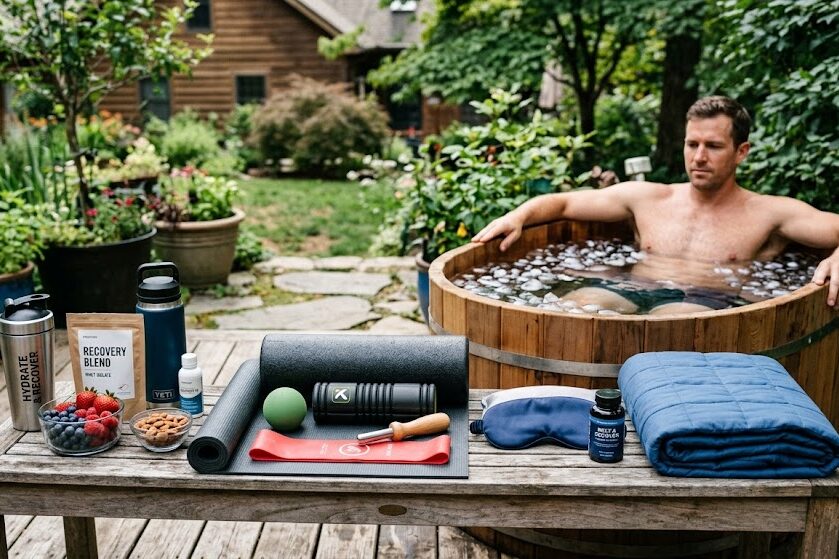
Recovery optimization involves balancing training stress, nutrition, sleep, and recovery modalities such as cold water immersion.
Cold plunges are most effective when they support a strong recovery foundation.
Sleep Optimization
Sleep remains the most powerful recovery tool available.
Research shows insufficient sleep can impair muscle recovery, performance, and adaptation — Source: Sleep Medicine Reviews, 2024.
magnesium glycinate for recovery
Nutrition Strategies
Recovery nutrition supports muscle repair and glycogen replenishment.
Important recovery nutrition habits include:
- High-protein meals
- Adequate carbohydrate intake
- Proper hydration
- Electrolyte replacement
electrolyte powder for recovery
protein coffee for workout recovery
overnight rolled oats for muscle recovery”
Mobility and Movement
Mobility work can improve movement quality, recovery efficiency, and overall athletic performance.
Creating a Recovery Plan That Supports Muscle Growth
A muscle-building recovery plan should prioritize adaptation first and use advanced recovery tools strategically.
Before investing heavily in recovery gadgets, establish a strong foundation.
Recovery Checklist
- Train with progressive overload
- Consume sufficient protein
- Sleep 7–9 hours per night
- Stay hydrated
- Manage stress effectively
- Use cold plunges strategically
- Track recovery and performance
Monitor Progress
Track key metrics such as:
- Strength progression
- Body composition
- Recovery quality
- Training performance
- Soreness levels
If strength gains slow significantly after increasing cold plunge frequency, consider reducing or delaying cold exposure.
Recovery Priority Framework
- Sleep
- Nutrition
- Training quality
- Stress management
- Cold plunge therapy
- Advanced recovery modalities
Quotable Fact: Recovery tools amplify good habits but cannot replace them.
Conclusion
Cold plunge muscle growth outcomes depend largely on timing, frequency, and individual training goals.
Cold plunges offer legitimate benefits for soreness reduction, recovery support, and athletic readiness. However, research suggests that frequent immediate post-workout cold immersion may reduce some of the adaptations associated with muscle growth and strength development.
The most effective approach is to use cold therapy strategically. Prioritize progressive overload, high-quality nutrition, adequate sleep, and proper hydration first. Then use cold plunges as a complementary recovery tool rather than a primary driver of results.
By aligning cold plunge timing with your training goals, you can enjoy the recovery benefits of cold water immersion while continuing to make meaningful progress in muscle growth and performance.
FAQs
Do cold plunges build muscle directly?
No. Cold plunges support recovery but do not directly build muscle.
Can cold plunges reduce muscle gains?
They may slightly reduce muscle-building adaptations if used immediately after lifting.
How long should I wait after lifting before taking a cold plunge?
Wait about 4–8 hours after strength training when possible.
What is the best cold plunge temperature for recovery?
Around 10–15°C (50–59°F) works best for most people.
How often should lifters use cold plunges?
Most lifters benefit from 2–4 sessions per week.
Are cold plunges better than stretching for recovery?
No. They serve different recovery purposes and can be used together.
Can I combine a sauna and cold plunge on the same day?
Yes. Many athletes use both as part of contrast therapy.
Should bodybuilders avoid cold plunges completely?
No. They should simply use them strategically and avoid immediate post-workout use.