
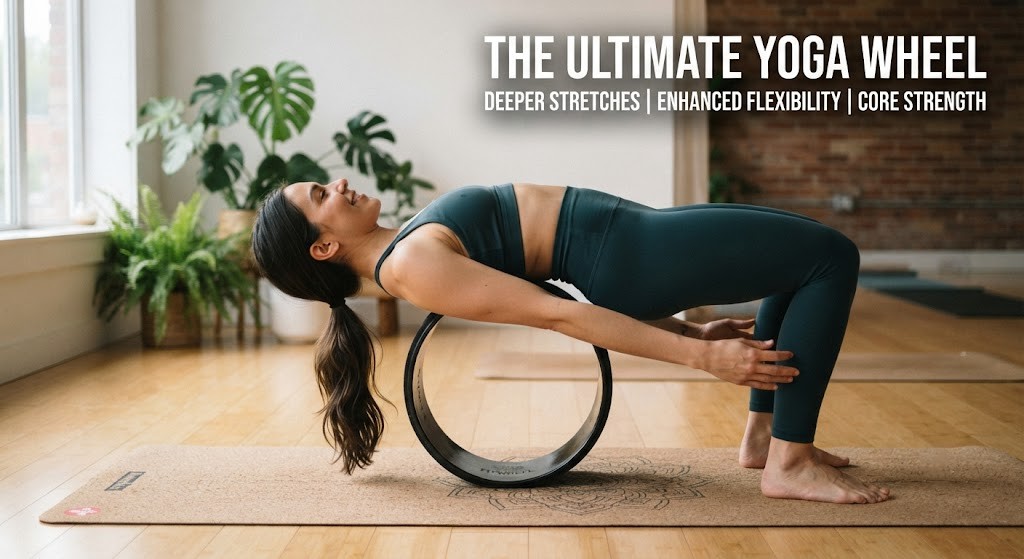
If you already use yoga blocks, straps, or a yoga mat, a yoga wheel can be a useful addition to your practice. Unlike traditional flat yoga props, a wheel provides a curved support surface that can be used for stretching, mobility work, balance drills, chest opening, and selected yoga poses.
However, finding the best yoga wheel is not simply about choosing the most popular or expensive model. Yoga wheels differ in diameter, width, construction, padding, grip, weight, and intended use. The right choice depends on your experience level, body proportions, preferred exercises, comfort requirements, and practice environment.
In this guide, you’ll learn what a yoga wheel is, how it works, which features matter most, what size to choose, how beginners can use one safely, and how to compare different yoga wheels before buying.
What Is a Yoga Wheel and How Does It Work?
A yoga wheel is a circular yoga prop designed to provide support during stretching, mobility exercises, balance work, and selected yoga poses. Most models have a rigid inner frame surrounded by a padded or textured outer surface, creating a curved platform that can support different parts of the body.
For example, you can position the wheel beneath your upper back during a supported chest-opening movement or use it as part of a controlled leg or balance exercise.
Yoga wheels are commonly associated with:
- Backbend practice
- Spinal mobility
- Chest opening
- Supported stretching
- Balance drills
- Hip mobility
- Hamstring mobility
- Selected yoga poses
Unlike a yoga block, which provides a flat surface, a wheel introduces a curved shape that can change how your body moves and how a stretch feels.
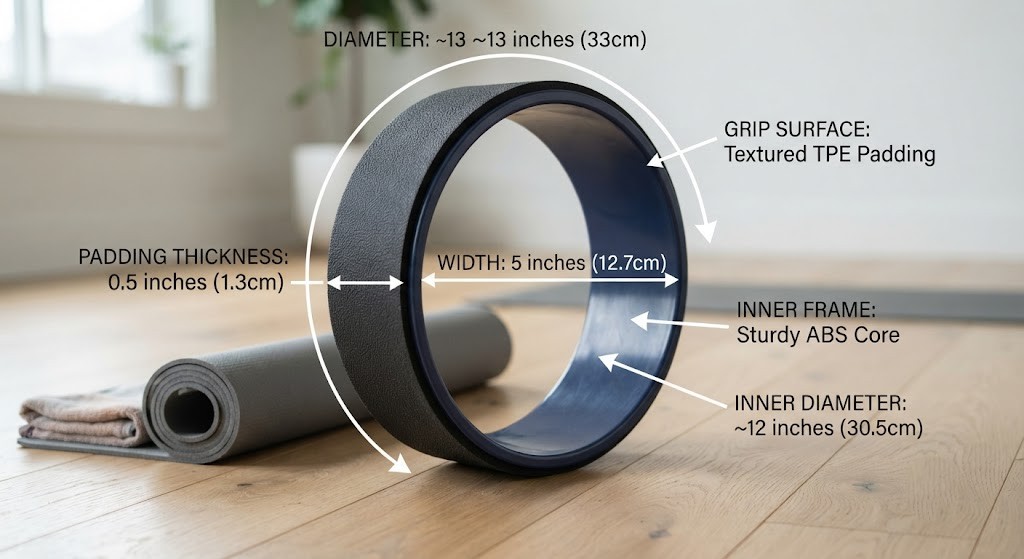
Yoga wheels also vary considerably in dimensions. Current commercial examples include wheels around 32–33 cm in diameter, with widths ranging from approximately 13–16 cm. — Source: Net World Sports, 2026; Bamboostan, 2026.
Why Should You Use a Yoga Wheel for Yoga and Stretching?
A yoga wheel can provide a different type of support from conventional yoga props. Its curved surface can help you explore controlled ranges of motion during stretching, mobility exercises, and selected yoga movements.
For instance, placing your upper back over a wheel can create a different chest-opening experience compared with lying directly on a flat yoga mat. The wheel can also provide support during certain mobility drills while introducing an additional balance challenge in other exercises.
Research on yoga itself also provides useful context. An 8-week randomized trial involving 118 sedentary adults found improvements in balance, strength, flexibility, and mobility following a Hatha yoga program. — Source: Gothe & McAuley, 2016.
However, this study investigated yoga rather than yoga wheels specifically. Therefore, its findings should not be interpreted as evidence that a yoga wheel independently produces the same effects. Instead, the wheel can be considered an equipment option that may help modify or expand certain yoga and mobility movements.
A 2024 systematic review examining yoga and spine and shoulder mobility included 8 studies, including 5 randomized controlled trials. The review reported potential improvements in spinal flexibility and mobility, although the evidence varied across populations and interventions. — Source: Rathore et al., 2024.
What Are the Benefits of Using a Yoga Wheel?
The primary benefits of a yoga wheel relate to the way its curved structure can provide support or introduce a stability challenge.
Potential uses include:
- Supported stretching
- Mobility practice
- Chest-opening movements
- Balance exercises
- Selected yoga poses
- Back mobility work
- Hamstring mobility
- Controlled backbend preparation
For example, a wheel can provide a curved surface beneath the upper back during a gentle chest-opening exercise. In another movement, it can make balance more demanding by creating an unstable or elevated support point.
The effect also depends on how you use the equipment. A wheel used as support may make a movement more accessible, while a balance-focused exercise can make the same prop more challenging.
Importantly, a yoga wheel does not automatically improve flexibility or posture. Results depend on your movement technique, consistency, strength, mobility, and individual limitations.
For people experiencing back discomfort, a yoga wheel should not be considered a medical treatment. Evidence on yoga for chronic nonspecific low back pain suggests small benefits compared with no exercise, while also emphasizing that adverse effects can occur. — Source: Cochrane, 2022.
What Size Yoga Wheel Should You Choose?
There is no single yoga wheel size that is ideal for everyone. The appropriate size depends on your body proportions, intended exercises, experience level, and comfort preferences.
The diameter affects the curvature and support created when you place your body over the wheel. A different diameter can therefore change the position and feel of supported stretches and mobility movements.
For example, a wheel around 32–33 cm in diameter is a common size among currently marketed yoga wheels. — Source: Net World Sports, 2026; Bamboostan, 2026.
Yoga Wheel Size Guide
| Feature | What to consider | Typical use |
|---|---|---|
| Diameter | Larger or smaller body-support curve | Back stretching and mobility |
| Width | Wider wheels can feel more stable | Balance and supported poses |
| Padding | Thicker padding improves comfort | Longer stretching sessions |
| Grip | Textured, cork, or rubberized surfaces | Stability and sweaty hands |
| Frame | Rigid structural core | Load-bearing support |
| Weight capacity | Must exceed your intended load | General safety |
| Weight | Lighter wheels are easier to transport | Home or travel use |
Width is another important consideration. The amount of surface contacting your body or supporting your position can influence how stable the wheel feels.
A 13 cm-wide wheel and a 16 cm-wide wheel can feel noticeably different during balance-oriented movements. — Source: Net World Sports, 2026; Bamboostan, 2026.
Does a Larger Yoga Wheel Mean a Better Yoga Wheel?
Not necessarily. A larger wheel is not automatically better because the appropriate diameter depends on how you intend to use the prop.
Instead of choosing based solely on size, consider whether the wheel’s dimensions match your body, mobility goals, and preferred exercises.
For example, someone primarily interested in supported stretching may have different requirements from someone who wants to incorporate balance drills into their routine.
What Is the Best Yoga Wheel for Beginners?
For beginners, the best yoga wheel is generally one that offers stable construction, comfortable padding, reliable grip, suitable dimensions, and an appropriate weight capacity.
You do not necessarily need a specialized or expensive wheel when you’re starting out. A straightforward design with predictable support can make it easier to learn how the prop moves.
Someone learning supported back stretches may prioritize padding and comfort, whereas a person interested in balance exercises may place greater importance on width and grip.
What Features Should Beginners Prioritize?
Start by checking the manufacturer-stated weight capacity and make sure it is appropriate for your body weight and intended movements.
Next, consider the outer surface. A secure grip can help reduce unwanted movement, while adequate padding can make contact with the wheel more comfortable.
Beginners should also look for equipment with clearly explained specifications. A simple rigid wheel with a secure surface may be more practical than a highly specialized model intended for advanced movements.
Beginner Yoga Wheel Buying Checklist
Before purchasing, check:
- Diameter
- Width
- Frame construction
- Outer material
- Padding
- Grip
- Weight capacity
- Overall weight
- Intended use
- Manufacturer instructions
These factors can help you narrow down your options without relying solely on appearance or marketing claims.
What Is the Best Yoga Wheel for Backbends?
The best yoga wheel for backbends should have a rigid structural core, secure outer grip, comfortable padding, suitable diameter, and clearly stated load capacity.
Backbend practice requires particular attention to control because the body is positioned in a more extended posture. A wheel should provide support rather than encourage you to force your spine into a deeper position.
Some currently marketed wheels use ABS or polypropylene structural cores combined with cork, EVA, TPE, or other padded outer surfaces. Commercial specifications show substantial differences in construction and rated capacity, so shoppers should compare the manufacturer’s specifications rather than assume all wheels are equivalent. — Source: Net World Sports, 2026; Kosha Yoga Co., 2026; Bamboostan, 2026.
How Should Beginners Approach Backbend Practice?
If you are new to yoga wheels, begin with basic supported movements before attempting deeper backbend variations.
Focus on:
- Maintaining control throughout the movement.
- Keeping the wheel stable.
- Moving gradually into your available range.
- Avoiding forced spinal extension.
- Stopping if you experience sharp or unusual pain.
A yoga wheel should support controlled movement rather than force your spine into a deeper position.
How Do You Choose a Yoga Wheel for Flexibility and Mobility?
Choosing a yoga wheel for flexibility and mobility means matching its dimensions, padding, grip, and stability to the movements you plan to perform.
Think about your primary objective first. Someone focused on upper-back mobility may prioritize comfortable padding and appropriate curvature, while someone practicing balance may care more about width and grip.
Yoga Wheel for Stretching
A yoga wheel for stretching should provide comfortable contact and predictable support.
Padding can be particularly useful when the wheel comes into contact with areas such as the upper back or hips during longer supported stretches.
The goal is not to force your body into a larger range of motion. Instead, use the wheel to explore controlled movement within a comfortable range.
Post Workout Stretching Routine
Yoga Wheel for Mobility
A yoga wheel for mobility should allow controlled movement without excessive wobbling.
You can use it for exercises such as:
- Supported chest opening
- Gentle spinal extension
- Hip mobility drills
- Hamstring mobility
- Controlled balance exercises
Mobility work should remain controlled rather than becoming a competition to achieve the deepest possible range.
What Features Should You Look for in a Yoga Wheel?
When comparing the best yoga wheel options, pay attention to construction, diameter, width, padding, grip, weight capacity, durability, portability, and intended use.
These characteristics affect how the wheel feels during practice and whether it is suitable for your specific routine.
Construction and Durability
A durable yoga wheel should have a rigid frame that maintains its shape under its specified load.
For example, one commercially available model uses an ABS core and TPE padding and lists a 250 kg support capacity, while another cork wheel lists a 150 kg tested capacity. — Source: Net World Sports, 2026; Bamboostan, 2026.
When comparing models, look for clearly stated construction materials and manufacturer specifications rather than assuming two wheels with similar appearances have the same structural characteristics.
Padding and Grip
Padding influences how comfortable the wheel feels when it contacts your body.
Grip is equally important because the outer surface can influence stability during use. Cork, textured synthetic surfaces, and other non-slip materials are used on different commercial models.
If you plan to use your wheel for balance exercises or more demanding movements, pay particular attention to how the outer surface is designed to resist unwanted slipping.
Portability
Portability can matter if you regularly move your yoga equipment between your home, studio, or travel location.
A lighter wheel may be easier to transport. However, weight should always be considered alongside construction, durability, and stability rather than treated as an independent indicator of quality.
How Much Weight Can a Yoga Wheel Support?
Yoga wheel weight capacity varies by model, so the manufacturer’s tested or stated capacity should always be checked before purchase.
Currently listed commercial wheels advertise capacities of 150 kg, 160 kg, and 250 kg, demonstrating why shoppers should never assume a standard capacity. — Source: Bamboostan, 2026; Kosha Yoga Co., 2026; Net World Sports, 2026.
The relevant capacity can also depend on how the wheel is being used. A controlled seated stretch may place different demands on equipment than a movement involving dynamic loading.
Always follow the manufacturer’s instructions and avoid using a wheel beyond its stated specifications.
What Should You Inspect Before Using a Yoga Wheel?
Regularly inspect the wheel for:
- Cracks
- Deformation
- Damaged padding
- Loose components
- Other visible signs of damage
If the wheel shows signs of structural damage, avoid using it until its condition has been appropriately assessed or the equipment has been replaced.
How Do You Use a Yoga Wheel Safely?
Yoga wheel exercises should be performed on a stable surface with controlled movements and gradual progression, particularly when practicing balance exercises or deeper backbends.
A beginner can start with the wheel stationary on a yoga mat rather than immediately attempting advanced balance positions.
Beginner Safety Guidelines
First, place the wheel on a flat, non-slip surface and test its stability before placing your full body weight onto it.
Second, begin with movements where you can easily control your position and exit the movement if necessary.
Beginner-friendly options include:
- Supported upper-back stretch — Place the wheel behind the upper back and move slowly.
- Chest-opening stretch — Use the wheel as a controlled support surface.
- Hamstring stretch — Place one leg over or alongside the wheel without forcing range.
- Supported hip mobility — Use the wheel to change the position of a controlled stretch.
- Balance drill — Practice light contact and maintain a stable base.
NCCIH states that yoga is generally considered safe when practiced properly, but injuries can occur, with sprains and strains among the more common reported injuries. — Source: National Center for Complementary and Integrative Health, 2026.
Stop if you experience sharp pain, numbness, dizziness, unusual weakness, or loss of control.
People with existing injuries, significant pain, or medical concerns should seek appropriate professional guidance before using a yoga wheel for challenging movements.
What Yoga Wheel Exercises Can Beginners Try?
Beginner yoga wheel exercises should focus on controlled movement and support rather than forcing extreme ranges of motion.
For example, a supported upper-back stretch can help you become familiar with the wheel without requiring an advanced balance position.
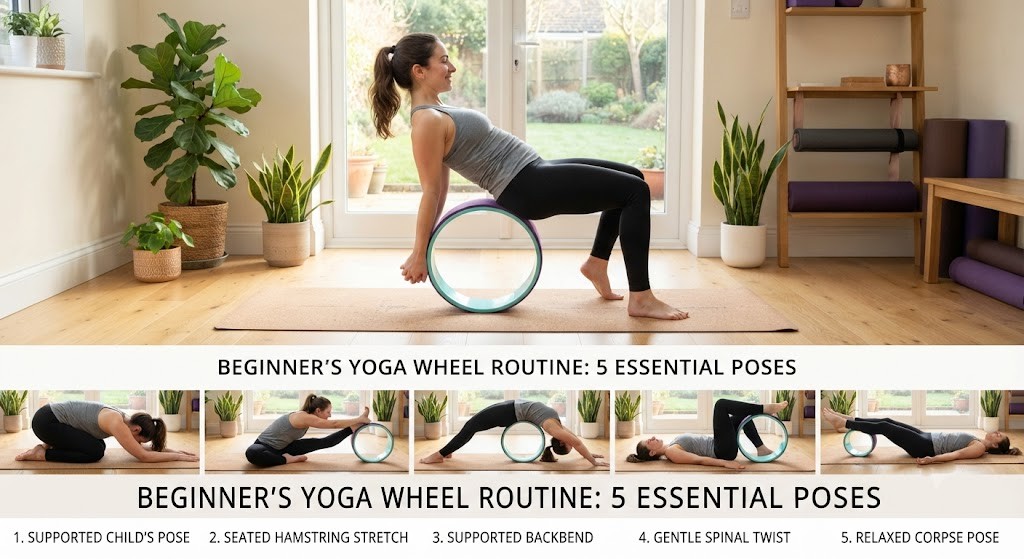
Simple Yoga Wheel Routine
A basic routine can include:
- Upper-back extension: 30–60 seconds of gentle supported movement.
- Chest opener: 30 seconds with relaxed breathing.
- Supported hamstring stretch: 20–30 seconds per side.
- Hip mobility drill: 5–8 slow repetitions per side.
- Controlled balance practice: 10–20 seconds at a time.
The purpose of these exercises is to become familiar with the wheel’s movement and support. You do not need to achieve a deep stretch for an exercise to be useful.
As your familiarity improves, you can gradually explore additional movements that are appropriate for your experience and goals.
Is a Yoga Wheel Better Than a Yoga Block for Stretching?
A yoga wheel is not universally better than a yoga block because the two props provide different forms of support.
A yoga block offers a flat, stable surface, while a yoga wheel provides a curved support surface that can be particularly useful for certain back-opening and mobility movements.
| Yoga Wheel | Yoga Block |
|---|---|
| Curved support | Flat support |
| Useful for back-opening movements | Useful for hand and hip support |
| Can challenge balance | Usually provides predictable stability |
| Useful for spinal mobility drills | Useful for modifying poses |
| Requires more familiarity for some movements | Often beginner-friendly |
For example, a block can bring the floor closer to your hands during a standing pose, while a wheel can support the upper back during a chest-opening movement.
Therefore, choosing between the two depends on the movement you want to perform.
In fact, many practitioners can use both props together rather than treating them as competing pieces of equipment. A block may provide stable elevation while a wheel offers curved support for other movements.
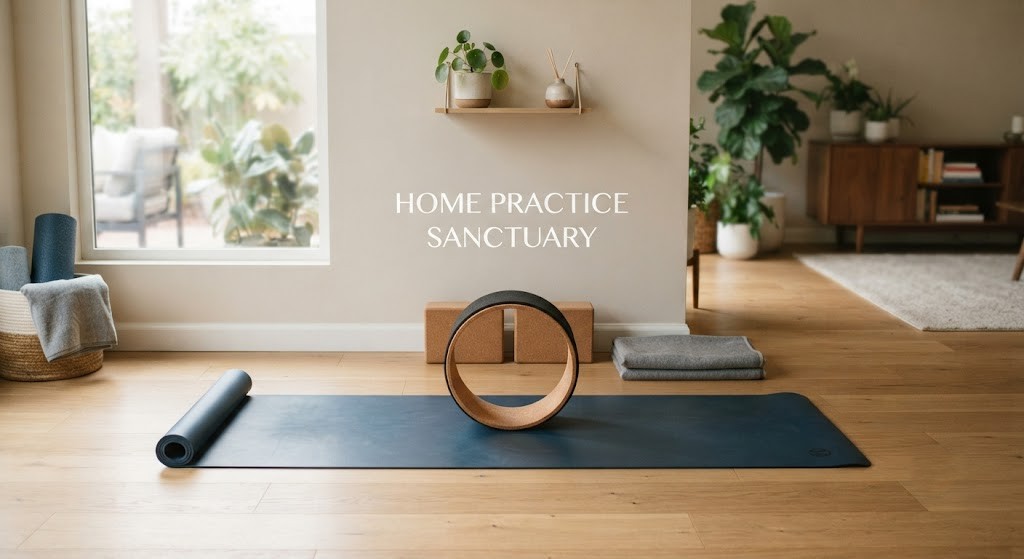
What Are the Best Ways to Use a Yoga Wheel at Home?
The best ways to use a yoga wheel at home include supported stretching, chest opening, back mobility, hamstring work, balance practice, and gentle yoga flows.
For example, a 10-minute home session could combine:
- An upper-back stretch
- A chest opener
- Hamstring mobility
- A hip mobility drill
- A controlled balance exercise
Home practice also requires attention to your surroundings.
Make sure you have enough open space around the wheel and use a stable surface. Avoid practicing advanced balance movements close to hard furniture, sharp objects, or other obstacles.
How Can You Compare Yoga Wheels Before Buying?
The easiest way to compare yoga wheels is to evaluate different models against the same practical criteria.
Instead of focusing only on appearance or price, create a checklist covering diameter, width, frame, padding, grip, weight capacity, overall weight, durability, and intended use.
Yoga Wheel Buying Comparison Checklist
| Buying factor | Questions to ask |
|---|---|
| Diameter | Does the size suit my body and intended movements? |
| Width | Does it feel stable enough for my practice? |
| Frame | Is the construction rigid and clearly specified? |
| Padding | Is it comfortable against the body? |
| Grip | Does the surface resist unwanted slipping? |
| Capacity | Is the stated capacity appropriate for my use? |
| Weight | Can I easily move and store it? |
| Durability | Are materials and construction clearly explained? |
| Price | Does the specification justify the cost? |
| Use case | Is it designed for my main exercises? |
Should You Choose a Yoga Wheel Based on Price?
Price should be considered alongside construction and specifications.
A higher price does not automatically mean that a wheel is better suited to your practice. Similarly, a lower-priced option should not be selected without checking its dimensions, materials, grip, padding, capacity, and intended use.
The goal is to find a wheel whose specifications match what you actually plan to do.
What Should You Do Next Before Buying a Yoga Wheel?
Before buying a yoga wheel, identify your experience level, primary exercises, preferred dimensions, required weight capacity, storage needs, and budget.
A beginner interested in gentle mobility work may need a different wheel from an experienced practitioner who primarily wants to practice supported backbends.
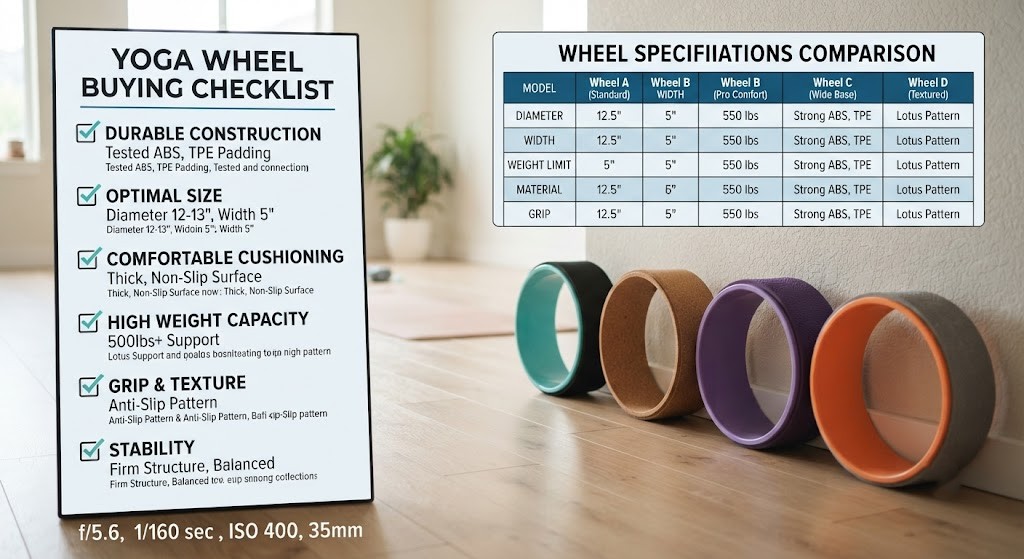
Use this checklist before purchasing:
- Define your goal: stretching, mobility, backbends, balance, or general yoga.
- Check dimensions: compare diameter and width against your intended movements.
- Check capacity: verify the manufacturer’s stated or tested weight limit.
- Inspect padding: consider how the surface feels against your body.
- Evaluate grip: look for a secure, non-slip outer surface.
- Review construction: check the frame and outer materials.
- Consider portability: think about storage and transportation.
- Compare prices: evaluate specifications rather than price alone.
- Read manufacturer instructions: confirm appropriate uses and limitations.
- Start gradually: choose controlled exercises before advanced movements.
Conclusion
Choosing the best yoga wheel comes down to matching the equipment to your individual practice rather than searching for one universally superior model. Your experience level, intended movements, body size, comfort preferences, available space, and equipment requirements all influence which wheel is appropriate.
For beginners, stability, padding, grip, dimensions, and an appropriate weight capacity are important starting points. Those focusing on backbend practice may place additional emphasis on rigid construction, grip, diameter, and controlled support.
Before buying, compare the wheel’s diameter, width, frame construction, padding, grip, weight capacity, durability, portability, and intended use. These specifications provide a more useful basis for comparison than price or appearance alone.
Most importantly, use a yoga wheel progressively and with control. A well-chosen wheel can become a practical addition to a stretching, mobility, or yoga routine when it is used according to its intended purpose and within your personal limits.
FAQs
What is a yoga wheel used for?
A yoga wheel is used for stretching, mobility, balance, chest opening, and supported yoga poses.
What is a yoga wheel good for?
A yoga wheel is good for improving mobility, supporting stretches, practicing balance, and preparing for backbends.
What is the Wheel Pose in yoga called?
The Wheel Pose in yoga is called Urdhva Dhanurasana, a backbend that uses the hands and feet for support.
Which yoga wheel is best?
The best yoga wheel has suitable size, strong construction, comfortable padding, good grip, and an appropriate weight capacity.
How much do yoga wheels cost?
Yoga wheel prices vary depending on the brand, materials, size, padding, and weight capacity.
What size yoga wheel should I buy?
A common yoga wheel size is around 32–33 cm in diameter, but the ideal size depends on your body and intended use. — Source: Net World Sports, 2026; Bamboostan, 2026.
Is a yoga wheel good for beginners?
A yoga wheel can be good for beginners when used for simple, controlled, and supported movements.
Is a yoga wheel good for backbends?
A yoga wheel can provide support during controlled backbend practice and help with gradual movement progression.
Is a yoga wheel better than a yoga block?
A yoga wheel provides curved support, while a yoga block provides flat support, so each is useful for different movements.
How much weight can a yoga wheel hold?
Yoga wheel weight capacity varies by model, with commercial examples ranging from 150 kg to 250 kg. — Source: Bamboostan, 2026; Kosha Yoga Co., 2026; Net World Sports, 2026.
Can I use a yoga wheel for stretching?
A yoga wheel can be used for upper-back, chest, hamstring, hip, and other supported stretches.
Can a yoga wheel help with flexibility?
A yoga wheel can support flexibility exercises, but flexibility improvements depend on consistent and controlled practice.
Is using a yoga wheel safe?
A yoga wheel can be used safely when practiced on a stable surface with controlled movements and proper technique.
What should I look for when buying the best yoga wheel?
Look for suitable diameter, width, grip, padding, construction, weight capacity, durability, and intended use.