Yoga is often associated with challenging poses, impressive flexibility, and years of dedicated practice. However, that’s only one side of the story. Gentle yoga offers a slower, more accessible approach that helps people of all ages and fitness levels experience the physical and mental benefits of yoga without intense movements or advanced postures.
Whether you’re completely new to yoga, returning after a break, recovering from an injury, or simply looking for a calming way to stay active, gentle yoga can be an excellent choice. This guide explains what gentle yoga is, its proven health benefits, beginner-friendly poses, safety tips, essential equipment, and how to build an easy daily practice at home.
What Is Gentle Yoga?
Gentle yoga is a low-impact style of yoga that focuses on slow, mindful movements, controlled breathing, relaxation, and accessible poses suitable for nearly everyone.
Unlike fast-paced yoga styles that emphasize strength or endurance, gentle yoga encourages you to move comfortably, improve mobility, and develop greater awareness of your body. Rather than pushing yourself into difficult positions, you gradually stretch and strengthen your muscles while respecting your personal limits.
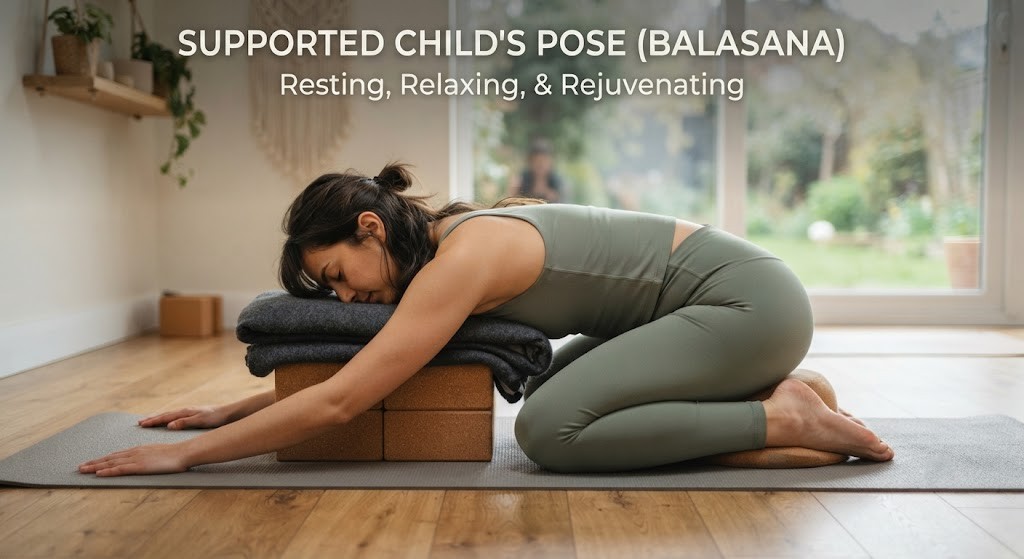
For example, instead of moving quickly through a sequence, a beginner may remain in Child’s Pose for several breaths, allowing the hips, back, and shoulders to relax naturally before transitioning to the next movement.
Because of this slower pace, gentle yoga improves flexibility, balance, mobility, posture, and stress management while placing minimal strain on the joints.
According to the American College of Sports Medicine (ACSM), regular flexibility and balance exercises help improve physical function and mobility in adults.
Source: ACSM, 2024.
Key Characteristics of Gentle Yoga
- Slow, controlled movements
- Deep breathing techniques
- Beginner-friendly poses
- Low joint impact
- Relaxation and mindfulness
- Comfortable pace
- Strong focus on body awareness
Why Gentle Yoga Matters
Modern lifestyles often involve long hours sitting at desks, commuting, or looking at screens. Over time, these habits may contribute to tight hips, stiff shoulders, reduced mobility, poor posture, and increased stress.
Gentle yoga provides an effective way to counter these issues through regular stretching, mindful movement, and intentional breathing.
For example, practicing gentle yoga for just 20 minutes each day may gradually improve posture, reduce muscle tension, and increase everyday mobility.
Scientific organizations also support the importance of regular movement:
- Regular yoga practice improves flexibility and balance.
Source: NCCIH, 2024. - Adults should perform flexibility exercises at least twice weekly.
Source: ACSM, 2024. - Physical activity helps reduce symptoms of anxiety and depression.
Source: World Health Organization (WHO), 2024.
Why People Choose Gentle Yoga
- Reduces daily stress
- Improves flexibility
- Supports healthy aging
- Helps maintain mobility
- Encourages better sleep
- Promotes mindful movement
- Improves posture
- Builds confidence through consistent practice
What Are the Benefits of Gentle Yoga?
Gentle yoga offers a combination of physical, mental, and emotional benefits that develop gradually through regular practice. Rather than focusing on intense workouts, it creates healthy movement habits that are easier to maintain for years.
Physical Benefits of Gentle Yoga
One of the biggest advantages of gentle yoga is improved flexibility and joint mobility.
For example, poses such as Cat-Cow Stretch and Modified Downward-Facing Dog gently lengthen the spine, hamstrings, shoulders, and hips without placing excessive strain on the body.
Additional physical benefits include:
- Better posture
- Improved balance
- Reduced stiffness
- Increased circulation
- Greater body awareness
- Better coordination
- Improved mobility
- Gentle muscle strengthening
Mental Health Benefits
Gentle yoga also supports emotional well-being by combining movement with slow, controlled breathing.
Practicing diaphragmatic breathing during yoga may help lower stress levels while creating a sense of calm throughout the day.
Research suggests yoga can improve sleep quality and reduce stress-related symptoms.
Source: NCCIH, 2024.
A typical gentle yoga session often includes:
- Breathing exercises
- Gentle warm-up stretches
- Standing poses
- Seated stretches
- Relaxation poses
- Final meditation or Savasana
Who Should Practice Gentle Yoga?
One of the greatest strengths of gentle yoga is its accessibility.
It is suitable for people at different fitness levels because poses can easily be modified using props or a chair when needed.
Gentle Yoga Is Ideal For
- Complete beginners
- Office workers
- Seniors
- Individuals recovering from illness
- People experiencing mild joint discomfort
- Those managing daily stress
- Anyone seeking relaxation
- People looking for a sustainable exercise routine
Who Should Modify or Avoid Gentle Yoga?
Although gentle yoga is considered one of the safest yoga styles, certain individuals should speak with a healthcare professional before beginning.
These include people with:
- Recent surgery
- Serious spinal injuries
- Acute fractures
- Severe osteoporosis
- Pregnancy (certain poses require modifications)
Receiving medical guidance helps ensure that movements remain appropriate and safe for your individual condition.
Gentle Yoga vs. Other Popular Yoga Styles
Although many yoga styles promote flexibility and mindfulness, each has a different primary focus.
| Yoga Style | Intensity | Primary Focus | Best For |
|---|---|---|---|
| Gentle Yoga | Low | Mobility and relaxation | Beginners |
| Hatha Yoga | Moderate | Balance and strength | General practice |
| Yin Yoga | Low | Deep connective tissue stretching | Flexibility |
| Restorative Yoga | Very Low | Complete relaxation | Recovery |
Gentle yoga generally includes more movement than restorative yoga while remaining slower and more accessible than traditional Hatha yoga classes.
restorative yoga for beginners
What Are the Best Gentle Yoga Poses for Beginners?
The best beginner-friendly gentle yoga poses improve mobility, flexibility, posture, and balance while remaining easy to learn.
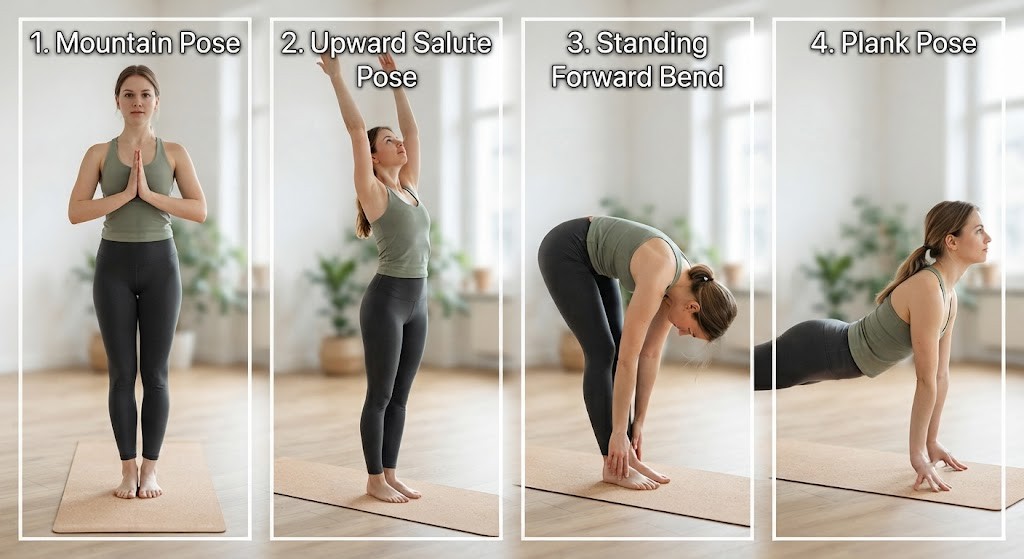
1. Mountain Pose
Benefits
- Improves posture
- Builds body awareness
- Enhances balance
2. Cat-Cow Stretch
Benefits
- Mobilizes the spine
- Relieves stiffness
- Improves flexibility
3. Child’s Pose
Benefits
- Relaxes the back
- Opens the hips
- Encourages deep breathing
4. Modified Downward-Facing Dog
Benefits
- Gently stretches the entire body
- Improves mobility
- Strengthens shoulders
5. Seated Forward Fold
Benefits
- Lengthens hamstrings
- Improves lower back flexibility
- Promotes relaxation
6. Cobra Pose
Benefits
- Strengthens back muscles
- Opens the chest
- Supports posture
7. Bridge Pose
Benefits
- Improves hip mobility
- Builds core stability
- Strengthens glutes
8. Legs-Up-the-Wall Pose
Benefits
- Encourages relaxation
- Helps reduce tired legs
- Supports recovery after long periods of standing
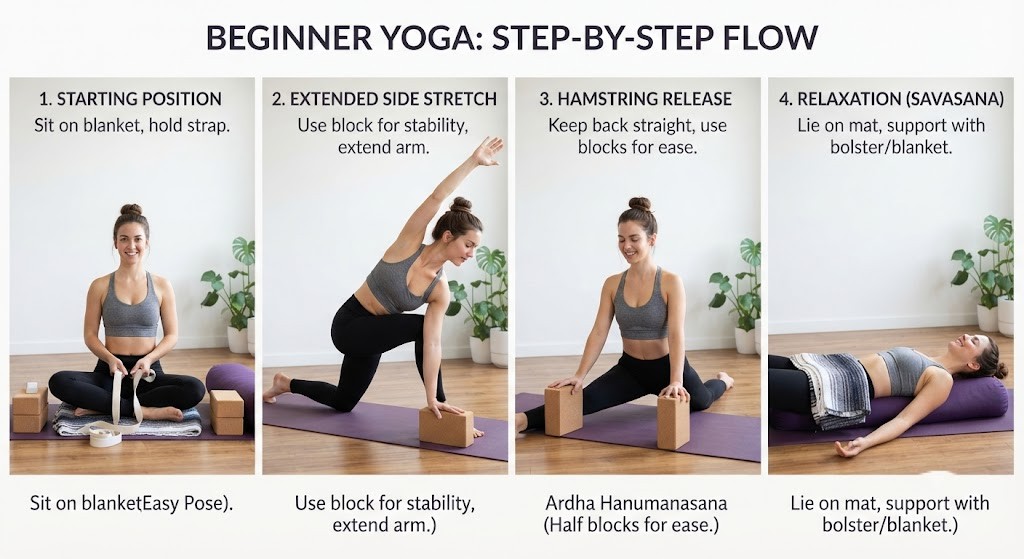
Using yoga props such as blocks, straps, bolsters, and blankets makes these poses more comfortable and accessible for beginners.
Can Gentle Yoga Help Reduce Stress and Anxiety?
Yes. Gentle yoga helps reduce stress by combining mindful movement with slow breathing and focused attention.
Stress activates the body’s natural fight-or-flight response. Gentle yoga encourages the opposite response by slowing the breath, relaxing muscles, and calming the nervous system.
For example, spending just five minutes practicing guided breathing before beginning your yoga routine may improve concentration while reducing physical tension.
stress relief breathing exercises
How Can You Start a Gentle Yoga Routine at Home?
One of the biggest advantages of gentle yoga is that it requires very little space or equipment.
Choose a quiet area, wear comfortable clothing, and aim to practice consistently rather than perfectly.
Simple 15-Minute Beginner Routine
| Activity | Time |
|---|---|
| Deep breathing | 2 minutes |
| Cat-Cow Stretch | 2 minutes |
| Child’s Pose | 2 minutes |
| Mountain Pose | 2 minutes |
| Cobra Pose | 2 minutes |
| Seated Forward Fold | 2 minutes |
| Savasana | 3 minutes |
Practicing this routine most days of the week can gradually improve flexibility, relaxation, and overall body awareness.
Morning Yoga for Energy and Flexibility
What Equipment Do You Need for Gentle Yoga?
Although gentle yoga requires very little equipment, a few supportive accessories can improve comfort and make poses more accessible.
Recommended Equipment Checklist
- ✓ Non-slip yoga mat
- ✓ Yoga blocks
- ✓ Yoga strap
- ✓ Bolster
- ✓ Folded blanket
- ✓ Comfortable clothing
- ✓ Water bottle
Chair yoga is also an excellent alternative for individuals with limited mobility or balance concerns.
What Mistakes Should Beginners Avoid During Gentle Yoga?
Many beginners believe they must stretch as deeply as possible or perfectly imitate experienced practitioners. In reality, gentle yoga is about comfort, awareness, and consistency—not perfection.
Avoid These Common Mistakes
- Holding your breath
- Forcing stretches
- Comparing yourself with others
- Skipping warm-ups
- Ignoring pain
- Practicing inconsistently
- Using incorrect posture
Always listen to your body. Gentle progress achieved safely is far more valuable than forcing difficult positions.
What’s Next After Learning Gentle Yoga?
Once gentle yoga becomes part of your routine, the next goal is building consistency before increasing intensity.
Aim to practice 15–30 minutes on most days of the week, allowing your body to gradually become stronger and more flexible.
Sample Weekly Schedule
| Day | Practice |
|---|---|
| Monday | Gentle Yoga |
| Tuesday | Walking + Stretching |
| Wednesday | Gentle Yoga |
| Thursday | Chair Yoga |
| Friday | Gentle Yoga |
| Saturday | Mobility Session |
| Sunday | Rest or Meditation |
As your confidence grows, you may gradually explore additional yoga styles, including:
- Hatha Yoga
- Yin Yoga
- Mobility Flow
- Balance Training
Conclusion
Gentle yoga is one of the safest, most accessible, and sustainable ways to improve flexibility, mobility, posture, and overall well-being. Its slow movements, mindful breathing, and beginner-friendly approach make it suitable for people of nearly every age and fitness level.
The key to success isn’t mastering advanced poses—it’s showing up consistently. Even a simple 15 to 30-minute daily practice can help reduce stiffness, improve relaxation, support better sleep, and enhance your quality of life over time. As your confidence and mobility improve, you can gradually explore other yoga styles while continuing to benefit from the calm, balanced foundation that gentle yoga provides.
FAQs
What is gentle yoga?
Gentle yoga is a slow, low-impact style of yoga that improves flexibility, mobility, relaxation, and overall well-being.
What is the gentlest form of yoga?
Restorative yoga is generally considered the gentlest form because it emphasizes deep relaxation using fully supported poses.
What is another name for gentle yoga?
Gentle yoga is also called beginner yoga, therapeutic yoga, or slow-flow yoga, depending on the class style.
Which is the most relaxing yoga?
Restorative yoga is the most relaxing yoga style because it focuses on rest, deep breathing, and supported poses.
Is gentle yoga good for beginners?
Yes. Gentle yoga is beginner-friendly, easy to follow, and suitable for people of all fitness levels.
How often should you practice gentle yoga?
Practicing gentle yoga for 15–30 minutes, 3–5 times a week or daily, can improve flexibility and relaxation.
Can gentle yoga help reduce stress and anxiety?
Yes. Gentle yoga combines mindful movement and deep breathing to reduce stress and promote calm.
What equipment do you need for gentle yoga?
A yoga mat is enough to begin, while blocks, straps, bolsters, and blankets provide extra support.
Is gentle yoga suitable for seniors?
Yes. Gentle yoga is a low-impact exercise that helps seniors improve mobility, balance, and flexibility.
What’s the difference between gentle yoga and restorative yoga?
Gentle yoga includes slow movement and stretching, while restorative yoga focuses mainly on supported relaxation poses.
Can gentle yoga improve flexibility?
Yes. Regular gentle yoga practice safely increases flexibility, mobility, and range of motion over time.