

Fibermaxxing is trending on social media, with people adding chia seeds, beans, fruits, and whole grains to their meals to improve gut health. Increasing fiber intake can support digestion and overall wellness, but consuming too much too quickly may cause gas, bloating, and discomfort.
In this guide, you’ll learn about fibermaxxing benefits, daily fiber requirements, the best high-fiber foods, and simple ways to build a balanced, sustainable eating routine.
What Is Fibermaxxing and Why Is It Trending?
Fibermaxxing is a dietary trend focused on increasing fiber intake through plant-based foods such as legumes, whole grains, fruits, vegetables, nuts, and seeds.
It has gained popularity because people are increasingly interested in gut health, digestion, fullness, and balanced eating. Simple changes, such as adding chia seeds to breakfast or choosing whole-wheat roti instead of refined grains, can help increase daily fiber intake.
Indian foods such as dal, rajma, chana, vegetables, and guava make fibermaxxing affordable and practical. However, the goal is to meet your nutritional needs rather than consume unlimited amounts of fiber.
What Are the Main Benefits of Fibermaxxing?
Fibermaxxing can support digestion, bowel regularity, fullness, and aspects of heart and metabolic health when practiced as part of a balanced diet.
Dietary fiber is a type of carbohydrate found in plant foods that the body cannot fully digest. Different fibers perform different functions in the digestive system.
The main benefits include:
- Improved digestion: Fiber helps support regular bowel movements and healthy stool consistency.
- Better fullness: Fiber-rich foods can help you feel satisfied after meals.
- Cholesterol management: Soluble fiber, including beta-glucan in oats and barley, can help lower LDL cholesterol.
- Blood glucose management: Some fibers slow carbohydrate digestion and absorption.
- Gut microbiome support: Certain fibers are fermented by gut bacteria, producing short-chain fatty acids.
- Better nutrition: Fruits, vegetables, legumes, and whole grains provide fiber alongside other beneficial nutrients.
Does More Fiber Always Mean Better Health?
No. Increasing fiber too quickly can cause gas, bloating, cramps, and changes in bowel movements. Gradually increasing your intake is generally more comfortable than suddenly adding large portions of beans, seeds, and bran.
The best approach is to eat a variety of fiber-rich foods and find an intake that suits your body.
How Much Fiber Should You Eat Every Day?
A commonly used U.S. dietary benchmark is 14 grams of fiber per 1,000 calories consumed. Daily requirements vary by age, sex, energy needs, and dietary recommendations.
Commonly cited U.S. adequate-intake levels from the National Academies are:
| Age group | Men or boys | Women or girls |
|---|---|---|
| Ages 1–3 | 19 g | 19 g |
| Ages 4–8 | 25 g | 25 g |
| Ages 9–13 | 31 g | 26 g |
| Ages 14–18 | 38 g | 26 g |
| Ages 19–50 | 38 g | 25 g |
| Ages 51 and older | 30 g | 21 g |
Source: National Academies of Sciences, Engineering, and Medicine, 2005. Values are adequate-intake references; individual needs and local recommendations may differ.
For example, someone consuming approximately 2,000 calories daily can use the calorie-based benchmark to estimate a target of 28 grams of fiber.
To assess your intake, record your usual meals and check food labels or a nutrition-tracking app. If you consistently eat too little fiber, introduce additional sources gradually.
high-fiber foods for everyday meals
What Is the Difference Between Soluble and Insoluble Fiber?
Soluble fiber dissolves in water and may form a gel, while insoluble fiber helps add bulk to stool. Both types support digestive health, and many plant foods contain a combination of fibers.
| Feature | Soluble fiber | Insoluble fiber |
|---|---|---|
| Examples | Oats, beans, apples, citrus fruits | Wheat bran, whole grains, vegetables |
| Main role | Certain types support cholesterol and blood glucose management | Helps support bowel regularity |
| Digestive effects | Some types are fermented by gut microbes | Helps add bulk to stool |
Neither type is universally better. Eating a variety of fruits, vegetables, legumes, and whole grains helps you obtain different fiber types.
What Are the Best Foods for Fibermaxxing?
The best fibermaxxing foods include lentils, beans, oats, fruits, vegetables, whole grains, chia seeds, and nuts. Fiber content varies with serving size and preparation.
High-Fiber Foods and Their Approximate Fiber Content
| Food | Typical serving | Approximate fiber |
|---|---|---|
| Cooked lentils | 1 cup | 15.6 g |
| Cooked black beans | 1 cup | 15 g |
| Cooked chickpeas | 1 cup | 12.5 g |
| Chia seeds | 2 tablespoons | 9.8 g |
| Cooked green peas | 1 cup | 8.8 g |
| Raspberries | 1 cup | 8 g |
| Cooked barley | 1 cup | 6 g |
| Medium pear with skin | 1 fruit | 5.5 g |
| Medium apple with skin | 1 fruit | 4.4 g |
| Cooked broccoli | 1 cup | 5 g |
| Cooked oatmeal | 1 cup | 4 g |
| Almonds | 28 g | 3.5 g |
Source: USDA FoodData Central, accessed 2026. Values are rounded estimates for typical portions and may vary by food variety and preparation.
Which High-Fiber Foods Are Best for Vegetarians?
Vegetarians can increase fiber intake using affordable everyday ingredients.
- Legumes: Moong dal, masoor dal, rajma, and chickpeas.
- Whole grains: Oats, whole-wheat roti, barley, and brown rice.
- Fruits: Guava, apples, pears, and oranges.
- Vegetables: Peas, carrots, broccoli, and spinach.
- Nuts and seeds: Chia seeds, ground flaxseeds, and almonds.
Combine these foods with suitable protein sources to create balanced meals. Explore High Protein Plant-Based Foods
Are Chia Seeds Enough to Meet Daily Fiber Needs?
No. Two tablespoons of chia seeds provide approximately 9.8 grams of fiber, but a varied diet offers different fiber types and a broader range of nutrients.
Chia seeds absorb liquid and expand, so mix them with sufficient liquid and allow them to hydrate before eating. Avoid swallowing large spoonfuls of dry chia seeds without liquid, especially if you have swallowing difficulties.
How Can You Reach 30 Grams of Fiber a Day?
You can approach 30 grams of fiber daily by combining legumes, whole grains, fruits, vegetables, and seeds across your meals.
Try these simple changes:
- Choose whole-wheat roti or whole-grain bread more often.
- Add fruit to breakfast or afternoon snacks.
- Include dal, rajma, or chickpeas in lunch or dinner.
- Add chia seeds or ground flaxseeds to yogurt or porridge.
- Include vegetables in curries, sandwiches, and rice dishes.
Start with smaller portions if your current fiber intake is low.
For more meal ideas, explore High Protein Breakfast Ideas for Weight Loss.
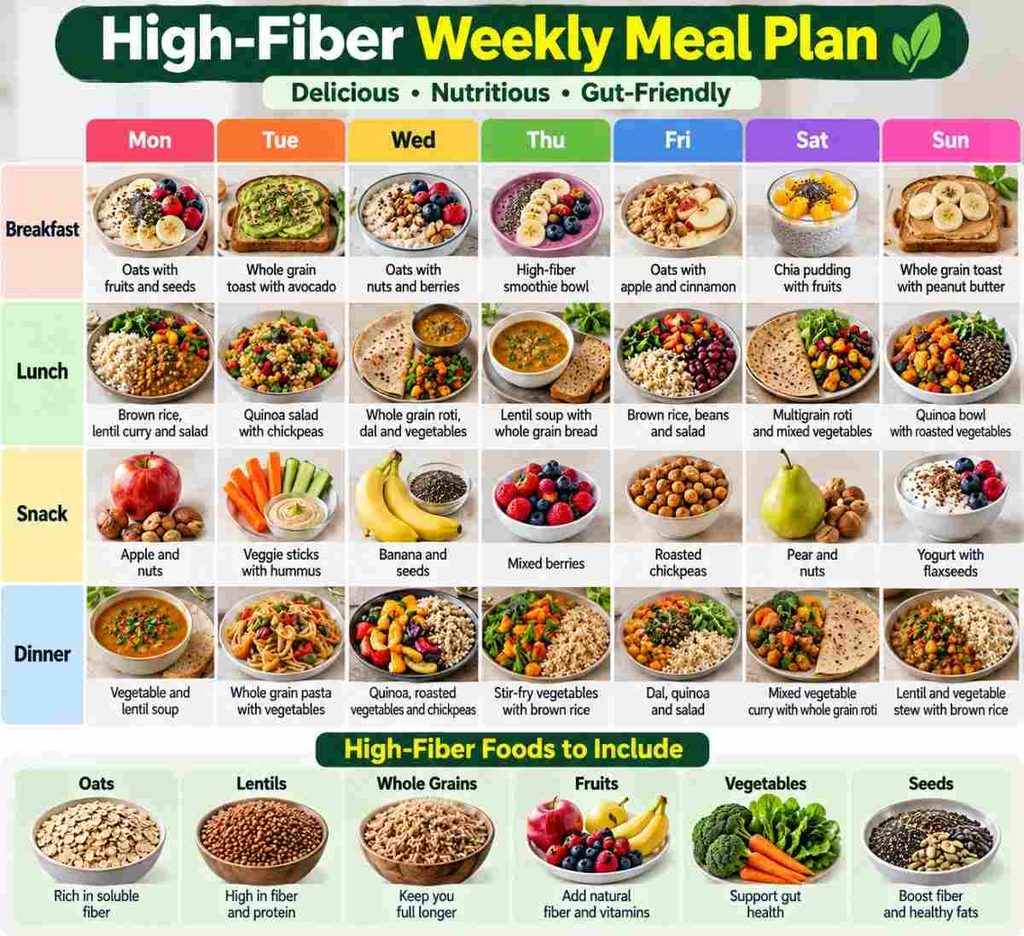
What Does a One-Day Fibermaxxing Meal Plan Look Like?
This sample vegetarian meal plan provides an estimated 37 grams of fiber. Actual amounts vary according to portion sizes and preparation.
| Meal | Suggested foods | Estimated fiber |
|---|---|---|
| Breakfast | ½ cup dry oats cooked with milk, 1 medium apple, 1 tablespoon chia seeds | 10 g |
| Lunch | 1 cup cooked dal, 2 small whole-wheat rotis, ½ cup cooked vegetables | 13 g |
| Afternoon snack | 1 medium guava | 5 g |
| Dinner | ¾ cup cooked chickpeas, 1 cup cooked vegetables | 9 g |
| Daily total | All meals and snacks | 37 g |
Estimates use typical food-composition values from USDA FoodData Central, accessed 2026. The total is illustrative and will vary with fruit size, roti weight, vegetables, and cooking methods.
If you’re not used to eating much fiber, build toward this amount gradually rather than starting with the entire plan.
You can replace chickpeas with rajma, use whole-grain bread instead of roti, or choose another fruit you enjoy.
For broader nutrition planning, explore Macro Calculator, protein intake calculator, and overnight rolled oats recipe.
Can Fibermaxxing Help With Weight Management?
Fibermaxxing may support weight management because many fiber-rich foods increase fullness and provide important nutrients. However, fiber alone does not cause weight loss; overall energy balance remains important.
Beans, vegetables, fruits, and whole grains can make meals more satisfying and help some people manage their calorie intake.
For more information, explore calorie deficit diet plan.
Does Fibermaxxing Burn Belly Fat?
No. Fibermaxxing does not directly burn belly fat or selectively reduce fat in one area. Sustainable fat loss involves overall energy balance, balanced nutrition, regular physical activity, strength training, and adequate sleep.
You can estimate your energy needs using the calorie deficit calculator, remembering that calculator results are estimates rather than medical prescriptions.
Does Fibermaxxing Improve Gut Health?
Yes, eating suitable amounts of fiber can support bowel regularity and nourish certain beneficial intestinal microbes. Some fibers are fermented by gut bacteria, producing short-chain fatty acids that contribute to intestinal health.
Fiber can help prevent or relieve some forms of constipation, but it is not a universal solution for digestive problems. Persistent abdominal pain, diarrhea, or constipation requires appropriate medical assessment.
What Foods Support a Healthy Gut Microbiome?
Include a variety of:
- Legumes, including lentils and chickpeas.
- Whole grains, such as oats and barley.
- Vegetables and leafy greens.
- Fruits, including apples, pears, and guava.
- Nuts and seeds.
Rotating these foods throughout the week helps provide different fiber types and nutrients.
How Can You Increase Fiber Without Bloating?
Increase fiber gradually, drink adequate fluids, and distribute fiber-rich foods across your meals. Sudden dietary changes can cause gas, bloating, and abdominal discomfort.
A Gradual Fibermaxxing Schedule for Beginners
| Stage | What to do |
|---|---|
| Days 1–3 | Add one fiber-rich food, such as fruit or oats. |
| Days 4–7 | Introduce vegetables or a small serving of dal. |
| Week 2 | Gradually increase portions and add whole grains or legumes. |
| Week 3 onward | Work toward an appropriate daily target while monitoring symptoms. |
This is an example schedule, not a medically established timetable. Slow down if symptoms develop.
What Helps Reduce Gas and Bloating?
- Drink enough water: Fluids support normal bowel function.
- Spread fiber across meals: Avoid eating most of your daily fiber at once.
- Eat slowly: Chew thoroughly and pay attention to fullness.
- Prepare legumes properly: Rinse canned beans and cook dried legumes thoroughly.
- Identify food triggers: Reduce portions or choose alternatives if certain foods repeatedly cause discomfort.
Ordinary water is generally sufficient for everyday hydration. You typically do not need a special electrolyte drink simply because you are eating more fiber.
See best natural hydration drinks for more information.
What Are the Side Effects of Eating Too Much Fiber?
Eating too much fiber, particularly when intake increases rapidly, can cause gas, bloating, abdominal cramps, diarrhea, or worsening constipation.
Common fibermaxxing mistakes include:
- Increasing fiber intake too quickly.
- Not drinking enough fluids.
- Relying on a single food instead of eating a variety.
- Neglecting protein, healthy fats, and other nutrients.
- Assuming everyone needs 50–60 grams of fiber daily.
- Ignoring persistent digestive symptoms.
Fiber supplements may interfere with the absorption of certain medications. Ask a pharmacist or healthcare professional about appropriate timing if you take regular medication.
Is Fibermaxxing Safe for Everyone?
Fibermaxxing can be suitable for many people, but some medical conditions require personalized dietary advice.
People with certain gastrointestinal disorders, intestinal narrowing, bowel obstructions, or medically prescribed low-fiber diets may need to limit specific foods or fiber types. Those with swallowing difficulties should also take care with dry seeds and supplements that expand in liquid.
Seek medical evaluation for persistent abdominal pain, unexplained weight loss, blood in your stool, or significant changes in bowel habits. A healthcare professional or registered dietitian can help determine an appropriate fiber intake.
Are Fiber Supplements Necessary for Fibermaxxing?
No. Many people can increase their fiber intake through ordinary foods such as lentils, oats, vegetables, fruit, and whole grains.
Supplements such as psyllium may help manage certain types of constipation when used appropriately. Follow product directions, take them with the required amount of fluid, and seek professional advice if you have medical conditions or take medication.
Whole foods should remain the foundation of your diet because they provide fiber alongside other nutrients.
How Long Does It Take to Notice the Benefits of Fiber?
Some people notice improvements in bowel regularity within several days of increasing fiber intake. Other potential benefits, such as changes in cholesterol levels, depend on consistent dietary habits and individual health factors.
Temporary gas or bloating may occur while your body adjusts. Increase your intake gradually and assess your overall comfort.
How Can You Track Your Daily Fiber Intake?
Food labels, nutrition databases, and reputable food-tracking apps can help estimate your daily fiber intake.
Follow these steps:
- Record your meals and approximate portions.
- Check dietary fiber values on food labels.
- Use USDA FoodData Central or a suitable local food-composition database.
- Compare your estimated intake with an appropriate recommendation.
- Add fruit, vegetables, whole grains, or legumes if your intake is consistently low.
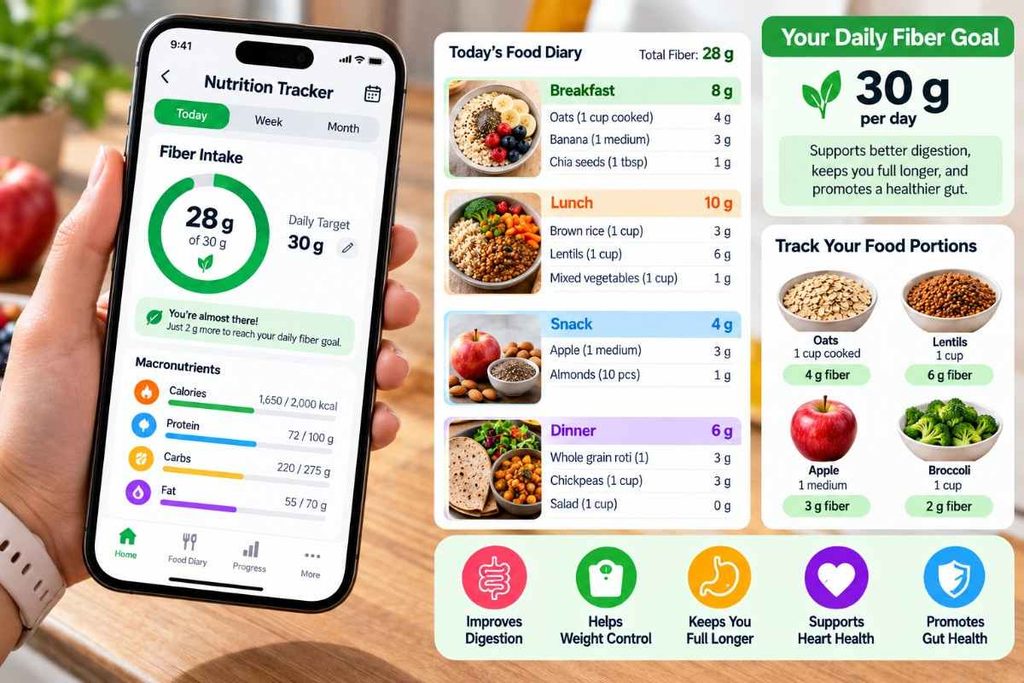
Tracking is optional. If counting grams makes eating stressful, focus on including a variety of plant foods in your meals.
What Are the Easiest High-Fiber Food Swaps?
| Instead of | Try |
|---|---|
| Refined white bread | Whole-grain bread |
| A low-fiber breakfast | Oats with fruit |
| A meal without legumes | Dal, beans, or chickpeas |
| A low-fiber packaged snack | Fruit or a suitable portion of nuts |
| A plain rice meal | Rice with vegetables and legumes |
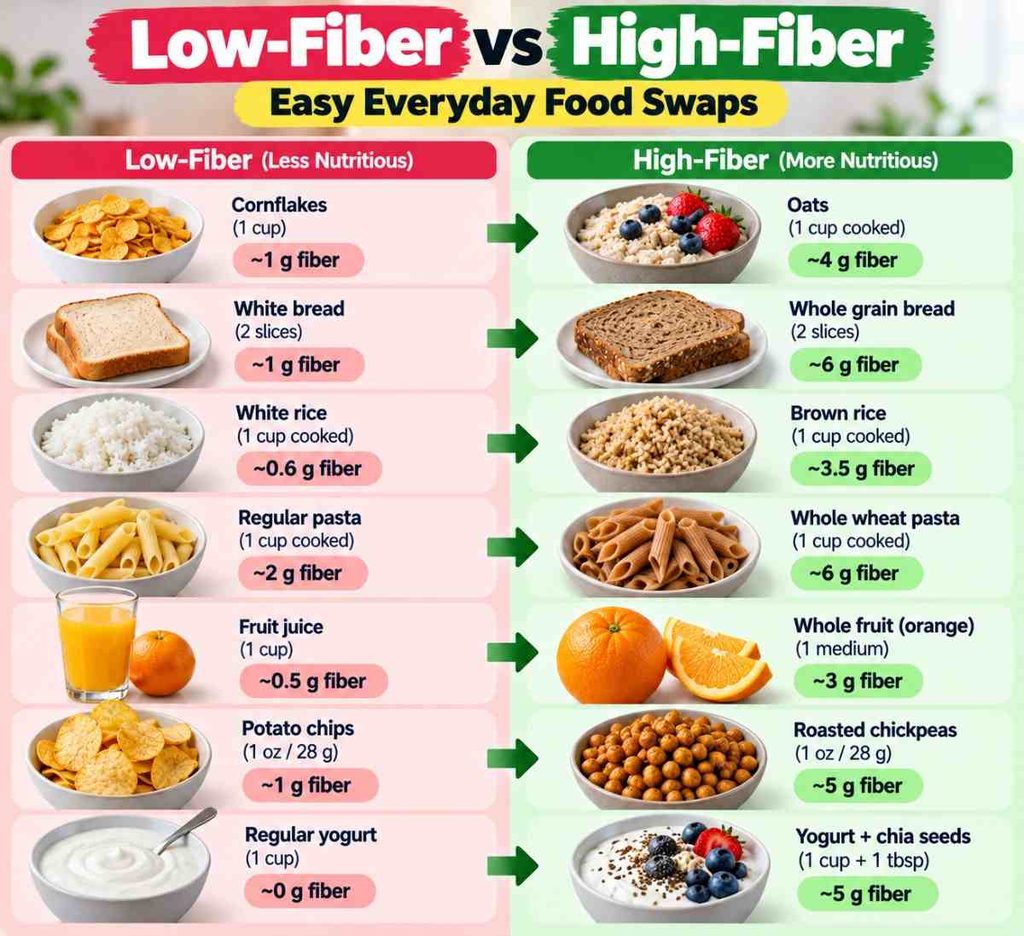
For breakfast inspiration, explore Anti-Inflammatory Diet.
How Can You Build a Sustainable High-Fiber Eating Routine?
The easiest way to build a sustainable fibermaxxing routine is to add a few fiber-rich foods, increase portions gradually, and maintain balanced meals.
Start with this simple plan:
- Choose foods you enjoy, such as oats, fruit, dal, or vegetables.
- Add one serving at a time.
- Combine fiber with suitable protein and healthy fats.
- Monitor digestive comfort and adjust portions when necessary.
- Aim for an appropriate daily target rather than an extreme number.
For example, start with oats at breakfast, vegetables at lunch, and fruit in the afternoon. As these habits become comfortable, add more whole grains, legumes, nuts, or seeds.
Conclusion
Fibermaxxing is worth considering if you want to improve your diet and build healthier eating habits. Eating more legumes, whole grains, fruits, vegetables, nuts, and seeds can support bowel regularity, fullness, cholesterol management, and gut health.
However, more fiber is not always better. Increase your intake gradually, drink adequate fluids, and choose a variety of foods that suit your body.
The best fibermaxxing routine is one you can maintain comfortably without extreme dietary changes.
FAQs
What is fibermaxxing?
Fibermaxxing means eating more fiber-rich foods like fruits, vegetables, beans, and whole grains.
How much fiber should I eat daily?
Men aged 19–50 generally need 38 grams, while women need 25 grams daily, according to U.S. guidelines.
What are the best foods for fibermaxxing?
Lentils, beans, oats, chia seeds, fruits, and vegetables are excellent choices.
Can fibermaxxing help with weight loss?
Yes, it may support fullness and calorie management, but it doesn’t guarantee weight loss.
Does fibermaxxing burn belly fat?
No, fiber cannot specifically target belly fat.
Can fibermaxxing cause bloating?
Yes, increasing fiber too quickly can cause gas and bloating.
Are chia seeds enough to meet daily fiber needs?
No, combine chia seeds with other fiber-rich foods for a balanced diet.
Is fibermaxxing safe for everyone?
Not always. People with certain digestive conditions may need medical guidance.
Do I need fiber supplements?
No, many people can get enough fiber from whole foods.
How quickly can I notice fibermaxxing benefits?
Some people notice improved bowel regularity within several days.