
You’ve probably heard that a MetCon Workout can burn fat quickly and improve fitness in less time. While that claim has some truth to it, simply exercising at a high intensity isn’t enough to achieve the best results. The real power of metabolic conditioning lies in combining strength training, cardiovascular exercise, structured intervals, and proper recovery into one efficient training method.
Whether you’re looking to lose weight, boost endurance, improve athletic performance, or simply get more out of your workouts, a well-designed MetCon Workout can help you reach your goals faster than traditional training methods alone.
In this comprehensive guide, you’ll learn exactly what a MetCon Workout is, how it works, why it’s so effective, the different workout styles available, and how beginners can safely get started. You’ll also discover how MetCon compares with HIIT, why it supports fat loss, and how to maximize your results through smart programming.
What Is a MetCon Workout?
A MetCon Workout is a form of metabolic conditioning that combines strength exercises and cardiovascular training to improve endurance, increase calorie burn, and enhance overall fitness.
The term MetCon stands for Metabolic Conditioning, a structured training approach that challenges your body’s energy systems through carefully planned periods of work and recovery. Unlike traditional cardio sessions that often focus on maintaining a steady pace, MetCon workouts alternate between moderate and high-intensity efforts while incorporating resistance exercises that strengthen multiple muscle groups.
Because these workouts engage your entire body, they improve cardiovascular fitness, muscular endurance, strength, and work capacity—all within a relatively short amount of time.
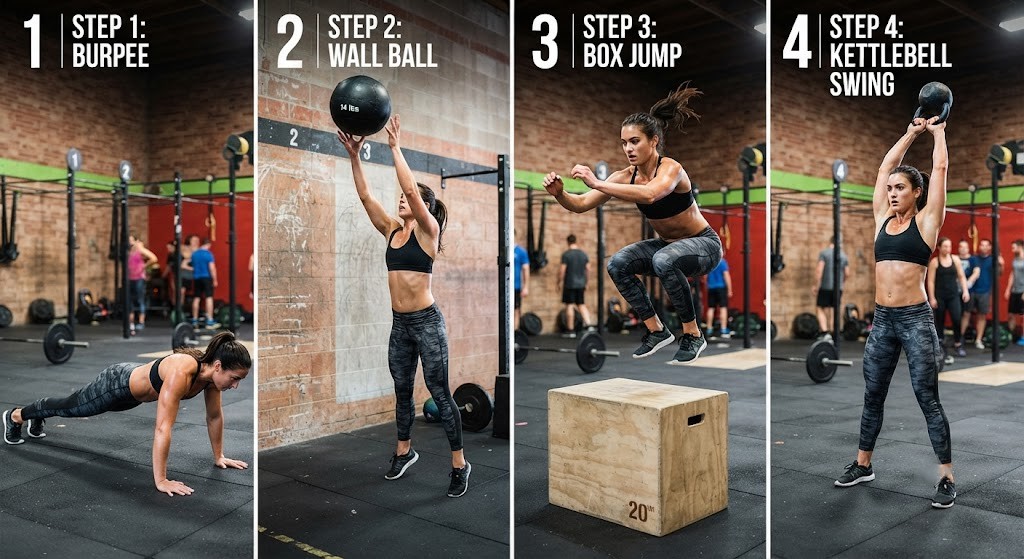
For example, a 20-minute MetCon session may include:
- Squats
- Push-ups
- Kettlebell swings
- Rowing
- Burpees
By moving quickly from one exercise to the next with minimal rest, your heart rate remains elevated while your muscles continue working, creating a highly efficient full-body workout.
What Does Metabolic Conditioning Mean?
Metabolic conditioning involves performing structured, high-intensity exercises with planned work and rest intervals to train the body’s energy systems efficiently.
Instead of focusing only on lifting heavier weights or running longer distances, MetCon develops your body’s ability to produce and use energy more effectively during exercise. This makes everyday activities feel easier while also improving athletic performance.
Brief History of MetCon
Although the term “MetCon” has become popular in recent years, metabolic conditioning has existed for decades.
Athletes, military personnel, and sports coaches have long used conditioning drills to improve endurance, speed, and overall performance. As functional fitness became more mainstream, especially through CrossFit and similar training programs, MetCon workouts gained widespread popularity among recreational exercisers and gym-goers.
Today, metabolic conditioning is used by:
- Professional athletes
- Military personnel
- Firefighters
- Personal trainers
- Recreational fitness enthusiasts
- Individuals seeking efficient fat-loss workouts
Its popularity continues to grow because it delivers multiple fitness benefits without requiring hours in the gym.
Statistic: Adults should perform at least 150–300 minutes of moderate or 75–150 minutes of vigorous activity weekly. — Source: World Health Organization, 2024.
Why Does a MetCon Workout Matter?
One of the biggest reasons a MetCon Workout has become so popular is its efficiency. Instead of separating strength training and cardio into different sessions, MetCon combines both into one challenging workout.
This allows you to improve multiple aspects of fitness simultaneously.
Traditional cardio primarily improves cardiovascular endurance, while weight training mainly develops muscular strength. Metabolic conditioning bridges the gap by training your heart, lungs, muscles, and nervous system together.
Major Benefits of a MetCon Workout
A properly designed MetCon program can provide several important benefits, including:
- Better cardiovascular fitness
- Increased calorie expenditure
- Improved muscular endurance
- Enhanced metabolism
- Greater athletic performance
- Time-efficient workouts
- Increased work capacity
- Better functional movement
- Improved overall conditioning
For busy individuals, this is one of the biggest advantages. Someone with only 25 minutes available after work can complete an effective full-body conditioning workout instead of scheduling separate cardio and strength sessions.
This makes MetCon an excellent option for professionals, students, parents, and anyone with a busy lifestyle.
Statistic: Regular physical activity reduces the risk of cardiovascular disease by up to 35%. — Source: American Heart Association, 2024.
How Does a MetCon Workout Work?
A MetCon Workout works by challenging different energy systems through structured exercise intensity and carefully controlled recovery periods.
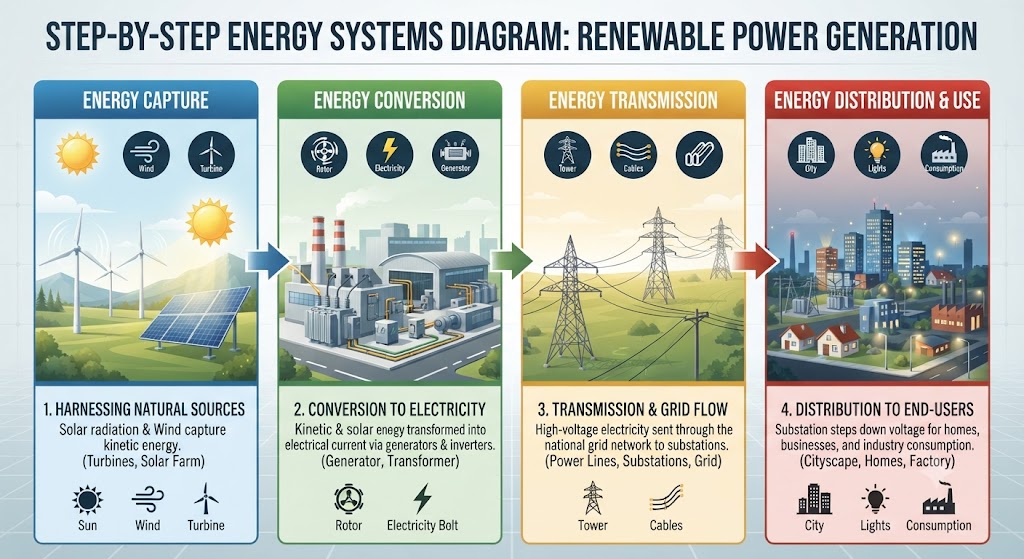
Your body relies on different energy systems depending on how hard and how long you exercise. A well-designed MetCon session strategically trains all of them, allowing you to become more efficient across a wide range of physical activities.
Instead of exercising at one constant intensity, you’ll alternate between bursts of hard work and brief recovery periods. This keeps your body adapting while improving endurance and calorie expenditure.
The Three Energy Systems Used During MetCon
Every movement you perform during exercise requires energy. Your body produces this energy through three primary systems.
| Energy System | Duration | Example |
|---|---|---|
| ATP-PC | 0–10 seconds | Heavy lifts, jumps |
| Glycolytic | 10 sec–2 min | Burpees, rowing |
| Oxidative | 2+ minutes | Running, cycling |
An effective MetCon Workout trains all three systems rather than relying on only one.
1. ATP-PC System
This system provides immediate energy for explosive movements lasting up to 10 seconds.
Examples include:
- Heavy deadlifts
- Box jumps
- Olympic lifts
- Sprint starts
Although it produces energy quickly, it also becomes depleted rapidly.
2. Glycolytic System
The glycolytic system takes over during exercises lasting between approximately 10 seconds and two minutes.
Examples include:
- Burpees
- Rowing intervals
- Kettlebell swings
- Thrusters
This system allows you to sustain higher-intensity efforts for longer durations.
3. Oxidative System
The oxidative system fuels longer-duration activities.
Examples include:
- Jogging
- Cycling
- Long rowing intervals
- Walking
Improving this energy system helps increase endurance and supports faster recovery between intense exercise intervals.
Workout Intensity in MetCon
Workout intensity is one of the defining characteristics of metabolic conditioning.
Most sessions alternate between moderate and high-intensity exercise rather than maintaining one steady pace.
Common work-to-rest ratios include:
- 20:10
- 30:15
- 40:20
- 45:15
These intervals create enough recovery to maintain proper technique while still keeping your heart rate elevated.
For beginners, longer rest periods are recommended until conditioning improves.
As fitness increases, rest intervals can gradually be shortened or additional rounds can be added to increase workout difficulty.
Heart Rate During a MetCon Workout
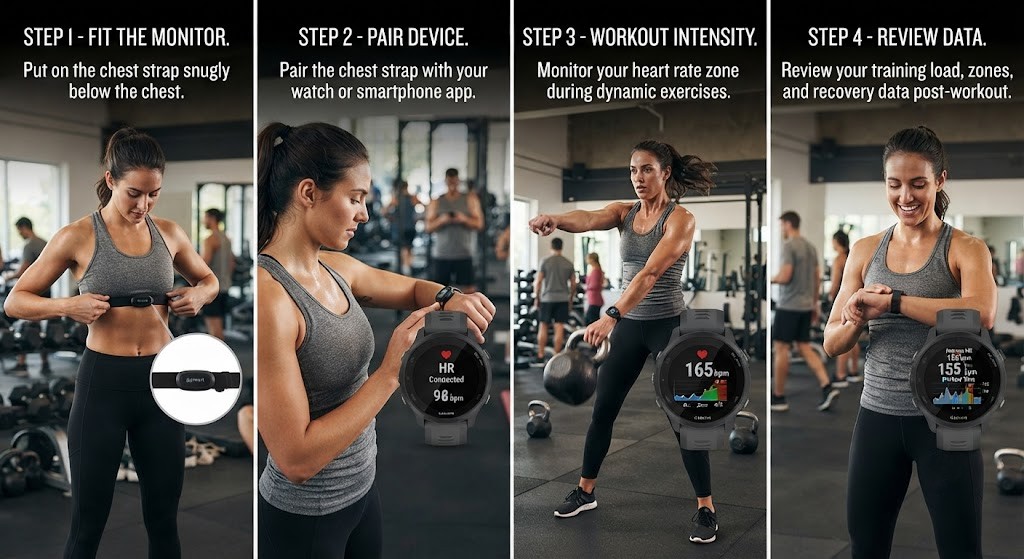
A properly programmed MetCon Workout typically keeps your heart rate between 70–90% of your maximum heart rate.
Training within this range helps improve:
- Cardiovascular endurance
- Calorie burn
- Work capacity
- Oxygen utilization
- Recovery ability
Most MetCon workouts last between 10 and 30 minutes, depending on the training goal, workout intensity, and fitness level.
Using a heart rate monitor can help ensure you’re working within the appropriate intensity zone without overtraining.
What Are the Different Types of MetCon Workouts?
One of the greatest advantages of a MetCon Workout is its versatility. Whether you train at home, in a commercial gym, or outdoors, you can customize metabolic conditioning to suit your goals, available equipment, and experience level.
Below are the most common styles of MetCon training.
Bodyweight MetCon
Bodyweight MetCon workouts are ideal for beginners because they require little or no equipment while still providing an effective full-body challenge.
Common exercises include:
- Push-ups
- Air squats
- Mountain climbers
- Burpees
- Jumping jacks
These workouts improve coordination, muscular endurance, and cardiovascular fitness while helping beginners develop proper movement patterns.
Since bodyweight circuits can be performed almost anywhere, they’re perfect for home workouts, travel, or busy schedules.
Dumbbell MetCon
Dumbbells add resistance to metabolic conditioning, making workouts more effective for building strength while maintaining a high heart rate.
Popular dumbbell exercises include:
- Thrusters
- Renegade rows
- Walking lunges
- Push press
Because dumbbells are widely available and versatile, they’re an excellent progression once bodyweight exercises become easier.
Kettlebell MetCon
Kettlebells are particularly effective for developing power, coordination, and full-body strength.
Common kettlebell exercises include:
- Swings
- Cleans
- Goblet squats
- Snatches
Their unique design allows for explosive, dynamic movements that elevate the heart rate while strengthening the posterior chain and improving athletic performance.
Cardio MetCon
Cardio-focused MetCon Workouts use aerobic equipment and sprint-based exercises to improve cardiovascular endurance while maintaining a high calorie burn. Unlike traditional steady-state cardio, these workouts alternate periods of intense effort with short recovery intervals, making them more engaging and time-efficient.
Popular cardio MetCon exercises include:
- Rowing
- Assault bike
- Ski erg
- Sprint intervals
- Jump rope
- Stationary cycling
These exercises can be performed individually or combined into circuits for a challenging full-body conditioning session.
Functional MetCon
Functional MetCon workouts emphasize movements that improve everyday strength, balance, and coordination. These exercises mimic real-life activities, helping you move more efficiently both inside and outside the gym.
Common functional exercises include:
- Farmer carries
- Sandbag lifts
- Box jumps
- Sled pushes
- Medicine ball slams
- Battle ropes
Functional training is especially beneficial for athletes, first responders, and anyone who wants to improve overall movement quality.
Why Are MetCon Workouts So Effective for Fat Loss?
One of the biggest reasons people choose a MetCon Workout is its ability to support fat loss while preserving lean muscle mass.
Unlike traditional cardio, MetCon combines resistance exercises with high-intensity intervals. This not only burns calories during your workout but also increases your body’s energy expenditure after training.
Understanding EPOC
A major reason MetCon is effective is EPOC (Excess Post-Exercise Oxygen Consumption).
Excess post-exercise oxygen consumption (EPOC) allows the body to continue burning calories after a MetCon workout has ended.
Following a challenging workout, your body uses additional oxygen to restore normal body temperature, replenish energy stores, repair muscle tissue, and return to its resting state. This recovery process requires energy, which means your metabolism stays elevated even after you’ve finished exercising.
For example, after completing an intense 20-minute MetCon session, your metabolism may remain elevated for several hours.
Fat Loss Benefits of MetCon
A consistent MetCon program may help:
- Increase calorie burn
- Improve insulin sensitivity
- Raise metabolic rate
- Enhance fat oxidation
- Preserve lean muscle mass
- Improve body composition
Unlike long-duration cardio alone, resistance-based metabolic conditioning helps maintain muscle while encouraging fat loss.
Statistic: High-intensity exercise significantly improves insulin sensitivity in healthy adults. — Source: American College of Sports Medicine, 2024.
What Is the Difference Between MetCon and HIIT?
Although MetCon and HIIT are often confused, they are not exactly the same.
HIIT (High-Intensity Interval Training) primarily focuses on cardiovascular conditioning using repeated intervals of intense exercise followed by recovery. MetCon, however, combines strength training with cardiovascular conditioning to improve overall fitness.
| Feature | MetCon | HIIT |
|---|---|---|
| Goal | Overall conditioning | Cardio improvement |
| Includes Strength | Yes | Sometimes |
| Workout Style | Functional circuits | Sprint intervals |
| Equipment | Optional | Usually minimal |
| Muscle Development | Higher | Lower |
When Should You Choose MetCon?
Choose MetCon if your goal is to:
- Improve overall fitness
- Burn fat while maintaining muscle
- Increase strength and endurance together
- Develop functional movement
- Save time with efficient workouts
When Is HIIT Better?
HIIT may be the better option if your primary goal is:
- Improving cardiovascular fitness
- Increasing speed
- Short cardio sessions
- Running or cycling performance
Many fitness enthusiasts include both styles in their weekly routine for balanced results.
Can Beginners Safely Do MetCon Workouts?
Yes. Beginners can safely perform a MetCon Workout by choosing simple exercises, maintaining proper form, and controlling workout intensity.
The biggest mistake new exercisers make is trying advanced workouts before building a solid fitness foundation.
Start with basic movements such as:
- Bodyweight squats
- Push-ups
- Walking lunges
- Planks
- Jump rope
Focus on learning correct technique before increasing speed or resistance.
Aim for two MetCon sessions per week during your first month. This allows your body to recover while adapting to the increased workload.
As your endurance improves, you can gradually add another weekly session or increase workout intensity.
Sample MetCon Workout Plans
Following a structured workout plan helps improve conditioning while reducing the risk of injury.
Beginner 20-Minute MetCon Workout
Complete 3 rounds of:
- 10 Squats
- 8 Push-ups
- 20 Mountain Climbers
- 10 Walking Lunges
- 30-second Plank
Rest for 90 seconds between rounds.
This beginner-friendly circuit develops strength, endurance, and coordination without requiring equipment.
Intermediate MetCon Workout
Complete 4 rounds:
- 12 Dumbbell Thrusters
- 15 Kettlebell Swings
- 10 Burpees
- 250m Row
Rest 60 seconds between rounds.
This workout increases cardiovascular demand while adding resistance to build muscular endurance.
Advanced MetCon Workout
Perform 5 rounds:
- 15 Box Jumps
- 12 Deadlifts
- 15 Pull-ups
- 15 Wall Balls
- 400m Run
Maintain proper form throughout each round. If technique begins to suffer, reduce the weight or extend your recovery period.
Weekly MetCon Training Schedule
A balanced weekly plan provides enough stimulus for improvement while allowing sufficient recovery.
| Day | Workout |
|---|---|
| Monday | Beginner MetCon |
| Tuesday | Strength Training |
| Wednesday | Recovery |
| Thursday | MetCon |
| Friday | Full Body Strength |
| Saturday | Cardio |
| Sunday | Rest |
This schedule combines conditioning, strength development, and recovery to support long-term progress.
As your fitness improves, you can gradually increase workout intensity, add resistance, or perform additional rounds while maintaining proper recovery.
What Equipment Do You Need for a MetCon Workout?
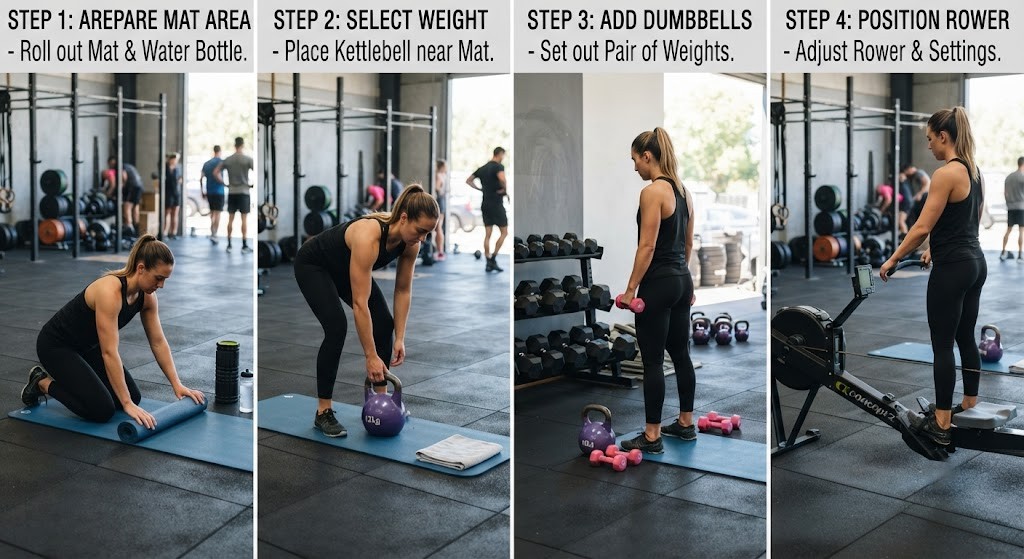
One of the greatest advantages of a MetCon Workout is that it can be performed almost anywhere. Whether you’re training at home, in a commercial gym, or outdoors, you can adapt your workouts based on the equipment you have available.
Beginners can start with bodyweight exercises alone, while more experienced individuals can add resistance and cardio equipment to increase workout intensity.
Essential MetCon Equipment
The following equipment can make your workouts more effective:
- Dumbbells
- Kettlebells
- Medicine balls
- Jump rope
- Resistance bands
- Rowing machine
- Assault bike
- Heart rate monitor
- Workout timer app
You don’t need to purchase everything at once. A pair of adjustable dumbbells, a jump rope, and a timer are enough to create dozens of challenging MetCon workouts.
Free Workout Timer Apps
A timer helps you stay consistent with work and rest intervals.
Popular free workout timer apps include:
- SmartWOD Timer
- Seconds Timer
- Interval Timer
These apps allow you to customize interval lengths, rounds, and rest periods, making it easier to follow structured MetCon workouts.
What Are the Most Common MetCon Workout Mistakes?
While MetCon is highly effective, poor programming or improper technique can reduce your results and increase your risk of injury.
Avoid these common mistakes to get the most from your training.
1. Starting Too Intensely
Many beginners try to match advanced athletes on their first workout. This often leads to exhaustion, poor technique, or injury.
Instead, begin with manageable intensity and gradually increase the difficulty over time.
2. Ignoring Proper Technique
Speed should never come at the expense of proper form.
Incorrect movement patterns during exercises like squats, deadlifts, or kettlebell swings can place unnecessary stress on your joints and muscles.
Focus on quality repetitions before increasing weight or pace.
3. Skipping the Warm-Up
Jumping straight into high-intensity exercise without preparing your muscles increases injury risk.
Always perform a dynamic warm-up routine before beginning.
4. Training Every Day
Your body becomes stronger during recovery—not while you’re exercising.
Performing MetCon workouts daily without adequate rest can lead to fatigue, reduced performance, and overtraining.
Aim for two to four MetCon sessions per week depending on your fitness level.
5. Choosing Poor Exercise Combinations
Avoid combining highly technical lifts with maximum-speed circuits if your technique isn’t consistent.
Choose exercises that match your experience and allow you to maintain proper form throughout the workout.
6. Neglecting Recovery
Recovery is just as important as training.
Support recovery by:
- Sleeping 7–9 hours each night
- Staying hydrated
- Eating balanced meals
- Stretching after workouts
- Scheduling rest days
Finish each workout with stretching and mobility exercises to improve flexibility and reduce muscle soreness.
Can You Build Muscle With MetCon Training?
Yes. A MetCon Workout can help build muscle, especially when resistance exercises are included and progressive overload is applied consistently.
However, muscle growth depends on several important factors beyond the workout itself.
Factors That Support Muscle Growth
- Progressive overload
- Adequate protein intake
- Proper recovery
- Quality sleep
- Strength-focused exercises
Exercises such as dumbbell thrusters, kettlebell swings, deadlifts, lunges, pull-ups, and push presses provide enough resistance to stimulate muscle development while also improving conditioning.
For optimal results, combine MetCon training with a balanced nutrition plan that includes sufficient protein and calories to support recovery and muscle repair.
What’s Next After Starting MetCon Training?
Beginning your first MetCon Workout is only the first step. Long-term success comes from consistency, gradual progression, and smart recovery habits.
Follow these progression tips:
- Master bodyweight exercises before adding weights.
- Increase workout duration gradually.
- Add resistance slowly as your strength improves.
- Track your heart rate during workouts.
- Prioritize recovery with sleep, hydration, and mobility work.
- Follow progressive overload by increasing intensity over time.
Remember, fitness improvements happen through steady progress—not by pushing to exhaustion every session.
Progressive overload, proper recovery, and balanced nutrition are essential for achieving long-term results from MetCon training.
Once you’ve completed your first month of consistent training, consider taking on a structured fitness program to continue building strength and endurance.
Conclusion
A MetCon Workout is one of the most effective ways to improve endurance, burn calories, and build functional strength in a time-efficient manner. By combining resistance training with cardiovascular conditioning, MetCon helps develop multiple aspects of fitness in a single workout.
Whether you’re training at home or in the gym, you can tailor your workouts to your experience level and available equipment. Beginners should focus on mastering movement patterns and building consistency, while experienced athletes can increase intensity through heavier resistance, shorter rest periods, and more advanced exercise combinations.
Remember that lasting results don’t come from doing the hardest workout every day—they come from training consistently, following progressive overload, fueling your body with balanced nutrition, and allowing enough time for recovery. With patience and dedication, a well-planned MetCon Workout routine can help you burn fat, improve cardiovascular health, increase strength, and build a fitter, healthier body for the long term.
FAQs
What is a MetCon Workout?
A MetCon Workout combines strength and cardio exercises to improve fitness, endurance, and calorie burn.
What is the difference between HIIT and MetCon?
HIIT mainly focuses on cardio intervals, while MetCon combines strength and cardio for overall conditioning.
Does MetCon burn fat?
Yes, MetCon burns calories and supports fat loss through high-intensity training.
What’s the difference between MetCon and CrossFit?
MetCon is a training style, while CrossFit is a fitness program that often includes MetCon workouts.
Is MetCon HIIT or strength?
MetCon combines both strength training and high-intensity cardio exercises.
How long do MetCons last?
Most MetCon workouts last between 10 and 30 minutes.
Is MetCon good for weight loss?
Yes, it helps burn calories and supports weight loss when paired with a healthy diet.
Can beginners do MetCon workouts?
Yes, beginners should start with simple bodyweight exercises and lower intensity.
Do I need equipment for a MetCon Workout?
No, many MetCon workouts use only bodyweight exercises.
How many times a week should I do MetCon?
Aim for 2–4 sessions per week with adequate recovery.
Can MetCon build muscle?
Yes, when combined with resistance training, proper nutrition, and recovery.
1 thought on “MetCon Workout: Burn Fat, Build Strength & Boost Conditioning”