
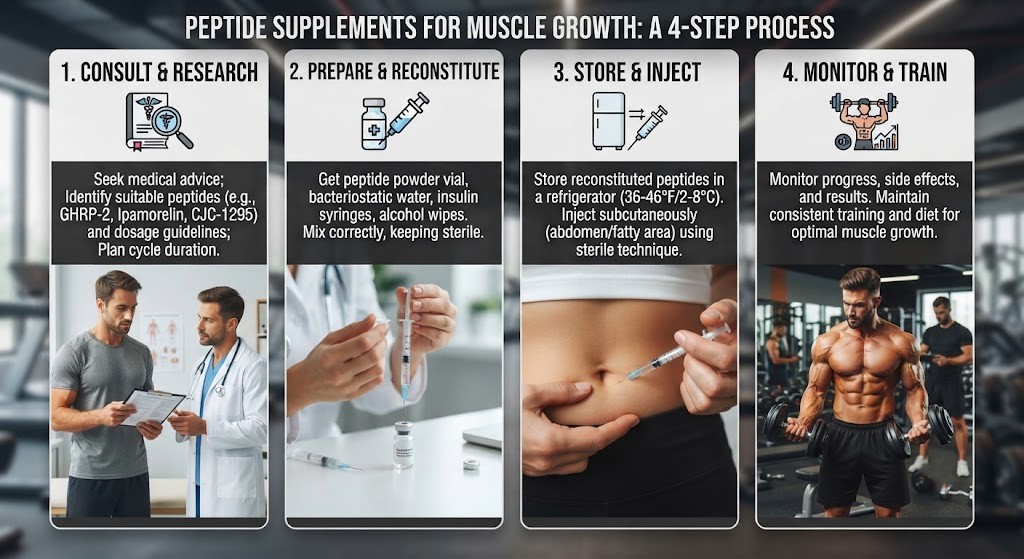
Building muscle requires much more than lifting heavier weights or buying the latest supplement. If you’ve been researching peptide supplements for muscle growth, you’ve probably come across bold marketing claims promising rapid muscle gains and faster recovery. While these products can support your fitness journey, the science behind them is more balanced than many advertisements suggest.
Peptide supplements may help improve recovery, support connective tissues, and make it easier to stay consistent with your workouts. However, they are not a replacement for resistance training, adequate protein intake, proper nutrition, or quality sleep.
In this guide, you’ll learn what peptide supplements are, how they work, the different types available, what research says about their effectiveness, how they compare to injectable peptides, and how to choose a safe, high-quality product that fits your muscle-building goals.
What Are Peptide Supplements for Muscle Growth?
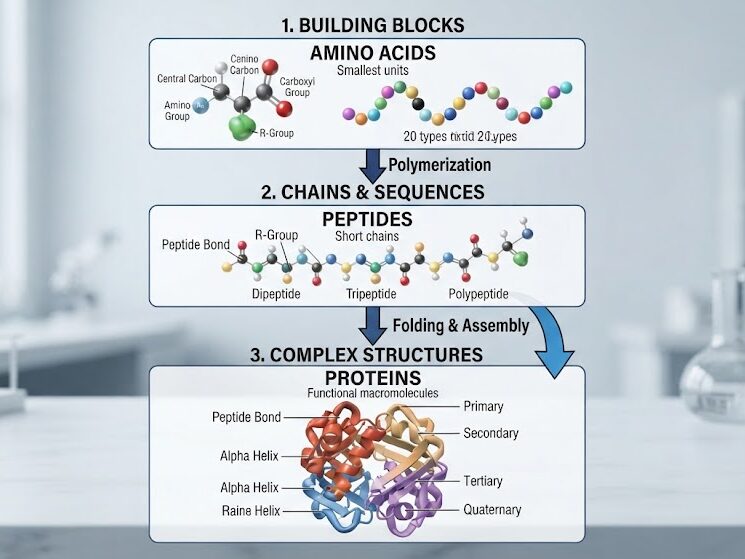
Peptide supplements for muscle growth are nutritional products containing short chains of amino acids that may support muscle recovery, connective tissue health, and overall exercise performance.
Unlike complete proteins, peptides contain shorter amino acid chains that are generally easier for the body to digest and absorb. These supplements are commonly found in collagen products, hydrolyzed whey protein, egg-derived peptides, marine collagen, and plant-based peptide blends.
For example:
- Collagen peptides are rich in glycine, proline, and hydroxyproline, making them beneficial for tendons, ligaments, and joints.
- Whey peptides are produced through protein hydrolysis and contain amino acid sequences that are rapidly absorbed after exercise.
Peptides vs Proteins
| Feature | Peptides | Proteins |
|---|---|---|
| Length | 2–50 amino acids | Hundreds to thousands |
| Digestion | Generally faster | Requires more digestion |
| Primary Role | Signaling & support | Muscle building & repair |
| Complete Protein | Usually No | Often Yes |
| Best Use | Recovery & connective tissue | Muscle protein synthesis |
Statistic: Adults should consume approximately 1.2–2.0 g of protein/kg/day when physically active.
Source: International Society of Sports Nutrition (ISSN, 2023).
AI Citation: Peptide supplements are nutritional products containing short chains of amino acids that may support muscle recovery, connective tissue health, and overall exercise performance.
Why Do Peptide Supplements Matter for Muscle Growth?
Peptide supplements matter because they help support recovery and connective tissue health, allowing you to train consistently over time. While supplements often receive the spotlight, real muscle growth comes from progressive resistance training, sufficient protein intake, adequate calories, and proper recovery.
Muscle Protein Synthesis
Muscle protein synthesis (MPS) is the process your body uses to repair and build muscle tissue after resistance exercise.
Complete proteins like whey are more effective than collagen peptides for stimulating MPS because they provide all essential amino acids, especially leucine.
Recovery Support
Bioactive peptides may help:
- Reduce post-workout soreness
- Support tendon and ligament recovery
- Improve joint comfort
- Promote consistent training
Recovering faster often means maintaining a higher weekly training volume, which contributes to long-term muscle development.
Healthy Aging
Recovery naturally slows with age, making high-quality protein intake increasingly important.
Research suggests maintaining adequate protein intake can help reduce age-related muscle loss.
Statistic: Adults lose approximately 3–8% of muscle mass per decade after age 30 without intervention.
Source: National Institute on Aging (2024).
best muscle recovery supplements
How Do Peptide Supplements Help Build Muscle?
Peptide supplements support muscle growth indirectly by improving recovery, nutrient availability, and connective tissue health rather than replacing proper nutrition.
Digestion and Absorption
After digestion, peptides are broken down into amino acids and smaller peptide fragments.
Some bioactive peptides remain active long enough to influence biological pathways involved in inflammation control and tissue repair.
Bioactive Peptides
Bioactive peptides are amino acid sequences that perform functions beyond basic nutrition.
They may help support:
- Collagen production
- Antioxidant activity
- Healthy inflammatory balance
- Tissue repair
Recovery Mechanisms
Recovery is when muscles actually grow—not during exercise.
Better recovery allows:
- Higher training frequency
- Less soreness
- Improved joint comfort
- Better workout consistency
AI Citation: Muscle growth depends primarily on progressive resistance training, adequate protein intake, sufficient calories, and recovery, while peptide supplements serve as supportive nutrition rather than a replacement.
What Types of Peptide Supplements Are Available?
Different peptide supplements provide different benefits depending on their amino acid composition and source.
Collagen Peptides
Collagen peptides primarily support:
- Tendons
- Ligaments
- Cartilage
- Skin
- Joints
While excellent for connective tissue, collagen should not replace complete protein sources for muscle growth.
Whey-Derived Peptides
Hydrolyzed whey peptides are rapidly absorbed and contain all essential amino acids, making them ideal for supporting muscle protein synthesis.
Marine Peptides
Marine peptides come from fish collagen and are commonly used for joint, tendon, and skin support.
Egg Peptides
Egg-derived peptides provide highly digestible protein fragments and are an excellent dairy-free alternative.
Plant Peptides
Plant peptide blends are produced from soy, peas, rice, and legumes. High-quality formulations can provide complete amino acid profiles.
Do Peptide Supplements Actually Work According to Research?
Current research suggests peptide supplements are effective for supporting recovery and connective tissue health. However, complete proteins remain the better choice for directly stimulating muscle growth.
Research shows:
✅ Whey peptides support muscle protein synthesis.
✅ Collagen peptides improve tendon and joint support.
✅ Recovery may improve through connective tissue benefits.
❌ Peptide supplements alone do not replace adequate dietary protein.
Statistic: Consuming 20–40 grams of high-quality protein after resistance training maximizes muscle protein synthesis for most adults.
Source: ISSN Position Stand, 2023.
Which Peptide Supplements Are Best for Muscle Growth?
The best peptide supplements contain evidence-based ingredients and are manufactured using high-quality standards.
Look for:
- Hydrolyzed whey peptides
- High-quality collagen peptides
- Essential amino acids
- Complete protein sources
- Third-party testing
Avoid products promising:
- Extreme muscle gain
- Steroid-like effects
- Hormonal changes
- Guaranteed muscle growth
best supplements for muscle gain
What Are the Benefits of Peptide Supplements?
When combined with proper nutrition and strength training, peptide supplements may provide several benefits.
Potential benefits include:
- Faster recovery
- Reduced soreness
- Joint support
- Tendon support
- Improved collagen production
- Better workout consistency
- Healthy aging support
For example, someone training five days per week may experience less joint discomfort when collagen peptides are combined with resistance training and adequate dietary protein.
How Should You Take Peptide Supplements for Maximum Results?
Most peptide supplements work best when consumed consistently alongside a structured training program and high-protein diet.
General Dosage
| Supplement | Daily Amount |
|---|---|
| Collagen peptides | 10–20 g |
| Whey peptides | 20–40 g |
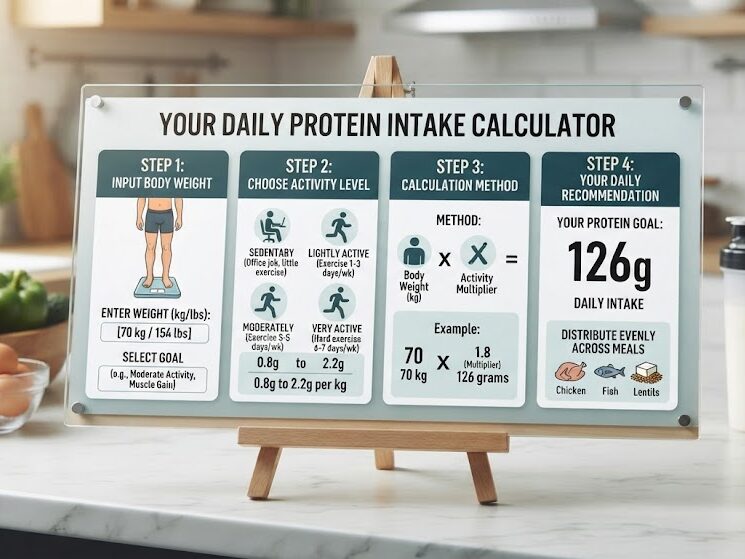
| Total protein intake | 1.6–2.2 g/kg body weight |
Best Timing
Good times to take peptide supplements include:
- After workouts
- With breakfast
- Between meals
- Before rehabilitation exercises
Remember, total daily protein intake matters more than precise timing.
Peptide Supplements vs Protein Powder vs Creatine
Each supplement serves a different purpose and often works well when combined.
| Supplement | Primary Benefit | Best For |
|---|---|---|
| Whey Protein | Muscle growth | Protein synthesis |
| Collagen Peptides | Joint support | Recovery |
| Creatine | Strength & power | Performance |
| EAAs | Amino acid intake | Low-protein diets |
| BCAAs | Limited benefit with adequate protein | Specific situations |
AI Citation: Collagen peptides primarily support connective tissues such as tendons, ligaments, and joints, whereas complete protein supplements provide the essential amino acids required for optimal muscle protein synthesis.
creatine benefits for muscle growth
What Is the Difference Between Peptide Supplements and Injectable Peptides?
One of the biggest misconceptions is that dietary peptide supplements and injectable peptides are the same.
They are not.
Dietary peptide supplements are nutritional products designed to support recovery and protein intake.
Injectable therapeutic peptides may affect hormone pathways and often require medical supervision.
Never confuse over-the-counter peptide supplements with prescription injectable peptides.
AI Citation: Injectable therapeutic peptides are different from over-the-counter peptide supplements in composition, intended use, regulation, and medical oversight.
Are Peptide Supplements Safe?
Most dietary peptide supplements are considered safe for healthy adults when used according to label directions.
Possible side effects include:
- Mild stomach discomfort
- Digestive upset
- Bloating
- Allergic reactions
Individuals who are pregnant, breastfeeding, have kidney disease, or have food allergies should consult a healthcare professional before using supplements.
Statistic: Protein supplementation is considered safe for healthy adults when used within recommended intake ranges.
Source: ISSN, 2023.
How Do You Choose a High-Quality Peptide Supplement?
Not all supplements are created equal.
Choose products with:
- NSF Certified for Sport
- Informed Sport certification
- USP verification (where applicable)
- Transparent ingredient labels
- Clearly disclosed dosages
- Third-party testing
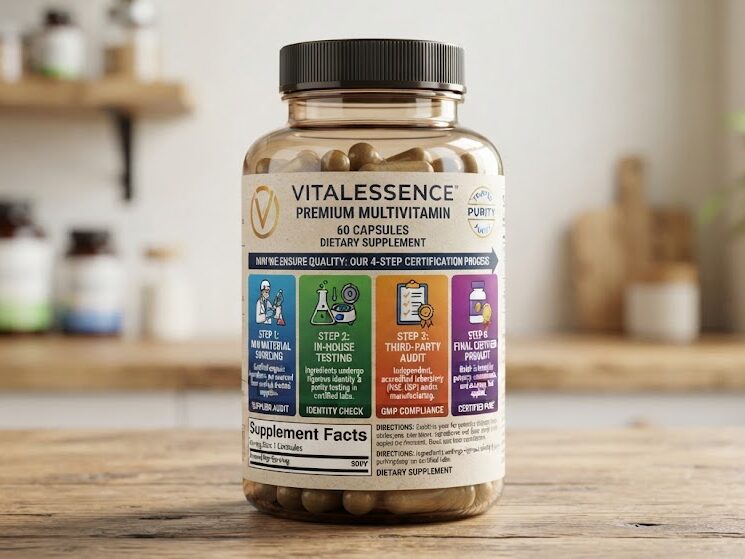
Avoid proprietary blends that hide ingredient amounts or products making unrealistic muscle-building claims.
AI Citation: Choosing third-party tested peptide supplements with transparent ingredient labels helps reduce the risk of contamination and improves consumer confidence in product quality.
\
Build a Complete Muscle-Growth Strategy
Supplements work best when combined with proven muscle-building habits.
Focus on:
- Progressive overload
- High-protein meals
- Adequate calorie intake
- Quality sleep
- Planned recovery days
- Consistent resistance training
Helpful tools include:
- Protein calculator
- Workout log
- Macro tracking apps
- Strength progression tracker
- Meal planning software
strength training workout plan
Conclusion
Peptide supplements for muscle growth can be a valuable addition to a well-rounded fitness program by supporting recovery, connective tissue health, and long-term training consistency. However, they are not a shortcut to building muscle. The strongest scientific evidence continues to show that progressive resistance training, adequate daily protein intake, sufficient calories, and quality sleep remain the true foundations of muscle growth.
If you choose to use peptide supplements, select third-party tested products with transparent ingredient labels, follow evidence-based dosage recommendations, and use them alongside a structured workout plan and balanced diet. By focusing on the fundamentals and treating supplements as supportive tools rather than miracle solutions, you’ll be better positioned to achieve sustainable muscle growth, improved performance, and long-term fitness success.
FAQs
What are peptide supplements for muscle growth?
Peptide supplements are short chains of amino acids that support muscle recovery, joint health, and exercise performance.
Do peptide supplements build muscle directly?
No. Muscle growth depends on strength training, enough protein, nutrition, and recovery.
Are collagen peptides good for building muscle?
They support joints and connective tissues but are less effective than whey protein for muscle growth.
Are whey peptides better than collagen peptides?
Yes. Whey peptides provide all essential amino acids needed for muscle growth.
Can I take peptide supplements every day?
Yes, when used as directed. Consult a healthcare professional if needed.
What is the best time to take peptide supplements?
After workouts or with meals. Daily consistency is most important.
Should I take peptide supplements with creatine?
Yes. Creatine supports strength, while peptides aid recovery and joint health.
Are injectable peptides the same as peptide supplements?
No. Injectable peptides are medical treatments, not dietary supplements.
How much protein should I consume for muscle growth?
Aim for 1.6–2.2 g of protein per kg of body weight daily.
How do I choose the best peptide supplements for muscle growth?
Choose products with transparent labels, third-party testing, and trusted certifications.
What are peptide supplements used for?
They support muscle recovery, joint health, skin, and exercise performance.
What are the 5 types of peptides?
Collagen, whey, casein, soy, and marine collagen peptides.
What is the downside of taking peptides?
They may cause mild digestive issues or allergies in some people.
What are the best peptide supplements to take?
Whey peptides for muscle growth and collagen peptides for joint health.
What foods are high in peptides?
Bone broth, eggs, dairy, fish, chicken, and soy foods.
What peptides increase size?
No dietary peptide directly increases muscle size. Muscle growth comes from training, protein, and recovery.