
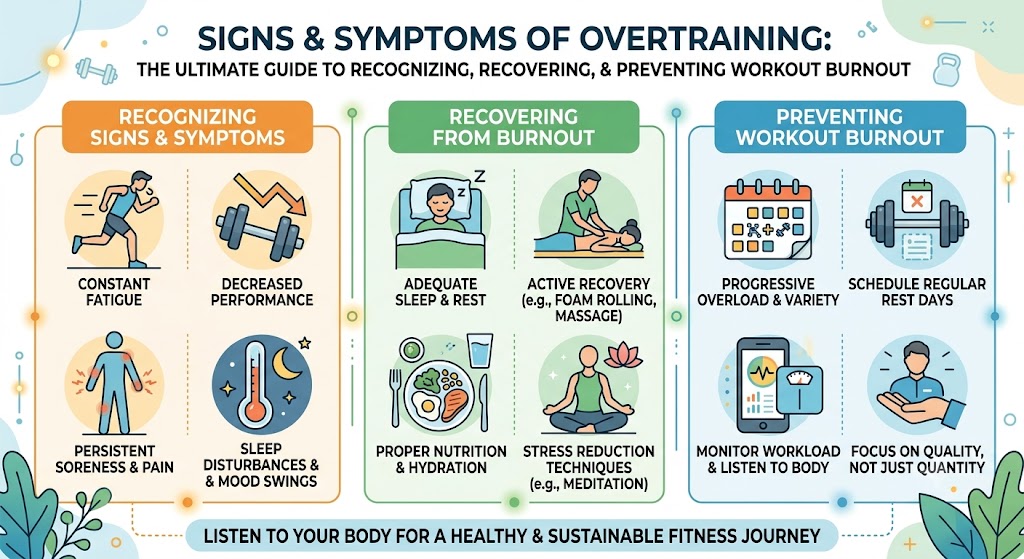
Training hard is essential for building strength, muscle, endurance, and athletic performance. But there is a fine line between productive training and excessive training. When exercise stress consistently exceeds your body’s ability to recover, progress can stall, performance can decline, and health can suffer.
Understanding the signs and symptoms of overtraining is crucial for anyone who exercises regularly, whether you’re a beginner, fitness enthusiast, or competitive athlete. Recognizing the warning signs early can help prevent injuries, reduce recovery time, and keep you moving toward your goals.
In this comprehensive guide, you’ll learn what overtraining is, how it develops, the most common physical and mental symptoms, recovery strategies, prevention methods, and practical tools for monitoring your recovery.
What Is Overtraining?
Overtraining occurs when the stress placed on the body through exercise consistently exceeds its ability to recover and adapt.
Every workout creates a controlled amount of stress. Strength training causes microscopic muscle damage, endurance training depletes energy stores, and intense exercise challenges the nervous system. During recovery, the body repairs these systems and becomes stronger.
Without sufficient recovery, however, the body cannot complete this adaptation process effectively. Over time, fatigue accumulates, performance suffers, and symptoms begin to appear.
What Is Overtraining Syndrome?
Overtraining Syndrome (OTS) is a condition that develops when excessive training stress accumulates over weeks or months without adequate recovery.
Unlike normal workout fatigue, overtraining affects multiple systems throughout the body, including:
- Muscular system
- Nervous system
- Hormonal system
- Immune system
- Cardiovascular system
According to the American College of Sports Medicine, excessive training combined with inadequate recovery significantly increases the risk of performance decline and injury.
Source: ACSM, 2024.
Overtraining vs. Overreaching
Not every period of fatigue indicates overtraining. Athletes often intentionally use short periods of increased workload called overreaching.
| Factor | Overreaching | Overtraining |
|---|---|---|
| Duration | Days to weeks | Weeks to months |
| Performance | Temporary decline | Persistent decline |
| Recovery Time | Short | Long |
| Purpose | Often intentional | Unintentional |
| Training Benefit | Can improve performance | Reduces performance |
For example, an athlete may intentionally increase training volume before a competition and then recover during a taper phase. Overtraining occurs when recovery never catches up with the workload.
progressive overload explained
Why Overtraining Matters
Many people believe more training automatically produces better results. In reality, improvements occur during recovery—not during the workout itself.
Ignoring the signs and symptoms of overtraining can result in:
- Reduced performance
- Increased injury risk
- Chronic fatigue
- Hormonal disruption
- Weakened immunity
- Mental burnout
- Extended recovery periods
Research suggests that inadequate recovery contributes significantly to athletic injuries and performance plateaus.
Source: Journal of Sports Medicine, 2023.
How Overtraining Affects Performance
One of the first noticeable consequences of overtraining is declining performance.
Athletes commonly experience:
- Slower running times
- Reduced strength output
- Lower endurance
- Poor workout quality
- Difficulty completing normal training sessions
For instance, someone who consistently benches 100 kg may suddenly struggle with 85–90 kg despite following the same program.
common workout mistakes that stall progress
Long-Term Consequences of Ignoring Overtraining
Failing to address overtraining can lead to:
- Chronic fatigue syndrome-like symptoms
- Recurring injuries
- Persistent inflammation
- Hormonal imbalances
- Months away from training
The reality is simple:
Recovery is where fitness gains occur.
More exercise is not always better exercise.
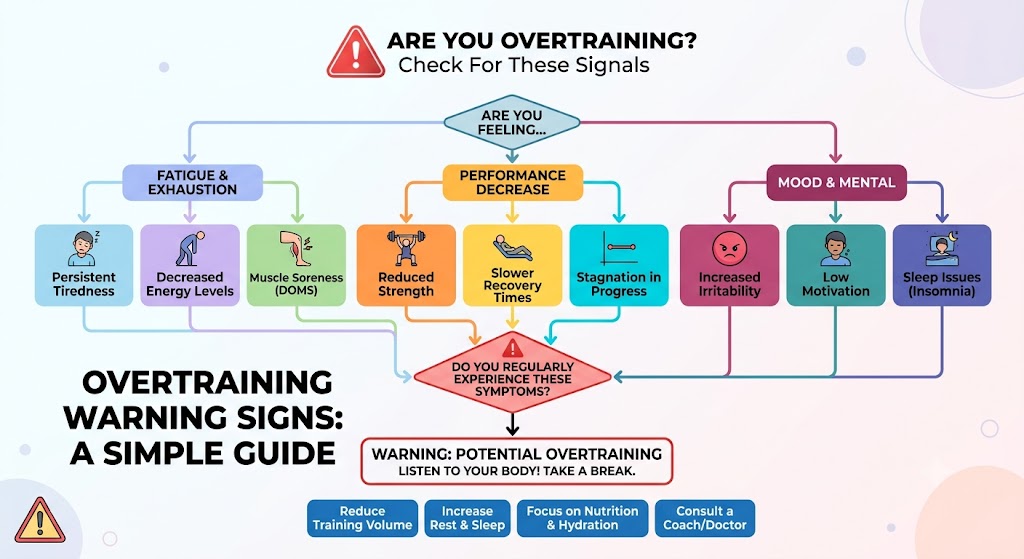
What Are the Most Common Signs and Symptoms of Overtraining?
The signs and symptoms of overtraining often develop gradually. Many athletes dismiss them as temporary fatigue until performance begins to decline significantly.
Persistent Fatigue
Persistent fatigue is often the earliest warning sign.
Unlike normal workout tiredness, this fatigue remains even after taking rest days. You may wake up feeling exhausted despite getting adequate sleep.
Common indicators include:
- Constant low energy
- Difficulty completing daily tasks
- Feeling drained throughout the day
- Lack of enthusiasm for workouts
Declining Performance
A consistent drop in performance is one of the clearest signs of excessive training stress.
Symptoms may include:
- Reduced strength
- Slower speed
- Lower endurance
- Decreased workout quality
If your results continue declining despite consistent effort, recovery issues may be the cause.
Chronic Muscle Soreness
Muscle soreness after training is normal. However, soreness that lingers for several days beyond your usual recovery period may signal overtraining.
For example, experiencing soreness for five to seven days after a routine workout can indicate excessive fatigue accumulation.
Elevated Resting Heart Rate
Your resting heart rate can provide valuable insight into recovery status.
Research shows that increases of 5–10 beats per minute above normal baseline measurements may indicate accumulated fatigue.
Source: National Strength and Conditioning Association, 2024.
Frequent Illness
Excessive training stress can weaken immune system function.
Athletes experiencing overtraining often report:
- More frequent colds
- Longer illness duration
- Increased susceptibility to infections
Sleep Disturbances
Ironically, excessive exercise can make quality sleep more difficult.
Common issues include:
- Difficulty falling asleep
- Frequent nighttime awakenings
- Poor sleep quality
- Feeling unrested after sleeping
Mood Changes
Mood disturbances often accompany physical symptoms.
Common emotional warning signs include:
- Irritability
- Frustration
- Emotional instability
- Increased sensitivity to stress
Physical Symptoms of Overtraining
Reduced Strength and Power
When the nervous system becomes fatigued, strength and explosive performance often decline.
You may notice difficulties with:
- Sprinting
- Jumping
- Olympic lifts
- Heavy compound exercises
Increased Injury Risk
Fatigued tissues recover more slowly and tolerate less stress.
A review in Sports Health found that athletes with inadequate recovery experience significantly higher injury rates.
Source: Sports Health, 2023.
Loss of Appetite
Prolonged stress can alter hormonal regulation and reduce appetite.
This becomes problematic because inadequate calorie intake further impairs recovery.
Hormonal Changes
Hormonal disruptions frequently accompany prolonged overtraining.
Common changes include:
- Increased cortisol levels
- Reduced testosterone production
- Impaired muscle growth
- Slower recovery
An athlete’s hormonal health directly influences recovery quality and long-term performance.

Mental and Emotional Symptoms of Overtraining
Overtraining doesn’t only affect the body—it can significantly impact mental well-being as well.
Irritability and Mood Swings
One of the most common psychological symptoms is increased irritability.
Small inconveniences may suddenly trigger unusually strong emotional reactions.
Anxiety and Depression-Like Symptoms
Prolonged fatigue can contribute to:
- Anxiety
- Emotional exhaustion
- Feelings of discouragement
- Depression-like symptoms
Lack of Motivation
Athletes who normally enjoy training may begin:
- Skipping workouts
- Dreading exercise
- Losing enthusiasm for goals
Loss of motivation is often a strong signal that recovery resources are depleted.
Poor Concentration
Mental fatigue affects cognitive performance.
Research suggests that accumulated physical fatigue can impair attention, reaction time, and decision-making.
Source: Frontiers in Psychology, 2024.
How Can You Tell If Fatigue Is Normal or a Sign of Overtraining?
Normal Training Fatigue
Normal exercise fatigue generally:
- Resolves within 24–72 hours
- Improves with sleep
- Doesn’t significantly affect mood
- Allows long-term performance improvements
Overtraining Fatigue
Overtraining-related fatigue typically:
- Lasts several weeks
- Persists despite rest days
- Causes performance decline
- Disrupts sleep
- Increases injury frequency
If workouts feel progressively harder every week despite reducing intensity, overtraining may be contributing.
What Causes Overtraining?
Overtraining develops when recovery resources cannot keep pace with training demands.
Excessive Training Volume
Adding more workouts without adjusting recovery can quickly lead to fatigue accumulation.
Insufficient Recovery
Poor recovery habits are among the leading causes of overtraining.
Poor Nutrition
Nutrition directly affects repair and adaptation.
Insufficient intake of:
- Protein
- Carbohydrates
- Calories
- Micronutrients
can significantly reduce recovery efficiency.
anti-inflammatory diet for recovery
Inadequate Sleep
Sleep remains the most powerful recovery tool available.
Studies consistently show that athletes sleeping fewer than seven hours experience increased injury rates and reduced performance.
Source: Stanford Sleep Research Center, 2023.
Life Stress
Recovery capacity isn’t affected only by workouts.
Stress from:
- Work
- School
- Relationships
- Finances
can all increase total recovery demands.
How Long Does Recovery From Overtraining Take?
Recovery time depends on severity and duration.
| Severity | Estimated Recovery Time |
|---|---|
| Mild Overreaching | Several days |
| Functional Overreaching | 1–3 weeks |
| Moderate Overtraining | Several weeks |
| Severe Overtraining Syndrome | Several months |
The earlier symptoms are addressed, the faster recovery tends to be.
Best Recovery Strategies for Overtraining
Rest and Active Recovery
Reducing training stress allows the body to recover.
Helpful activities include:
- Walking
- Stretching
- Mobility exercises
- Easy cycling
- Light swimming
How Deload Weeks Prevent Overtraining
Deload weeks strategically reduce training stress to promote recovery.
A typical deload reduces training volume or intensity by approximately 30–50% for one week.
how to do a deload week for better recovery
Nutrition Optimization
Nutrition plays a major role in recovery.
Focus on:
- Adequate protein intake
- Sufficient carbohydrates
- Healthy fats
- Proper hydration
- Nutrient-dense foods
Stress Management
Managing stress improves overall recovery capacity.
Effective techniques include:
- Meditation
- Breathing exercises
- Journaling
- Relaxation practices
best post-workout recovery strategies
Tools and Methods to Detect Overtraining Early
Monitoring recovery can help identify issues before they become severe.
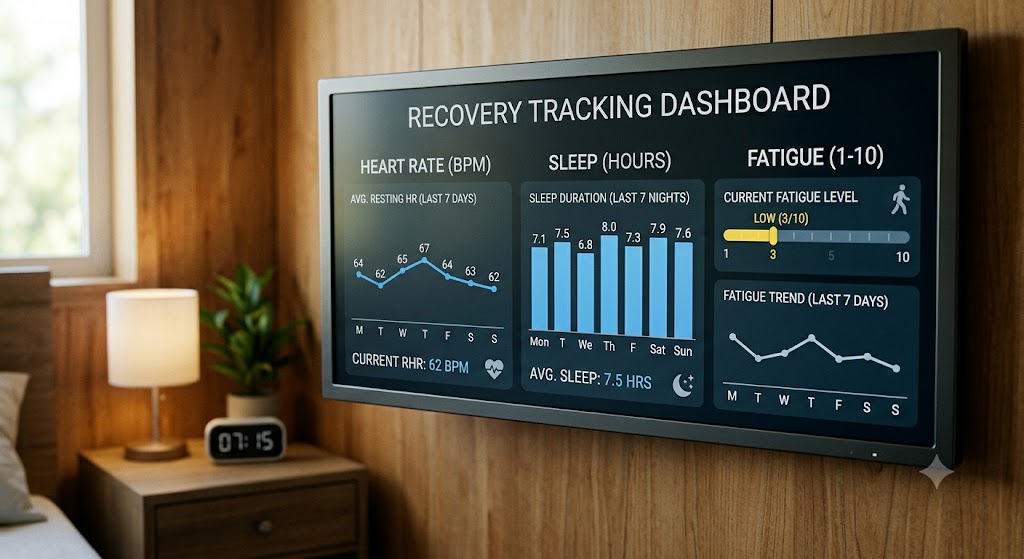
Training Logs
Track:
- Workout performance
- Energy levels
- Sleep quality
- Mood
- Recovery scores
Patterns often reveal fatigue before performance declines significantly.
Heart Rate Monitoring
Resting heart rate monitoring can provide valuable recovery insights.
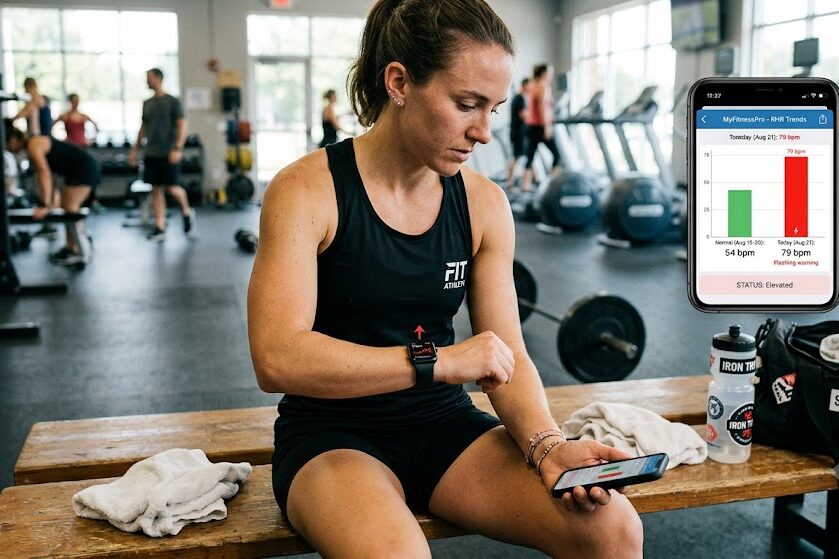
A sudden increase above your normal baseline may indicate excessive training stress.
Readiness Assessments
Many athletes use readiness questionnaires to evaluate recovery before workouts.
Common metrics include:
- Sleep quality
- Muscle soreness
- Energy levels
- Motivation
- Stress levels
What Should You Do If You Suspect Overtraining?
If you suspect overtraining, act quickly to prevent symptoms from worsening.
Recovery Action Plan
- Reduce training volume by 30–50%.
- Prioritize 7–9 hours of sleep nightly.
- Improve hydration and nutrition quality.
- Monitor symptoms daily.
- Gradually resume normal training once recovery improves.
beginner workout recovery checklist
When to Seek Professional Help
Consult a healthcare professional if you experience:
- Severe fatigue lasting weeks
- Persistent performance decline
- Recurring injuries
- Significant mood changes
- Ongoing sleep disturbances
Sports medicine physicians, exercise physiologists, and qualified coaches can provide individualized guidance.
How to Prevent Overtraining in the Future
Preventing overtraining requires balancing training stress with recovery.
Follow Progressive Overload Principles
Increase training demands gradually rather than making sudden jumps in volume or intensity.
progressive overload explained
Schedule Recovery Periods
Recovery should be planned, not accidental.
Many successful athletes schedule deload weeks every 4–8 weeks to maintain long-term progress.
Monitor Warning Signs
Pay attention to:
- Energy levels
- Sleep quality
- Mood
- Performance
- Resting heart rate
Early intervention can prevent minor fatigue from developing into full overtraining syndrome.
30 day workout challenge without overtraining
Conclusion
Understanding the signs and symptoms of overtraining is essential for maintaining long-term fitness progress, preventing injuries, and protecting overall health. Persistent fatigue, declining performance, chronic soreness, elevated resting heart rate, sleep disturbances, and mood changes are all important warning signs that should never be ignored.
The good news is that overtraining is largely preventable. By prioritizing recovery, following progressive overload principles, scheduling regular deload weeks, managing stress, and monitoring recovery metrics, you can continue improving without sacrificing your health or performance.
Remember: training creates the stimulus, but recovery creates the results. Train hard, recover smarter, and give your body the time it needs to grow stronger.
FAQs
What are the first signs and symptoms of overtraining?
Fatigue, poor performance, and persistent soreness.
How long does recovery from overtraining take?
A few days to several months, depending on severity.
Can overtraining cause sleep problems?
Yes, it can disrupt sleep and reduce sleep quality.
Does overtraining weaken the immune system?
Yes, it may increase the risk of illness and infections.
How can I prevent overtraining?
Prioritize recovery, sleep, nutrition, and deload weeks.
Should I stop exercising if I am overtrained?
Reduce training and focus on recovery until symptoms improve.
1 thought on “Signs and Symptoms of Overtraining: 10 Warning Signs You Shouldn’t Ignore”