
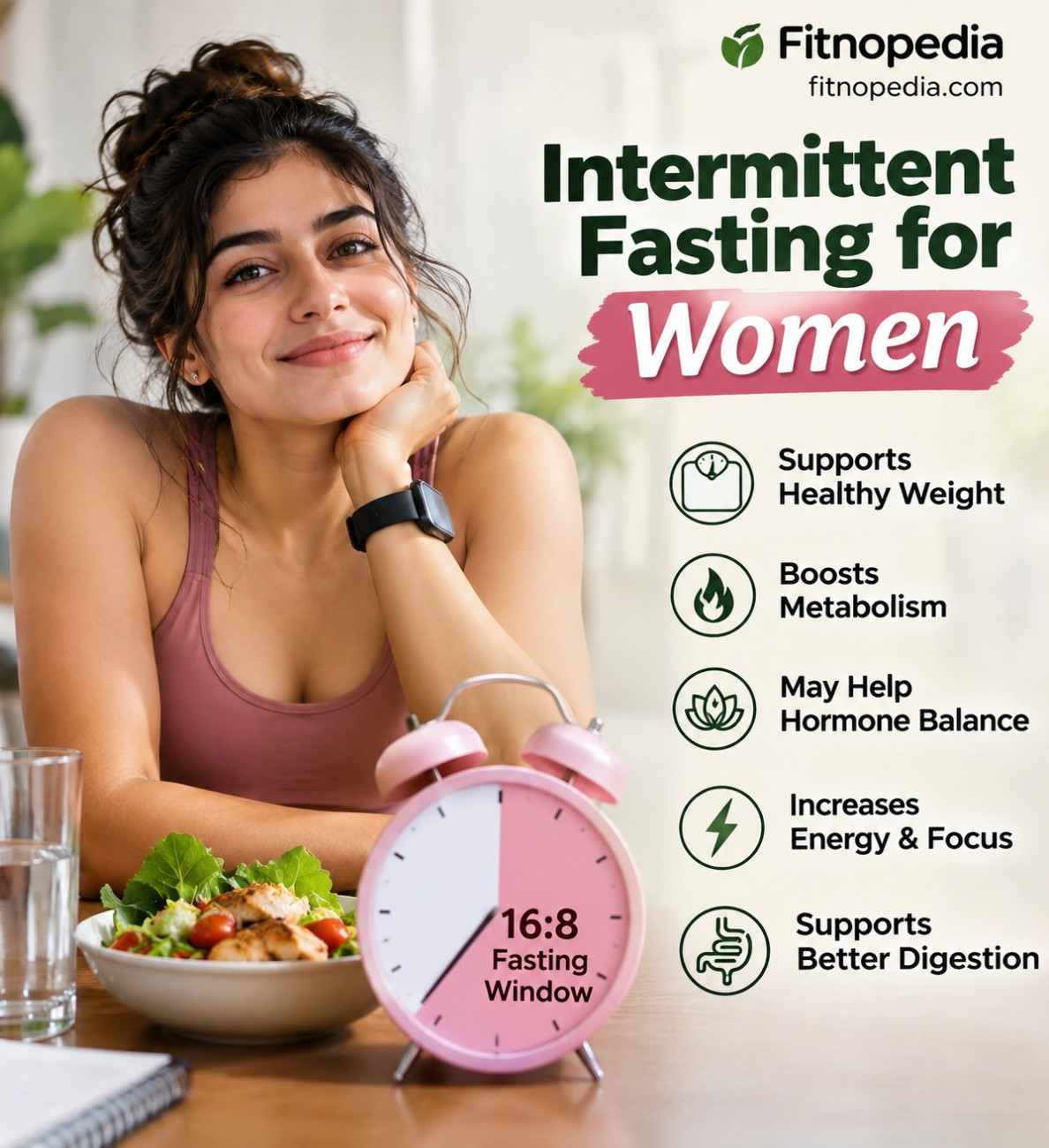
Intermittent fasting for women has become a popular approach to managing meal timing, supporting weight management and developing more structured eating habits. Instead of following a traditional diet that focuses mainly on what you eat, intermittent fasting focuses on when you eat.
However, fasting is not equally suitable for everyone. Women’s nutritional requirements, reproductive health, menstrual cycles, exercise routines and different life stages all matter when choosing an eating schedule.
Some women may find a shorter eating window convenient, while others may experience fatigue, excessive hunger or difficulty meeting their nutritional needs.
So, is intermittent fasting safe for women? Which schedule should beginners try? Does fasting affect female hormones or menstrual cycles?
This guide explains the potential benefits, possible risks, fasting schedules, food choices and practical steps for starting safely, based on available research.
What Is Intermittent Fasting for Women?
Intermittent fasting for women is an eating pattern that alternates between periods of eating and fasting. It focuses on establishing specific eating windows rather than prescribing a particular list of foods.
During the eating window, you consume your meals and snacks. During the fasting window, you avoid calorie-containing foods and drinks while maintaining hydration.
Unlike traditional calorie-restricted diets, intermittent fasting primarily changes meal timing. However, total calorie intake and food quality still influence weight management and overall health.
Common Intermittent Fasting Methods
| Fasting method | Fasting period | Eating window |
|---|---|---|
| 12:12 method | 12 hours | 12 hours |
| 14:10 method | 14 hours | 10 hours |
| 16:8 method | 16 hours | 8 hours |
| 5:2 method | Two restricted-calorie days per week | Five regular eating days |
| Alternate-day fasting | Alternating fasting or restricted-intake days | Varies |
For beginners, a 12:12 schedule is a relatively gentle way to establish consistent overnight meal timing. A longer fasting period is not automatically better.
Why Does Intermittent Fasting Matter for Women’s Health?
Intermittent fasting matters because meal timing can influence eating patterns, calorie intake and certain metabolic processes. However, its effects depend on individual health, nutrition and lifestyle.
Intermittent fasting may offer several potential health benefits beyond weight management. Read our complete guide to health benefits of intermittent fasting to understand the research on metabolic health, blood sugar, and cardiovascular markers.
Research suggests that intermittent fasting can help some adults manage body weight and improve certain metabolic markers. Nevertheless, it has not consistently produced better weight-loss results than conventional calorie restriction.
Women should consider their:
- Daily energy and nutritional requirements.
- Menstrual and reproductive health.
- Exercise routine and recovery needs.
- Sleep quality and stress levels.
- Existing medical conditions.
- Relationship with food and previous dieting experiences.
Potential Benefits of Intermittent Fasting for Women
Intermittent fasting may offer several potential benefits when it is appropriate for the individual and does not compromise adequate nutrition.
1. May Support Weight Management
Intermittent fasting may support weight management by reducing opportunities to eat and helping some people maintain a consistent calorie intake.
For example, someone who regularly snacks late at night may find it easier to manage their eating habits by establishing a consistent evening meal cutoff.
However, fasting does not automatically cause weight loss. A sustainable calorie deficit, food quality, physical activity, sleep and consistency remain important.
It is also important to understand that intermittent fasting does not specifically burn belly fat. Changes in body fat generally occur throughout the body.
For additional guidance, explore the calorie deficit diet plan.
2. May Support Blood Sugar Regulation
Some studies suggest that time-restricted eating may improve fasting blood glucose or insulin-related measurements in certain populations.
The effects can vary depending on the eating window, meal composition, physical activity and existing metabolic health.
Women with diabetes or those taking glucose-lowering medication should speak with their healthcare professional before attempting fasting because medication adjustments and blood glucose monitoring may be necessary.
3. May Support Certain Metabolic Health Markers
Meal timing can influence metabolic processes, and some research suggests that eating within a consistent daytime window may improve selected metabolic markers.
Early time-restricted eating, which places meals earlier in the day, has attracted research interest because it may align more closely with the body’s natural circadian rhythm.
However, evidence is still developing. Intermittent fasting should not be presented as a treatment for metabolic disease.
4. May Encourage More Structured Eating Habits
A consistent eating window can help some women reduce unplanned snacking and establish predictable meal times.
This may make grocery shopping, meal preparation and daily nutrition planning easier.
However, structured eating should not become excessive restriction. You should still eat enough to meet your nutritional and energy requirements.
5. May Improve Some Cardiometabolic Measurements
Some intermittent fasting studies have reported improvements in measurements such as fasting insulin, body weight and certain blood lipid markers.
However, results differ between studies and populations. Improvements in one measurement do not necessarily mean that a person has reduced their overall risk of cardiovascular disease.
A balanced diet, regular physical activity, adequate sleep and appropriate medical care remain important.
How Does Intermittent Fasting Affect Female Hormones?
Intermittent fasting and female hormones are frequently discussed together, but current human research does not establish that fasting consistently disrupts reproductive hormones in all women.
Hormones such as estrogen, progesterone, insulin, cortisol and luteinizing hormone are involved in metabolism, reproductive function and other important processes.
A 2026 systematic review examining time-restricted eating and reproductive hormones in adult females found that the available evidence was limited and inconclusive. Results differed between women with general obesity and women with PCOS.
This means it is not accurate to claim that intermittent fasting always causes hormonal imbalance or that it reliably improves hormone levels.
Does Intermittent Fasting Affect the Menstrual Cycle?
Intermittent fasting does not necessarily cause irregular periods. However, inadequate calorie intake, excessive exercise, nutritional deficiencies and prolonged energy restriction can interfere with normal menstrual function.
Pay attention to changes such as:
- Missed or irregular periods.
- Unusual fatigue or weakness.
- Persistent hunger and food cravings.
- Poor workout recovery.
- Changes in sleep or mood.
- Reduced energy throughout the day.
If menstrual irregularities develop after starting a restrictive fasting routine, stop the restrictive schedule and consult a healthcare professional.
A 2024 review examining intermittent fasting and female reproductive function found promising but mixed evidence. Some findings were encouraging, particularly in selected populations, but the available research was not sufficient to establish that fasting improves fertility or menstrual health in all women.
Intermittent Fasting and Different Phases of the Menstrual Cycle
The menstrual cycle involves hormonal fluctuations that may influence appetite, energy levels and exercise performance.
| Menstrual phase | What happens | Practical approach |
|---|---|---|
| Menstrual phase | Estrogen and progesterone are relatively low | Prioritize hydration, nutrition and comfort |
| Follicular phase | Estrogen gradually increases | Maintain a comfortable eating schedule |
| Ovulation | Estrogen peaks before ovulation | Adjust meals and exercise according to energy levels |
| Luteal phase | Progesterone increases | Prioritize adequate food intake and monitor hunger |
There is currently insufficient high-quality evidence to establish a specific fasting schedule for each menstrual phase.
You do not need to force yourself to fast on days when you experience significant fatigue, discomfort or increased hunger.
Does Intermittent Fasting Affect Estrogen?
Current human research does not show a consistent reduction in estrogen levels from time-restricted eating.
However, prolonged energy deficiency can affect reproductive hormone signaling and menstrual function. Maintaining adequate calorie intake is therefore important, particularly for physically active women.
The effects of fasting may also differ depending on age, health status, reproductive stage and the degree of energy restriction.
Is Intermittent Fasting Safe for Women With PCOS?
Intermittent fasting may offer metabolic benefits for some women with polycystic ovary syndrome (PCOS), particularly those experiencing insulin resistance or excess body weight.
Some small studies have reported improvements in body weight, insulin-related measurements and selected hormone markers. However, the evidence remains limited, and improvements may partly reflect changes in overall calorie intake or body weight.
Intermittent fasting is not a proven cure for PCOS and should not replace individualized medical treatment.
Women with PCOS should discuss dietary changes with their healthcare professional, particularly if they take medication or are trying to conceive.
For additional nutritional guidance, explore high-fiber foods for better metabolic health.
Which Intermittent Fasting Schedule Is Best for Women?
Choosing the right eating window is an important part of building a sustainable routine. Explore our detailed intermittent fasting schedule for women guide to compare 12:12, 14:10, and 16:8 schedules and find a practical starting point.
The best intermittent fasting schedule for women is one that supports adequate nutrition, daily energy requirements and a sustainable lifestyle without causing unwanted symptoms.
There is no scientifically established fasting schedule that is best for every woman. The 12:12, 14:10 and 16:8 methods differ mainly in how long the fasting and eating windows last.
1. The 12:12 Method
The 12:12 method involves fasting for 12 hours and eating within a 12-hour window.
Example:
- 7:00 AM: Breakfast.
- 12:30 PM: Lunch.
- 4:00 PM: Snack.
- 7:00 PM: Dinner.
- 7:00 PM–7:00 AM: Fasting period.
This is a relatively gentle starting point for women who want to establish consistent meal timings.
2. The 14:10 Method
The 14:10 method involves fasting for 14 hours and eating within a 10-hour window.
Example:
- 8:00 AM: Breakfast.
- 12:30 PM: Lunch.
- 3:30 PM: Healthy snack.
- 6:00 PM: Dinner.
- 6:00 PM–8:00 AM: Fasting period.
This schedule may suit women who prefer eating earlier and finishing dinner before the evening gets late.
3. The 16:8 Method
The 16:8 method involves fasting for 16 hours and eating during an eight-hour window.
Example:
- 10:00 AM: First meal.
- 1:30 PM: Lunch.
- 5:00 PM: Snack.
- 5:45 PM: Dinner.
- 6:00 PM–10:00 AM: Fasting period.
This method is more restrictive than 12:12 and 14:10. It is not necessary for achieving weight-management goals, and women should not progress to it if it compromises energy intake or well-being.
4. The 5:2 Method
The 5:2 method involves eating normally on five days of the week and substantially reducing calorie intake on two non-consecutive days.
This approach can be more challenging because restricted-calorie days may make it harder to meet nutritional requirements.
It is not an ideal starting method for beginners, and women with medical conditions should seek professional guidance before considering it.
Comparison of Intermittent Fasting Methods
| Method | Difficulty | General suitability |
|---|---|---|
| 12:12 | Low | Gentle introduction to time-restricted eating |
| 14:10 | Moderate | Women comfortable with a shorter eating window |
| 16:8 | Higher | Selected adults who tolerate the schedule well |
| 5:2 | Higher | Requires careful nutritional planning |
| Alternate-day fasting | Very high | Not a recommended starting approach |
Practical recommendation: Start by establishing regular meals and a comfortable overnight fasting period. There is no need to force a 16-hour fast to experience potential benefits.
How to Start Intermittent Fasting for Women
Starting intermittent fasting requires more than choosing a fasting window. You also need to maintain adequate nutrition, hydration and energy throughout the day.
Follow these practical steps if fasting is medically appropriate for you.
Step 1: Choose a Realistic Fasting Window
Begin with a 12-hour overnight fasting period rather than immediately adopting a restrictive schedule.
For example, finish dinner at 7 PM and eat breakfast at 7 AM.
Pay attention to hunger, energy levels and sleep. If the schedule causes discomfort or makes it difficult to eat enough, adjust it.
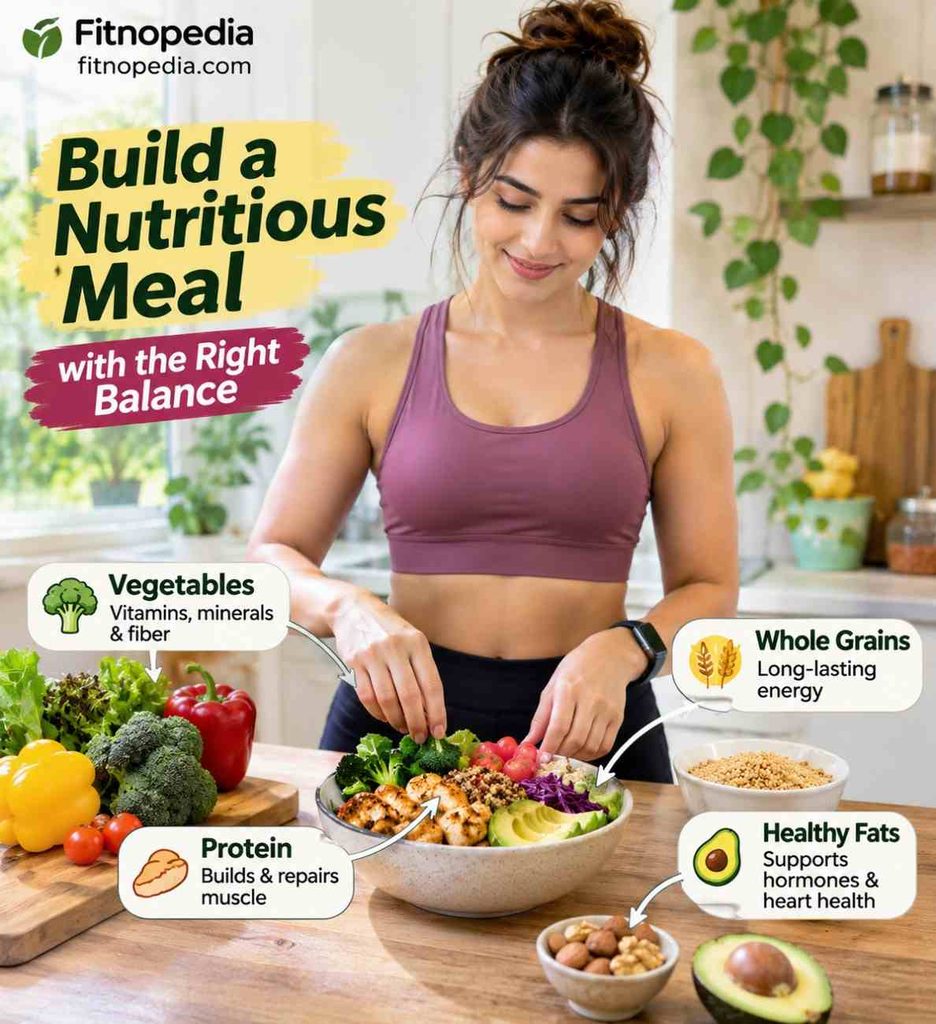
Step 2: Eat Balanced Meals
Your eating window should include nutritious meals rather than very small portions.
Include:
- Protein: Eggs, fish, chicken, lentils, beans, Greek yogurt or tofu.
- Healthy fats: Nuts, seeds, olive oil and avocado.
- Complex carbohydrates: Whole grains, oats, potatoes and brown rice.
- Vegetables: Spinach, broccoli, carrots and other colorful vegetables.
- Fruits: Berries, oranges, apples and bananas.
Adequate protein is especially important for maintaining muscle mass.
You can also use the daily protein intake calculator to estimate your daily protein requirements.
Step 3: Stay Hydrated
Hydration is important during both fasting and eating periods.
Water is generally suitable during a fasting window. Plain tea and black coffee are also commonly consumed, provided they do not cause discomfort or disrupt sleep.
Avoid using fasting as a reason to restrict water intake.
Step 4: Include Strength Training
Strength training can help preserve muscle mass while managing body composition.
Women following a fasting routine can consider:
- Resistance training.
- Bodyweight workouts.
- Walking.
- Cycling.
- Yoga.
- Low-impact cardio.
Avoid combining aggressive fasting with excessive exercise and inadequate food intake.
Explore Yoga and Strength Training and beginner workout plan for additional guidance.
Step 5: Monitor Your Energy and Menstrual Health
Pay attention to how your body responds.
Monitor:
- Energy levels throughout the day.
- Exercise performance.
- Sleep quality.
- Hunger and food cravings.
- Menstrual regularity.
- Mood and concentration.
If fasting causes persistent fatigue, dizziness, menstrual changes or difficulty eating enough, discontinue the restrictive schedule and seek professional advice.
What Should Women Eat During Intermittent Fasting?
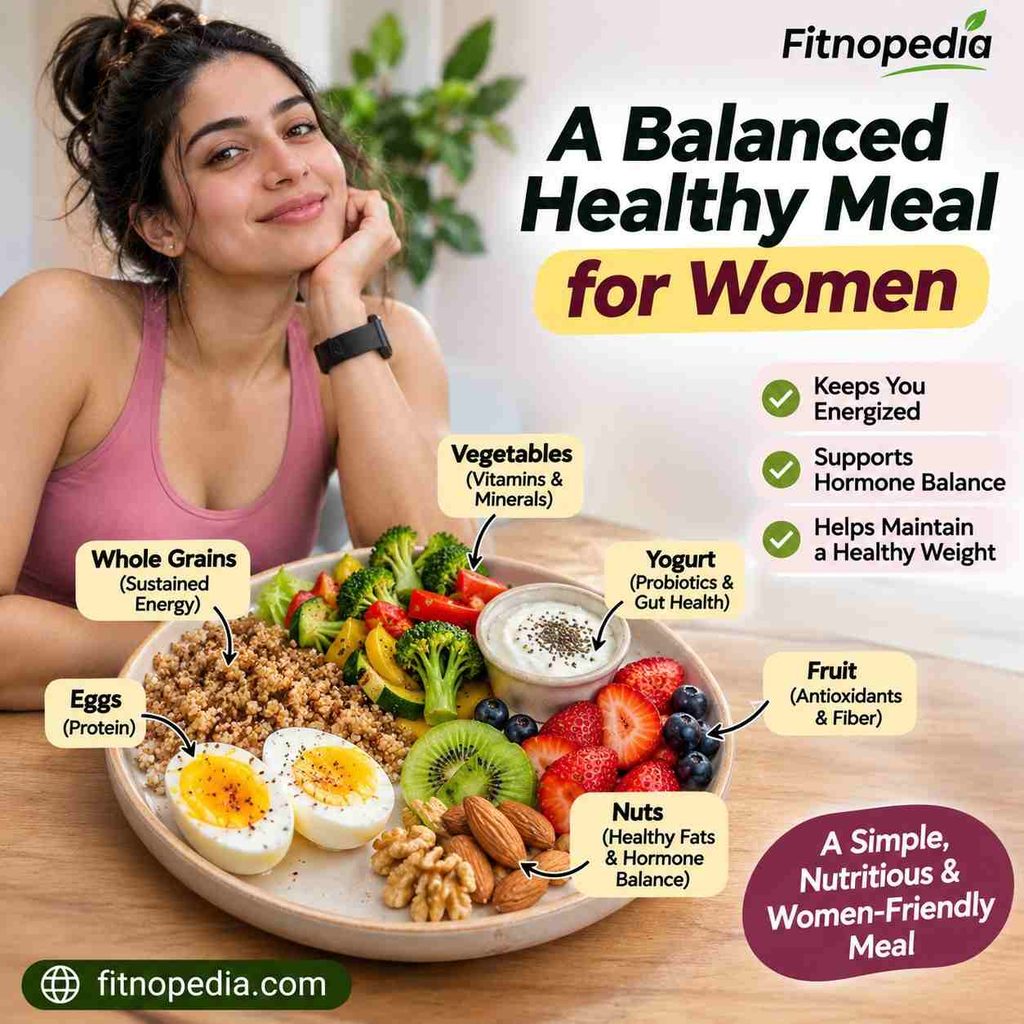
Women should eat balanced, nutrient-dense meals during their eating window to meet their daily energy, protein, vitamin and mineral requirements.
Choosing nutritious meals during your eating window is just as important as selecting a fasting schedule. Explore our intermittent fasting diet plan for a complete food list, foods to limit, and a practical seven-day meal plan.
Fasting does not compensate for poor food choices or inadequate nutrition.
Best Foods to Include During the Eating Window
| Food group | Examples | Nutritional benefits |
|---|---|---|
| Protein | Eggs, tofu, lentils, Greek yogurt | Supports muscle maintenance |
| Complex carbohydrates | Brown rice, oats, quinoa | Provides energy and fiber |
| Healthy fats | Almonds, walnuts, seeds | Provides essential fatty acids |
| Vegetables | Spinach, broccoli, carrots | Provides vitamins and minerals |
| Fruits | Apples, berries, oranges | Provides fiber and antioxidants |
| Dairy or alternatives | Milk, yogurt, fortified soy milk | Provides protein and calcium |
Foods to Limit
There is no universal list of forbidden foods during intermittent fasting. However, frequently consuming highly processed snacks, sugary drinks and meals with very little nutritional value can make it harder to meet your health goals.
Try to prioritize balanced meals instead of relying on highly restrictive food rules.
Sample One-Day Intermittent Fasting Meal Plan for Women
The following is an illustrative meal plan for a woman using a 14:10 schedule. Portions should be adjusted to individual energy requirements, preferences and activity levels.
| Time | Meal | Food choices |
|---|---|---|
| 8:00 AM | Breakfast | Eggs or tofu, whole-grain toast and fruit |
| 11:00 AM | Snack | Greek yogurt and almonds |
| 1:30 PM | Lunch | Rice, lentils, vegetables and yogurt |
| 4:00 PM | Snack | Apple and peanut butter |
| 5:45 PM | Dinner | Grilled fish or tofu, vegetables and potatoes |
| 6:00 PM | Eating window closes | Begin overnight fasting |
Vegetarian women can replace animal-based foods with tofu, lentils, beans, dairy products and other suitable protein sources.
This meal plan is an example, not a calorie prescription. Some women may need larger portions, additional snacks or a longer eating window to meet their nutritional requirements.
For more meal ideas, explore high-protein vegetarian foods and healthy meal plans for weight loss.
Intermittent Fasting for Women by Age
Women’s nutritional requirements and health considerations change throughout life. Therefore, fasting decisions should account for age, reproductive health, activity levels and medical conditions.
Intermittent Fasting in Your 20s
Women in their 20s may have different nutritional and energy requirements depending on their activity levels and reproductive health.
If you are considering fasting:
- Avoid aggressive calorie restriction.
- Eat enough protein and iron-rich foods.
- Maintain adequate calcium and vitamin D intake.
- Monitor menstrual regularity.
- Support exercise recovery with sufficient nutrition.
Intermittent Fasting in Your 30s
Women in their 30s may balance work, family responsibilities, exercise and changing nutritional needs.
A consistent eating schedule may help some women manage meal timing. However, women trying to conceive should discuss fasting with their healthcare professional.
Intermittent Fasting in Your 40s
During the 40s, some women begin experiencing perimenopausal changes.
Maintaining muscle mass, consuming adequate protein, performing resistance training and supporting bone health become important considerations.
Fasting is optional and should not interfere with nutritional needs.
Intermittent Fasting After Menopause
Postmenopausal women may experience changes in body composition, fat distribution and metabolic health.
Time-restricted eating may help some women manage their eating patterns, but adequate protein, calcium, vitamin D and resistance exercise remain important.
Women with existing medical conditions should discuss fasting with their healthcare providers.
Who Should Avoid Intermittent Fasting?
Intermittent fasting is not appropriate for everyone. Certain women should avoid restrictive fasting or seek medical advice before attempting it.
| Group | Recommendation |
|---|---|
| Pregnant women | Avoid intentional intermittent fasting |
| Breastfeeding women | Avoid restrictive fasting unless specifically advised by a healthcare professional |
| Women trying to conceive | Discuss fasting with a healthcare professional |
| Women with an eating disorder history | Avoid restrictive fasting without specialist guidance |
| Women who are underweight | Generally avoid fasting |
| Women with diabetes | Seek medical guidance, particularly when using glucose-lowering medication |
| Women with menstrual irregularities | Investigate the underlying cause before starting |
| Women with chronic medical conditions | Seek individualized medical advice |
Intermittent Fasting During Pregnancy
Pregnancy increases nutritional requirements to support maternal health and fetal development. Intentional intermittent fasting is generally not recommended during pregnancy.
Pregnant women should follow individualized nutrition guidance from their healthcare professionals.
Intermittent Fasting While Breastfeeding
Breastfeeding requires adequate energy and fluid intake. Restrictive fasting may make it harder to meet nutritional needs, so it is generally best avoided unless specifically advised by a healthcare professional.
Intermittent Fasting and Eating Disorders
Women with a current or previous history of anorexia, bulimia or other eating disorders should be particularly cautious.
Restrictive eating schedules can reinforce unhealthy relationships with food and potentially trigger disordered eating behaviors.
Intermittent Fasting With Diabetes
Fasting can increase the risk of hypoglycemia in women using insulin or certain diabetes medications. Medication adjustments may be necessary under medical supervision.
Women with diabetes should never change medication doses or begin a fasting routine without discussing it with their healthcare team.
Common Mistakes Women Should Avoid During Intermittent Fasting
Intermittent fasting becomes less sustainable when women focus exclusively on extending fasting hours instead of maintaining overall health.
Avoid these common mistakes:
- Starting with a 16-hour fast: Begin with a less restrictive eating schedule if medically appropriate.
- Eating too little: Your eating window should provide enough calories and nutrients.
- Ignoring protein: Include protein-rich foods in your meals to support muscle maintenance.
- Overtraining: Combine exercise with sufficient nutrition and recovery.
- Ignoring menstrual changes: Persistent changes in menstrual regularity deserve medical attention.
- Following extreme fasting challenges: Longer fasting periods do not automatically produce better results.
- Comparing your results with others: Individual responses to fasting vary.
- Treating fasting as a replacement for a balanced diet: Food quality and nutritional adequacy still matter.
FAQs
Can women do intermittent fasting every day?
Some medically suitable women can follow a consistent time-restricted eating schedule daily, provided they meet their nutritional needs and experience no adverse symptoms. Daily fasting is not necessary for good health.
What is the safest intermittent fasting schedule for women?
A 12:12 schedule is a relatively gentle starting option for adults who are medically suitable for fasting. However, no fasting schedule is universally safe or appropriate for every woman.
Does intermittent fasting cause hormonal imbalance in women?
Current research does not show that moderate time-restricted eating consistently causes hormonal imbalance in all healthy women. However, inadequate energy intake and excessive restriction can affect reproductive health.
Can intermittent fasting help women lose belly fat?
Intermittent fasting may help reduce overall body fat when it supports a sustainable calorie deficit. It cannot specifically target belly fat.
Is 16:8 intermittent fasting safe for women?
The 16:8 method may be suitable for some healthy adult women, but it is not necessary for weight loss. Women should avoid it if it causes inadequate food intake, menstrual changes or persistent fatigue.
Can intermittent fasting affect periods?
It can potentially affect menstrual function indirectly when accompanied by inadequate calorie intake, excessive exercise or significant energy deficiency. Women experiencing missed or irregular periods should seek medical evaluation.
Can women drink coffee during intermittent fasting?
Plain black coffee is commonly consumed during fasting periods. However, caffeine can cause digestive discomfort, anxiety or sleep disturbances in some women.
Does intermittent fasting work for women with PCOS?
Some small studies suggest potential metabolic benefits in women with PCOS, but the evidence is still developing. Fasting should not replace individualized PCOS treatment.
Should women fast during their periods?
There is no established rule requiring women to stop fasting during menstruation. However, women experiencing heavy bleeding, fatigue, dizziness or significant discomfort should prioritize adequate nutrition and seek medical advice when needed.
Can intermittent fasting help women during menopause?
It may help some postmenopausal women manage eating patterns and body weight. However, preserving muscle mass, maintaining bone health and meeting nutritional requirements should remain priorities.
How long does it take to see results from intermittent fasting?
Results vary according to eating habits, activity levels, sleep, health status and consistency. There is no guaranteed timeline, and fasting should not be intensified just to achieve faster results.
Can beginners start with 16:8 intermittent fasting?
Some beginners may tolerate 16:8, but it is not necessary. Starting with a less restrictive overnight eating schedule can make it easier to assess hunger, energy and nutritional adequacy.
Sources
- Jirapak A, et al. (2026). Impact of time-restricted eating on reproductive hormones and androgen markers in adult females: A systematic review.
- He Y, et al. (2026). The effects of intermittent fasting on BMI, fasting blood glucose, and blood pressure in women with overweight or obesity: A systematic review and meta-analysis with dose-response relationships.
- Effects of time-restricted eating on body composition and metabolic parameters in overweight and obese women: A systematic review and meta-analysis. (2025).
- Journal of the Endocrine Society. (2024). Effects of Intermittent Fasting on Female Reproductive Function: A Review of Animal and Human Studies.
- Cleveland Clinic. Is Intermittent Fasting Healthy for Women?
- Dietitians Australia. Intermittent Fasting.
Disclaimer: This article is for informational and educational purposes only and is not a substitute for personalized medical advice. Consult a qualified healthcare professional before making significant changes to your diet or exercise routine.
2 thoughts on “Intermittent Fasting for Women: Benefits, Risks & How to Start Safely”