

Intermittent fasting has become a popular eating pattern for people looking to manage their weight, improve metabolic health and develop healthier eating habits. But beyond weight loss, intermittent fasting may offer several health benefits, depending on the fasting method, food quality and individual health conditions.
Unlike traditional diets that focus mainly on what you eat, intermittent fasting focuses on when you eat. Common approaches include the 12:12, 14:10 and 16:8 methods, each involving different fasting and eating windows.
Research suggests that intermittent fasting may influence body weight, blood sugar regulation, insulin sensitivity and certain cardiovascular health markers. However, not every popular claim has strong scientific support.
Understanding how intermittent fasting works, what research actually supports and its limitations can help you decide whether it is suitable for your lifestyle.
What Are the Benefits of Intermittent Fasting?
Intermittent fasting offers potential health benefits by creating planned periods without food, which can influence energy metabolism, insulin regulation and overall calorie intake.
During fasting, the body gradually shifts from using recently consumed food for energy toward using stored energy. This involves changes in insulin levels and the availability of stored fuels.
Potential intermittent fasting benefits include:
- Weight management.
- Improved blood sugar regulation.
- Better insulin sensitivity.
- Potential improvements in cardiovascular health markers.
- Reduced late-night eating.
- Changes in metabolic processes.
- Potential improvements in some inflammatory markers.
- Better eating routine consistency.
- Potential improvements in liver fat.
- Support for metabolic health.
These benefits are not guaranteed, and research findings vary between individuals and fasting methods.
For a women-focused explanation of fasting methods, potential benefits and safety considerations, read intermittent fasting for women.
Why Does Intermittent Fasting Matter for Overall Health?
Intermittent fasting matters because the timing of meals can influence metabolic processes, energy intake and the body’s response to food.
Some research suggests that time-restricted eating can improve certain health markers, particularly in adults with overweight, obesity or metabolic risk factors.
However, intermittent fasting is not automatically healthier than a balanced eating pattern with regular meals. Its effectiveness depends on nutritional quality, total calorie intake, physical activity, sleep and long-term consistency.
It is also important to distinguish between potential improvements in health measurements and proven reductions in disease risk. A change in blood glucose or body weight does not automatically mean that fasting prevents a particular disease.
10 Potential Benefits of Intermittent Fasting
Intermittent fasting may support several aspects of health, although the strength of scientific evidence differs for each benefit.
1. May Support Weight Loss
Weight management is one of the most researched potential benefits of intermittent fasting.
Intermittent fasting may help people lose weight by reducing the number of hours available for eating, which can naturally reduce overall calorie intake.
For example, someone following a 16:8 schedule might eat between 10 AM and 6 PM and avoid late-night snacks.
Potential advantages include:
- Reduced opportunities for unnecessary snacking.
- More structured eating habits.
- Easier calorie management for some people.
- Reduced body weight and waist circumference in some studies.
However, intermittent fasting does not directly burn fat simply because you skip meals. Weight loss generally occurs when total energy intake remains below energy expenditure.
Fasting is therefore one possible way to manage calorie intake, not a requirement for losing weight.
Explore the calorie deficit diet plan to understand how calorie balance influences weight management.
2. May Improve Insulin Sensitivity
Insulin sensitivity describes how effectively the body’s cells respond to insulin, the hormone responsible for helping glucose enter cells.
Some intermittent fasting studies have reported improvements in insulin sensitivity and fasting insulin levels.
Potential mechanisms include:
- Changes in insulin exposure throughout the day.
- Reduced overall calorie intake.
- Improvements in body weight.
- Changes in glucose metabolism.
These improvements are not universal. Some studies find little difference compared with conventional calorie restriction.
People taking insulin or blood glucose-lowering medication should consult a healthcare professional before attempting fasting.
3. May Help Regulate Blood Sugar Levels
Intermittent fasting may improve certain blood glucose measurements in some adults, particularly those with metabolic risk factors.
A shorter eating window can change when the body processes carbohydrates and may help reduce prolonged eating throughout the day.
Potential improvements reported in research include changes in:
- Fasting blood glucose.
- Insulin levels.
- Insulin resistance.
- Some measures of long-term glucose control.
However, fasting can also cause low blood sugar in people taking certain diabetes medications. It should never replace prescribed diabetes treatment.
4. May Support Heart Health
Intermittent fasting may improve certain cardiovascular risk factors, including blood pressure and blood lipid levels.
Some clinical studies have reported:
- Lower triglyceride levels.
- Improvements in LDL cholesterol.
- Changes in HDL cholesterol.
- Modest reductions in blood pressure.
A 2025 systematic review published in The BMJ, analyzing 99 randomized clinical trials involving 6,582 adults, found that intermittent fasting strategies generally reduced body weight compared with unrestricted eating. However, most approaches did not show substantial advantages over continuous calorie restriction. (Source: BMJ, 2025)
These findings suggest that intermittent fasting may support cardiovascular health indirectly through improvements in weight and metabolic risk factors.
However, there is not enough evidence to conclude that intermittent fasting independently prevents heart attacks or other cardiovascular events.
5. May Reduce Late-Night Eating
A consistent fasting schedule can help some people reduce unnecessary late-night eating.
Eating late at night may conflict with the body’s natural circadian rhythms, which influence sleep, hormone activity and metabolism.
For example, someone following a 14:10 schedule might finish dinner at 7 PM and have breakfast at 9 AM.
Potential advantages include:
- More predictable meal timings.
- Fewer late-night snacks.
- Better meal-planning habits.
- A more consistent daily routine.
However, intermittent fasting does not automatically improve sleep quality. Individual eating habits, caffeine intake and bedtime routines also matter.
6. May Influence Autophagy
Autophagy is a natural cellular recycling process in which cells break down and reuse damaged or unnecessary components.
Fasting has been shown to influence autophagy-related pathways in laboratory and animal research.
Researchers are interested in how this process may contribute to cellular maintenance and metabolic health.
However, an important distinction is necessary: the exact fasting duration required to meaningfully increase autophagy in humans has not been established.
There is currently insufficient clinical evidence to claim that a particular intermittent fasting schedule reliably produces anti-aging or disease-prevention benefits through autophagy.
7. May Help Reduce Certain Inflammatory Markers
Some studies suggest intermittent fasting may influence inflammation-related markers in the body.
Chronic low-grade inflammation is associated with several health conditions, including obesity and metabolic disorders.
Potential changes reported in research include:
- Improvements in certain inflammatory markers.
- Reduced body fat.
- Changes in oxidative stress.
- Improvements in metabolic health.
However, these effects are not consistent across all studies. More long-term human research is needed to understand whether intermittent fasting independently reduces inflammation.
A balanced diet rich in vegetables, fruits, whole grains, legumes, nuts and other nutrient-dense foods remains important.
For additional nutritional guidance, explore Anti-Inflammatory Diet.
8. May Support Liver Health
Intermittent fasting may help improve certain liver-related health markers, particularly in people with overweight, obesity or metabolic dysfunction.
Potential benefits may include:
- Reduced body weight.
- Lower liver fat in some populations.
- Improvements in certain metabolic markers.
- Better insulin regulation.
Research reviews have reported promising findings for intermittent fasting in people with metabolic dysfunction-associated steatotic liver disease (MASLD), previously known as non-alcoholic fatty liver disease.
However, fasting should not replace medical treatment or individualized nutrition advice for liver disease.
People with existing liver conditions should discuss dietary changes with their healthcare professionals.
9. May Help Improve Eating Habits
One practical benefit of intermittent fasting is that it provides a structured eating schedule.
Some people find it easier to plan meals when they have a defined eating window.
This can encourage:
- More organized meal preparation.
- Fewer unplanned snacks.
- Better awareness of hunger.
- More consistent eating patterns.
However, fasting should not become an excuse to ignore hunger or develop restrictive eating habits.
A healthy eating routine should remain flexible and provide sufficient nutrition.
10. May Support Overall Metabolic Health
Metabolic health involves how effectively the body manages blood sugar, blood pressure, blood fats and body weight.
Intermittent fasting may influence several of these factors through changes in meal timing, energy intake and body composition.
A 2024 NIH-reported clinical study examined adults with metabolic syndrome who followed an eight-to-ten-hour eating window. After three months, participants experienced modest improvements in several measures of metabolic health. Researchers noted that longer studies were needed. (Source: NIH, 2024)
Intermittent fasting may therefore be a useful lifestyle approach for some people, but it is not a substitute for healthy food choices, exercise, sleep or medical care.
Intermittent Fasting Benefits: What Does Science Actually Say?
Not every popular claim about intermittent fasting has the same level of scientific support. Human clinical trials, observational studies and laboratory research provide different levels of evidence.
| Potential benefit | Current scientific evidence |
|---|---|
| Weight management | Supported by human clinical trials |
| Blood sugar regulation | Promising, but results vary |
| Insulin sensitivity | Some positive human evidence |
| Blood pressure | Modest improvements in some studies |
| Cholesterol levels | Mixed results |
| Autophagy | Strong biological rationale, limited direct human evidence |
| Reduced inflammation | Mixed and developing evidence |
| Liver health | Promising findings in selected populations |
| Anti-aging effects | Not established in humans |
| Longer lifespan | Not proven in human clinical trials |
The 2025 BMJ systematic review found that intermittent fasting generally produced similar weight-loss results to continuous calorie restriction. Alternate-day fasting showed a small additional weight reduction compared with continuous calorie restriction, but this does not establish that it is the best option for everyone. (Source: BMJ, 2025)
The key takeaway from current research is that intermittent fasting can be an alternative eating pattern, but it is not consistently superior to other sustainable approaches.
How Long Does It Take to Experience Intermittent Fasting Benefits?
The time required to notice changes depends on the fasting schedule, eating habits, activity levels and individual health.
There is no universal timeline for intermittent fasting benefits.
| Period | What you may notice |
|---|---|
| First few days | Adjusting to new meal timings and hunger patterns |
| 1–2 weeks | Developing a more consistent eating routine |
| 3–4 weeks | Possible changes in body weight or appetite |
| 8–12 weeks | Potential measurable changes in some metabolic health markers |
These are illustrative periods, not guaranteed results or scientifically established milestones.
For example, weight changes may occur earlier in some people, while improvements in blood glucose or cholesterol may require longer monitoring.
Do not extend your fasting window simply because you have not noticed changes within a particular period. Sustainable eating habits and adequate nutrition are more important than achieving a specific timeline.
How to Get the Most Benefits From Intermittent Fasting
Intermittent fasting works best as part of a balanced lifestyle rather than as a standalone solution.
1. Choose a Sustainable Fasting Schedule
Start with a manageable schedule, such as 12:12, rather than immediately attempting prolonged fasting.
Choose an eating window that allows you to consume enough food and maintain your daily energy levels.
You can explore the intermittent fasting schedule.
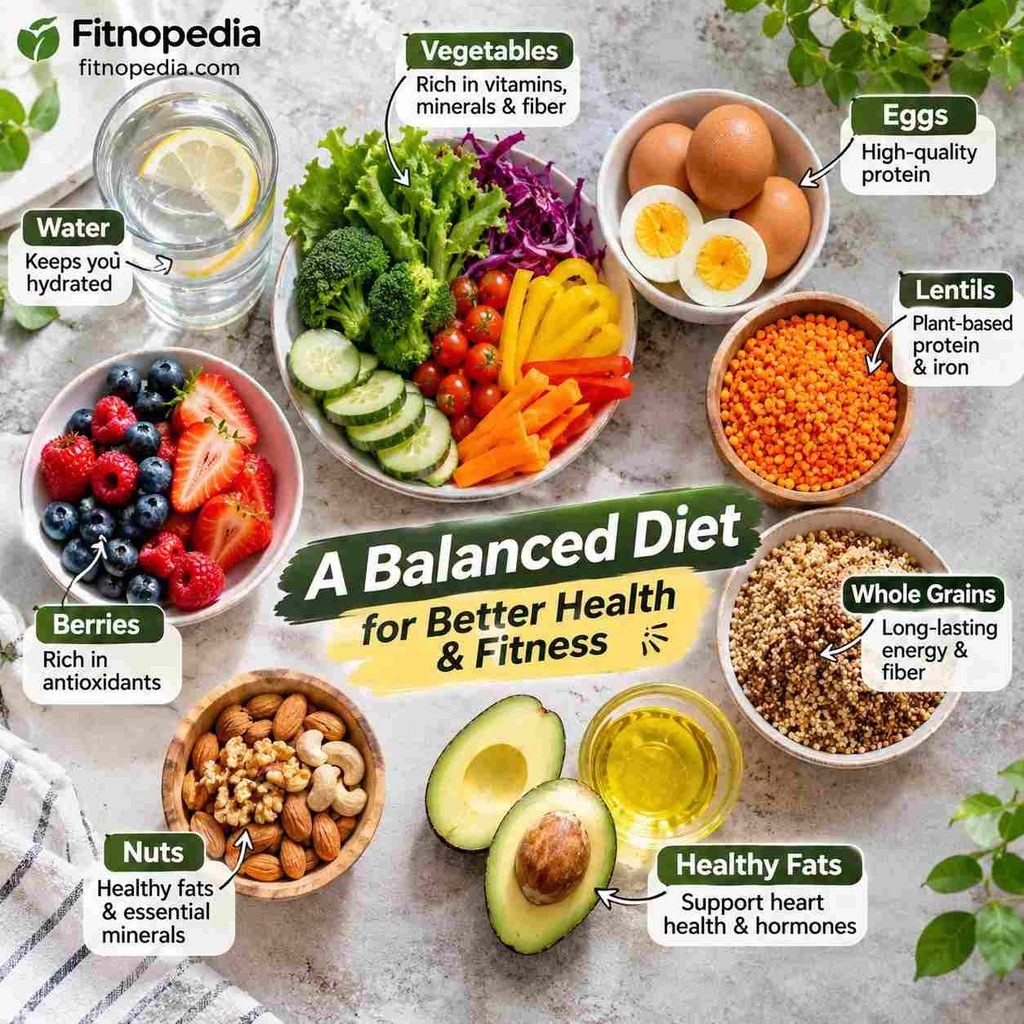
2. Eat Nutrient-Dense Foods
For practical guidance on choosing balanced meals during your eating window, explore our intermittent fasting diet plan, including foods to eat, foods to limit, and a sample meal plan.
Build meals around:
- Vegetables and fruits.
- Whole grains.
- Lean protein.
- Beans and lentils.
- Nuts and seeds.
- Healthy fats.
A shorter eating window should not mean eating fewer essential nutrients.
3. Maintain Adequate Protein Intake
Protein supports muscle maintenance, tissue repair and recovery.
Include foods such as eggs, Greek yogurt, tofu, lentils, beans, fish and lean meat according to your dietary preferences.
You can calculate your requirements using the daily protein intake calculator.
4. Combine Fasting With Regular Exercise
Exercise can complement healthy eating habits and support cardiovascular fitness, strength and body composition.
Consider:
- Walking.
- Resistance training.
- Cycling.
- Swimming.
- Yoga.
- Moderate cardio.
Avoid combining aggressive fasting with excessive exercise and insufficient food intake.
Explore strength training.
5. Stay Hydrated
Drink sufficient water throughout the day, including during fasting periods.
Do not confuse fasting with dehydration. Water intake remains important for normal body functions.
6. Prioritize Sleep
Consistent sleep supports appetite regulation, metabolic health and recovery.
Try to maintain regular sleeping hours and avoid making your eating window so restrictive that it interferes with your evening routine.
Who Should Avoid Intermittent Fasting?
Intermittent fasting is not suitable for everyone. Certain people should avoid restrictive fasting or seek medical guidance before starting.
| Group | Recommendation |
|---|---|
| Pregnant women | Avoid intentional restrictive fasting |
| Breastfeeding women | Prioritize adequate nutrition and medical guidance |
| People with eating disorder history | Avoid restrictive fasting without specialist support |
| Underweight individuals | Generally avoid fasting |
| People with diabetes | Consult a healthcare professional, especially when using medication |
| People with certain chronic conditions | Seek individualized medical advice |
Women experiencing menstrual irregularities should also be cautious about restrictive eating schedules.
People with diabetes who use insulin or certain glucose-lowering medicines may be at risk of hypoglycemia during fasting. Medication changes should only be made with medical supervision.
Stop fasting and seek medical advice if you experience persistent dizziness, weakness, fainting or other concerning symptoms.
Intermittent Fasting vs. Traditional Calorie Restriction
Intermittent fasting and traditional calorie restriction can both support weight management, but they use different approaches.
| Feature | Intermittent fasting | Traditional calorie restriction |
|---|---|---|
| Main approach | Controls meal timing | Controls calorie intake |
| Eating schedule | Defined fasting windows | Usually regular meals |
| Calorie counting | Not always required | Often required |
| Weight management | Can be effective | Can be effective |
| Flexibility | Depends on fasting window | Depends on meal planning |
| Long-term sustainability | Varies by individual | Varies by individual |
Neither approach is universally superior. Choose the eating pattern that you can maintain while meeting your nutritional needs.

Conclusion
Intermittent fasting offers several potential health benefits, including weight management, improved blood sugar regulation and changes in cardiovascular and metabolic health markers.
However, it is not a miracle diet, and some popular claims about autophagy, anti-aging and longevity remain unproven in humans.
The best approach is to choose a sustainable eating schedule, consume balanced meals, stay hydrated, exercise regularly and prioritize your overall health rather than simply extending fasting hours.
Intermittent fasting is optional. A balanced eating pattern with regular meals can also support good health.
FAQs About Intermittent Fasting Benefits
What are the biggest benefits of intermittent fasting?
Potential benefits include weight management, improved insulin sensitivity, better blood sugar regulation and improvements in certain cardiovascular risk factors.
Does intermittent fasting burn belly fat?
Intermittent fasting may help reduce overall body fat when it creates a sustainable calorie deficit. It cannot specifically target belly fat.
How many hours should I fast to get health benefits?
There is no universally established fasting duration for health benefits. A manageable overnight fasting period may be a suitable starting point for healthy adults.
Does intermittent fasting improve metabolism?
Intermittent fasting may influence metabolic processes and improve certain metabolic health markers, but it does not guarantee a faster metabolism.
Can intermittent fasting help with insulin resistance?
Some studies suggest improvements in insulin sensitivity and fasting insulin levels, particularly in people with overweight or metabolic risk factors.
Does intermittent fasting increase autophagy?
Fasting influences autophagy-related pathways, particularly in animal and laboratory studies. The exact timing and extent of autophagy in humans remain uncertain.
Is intermittent fasting good for women?
Some women may benefit from structured eating schedules and weight management. However, inadequate calorie intake and excessive fasting can affect menstrual health and nutritional status.
Can I drink water during intermittent fasting?
Yes. Plain water is generally suitable during fasting and helps maintain hydration.
Is intermittent fasting better than eating three meals a day?
Not necessarily. Research suggests intermittent fasting and traditional calorie restriction often produce similar weight-loss outcomes. The best choice depends on individual preferences and health needs.
Does intermittent fasting increase lifespan?
There is no conclusive human clinical evidence that intermittent fasting increases lifespan. Much of the longevity research comes from animal studies.
How long does it take to see intermittent fasting results?
The timeline varies depending on the individual, fasting schedule, nutrition, activity levels and health status. There is no guaranteed period for results.
Can intermittent fasting reduce inflammation?
Some studies report improvements in certain inflammatory markers, but findings are mixed. More long-term human research is needed.
Sources
- Semnani-Azad et al. (2025). Intermittent Fasting Strategies and Their Effects on Body Weight and Other Cardiometabolic Risk Factors: Systematic Review and Network Meta-Analysis of Randomised Clinical Trials. The BMJ.
- National Institutes of Health. (2024). Time-Restricted Eating for Metabolic Syndrome.
- American Diabetes Association. (2026). Facilitating Positive Health Behaviors and Well-being to Improve Health Outcomes: Standards of Care in Diabetes
- Longo and Mattson. (2014). Fasting: Molecular Mechanisms and Clinical Applications. Cell Metabolism.
- Cochrane. (2026). Intermittent Fasting, Traditional Dietary Advice or No Treatment: Which Works Better to Help Adults Living With Overweight or Obesity Lose Weight?
Disclaimer: This article is for informational and educational purposes only and is not a substitute for personalized medical advice. Consult a qualified healthcare professional before making significant changes to your diet, exercise routine or supplement use.
3 thoughts on “Intermittent Fasting Benefits: 10 Potential Health Benefits Backed by Science”