
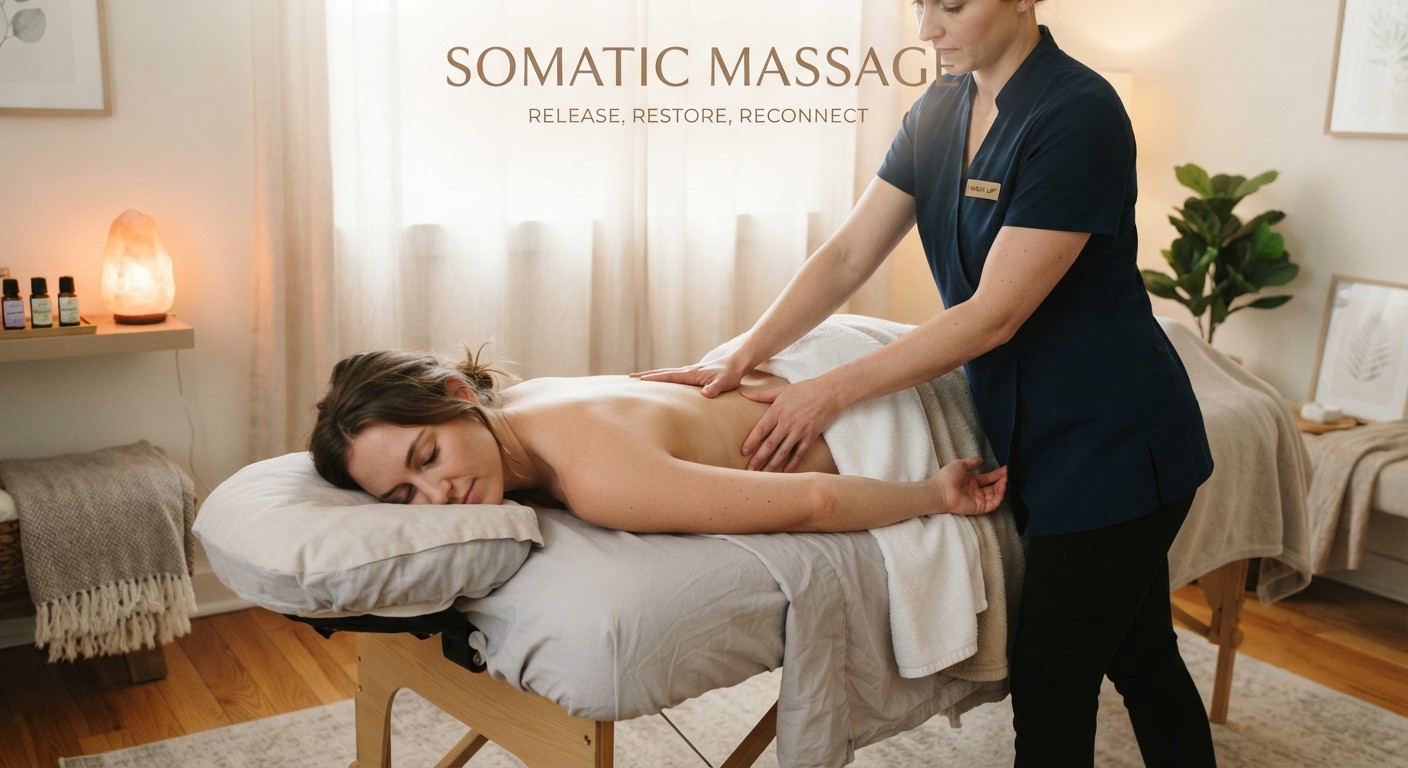
Somatic massage combines hands-on bodywork with attention to how your body holds tension, and people often try it for stress, anxiety and stubborn muscle tightness. The term is used loosely, and the research behind it is thinner than the marketing suggests. This guide explains how a session works, what the evidence supports, and what to check before you book.
What is somatic massage?
Somatic massage is a form of massage therapy that adds body awareness, breath and attention to physical sensation. “Soma” is the Greek word for body, so “somatic” simply means relating to the body.
What defines it:
- It is described as a branch of somatic therapy that applies massage techniques to soft tissue, with a focus on areas of pain or trauma.
- It differs from regular massage by emphasizing full-body integration, and each practitioner approaches it differently.
- Depending on the therapist, sessions may include work on joints and ligaments, fascia, lymphatic drainage, breathwork or voice.
- It is usually delivered by a massage therapist, not a psychotherapist, so it works as a complement to mental health care and not a replacement for it.
There is no single standard for what counts as somatic massage. Two therapists who use the label may run very different sessions.
Why does somatic massage matter?
Somatic massage matters because stress and emotions often show up as physical tension, and many people want an option that addresses both. The interest is growing, though the evidence has not kept pace.
- A Harvard Health article notes that anxiety can lead to muscle tension in the neck, shoulders, jaw and back, along with stiffness and trouble with daily activities.
- Massage use is rising in general: 10.9 percent of US adults used massage therapy in 2022, up from 4.8 percent in 2002.
- Somatic approaches aim to relieve pain and stress effects such as disrupted sleep or trouble concentrating.
How does a somatic massage session work?
A somatic massage session typically starts with a conversation, then combines massage with prompts to notice sensation and breathe. The exact steps vary by practitioner.
- Intake: you describe your goals, tension patterns and any medical history.
- Body awareness: the therapist may ask you to notice where you hold tension.
- Massage work: hands-on techniques are applied to muscles and connective tissue.
- Breath and check-ins: you may be guided to breathe slowly and report what you feel.
- Closing: you rest, talk through the session and decide on follow-ups.
What you might feel
- Relaxation is the most commonly described result.
- Some sources say the release of emotions can bring urges to laugh, cry, shake or yawn.
- Others feel little more than they would in a standard massage.
Yoga Breathing Techniques for Beginners
How somatic massage compares with other options
| Feature | Somatic massage | Standard massage | Somatic therapy |
|---|---|---|---|
| Typical provider | Massage therapist with somatic training | Licensed massage therapist | Mental health professional trained in body-based methods |
| Main focus | Tension plus body awareness and breath | Soft tissue relaxation and pain relief | Trauma and emotional processing through the body |
| Touch | Yes | Yes | Depends on the practitioner |
| Research base | Little direct research | Mixed, mostly short-term pain relief | Preliminary for some methods |
What does the research say about somatic massage?
There is little direct research on somatic massage itself, so the evidence comes from massage therapy in general and from related body-based therapies. That evidence is promising in places and weak in others.
What reviews of massage therapy found:
- For low-back pain, massage showed short-term improvements in a large review, but the studies were low quality, so the authors had very little confidence in the result.
- For neck and shoulder pain, massage may help, but the benefits may only last a short time.
- Headache studies are few, cover different types of massage and headache, and give inconsistent results.
- For fibromyalgia, massage may help some symptoms if continued long enough, with a 2014 evaluation finding better pain, anxiety and depression after at least five weeks.
What research on related somatic approaches found:
- A 2021 scoping review of Somatic Experiencing, a body-oriented trauma therapy, found preliminary evidence of benefit for PTSD-related symptoms and called for more unbiased randomized trials.
- Healthline notes that many people report good results with Somatic Experiencing, but the scientific evidence is still limited.
- A Harvard expert says somatic therapy has far less research backing than cognitive behavioral therapy and recommends CBT as at least a starting point.
The idea that emotions are held in the body is a working theory in somatic approaches. It is not a proven mechanism for massage. Feeling calm after a session is a fair reason to book one, but it is a different thing from treating anxiety or trauma.
Who might consider somatic massage?
Somatic massage may suit people who carry stress-related muscle tension and want a body-based complement to their existing care.
Good fits:
- People with tight shoulders, jaw or back linked to ongoing stress.
- People already in talk therapy who want a hands-on addition.
- People who like massage and want sessions that include breath and body awareness.
Take extra care if:
- You have a trauma history. Revisiting trauma, even indirectly, can be difficult and may involve some re-experiencing.
- Touch feels uncomfortable. Tell your therapist, and ask them to adjust or stop at any point.
Is somatic massage safe?
Massage therapy generally carries a low risk of harm. NCCIH reports rare cases of blood clots, nerve injury and bone fracture, some involving vigorous styles such as deep tissue massage or people at higher risk of injury, such as older adults.
Practical safety points:
- Tell your therapist about medical conditions, injuries and medications before the session.
- Do not use massage to put off seeing a health care provider about a medical problem.
- If you are unsure whether massage is right for you, ask your health care provider, who may also help you choose a therapist.
- Pick a therapist who works at a pace you control, especially if you are dealing with trauma or high anxiety.
- Somatic massage does not replace psychotherapy or medical treatment.
How can somatic massage fit into a fitness and recovery routine?
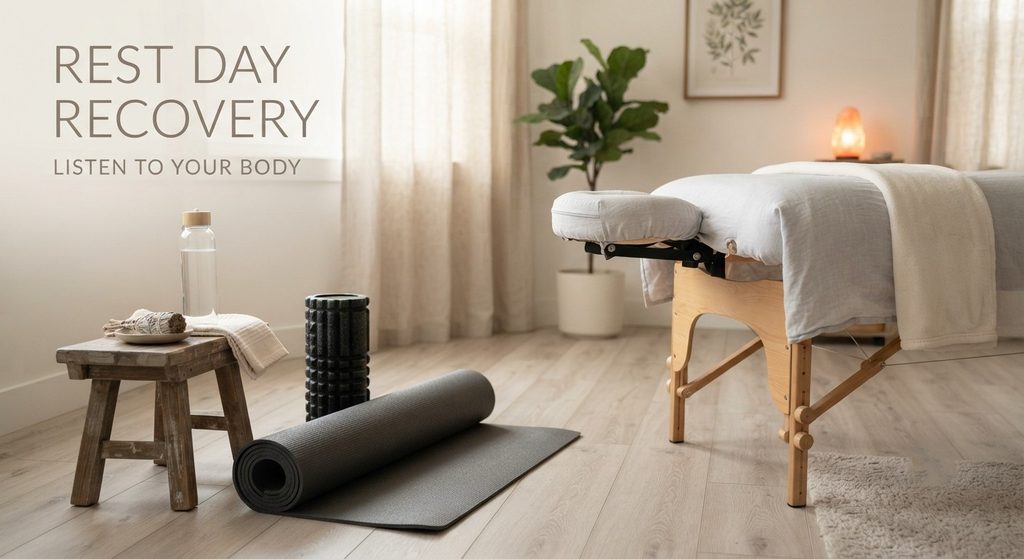
Somatic massage can work as a recovery and stress-management option alongside training, but it should sit behind the basics. Sleep, sensible programming and regular movement do more for recovery than any single treatment.
Where it can fit:
- On a rest day after a hard training block.
- During stressful weeks when tension builds in the neck, shoulders and back.
- Next to self-care habits such as foam rolling, stretching and breathing practice.
Post Workout Stretching Routine
How do you find a qualified somatic massage therapist?
Start with licensing, since the somatic label on its own is not a credential. In the 45 US states and the District of Columbia that regulate massage therapy, therapists must be licensed or certified, which usually means finishing an approved program and passing an exam.
Before you book:
- Ask about the therapist’s training, experience and credentials, plus the number of treatments you might need, the cost and insurance coverage.
- Ask what somatic training they have and whether they are also licensed as a mental health professional.
- Expect the search to take effort, since fewer practitioners are trained in somatic therapies than in CBT. The US Association for Body Psychotherapy offers a directory.
- For Somatic Experiencing specifically, look for the SEP credential.
- Walk away from anyone who promises to cure trauma or tells you to stop other treatment.
Conclusion
Somatic massage blends massage with body awareness, and many people find it relaxing, but it has little direct research behind it. The evidence for massage in general is mostly short-term and of mixed quality, and the evidence for related body-based therapies is preliminary. If you want to try it, choose a licensed therapist, say what you need up front, and keep sleep, movement and professional care as the foundation.
A sensible next step is to book one session, tell the therapist your comfort limits, and note how you feel over the next few days.
FAQs
What is somatic massage?
Somatic massage is massage therapy that adds body awareness, breath and attention to sensation. It aims to ease physical tension and help you notice how you hold it.
How is somatic massage different from regular massage?
It puts more emphasis on awareness of the whole body and may include breathwork or voice. Regular massage focuses mainly on relaxing soft tissue.
Is somatic massage the same as somatic therapy?
No. Somatic massage is bodywork from a massage therapist, while somatic therapy is a broader mental health approach that uses the body to address emotional distress.
Does somatic massage work?
There is little direct research on it. Massage in general shows mostly short-term pain relief, and related somatic therapies show preliminary results.
Can somatic massage help with anxiety?
Some people find it calming, but direct trials are lacking. It should not replace therapy or medical care for anxiety.
Is somatic massage painful?
It is not meant to be painful. You can ask the therapist to change the pressure or stop at any time.
Can I do somatic massage on myself?
You cannot perform a full somatic massage on yourself, but you can practice somatic exercises such as breathing and body awareness.
Sources
- National Center for Complementary and Integrative Health. (2019). Massage Therapy: What You Need To Know.
- Harvard Health Publishing. (2023). What is somatic therapy?
- Kuhfuß, M., et al. (2021). Somatic experiencing: effectiveness and key factors of a body-oriented trauma therapy: a scoping literature review. European Journal of Psychotraumatology.
- Healthline. Somatic Experiencing.
- HealthyPlace. Types of Somatic Therapy for Mental Health.
Disclaimer: This article is for informational and educational purposes only and is not a substitute for personalized medical advice. Consult a qualified healthcare professional before making significant changes to your diet, exercise routine, or supplement use.