
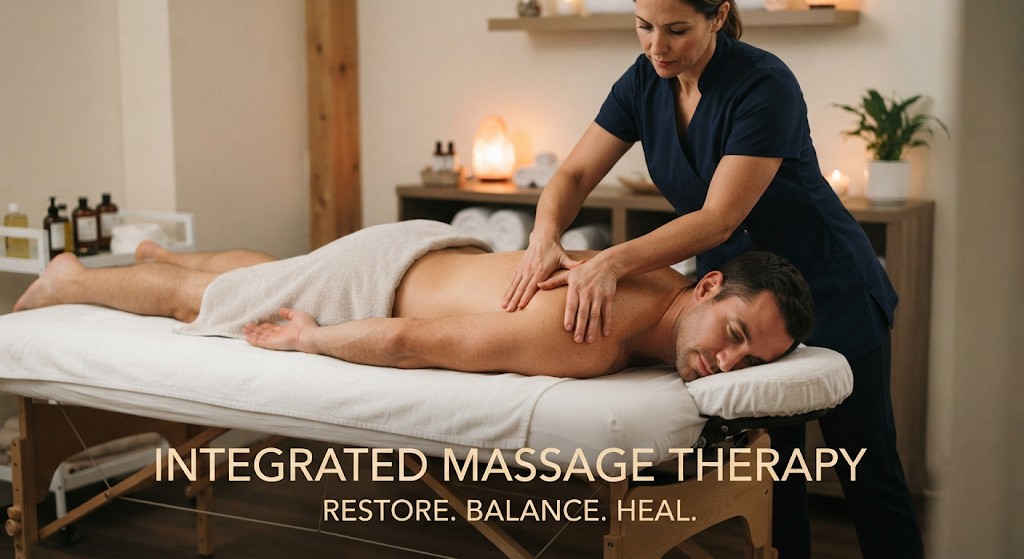
Sore backs, tight shoulders, and stress that won’t switch off are often treated in isolation, with a pill here and a stretch there. Integrated massage therapy takes a different route by placing skilled bodywork inside a wider care plan. This guide covers what it is, what the research supports, who should be careful, and how to start.
Post Workout Recovery Strategy
What Is Integrated Massage Therapy?
Integrated massage therapy is massage delivered as part of a coordinated care plan, alongside medical, rehabilitation, or fitness support. The term has no single formal definition, so it helps to look at how it shows up in practice.
- Massage offered in a hospital as part of recovery after surgery
- Sessions planned between a healthcare team and a licensed massage therapist
- Bodywork paired with physical therapy, exercise, or stress management
- Supportive care for people living with long-term pain or illness
At Mayo Clinic, healthcare professionals work with board-certified massage therapists to build treatment plans for injuries and conditions (Source: Mayo Clinic, 2026).
The hands-on part itself is familiar. A therapist works on muscles, tendons, ligaments, fascia, and skin, adjusting pressure and strokes to your goals. Swedish (classical) massage is the most common style in Western countries. Sports massage, clinical massage for specific problems such as muscle spasm, and traditions like shiatsu and tuina are also used (Source: NCCIH).
Why Does Integrated Massage Therapy Matter?
Integrated massage therapy matters because it gives people a low-risk, non-drug option for pain and stress that fits into care they already receive. Interest has grown fast: about 10.9% of US adults used massage therapy in 2022, up from 4.8% in 2002 (Source: NCCIH).
People look to it for a few practical reasons:
- It offers another way to manage pain without relying only on medication
- It supports relaxation, which can help when stress or anxiety is part of the picture
- It adds a hands-on element to rehab and recovery plans
- Coordination means your therapist and healthcare team know what the other is doing
The “integrated” part carries most of the value. A therapist who knows your health history, medications, and goals can adapt each session instead of guessing.
How Does Integrated Massage Therapy Work?
Massage works on soft tissue through touch, pressure, and movement, and research suggests it can reduce stress, ease muscle tension, and support relaxation (Source: Mayo Clinic, 2026). How strong those effects are varies by condition, and more research is still needed.
A typical visit follows a simple pattern:
- You talk through your goals and health history.
- You lie on a table, covered with a sheet, usually face down first and then face up.
- The therapist uses oil or lotion and adjusts pressure as they find tense or painful areas.
- The session runs anywhere from 15 to 90 minutes, depending on the type.
You should feel calm during and after. Severe pain is not part of a good session, and you can ask for lighter pressure at any point (Source: Mayo Clinic, 2026).
In hospitals and surgical care
Hospitals are where integration is most visible. Mayo Clinic researchers have studied massage for people having heart or chest surgery and found it helped ease pain and anxiety (Source: Mayo Clinic, 2026). Therapists in these settings work around wounds, IV lines, and other equipment.
In rehab and active lifestyles
Many people combine massage with training, stretching, and recovery habits. The sources reviewed for this article focus on pain and medical settings, so claims about athletic performance should be treated with caution. Think of massage as one recovery tool alongside sleep, nutrition, and rest.
daily protein intake calculator
What Does the Research Say About Massage Therapy?
Research suggests massage can help with certain types of pain, mostly in the short term, though study quality is uneven. A 2024 review of systematic reviews published from 2018 to 2023 found that every conclusion rated moderate certainty pointed to a beneficial association with pain (Source: Mak et al., 2024).
Here is how the evidence looks for common conditions:
| Condition | What the research suggests |
|---|---|
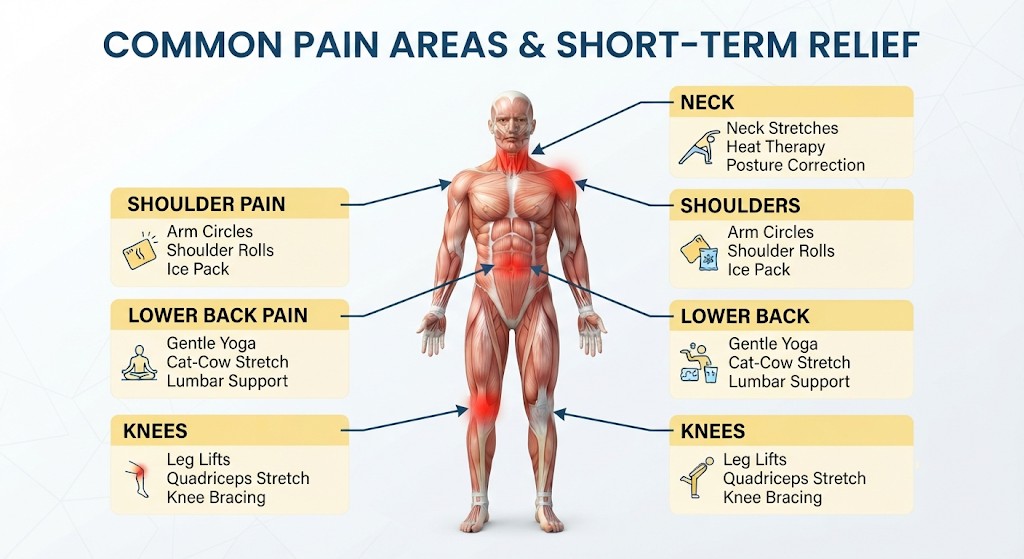
| Low-back pain | Short-term pain relief in a 2015 review, though the authors had very little confidence because study quality was low. The American College of Physicians (2017) listed massage as an option for acute and subacute pain, not chronic pain. |
| Neck and shoulder pain | May help, but benefits may last only a short time. |
| Knee osteoarthritis | 5 of 6 studies found short-term pain relief. |
| Fibromyalgia | May help some symptoms if continued long enough. |
| Cancer-related pain | The SIO-ASCO guideline says massage may be recommended for pain during palliative or hospice care. |
| After surgery | Mayo Clinic reports research linking massage to less pain after surgery. |
(Sources: NCCIH; SIO-ASCO, 2022; Mayo Clinic, 2026)
On cancer pain, a randomized trial of 380 people with advanced cancer found clinically meaningful benefits against moderate to severe pain. The guideline authors cautioned that long-term effects are unknown (Source: SIO-ASCO, 2022).
Take these findings as promising but limited. Massage is better viewed as a supportive option than a cure.
Who May Benefit From Integrated Massage Therapy?
Integrated massage therapy may suit people who want supportive pain or stress relief alongside their regular care. Common reasons people try it include:
- Neck, shoulder, or low-back discomfort
- Knee pain from osteoarthritis
- Fibromyalgia symptoms
- Recovery after surgery
- Pain or anxiety during cancer care or palliative care
People with cancer should speak with their doctor and choose a therapist experienced with cancer patients, since techniques often need lighter pressure over sensitive areas (Source: NCCIH).
Is Integrated Massage Therapy Safe?
Massage is generally safe when a trained professional does it properly, and serious side effects are rare (Source: Mayo Clinic, 2026). Rare reports of blood clots, nerve injury, and bone fracture do exist (Source: NCCIH).
Talk with your healthcare team first if you:
- Recently had a heart attack
- Have a bleeding disorder or take blood thinners
- Recently had a blood clot in your leg
- Have burns, broken bones, or severe osteoporosis
- Are pregnant
Massage should not replace a medical evaluation either. Don’t use it to put off seeing a provider about a health problem (Source: NCCIH).
How to Get Started With Integrated Massage Therapy
Start by naming your goal and checking in with your healthcare provider. From there, follow these steps:
- Set a goal. Relaxation, back pain relief, and post-surgery comfort call for different approaches.
- Check with your care team if you have a health condition or take medication.
- Choose a qualified therapist. Ask about training, experience, and credentials. In states that regulate massage (45 states and DC), therapists need a license or certification (Source: NCCIH).
- Ask practical questions. How many sessions might you need, what does each cost, and could insurance help (Source: Mayo Clinic, 2026)?
- Speak up during the session about pressure, scents, or discomfort.
- Give it time. For fibromyalgia, one review found that continuing treatment for at least 5 weeks improved pain, anxiety, and depression (Source: NCCIH).
Conclusion
Integrated massage therapy works best as a team effort between you, your therapist, and your healthcare provider. The evidence points to short-term relief for several types of pain and some support for stress and anxiety. It is not a replacement for medical care.
If you’re curious, start small. Talk with your provider, book a session with a qualified therapist, and track how you feel over several weeks.
FAQs
What is integrated massage therapy?
It is massage therapy delivered as part of a coordinated care plan alongside medical, rehab, or fitness support. The term has no single formal definition.
How is integrated massage different from a regular massage?
The massage techniques are the same. The difference is coordination: your therapist and healthcare team share goals and health information so sessions fit your overall care.
Does massage therapy help back pain?
It may offer short-term relief. A 2015 review found short-term improvements but low study quality, and guidelines list it as an option for acute and subacute low-back pain, not chronic (Source: NCCIH).
How long does a massage session last?
A session can run from 15 to 90 minutes depending on the type and your available time (Source: Mayo Clinic, 2026).
Is massage safe during pregnancy?
Safety depends on your health history and current conditions, so check with your healthcare provider first (Source: Mayo Clinic, 2026).
Can massage therapy be used for cancer pain?
Guidelines say massage may be recommended for pain during palliative or hospice care. Choose a therapist experienced with cancer patients and talk to your doctor first (Source: SIO-ASCO, 2022).
Will insurance cover integrated massage therapy?
Coverage varies. Ask your insurer and the clinic before you book, since some insurers have referral requirements.
Sources
- National Center for Complementary and Integrative Health. Massage Therapy: What You Need To Know.
- Mayo Clinic. (2026). Massage therapy.
- Mao, J. J., et al. (2022). Integrative Medicine for Pain Management in Oncology: Society for Integrative Oncology-ASCO Guideline. Journal of Clinical Oncology.
- Mak, S., et al. (2024). Use of Massage Therapy for Pain, 2018-2023: A Systematic Review. JAMA Network Open.
Disclaimer: This article is for informational and educational purposes only and is not a substitute for personalized medical advice. Consult a qualified healthcare professional before making significant changes to your diet, exercise routine, or supplement use.