
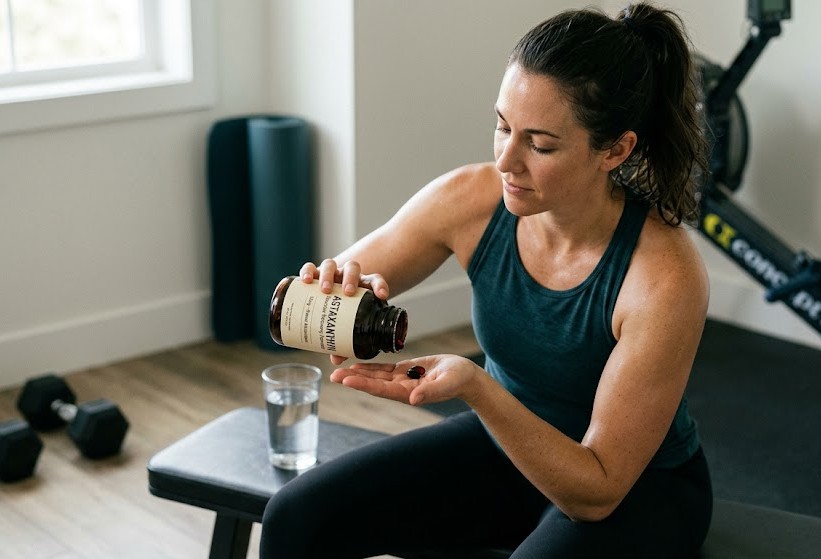
Recovering well after a workout is just as important as the workout itself. Whether your goal is building muscle, improving endurance, or simply staying active, your body needs time and the right nutrients to repair damaged muscle fibers, restore energy stores, and prepare for the next training session.
Most people focus on protein, hydration, stretching, and quality sleep—and for good reason. However, another nutrient is attracting increasing attention in sports nutrition: astaxanthin. This naturally occurring antioxidant has been studied for its ability to reduce exercise-induced oxidative stress, support muscle recovery, and help athletes recover more efficiently between workouts.
Although research is still evolving, many studies suggest that consistent astaxanthin supplementation may reduce muscle soreness, improve recovery consistency, and support endurance performance when combined with healthy recovery habits.
In this comprehensive guide, you’ll learn what astaxanthin is, how it works inside the body, the current scientific evidence behind Astaxanthin for Exercise Recovery, recommended dosages, food sources, safety considerations, and practical ways to include it in your recovery routine.
What Is Astaxanthin and How Does It Support Exercise Recovery?
Astaxanthin is a naturally occurring carotenoid antioxidant that may help reduce exercise-induced oxidative stress and support muscle recovery.
Unlike many antioxidants, astaxanthin has a unique molecular structure that allows it to protect both the inner and outer layers of cell membranes without becoming unstable. This makes it particularly effective at defending cells against oxidative damage caused by intense physical activity.
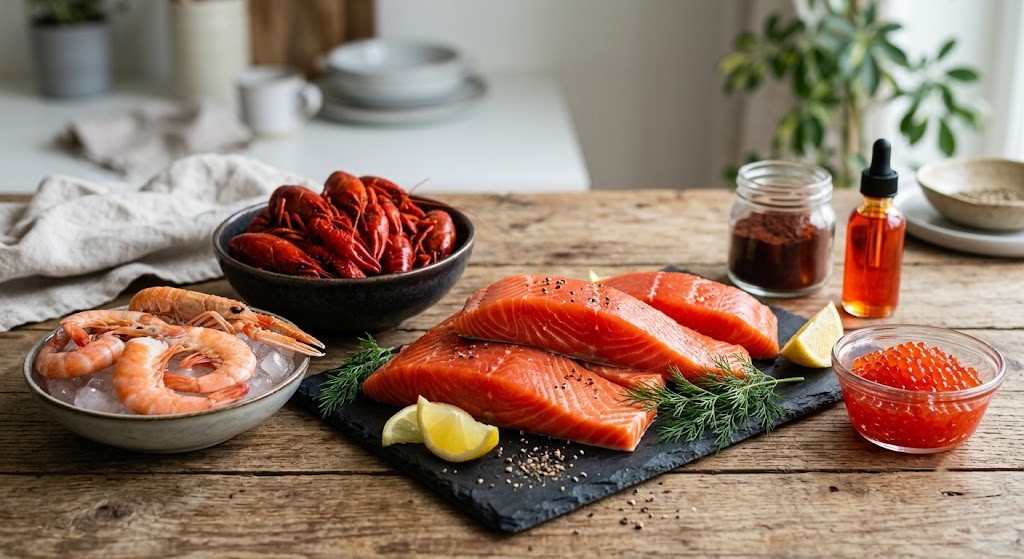
Astaxanthin naturally gives many marine animals their distinctive reddish-orange color. It is responsible for the pink flesh of wild salmon and contributes to the coloration of shrimp, lobster, trout, crab, and even flamingos, which obtain it through their diet.
For athletes and physically active individuals, astaxanthin is primarily valued because it may help reduce oxidative stress, moderate inflammation, and support cellular recovery after strenuous exercise.
Why Is Astaxanthin Different from Other Antioxidants?
Unlike vitamin C or vitamin E, astaxanthin can span the entire cell membrane, allowing it to provide broader antioxidant protection. Researchers believe this unique characteristic helps stabilize cell membranes while protecting mitochondria—the energy-producing structures inside cells—from oxidative damage.
Healthy mitochondria play a critical role in muscle performance, endurance, and post-workout recovery.
Natural Sources of Astaxanthin
Astaxanthin occurs naturally in several marine foods, although the concentration varies considerably.
Natural dietary sources include:
- Wild salmon
- Rainbow trout
- Shrimp
- Krill
- Lobster
- Crab
- Microalgae (Haematococcus pluvialis)
Among these, Haematococcus pluvialis is the richest natural source and is used to produce most high-quality astaxanthin supplements available today.
Statistic: Wild salmon contains naturally occurring astaxanthin responsible for its pink color — Source: USDA FoodData Central, 2025
Why Does Exercise Recovery Matter?
Exercise recovery is the process of repairing muscle tissue, restoring energy stores, and reducing inflammation after physical activity.
Every challenging workout creates microscopic damage within muscle fibers. This controlled damage is a normal part of training because it stimulates the body to rebuild stronger muscles over time. However, if recovery is inadequate, this repair process becomes slower, increasing fatigue and reducing future training quality.
Recovery affects far more than temporary muscle soreness. It influences your ability to train consistently, avoid injuries, and continue progressing toward your fitness goals.
Effective recovery supports:
- Muscle repair
- Strength gains
- Glycogen replenishment
- Hormonal balance
- Reduced injury risk
- Improved athletic performance
- Better long-term training consistency
When recovery is poor, athletes often experience declining performance, prolonged soreness, reduced motivation, and a greater likelihood of overuse injuries.
If recovery is poor, consider combining astaxanthin with our guides on:
Best Tendon Recovery Exercises
How to Reduce Muscle Soreness After Workout
Statistic: Muscle protein synthesis remains elevated for up to 48 hours after resistance exercise — Source: Journal of Applied Physiology, 2024
Why Does Exercise Cause Oxidative Stress and Muscle Damage?
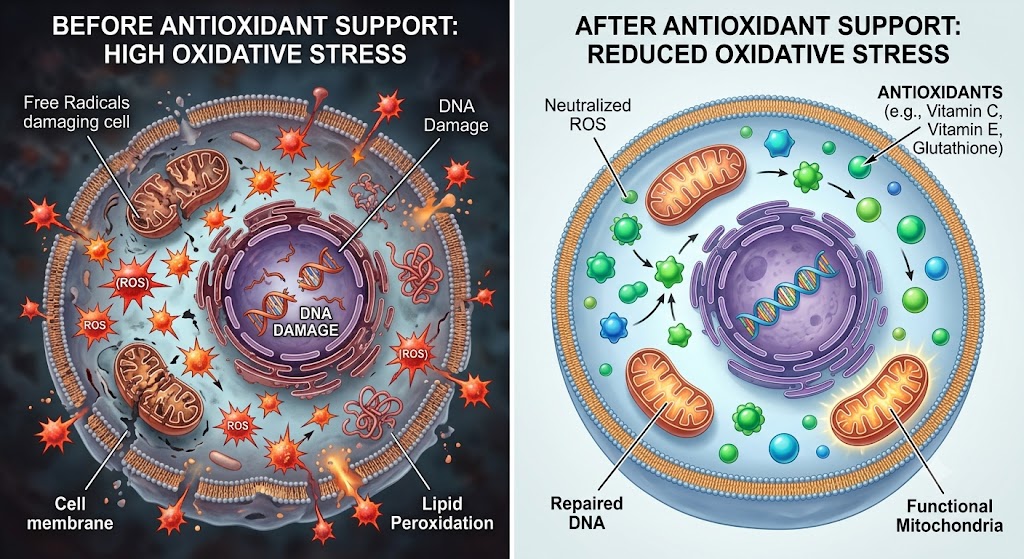
Exercise causes oxidative stress because working muscles produce reactive oxygen species (ROS) as energy demand increases.
When you exercise intensely, your muscles consume significantly more oxygen than they do at rest. As oxygen metabolism increases, so does the production of reactive oxygen species.
Contrary to popular belief, ROS are not inherently harmful. In moderate amounts, they help trigger important training adaptations such as improved endurance, stronger muscles, and enhanced cellular function.
Problems arise when ROS production exceeds the body’s natural antioxidant defenses.
Excessive oxidative stress may contribute to:
- Muscle fatigue
- Cell membrane damage
- Lipid peroxidation
- Delayed recovery
- Increased soreness
- Reduced exercise performance
Astaxanthin may help maintain a healthier balance by supporting the body’s antioxidant defense system without completely blocking beneficial exercise adaptations.
Exercise-Induced Inflammation
Inflammation is a normal part of muscle repair.
Immediately after strenuous exercise, immune cells migrate into damaged muscle tissue to begin the healing process. During this stage, damaged proteins are removed and new muscle proteins are synthesized.
This natural inflammatory response is essential for muscle growth.
However, excessive or prolonged inflammation can slow recovery and interfere with subsequent workouts.
Astaxanthin appears to help regulate inflammatory pathways without completely suppressing the body’s normal healing response.
Delayed Onset Muscle Soreness (DOMS)
Most people experience DOMS after performing unfamiliar exercises or increasing training intensity.
Symptoms usually appear within 12 to 24 hours and peak between 24 and 72 hours after exercise.
Common symptoms include:
- Muscle tenderness
- Stiffness
- Swelling
- Temporary strength loss
- Reduced range of motion
By helping reduce oxidative stress, astaxanthin may contribute to less severe soreness and quicker recovery after demanding training sessions.
How Does Astaxanthin Reduce Muscle Soreness After Workouts?
Astaxanthin may reduce muscle soreness by decreasing oxidative stress, supporting mitochondrial function, and moderating inflammation.
Unlike pre-workout supplements that produce immediate effects through stimulants, astaxanthin works gradually at the cellular level. Consistent supplementation allows it to accumulate within tissues, where it may provide ongoing antioxidant protection.
Powerful Antioxidant Protection
Astaxanthin is widely regarded as one of nature’s most potent antioxidants.
Laboratory studies suggest it helps protect:
- Cell membranes
- Muscle fibers
- Mitochondria
- DNA
- Lipids
Researchers have observed reductions in lipid peroxidation, a process in which oxidative stress damages fats within cell membranes.
Protecting these cellular structures may support quicker recovery after strenuous exercise.
Supports Mitochondrial Function
Mitochondria generate the energy needed for muscle contraction.
Healthy mitochondria may improve:
- Energy production
- Endurance
- Recovery capacity
- Exercise efficiency
Supporting mitochondrial health is especially important for endurance athletes who rely on sustained energy production over long training sessions.
Helps Regulate Inflammation
Research suggests astaxanthin influences inflammatory signaling pathways such as NF-κB.
Rather than completely blocking inflammation, it appears to help regulate excessive inflammatory activity while allowing the body’s normal repair mechanisms to continue.
This balanced response may explain why many athletes report improved recovery without negatively affecting training adaptations.
What Does Scientific Research Say About Astaxanthin for Exercise Recovery?
Scientific interest in Astaxanthin for Exercise Recovery has grown considerably over the past decade.
Current research suggests that regular supplementation may reduce oxidative stress, lessen muscle soreness, and improve recovery between workouts. However, results vary depending on factors such as training status, exercise type, dosage, and study duration.
Several clinical trials have reported improvements in recovery markers, while others found only modest or statistically insignificant benefits. As a result, researchers generally describe the evidence as promising but not yet definitive.
Some human studies have reported:
- Lower oxidative stress markers
- Reduced muscle damage
- Improved endurance capacity
- Better perceived recovery
- Less exercise-induced fatigue
Other studies have observed only small improvements, indicating that astaxanthin should be viewed as a supportive recovery supplement rather than a performance-enhancing shortcut.
Summary of Current Evidence
| Outcome | Evidence |
|---|---|
| Oxidative stress | Moderate evidence |
| Muscle soreness | Moderate evidence |
| Endurance | Moderate evidence |
| Strength gains | Limited evidence |
| Recovery speed | Moderate evidence |
| Injury prevention | Insufficient evidence |
Statistic: Several randomized controlled trials have evaluated daily doses between 4–12 mg for exercise recovery — Source: Nutrients Journal, 2024
What Are the Main Benefits of Astaxanthin for Athletes?
Athletes place significant stress on their muscles, joints, and energy systems through repeated training. Supporting recovery between sessions can improve consistency and reduce accumulated fatigue over time.
Potential benefits of Astaxanthin for Exercise Recovery include:
- Reduced muscle soreness
- Lower exercise-induced oxidative stress
- Better endurance capacity
- Reduced fatigue after prolonged exercise
- Improved recovery between workouts
- Support for immune function during intense training
- More consistent training quality
For endurance athletes such as runners, cyclists, swimmers, and triathletes, maintaining recovery between consecutive training sessions is especially important.
Can Astaxanthin Improve Athletic Performance and Endurance?
Although recovery remains its primary benefit, some evidence suggests astaxanthin may also support endurance performance.
Researchers believe this may occur through improved mitochondrial efficiency, better fat metabolism, and reduced oxidative damage during prolonged exercise.
Reported benefits in some studies include:
- Longer time to exhaustion
- Lower perceived fatigue
- Improved aerobic efficiency
- Better recovery between endurance sessions
However, improvements are generally modest rather than dramatic.
Athletes seeking maximum performance should view astaxanthin as one component of a comprehensive nutrition strategy rather than a replacement for structured training, adequate carbohydrate intake, or proven performance supplements.
If your goal is maximum performance, astaxanthin works best alongside:
Beet Root Powder Benefits for Exercise Performance
Citrulline Pre Workout Benefits
What Is the Best Astaxanthin Dosage for Exercise Recovery?
Most clinical studies investigating Astaxanthin for Exercise Recovery use daily doses ranging from 4 mg to 12 mg.
Research indicates that consistent daily intake is far more important than taking the supplement immediately before or after exercise.
General Astaxanthin Dosage Guidelines
The ideal dosage depends on your health goals, training intensity, and the specific supplement you choose. While higher doses have been studied, most recreational exercisers and athletes can benefit from moderate daily intake when used consistently.
| Goal | Daily Dose |
|---|---|
| General health | 4 mg |
| Exercise recovery | 6–8 mg |
| Athletic performance | 8–12 mg |
Most experts recommend starting with a lower dose and increasing only if needed under professional guidance.
Should You Take Astaxanthin Before or After a Workout?
Unlike caffeine or many pre-workout ingredients, astaxanthin doesn’t provide an immediate performance boost. Instead, it gradually accumulates in body tissues over several weeks.
Because of this, timing is much less important than consistency.
Rather than worrying about taking it immediately before or after exercise, focus on taking it every day.
Best Time to Take Astaxanthin
For optimal absorption, take astaxanthin with a meal that contains healthy dietary fats.
Good options include:
- Breakfast with eggs and avocado
- Greek yogurt with nuts
- Lunch containing olive oil
- Salmon or other fatty fish
- Peanut butter or almond butter
- Mixed nuts and seeds
Healthy fats significantly improve the absorption of carotenoids, allowing your body to utilize astaxanthin more efficiently.
How Long Does It Take to Notice Results?
Since astaxanthin works gradually, most studies observe benefits after 4 to 8 weeks of daily supplementation.
You may notice improvements in:
- Reduced muscle soreness
- Better recovery between workouts
- Lower fatigue
- Improved training consistency
Individual results vary depending on your training volume, recovery habits, diet, and overall health.
What Foods Naturally Contain Astaxanthin?
Although supplements are the most concentrated source, you can also obtain astaxanthin naturally through seafood. Including these foods in your diet provides not only astaxanthin but also high-quality protein, omega-3 fatty acids, vitamins, and minerals that support recovery.
Seafood and microalgae are the richest natural food sources of astaxanthin.
Top Natural Food Sources
| Food | Astaxanthin Source |
| Wild salmon | High |
| Rainbow trout | Moderate |
| Shrimp | Moderate |
| Krill | Moderate |
| Crab | Low |
| Lobster | Low |
Wild-caught salmon remains one of the richest dietary sources because astaxanthin accumulates naturally through its marine diet.
Microalgae (Haematococcus pluvialis) contains far higher concentrations than seafood, which is why nearly all premium astaxanthin supplements are derived from this microalga.
Because food sources generally provide relatively small amounts, athletes seeking recovery benefits often choose standardized supplements.
Natural vs. Synthetic Astaxanthin
Not all astaxanthin supplements are the same.
Natural astaxanthin is extracted primarily from Haematococcus pluvialis, whereas synthetic versions are manufactured chemically and are commonly used in aquaculture to color farmed fish.
Natural astaxanthin is generally preferred because research suggests it has greater biological activity and better antioxidant capacity.
Natural Astaxanthin
- Derived from microalgae
- Most clinical studies use this form
- Higher antioxidant activity
- Better bioavailability
- Preferred for human supplementation
Synthetic Astaxanthin
- Chemically produced
- Commonly used in fish farming
- Less research supporting human supplementation
- Generally not recommended when natural alternatives are available
When choosing a supplement, look for products that clearly state they contain microalgae-derived astaxanthin.
What Does the Research Say About Long-Term Supplementation?
One reason astaxanthin continues gaining popularity is its excellent safety profile.
Researchers have evaluated supplementation for weeks and months without identifying serious adverse effects in healthy adults using recommended dosages.
Current evidence suggests that consistent intake may support recovery over time by helping reduce cumulative oxidative stress associated with frequent training.
However, scientists continue to investigate:
- Long-term athletic performance effects
- Recovery in elite athletes
- Differences between endurance and resistance training
- Optimal dosing strategies
- Interactions with other recovery supplements
As research expands, recommendations may become more refined.
Are There Any Side Effects of Astaxanthin Supplements?
Astaxanthin has an excellent safety profile when used within recommended doses.
Most healthy adults tolerate supplementation very well.
Reported side effects are uncommon and usually mild.
Possible side effects include:
- Mild stomach discomfort
- Digestive upset
- Temporary orange-colored stool
- Mild changes in skin pigmentation at very high intakes
These effects are generally temporary and often resolve by adjusting dosage or taking the supplement with food.
Who Should Avoid Astaxanthin?
Although considered safe for most people, certain individuals should consult a healthcare professional before beginning supplementation.
Speak with a healthcare professional if you:
- Are pregnant or breastfeeding
- Take blood pressure medication
- Use blood-thinning medication
- Have autoimmune disorders
- Have chronic medical conditions
- Take prescription medications regularly
Professional guidance is particularly important if you have existing medical conditions or use medications that may interact with dietary supplements.
Practical Recovery Stack for Better Results
No supplement can replace the fundamentals of recovery.
Astaxanthin works best when combined with evidence-based nutrition, smart programming, and healthy lifestyle habits.
A comprehensive recovery strategy addresses multiple aspects of muscle repair rather than relying on a single ingredient.
Complete Recovery Stack
| Recovery Tool | Why It Helps |
| Protein | Supports muscle repair |
| Creatine | Restores ATP availability |
| Omega-3 | Supports inflammation balance |
| Sleep | Maximizes muscle recovery |
| Hydration | Improves performance and recovery |
| Mobility work | Maintains joint function |
| Foam rolling | May reduce soreness |
Combining these recovery tools creates an environment where muscles can repair efficiently while supporting long-term athletic progress.
Recommended reading:
Anti-Inflammatory Diet for Recovery
Protein Coffee for Workout Recovery
Best Foam Roller Exercises for Muscle Recovery
Compression Boots Benefits for Recovery
Signs and Symptoms of Overtraining

Lifestyle Habits That Maximize Recovery
Supplements are only one piece of the recovery puzzle.
To maximize the benefits of astaxanthin, focus on building habits that consistently support recovery.
Prioritize Sleep
Sleep is when most muscle repair occurs. Aim for 7–9 hours of quality sleep each night to optimize recovery hormones and muscle protein synthesis.
Eat Enough Protein
Distribute protein intake throughout the day to support continuous muscle repair.
High-quality protein sources include:
- Lean meat
- Fish
- Eggs
- Greek yogurt
- Cottage cheese
- Whey protein
- Plant-based protein sources
Stay Hydrated
Even mild dehydration can negatively affect performance, endurance, and recovery.
Drink water consistently throughout the day and replace electrolytes after prolonged exercise or excessive sweating.
Train Progressively
Recovery supplements work best alongside structured programming that gradually increases training volume and intensity.
Avoid making large increases in workload that exceed your body’s recovery capacity.
Tools and Practical Application
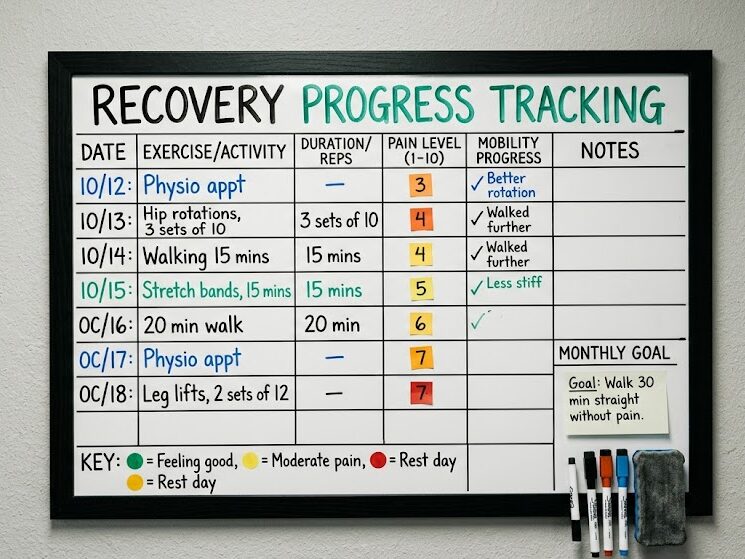
The best way to determine whether astaxanthin is benefiting your recovery is to monitor your progress consistently.
Tracking objective and subjective recovery markers allows you to evaluate improvements over time.
Useful tools include:
- Training log
- Recovery journal
- Smartwatch HRV tracking
- Sleep tracker
- Nutrition tracking app
Free alternatives:
- Google Sheets
- Apple Health
- Google Fit
Monitor factors such as:
- Muscle soreness
- Energy levels
- Sleep quality
- Workout performance
- Resting heart rate
- Recovery time between sessions
Tracking these metrics for six to eight weeks provides a clearer picture of whether supplementation is making a meaningful difference.
What’s Next?
If you’re considering Astaxanthin for Exercise Recovery, approach it as part of a complete recovery strategy rather than a quick fix.
Follow these practical steps:
- Choose a high-quality microalgae-derived supplement.
- Take 4–8 mg daily with meals containing healthy fats.
- Consume adequate protein to support muscle repair.
- Prioritize quality sleep every night.
- Stay well hydrated.
- Continue progressive, structured training.
- Track soreness, recovery, and workout performance for 6–8 weeks.
- Evaluate your results and adjust with guidance from a healthcare professional if necessary.
Remember that consistency matters more than perfection. Small improvements in recovery habits often produce meaningful long-term improvements in performance.
Conclusion
Astaxanthin for Exercise Recovery is emerging as one of the most promising natural antioxidants in sports nutrition. Growing scientific evidence suggests it may help reduce exercise-induced oxidative stress, lessen muscle soreness, support mitochondrial function, and improve recovery consistency when taken regularly.
While current research is encouraging, astaxanthin is not a miracle supplement. Its greatest value comes when it complements the proven foundations of recovery—adequate protein intake, quality sleep, proper hydration, progressive training, and balanced nutrition.
Choosing a high-quality microalgae-derived supplement, following an appropriate daily dosage, and maintaining healthy recovery habits can help active individuals maximize the potential benefits of astaxanthin. Whether you’re a recreational gym-goer, endurance athlete, or fitness enthusiast, this powerful carotenoid may be a worthwhile addition to your long-term recovery strategy after discussing it with a qualified healthcare professional.
FAQs
What is astaxanthin for exercise recovery?
Astaxanthin is a natural antioxidant that may help reduce muscle soreness and support recovery after exercise.
How much astaxanthin should I take?
Most studies use 4–12 mg daily, with 6–8 mg commonly recommended for recovery.
Can astaxanthin reduce muscle soreness?
Yes, it may help reduce soreness by lowering oxidative stress and inflammation.
How long does astaxanthin take to work?
Most people may notice benefits after 4–8 weeks of consistent daily use.
Should I take astaxanthin before or after a workout?
Take it daily with a meal containing healthy fats. Workout timing isn’t important.
What foods contain astaxanthin?
Wild salmon, trout, shrimp, krill, lobster, crab, and microalgae are the richest natural sources.
Is natural astaxanthin better than synthetic?
Yes. Natural astaxanthin from microalgae is generally considered the better option.
Is astaxanthin safe?
Yes, it’s generally safe for most healthy adults when taken at recommended doses.
1 thought on “Astaxanthin for Exercise Recovery: Science-Backed Benefits Guide”