
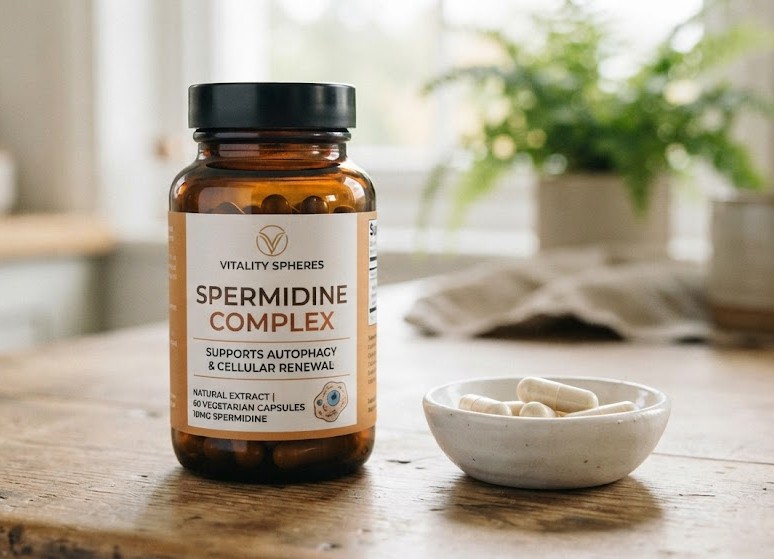
You’ve probably come across the term Spermidine Supplement while searching for ways to support healthy aging, boost cellular health, or promote longevity. With growing interest in anti-aging nutrition, spermidine has become one of the most talked-about supplements among researchers and wellness enthusiasts. But does it actually work, or is it simply another health trend?
Spermidine is a naturally occurring compound found in your body’s cells and in many everyday foods. Scientists are studying it because of its connection to autophagy, the body’s natural cellular recycling system that helps maintain healthy cells by removing damaged components. While early research is promising, it’s important to understand both the potential benefits and the current limitations of the evidence.
In this guide, you’ll learn what a spermidine supplement is, how it supports autophagy, its potential health benefits, natural food sources, dosage recommendations, safety considerations, and what current scientific research says.
What Is a Spermidine Supplement?
A Spermidine Supplement is a dietary supplement designed to increase your intake of spermidine, a naturally occurring polyamine involved in normal cellular growth, maintenance, and renewal.
Unlike vitamins or minerals that must come entirely from food, spermidine is naturally produced inside your body and is also obtained through diet. However, research suggests that natural spermidine production gradually declines with age, which has led scientists to investigate whether supplementation may help support healthy aging.
Spermidine plays an important role in maintaining healthy cells rather than acting as a stimulant or performance-enhancing ingredient. Instead of forcing biological changes, it supports normal cellular functions that already occur throughout the body.
For example, adults over 50 generally have lower natural spermidine levels than younger adults, making supplementation an area of growing scientific interest.
Statistic: Interest in longevity-focused dietary supplements has steadily increased worldwide as populations age and preventive healthcare becomes a higher priority. — Source: World Health Organization, 2024.
What Is Spermidine?
Spermidine is a naturally occurring compound present in nearly every living cell. It belongs to a group of molecules known as polyamines, which are essential for many biological processes.
These processes include:
- Cell growth
- Protein synthesis
- DNA stability
- Cellular repair
- Mitochondrial maintenance
- Autophagy
Rather than acting like hormones or stimulants, spermidine supports the body’s natural maintenance systems. Healthy cells constantly repair themselves, replace damaged proteins, and recycle worn-out components. Spermidine appears to help these normal biological processes function efficiently.
Researchers believe that maintaining healthy cellular function may contribute to overall wellness as people age.
For instance, every day your body removes damaged proteins that could otherwise accumulate over time. Spermidine may help support this natural recycling process through autophagy.
Spermidine supports cellular maintenance rather than acting as a quick-performance supplement.
Natural Spermidine vs. Spermidine Supplements
Both foods and supplements provide spermidine, but they differ in concentration, convenience, and nutritional value.
| Feature | Natural Food Sources | Spermidine Supplements |
|---|---|---|
| Source | Whole foods | Concentrated extracts |
| Nutrients | Vitamins, minerals, fiber | Primarily spermidine |
| Convenience | Requires meal planning | Easy daily intake |
| Dosage | Variable | Standardized |
| Cost | Usually lower | Higher |
Many supplements use standardized wheat germ extract because wheat germ is among the richest dietary sources of spermidine. Some formulations also include nutrients such as vitamin B12 or antioxidants to support overall wellness, although these ingredients are not required for spermidine to function.
Whole foods remain the foundation of good nutrition, while supplements offer a convenient way to achieve more consistent intake.
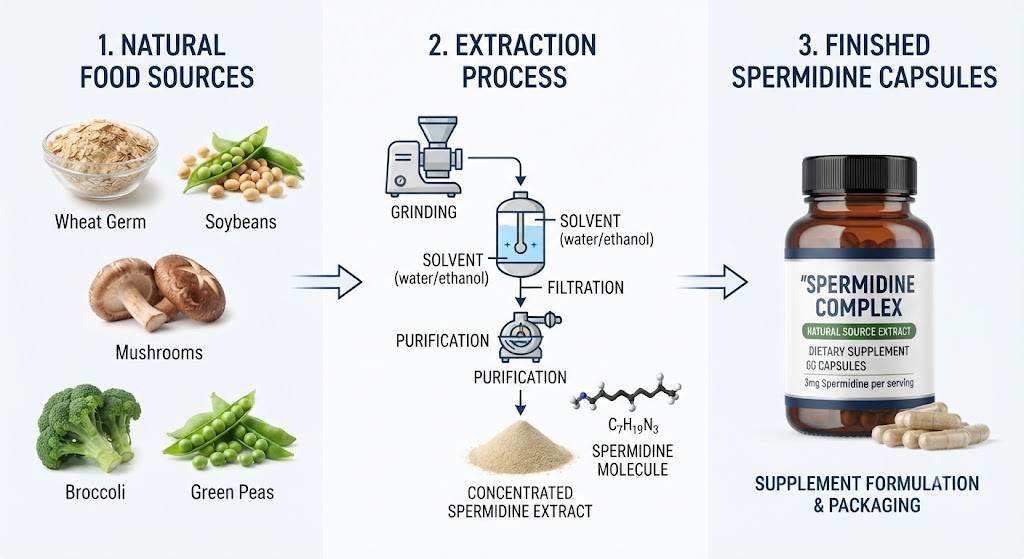
How Are Spermidine Supplements Made?
Most high-quality spermidine supplements are produced using plant-based ingredients naturally rich in spermidine.
Common sources include:
- Wheat germ extract
- Soy derivatives
- Fermented plant ingredients
- Specialized botanical extracts
Manufacturers extract and concentrate spermidine from these natural sources before standardizing the amount contained in each serving. Reputable brands also conduct third-party laboratory testing to verify ingredient purity, potency, and consistency.
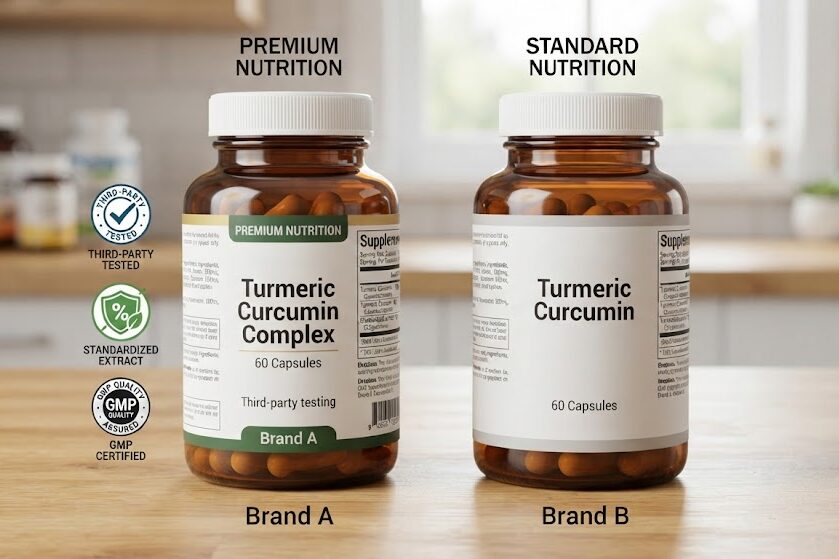
When choosing a supplement, transparency matters. Products that clearly state their ingredient source, spermidine content, and testing procedures generally provide greater confidence in quality.
Choosing supplements with transparent ingredient sourcing improves confidence in product quality.
Why Is Spermidine Important for Healthy Aging?
Healthy aging isn’t simply about living longer—it’s about maintaining physical, mental, and cellular function throughout life.
As we age, our cells become less efficient at repairing damage and removing dysfunctional components. This gradual decline affects tissues throughout the body, including the brain, heart, muscles, and immune system.
Scientists believe spermidine may help support these natural maintenance processes by promoting healthy cellular renewal.
Although current evidence is encouraging, researchers emphasize that spermidine should complement—not replace—a healthy lifestyle built on balanced nutrition, regular exercise, sufficient sleep, and stress management.
Current research suggests spermidine may support healthy aging and cellular function, but additional large-scale human clinical trials are needed to confirm long-term benefits.
Statistic: Global life expectancy reached approximately 73 years in recent estimates, increasing interest in strategies that support healthy aging rather than longevity alone. — Source: World Health Organization, 2024.
Cellular Renewal and Repair
Your body continuously replaces damaged or aging cellular components through a process known as cellular renewal.
Every second, millions of cells perform maintenance tasks that help preserve tissue health. Efficient repair allows organs such as the brain, heart, liver, and muscles to continue functioning properly.
When damaged proteins and worn-out cellular structures accumulate, overall cell performance may gradually decline. Healthy maintenance systems help prevent this buildup and support normal biological function.
Healthy cells function more efficiently when routine maintenance processes remain active.
Why Autophagy Matters
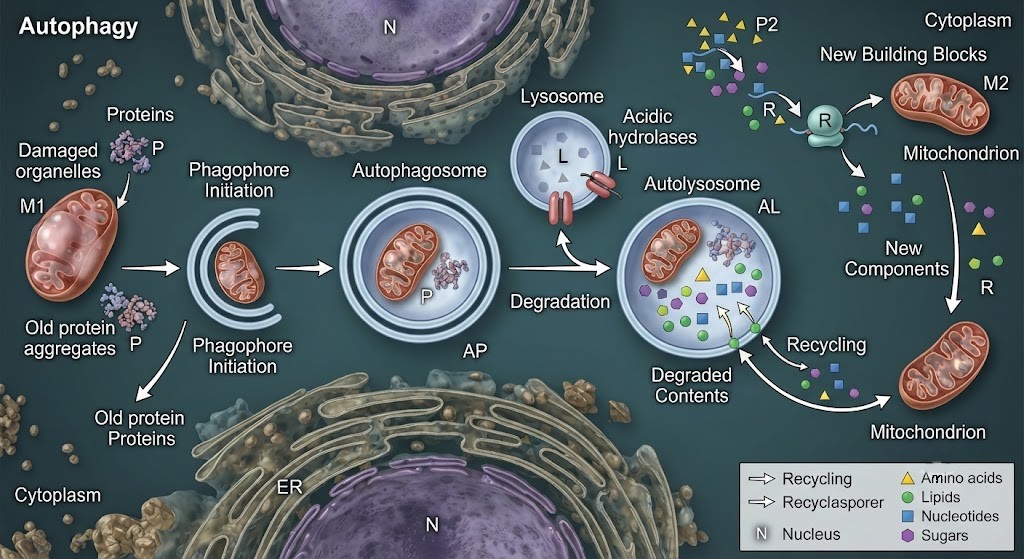
Autophagy is the body’s natural process of recycling damaged cellular components to maintain healthy cell function.
Often described as the body’s internal recycling system, autophagy removes worn-out proteins and organelles before they interfere with normal cellular activity. The recycled materials are then reused to build new cellular structures.
Scientists frequently compare autophagy to a recycling center operating inside every cell.
For example, damaged mitochondria—the structures responsible for producing cellular energy—can be removed and replaced with healthier ones through normal autophagy.
Researchers believe spermidine may support these natural pathways, making it one of the most widely discussed longevity supplements in modern aging research.
Autophagy helps maintain cellular quality by recycling damaged cellular components.
Potential Role in Brain and Heart Health
The brain and heart are among the body’s most energy-demanding organs. Both rely on efficient cellular maintenance to function properly throughout life.
Early research suggests spermidine may help support cognitive and cardiovascular health by promoting healthy cellular repair mechanisms. Observational studies have associated higher dietary spermidine intake with favorable cardiovascular outcomes, although these studies do not establish direct cause and effect.
Similarly, researchers are exploring whether improved autophagy may help support healthy brain function and memory during aging. However, larger human clinical trials are still needed before definitive conclusions can be made.
Statistic: Multiple observational studies have associated higher dietary spermidine intake with improved cardiovascular health markers, but randomized human trials remain limited. — Source: Nature Reviews Cardiology, 2023.
How Does Spermidine Support Autophagy?
Spermidine supports autophagy by helping regulate natural cellular pathways involved in recycling damaged proteins and organelles.
Unlike detox products that claim to “cleanse” the body, spermidine works within existing biological systems. Researchers believe it influences genes and proteins associated with autophagy, allowing cells to better maintain a healthy internal environment.
As damaged cellular material is removed, healthier structures can continue supporting normal energy production and cellular function.
Laboratory research over the past two decades has consistently identified autophagy as one of the body’s most important maintenance mechanisms, particularly in the context of healthy aging.
Statistic: More than two decades of laboratory research have identified autophagy as one of the most important biological processes involved in healthy aging. — Source: Nobel Prize in Physiology or Medicine Background Research, 2016; ongoing longevity research updates.
What Are the Potential Benefits of Spermidine Supplements?
The potential benefits of a Spermidine Supplement are largely linked to its role in supporting healthy cellular function, autophagy, and normal aging processes. While laboratory studies, animal research, and observational human studies have shown encouraging results, scientists continue to emphasize that more large-scale clinical trials are needed before definitive health claims can be made.
Rather than viewing spermidine as a “miracle anti-aging pill,” it’s best considered as one component of a healthy lifestyle that includes a balanced diet, regular exercise, quality sleep, and stress management.
Healthy Aging and Cellular Health
Healthy aging means maintaining physical, mental, and cellular function as you grow older. Since natural spermidine production gradually declines with age, researchers are investigating whether increasing dietary intake may help support cellular maintenance.
Spermidine appears to help cells maintain their normal repair and recycling systems, allowing them to function efficiently over time. Laboratory studies suggest that these cellular housekeeping mechanisms naturally decline with age, making this area an important focus of longevity research.
It’s important to understand that spermidine does not reverse aging. Instead, it may support normal biological processes associated with healthy aging.
Spermidine supports cellular maintenance rather than reversing aging.
Statistic: Aging is the leading risk factor for many chronic diseases, making healthy-aging research a major scientific priority worldwide. — Source: National Institute on Aging, 2024.
Brain Function
Brain health depends on efficient energy production, healthy neurons, and ongoing cellular maintenance.
Emerging research suggests that spermidine may support cognitive health by helping maintain healthy autophagy and mitochondrial function. Some small human studies have investigated whether supplementation could benefit memory and cognitive performance in older adults.
Although early findings are promising, researchers caution that additional high-quality clinical trials are needed before firm recommendations can be made.
Healthy brain cells rely on continuous repair and renewal throughout life, making cellular maintenance an important area of study.
Heart Health
The heart works continuously throughout life, making cellular health especially important.
Several observational studies have associated higher dietary spermidine intake with improved cardiovascular health markers. However, these studies demonstrate an association rather than proving that supplementation directly improves heart health.
People consuming diets naturally rich in spermidine often eat more vegetables, legumes, whole grains, and other nutrient-dense foods, which may also contribute to better cardiovascular outcomes.
Immune Function, Skin, Hair, and Exercise Recovery
Researchers are also exploring whether spermidine may support several other aspects of health, including:
- Healthy immune function
- Skin cell renewal
- Hair follicle health
- Exercise recovery
- Mitochrial performance
- Healthy energy production
These areas remain promising, but current evidence is still developing. More human studies are required before these potential benefits can be confirmed.
Which Foods Naturally Contain Spermidine?
Before considering supplements, many nutrition experts recommend increasing your intake of foods naturally rich in spermidine.
These foods not only provide spermidine but also deliver fiber, vitamins, minerals, antioxidants, and other beneficial plant compounds that support overall health.
Some of the richest dietary sources include:
- Wheat germ
- Soybeans
- Mushrooms
- Legumes
- Whole grains
- Green peas
- Broccoli
- Cauliflower
- Aged cheese
Including a variety of these foods in your diet may naturally increase spermidine intake while improving overall nutrition.
Foods naturally rich in spermidine include wheat germ, soybeans, mushrooms, legumes, whole grains, and aged cheese.
Should You Get Spermidine from Food or Supplements?
For most healthy individuals, food should remain the primary source of spermidine.
Supplements can be useful for those who struggle to consume spermidine-rich foods consistently or prefer standardized daily intake.
| Factor | Food Sources | Supplements |
|---|---|---|
| Nutrient Density | Excellent | Limited |
| Standardized Dosage | No | Yes |
| Daily Convenience | Moderate | High |
| Scientific Support | Strong | Emerging |
| Cost | Lower | Higher |
Whole foods offer additional nutrients that work together to support overall wellness. Supplements provide convenience but should complement—not replace—a nutritious diet.
What Is the Recommended Spermidine Dosage?
There is currently no official Recommended Dietary Allowance (RDA) for spermidine supplements.
Most commercially available products provide between 1 mg and 10 mg per day, depending on the manufacturer and formulation.
General recommendations include:
- Follow the manufacturer’s instructions.
- Take with food if recommended.
- Avoid exceeding labeled doses.
- Stay consistent with daily use rather than taking occasional high doses.
- Consult your healthcare provider before beginning supplementation.
Spermidine dosage should match the manufacturer’s recommendations and your healthcare provider’s advice.
When Is the Best Time to Take Spermidine?
Current research does not indicate that morning or evening supplementation is superior.
Most people prefer taking spermidine:
- With breakfast
- With lunch
- Alongside other daily supplements
The most important factor is consistency. Taking it at the same time each day can help establish a routine.
Are Spermidine Supplements Safe?
Current evidence suggests that spermidine supplements are generally well tolerated by healthy adults when taken according to recommended directions.
Reported side effects are uncommon and usually mild.
Possible side effects include:
- Mild stomach discomfort
- Temporary bloating
- Nausea
- Digestive upset
If unexpected symptoms occur, discontinue use and consult a healthcare professional.
Long-term human safety data are still limited, highlighting the need for ongoing research.
Who Should Avoid Taking Spermidine Supplements?
Speak with a healthcare professional before taking spermidine if you:
- Are pregnant or breastfeeding
- Have chronic medical conditions
- Take prescription medications
- Are receiving cancer treatment
- Recently underwent major surgery
A healthcare provider can determine whether supplementation is appropriate based on your individual medical history.
How to Choose the Best Spermidine Supplement
Not all supplements are created equal. Product quality varies significantly between manufacturers.
Look for supplements that provide:
- Standardized wheat germ extract
- Clearly stated spermidine content
- Third-party laboratory testing
- GMP-certified manufacturing
- Transparent ingredient sourcing
- Minimal unnecessary fillers
Avoid products that make unrealistic marketing claims such as:
- “Stops aging”
- “Reverses disease”
- “Works instantly”
- “Guaranteed longevity”
Scientific evidence does not support these promises.
Choosing third-party tested supplements improves confidence in ingredient quality and labeling accuracy.
What Does Scientific Research Say About Spermidine?
Scientific interest in spermidine continues to grow rapidly.
Current evidence includes:
- Laboratory studies
- Animal research
- Observational human studies
- Small randomized clinical trials
Many studies suggest spermidine may support healthy cellular maintenance, autophagy, and healthy aging. However, researchers consistently emphasize that larger, long-term randomized controlled trials are still needed to confirm these potential benefits.
Current evidence is encouraging but not yet conclusive.
Current research suggests spermidine may support healthy aging and cellular function, but additional large-scale human clinical trials are needed to confirm long-term benefits.
Statistic: Human clinical evidence for longevity supplements continues to expand, but experts emphasize that randomized controlled trials remain the gold standard. — Source: Nature Aging, 2024.
Practical Next Steps
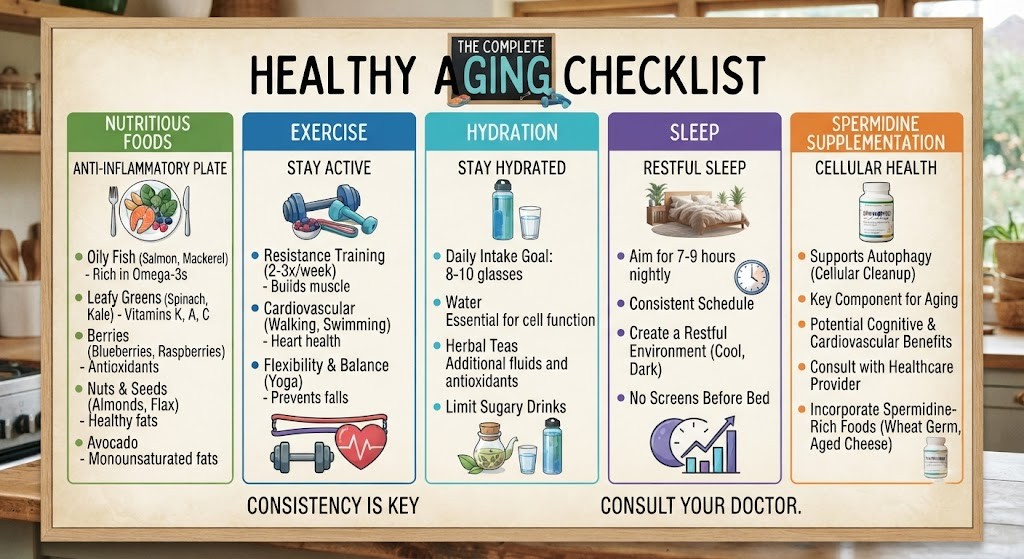
Healthy aging is built on consistent daily habits rather than relying on a single supplement.
Consider this evidence-based approach:
- Evaluate your personal health goals.
- Increase foods naturally rich in spermidine.
- Eat a balanced diet rich in vegetables and whole grains.
- Exercise regularly.
- Prioritize quality sleep.
- Stay physically active.
- Consult your healthcare provider before supplementation.
- Choose reputable, third-party tested products.
- Track your progress over several months.
You can further support your overall wellness with:
Conclusion
A Spermidine Supplement has become one of the most exciting topics in longevity research because of its potential role in supporting healthy cellular maintenance and autophagy. Although current evidence suggests possible benefits for healthy aging, brain function, cardiovascular health, and overall cellular wellness, researchers continue to call for larger, long-term human clinical trials.
For most people, the best strategy is to focus first on a nutrient-rich diet that includes natural sources of spermidine, maintain regular physical activity, prioritize quality sleep, and discuss supplementation with a qualified healthcare professional.
Rather than viewing spermidine as a miracle anti-aging solution, think of it as one evidence-based tool that may complement a healthy lifestyle designed to support long-term wellness and healthy aging.
FAQs
What is a Spermidine Supplement?
A spermidine supplement is a dietary supplement that provides spermidine, a naturally occurring compound that supports cellular maintenance and healthy aging.
What are the benefits of spermidine supplements?
Research suggests spermidine may support healthy aging, autophagy, brain health, heart health, and overall cellular function.
What does spermidine supplement do for you?
It may support your body’s natural cellular repair processes, promote autophagy, and help maintain healthy cells as you age.
What food is highest in spermidine?
Wheat germ is one of the richest natural sources of spermidine. Soybeans, mushrooms, legumes, and whole grains are also good sources.
Which foods are high in spermidine?
Foods rich in spermidine include wheat germ, soybeans, mushrooms, legumes, whole grains, green peas, broccoli, cauliflower, and aged cheese.
What is the recommended spermidine dosage?
Most supplements provide between 1–10 mg daily, but there is no official recommended daily allowance. Always follow product instructions or medical advice.
Can I take spermidine every day?
Most healthy adults can take spermidine daily when used according to the manufacturer’s directions.
Who should not take spermidine?
People who are pregnant, breastfeeding, taking prescription medications, or have chronic medical conditions should consult a healthcare professional before using spermidine.
Does spermidine activate autophagy?
Research suggests spermidine may help support the body’s natural autophagy process, although more human studies are needed.
Is it better to get spermidine from food or supplements?
Whole foods are generally the best source because they provide additional nutrients, while supplements offer convenient, standardized doses.
How long does it take for spermidine supplements to work?
There is no established timeline, as spermidine is intended to support long-term cellular health rather than provide immediate effects.
Are spermidine supplements safe?
Spermidine supplements appear to be well tolerated in most healthy adults when taken as directed.
Can younger adults take spermidine supplements?
Yes, but most younger adults can meet their spermidine needs through a balanced, nutrient-rich diet.