
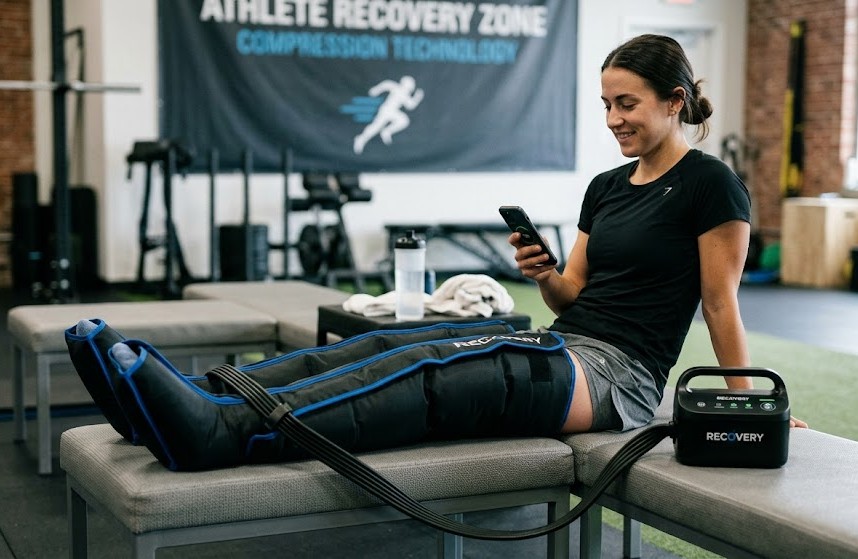
After a tough workout, it’s normal for your legs to feel sore, heavy, and fatigued. While many athletes focus heavily on training intensity, recovery often plays an even bigger role in long-term performance. Whether you’re a runner, cyclist, weightlifter, or fitness enthusiast, how well you recover can determine how consistently you improve.
One recovery tool that has gained tremendous popularity among professional athletes and everyday fitness enthusiasts is compression boots. These advanced recovery devices use pneumatic compression technology to support circulation, reduce post-workout discomfort, and help your body recover more efficiently between training sessions.
In this comprehensive guide, you’ll discover the most important compression boots benefits for recovery, how they work, who should use them, and how to incorporate them into a complete recovery strategy for optimal performance.
What Are Compression Boots and How Do They Work?
Compression boots are pneumatic recovery devices designed to improve circulation and support post-exercise recovery through sequential air pressure.
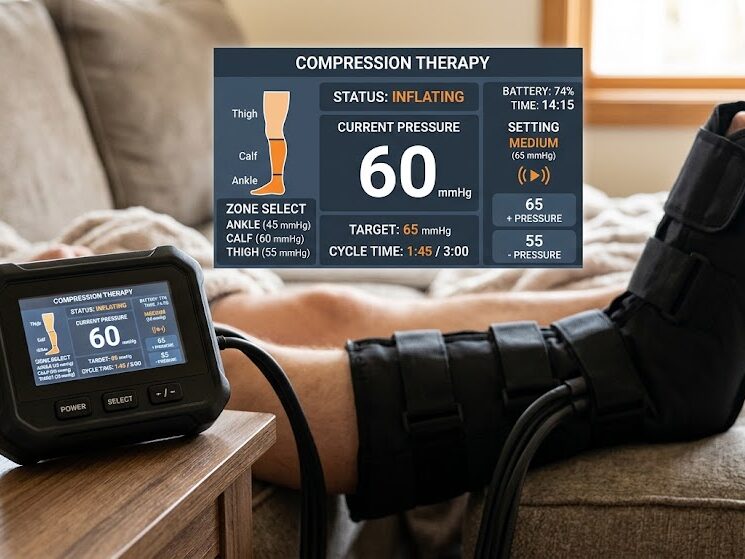
The system consists of wearable leg sleeves connected to an electronic control unit. Inside each sleeve are multiple air chambers that inflate and deflate in a carefully controlled sequence. This creates a wave-like compression pattern that moves from the feet upward through the calves and thighs.
The goal is to encourage blood flow and fluid movement throughout the legs, helping the body recover after strenuous physical activity.
For example, many athletes use compression boots after:
- Long-distance running
- Intense cycling sessions
- Heavy leg workouts
- Competitive sporting events
- Extended periods of travel
Components of a Compression Boot System
Most modern compression boot systems include:
- Leg sleeves with multiple air chambers
- Electronic control unit
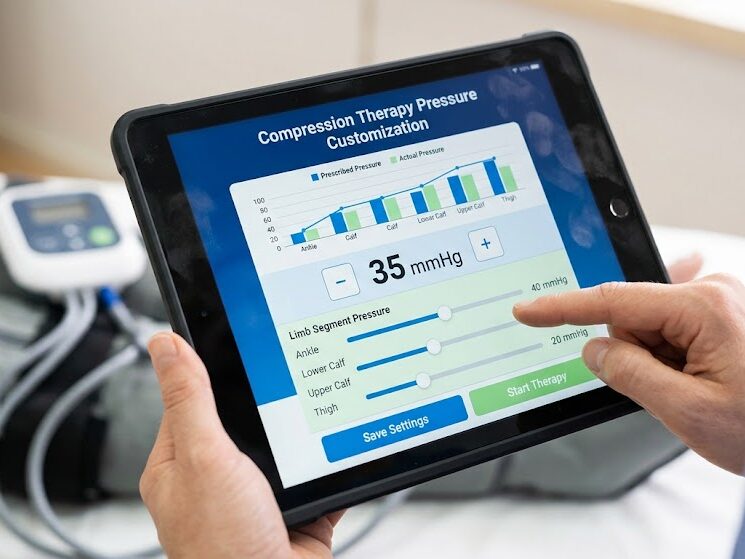
- Adjustable pressure settings
- Multiple recovery programs
- Session timing controls
- Portable battery options on premium models
Compression Boots vs Compression Socks
| Feature | Compression Boots | Compression Socks |
|---|---|---|
| Compression Type | Dynamic and sequential | Static |
| Pressure Control | Adjustable | Fixed |
| Recovery Sessions | Dedicated use | Continuous wear |
| Technology | Pneumatic air chambers | Elastic fabric |
| Cost | Higher | Lower |
Unlike compression socks that provide constant pressure, compression boots deliver dynamic sequential compression. This active approach helps move fluids through the legs rather than simply maintaining pressure.
complete muscle recovery guide
Statistic: The global sports recovery market continues to grow as recovery technologies gain adoption among athletes and active consumers — Source: Grand View Research, 2025.
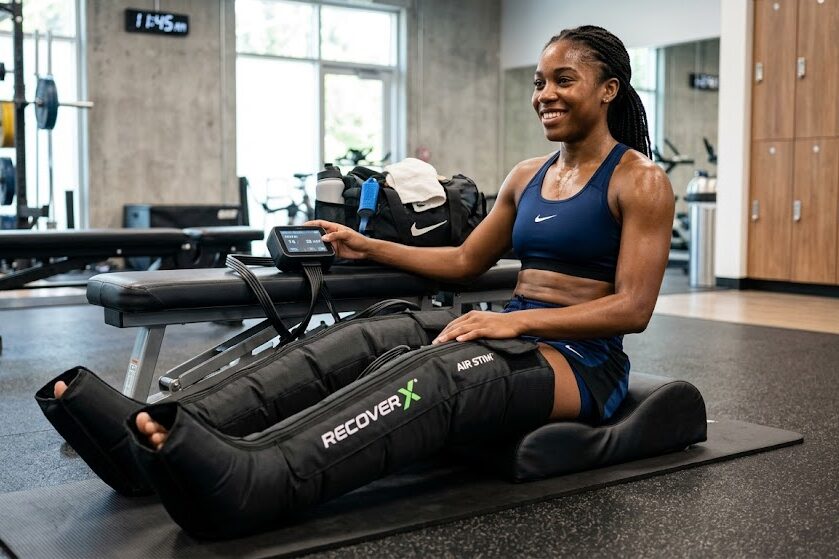
Why Recovery Matters for Athletic Performance
Recovery is the process by which the body repairs, restores, and adapts following physical stress.
Every workout creates microscopic damage to muscles and places demands on the body’s energy systems. Recovery allows the body to repair those tissues, replenish fuel stores, and prepare for future performance.
Without proper recovery, training quality often declines over time.
For example, a runner who completes a demanding 15-kilometer session without adequate recovery may experience lingering fatigue that negatively impacts subsequent workouts.
How Recovery Influences Performance
Proper recovery helps support:
- Training consistency
- Muscle repair
- Energy restoration
- Reduced soreness
- Improved readiness for future workouts
- Lower injury risk
Conversely, inadequate recovery can contribute to:
- Reduced training quality
- Persistent fatigue
- Increased muscle soreness
- Higher injury risk
- Slower performance improvements
Statistic: Sleep deprivation alone can reduce athletic performance by up to 10–30% depending on the sport — Source: National Sleep Foundation, 2024.
Recovery Is More Than Just Rest
Modern recovery strategies often include:
- Sleep
- Hydration
- Proper nutrition
- Mobility work
- Active recovery sessions
- Recovery technologies like compression boots
best post-workout recovery strategies
Consistent recovery habits contribute more to long-term athletic success than any single recovery tool used in isolation.
Main Compression Boots Benefits for Recovery
Compression boots provide several recovery advantages by supporting circulation, fluid movement, and relaxation after exercise.
Let’s explore the most significant benefits.
Reduced Muscle Soreness
One of the most commonly reported compression boots benefits for recovery is reduced post-workout soreness.
After intense exercise, muscles can feel stiff, tender, and fatigued. By promoting circulation and fluid movement, compression boots may help reduce the sensation of heaviness and discomfort.
Athletes frequently report that their legs feel fresher and more comfortable after recovery sessions.
Compression boots can also help reduce post-workout swelling by encouraging excess fluid to move out of the lower limbs.
how to reduce delayed onset muscle soreness
Improved Circulation
Healthy circulation is critical for recovery.
Compression boots use sequential pressure to encourage blood flow throughout the legs. Improved circulation may help deliver oxygen and nutrients more efficiently to recovering tissues.
Enhanced blood flow supports many of the body’s natural recovery processes following exercise.
Faster Recovery Between Workouts
Athletes who train multiple times per week often use compression boots to improve readiness between sessions.
Potential benefits include:
- Reduced perceived fatigue
- Improved comfort
- Better training consistency
- Enhanced recovery perception
Enhanced Relaxation and Comfort
Many users compare a compression boot session to receiving a gentle massage.
The rhythmic inflation and deflation pattern can create a relaxing experience that encourages recovery-focused downtime and stress reduction.
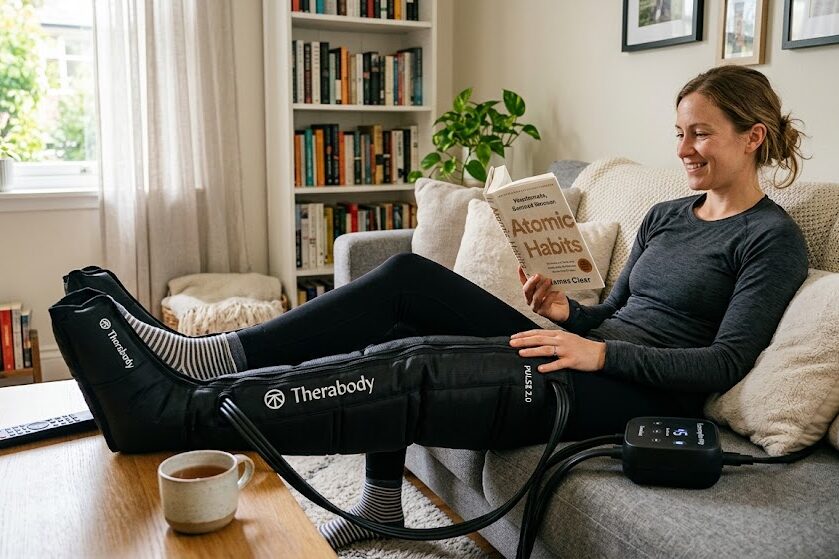
Can Compression Boots Reduce Muscle Soreness After Exercise?
Compression boots may help reduce muscle soreness after exercise by improving circulation and fluid movement throughout the legs.
Understanding DOMS
Delayed onset muscle soreness (DOMS) typically develops 12–48 hours after strenuous exercise.
DOMS is caused by microscopic muscle damage and inflammation resulting from intense or unfamiliar exercise.
Common symptoms include:
- Tenderness
- Stiffness
- Reduced mobility
- Temporary declines in performance
For example, runners frequently experience DOMS after hill workouts, races, or long-distance training sessions.
Where Compression Boots Fit Into Recovery
Compression boots are not a cure for muscle soreness, nor do they eliminate DOMS entirely.
However, many athletes report:
- Less leg heaviness
- Improved comfort
- Reduced feelings of fatigue
- Better recovery perception
They are best viewed as a supportive recovery tool rather than a complete solution.
Statistic: DOMS symptoms generally peak between 24 and 72 hours after exercise — Source: American College of Sports Medicine, 2024.
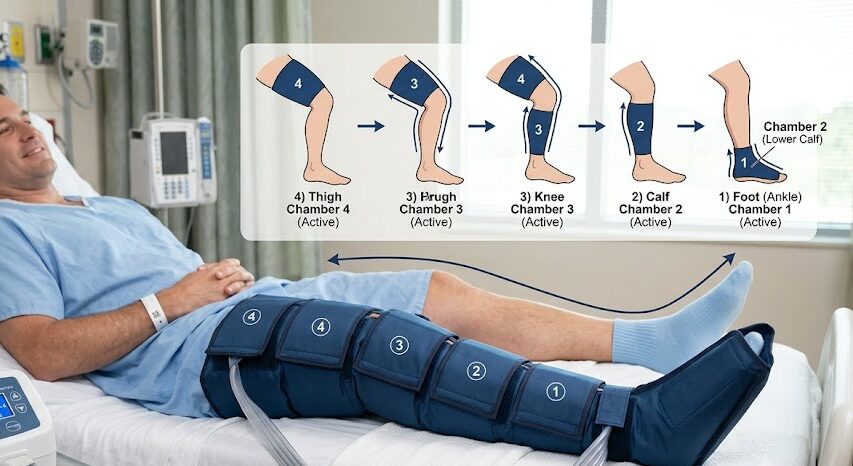
How Do Compression Boots Improve Circulation?
Compression boots improve circulation through sequential compression technology.
The chambers inflate progressively from the feet toward the thighs, creating a wave-like pressure pattern.
Sequential Compression Technology
This inflation sequence helps:
- Move stagnant fluids
- Encourage venous return
- Support healthy circulation
- Reduce fluid pooling in the lower limbs
Why Improved Circulation Matters
Efficient circulation supports the transportation of:
- Oxygen
- Nutrients
- Metabolic waste products
This process may contribute to a more effective recovery experience following strenuous exercise.
Statistic: Circulatory efficiency plays a significant role in nutrient delivery and tissue recovery following exercise — Source: Journal of Sports Science & Medicine, 2024.
Do Compression Boots Help With Lymphatic Drainage?
Compression boots may support lymphatic drainage by helping move excess fluid through the body’s lymphatic system.
The lymphatic system plays a vital role in waste removal and fluid regulation.
After intense exercise, prolonged standing, or long-distance travel, excess fluid can accumulate in the legs.
Potential Fluid Management Benefits
Users may experience:
- Reduced swelling
- Less leg heaviness
- Improved comfort
- Enhanced recovery perception
Why Athletes and Travelers Use Compression Boots
Long flights often cause leg swelling similar to what endurance athletes experience after demanding events.
As a result, both athletes and frequent travelers commonly use compression systems to improve comfort and support fluid movement.
Lymphatic support remains one of the most frequently cited compression boots benefits for recovery.
Who Should Use Compression Boots for Recovery?
Compression boots can benefit a wide range of individuals.
Runners
Running places repeated impact stress on the lower body.
Compression boots may help reduce post-run fatigue and support recovery between training sessions.
Weightlifters
Heavy lower-body training often results in soreness and muscular fatigue.
Compression sessions can become a valuable part of a post-workout recovery routine.
Cyclists and Endurance Athletes
Long-duration training frequently creates substantial leg fatigue.
Compression boots offer a passive recovery option that requires little effort.
Rehabilitation Patients
Many rehabilitation and physical therapy programs incorporate pneumatic compression under professional supervision.
Always consult a healthcare professional when recovering from injury or surgery.
Compression Boots vs Foam Rolling
Both recovery methods offer unique benefits and often work best when used together.
Comparison Table
| Recovery Method | Best For | Limitation |
|---|---|---|
| Compression Boots | Passive recovery and circulation | Higher cost |
| Foam Rolling | Mobility and tissue work | Can be uncomfortable |
| Massage Therapy | Relaxation and tissue treatment | Expensive |
| Stretching | Flexibility maintenance | Limited circulation benefits |
| Active Recovery | Blood flow promotion | Requires effort |
When Foam Rolling Works Best
Foam rolling is excellent for:
- Addressing muscle tightness
- Improving mobility
- Targeting specific muscle groups
foam roller exercises for recovery
When Compression Boots Work Best
Compression boots excel at:
- Passive recovery
- Circulation support
- Relaxation
- Recovery between training sessions
Many athletes combine both methods for optimal results.
Compression Boots vs Ice Baths
Although both are popular recovery tools, they work differently.
Compression Boots
Benefits include:
- Comfortable sessions
- Adjustable pressure levels
- Convenient home use
- Passive recovery support
Ice Baths
Benefits include:
- Cooling effect
- Temporary discomfort reduction
- Popular use among endurance athletes
Many athletes alternate between these approaches depending on recovery goals and personal preferences.
Are Compression Boots Worth the Investment?
For individuals who train frequently, compression boots can be a worthwhile investment.
Pricing typically ranges from several hundred to several thousand dollars depending on features and brand.
Home Users vs Professional Athletes
Professional athletes often use compression systems daily.
Recreational exercisers may still benefit but should evaluate how often they would realistically use the device.
Renting vs Buying
If you’re unsure whether compression boots are right for you, consider renting or testing a system before making a purchase.
fitness recovery tools comparison
Potential Limitations
Compression boots do have some drawbacks:
- High initial cost
- Variable individual responses
- Time commitment for sessions
- Cannot replace sleep and nutrition
Recovery technology should enhance healthy habits rather than replace them.
What Features Should You Look for When Buying Compression Boots?
Choosing the right compression boot system depends on your recovery goals, budget, and training frequency.
Key Features to Consider
Look for:
- Multiple pressure settings
- Adjustable session lengths
- Battery-powered portability
- Quiet operation
- Mobile app integration
- Recovery tracking features
Popular Compression Boot Systems
Well-known brands include:
- NormaTec
- Hyperice Recovery Systems
- RecoveryAir
- Air Relax
Building a Complete Recovery Routine
Compression boots are most effective when combined with other proven recovery strategies.
Prioritize Sleep
Sleep remains the single most powerful recovery intervention available.
During sleep, the body performs essential repair and adaptation processes.
Statistic: Most adults require 7–9 hours of sleep per night for optimal health and recovery — Source: CDC, 2025.
Optimize Nutrition
Nutrition supports:
- Muscle repair
- Energy replenishment
- Recovery adaptation
best recovery foods after exercise
Stay Hydrated
Hydration influences:
- Circulation
- Athletic performance
- Recovery quality
Include Mobility Work
Mobility exercises and stretching help maintain long-term movement quality and function.
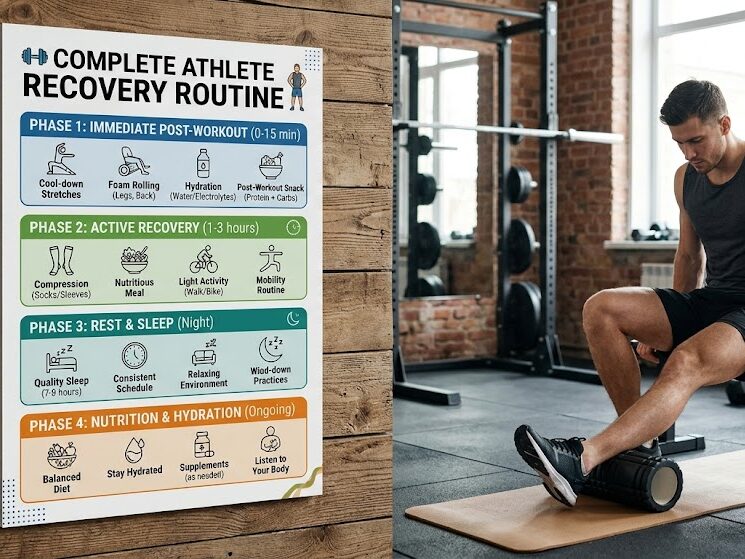
Sample Recovery Routine
- Hydrate immediately after training
- Eat a recovery-focused meal
- Use compression boots for 20–30 minutes
- Perform light mobility work
- Prioritize quality sleep
Compression boots complement these recovery practices rather than replacing them.
Conclusion
Compression boots have become one of the most popular recovery tools among athletes and active individuals for good reason. By using sequential air pressure, they help support circulation, encourage fluid movement, reduce feelings of leg fatigue, and improve overall recovery comfort.
Throughout this guide, we’ve explored the leading compression boots benefits for recovery, including improved circulation, reduced soreness, enhanced relaxation, lymphatic support, and faster recovery between workouts. While these devices can be a valuable addition to a recovery routine, they work best when combined with foundational habits such as quality sleep, proper nutrition, hydration, mobility work, and intelligent training.
injury prevention strategies for athletes
Ultimately, recovery is not about a single tool—it’s about building a complete system. When used consistently as part of a comprehensive recovery strategy, compression boots can help you recover more effectively, train more consistently, and perform at your highest level.
FAQs
What are compression boots used for?
They improve circulation and support faster recovery after exercise.
How long should you use compression boots after a workout?
Most sessions last 15–45 minutes.
Do compression boots help with muscle soreness?
Yes, they may reduce soreness, fatigue, and leg heaviness.
Can compression boots replace stretching or foam rolling?
No, they work best alongside other recovery methods.
Are compression boots safe to use every day?
Generally yes, but consult a healthcare professional if you have medical concerns.
Are compression boots worth buying for recreational athletes?
They can be worthwhile if you train regularly and prioritize recovery.
Do compression boots improve circulation?
Yes, sequential compression helps promote blood flow.
Can compression boots help after long flights?
Yes, they may reduce swelling and improve leg comfort.