
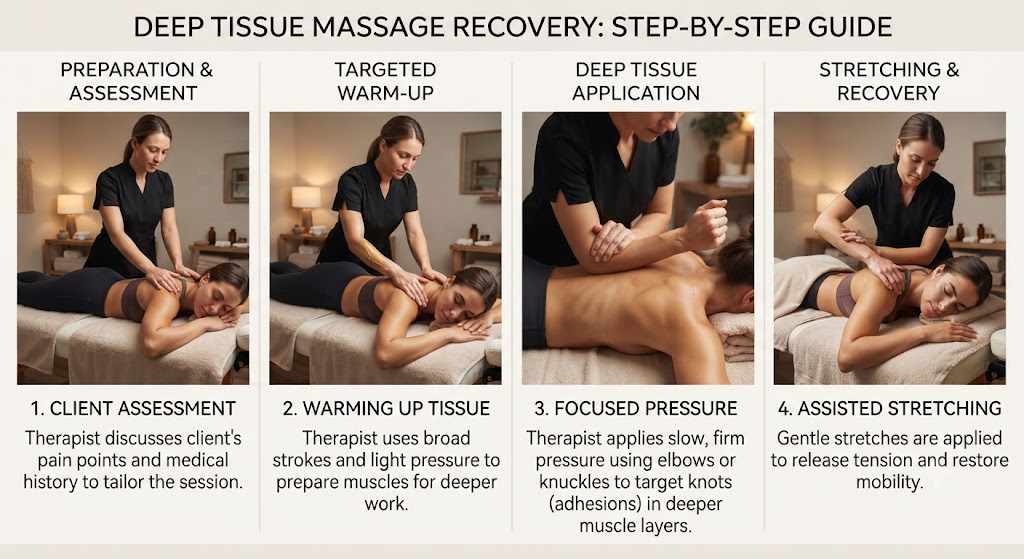
A deep tissue massage can leave your muscles feeling sore, stiff, or surprisingly tender—and that’s completely normal. While the massage itself is important, what you do during the next 24 to 72 hours can have an even greater impact on how quickly your body recovers and how long the benefits last.
Whether you’re an athlete, an office worker dealing with chronic muscle tension, or someone recovering after an intense workout, understanding deep tissue massage recovery can help you reduce soreness, improve mobility, and maximize every treatment.
In this guide, you’ll learn:
- What deep tissue massage recovery is
- Why soreness happens
- How long recovery takes
- The best recovery strategies backed by current evidence
- Common mistakes to avoid
- When post-massage pain may require medical attention
What Is Deep Tissue Massage Recovery?
Deep tissue massage recovery is the natural healing process that occurs after deep pressure is applied to muscles and connective tissues during treatment.
Unlike a relaxing Swedish massage, deep tissue massage targets deeper muscle layers, fascia, and chronic areas of tension. During recovery, your body adapts to the pressure applied, repairs microscopic tissue stress, improves circulation, and gradually restores normal muscle function.
Mild muscle soreness after a deep tissue massage is a normal response to tissue manipulation and typically resolves within 24 to 72 hours.
For example, if you’ve recently completed a heavy leg workout and receive a deep tissue massage, your quadriceps and hamstrings may feel tender the following day before becoming noticeably looser.
According to the American Massage Therapy Association (AMTA), drinking water, staying active with light movement, and allowing time for recovery can help maximize the benefits of massage therapy. — Source: American Massage Therapy Association, 2024.
Why Does Soreness Occur After a Deep Tissue Massage?
Deep tissue massage applies sustained pressure that works on deeper muscle tissues and fascia. This process temporarily stresses the tissues while supporting long-term healing.
The massage helps:
- Break down muscle adhesions
- Improve blood circulation
- Reduce muscle tension
- Stimulate connective tissue remodeling
This temporary stress can create soreness similar to Delayed Onset Muscle Soreness (DOMS), but it should gradually improve as your muscles recover.
Massage Soreness vs. Injury
| Normal Recovery | Warning Signs |
|---|---|
| Mild tenderness | Sharp or worsening pain |
| Slight stiffness | Significant swelling |
| Temporary fatigue | Numbness or tingling |
| Improves daily | Pain lasting over one week |
| Better with movement | Severe bruising or fever |
If your symptoms match the warning signs, it’s important to consult a healthcare professional rather than assuming they’re part of normal recovery.
Why Does Deep Tissue Massage Recovery Matter?
Deep tissue massage recovery matters because proper aftercare helps your muscles heal efficiently while maximizing the long-term benefits of treatment.
Recovery isn’t simply waiting for soreness to disappear. The habits you practice after your massage determine how effectively your body repairs tissues and adapts to the treatment.
Deep tissue massage improves blood circulation, reduces muscle tension, and may enhance recovery from physical activity when combined with healthy recovery habits.
Benefits of Proper Recovery
- Faster muscle repair
- Improved flexibility
- Better joint mobility
- Reduced stiffness
- Enhanced athletic performance
- Lower injury risk
For example, runners who combine massage with proper hydration and mobility work often experience less post-training stiffness than runners who simply rest.
Research suggests massage may reduce delayed onset muscle soreness and improve perceived recovery after exercise. — Source: Frontiers in Physiology, 2023.
How Long Does Deep Tissue Massage Recovery Take?
Most people recover from a deep tissue massage within one to three days, although recovery varies depending on massage intensity, fitness level, hydration, sleep quality, and overall health.
First 24 Hours
Your muscles may feel:
- Tender
- Heavy
- Relaxed yet stiff
- Slightly fatigued
This is the most important period for hydration, rest, and avoiding strenuous activity.
24–48 Hours
Inflammation begins decreasing while circulation continues improving.
Many people notice:
- Better mobility
- Reduced tightness
- Less soreness
- Improved posture
48–72 Hours
Recovery typically accelerates during this phase.
Most soreness has disappeared, and muscles often feel:
- More flexible
- Less restricted
- Better coordinated
One Week
Recovery should be complete for most healthy individuals.
If significant pain persists beyond seven days, consult your healthcare provider or physical therapist.
What Happens During the First 72 Hours After a Massage?
The first 72 hours after a massage involve tissue repair, improved circulation, reduced muscle tension, and gradual recovery from temporary soreness.
First Phase: Circulation Improves
Blood flow increases to treated tissues, delivering:
- Oxygen
- Nutrients
- Immune cells
These processes support healing and muscle recovery.
Second Phase: Muscles Relax
Previously tight muscle fibers gradually lengthen and regain normal movement.
For example, office workers often notice easier neck movement after spending several days following proper recovery practices.
Third Phase: Tissue Remodeling
Your fascia and muscles continue adapting after the massage session ends.
This is why your recovery habits play such an important role in determining long-term results.
What Are the Best Ways to Recover Faster After a Deep Tissue Massage?
The fastest recovery comes from combining hydration, gentle movement, quality sleep, balanced nutrition, and avoiding excessive physical stress.
Stay Hydrated
Post-massage recovery involves hydration, gentle movement, adequate sleep, and proper nutrition to support muscle repair and reduce soreness.
Water supports normal body functions and replaces fluids lost through normal daily activity. While drinking water doesn’t “flush toxins” as commonly claimed, staying hydrated supports overall recovery.
For more guidance, visit hydration for muscle recovery
Prioritize Sleep
Sleep is when much of your body’s repair occurs.
Aim for:
- 7–9 hours nightly
- A consistent sleep schedule
- A comfortable sleeping position
Read our guide on sleep for muscle recovery.
Move Gently
Light movement improves circulation and prevents excessive stiffness without placing unnecessary stress on recovering muscles.
Good choices include:
- Walking
- Gentle yoga
- Mobility drills
- Easy cycling
Explore our active recovery workout.
Stretch Carefully
Gentle stretching helps maintain flexibility while avoiding additional strain.
Should You Exercise After a Deep Tissue Massage?
Most people should avoid intense exercise immediately after a deep tissue massage and instead choose light movement for the first 24 hours.
Heavy lifting or high-intensity workouts immediately after treatment may increase soreness and delay recovery.
Better options include:
- Walking
- Mobility work
- Easy swimming
- Gentle cycling
Athletes can usually resume normal training within 24–48 hours, depending on how sore they feel.
Should You Use Heat or Ice After a Deep Tissue Massage?
Both heat and ice can be helpful after a massage, but choosing the right option depends on your symptoms.
| Heat Therapy | Ice Therapy |
|---|---|
| Muscle tightness | Acute inflammation |
| General stiffness | Localized soreness |
| Relaxation | Minor swelling |
| Chronic tension | Recent irritation |
Use heat when muscles feel tight and stiff.
Use ice if localized inflammation or swelling develops.
What Foods and Drinks Help Muscle Recovery After Massage?
Protein-rich foods, anti-inflammatory ingredients, and adequate fluids provide the nutrients your muscles need during recovery.
Excellent recovery foods include:
- Greek yogurt
- Eggs
- Fish
- Lean chicken
- Beans
- Lentils
- Berries
- Leafy greens
- Nuts
- Seeds
Electrolyte drinks may also help after prolonged exercise or excessive sweating.
For healthy meal ideas, see anti-inflammatory foods.
Research consistently shows dietary protein supports muscle protein synthesis after exercise. — Source: International Society of Sports Nutrition, 2023.
When Is Pain After a Deep Tissue Massage Not Normal?
Pain after a massage is not normal when it is severe, worsening, or accompanied by neurological or systemic symptoms.
Seek medical attention if you experience:
- Severe swelling
- Persistent numbness
- Loss of movement
- Fever
- Extensive bruising
- Pain lasting beyond one week
These symptoms are uncommon but deserve professional evaluation.
For athletes, persistent soreness may also indicate signs of muscle overtraining.
Who Benefits Most from Deep Tissue Massage Recovery?
Anyone receiving deep tissue massage benefits from proper recovery, although athletes and people with chronic muscle tension often notice the greatest improvements.
Common groups include:
- Runners
- Weightlifters
- CrossFit athletes
- Office workers
- Physical therapy patients
- Individuals with chronic neck or back tightness
Recovery may take longer for:
- Older adults
- Individuals with poor sleep
- People who are dehydrated
- Those with chronic health conditions
- Individuals recovering from injuries
What Mistakes Should You Avoid After a Deep Tissue Massage?
Avoiding common recovery mistakes helps reduce soreness and improves treatment results.
Avoid:
- Heavy workouts immediately afterward
- Poor hydration
- Excess alcohol
- Staying sedentary all day
- Ignoring persistent pain
- Sleeping too little
Even small recovery habits practiced consistently often produce greater long-term improvements than the massage session alone.
Recovery Tools and Practical Applications
Recovery tools can complement deep tissue massage when they are used appropriately alongside healthy recovery habits.
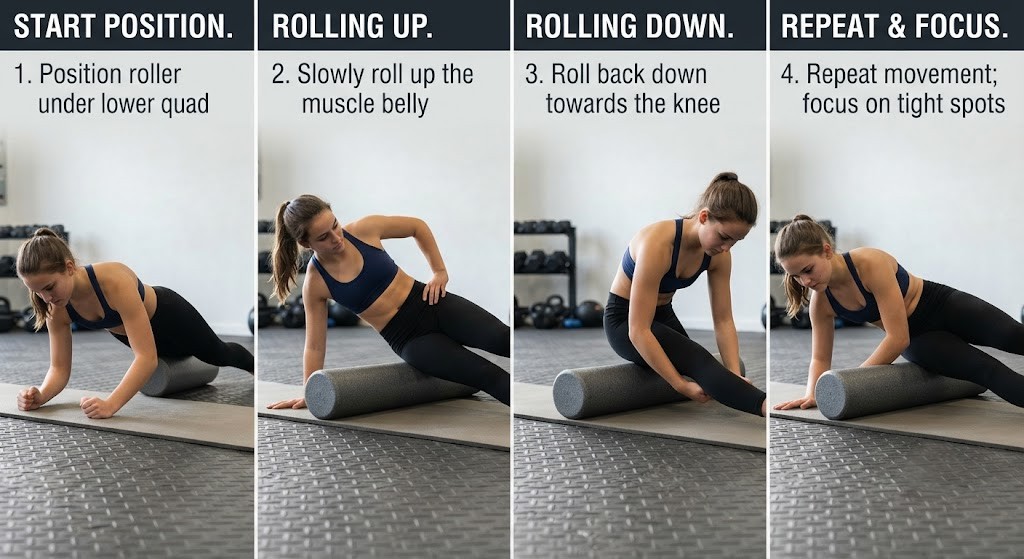
Foam Roller
A foam roller is useful for maintaining flexibility and reducing muscle tightness between massage appointments.
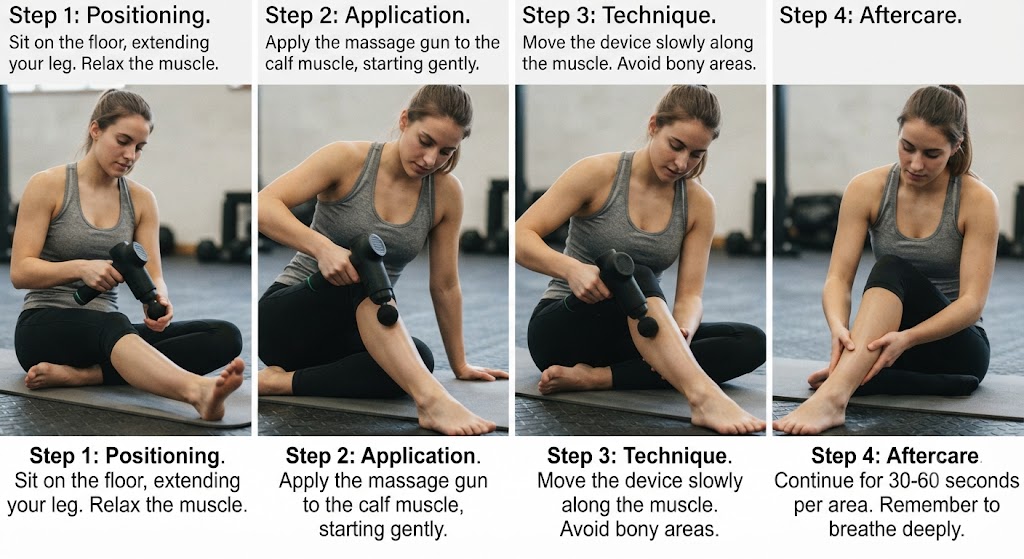
Massage Gun
Massage guns can reduce temporary muscle tightness when used gently and correctly.
Heating Pad
Helpful for:
- Tight muscles
- Chronic stiffness
- Relaxation
Ice Pack
Useful for:
- Localized discomfort
- Minor swelling
Electrolyte Drinks
Helpful after:
- Long training sessions
- Heavy sweating
- Hot weather workouts
Athlete Recovery Routine
Follow this simple routine to recover efficiently after a deep tissue massage:
- Drink water after your massage.
- Eat a protein-rich meal.
- Walk for 10–20 minutes.
- Sleep at least 8 hours.
- Resume training only after soreness improves.
Office Worker Recovery Routine
If you spend long hours sitting at a desk, these habits can help maintain your results:
- Hydrate throughout the day.
- Take walking breaks every hour.
- Stretch your neck and hips.
- Maintain good posture.
- Sleep consistently.
Sample Post-Massage Recovery Schedule
| Time | Activity |
|---|---|
| Immediately | Drink water and relax |
| 1–3 Hours | Light meal with protein |
| Evening | Easy walk and gentle stretching |
| Night | 7–9 hours of sleep |
| Next Day | Light activity and hydration |
| Day 2–3 | Return gradually to normal exercise |
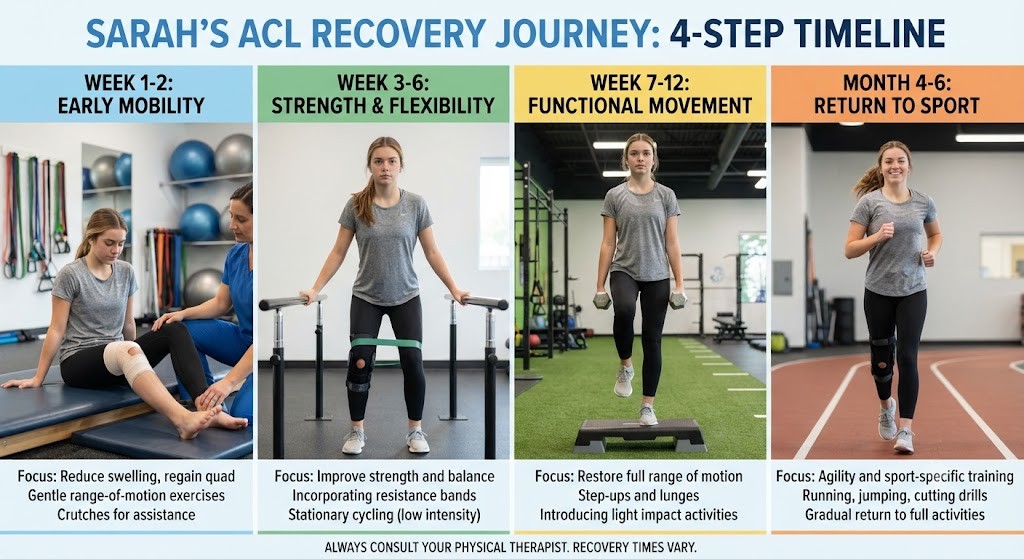
What’s Next After Deep Tissue Massage Recovery?
Long-term recovery improves when massage becomes part of a complete movement and wellness routine instead of an occasional treatment.
Once soreness has resolved:
- Schedule massages consistently based on your goals.
- Combine massage with strength training.
- Perform regular mobility sessions.
- Improve sleep quality.
- Maintain proper hydration.
- Follow progressive exercise programming.
You can also improve flexibility with mobility exercises for recovery.
Conclusion
Deep tissue massage recovery is an essential part of getting the full value from every treatment. While mild soreness is a normal response, your recovery habits determine how quickly your muscles heal and how long the benefits last.
By staying hydrated, eating nutrient-rich foods, prioritizing quality sleep, and choosing gentle movement instead of intense exercise during the first few days, you can minimize discomfort and support faster healing. Just as importantly, pay attention to your body’s signals. If pain becomes severe, worsens over time, or lasts longer than expected, seek guidance from a qualified healthcare professional or physical therapist.
Remember, lasting results come from combining regular massage with healthy recovery habits, strength training, mobility work, and consistent self-care. Treat recovery as part of your wellness routine—not an afterthought—and you’ll enjoy stronger muscles, better flexibility, improved movement, and long-term performance.