
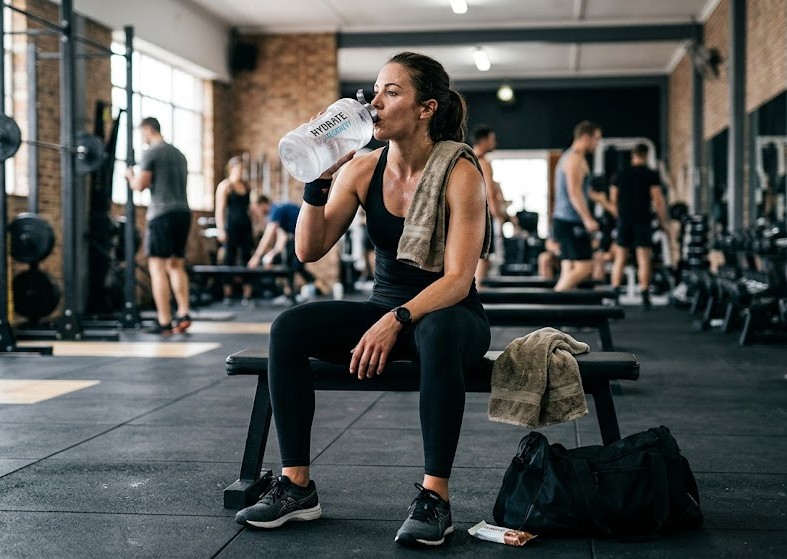
Staying hydrated is one of the simplest yet most powerful ways to improve your workout recovery. While many people remember to drink water after exercising, proper hydration involves much more than finishing a bottle of water once your session ends. Your body loses fluids and essential electrolytes through sweat, and replacing them correctly helps repair muscles, restore energy, regulate body temperature, and prepare you for your next workout.
Whether you’re lifting weights, running, cycling, practicing yoga, or participating in high-intensity interval training (HIIT), understanding how to stay hydrated for workout recovery can make a significant difference in your performance and overall health.
In this guide, you’ll learn why hydration is essential for recovery, how much water you should drink before, during, and after exercise, the role of electrolytes, and practical hydration habits that support faster muscle recovery and long-term fitness.
What Is Workout Hydration?
Workout hydration is the process of replacing the fluids and electrolytes your body loses during exercise to support recovery, athletic performance, and overall health.
Every workout causes your body to lose water through sweating and breathing. Sweating is your body’s natural cooling system, but it also reduces the amount of water available for muscles, blood circulation, and essential cellular functions. If these fluids aren’t replaced, recovery becomes slower, fatigue increases, and future workouts may suffer.
For example, a 60-minute strength-training session can result in a sweat loss of anywhere between 0.5 and 2 liters, depending on workout intensity, body size, and environmental conditions.
According to the American College of Sports Medicine (ACSM), losing as little as 2% of your body weight through dehydration can significantly reduce exercise performance, concentration, and cognitive function.
Source: ACSM, 2024.
Hydration vs. Recovery
Although hydration and recovery work together, they are not the same process. Hydration focuses on restoring fluids and maintaining electrolyte balance, while recovery involves repairing muscle tissue, replenishing energy stores, and reducing soreness.
| Hydration | Recovery |
|---|---|
| Replaces lost fluids | Repairs damaged muscles |
| Maintains electrolyte balance | Restores glycogen stores |
| Supports blood circulation | Promotes muscle growth |
| Regulates body temperature | Reduces soreness and fatigue |
Hydration supports every stage of recovery. Without enough fluids, your body cannot efficiently transport oxygen and nutrients to damaged muscle fibers or remove metabolic waste produced during exercise.
Post-workout recovery hydration means restoring both water and electrolytes so your body can recover efficiently and prepare for your next training session.
For a complete recovery plan, explore our best post-workout recovery strategies.
Why Staying Hydrated Matters for Workout Recovery
Proper hydration affects nearly every recovery process inside your body. Since water makes up approximately 60% of the adult human body, even mild dehydration can interfere with muscle repair, energy production, circulation, and joint health.
Let’s explore the major ways hydration supports workout recovery.
Hydration Supports Muscle Repair
During resistance training and intense exercise, tiny tears develop in your muscle fibers. These microscopic tears are completely normal and are responsible for muscle growth after proper recovery.
However, repairing these muscles requires amino acids, oxygen, vitamins, minerals, and other nutrients to reach damaged tissues. Water acts as the transportation system that delivers these nutrients throughout the body.
When you’re dehydrated, blood volume decreases, circulation becomes less efficient, and muscles may receive nutrients more slowly. As a result, the recovery process can take longer.
Hydration supports nutrient delivery, body temperature regulation, and muscle repair after exercise.
Hydration Helps Restore Glycogen Stores
Exercise uses glycogen—the stored form of carbohydrates—as a primary fuel source.
After training, your muscles begin rebuilding these glycogen stores. Interestingly, every gram of glycogen stored in the muscles is accompanied by approximately 3 grams of water.
That means hydration directly influences how effectively your muscles restore energy after exercise.
For example, eating carbohydrates after a workout while remaining dehydrated can reduce glycogen restoration efficiency, potentially affecting your performance during your next session.
Regulates Body Temperature
Your body temperature naturally rises during exercise. Sweating helps cool the body, but it also removes significant amounts of water.
Replacing lost fluids allows your body temperature to return to normal more quickly after exercise, reducing stress on your cardiovascular system.
Athletes training in hot or humid environments can lose more than 2 liters of sweat per hour, making proper rehydration especially important.
Source: National Athletic Trainers’ Association, 2023.
Supports Healthy Joints
Water is also a key component of synovial fluid—the lubricating fluid that cushions your joints.
Maintaining adequate hydration supports smoother joint movement, reduces stiffness, and helps protect cartilage during recovery.
This becomes particularly important for runners, CrossFit athletes, weightlifters, and anyone exercising several days each week.
May Help Reduce Muscle Soreness
Although hydration alone won’t completely eliminate delayed onset muscle soreness (DOMS), dehydration often makes soreness feel worse.
When you’re properly hydrated, circulation improves, allowing nutrients to reach recovering muscles while metabolic byproducts are removed more efficiently.
For additional recovery methods, see how to reduce muscle soreness naturally
Restores Energy More Quickly
Not all post-workout fatigue is caused by hard training.
Sometimes, it’s simply dehydration.
Even mild dehydration may increase perceived effort, reduce mental focus, delay recovery, and make workouts feel more difficult than they actually are.
According to the European Hydration Institute, dehydration can negatively affect both physical and cognitive performance before noticeable thirst develops.
Source: European Hydration Institute, 2023.
How to Stay Hydrated for Workout Recovery
The most effective hydration strategy starts before your workout, continues throughout your training session, and finishes with proper rehydration afterward.
Rather than drinking large amounts of water at once, aim to consume fluids consistently throughout the day.
Drink Water Before Exercise
Hydration begins well before your workout starts.
Experts recommend drinking:
- 500–600 mL of water about 2–3 hours before exercise
- 200–300 mL around 20 minutes before your workout
Starting exercise well hydrated reduces cardiovascular strain, improves endurance, and helps regulate body temperature throughout your session.
Stay Hydrated During Exercise
Your fluid requirements depend on workout intensity, duration, weather conditions, and individual sweat rate.
General recommendations include:
- Sip water every 15–20 minutes
- Drink approximately 150–250 mL each time
- Increase intake during hot, humid, or high-intensity workouts
People participating in endurance sports such as long-distance running, cycling, or hiking usually require more fluids than someone completing a short gym workout.
Rehydrate After Exercise
Post-workout hydration is essential for replacing all the fluids lost through sweat.
The American College of Sports Medicine recommends drinking approximately 1.25–1.5 liters of fluid for every kilogram of body weight lost during exercise.
Source: ACSM Hydration Guidelines, 2024.
For example:
| Measurement | Value |
|---|---|
| Weight before workout | 70 kg |
| Weight after workout | 69.2 kg |
| Weight lost | 0.8 kg |
| Recommended fluid replacement | 1.2 liters |
This recommendation accounts for continued fluid losses that occur even after your workout has ended.
Replace Lost Electrolytes
Water alone isn’t always enough.
When you sweat, you also lose important minerals called electrolytes, including:
- Sodium
- Potassium
- Magnesium
- Calcium
These minerals help regulate:
- Muscle contractions
- Nerve signaling
- Fluid balance
- Cellular function
Electrolytes help maintain fluid balance, muscle contraction, and nerve function, making them especially important after prolonged or high-intensity exercise.
If your workouts last longer than one hour or involve heavy sweating, replacing electrolytes becomes increasingly important.
For more guidance, explore electrolytes and recovery nutrition.
Monitor Your Urine Color
One of the easiest ways to assess hydration requires no special equipment.
| Urine Color | Hydration Status |
|---|---|
| Pale yellow | Well hydrated |
| Light yellow | Good hydration |
| Dark yellow | Drink more fluids |
| Amber | Likely dehydrated |
A practical way to assess hydration is by monitoring urine color, body weight changes, and thirst before and after exercise.
Eat Water-Rich Foods
Hydration isn’t only about drinking water.
Many fruits and vegetables contain more than 90% water, helping you restore fluids while providing vitamins, minerals, fiber, and antioxidants that support recovery.
Excellent options include:
- Watermelon
- Cucumbers
- Strawberries
- Tomatoes
- Lettuce
- Oranges
- Celery

These foods pair well with lean protein and complex carbohydrates for a balanced recovery meal.
Pair them with protein intake after workouts for balanced post-workout nutrition.
Build a Daily Hydration Habit
Consistency is more effective than drinking large amounts of water only after exercising.
Simple daily habits include:
- Carry a reusable water bottle wherever you go.
- Drink a glass of water with every meal.
- Set reminders on your phone to hydrate.
- Check your urine color twice a day.
- Increase fluid intake during hot weather.
- Replace fluids immediately after every workout.
These small habits can improve recovery, reduce fatigue, and help maintain consistent workout performance over time.
What Are the Best Drinks for Workout Recovery?
Choosing the right recovery drink depends on your workout duration, exercise intensity, sweat loss, and nutritional needs. While plain water is sufficient for many people, longer or more demanding training sessions may require beverages that also provide electrolytes, carbohydrates, or protein.
According to the International Society of Sports Nutrition (ISSN), combining fluids with carbohydrates and protein after prolonged exercise can improve glycogen replenishment and muscle recovery.
Source: ISSN Position Stand, 2024.
Water: The Foundation of Recovery
For workouts lasting less than 60 minutes, plain water is usually the best recovery drink. It effectively replaces lost fluids, supports circulation, regulates body temperature, and helps transport nutrients to recovering muscles.
Benefits of water include:
- Zero calories
- Easily accessible
- Supports healthy circulation
- Helps regulate body temperature
- Aids nutrient delivery and waste removal
For example, someone completing a 45-minute strength-training session can often recover effectively with water alongside a balanced meal.
Coconut Water
Coconut water is a natural source of electrolytes that can support hydration after light to moderate exercise.
It naturally contains:
- Potassium
- Sodium
- Magnesium
- Small amounts of carbohydrates
Benefits include:
- Natural electrolyte replacement
- Lower added sugar than many commercial sports drinks
- Supports muscle function
- Helps restore fluid balance
However, coconut water contains less sodium than most sports drinks, making it less suitable after prolonged endurance exercise or heavy sweating.
Sports and Electrolyte Drinks
Electrolyte drinks become beneficial during:
- Workouts lasting longer than 60–90 minutes
- High-intensity training
- Exercise in hot or humid environments
- Heavy sweating
- Multiple training sessions in one day
Sweating causes your body to lose sodium, potassium, magnesium, and chloride. Replacing these minerals helps maintain fluid balance, muscle contractions, and nerve function.
For more information, read our electrolytes and recovery nutrition
Milk
Milk is considered one of the most complete post-workout recovery drinks because it provides fluids, protein, carbohydrates, and electrolytes in one beverage.
Milk supplies:
- High-quality protein
- Calcium
- Potassium
- Sodium
- Carbohydrates
Research published in the Journal of the International Society of Sports Nutrition suggests that milk can be as effective—or even more effective—than some sports drinks for post-exercise rehydration because of its nutrient profile.
Protein Shakes
Protein shakes contribute to hydration while supporting muscle repair and growth.
Although they are not designed primarily for rehydration, they can become an excellent recovery option when combined with fluid-rich ingredients.
A nutritious smoothie might include:
- Milk or yogurt
- Banana
- Mixed berries
- Protein powder
- Spinach
This combination provides fluids, carbohydrates, antioxidants, vitamins, minerals, and protein to support comprehensive recovery.
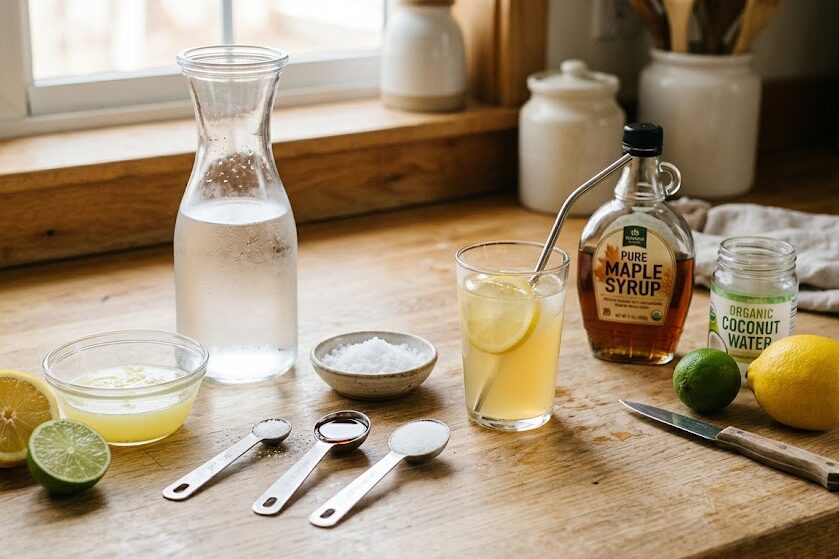
Homemade Electrolyte Drink
If you prefer a homemade option, try this simple recipe:
- 500 mL water
- Juice of half a lemon
- ¼ teaspoon salt
- 1 tablespoon honey (optional)
This drink supplies fluids, sodium, and carbohydrates without excessive added sugar.
How Much Water Should You Drink After a Workout?
There isn’t a single hydration recommendation that works for everyone. Your ideal fluid intake depends on body size, sweat rate, workout duration, exercise intensity, and environmental conditions.
Estimate Your Sweat Loss
One of the most practical methods is weighing yourself before and after exercise.
Formula
Weight Lost (kg) × 1.25–1.5 = Liters to Replace
Example:
| Before Workout | After Workout | Weight Lost | Fluid Needed |
|---|---|---|---|
| 75 kg | 74 kg | 1 kg | 1.25–1.5 L |
This accounts for continued fluid losses that occur during recovery.
Adjust for Workout Intensity
Different workouts require different hydration strategies.
| Workout | Recommended Hydration |
|---|---|
| Walking (30 min) | Water |
| Strength Training (60 min) | Water + balanced meal |
| HIIT | Water + electrolytes if sweating heavily |
| Marathon | Electrolytes + carbohydrates |
| Cycling (2+ hrs) | Sports drink + water |
Consider the Weather
Hot and humid conditions dramatically increase sweat loss.
During summer workouts, athletes may lose more than 2 liters of sweat per hour, making higher fluid intake essential.
Source: ACSM, 2024.
Are Electrolytes Better Than Plain Water After Exercise?
Electrolytes are not always better than water, but they become increasingly important after long, intense, or high-sweat workouts.
For sessions lasting less than an hour, water is generally enough.
However, if you’re participating in endurance sports or exercising in hot conditions, replacing sodium and other electrolytes can improve recovery and help maintain fluid balance.
Think of it this way:
- Water replaces lost fluids.
- Electrolytes help your body retain and effectively use those fluids.
Using both when appropriate helps optimize recovery.
How Can You Tell If You’re Properly Hydrated?
Monitoring hydration doesn’t require expensive equipment.
Signs of good hydration include:
- Pale yellow urine
- Stable body weight
- Normal energy levels
- Minimal headaches
- Consistent workout performance
Signs of dehydration include:
- Dark urine
- Dry mouth
- Dizziness
- Fatigue
- Muscle cramps
- Increased heart rate
If dehydration symptoms persist despite drinking fluids, consult a healthcare professional.
What Foods Help Improve Hydration During Recovery?
Hydration also comes from food.
Many fruits and vegetables contain more than 90% water while supplying vitamins, minerals, antioxidants, and fiber.
Excellent choices include:
- Watermelon
- Cucumbers
- Tomatoes
- Lettuce
- Oranges
- Grapefruit
- Strawberries
- Pineapple
- Celery
- Bell peppers
Pair these foods with lean protein and whole grains for a balanced recovery meal.
You can also explore our anti-inflammatory foods for recovery.
Common Hydration Mistakes to Avoid
Even healthy athletes can make hydration mistakes that slow recovery.
Waiting Until You’re Thirsty
Thirst often appears after dehydration has already begun.
Instead of relying on thirst alone, drink fluids consistently throughout the day.
Drinking Too Much Water at Once
Consuming large amounts of water quickly is less effective than spreading fluid intake throughout the day.
Small, regular servings are absorbed more efficiently.
Ignoring Electrolytes
Many people replace water but forget sodium and other minerals after heavy sweating.
This may contribute to muscle cramps, fatigue, and slower recovery.
Drinking Sugary Soft Drinks
Soft drinks and sugary beverages provide calories without the electrolyte balance or nutrients needed for optimal recovery.
Choose water, milk, smoothies, or balanced electrolyte drinks instead.
Overhydration
Drinking excessive water without replacing sodium may contribute to hyponatremia, a potentially serious condition in which blood sodium becomes dangerously diluted.
Balance is essential.
Practical Hydration Tools and Recovery Tips
Simple tools can help you stay consistent with your hydration habits.
Helpful options include:
- Reusable water bottles with measurement markings
- Smart water bottles with reminder notifications
- Hydration tracking apps
- Electrolyte tablets
- Digital body-weight scales
- Fitness smartwatches

For advanced recovery, consider compression boots for faster recovery and foam rolling exercises for muscle recovery.
Sample Daily Hydration Schedule
A simple hydration routine helps maintain fluid balance throughout the day.
| Time | Recommendation |
|---|---|
| Morning | 500 mL water |
| Before Workout | 500–600 mL |
| During Exercise | Sip every 15–20 minutes |
| Immediately After | Replace lost fluids |
| Lunch | Water + vegetables |
| Afternoon | Refill your water bottle |
| Dinner | Water + fruit |
| Evening | Small glass if needed |
Build Your Personalized Hydration Routine
Every person has different hydration needs based on body size, sweat rate, workout intensity, and climate.
To create your own hydration plan:
- Measure your sweat loss.
- Monitor urine color regularly.
- Drink before, during, and after exercise.
- Replace electrolytes during long or intense workouts.
- Eat water-rich fruits and vegetables daily.
- Pair hydration with quality sleep.
- Support recovery with balanced nutrition.
If you’re training frequently, also explore our
recognize signs of overtraining
exercise performance supplements
muscle recovery supplement guide
Conclusion
Knowing how to stay hydrated for workout recovery can significantly improve your fitness results, reduce fatigue, and help your body recover more efficiently after every training session. Proper hydration supports muscle repair, replenishes glycogen stores, regulates body temperature, lubricates joints, and enhances overall performance.
Instead of waiting until you’re thirsty, make hydration a consistent daily habit. Drink water before, during, and after exercise, replace electrolytes when needed, and include water-rich foods in your meals. Small, consistent habits can have a lasting impact on your recovery and long-term health.
Remember that hydration isn’t a one-size-fits-all strategy. By paying attention to your sweat rate, workout intensity, and environmental conditions, you can build a personalized hydration routine that keeps you performing at your best.
FAQs
How much water should I drink after a workout?
Drink approximately 1.25–1.5 liters of fluid for every kilogram of body weight lost during exercise.
Is water enough after exercise?
Yes. Water is sufficient for most workouts lasting less than one hour. Longer or more intense sessions may require electrolyte replacement.
Are sports drinks necessary?
No. Sports drinks are mainly beneficial for prolonged, high-intensity workouts or exercise performed in hot weather with heavy sweating.
What is the best recovery drink?
Water is the best choice for most workouts, while milk, protein shakes, smoothies, and electrolyte drinks are excellent options depending on your exercise intensity and recovery needs.
Can dehydration make muscle soreness worse?
Yes. Dehydration can increase fatigue, reduce circulation, and make muscle soreness feel more severe, although it does not directly cause soreness.
Which foods help improve hydration?
Watermelon, cucumbers, tomatoes, oranges, strawberries, celery, lettuce, grapefruit, and pineapple are excellent water-rich foods that support hydration and recovery.